

Speak To An Expert
Get clear, personalised advice for your situation.
Jot down a few questions to make the most of your conversation.
More Items From Ergsy search
-

What is PSA testing?
Relevance: 100%
-

Prostate Specific Antigen (PSA) test
Relevance: 94%
-

What do the PSA test results mean?
Relevance: 91%
-

Ask for a prostate specific antigen (PSA) test along with your annual cholesterol check.
Relevance: 83%
-

What are PSA levels? - Prostate Cancer
Relevance: 80%
-

What is the importance of PSA levels in treatment?
Relevance: 77%
-
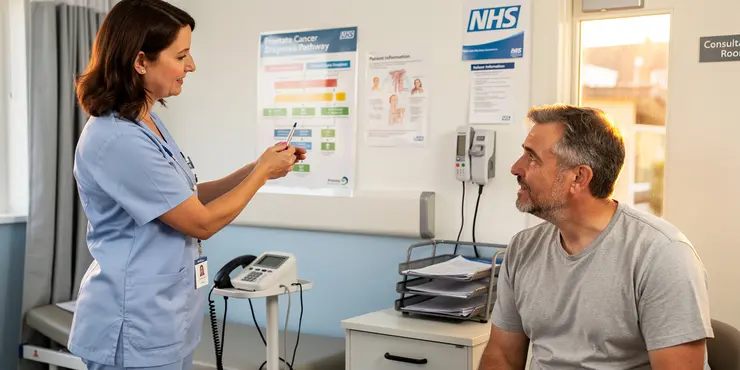
Prostate cancer diagnosis and tests
Relevance: 68%
-

Can I walk into a clinic for prostate screening?
Relevance: 52%
-

What is prostate screening?
Relevance: 51%
-

How do I apply for prostate screening?
Relevance: 50%

-

Are there any preparation steps for prostate screening?
Relevance: 48%
-

What happens if my prostate screening is abnormal?
Relevance: 47%
-

What are the risks of prostate screening?
Relevance: 45%
-

Does BPH increase the risk of prostate cancer?
Relevance: 41%
-

What kinds of cancer screening are available?
Relevance: 41%
-
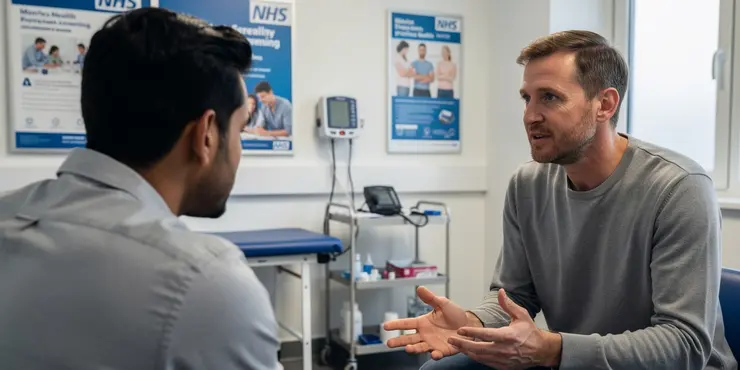
Are there alternatives to traditional prostate screening?
Relevance: 41%
-

What is active surveillance in prostate cancer treatment?
Relevance: 40%
-

What is Prostate Cancer?
Relevance: 38%
-

Is BPH the same as prostate cancer?
Relevance: 38%
-

Prostate cancer symptoms - detecting them early
Relevance: 37%
-

Can prostate cancer recur after treatment?
Relevance: 37%
-

Treating prostate cancer
Relevance: 36%
-

Living with prostate cancer
Relevance: 34%
-

What is a pregnancy test?
Relevance: 34%
-

Are digital pregnancy tests more accurate than non-digital tests?
Relevance: 34%
-

Is HPV testing available?
Relevance: 33%
-

Is there an autism test?
Relevance: 33%
-

Getting tested for Chlamydia
Relevance: 33%
-
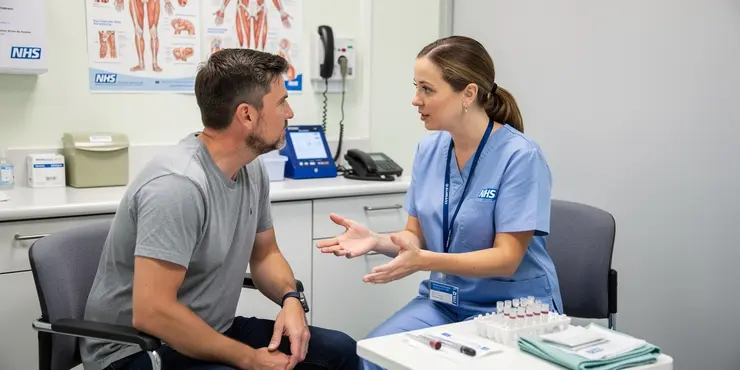
Having a blood test
Relevance: 33%
-

Can a pregnancy test expire?
Relevance: 32%
-

Sexual Health - HIV Testing
Relevance: 32%
-

Urine test for Gonorrhoea and Chlamydia
Relevance: 32%
-

Is there a test for West Nile Virus?
Relevance: 32%
-

What is the Hazard Perception Test?
Relevance: 32%
-
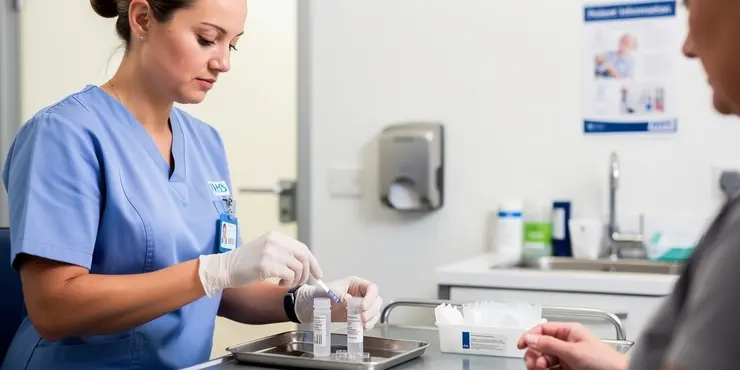
Urine test for Gonorrhoea and Chlamydia
Relevance: 32%
-

What is a stool DNA test?
Relevance: 32%
-

What is the DVSA Theory Test?
Relevance: 32%
-

What is the Womb Lining test?
Relevance: 32%
-
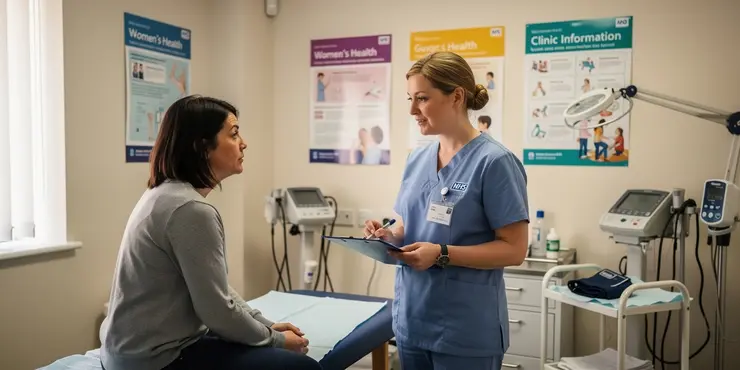
What is the womb lining test?
Relevance: 32%
-

What is a CA-125 test?
Relevance: 32%
Introduction to PSA Testing
PSA testing refers to the measurement of prostate-specific antigen (PSA) levels in a man's blood. PSA is a protein produced by both normal and malignant cells of the prostate gland. The test is often used as a screening tool for prostate cancer, which is one of the most common types of cancer among men in the UK.
How PSA Testing Works
The PSA test involves a simple blood sample, usually taken from the arm. The sample is then analysed in a laboratory to determine the amount of PSA present in the blood. The results can indicate normal PSA levels, which are generally age-dependent, or they might point to elevated levels that could suggest the presence of prostate cancer or other prostate issues, such as an enlarged prostate or prostatitis.
Interpreting PSA Test Results
PSA levels are measured in nanograms per millilitre (ng/mL) of blood. Typically, a PSA level of 4.0 ng/mL or lower is considered normal, though this can vary based on age and risk factors. Higher PSA levels can indicate the need for further investigation through additional tests, such as a digital rectal examination (DRE) or a prostate biopsy, to determine the cause of the elevation. It is important to note that elevated PSA levels do not definitively diagnose prostate cancer.
Benefits of PSA Testing
PSA testing can be an important tool in the early detection of prostate cancer. By identifying elevated PSA levels, healthcare providers can initiate timely investigations and interventions, potentially improving treatment outcomes and survival rates. Early detection through PSA testing allows for more treatment options and better management of the disease.
Considerations and Limitations
While PSA testing can be beneficial, it also has its limitations. Not all elevated PSA levels are indicative of cancer, and not all prostate cancers cause elevated PSA levels. This means that some men may undergo unnecessary further testing or treatments, while others may have a false sense of security. Additionally, PSA levels can be affected by various factors, including age, race, medical history, and even certain medications.
Conclusion
PSA testing is a widely used method for screening prostate cancer in the UK. It helps in the early detection and management of prostate-related issues. However, individuals should discuss the pros and cons of PSA testing with their healthcare providers to make informed decisions tailored to their specific health needs. Understanding the implications of test results and additional diagnostic procedures is crucial for effective healthcare planning.
Introduction to PSA Testing
PSA testing is a blood test for men. It checks the level of a protein called PSA in the blood. PSA comes from the prostate gland. This test helps to look for prostate cancer, a common cancer in men in the UK.
How PSA Testing Works
A doctor takes a small blood sample from your arm. The blood is sent to a lab where they measure the amount of PSA. The results show if PSA levels are normal for your age or if they are higher. Higher levels might mean prostate cancer or other problems like an enlarged prostate.
Understanding PSA Test Results
PSA levels are shown as numbers called ng/mL in your blood. A level of 4.0 ng/mL or less is usually normal, but this can change with age and other things. High levels might need more tests like a check-up or a small tissue test from the prostate to find out more. High PSA levels do not always mean you have cancer.
Benefits of PSA Testing
PSA testing can find prostate cancer early. Early detection means doctors can start treatment quickly, which can lead to better chances of getting well. If cancer is found early, there are more ways to treat it.
Considerations and Limitations
PSA testing is helpful, but it is not perfect. High PSA levels do not always mean cancer, and not every prostate cancer shows high PSA. This means some men might get more tests that they do not need, and some might think they are safe when they are not. Other things like age, race, health history, and some medicines can change PSA levels.
Conclusion
PSA testing is common in the UK for checking prostate cancer. It helps find and manage prostate problems early. Talk to your doctor about the good and bad sides of PSA testing, so you can make the best choice for your health. It is important to understand what your test results mean and how they can affect your health plan.
Frequently Asked Questions
What is PSA testing?
PSA testing measures the level of prostate-specific antigen in the blood, which can be an indicator of prostate health.
Why is PSA testing done?
PSA testing is done to screen for prostate cancer and monitor the condition in those who are already diagnosed with it.
Who should consider getting a PSA test?
Men over 50 and those with risk factors for prostate cancer, such as family history or African ancestry, should consider PSA testing.
What do high PSA levels indicate?
High PSA levels may indicate prostate cancer, but they can also result from benign prostate conditions, infections, or other factors.
Can a PSA test diagnose prostate cancer?
A PSA test alone cannot diagnose prostate cancer; it requires further testing such as a biopsy.
What are the risks of PSA testing?
PSA testing can lead to overdiagnosis, anxiety, and possibly unnecessary treatments with side effects.
How should one prepare for a PSA test?
Certain activities like ejaculation or vigorous exercise and some medications can affect PSA levels. Discuss these with your doctor before the test.
What is considered a normal PSA level?
Normal PSA levels are generally considered to be below 4.0 ng/mL, but this can vary based on age and health.
How is a PSA test performed?
A blood sample is taken from a vein in your arm and sent to a lab to measure PSA levels.
Are there alternatives to PSA testing?
Other tests such as digital rectal exams and imaging tests can also assess prostate health.
How often should PSA testing be done?
The frequency of PSA testing depends on individual risk factors and should be discussed with a healthcare provider.
What happens if PSA levels are high?
If PSA levels are high, further testing like MRI or a biopsy may be recommended to investigate further.
Can medications affect PSA levels?
Yes, certain medications, such as 5-alpha reductase inhibitors, can lower PSA levels.
Is PSA testing covered by insurance?
PSA testing is often covered by health insurance, but coverage can vary.
What are the benefits of PSA testing?
PSA testing can help detect prostate cancer early, potentially improving treatment outcomes.
What factors besides cancer can elevate PSA levels?
Prostate enlargement, prostatitis, urinary tract infections, and recent ejaculation can elevate PSA levels.
Can lifestyle changes affect PSA levels?
Healthy lifestyle changes, like diet and exercise, can influence overall prostate health and potentially affect PSA levels.
What does a low PSA level mean?
A low PSA level usually indicates a low risk of prostate cancer, but it's not a guarantee that cancer is absent.
Can a PSA test detect other diseases?
PSA testing is specifically for prostate health, but abnormal levels could potentially indicate other prostate issues.
What should I do if I'm worried about prostate cancer?
Consult a healthcare provider to discuss your risk factors and whether PSA testing or other evaluations are appropriate.
What is PSA testing?
PSA testing is a simple test for men. It checks the levels of PSA in the blood. PSA stands for Prostate-Specific Antigen. This test helps to see if there might be a problem with the prostate.
What does it help with?
It can help find prostate cancer early or other prostate problems.
Helpful Tools or Tips:
- Ask your doctor to explain what the test results mean.
- Use pictures or videos to learn more about the prostate.
- Bring a friend or family member to the appointment to help understand the information.
PSA testing checks how much of a protein called prostate-specific antigen is in the blood. This can help show how healthy the prostate is.
Why is PSA testing done?
Doctors do a PSA test to see if there are problems with a man's prostate. The prostate is a small gland in the body. The PSA test checks for signs that could mean something is wrong. If the numbers from the test are high, the doctor may do more tests.
If you find this hard to understand, you can ask someone to explain it to you. You can also use tools that read text out loud or make the words bigger on the screen.
PSA testing checks for signs of prostate cancer. It also helps doctors keep an eye on people who already have prostate cancer.
Who should think about having a PSA test?
A PSA test is a simple blood test. It helps check if your prostate gland is healthy.
Here are some people who might need this test:
- Men over 50 years old.
- Men with family members who had prostate problems.
- Men with some symptoms like needing to pee a lot.
If you are not sure, talk to your doctor. They can help you decide.
Using a calendar to remind you of doctor's appointments can be helpful. You could also ask a friend or family member to go with you.
Men who are over 50 years old or have reasons to be worried about prostate cancer, like if someone in their family had it or if they have African ancestors, should think about getting a PSA test.
Helpful tools like reminder apps or speaking with a doctor can be a good idea to keep track of health check-ups.
What do high PSA levels mean?
High PSA levels can mean that there might be prostate cancer. But sometimes, they can also be because of other things, like non-cancer prostate problems or infections.
Can a PSA test find prostate cancer?
A PSA test by itself cannot tell if you have prostate cancer. You need more tests like a biopsy to find out for sure.
What can go wrong with the PSA test?
PSA testing can sometimes find problems that are not really there. This can make people worried and could lead to treatments they might not need, which can have side effects.
How to get ready for a PSA test
A PSA test is a blood test for the prostate. Here's how you can get ready:
- Rest: Try to relax the day before your test. Go to bed early and sleep well.
- Eat and drink: Ask your doctor if you need to avoid food or drink before the test.
- Exercise: Do not do any heavy exercise like biking or running right before the test.
- Medicine: Tell your doctor about any medicine you take. Some might affect the test.
- Talk: If you feel worried, tell someone you trust or talk to your doctor.
Remember, it's okay to ask questions if you feel unsure about anything. It's important to understand what will happen during the test.
Things like ejaculation, hard exercise, and some medicine can change PSA levels. Talk to your doctor about these before the test.
What is a normal PSA level?
PSA is something doctors look at to see if your prostate is healthy.
A normal PSA level means your prostate is probably okay.
Ask a doctor if you need help understanding your PSA level. You can also use a calculator or chart to help.
PSA levels are how we check for some health issues in men. Normal PSA levels are usually below 4.0 ng/mL. But, it can be different depending on how old you are and how healthy you are.
How do they do a PSA test?
A PSA test is a simple blood test. A nurse takes blood from your arm.
The blood is sent to a lab. The lab checks how much PSA is in your blood.
PSA stands for Prostate Specific Antigen.
Here are some tips to help you:
- Take a friend with you to the test.
- Ask the nurse or doctor to explain what they are doing.
- You can ask questions if you do not understand.
A small amount of blood is taken from your arm. It goes to a special place called a lab where they check the PSA levels.
Are there other ways to check for prostate cancer besides PSA tests?
There are other tests to check how healthy your prostate is. Doctors can feel your prostate with their finger to check it. They can also take pictures inside your body to see how your prostate looks. If you find it hard to understand, you can ask someone to help explain it to you. Also, looking at pictures or using apps that read out information can be helpful.
How often should you have a PSA test?
You should have a PSA test every year. PSA is a test to check on the health of your prostate. It is important to talk to your doctor about how often you need this test. They can help you decide what is best for you.
Here are some tips to help you remember your appointments:
- Mark the date on a calendar.
- Set a reminder on your phone.
- Ask someone you trust to remind you.
How often you get a PSA test depends on your health needs. Talk to your doctor about what is best for you.
What does it mean if PSA levels are high?
PSA is something in your blood. If PSA levels are high, it can mean something is happening with your prostate. It's important to talk to a doctor. They can help find out why PSA levels are high.
You can ask someone you trust to go with you to the doctor. It can help to have a friend or family member listen, too. Writing down questions before you visit can also be a good idea.
If PSA levels are high, the doctor might want to do more tests, like an MRI or a biopsy, to learn more.
Can medicines change PSA levels?
Medicines can sometimes change the PSA levels in the body. PSA stands for "Prostate-Specific Antigen." It's something doctors check in men to look at their prostate health.
Some medicines might make PSA levels higher or lower. If you're taking any medicines, tell your doctor before a PSA test. This will help them understand the results better.
Here are a few tips to help understand:
- Ask your doctor or nurse to explain anything that's confusing.
- Use pictures or diagrams to help understand what PSA is.
- Ask someone you trust to go with you to doctor appointments to help.
Support tools:
- Use a magnifying glass if it's hard to read small print.
- Listen to audiobooks or videos about health and PSA.
Remember, it's okay to ask lots of questions!
Yes, some medicines can make PSA levels go down. One type is called 5-alpha reductase inhibitors.
Does insurance pay for PSA tests?
Health insurance usually helps pay for PSA tests. But, what insurance covers can be different for each person.
Why is PSA testing good?
PSA testing is a medical test. It looks for signs of prostate issues in men. Here are some good things about PSA testing:
- It can help find prostate problems early.
- Early treatment can make health better.
- It can give you peace of mind.
To help read and understand, try using a ruler or your finger to follow the words. Reading with a friend or asking a family member can also help make it easier.
PSA tests can find prostate cancer early. This can make it easier to treat the cancer.
What things can make PSA levels go up besides cancer?
PSA levels can rise for different reasons. It is not always because of cancer. Here are some things that can make PSA levels higher:
- Age: As men get older, their PSA levels can naturally be higher.
- Prostate Size: A bigger prostate can lead to higher PSA levels.
- Prostatitis: This is when the prostate is swollen or painful.
- Urinary Infection: Infections in the urine can cause PSA levels to increase.
- Recent Medical Tests: Certain tests or procedures can make PSA levels go up.
- Exercise: Some kinds of exercise, like riding a bike, can affect PSA levels.
If you are worried about PSA levels, talk to a doctor. They can help you understand what might be happening. Using special reading tools like text-to-speech can also help if reading is hard.
The PSA level in the blood can go up because of a bigger prostate, an inflamed prostate, a urine infection, or if you have ejaculated recently.
Can changing how you live change PSA levels?
Eating healthy food and doing exercise can help keep your prostate healthy. This might also change your PSA levels.
What does a low PSA level mean?
PSA is short for Prostate-Specific Antigen. It is something in your blood that can be checked with a test.
A low PSA level is often normal. It means there is not much PSA in your blood. This is usually a good thing.
If you have questions, it's okay to ask your doctor to explain things. You can also use pictures or videos to help you understand.
It is important to feel okay asking for help if you need it.
A low PSA level usually means there is a low chance of having prostate cancer. But it doesn't promise that there is no cancer at all.
Can a PSA test find other illnesses?
The PSA test checks how healthy a man's prostate is. If the test shows something is unusual, it might mean there are other problems with the prostate.
What should I do if I'm worried about prostate cancer?
If you are worried about prostate cancer, here are some simple steps you can take:
- Talk to your doctor. They can give you advice and check if you need any tests.
- Learn about prostate cancer. You can read books for kids or watch videos made for children to understand better.
- Ask someone you trust to help you find the right information.
- Write down your worries or questions so you can ask your doctor later.
Remember, it's okay to ask for help if you do not understand.
Talk to a doctor or nurse. They can help you understand your health. Ask them if you need a PSA test or other check-ups.

Useful Links
This website offers general information and is not a substitute for professional advice.
Always seek guidance from qualified professionals.
If you have any medical concerns or need urgent help, contact a healthcare professional or emergency services immediately.
Some of this content was generated with AI assistance. We've done our best to keep it accurate, helpful, and human-friendly.
- Ergsy carefully checks the information in the videos we provide here.
- Videos shown by Youtube after a video has completed, have NOT been reviewed by ERGSY.
- To view, click the arrow in centre of video.
- Most of the videos you find here will have subtitles and/or closed captions available.
- You may need to turn these on, and choose your preferred language.
- Go to the video you'd like to watch.
- If closed captions (CC) are available, settings will be visible on the bottom right of the video player.
- To turn on Captions, click settings.
- To turn off Captions, click settings again.
More Items From Ergsy search
-
What is PSA testing?
Relevance: 100%
-
Prostate Specific Antigen (PSA) test
Relevance: 94%
-
What do the PSA test results mean?
Relevance: 91%
-
Ask for a prostate specific antigen (PSA) test along with your annual cholesterol check.
Relevance: 83%
-
What are PSA levels? - Prostate Cancer
Relevance: 80%
-
What is the importance of PSA levels in treatment?
Relevance: 77%
-
Prostate cancer diagnosis and tests
Relevance: 68%
-
Can I walk into a clinic for prostate screening?
Relevance: 52%
-
What is prostate screening?
Relevance: 51%
-
How do I apply for prostate screening?
Relevance: 50%
-
Are there any preparation steps for prostate screening?
Relevance: 48%
-
What happens if my prostate screening is abnormal?
Relevance: 47%
-
What are the risks of prostate screening?
Relevance: 45%
-
Does BPH increase the risk of prostate cancer?
Relevance: 41%
-
What kinds of cancer screening are available?
Relevance: 41%
-
Are there alternatives to traditional prostate screening?
Relevance: 41%
-
What is active surveillance in prostate cancer treatment?
Relevance: 40%
-
What is Prostate Cancer?
Relevance: 38%
-
Is BPH the same as prostate cancer?
Relevance: 38%
-
Prostate cancer symptoms - detecting them early
Relevance: 37%
-
Can prostate cancer recur after treatment?
Relevance: 37%
-
Treating prostate cancer
Relevance: 36%
-
Living with prostate cancer
Relevance: 34%
-
What is a pregnancy test?
Relevance: 34%
-
Are digital pregnancy tests more accurate than non-digital tests?
Relevance: 34%
-
Is HPV testing available?
Relevance: 33%
-
Is there an autism test?
Relevance: 33%
-
Getting tested for Chlamydia
Relevance: 33%
-
Having a blood test
Relevance: 33%
-
Can a pregnancy test expire?
Relevance: 32%
-
Sexual Health - HIV Testing
Relevance: 32%
-
Urine test for Gonorrhoea and Chlamydia
Relevance: 32%
-
Is there a test for West Nile Virus?
Relevance: 32%
-
What is the Hazard Perception Test?
Relevance: 32%
-
Urine test for Gonorrhoea and Chlamydia
Relevance: 32%
-
What is a stool DNA test?
Relevance: 32%
-
What is the DVSA Theory Test?
Relevance: 32%
-
What is the Womb Lining test?
Relevance: 32%
-
What is the womb lining test?
Relevance: 32%
-
What is a CA-125 test?
Relevance: 32%