

Find Help
More Items From Ergsy search
-
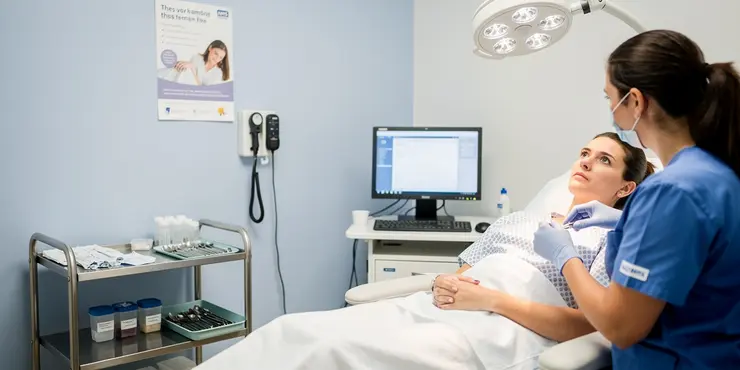
Can a womb lining test detect cancer?
Relevance: 100%
-

Can a womb lining test detect cancer?
Relevance: 94%
-
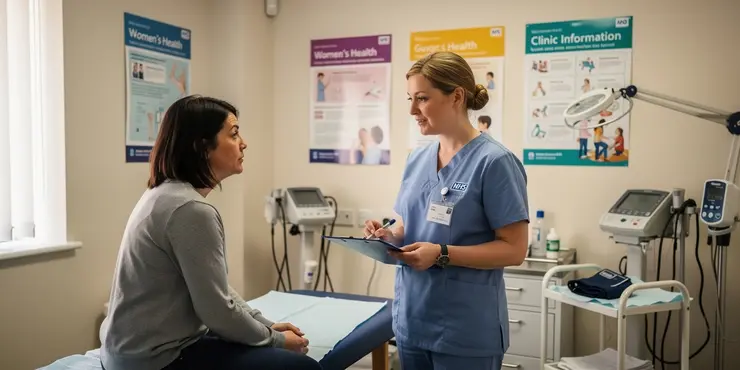
What is the womb lining test?
Relevance: 92%
-
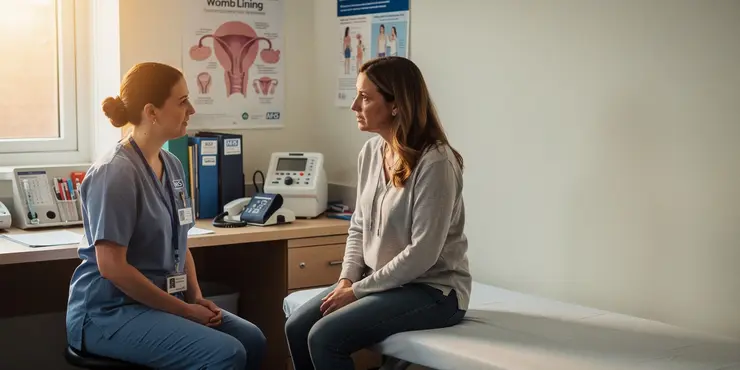
What is the Womb Lining test?
Relevance: 92%
-

Is a womb lining test painful?
Relevance: 92%
-

Is the womb lining test painful?
Relevance: 92%
-
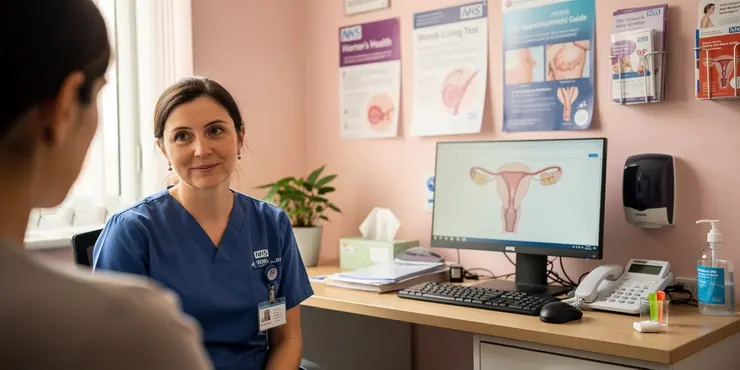
Is the womb lining test covered by the NHS?
Relevance: 92%
-
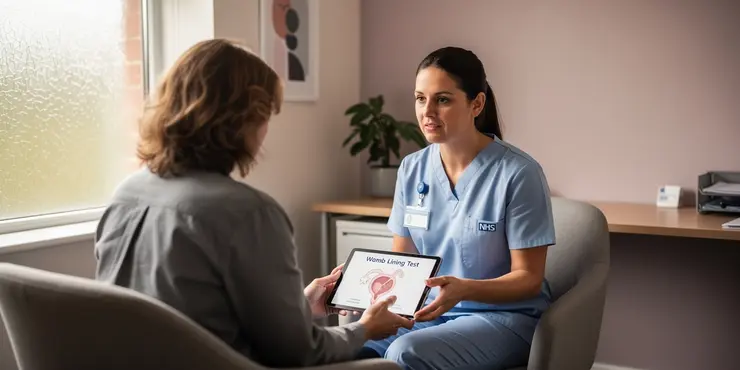
Is the womb lining test covered by the NHS?
Relevance: 91%
-

Why is a womb lining test performed?
Relevance: 90%
-
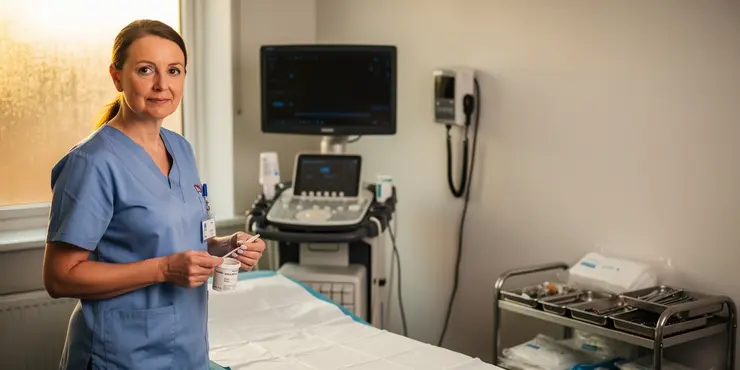
How is a womb lining test conducted?
Relevance: 89%

-

Are there risks associated with a womb lining test?
Relevance: 88%
-

Why might someone need a womb lining test?
Relevance: 88%
-
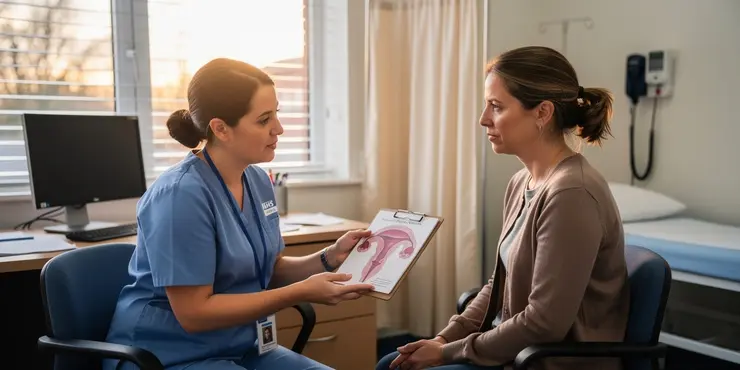
How is the womb lining test performed?
Relevance: 86%
-
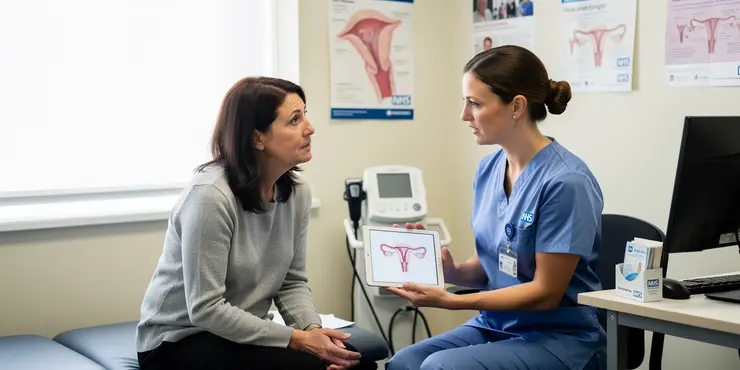
Are there any risks associated with the womb lining test?
Relevance: 84%
-
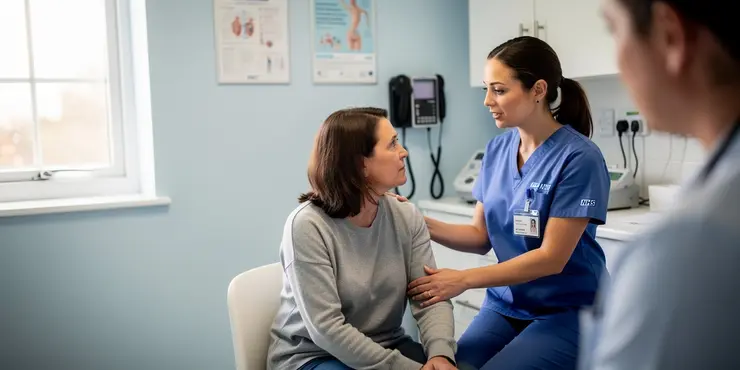
Is there any follow-up required after a womb lining test?
Relevance: 82%
-
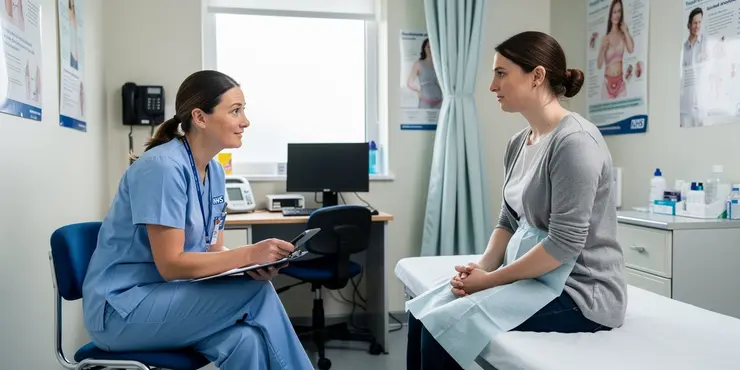
What happens after a womb lining test?
Relevance: 81%
-

Does the womb lining test require any special preparation?
Relevance: 78%
-
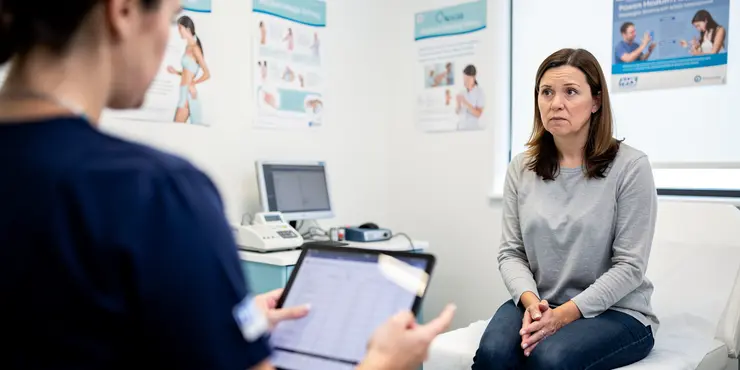
How long does it take to get results from a womb lining test?
Relevance: 77%
-
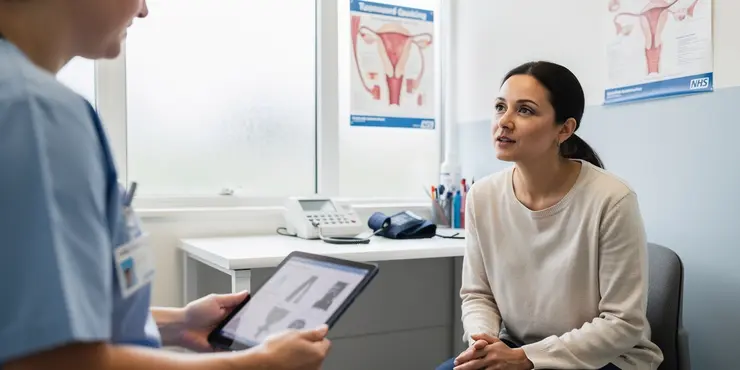
How should I prepare for a womb lining test?
Relevance: 76%
-
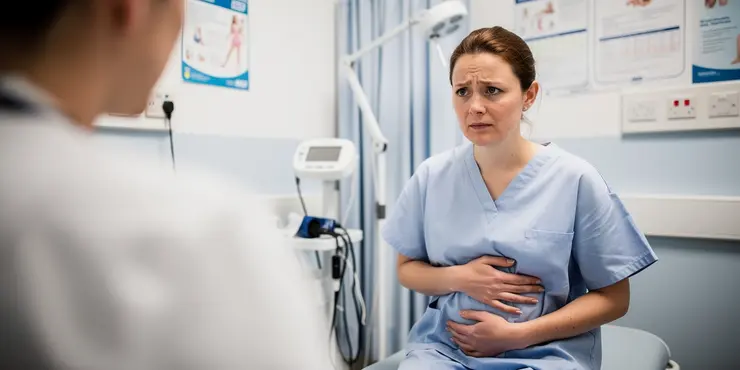
Can I drive after the womb lining test?
Relevance: 73%
-

How long does it take to get results from a womb lining test?
Relevance: 69%
-

What does an evaporation line mean on a pregnancy test?
Relevance: 50%
-

Endometrial Cancer
Relevance: 48%
-

How does a pregnancy test work?
Relevance: 42%
-

Endometrial Cancer
Relevance: 41%
-

Are digital pregnancy tests more accurate than non-digital tests?
Relevance: 38%
-

Endometrial Cancer
Relevance: 37%
-
What is a pregnancy test?
Relevance: 36%
-

What should I do if I get unclear results on a pregnancy test?
Relevance: 36%
-

When should I take a pregnancy test?
Relevance: 36%
-
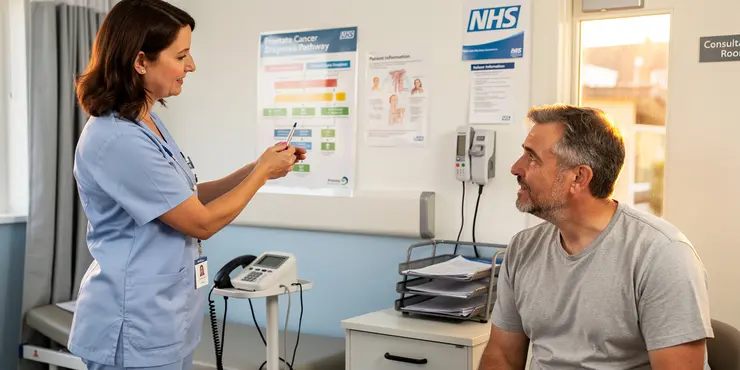
Prostate cancer diagnosis and tests
Relevance: 33%
-
What can cause a false positive pregnancy test?
Relevance: 33%
-

Can a pregnancy test expire?
Relevance: 33%
-
Can drinking a lot of water affect pregnancy test results?
Relevance: 32%
-

Post Menopausal Bleeding Clinic | A Guide to What Happens at An Appointment
Relevance: 32%
-

Can a pregnancy test detect a miscarriage?
Relevance: 31%
-

What are the different types of pregnancy tests?
Relevance: 30%
-

How long should I wait to read the results of a pregnancy test?
Relevance: 30%
-

What if my pregnancy test is positive?
Relevance: 30%
-

What is PSA testing?
Relevance: 30%
Understanding the Pain Level of a Womb Lining Test
What is a Womb Lining Test?
A womb lining test, scientifically known as an endometrial biopsy, is a medical procedure where a small sample of the uterine lining is extracted for examination. This test is commonly conducted to investigate issues such as abnormal uterine bleeding, infertility, or to check for signs of uterine cancer. In the UK, it is often conducted in hospitals and clinics by a gynaecologist or a specialist nurse.Procedure and Pain Management
The procedure itself involves inserting a thin instrument through the cervix to collect tissue from the uterine lining. One might expect some discomfort similar to menstrual cramps. The perception of pain can vary significantly between individuals. Some may experience only mild discomfort, while others might feel more intense cramping. To manage pain, over-the-counter pain relievers like ibuprofen are usually recommended an hour before the procedure. Discussing pain management options with your healthcare provider before the test can help alleviate anxiety and discomfort.Comparing Pain Levels
For those who have undergone smear tests, the experience can be comparable in terms of discomfort. However, the nature of the test might mean slightly more intense sensations due to the tissue sampling. The procedure is typically quick, lasting just a few minutes, but the discomfort, especially cramping, might persist for a short while post-procedure.Aftercare and Recovery
Post-procedure, it's common to experience mild cramping and spotting. These symptoms usually resolve within a day or two. It is advised to rest and avoid strenuous activities immediately after the test. If severe pain or unusual symptoms occur, contacting your healthcare provider is crucial as it can indicate complications.Emotional and Psychological Considerations
Anticipation and worry about the pain can be as challenging as the physical discomfort. Being informed about what to expect and discussing concerns with your doctor can mitigate anxiety. Remember, medical professionals conducting the procedure are experienced and empathetic to patient needs, making the process as smooth and comfortable as possible.Conclusion
While some level of discomfort is to be expected during a womb lining test, it is generally tolerable and brief. Engaging in open communication with your health provider regarding pain management and aftercare ensures a more comfortable experience. Taking steps to understand the procedure can also help minimize anxiety associated with the test.Understanding the Pain Level of a Womb Lining Test
What is a Womb Lining Test?
A womb lining test is a medical check-up. It's also called an endometrial biopsy. Doctors take a tiny piece from inside the womb to look at. They do this test to find out why someone might have odd bleeding, trouble having a baby, or to check for cancer. In the UK, a doctor or nurse does this test in hospitals and clinics.Procedure and Pain Management
During the test, a doctor uses a thin tool to take a tissue sample from the womb. It might feel like a strong period pain. How much it hurts can be different for everyone. Some people feel a little pain, others might feel more. Taking a painkiller, like ibuprofen, an hour before can help. Talk to the doctor about pain relief before the test to feel better prepared and less worried.Comparing Pain Levels
If you've had a smear test before, this might feel like it but a bit stronger because of the tissue sample. It's a fast test, only a few minutes, but some cramps or pain might stay for a bit after.Aftercare and Recovery
After the test, you might feel some cramps and see a little bleeding. This usually stops in a day or two. Rest and take it easy until you feel better. If the pain is very bad or you notice anything strange, call your doctor right away.Emotional and Psychological Considerations
Worrying about the pain can feel just as bad as the pain itself. Knowing what will happen and talking with your doctor can help you feel less scared. Doctors who do this are kind and want to make it easy for you.Conclusion
A womb lining test might hurt a little, but it's usually quick and not too painful. Talk with your doctor about how to feel better during and after the test. Knowing what to expect can help you feel less worried about it.Frequently Asked Questions
What is a womb lining test?
A womb lining test, also known as an endometrial biopsy, is a procedure to examine the lining of the uterus to assess its condition, often to diagnose causes of abnormal bleeding or fertility issues.
Is the womb lining test painful?
The experience of pain varies from person to person. Some may feel mild discomfort or cramping similar to menstrual cramps, while others may find it more uncomfortable.
How long does the pain from a womb lining test last?
Any discomfort or cramping usually subsides shortly after the procedure, often within a few hours.
Can I take pain relief before a womb lining test?
Yes, it's often advised to take over-the-counter pain relief, such as ibuprofen, an hour before the procedure to help manage discomfort.
How long does a womb lining test take?
The actual procedure usually takes about 10 to 15 minutes.
Do I need to rest after a womb lining test?
Resting for a short period after the test is often recommended, but most people can resume normal activities the same day.
What should I do to prepare for a womb lining test?
You may be advised to avoid using tampons, creams, or douches before the test. Follow your healthcare provider's specific instructions.
Are there any risks associated with a womb lining test?
Complications are rare but can include infection or bleeding. It's important to discuss any concerns with your healthcare provider.
Why is a womb lining test performed?
It is commonly performed to investigate causes of abnormal uterine bleeding, postmenopausal bleeding, or fertility issues.
Can I experience bleeding after a womb lining test?
Light spotting or bleeding can occur after the test, which should resolve in a day or two.
Is an anaesthetic needed for a womb lining test?
This procedure is typically done without anaesthetic, but in some cases, a local anaesthetic might be used to ease discomfort.
What should I do if I experience severe pain after the womb lining test?
If you experience severe pain or heavy bleeding after the test, contact your healthcare provider promptly.
Can the womb lining test affect my menstrual cycle?
The test may lead to some temporary irregularities in your cycle, but it should not have long-term effects.
When can I expect the results from a womb lining test?
Results are typically available within a week to ten days, depending on the laboratory processing times.
How should I choose a clinic for a womb lining test?
Choose a reputable clinic or hospital with experienced healthcare professionals. Discuss any concerns with your GP or specialist.
What's a Womb Lining Test?
A womb lining test looks inside a woman's tummy. It checks the lining of the womb. Doctors often do this test to find out why a woman might have certain health issues.
Here are some tips to help you understand:
- Ask someone you trust to explain it to you.
- Use pictures or diagrams to see what the test is about.
- Write down any questions you have and ask a doctor to answer them.
A womb lining test is called an endometrial biopsy. This is a test to look at the inside of the uterus (the womb). Doctors do this test to find out why someone might have unusual bleeding or problems having a baby.
Does the womb lining test hurt?
This is a question about a medical test that checks the lining inside a woman's womb (uterus). Let's explain it in a simple way.
What happens during the test: A doctor puts a thin tube through the vagina into the womb to take a tiny bit of the lining. This might feel a bit like having period cramps.
Does it hurt? Some people say it feels uncomfortable or like cramps. It is usually quick. Not everyone feels pain, but some do. If you are worried, talk to your doctor. They can help you understand what will happen and what to expect.
What can help? Here are some things that might make you feel better:
- Take deep breaths to relax.
- Bring a friend or family member to support you.
- Talk to your doctor if you feel very worried. They can give advice on how to manage pain.
Remember, it's always okay to ask questions and say how you feel!
People feel pain in different ways. Some people feel a little hurt, like a small tummy ache. Others might feel more pain, like a big cramp during a period.
How Long Does Pain Last After a Womb Lining Test?
Pain usually goes away in a few days.
Tips to Feel Better:
- Rest and relax.
- A warm cloth on the tummy can help.
- Medicine like paracetamol may help with pain.
- Talk to a doctor if pain stays or gets worse.
If you feel sore or have cramps, it usually goes away a few hours after the treatment.
Can I take medicine for pain before a womb lining test?
Sometimes, doctors say to take medicine like ibuprofen one hour before to help if it hurts.
How long does a womb lining test take?
A womb lining test checks the inside of the womb.
The test is quick. It usually takes about 10 minutes.
Some people use calming music or deep breathing to feel relaxed during the test.
The whole process usually takes around 10 to 15 minutes.
Should I rest after a womb lining test?
It is a good idea to rest for a little while after the test. But most people can go back to doing their usual things on the same day.
How can I get ready for a womb lining test?
Your doctor might say not to use tampons, creams, or douches before the test. Make sure to do what your doctor tells you.
Are there any risks with a womb lining test?
A womb lining test is how doctors check the inside of a woman’s tummy where a baby grows. Doctors do this test by taking a tiny piece from the inside of the tummy. This does not usually hurt much and it is safe for most people.
Sometimes, there might be a few problems like feeling a little bit sore, a tummy ache, or some bleeding. These problems usually go away on their own. It is a good idea to talk to your doctor before the test if you feel worried.
If some new or serious problems happen, you should let your doctor know. Doctors can help you feel better.
To help understand better, you can:
- Ask someone to read with you.
- Watch a video about the test.
- Use pictures or drawings to learn more.
Problems do not happen often, but sometimes people can get an infection or start bleeding. It is important to talk to your doctor if you are worried about anything.
Why do doctors check the lining of the womb?
Doctors look at the inside of the womb to make sure everything is healthy. This helps them find out why someone might have problems with their period or having a baby.
To help understand better, doctors use special tools. If things are still not clear, ask a doctor to explain more. It's okay to ask questions!
This test is done to find out why someone might have unusual bleeding from their uterus, bleeding after menopause, or problems having a baby.
Will I bleed after a womb lining test?
After the test, your womb may bleed a little. This is normal.
If you are worried, tell a doctor or nurse. They can help you feel better.
You can use tools like pictures or videos to understand more. A friend or family member can help you too.
After the test, you might see a little bit of bleeding. This is normal and should stop in a day or two.
Do you need medicine to help you sleep during a womb lining test?
When doctors check the lining of your womb, they might use medicine to help you relax or sleep. This medicine is called anaesthetic.
If you are worried or have questions, talk to your doctor. They can help you understand what will happen.
You can also bring a friend or family member to help you feel calm.
This procedure usually happens without medicine to numb the area. But sometimes, medicine can be used to stop it from hurting.
What should I do if I feel strong pain after the womb lining test?
If you have bad pain or a lot of bleeding after the test, call your doctor right away.
Will the womb lining test change my period?
This question asks if a womb lining test can change your period.
A womb lining test is when a doctor looks at the part inside your tummy where a baby grows.
If you have questions, ask your doctor. It is important to talk to them if you are worried.
You can also use a calendar or an app to keep track of your period. This can help you see if there are any changes.
The test might make your period a bit different for a little while, but it won't change it forever.
When will I get the results from the womb lining test?
You will usually get your results in about a week. Sometimes it can take up to ten days. It depends on how fast the lab works.
How do I pick a clinic for a womb lining test?
Here are some easy steps to help you choose:
- Ask your doctor for advice. They can help you find a good clinic.
- Make sure the clinic has trained and friendly staff.
- Look for clinics with good reviews from other patients.
- Check if the clinic is clean and safe.
- Ask if they have equipment to do the test easily and safely.
You can use a notebook or ask someone to help you remember these tips when choosing a clinic.
Pick a good clinic or hospital with doctors and nurses who know a lot. Talk about any worries with your regular doctor or a specialist.

Useful Links
This website offers general information and is not a substitute for professional advice.
Always seek guidance from qualified professionals.
If you have any medical concerns or need urgent help, contact a healthcare professional or emergency services immediately.
Some of this content was generated with AI assistance. We’ve done our best to keep it accurate, helpful, and human-friendly.
- Ergsy carfully checks the information in the videos we provide here.
- Videos shown by Youtube after a video has completed, have NOT been reviewed by ERGSY.
- To view, click the arrow in centre of video.
- Most of the videos you find here will have subtitles and/or closed captions available.
- You may need to turn these on, and choose your preferred language.
- Go to the video you'd like to watch.
- If closed captions (CC) are available, settings will be visible on the bottom right of the video player.
- To turn on Captions, click settings .
- To turn off Captions, click settings again.
More Items From Ergsy search
-
Can a womb lining test detect cancer?
Relevance: 100%
-
Can a womb lining test detect cancer?
Relevance: 94%
-
What is the womb lining test?
Relevance: 92%
-
What is the Womb Lining test?
Relevance: 92%
-
Is a womb lining test painful?
Relevance: 92%
-
Is the womb lining test painful?
Relevance: 92%
-
Is the womb lining test covered by the NHS?
Relevance: 92%
-
Is the womb lining test covered by the NHS?
Relevance: 91%
-
Why is a womb lining test performed?
Relevance: 90%
-
How is a womb lining test conducted?
Relevance: 89%
-
Are there risks associated with a womb lining test?
Relevance: 88%
-
Why might someone need a womb lining test?
Relevance: 88%
-
How is the womb lining test performed?
Relevance: 86%
-
Are there any risks associated with the womb lining test?
Relevance: 84%
-
Is there any follow-up required after a womb lining test?
Relevance: 82%
-
What happens after a womb lining test?
Relevance: 81%
-
Does the womb lining test require any special preparation?
Relevance: 78%
-
How long does it take to get results from a womb lining test?
Relevance: 77%
-
How should I prepare for a womb lining test?
Relevance: 76%
-
Can I drive after the womb lining test?
Relevance: 73%
-
How long does it take to get results from a womb lining test?
Relevance: 69%
-
What does an evaporation line mean on a pregnancy test?
Relevance: 50%
-
Endometrial Cancer
Relevance: 48%
-
How does a pregnancy test work?
Relevance: 42%
-
Endometrial Cancer
Relevance: 41%
-
Are digital pregnancy tests more accurate than non-digital tests?
Relevance: 38%
-
Endometrial Cancer
Relevance: 37%
-
What is a pregnancy test?
Relevance: 36%
-
What should I do if I get unclear results on a pregnancy test?
Relevance: 36%
-
When should I take a pregnancy test?
Relevance: 36%
-
Prostate cancer diagnosis and tests
Relevance: 33%
-
What can cause a false positive pregnancy test?
Relevance: 33%
-
Can a pregnancy test expire?
Relevance: 33%
-
Can drinking a lot of water affect pregnancy test results?
Relevance: 32%
-
Post Menopausal Bleeding Clinic | A Guide to What Happens at An Appointment
Relevance: 32%
-
Can a pregnancy test detect a miscarriage?
Relevance: 31%
-
What are the different types of pregnancy tests?
Relevance: 30%
-
How long should I wait to read the results of a pregnancy test?
Relevance: 30%
-
What if my pregnancy test is positive?
Relevance: 30%
-
What is PSA testing?
Relevance: 30%