
Find Help
More Items From Ergsy search
-
What steps should I take if a screening test shows abnormal results?
Relevance: 100%
-
What if my mammogram results are abnormal?
Relevance: 88%
-
What is cervical screening (smear test)?
Relevance: 72%
-
Cervical screening (smear test) – what’s it all about?
Relevance: 70%
-
Booked in for your smear test (cervical screening) and not sure what to expect?
Relevance: 63%
-
Cervical screening: Q&A | NHS
Relevance: 62%
-
Screening tests for you and your baby | NHS
Relevance: 58%
-
Cervical screening: what to expect | NHS
Relevance: 58%
-
NHSGGC - Cervical Cancer Screening - English
Relevance: 57%
-
Cervical screening: how it's done | NHS
Relevance: 56%
-
Cervical screening for transgender men | NHS
Relevance: 55%
-
Cervical screening: what to expect | NHS
Relevance: 54%
-
How long does it take to get results from a womb lining test?
Relevance: 53%
-
How to do the FIT bowel cancer screening test | Cancer Research UK
Relevance: 53%
-
What kinds of cancer screening are available?
Relevance: 52%
-
NHS breast cancer screening
Relevance: 52%
-
How long does it take to get results from a womb lining test?
Relevance: 52%
-
The NHS is #StillHereToHelp with cervical screening
Relevance: 52%
-
Don’t ignore your cervical screening invite | NHS
Relevance: 51%
-
Other Things You Need to Know About Breast Screening
Relevance: 51%
-
Can medications affect pregnancy test results?
Relevance: 50%
-
Can stress affect a pregnancy test result?
Relevance: 49%
-
What is cancer screening?
Relevance: 48%
-
What should I do if my home test results are positive?
Relevance: 48%
-
Tower Hamlets breast screening programme
Relevance: 48%
-
What should I do if I get unclear results on a pregnancy test?
Relevance: 48%
-
Is my abnormal heart rhythm dangerous?
Relevance: 47%
-
Is my abnormal heart rhythm dangerous?
Relevance: 47%
-
Is HPV testing available?
Relevance: 46%
-
When should cervical cancer screening begin?
Relevance: 46%
-
What is a stool DNA test?
Relevance: 46%
-
Bowel cancer screening: Alan Titchmarsh and Tommy Walsh | NHS
Relevance: 46%
-
How long should I wait to read the results of a pregnancy test?
Relevance: 45%
-
Can drinking a lot of water affect pregnancy test results?
Relevance: 45%
-
Do morning urine tests give more accurate results?
Relevance: 45%
-
Derbyshire Diabetic Eye Screening - Your Screening Appointment
Relevance: 45%
-
How to use the bowel cancer screening FIT kit | NHS
Relevance: 45%
-
Can lifestyle factors influence the results of a colorectal cancer test?
Relevance: 45%
-
Prostate cancer diagnosis and tests
Relevance: 43%
-
How long does it take to get results from a home colorectal cancer test?
Relevance: 43%
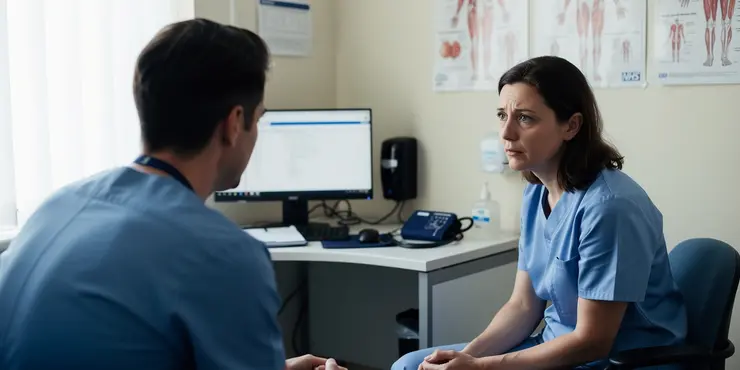
Understanding Abnormal Screening Results
If you've received abnormal results from a screening test, it's important to remember that this doesn't necessarily mean you have a serious condition. Screening tests are designed to alert healthcare providers to the potential presence of an issue, which requires further investigation. Abnormal results are often preliminary and may require follow-up tests for a more definitive diagnosis.
Consult Your GP
Your first step should be to consult with your General Practitioner (GP). They can provide detailed explanations of your test results and the potential implications. Your GP will review your medical history and help determine the next steps. They might also refer you to a specialist if necessary. It's important to discuss any concerns or symptoms you might have in this appointment.
Undergo Follow-up Testing
Follow-up testing is crucial to verify initial findings. Your GP may recommend additional tests such as blood tests, imaging studies, or biopsies, depending on the abnormal result's nature. Follow-up tests help in confirming whether there is a real issue and assist in planning the appropriate treatment if needed.
Maintain Open Communication
During this period, maintaining open communication with healthcare providers is vital. Keep a list of any symptoms you're experiencing, note how they're affecting your daily life, and share this with your healthcare team. Don’t hesitate to ask questions or seek clarification about any part of the process you don't understand, including the potential implications of findings and what future steps might involve.
Consider a Second Opinion
If you're uncertain about the results or the suggested follow-up care, consider getting a second opinion. This can provide reassurance or offer alternative perspectives on the next steps. The NHS provides access to a wealth of resources, and your GP can guide you on how to obtain another medical opinion.
Emotional Support and Resources
Receiving abnormal results can be stressful. Seek support from family, friends, or professional counselors if you're struggling with anxiety or worry about the results. The NHS website is a valuable resource for information and support. Additionally, patient support groups may also provide a community and resources to help you navigate your healthcare journey.
Stay Informed
Educate yourself about the specific tests and potential conditions you're being evaluated for. Reliable information can be found on the NHS website and through leaflets provided by your healthcare provider. Staying informed will help you make knowledgeable decisions about your health and care plan.
What Does an Abnormal Test Result Mean?
If your test result is not normal, it might feel scary. But it does not always mean something is seriously wrong. These tests help doctors know if there might be a problem. They often need to do more tests to learn more about what's happening.
Talk to Your Doctor
Your first step is to talk to your doctor. They can explain your test result and what it might mean. The doctor will check your health history and decide what to do next. They might send you to see another doctor who knows more. Tell your doctor about anything that is worrying you.
Do More Tests
Doing more tests is important to understand the first test result. Your doctor might ask you to do more tests like blood tests or special pictures of your body. These tests help check if there is a real problem and what kind of help you might need.
Keep Talking with Your Doctor
Keep talking to your doctor during this time. Write down how you are feeling and share this with them. Ask questions if you do not understand something. It is important to know what the next steps might be.
Think About Another Opinion
If you feel unsure about the results, you can talk to another doctor. This can help you feel better or give you new ideas. Your doctor can help you find another doctor to talk to.
Get Support
It can be stressful to get an abnormal result. Talk to family or friends if you feel worried. You can also talk to a counselor. The NHS website has a lot of helpful information. Support groups are also a good place for help and advice.
Learn More
Learn about the tests and what they check for. Good information is on the NHS website or from your doctor. Knowing more helps you make good choices about your health.
Frequently Asked Questions
What should be my first step if I receive abnormal screening test results?
Contact your healthcare provider to discuss the results and understand their implications.
Why is it important to follow up on abnormal screening test results?
Following up is crucial to determine the next steps in diagnosis or treatment and to ensure your health is properly managed.
Can abnormal screening results be a false alarm?
Yes, sometimes screening tests show false positives, so further evaluation is necessary to confirm any findings.
How soon should I schedule a follow-up appointment after abnormal results?
Schedule an appointment as soon as possible to discuss further tests or treatments with your healthcare provider.
What types of follow-up tests might be recommended?
Follow-up tests may include diagnostic imaging, blood tests, biopsies, or other specific procedures.
Should I get a second opinion after abnormal test results?
Seeking a second opinion can be beneficial for reassurance and to explore all possible options.
How can abnormal results impact my health management plan?
Abnormal results may lead to modifications in treatment plans, lifestyle changes, or more frequent monitoring.
What are the risks of delaying follow-up after abnormal test results?
Delaying follow-up can lead to progression of a possible condition, making treatment more difficult later.
Are there any preparations needed for follow-up tests?
Your healthcare provider will inform you if any special preparations are required for follow-up tests.
What questions should I ask my doctor about the abnormal results?
Ask about what the results mean, recommended next steps, potential treatments, and any risks involved.
Can lifestyle changes help if I have abnormal test results?
Depending on the condition, lifestyle changes such as diet and exercise may be recommended as part of your management plan.
Should I notify family members about my abnormal results?
It's often beneficial to inform family members, as some conditions can be hereditary or impact family health planning.
How can I manage stress or anxiety related to abnormal test results?
Consider seeking support from mental health professionals, talking to friends or family, and staying informed about your health.
Can abnormal results be an indication of a need for surgery?
While some conditions might require surgery, it's best to discuss with your healthcare provider for an accurate assessment.
What records should I keep after receiving abnormal results?
Keep copies of all test results, appointments, treatments, and recommendations for future reference.
Are follow-up tests covered by insurance after abnormal results?
Coverage depends on your insurance policy, so it's advisable to contact your insurer to verify benefits.
What if I do not agree with the follow-up plan proposed?
Discuss your concerns with your provider, and consider seeking a second opinion to explore other options.
What is the likelihood of false positives with screening tests?
The likelihood varies by test and condition; your healthcare provider can provide specific information related to your situation.
Should I make any immediate lifestyle changes after receiving abnormal results?
Consult your healthcare provider for personalized recommendations before making significant lifestyle changes.
Is there financial assistance available for follow-up tests if needed?
Some organizations and healthcare providers offer financial assistance programs; inquire with your provider for options.
What do I do if my test results are not normal?
If your test says something might be wrong, don't worry. Here are some steps you can take: 1. **Talk to Your Doctor**: Ask your doctor what the results mean. They will explain it to you. 2. **Write Down Questions**: If you have questions, write them down. Bring them when you talk to your doctor. 3. **Bring a Friend**: Take someone with you to the doctor. They can help you listen and remember things. 4. **Take Notes**: Write down what the doctor says so you can remember later. 5. **Ask for Help**: If you don't understand, ask your doctor to explain again or in a different way. These steps will help you know what to do next.Talk to your doctor or nurse to learn more about your test results and what they mean for you.
Why should you check unusual test results?
It is important to check and talk to your doctor if your test results are not normal. Here’s why:
- Find out early: Checking unusual results can help find health problems early. It is easier to treat problems when they are found early.
- Stay healthy: Knowing about a problem can help you get the right care. This can keep you healthy.
- Ask questions: If you do not understand the results, ask your doctor. They can explain what it means.
If reading is hard, try these ideas:
- Ask someone to read with you.
- Use a computer or phone to hear the text read out loud.
It is very important to follow up. This helps to know what to do next for diagnosis or treatment. It also makes sure your health is taken care of properly.
Can screening results be wrong?
Sometimes test results can say something is wrong when it is not. This is called a 'false alarm'.
If you feel worried, talk to your doctor. They can explain what the results mean.
Using a ruler or your finger to follow along with the text as you read might help.
Yes, sometimes tests can say there is a problem when there isn’t one. So, doctors need to check again to be sure.
When should I make my next appointment after unusual test results?
If your test results are not normal, you should see the doctor again soon. It is important to talk to your doctor about when to come back. Make your next appointment as soon as you can. If you need help, ask a friend or family member to help you schedule it.
Call your doctor to set a time to talk. You can ask about tests or help you might need.
What other tests might the doctor suggest?
After your first test, the doctor might want you to do more tests. These help the doctor to understand more about your health. You can ask your doctor what these tests are for. You can also use pictures or videos to help you understand better.
After your first tests, you might need more checks. These could be special pictures of inside your body, blood tests, taking a small piece of body tissue to look at, or other special checks.
Should I Ask Another Doctor If My Test Is Not Normal?
If your test results are not normal, it might be a good idea to talk to another doctor. This can help make sure you get the best care.
Here are some things that can help you:
- Ask a friend or family member to come with you to the doctor. They can help you remember what the doctor says.
- Write down your questions before you see the doctor. This way, you won't forget to ask something important.
- Use a notepad to write notes during the visit. Writing things down can help you remember later.
- Ask the doctor to explain things slowly. If you don't understand, ask them to say it in a different way.
Getting a second opinion can be helpful. It can make you feel better and help you see all your choices.
What happens if my test results are not normal?
If your test results are not what we expect, it can change how we take care of your health. Here’s what might happen:
- Talk with your doctor: Your doctor will talk to you and explain what the results mean.
- New treatments: You might need to try new medicine or change your care plan to help you feel better.
- More tests: You may need more tests to understand your health better.
It is important to ask questions if you do not understand something. Talking with your doctor or using tools like health apps can help you. Always remember, it is okay to ask for help!
If the test results are not normal, the doctor might change your treatment. They could ask you to live in a healthier way or see you more often to check on you.
What happens if you wait too long after a bad test result?
If you wait too long to see a doctor, a health problem might get worse. This can make it harder to fix later.
Do I need to get ready for the next tests?
Your doctor or nurse will tell you if you need to do anything special for your next tests.
What should I ask my doctor about my test results?
Here are some questions you can ask your doctor:
- What do my test results mean?
- Why are the results different from what's normal?
- Do I need more tests?
- What happens next?
- Can you explain it to me in a simple way?
You can bring a friend or family member to help you remember what the doctor says. It might also help to write down the doctor's answers.
Ask what the results mean. Talk about what to do next, like treatments. Ask about any risks too.
Can I feel better with changes in my daily life if my test results are not good?
If you have a health problem, your doctor might ask you to change what you eat and do some exercise. These changes can help you feel better.
Should I tell my family if my test results are not normal?
If your test results are not what you expected, you might wonder if you should talk to your family. Here are some steps to help you:
1. **Ask a Doctor:** Talk to your doctor first. They can explain what the results mean and help you decide what to do next.
2. **Tell Someone You Trust:** It can be good to tell a family member or a friend you trust about your results. They can give you support and help you feel better.
3. **Write It Down:** Sometimes writing down how you feel can help. You can keep a notebook to write your thoughts.
4. **Use a Picture:** Drawing a picture can also be a fun way to express your feelings.
5. **Talk Together:** You can ask your family to sit with you and talk about any worries you have.
It's important to share, so you don't feel alone. People who care about you can help you feel better.
It can be helpful to tell your family. Some health problems can run in families. Knowing can help your family take care of their health.
How can I feel better if my test results make me worried?
Getting test results that aren't what you expect can make you feel scared or worried. Here are some simple steps to help you feel better:
- Talk to someone: Share how you're feeling with a friend, family member, or a doctor. They can listen and help you feel less alone.
- Take deep breaths: When you feel worried, try taking slow, deep breaths. Breathe in through your nose and out through your mouth.
- Do something you enjoy: Spend time doing a fun activity that makes you happy, like drawing, playing a game, or listening to music.
- Write about your feelings: Write down what you're feeling in a diary. This can help you understand your feelings better.
- Get clear information: Talk to your doctor to understand what the test results mean. Ask questions if you're not sure about something.
Remember, it's okay to feel worried, but using these steps can help you feel more at ease. Ask for help whenever you need it.
Think about getting help from doctors who understand feelings. Talk to your friends or family. Learn about staying healthy.
Do bad test results mean you need an operation?
If your test results are not normal, it might mean you need an operation.
If you feel worried, talk to your doctor. They are there to help you.
You can ask someone to help you understand your test results.
Sometimes, drawing pictures or using apps can help you see what the results mean.
Some health problems might need surgery to fix. It is important to talk to your doctor. They can tell you what is best for you.
What should I do with unusual test results?
Keep these things safe:
- The test results paper.
- Any notes from the doctor.
- Dates of doctor visits.
- A list of questions to ask your doctor.
Get help if you need:
- An organizer or notebook to keep papers in one place.
- Ask a friend or family member to help you understand the results.
Save all your test results, appointments, treatments, and doctor’s advice. This will help you in the future.
Will my insurance pay for more tests if my first test shows something is wrong?
Coverage means what your insurance will pay for. It depends on the plan you have. To find out, you should call your insurance company and ask them what they cover.
What if I don’t like the plan they gave me?
Talk to your doctor about what you are worried about. You can also ask another doctor to see if there are other choices.
How often do screening tests say something is wrong when it isn't?
The chance of something happening is different for each test and situation. Your doctor can give you the right information for you.
Should I change how I live if my test results are not normal?
If your test results are not normal, talk to your doctor. They can tell you what to do next.
- Your doctor might tell you to eat healthy foods.
- They might tell you to exercise more.
- You might need to take medicine.
Here are some tools that can help you:
- Use reminders on your phone or notepad to remember to take medicine.
- Ask a friend or family member for help with understanding what to do.
Always talk to your doctor if you have questions.
Before you make big changes to your life, talk to your doctor. They can give you advice that is just right for you.
Can I get help to pay for more tests if I need them?
Some places and doctors can help with money if you need it. Ask your doctor or the place you go for help.
Useful Links
- Ergsy carfully checks the information in the videos we provide here.
- Videos shown by Youtube after a video has completed, have NOT been reviewed by ERGSY.
- To view, click the arrow in centre of video.
- Most of the videos you find here will have subtitles and/or closed captions available.
- You may need to turn these on, and choose your preferred language.
- Go to the video you'd like to watch.
- If closed captions (CC) are available, settings will be visible on the bottom right of the video player.
- To turn on Captions, click settings .
- To turn off Captions, click settings again.
More Items From Ergsy search
-
What steps should I take if a screening test shows abnormal results?
Relevance: 100%
-
What if my mammogram results are abnormal?
Relevance: 88%
-
What is cervical screening (smear test)?
Relevance: 72%
-
Cervical screening (smear test) – what’s it all about?
Relevance: 70%
-
Booked in for your smear test (cervical screening) and not sure what to expect?
Relevance: 63%
-
Cervical screening: Q&A | NHS
Relevance: 62%
-
Screening tests for you and your baby | NHS
Relevance: 58%
-
Cervical screening: what to expect | NHS
Relevance: 58%
-
NHSGGC - Cervical Cancer Screening - English
Relevance: 57%
-
Cervical screening: how it's done | NHS
Relevance: 56%
-
Cervical screening for transgender men | NHS
Relevance: 55%
-
Cervical screening: what to expect | NHS
Relevance: 54%
-
How long does it take to get results from a womb lining test?
Relevance: 53%
-
How to do the FIT bowel cancer screening test | Cancer Research UK
Relevance: 53%
-
What kinds of cancer screening are available?
Relevance: 52%
-
NHS breast cancer screening
Relevance: 52%
-
How long does it take to get results from a womb lining test?
Relevance: 52%
-
The NHS is #StillHereToHelp with cervical screening
Relevance: 52%
-
Don’t ignore your cervical screening invite | NHS
Relevance: 51%
-
Other Things You Need to Know About Breast Screening
Relevance: 51%
-
Can medications affect pregnancy test results?
Relevance: 50%
-
Can stress affect a pregnancy test result?
Relevance: 49%
-
What is cancer screening?
Relevance: 48%
-
What should I do if my home test results are positive?
Relevance: 48%
-
Tower Hamlets breast screening programme
Relevance: 48%
-
What should I do if I get unclear results on a pregnancy test?
Relevance: 48%
-
Is my abnormal heart rhythm dangerous?
Relevance: 47%
-
Is my abnormal heart rhythm dangerous?
Relevance: 47%
-
Is HPV testing available?
Relevance: 46%
-
When should cervical cancer screening begin?
Relevance: 46%
-
What is a stool DNA test?
Relevance: 46%
-
Bowel cancer screening: Alan Titchmarsh and Tommy Walsh | NHS
Relevance: 46%
-
How long should I wait to read the results of a pregnancy test?
Relevance: 45%
-
Can drinking a lot of water affect pregnancy test results?
Relevance: 45%
-
Do morning urine tests give more accurate results?
Relevance: 45%
-
Derbyshire Diabetic Eye Screening - Your Screening Appointment
Relevance: 45%
-
How to use the bowel cancer screening FIT kit | NHS
Relevance: 45%
-
Can lifestyle factors influence the results of a colorectal cancer test?
Relevance: 45%
-
Prostate cancer diagnosis and tests
Relevance: 43%
-
How long does it take to get results from a home colorectal cancer test?
Relevance: 43%


