

Speak To An Expert
Get clear, personalised advice for your situation.
Jot down a few questions to make the most of your conversation.
More Items From Ergsy search
-

When should cervical cancer screening begin?
Relevance: 100%
-
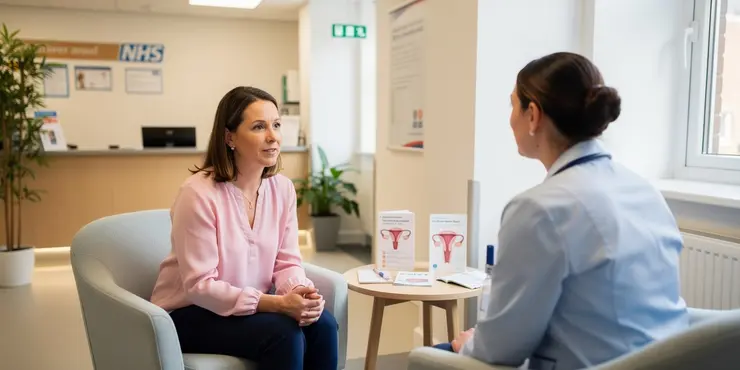
NHSGGC - Cervical Cancer Screening - English
Relevance: 100%
-

Cervical screening: Q&A | NHS
Relevance: 92%
-
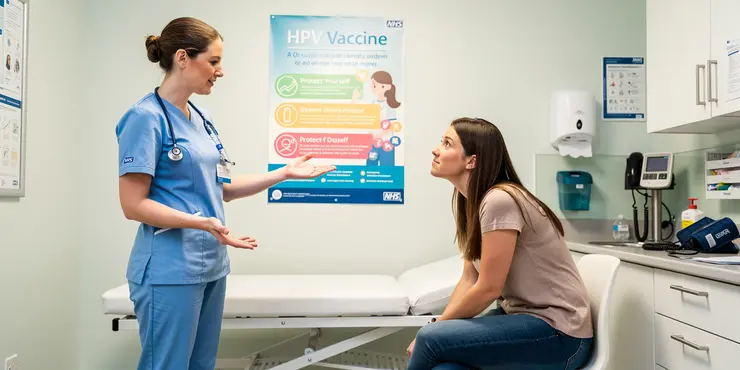
What is the link between HPV and cervical cancer?
Relevance: 89%
-
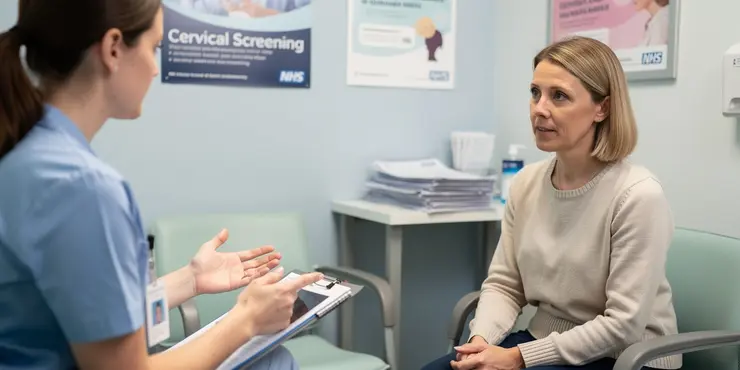
The NHS is #StillHereToHelp with cervical screening
Relevance: 88%
-
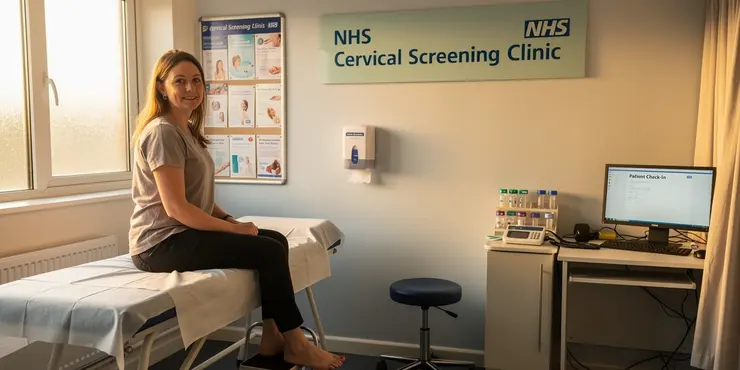
Cervical screening: what to expect | NHS
Relevance: 88%
-
Don’t ignore your cervical screening invite | NHS
Relevance: 87%
-
What is cervical screening (smear test)?
Relevance: 87%
-
Cervical screening for transgender men | NHS
Relevance: 86%
-
Cervical screening: what to expect | NHS
Relevance: 86%

-
Cervical screening: how it's done | NHS
Relevance: 84%
-
Cervical screening (smear test) – what’s it all about?
Relevance: 84%
-
What kinds of cancer screening are available?
Relevance: 78%
-
Cervical screening for women who have experienced sexual assault | NHS
Relevance: 78%
-
Accessing cervical screening with the right support for people with a learning disability
Relevance: 78%
-
Booked in for your smear test (cervical screening) and not sure what to expect?
Relevance: 76%
-
What is cancer screening?
Relevance: 73%
-
Health Screenings You Should Know About
Relevance: 72%
-
Can HPV lead to cancer?
Relevance: 63%
-
What is a skin cancer screening?
Relevance: 56%
-
NHS breast cancer screening
Relevance: 55%
-
Is genetic screening available for cancer risk?
Relevance: 54%
-
What are the recommendations for colorectal cancer screening?
Relevance: 54%
-
Is HPV testing available?
Relevance: 53%
-
AI Breast Cancer Screening in the UK
Relevance: 53%
-
Are there any risk factors that increase the need for cancer screening?
Relevance: 52%
-
Can lifestyle changes impact the efficacy of cancer screening?
Relevance: 52%
-
How often should I get screened for breast cancer?
Relevance: 52%
-
How does increased screening impact bowel cancer statistics?
Relevance: 51%
-
Are there symptoms of an HPV infection?
Relevance: 51%
-
Bowel cancer screening: Alan Titchmarsh and Tommy Walsh | NHS
Relevance: 51%
-
What health problems can HPV cause?
Relevance: 50%
-
Can robots perform lung cancer screenings?
Relevance: 50%
-

Don't carry the worry of cancer with you | NHS
Relevance: 50%
-
Can AI systems reduce the rate of false positives in lung cancer screening?
Relevance: 48%
-
How can HPV be prevented?
Relevance: 47%
-
How to do the FIT bowel cancer screening test | Cancer Research UK
Relevance: 47%
-

What is prostate screening?
Relevance: 46%
-
Worried about signs that could be cancer? Contact your GP practice | NHS
Relevance: 46%
-
Who should consider prostate screening?
Relevance: 46%
Introduction
Cervical cancer screening is a crucial preventative health measure designed to detect pre-cancerous changes in the cells of the cervix. In the UK, cervical screening is commonly known as a smear test. Knowing when to start cervical cancer screening is essential for effective prevention and early diagnosis. Understanding the guidelines and recommendations set by the NHS can help individuals take proactive steps in managing their cervical health.
NHS Guidelines for Cervical Cancer Screening
In the UK, the National Health Service (NHS) has established specific guidelines on when cervical cancer screening should begin. According to these guidelines, routine cervical screening is offered to women and people with a cervix aged 25 to 64. The programme encourages individuals to begin regular screenings from the age of 25. This policy is based on evidence that screening is less effective for younger women and carries a higher risk of false-positive results, which can lead to unnecessary anxiety and procedures.
The Importance of Starting at Age 25
The decision to start cervical cancer screening at the age of 25 is informed by research indicating the benefits of initiating screening at this age. Before 25, cervical cancer is rare and changes in the cervix are often harmless and resolve on their own. By starting at 25, the screenings are more likely to detect significant abnormalities that could be indicative of developing cervical cancer. This approach helps to balance the benefits and risks of screening.
Frequency of Screening
Once individuals begin cervical screening at age 25, the NHS recommends that women and people with a cervix continue to have regular smear tests every three years until the age of 49. From the ages of 50 to 64, the frequency changes to every five years. This schedule aims to provide ample opportunity for detecting any cell changes while reducing the potential for unnecessary procedures and anxiety associated with more frequent tests.
Exceptions and Special Cases
While the general guideline is to begin screening at age 25, there are exceptions. Individuals who have certain risk factors may need to start earlier or have more frequent screenings. These risk factors include a history of cervical or other types of cancers, HIV infection, or a weakened immune system. Health professionals should be consulted for personalized advice based on individual health situations.
Conclusion
Understanding when to begin cervical cancer screening is vital for effective health management. In the UK, the NHS guidelines to start screening at age 25 aim to maximise the benefits while minimising the risks associated with early testing. Regular participation in cervical screening can lead to early detection and treatment of potential issues, significantly reducing the risk of developing cervical cancer.
Introduction
Cervical cancer screening helps find changes in the cervix before they become cancer. In the UK, it is called a smear test. It's important to know when to start these tests to help prevent or catch cancer early. The NHS guidelines tell us how to take care of our cervical health.
NHS Guidelines for Cervical Cancer Screening
In the UK, the NHS says cervical screening (smear tests) should start at age 25. It is for women and anyone with a cervix aged 25 to 64. Starting tests at 25 is best because it helps avoid worry about false results, which are more common in younger people.
The Importance of Starting at Age 25
The rule to start at 25 comes from studies. These show that before 25, cervical cancer is very rare and changes in the cervix usually go away by themselves. By starting at 25, we can catch serious changes more easily. This way, we get the best balance between the benefits and risks of testing.
Frequency of Screening
When people start cervical screening at 25, the NHS says to have a smear test every three years until age 49. From age 50 to 64, tests are every five years. This plan helps catch problems while avoiding unnecessary stress from too many tests.
Exceptions and Special Cases
Some people may need to start screening before 25 or do it more often if they have certain health risks. Risks include a history of cancer, HIV, or a weakened immune system. It's important to talk to a doctor for personal advice.
Conclusion
Knowing when to start cervical screening is important for good health. In the UK, the NHS says starting at 25 is best. Regular screening helps catch problems early and reduces the chance of getting cervical cancer.
Frequently Asked Questions
What age should cervical cancer screening begin?
Cervical cancer screening should begin at age 21.
Why does cervical cancer screening start at age 21?
Screening starts at age 21 because most cervical cancers develop slowly, and research shows that screening before age 21 is not beneficial.
Is it necessary to start cervical cancer screening before age 21?
No, routine cervical cancer screening is not recommended before age 21.
What screening methods are used for cervical cancer from age 21?
From age 21, a Pap smear is typically used for cervical cancer screening.
How often should women between ages 21 and 29 have cervical cancer screening?
Women between the ages of 21 and 29 should have a Pap smear every three years.
Are there any exceptions to starting screening at age 21?
Screening may start earlier in individuals with specific risk factors, but generally it's recommended to begin at age 21.
Should HPV testing be done for women under 30?
HPV testing is not generally recommended for women under 30 unless it's part of a follow-up evaluation for an abnormal Pap test.
What changes to cervical cancer screening occur at age 30?
Starting at age 30, women have the option to continue with Pap smears every three years or switch to co-testing (Pap plus HPV test) every five years.
How does cervical cancer screening differ for women over 65?
Women over 65 may stop screening if they have had consistent normal results over the previous 10 years and do not have a history of cervical pre-cancer.
What is the significance of HPV in cervical cancer screening?
HPV infection is a major risk factor for cervical cancer, and HPV testing helps identify women at high risk for developing cervical cancer.
Why is Pap smear the recommended test starting at 21?
The Pap smear is effective at detecting precancerous changes in cervical cells, making it ideal for early detection and prevention.
Can cervical cancer screenings detect other types of cancer?
Cervical cancer screenings are specifically for detecting cervical cancer and do not screen for other types of cancer.
What role does vaccination play in cervical cancer screening?
HPV vaccination can reduce the risk of cervical cancer but does not eliminate the need for regular screenings.
How might individual health influence the start of screening?
Individual health factors might prompt an earlier start, but general guidelines recommend starting at age 21.
Is there a difference in screening guidelines for vaccinated women?
Screening guidelines are the same for vaccinated and unvaccinated women; vaccination does not change the age to begin.
Why is cervical cancer screening important even without symptoms?
Cervical cancer often doesn't show symptoms until advanced stages, so early screening is crucial for detection and treatment.
How can early screening help in preventing cervical cancer?
Early screening can identify abnormal cells before they turn cancerous, allowing for treatment that can prevent cancer from developing.
Can lifestyle affect when cervical cancer screening should start?
Lifestyle generally does not affect the recommended starting age, which is set at 21, though individual risks may warrant earlier testing.
What should women do to prepare for a cervical cancer screening?
Women should avoid intercourse, douching, or using vaginal medications for 2 days before a Pap smear for most accurate results.
If a Pap smear is normal but HPV is positive, what is the next step?
If Pap is normal but HPV is positive, healthcare providers may recommend closer follow-up or additional testing.
When should you start getting checked for cervical cancer?
Start checking for cervical cancer when you turn 21 years old.
Why do we start testing for cervical cancer at age 21?
We start checking for cervical cancer when people are 21 years old. This is because it helps find and treat problems early.
If you start testing too young, it might not help as much.
If you want to know more, ask a doctor or nurse. You can also use helpful tools like picture guides to understand better.
Testing starts when you are 21 years old. This is because cervical cancers grow slowly. Checking before you turn 21 does not help.
Do you need to check for cervical cancer before age 21?
No, doctors do not recommend regular checks for cervical cancer before you turn 21.
Ways to Check for Cervical Cancer from Age 21
Doctors have tests to check if someone might have cervical cancer. These tests help find signs of the illness before the person feels sick. Starting at age 21, doctors use special tools to look for these signs.
If you find reading difficult, you can ask someone to read this with you. You can also listen to the information if it’s available as a recording. Using a ruler or your finger to track the words as you read might help too.
When you turn 21, doctors usually do a test called a Pap smear to check for cervical cancer.
How often should women aged 21 to 29 get checked for cervical cancer?
Women aged 21 to 29 should visit their doctor to check for cervical cancer every 3 years.
If you need help to remember, you can:
- Put a reminder in your calendar.
- Ask a friend or family member to remind you.
- Make a note on your phone or a piece of paper.
Women who are 21 to 29 years old should go to the doctor for a Pap test every three years. This test checks for changes in the cervix that could lead to cancer.
Do some people start screening before age 21?
People might start tests earlier if they are at risk, but usually everyone should start screening when they turn 21 years old.
Should women under 30 get tested for HPV?
HPV is a virus. It can cause health problems. Doctors check for it with a test.
For women under 30, doctors usually don't do the test. This is because young people often get HPV, and it goes away by itself.
Some doctors might still test if there are health concerns. It's good to talk to your doctor. They can help you decide what is best for you.
Here are some tips to help you:
- Ask questions to your doctor.
- Bring someone you trust to your doctor visit.
- Write down what the doctor says.
Doctors usually don’t suggest HPV tests for women under 30. They only do this if a Pap test shows something is not normal.
What changes happen to cervical cancer tests at age 30?
When you turn 30, the way doctors check for cervical cancer might change. Cervical cancer screening is a test to check for signs of cancer in the cervix. The cervix is part of the body inside you.
At age 30, doctors may use two tests:
- Pap test: This looks for changes in the cervix cells.
- HPV test: This checks for a virus that can cause cancer.
Doctors might do both tests together. This gives a better idea if there’s a problem.
If you have questions, ask your doctor. It’s also a good idea to bring a friend or family member to appointments. They can help listen and remember what the doctor says.
When women turn 30, they have two choices:
1. They can have a Pap test every 3 years.
2. Or they can have both a Pap test and an HPV test every 5 years. This is called co-testing.
Helpful tools like a calendar or phone reminders can help keep track of these tests.
How is cervical cancer screening different for women over 65?
If you are a woman over 65, your cervical cancer check-ups might change. Here’s how:
- You might not need regular check-ups anymore.
- This is because, after 65, the risk of cervical cancer is usually lower.
- If your previous check-ups were normal, your doctor may say you don’t need to go again.
- If you had issues before, your doctor might still want to check.
It's always good to talk to your doctor. They can help decide what's best for you. You can also ask someone you trust to help you understand what your doctor says.
Women over 65 can stop getting tests if their results have been normal for the past 10 years and they haven't had cervical pre-cancer before.
Why is HPV important in checking for cervical cancer?
HPV is a virus that can make it more likely for women to get cervical cancer. Testing for HPV helps find women who might get this type of cancer, so they can get help early.
Why do doctors say to start Pap smears at age 21?
Doctors say to start getting Pap smears when you turn 21.
A Pap smear is a simple test to check for bad cells in your cervix. The cervix is part of a woman's body inside, where a baby grows.
This test helps to keep you healthy.
If you are not sure or feel worried, talk to a doctor or nurse. They can answer questions and help you understand.
The Pap smear test helps doctors find changes in the cells of the cervix before they turn into cancer. This makes it great for finding problems early and stopping cancer before it starts.
Can tests for cervix cancer find other kinds of cancer?
A cervix cancer test checks for cancer in the cervix. The cervix is part of a woman's body, where the baby grows. This test usually does not find other cancers. It is important to have different tests to check for other cancers.
If you are worried about your health, talk to a nurse or doctor. They can help you understand more about the tests you might need.
Reading together with someone or using audio tools can help if you find reading difficult.
Cervical cancer checks are tests to find cervical cancer. They do not find other cancers.
How do vaccines help with checking for cervical cancer?
Getting the HPV shot can help lower the chance of getting cervical cancer. But, it's still important to have check-ups regularly.
How does health affect when screening starts?
Health is about how well our body and mind are. Screening is a health check to find problems early.
If someone's health is not good, a doctor might want them to start screening earlier. This helps find problems and keep them healthy.
Support tools or tips:
- Talk to your doctor. They can give advice on when to start screening.
- Use a calendar to mark dates for health checks.
- Ask a family member or friend to help remember your appointments.
Sometimes, a person might need to start earlier because of their health. But usually, it is good to start at age 21.
Some tools can help if you find reading hard. You can use audiobooks to listen instead of reading. Reading with a friend or using a ruler to help follow the words might also help.
Do women who had the vaccine need different health check-ups?
The rules for checking your health are the same for all women, whether you have had the vaccine or not. The vaccine does not change when you should start getting checked.
Why should you get checked for cervical cancer even if you feel fine?
It is important to get checked for cervical cancer even if you feel healthy.
You might not feel sick, but screenings can find problems early.
Finding problems early can stop cancer before it starts.
Ask a doctor or nurse for advice. They can help you understand more.
Cervical cancer is a sickness that can grow in the cervix, which is part of a woman's body. It usually doesn't make you feel bad or sick until it gets really serious. This makes it hard to know you have it early on.
It is important to go to the doctor and have checks to catch it early. Doctors have special tests that can find cervical cancer early, even before you feel sick. It is much easier to treat when found early.
Ask a grown-up you trust about going for these checks. They can be called "screenings." Going for regular checks can help keep you healthy.
There are tools and supports to help you remember these checks, like setting reminders on a calendar or asking a friend or family member to help remind you.
How does checking early help stop cervical cancer?
Checking for cervical cancer early means going to the doctor for a test.
This test looks for signs of cervical cancer.
Finding these signs early can help stop cancer from growing.
Ask someone you trust for support when going for the test.
You can also use reminder apps to remember your test dates.
Getting checked early can find cells that are not normal. This can stop them from becoming cancer. Doctors can treat them before cancer starts.
Can the way you live change when you need to go for cervical cancer tests?
Your way of living usually does not change when you should start at age 21. But if you have special health risks, you might need to start testing sooner.
How can women get ready for a cervical cancer test?
Here are some tips:
- Pick a day for the test when you're not on your period.
- Avoid using creams or medicines in your private area before the test.
- Check with your doctor about what to do before the test.
- Wear comfortable clothes on the day of the test.
If you need help with reading, you can ask a friend or family member for support. You can also use tools like audiobooks or ask your doctor for simple instructions.
Women should not have sex, douche, or use any medicine in the vagina for 2 days before they have a Pap smear test. This helps the test work best.
What should you do if your Pap test is normal but your HPV test is positive?
If your Pap test is normal but your HPV test is positive, doctors might want to check again soon or do more tests to make sure you're healthy.

Useful Links
This website offers general information and is not a substitute for professional advice.
Always seek guidance from qualified professionals.
If you have any medical concerns or need urgent help, contact a healthcare professional or emergency services immediately.
Some of this content was generated with AI assistance. We've done our best to keep it accurate, helpful, and human-friendly.
- Ergsy carefully checks the information in the videos we provide here.
- Videos shown by Youtube after a video has completed, have NOT been reviewed by ERGSY.
- To view, click the arrow in centre of video.
- Most of the videos you find here will have subtitles and/or closed captions available.
- You may need to turn these on, and choose your preferred language.
- Go to the video you'd like to watch.
- If closed captions (CC) are available, settings will be visible on the bottom right of the video player.
- To turn on Captions, click settings.
- To turn off Captions, click settings again.
More Items From Ergsy search
-
When should cervical cancer screening begin?
Relevance: 100%
-
NHSGGC - Cervical Cancer Screening - English
Relevance: 100%
-
Cervical screening: Q&A | NHS
Relevance: 92%
-
What is the link between HPV and cervical cancer?
Relevance: 89%
-
The NHS is #StillHereToHelp with cervical screening
Relevance: 88%
-
Cervical screening: what to expect | NHS
Relevance: 88%
-
Don’t ignore your cervical screening invite | NHS
Relevance: 87%
-
What is cervical screening (smear test)?
Relevance: 87%
-
Cervical screening for transgender men | NHS
Relevance: 86%
-
Cervical screening: what to expect | NHS
Relevance: 86%
-
Cervical screening: how it's done | NHS
Relevance: 84%
-
Cervical screening (smear test) – what’s it all about?
Relevance: 84%
-
What kinds of cancer screening are available?
Relevance: 78%
-
Cervical screening for women who have experienced sexual assault | NHS
Relevance: 78%
-
Accessing cervical screening with the right support for people with a learning disability
Relevance: 78%
-
Booked in for your smear test (cervical screening) and not sure what to expect?
Relevance: 76%
-
What is cancer screening?
Relevance: 73%
-
Health Screenings You Should Know About
Relevance: 72%
-
Can HPV lead to cancer?
Relevance: 63%
-
What is a skin cancer screening?
Relevance: 56%
-
NHS breast cancer screening
Relevance: 55%
-
Is genetic screening available for cancer risk?
Relevance: 54%
-
What are the recommendations for colorectal cancer screening?
Relevance: 54%
-
Is HPV testing available?
Relevance: 53%
-
AI Breast Cancer Screening in the UK
Relevance: 53%
-
Are there any risk factors that increase the need for cancer screening?
Relevance: 52%
-
Can lifestyle changes impact the efficacy of cancer screening?
Relevance: 52%
-
How often should I get screened for breast cancer?
Relevance: 52%
-
How does increased screening impact bowel cancer statistics?
Relevance: 51%
-
Are there symptoms of an HPV infection?
Relevance: 51%
-
Bowel cancer screening: Alan Titchmarsh and Tommy Walsh | NHS
Relevance: 51%
-
What health problems can HPV cause?
Relevance: 50%
-
Can robots perform lung cancer screenings?
Relevance: 50%
-
Don't carry the worry of cancer with you | NHS
Relevance: 50%
-
Can AI systems reduce the rate of false positives in lung cancer screening?
Relevance: 48%
-
How can HPV be prevented?
Relevance: 47%
-
How to do the FIT bowel cancer screening test | Cancer Research UK
Relevance: 47%
-
What is prostate screening?
Relevance: 46%
-
Worried about signs that could be cancer? Contact your GP practice | NHS
Relevance: 46%
-
Who should consider prostate screening?
Relevance: 46%