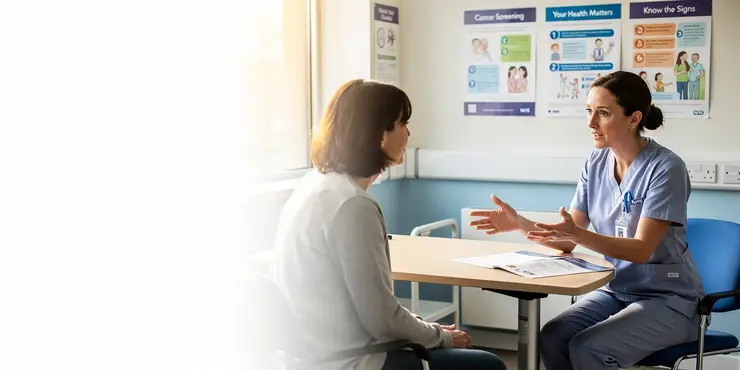

Speak To An Expert
Get clear, personalised advice for your situation.
Jot down a few questions to make the most of your conversation.
More Items From Ergsy search
-
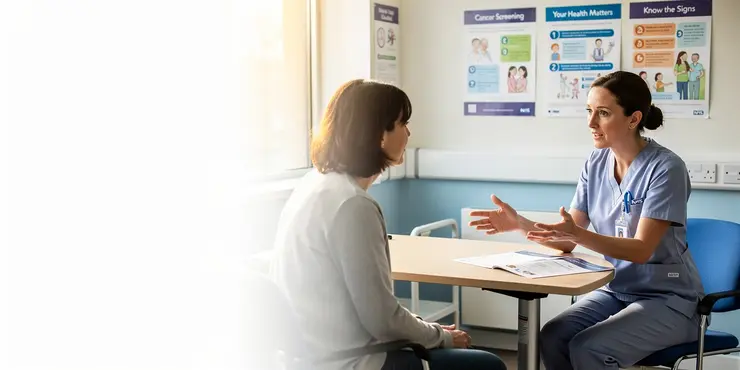
What is cancer screening?
Relevance: 100%
-
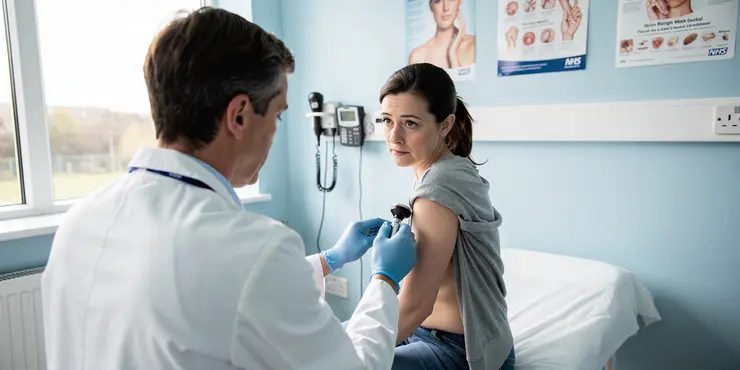
What is a skin cancer screening?
Relevance: 96%
-
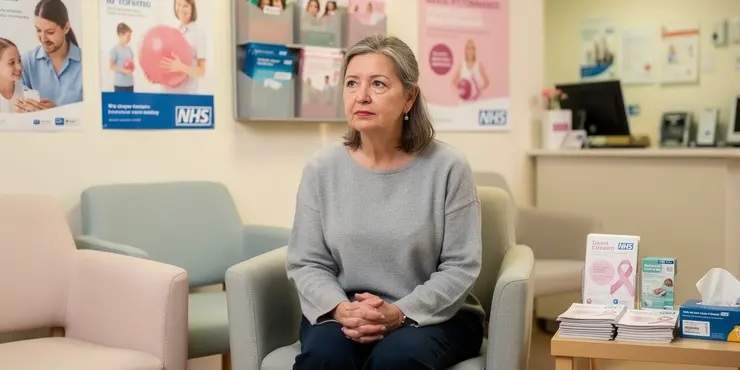
NHS breast cancer screening
Relevance: 94%
-
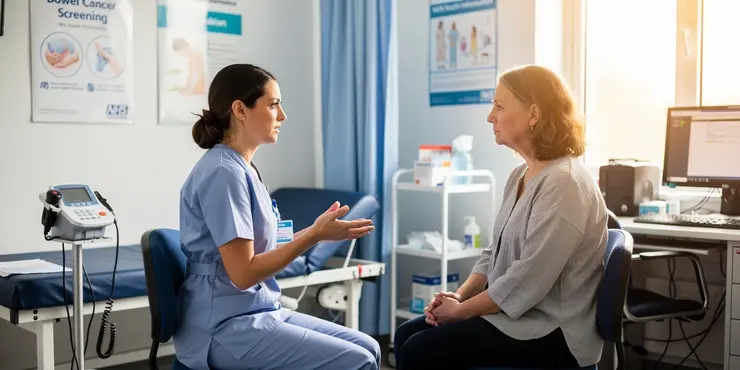
What kinds of cancer screening are available?
Relevance: 93%
-
Is genetic screening available for cancer risk?
Relevance: 93%
-
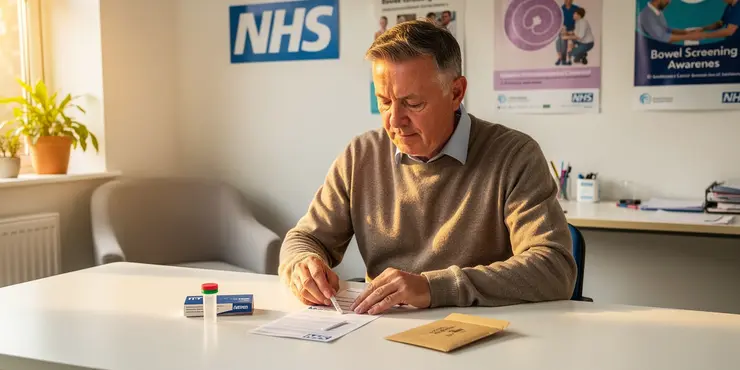
What are the recommendations for colorectal cancer screening?
Relevance: 92%
-
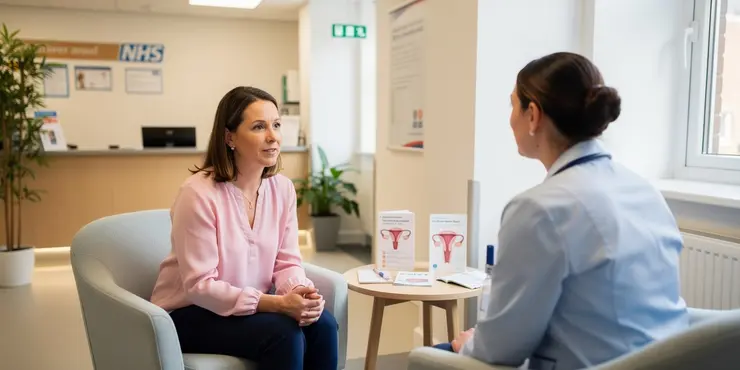
NHSGGC - Cervical Cancer Screening - English
Relevance: 91%
-
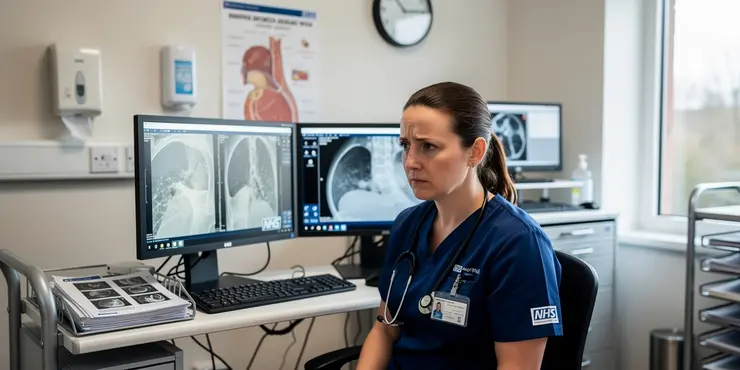
AI Breast Cancer Screening in the UK
Relevance: 91%
-

When should cervical cancer screening begin?
Relevance: 91%
-
Are there any risk factors that increase the need for cancer screening?
Relevance: 90%

-
Can lifestyle changes impact the efficacy of cancer screening?
Relevance: 90%
-
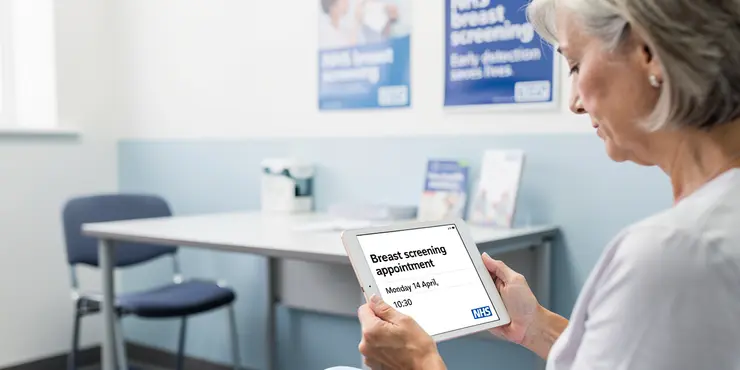
How often should I get screened for breast cancer?
Relevance: 89%
-
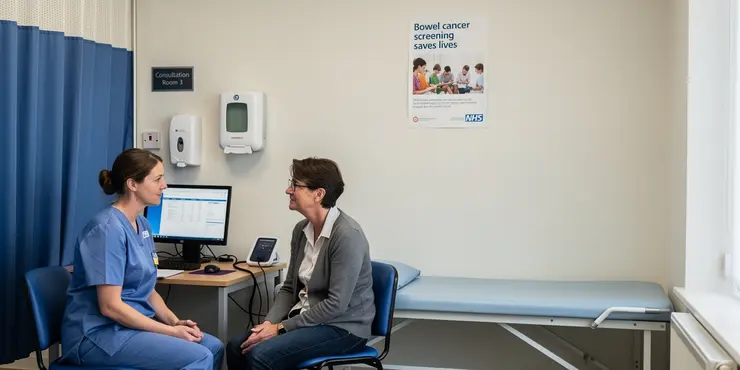
How does increased screening impact bowel cancer statistics?
Relevance: 88%
-
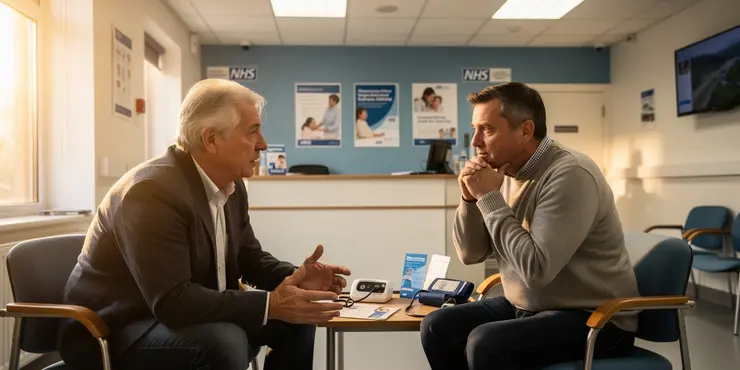
Bowel cancer screening: Alan Titchmarsh and Tommy Walsh | NHS
Relevance: 88%
-
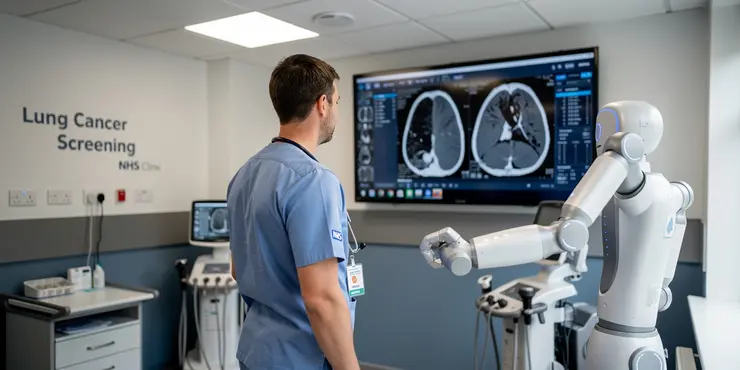
Can robots perform lung cancer screenings?
Relevance: 85%
-
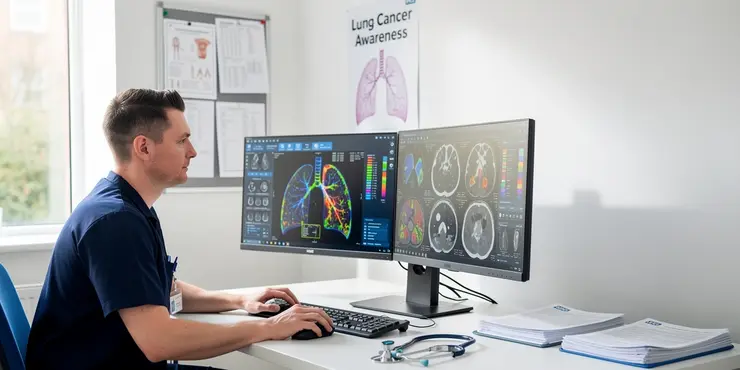
Can AI systems reduce the rate of false positives in lung cancer screening?
Relevance: 82%
-
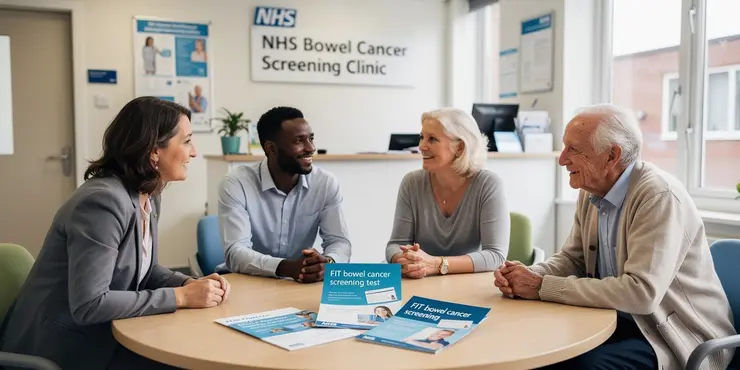
How to do the FIT bowel cancer screening test | Cancer Research UK
Relevance: 81%
-
What is prostate screening?
Relevance: 80%
-
Who should consider prostate screening?
Relevance: 79%
-
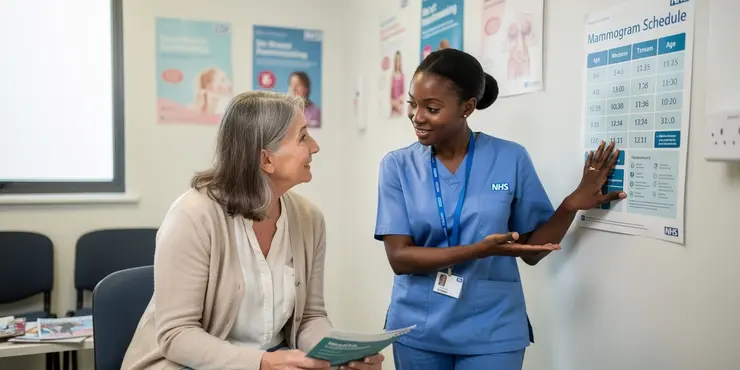
Health Screenings You Should Know About
Relevance: 76%
-
Are there alternatives to traditional prostate screening?
Relevance: 76%
-
What are the risks of prostate screening?
Relevance: 75%
-

Cervical screening: Q&A | NHS
Relevance: 74%
-
Other Things You Need to Know About Breast Screening
Relevance: 72%
-
How common is bowel cancer?
Relevance: 72%
-
What is the link between HPV and cervical cancer?
Relevance: 71%
-
Bowel cancer - Symptoms and signs to look out for
Relevance: 70%
-
How do I apply for prostate screening?
Relevance: 70%
-
Where can I find a prostate screening clinic near me?
Relevance: 70%
-

Don't carry the worry of cancer with you | NHS
Relevance: 70%
-
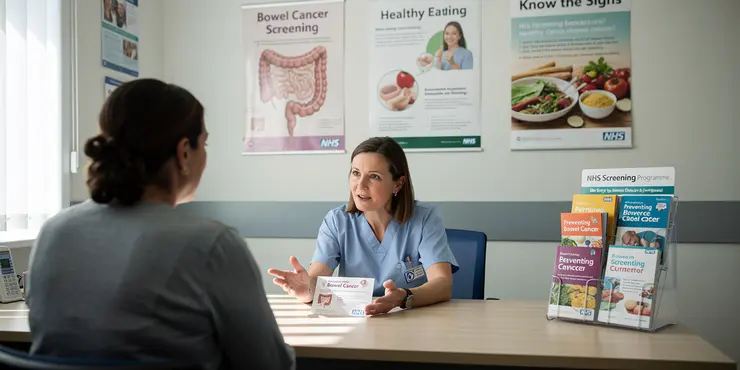
Can bowel cancer be prevented?
Relevance: 70%
-
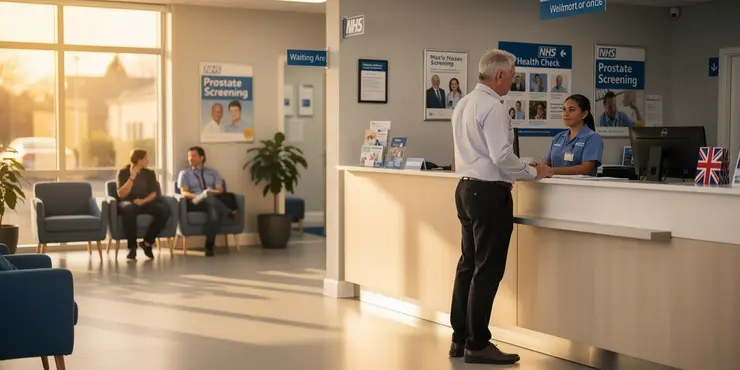
Can I walk into a clinic for prostate screening?
Relevance: 70%
-
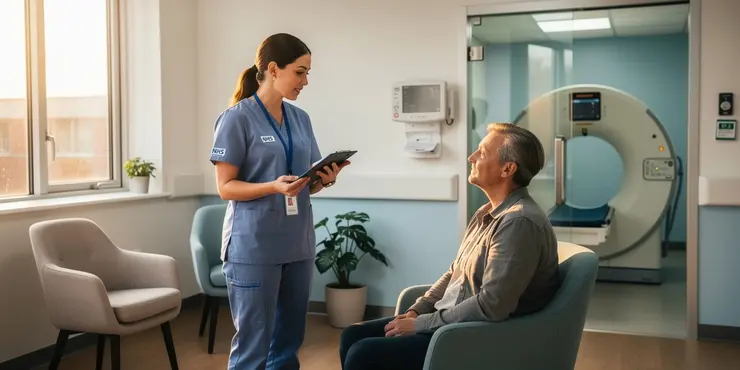
What is a low-dose CT scan for lung cancer?
Relevance: 70%
-
How does family history affect the risk of bowel cancer?
Relevance: 69%
-
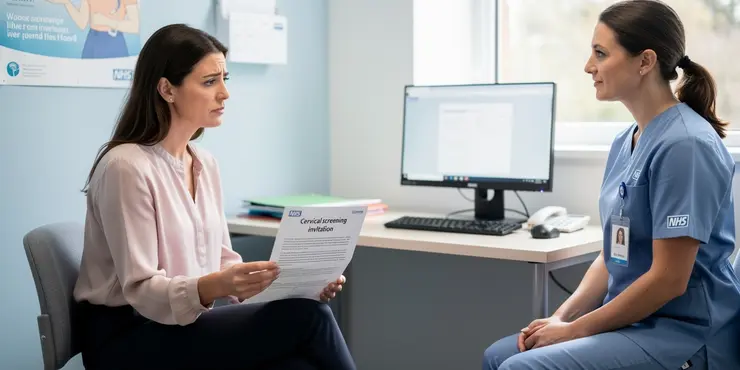
Don’t ignore your cervical screening invite | NHS
Relevance: 69%
-
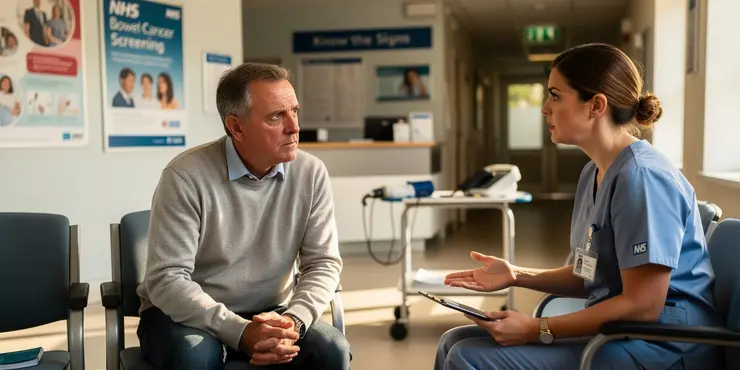
What is colorectal cancer?
Relevance: 69%
-
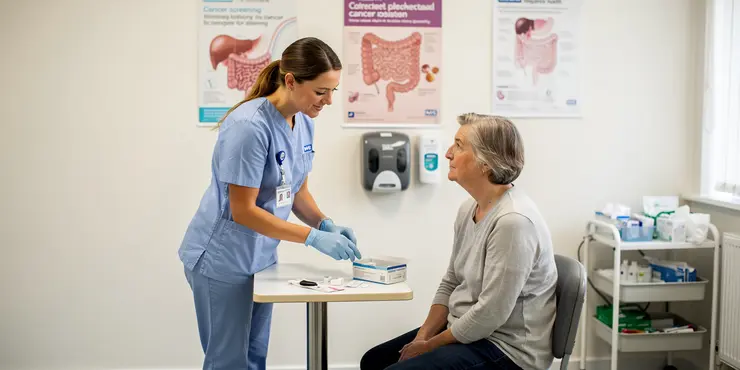
Can home colorectal cancer tests replace a colonoscopy?
Relevance: 69%
-
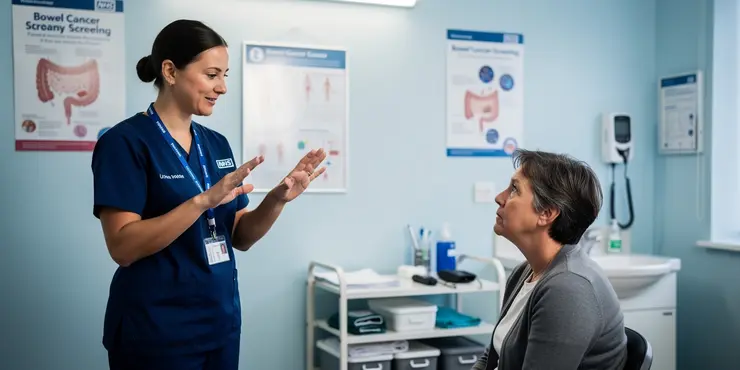
Learn about bowel cancer (British Sign Language version)
Relevance: 68%
-
Am I more at risk of prostate cancer?
Relevance: 68%
-
Are there risks associated with home colorectal cancer tests?
Relevance: 68%
What is Cancer Screening?
Cancer screening refers to the process of looking for cancer before a person shows any symptoms. It aims to detect cancers at an early stage when treatment may be more effective. In the UK, certain types of cancer screening programmes are in place to help identify cancer or precancerous conditions among the population.
Why is Cancer Screening Important?
The primary goal of cancer screening is to reduce cancer-related mortality by catching the disease as early as possible. When detected early, the chances for successful treatment and survival are significantly higher. Screening can also help diagnose cancer at a stage where minimal treatment is needed, thus preserving the quality of life.
National Screening Programmes in the UK
In the UK, the NHS offers several national screening programmes for specific types of cancer. These programmes include:
Breast Cancer Screening: Women aged 50 to 70 are invited for a mammogram every three years. The programme can detect breast cancer at a stage when it is too small to be felt or noticed.
Cervical Cancer Screening: Women and individuals with a cervix aged 25 to 64 are invited for cervical screening. This involves a smear test to identify abnormal cells that may develop into cervical cancer if untreated.
Bowel Cancer Screening: Men and women aged 60 to 74 receive a home testing kit every two years to collect a stool sample, which is then tested for traces of blood, a potential indicator of bowel cancer.
Who Should Get Screened?
Cancer screening is typically recommended for individuals within certain age ranges or at higher risk due to genetic or lifestyle factors. The invitation for screening often varies by programme and region, and some people may be eligible for screening at different ages or more frequently based on their family or medical history. It is crucial to attend screenings when invited as part of a national programme or seek advice if concerned about symptoms or risk factors.
Considerations and Limitations
While screening can be incredibly beneficial, it is essential to understand its limitations. Not all types of cancer have screening tests available, and some tests might not detect cancer every time. Furthermore, screening can sometimes lead to false positives, resulting in unnecessary worry or treatment. Similarly, some detected cancers may never cause symptoms or become life-threatening, a condition known as overdiagnosis.
Conclusion
Cancer screening represents a vital component of preventative healthcare, aimed at reducing the impact of cancer through early detection and treatment. Participation in screening programmes is a proactive step in maintaining health, and individuals in the UK are encouraged to take full advantage of these services. Staying informed and attending scheduled screenings can make a significant difference in cancer outcomes.
What is Cancer Screening?
Cancer screening is looking for cancer before you feel sick. The goal is to find cancer early when it's easier to treat. In the UK, there are special checks to find cancer early in people.
Why is Cancer Screening Important?
Cancer screening helps catch cancer early. Early detection means better chances of treatment and staying well. It can also mean needing less treatment to stay healthy.
National Screening Programmes in the UK
In the UK, the NHS has special cancer checks. These checks are for certain cancers:
Breast Cancer Screening: Women aged 50 to 70 are invited to have a breast X-ray every three years. This can find breast cancer when it's very small.
Cervical Cancer Screening: Women and people with a cervix aged 25 to 64 are invited for a special test. This test can find cells that might turn into cancer if not treated.
Bowel Cancer Screening: Men and women aged 60 to 74 get a home kit every two years. They use this to send a stool sample, which is checked for signs of bowel cancer.
Who Should Get Screened?
Certain people should get screened, especially if they are in certain age groups or have a higher risk. This might change depending on where they live or their health history. It's important to go to checks when invited or ask for advice if worried.
Considerations and Limitations
Screening is helpful, but it isn't perfect. Not all cancers have early tests. Sometimes tests may not find cancer. Tests might also show a problem when there isn't one, which can cause worry. Some cancers found might not cause problems, called overdiagnosis.
Conclusion
Cancer screening is key to staying healthy. It helps find cancer early so treatment can start sooner. People in the UK should join in these checks. Staying informed and going to checks can really help with health. Tools like reminders or getting help understanding letters can be useful.
Frequently Asked Questions
What is cancer screening?
Cancer screening involves testing individuals for signs of cancer before symptoms appear. It aims to detect cancer early when treatment is more likely to be successful.
Why is cancer screening important?
Cancer screening is important because it can help detect cancer at an early stage, often leading to better treatment outcomes and a higher chance of survival.
What types of cancer have screening tests?
Screening tests are available for several types of cancer, including breast cancer, cervical cancer, colorectal cancer, lung cancer, and prostate cancer.
Who should get screened for cancer?
Individuals should get screened for cancer based on age, gender, family history, and other risk factors. Guidelines vary for different types of cancer.
How often should cancer screening be done?
The frequency of cancer screening depends on the type of cancer and personal risk factors. Guidelines from health organizations provide recommendations.
Are there risks associated with cancer screening?
Yes, cancer screening can have risks such as false positives, false negatives, and overdiagnosis, which can lead to unnecessary anxiety or treatment.
What is a mammogram?
A mammogram is an X-ray of the breast used to screen for breast cancer. It can detect tumors that cannot be felt.
What is a Pap test?
A Pap test, or Pap smear, is used to screen for cervical cancer by detecting precancerous or cancerous cells on the cervix.
What is a colonoscopy?
A colonoscopy is a procedure used to screen for colorectal cancer by examining the inside of the colon and rectum with a camera.
What is lung cancer screening?
Lung cancer screening involves using low-dose CT scans to detect lung cancer in high-risk individuals, such as heavy smokers.
What is a PSA test?
The PSA test measures the level of prostate-specific antigen in the blood and is used to screen for prostate cancer.
Can cancer screening prevent cancer?
Cancer screening itself does not prevent cancer, but it can help catch it early or detect precancerous conditions that can be treated to prevent cancer from developing.
What happens if a cancer screening test is positive?
If a cancer screening test is positive, further diagnostic tests will be needed to determine if cancer is present and to decide on treatment options.
What should I do if my cancer screening test is negative?
If your cancer screening test is negative, continue following recommended screening guidelines. A negative result does not always guarantee that cancer is not present.
Are cancer screening tests covered by insurance?
Most insurance plans, including Medicare, cover recommended cancer screening tests, but coverage can vary based on the type of test and individual policy.
What should I consider before getting a cancer screening test?
Consider the benefits, risks, and limitations of the screening test, as well as your personal risk factors and health guidelines.
How do I prepare for a cancer screening test?
Preparation depends on the specific test. Follow instructions provided by your healthcare provider, which may include dietary restrictions or taking medication.
Can lifestyle changes reduce the need for cancer screening?
Healthy lifestyle changes can reduce your risk of some cancers but do not eliminate the need for cancer screening for early detection.
What is the difference between screening and diagnostic testing?
Screening tests are done to detect potential disease in asymptomatic individuals. Diagnostic tests are performed to diagnose disease when symptoms are present.
How do I know which cancer screenings I need?
Consult your healthcare provider for personalized recommendations based on your age, gender, family history, and other risk factors.
What is cancer screening?
Cancer screening is a way to check for cancer before you feel sick.
Doctors use special tests to look for signs of cancer early.
Finding cancer early can help treat it better.
You can ask your doctor or nurse if you need any cancer screening tests.
A supportive tool is to ask someone you trust to go with you to the doctor.
You can also write down your questions before you go.
Cancer screening means checking people for cancer signs before they feel sick. The goal is to find cancer early. If we find it early, it is easier to treat.
Why is it important to check for cancer?
Checking for cancer early can help find it before you feel sick. It's easier to treat cancer when it's small. Doctors can use tests to look for signs of cancer.
You can ask your doctor about these tests. Tests can help find cancer early and keep you healthy.
Support tools like picture cards or talking with a helper can make it easier to understand.
Screening for cancer is important. It helps find cancer early. When we find cancer early, it can be treated better. This means people have a better chance of getting better.
What cancers can you check for?
You can check for some cancers before they make you feel sick. These are the cancers with tests to check for them: - Breast cancer - Cervical cancer - Colon cancer - Lung cancer - Prostate cancer Talk to your doctor about which tests might be good for you. Using pictures or videos can help you understand more. You can also ask someone you trust to help you read.You can have tests to check for some kinds of cancer. These include breast cancer, cervical cancer, bowel cancer (colorectal), lung cancer, and prostate cancer.
Who should get checked for cancer?
Getting checked for cancer helps doctors find it early. This is important because it can help treat cancer better. Here is who should get checked:
- Adults: People over the age of 50 should talk to their doctor about getting checked.
- Family History: If cancer runs in your family, ask your doctor when you should get checked.
- Other Health Issues: People with certain health problems should also talk to their doctor about getting checked.
Tools and tips to help you:
- Ask: It's okay to ask your doctor questions about getting checked for cancer.
- Learn: Books or videos can help you learn more about cancer.
- Talk: You can talk with friends or family about how you feel.
People need to get checked for cancer. This depends on how old they are, if they are a boy or a girl, if their family has had cancer, and other important reasons. The rules for getting checked can be different for each kind of cancer.
How often should you get checked for cancer?
It is important to go to the doctor to check for cancer. This is called cancer screening.
- Ask your doctor when you should start getting checked.
- The doctor will tell you how often you need checks. It might be every year or every few years.
- The checks depend on your age and health.
Here are some things that can help:
- Put a reminder on your calendar for your next check.
- Ask someone to help you remember to go.
- Write down any questions you have for the doctor.
How often you check for cancer depends on the type of cancer and what your own risks are. Health experts have rules to help you know what to do.
Is cancer screening safe?
Getting checked for cancer can have some problems. Sometimes the test says you have cancer when you don't. This is called a false positive. Other times, the test might miss the cancer, and this is called a false negative. Also, the test might show a tiny cancer that wouldn't have caused any harm, but then you might get worried or have treatment you don't need. It's important to ask your doctor about these things before getting tested.
What is a mammogram?
A mammogram is a special picture of the inside of a woman's breast. It helps doctors look for signs of cancer. A doctor might ask a woman to have a mammogram to make sure her breasts are healthy.
Here are some tools that can help you:
- Ask a friend or family member to explain what happens during a mammogram.
- Watch a video about mammograms to see what it looks like.
A mammogram is a special kind of picture of the breast. It helps doctors look for signs of breast cancer. It can find lumps that you cannot feel with your hands.
What is a Pap test?
A Pap test is a health check for women. It helps find changes in the cells of the cervix, which is the lower part of the womb. These changes can sometimes lead to cancer.
The test is quick and does not hurt too much. A doctor or nurse gently takes a small sample of cells from the cervix. This is then looked at under a microscope.
If you have questions or feel worried, you can talk to your doctor, nurse, or a trusted adult. They can give you more help and tell you what to expect.
You can use pictures or stories to help understand the Pap test. You can also ask a friend or family member to go with you to the doctor's office for support.
A Pap test, also called a Pap smear, checks for signs of cervical cancer. It looks for sick cells on the cervix.
What is a Colonoscopy?
A colonoscopy is a test to look inside the large intestine, also called the colon. It helps doctors see if there are any problems, like sores or growths.
This test is important because it can find problems early. Fixing them early can keep us healthy.
The doctor uses a long, thin, bendy tube with a camera to look inside. You might feel a little uncomfortable, but it helps doctors take good care of you.
If you are worried or have questions, ask a doctor or nurse. They can explain it and help you feel calm.
Tools like picture books or videos can help you understand better. You can also talk to someone who has done it before.
A colonoscopy is a test that doctors use to check for cancer in the colon and rectum. A camera is used to look inside these parts of the body.
What is lung cancer screening?
Lung cancer screening is a test to check for lung cancer. It helps find cancer early, before you feel sick.
Doctors use a special machine called a scanner to look inside your lungs.
If you smoke or used to smoke, this test can be very helpful.
If reading is hard, you can ask someone to read it to you. You can also use a reading app that can read the words out loud.
Lung cancer screening is a way to check for lung cancer. It uses special low-dose CT scans. It's for people who have a higher chance of getting lung cancer, like people who smoke a lot.
What is a PSA test?
A PSA test is a blood test. It looks for signs of prostate problems in men. The test measures the amount of a protein called PSA in the blood.
Doctors use this test to check the health of the prostate. The prostate is a small gland in men that makes some of the fluid part of semen.
The PSA test can help find out if the prostate is growing too big or if there might be cancer. It can also show other prostate problems.
If you or someone you care for needs help reading, you can ask someone you trust to read with you. Drawing pictures or using simple words can also help you understand better.
The PSA test is a simple blood test. It checks for a special marker in the blood called prostate-specific antigen. This test helps doctors look for signs of prostate cancer.
Can Tests Stop Cancer?
Doctors do tests to look for cancer early. These tests are called screening.
Screening can help find cancer before you feel sick. Getting checked early can help stop cancer from getting worse.
Doctors can also find changes in your body that might turn into cancer. They can help you treat these early.
Ask your doctor about regular check-ups. They can help keep you safe and healthy.
Cancer checks do not stop cancer from happening. But they can find cancer early. They can also find changes in the body that might become cancer. These changes can be treated before they turn into cancer.
What if a cancer test says "yes"?
A cancer test shows if you might have cancer. If the test says "yes," it is important to see a doctor. The doctor can do more tests to make sure.
Do not worry alone. Ask someone to help you. A family member or friend can go with you to the doctor.
Using tools like calendars or phones can help you remember doctor visits and take notes. Talking with the doctor can help you understand what happens next.
If a test shows signs of cancer, the doctor will do more tests. These tests will help find out if there really is cancer and how to treat it.
What to do if your cancer test says "No Cancer"
If your test shows you do not have cancer, here are some steps you can take:
1. Keep Checking: Tests are important. Ask your doctor when you need to do another test.
2. Healthy Life: Eat good food, move your body, and rest well. This helps keep you healthy.
3. Talk to Your Doctor: If you have questions, ask your doctor. They can help you understand.
4. Use Tools: Use a calendar or phone reminders to know when to do your next test.
Remember, it is good to keep checking and talking to your doctor to stay healthy.
If your cancer test says "no cancer," keep doing the tests your doctor says you should do. A "no cancer" result doesn't always mean you definitely don't have cancer.
Does insurance pay for cancer check-ups?
Most health insurance plans pay for cancer check-ups. This includes Medicare. But sometimes, they pay for different tests, depending on your plan.
Things to Think About Before a Cancer Test
Think about the good things, bad things, and limits of the test. Also, think about your own health and what doctors say about your health.
How do I get ready for a cancer check-up?
Cancer check-ups help find cancer early. Here are some steps to get ready:
- Ask a family member or friend to go with you for support.
- Bring a notebook to write down important things.
- Wear comfortable clothes to the appointment.
- Ask your doctor or nurse if you need to avoid eating or drinking before the check-up.
- Use a calendar to keep track of your appointment date.
- Write down any questions you have for the doctor or nurse.
These steps can help make your visit easier.
Getting ready for a test can be different for each test. Listen to what your doctor or nurse tells you to do. They might say to eat certain foods or take some medicine before the test.
Can changing how we live mean we need fewer cancer check-ups?
Some changes in how we live can help us stay healthy. This might mean fewer trips to the doctor for cancer tests.
- Eat healthy food like fruits and vegetables.
- Move your body with exercise like walking or playing.
- Don't smoke and try not to be around smoke.
- If you can, don't drink too much alcohol.
- Try to stay a healthy weight.
These things don't stop all cancer, but they help make us healthier.
If you have questions, ask a doctor or nurse. They are there to help you.
Living healthy can help you lower the chance of getting some cancers, but you still need to go for check-ups to find cancer early.
What is the difference between screening and diagnostic testing?
Screening Tests: These tests check if there might be a problem. They come first. They help decide if more tests are needed. Screening tests are usually quick and easy.
Diagnostic Tests: These tests find out for sure if there is a problem. They take a closer look. Diagnostic tests are more detailed and take longer.
Helpful Tips:
- Use pictures or videos to understand better.
- Ask someone to explain things if you get confused.
- Take your time and ask questions if you have them.
Screening tests help find out if someone might have a disease, even if they don't feel sick. Diagnostic tests check if someone has a disease when they do feel sick.
How do I find out what cancer checks I need?
Cancer checks help doctors find cancer early. Finding cancer early can make it easier to treat. Here's how you can find out what checks you might need:
- Ask your doctor: They can tell you what checks are right for you.
- Look at your age and health: Different checks are needed at different ages.
- Learn if your family had cancer: This can help decide if you need more checks.
- Talk to people you trust: Friends and family can help you understand.
Tools and tips to help you:
- Reminder notes: Write down questions to ask the doctor.
- Use simple words: This helps make things clear.
- Support from others: Bring someone with you to appointments.
It’s important to talk to your doctor about cancer checks. They will help you stay healthy.
Talk to your doctor to get advice that is just for you. They will think about your age, if you are a boy or a girl, your family, and other things about you.

Useful Links
This website offers general information and is not a substitute for professional advice.
Always seek guidance from qualified professionals.
If you have any medical concerns or need urgent help, contact a healthcare professional or emergency services immediately.
Some of this content was generated with AI assistance. We've done our best to keep it accurate, helpful, and human-friendly.
- Ergsy carefully checks the information in the videos we provide here.
- Videos shown by Youtube after a video has completed, have NOT been reviewed by ERGSY.
- To view, click the arrow in centre of video.
- Most of the videos you find here will have subtitles and/or closed captions available.
- You may need to turn these on, and choose your preferred language.
- Go to the video you'd like to watch.
- If closed captions (CC) are available, settings will be visible on the bottom right of the video player.
- To turn on Captions, click settings.
- To turn off Captions, click settings again.
More Items From Ergsy search
-
What is cancer screening?
Relevance: 100%
-
What is a skin cancer screening?
Relevance: 96%
-
NHS breast cancer screening
Relevance: 94%
-
What kinds of cancer screening are available?
Relevance: 93%
-
Is genetic screening available for cancer risk?
Relevance: 93%
-
What are the recommendations for colorectal cancer screening?
Relevance: 92%
-
NHSGGC - Cervical Cancer Screening - English
Relevance: 91%
-
AI Breast Cancer Screening in the UK
Relevance: 91%
-
When should cervical cancer screening begin?
Relevance: 91%
-
Are there any risk factors that increase the need for cancer screening?
Relevance: 90%
-
Can lifestyle changes impact the efficacy of cancer screening?
Relevance: 90%
-
How often should I get screened for breast cancer?
Relevance: 89%
-
How does increased screening impact bowel cancer statistics?
Relevance: 88%
-
Bowel cancer screening: Alan Titchmarsh and Tommy Walsh | NHS
Relevance: 88%
-
Can robots perform lung cancer screenings?
Relevance: 85%
-
Can AI systems reduce the rate of false positives in lung cancer screening?
Relevance: 82%
-
How to do the FIT bowel cancer screening test | Cancer Research UK
Relevance: 81%
-
What is prostate screening?
Relevance: 80%
-
Who should consider prostate screening?
Relevance: 79%
-
Health Screenings You Should Know About
Relevance: 76%
-
Are there alternatives to traditional prostate screening?
Relevance: 76%
-
What are the risks of prostate screening?
Relevance: 75%
-
Cervical screening: Q&A | NHS
Relevance: 74%
-
Other Things You Need to Know About Breast Screening
Relevance: 72%
-
How common is bowel cancer?
Relevance: 72%
-
What is the link between HPV and cervical cancer?
Relevance: 71%
-
Bowel cancer - Symptoms and signs to look out for
Relevance: 70%
-
How do I apply for prostate screening?
Relevance: 70%
-
Where can I find a prostate screening clinic near me?
Relevance: 70%
-
Don't carry the worry of cancer with you | NHS
Relevance: 70%
-
Can bowel cancer be prevented?
Relevance: 70%
-
Can I walk into a clinic for prostate screening?
Relevance: 70%
-
What is a low-dose CT scan for lung cancer?
Relevance: 70%
-
How does family history affect the risk of bowel cancer?
Relevance: 69%
-
Don’t ignore your cervical screening invite | NHS
Relevance: 69%
-
What is colorectal cancer?
Relevance: 69%
-
Can home colorectal cancer tests replace a colonoscopy?
Relevance: 69%
-
Learn about bowel cancer (British Sign Language version)
Relevance: 68%
-
Am I more at risk of prostate cancer?
Relevance: 68%
-
Are there risks associated with home colorectal cancer tests?
Relevance: 68%