

Speak To An Expert
Get clear, personalised advice for your situation.
Jot down a few questions to make the most of your conversation.
More Items From Ergsy search
-

Can I receive specialized treatment in EU countries?
Relevance: 100%
-

Can I travel to EU countries for medical treatment?
Relevance: 93%
-

Can I travel to EU countries for medical treatment?
Relevance: 90%
-

Can I travel to EU countries for medical treatment?
Relevance: 87%
-

What are the steps to arrange medical treatment in an EU country?
Relevance: 87%
-
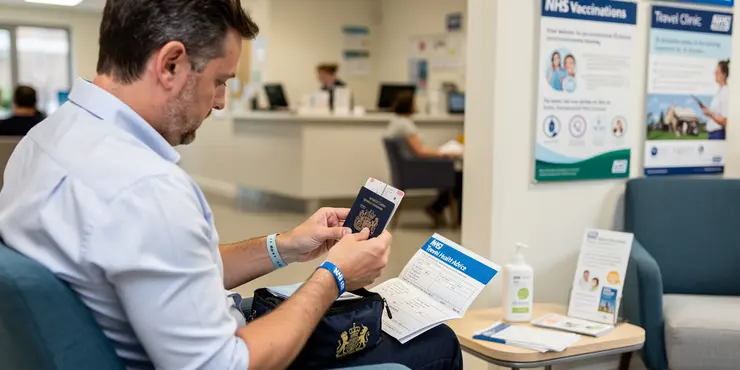
Do I need a visa to travel to an EU country for medical treatment?
Relevance: 75%
-
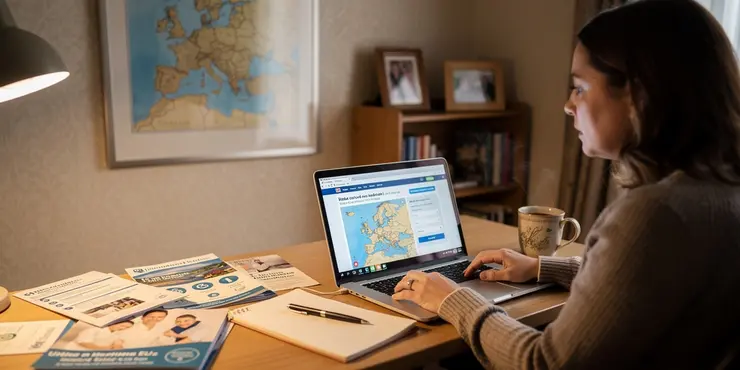
How do I arrange travel and accommodation for medical treatment in the EU?
Relevance: 72%
-

Do I need a referral to receive medical treatment in the EU?
Relevance: 72%
-
Are there any risks associated with traveling to the EU for medical treatment?
Relevance: 69%
-

Can I use my EHIC card for medical treatment in the EU?
Relevance: 67%

-

Will I need to pay for medical treatment upfront in the EU?
Relevance: 66%
-

Is medical treatment covered by insurance when traveling to the EU?
Relevance: 66%
-

Is it possible to travel with a medical escort to an EU country?
Relevance: 59%
-

What legal rights do I have as a medical patient in the EU?
Relevance: 57%
-

Are EU medical facilities equipped with the latest technology?
Relevance: 50%
-
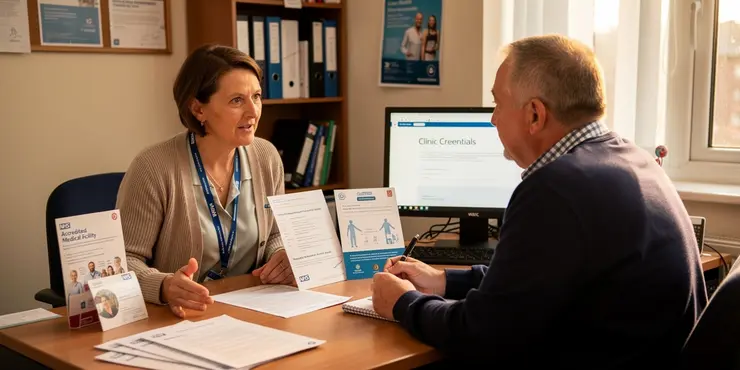
How can I verify the credentials of an EU medical facility?
Relevance: 49%
-
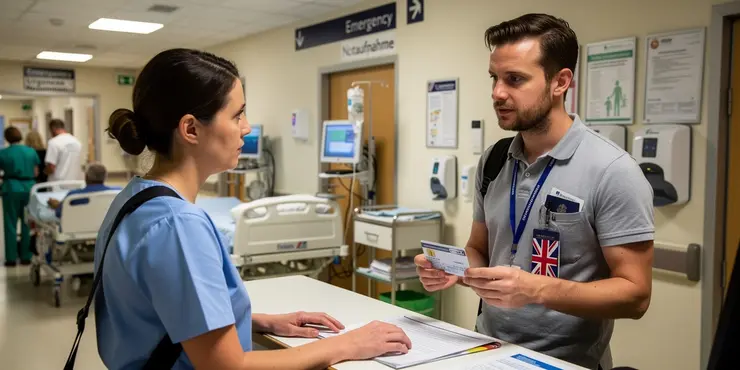
What should I do in case of a medical emergency while in the EU?
Relevance: 47%
-
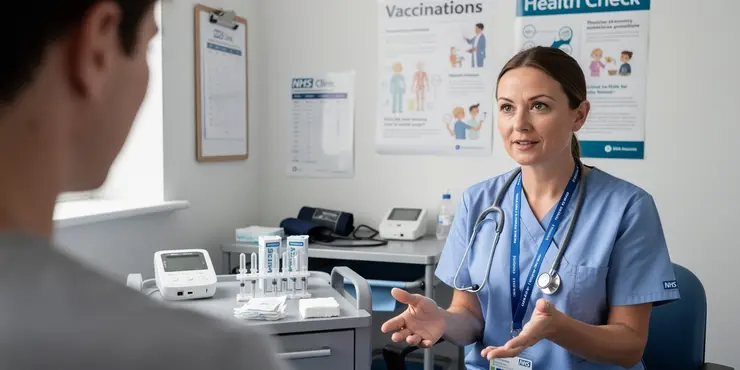
Do I need any vaccine injections for EU countries?
Relevance: 46%
-

Do children need a separate passport to travel to the EU?
Relevance: 41%
-

Is the EHIC or GHIC card still valid in France and Spain?
Relevance: 39%
-
Can UK citizens use mobile phones in the EU without extra charges?
Relevance: 39%
-

Can I receive the payment if I live abroad?
Relevance: 38%
-

Is it safe to go abroad for medical treatments such as botox?
Relevance: 38%
-

Will language barriers be an issue in EU hospitals?
Relevance: 37%
-
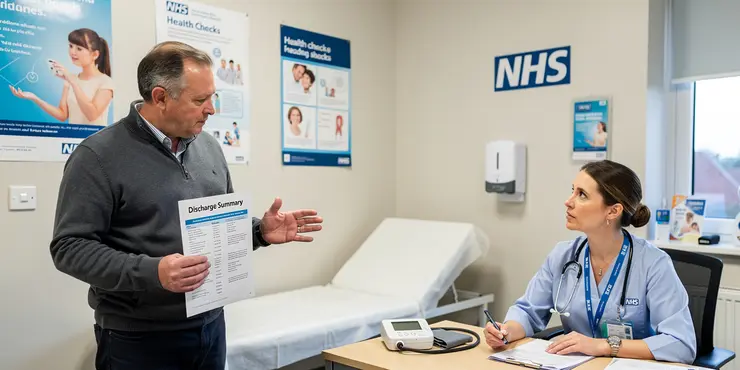
How can I manage post-treatment care when returning home from the EU?
Relevance: 37%
-

Can I still get the Winter Fuel Payment if I am living abroad?
Relevance: 37%
-

What Happens To Investments and Pensions | Moving Abroad | Leaving the UK
Relevance: 36%
-

Will the pension age changes automatically apply to me if I move abroad?
Relevance: 35%
-

Is Botox treatment expensive?
Relevance: 35%
-

Can I receive specialized treatment in EU countries?
Relevance: 34%
-

Can I receive specialized treatment in EU countries?
Relevance: 34%
-

Can I receive teleconsultations with EU doctors before traveling?
Relevance: 33%
-

Can I include a family member during my travel for treatment?
Relevance: 32%
-

Do I need to declare items bought in the EU when returning to the UK?
Relevance: 31%
-
Will Brexit affect my access to NHS dental treatments?
Relevance: 31%
-
Is Paillon treatment FDA approved?
Relevance: 30%
-
Will my insurance cover Turkey Teeth?
Relevance: 30%
-

Eating disorders: treatment
Relevance: 30%
-

How is Paillon treatment administered?
Relevance: 30%
-

Can children with cancer receive Paillon treatment?
Relevance: 29%
Introduction to Seeking Treatment in EU Countries
As a UK resident, exploring options for specialized medical treatment in EU countries can be beneficial. It involves understanding your eligibility and how to navigate the processes involved. This guide provides an overview of what you need to know.
Brexit has affected how UK citizens can access healthcare services in the EU. However, opportunities still exist for those seeking specialized treatments abroad under certain conditions.
Understanding Your Eligibility
Post-Brexit, UK citizens may still be eligible for healthcare in EU countries under specific circumstances. Checking your eligibility involves understanding the rules that apply to UK citizens post-2021.
One option is utilizing the UK’s reciprocal healthcare agreements with certain EU countries. These agreements may allow access to necessary treatments under similar terms to local citizens.
The S2 Scheme for Planned Treatment
The S2 scheme is a pathway UK citizens can use to seek specialized medical treatment in the EU. It allows planned treatment abroad if you cannot get it in the UK in a timely manner.
The UK government covers the cost of treatment approved under the S2 scheme, as long as it meets specific criteria. Applications for the S2 funding must be supported by a UK medical professional.
European Health Insurance Card (EHIC)
UK residents can still use the European Health Insurance Card (EHIC) if they have one issued before Brexit. The EHIC allows temporary access to medically necessary treatments across the EU.
For those without an EHIC, the UK Global Health Insurance Card (GHIC) offers similar benefits. It serves as a replacement and provides access to necessary healthcare during temporary stays in EU countries.
Practical Considerations
Before seeking treatment in an EU country, consider the practicalities involved. This includes understanding the language and transport arrangements, as well as accommodation during your stay.
Patients are advised to consult with their UK healthcare provider to plan effectively. Detailed planning ensures that all necessary documents and approvals are in place before traveling.
Final Steps and Resources
If you decide to pursue treatment in the EU, gather as much information as possible from reliable sources. Contact your local NHS authority to understand your options.
Online governmental resources offer comprehensive guidance and support. These resources can provide information specific to each EU country and the treatments available.
Getting Treatment in EU Countries
If you live in the UK, you might want to get special medical treatment in an EU country. It's important to know if you can do this and how to get started. This guide will help you learn what you need to know.
Brexit changed the way UK people can get healthcare in the EU. But you can still get some special treatments in other countries if you meet certain rules.
Can You Get Healthcare?
After Brexit, some UK people can still get healthcare in EU countries, but there are certain rules. To find out if you can get treatment, you need to understand these rules for UK citizens.
One way to get treatment is through the UK's agreements with some EU countries. These agreements might let you get the healthcare you need, like people in those countries do.
Using the S2 Scheme
The S2 scheme helps UK people get special treatment in the EU. You can use it if you can't get the treatment you need in the UK quickly.
The UK government will pay for treatment under the S2 scheme if it meets certain rules. A UK doctor needs to support your application for this funding.
European Health Insurance Card (EHIC)
You can still use your European Health Insurance Card (EHIC) if you got it before Brexit. It helps you get the medical treatment you need when visiting an EU country.
If you don’t have an EHIC, you can use a UK Global Health Insurance Card (GHIC). It helps you get necessary healthcare during short visits to EU countries.
Things to Think About
Before you go to an EU country for treatment, think about some important things. This includes speaking the language, getting around, and where you will stay.
Talk to your UK doctor to plan your trip well. Good planning will make sure you have all the papers and approvals you need before you travel.
What to Do Last and Where to Get Help
If you choose to get treatment in the EU, find as much information as you can from trusted places. Talk to your local NHS office to know your options.
You can find lots of help and information online. These resources can tell you about each EU country and the treatments they offer.
Frequently Asked Questions
What is the EU policy for receiving specialized treatment in another member state?
EU citizens have the right to seek specialized treatment in another EU country under the Cross-border Healthcare Directive and the Regulation on the coordination of social security systems.
Do I need prior authorization to receive specialized treatment in another EU country?
Yes, in many cases you will need prior authorization from your national health insurance provider to receive planned specialized treatment abroad.
What is the Cross-border Healthcare Directive?
The Cross-border Healthcare Directive aims to facilitate access to safe and high-quality healthcare within the EU, including reimbursement for treatment received in another EU country.
Will the costs of my treatment abroad be covered by my health insurance?
If you have obtained prior authorization, your national health insurance may reimburse the costs up to the level of cost for the same treatment in your home country.
Can I choose any healthcare provider in another EU country for my treatment?
Yes, you are generally free to choose any public or private healthcare provider in the other EU country.
How do I apply for prior authorization for treatment in another EU country?
You should contact your national health insurance organization for information on applying for prior authorization for treatment abroad.
What documentation do I need to apply for medical treatment in another EU country?
You will typically need medical documentation justifying the treatment and details of the healthcare provider you plan to visit.
Can I receive emergency treatment in another EU country?
Yes, your European Health Insurance Card (EHIC) allows you to receive medically necessary treatment on the same terms as local patients during a temporary stay.
What's the difference between the EHIC and treatment under the Cross-border Healthcare Directive?
The EHIC is for unplanned necessary treatment during a stay, whereas the Directive is for planned treatment with prior authorization.
Is it possible to receive faster treatment in another EU country?
In some cases, you may be able to receive quicker treatment if waiting times are shorter in another EU country.
Are there any treatments excluded from cross-border healthcare rights?
Reproductive services and long-term care may have specific restrictions or exclusions depending on national laws.
What happens if my treatment abroad costs more than in my home country?
You will typically have to pay the difference if your treatment abroad is more expensive than in your home country unless covered by additional private insurance.
Does the Cross-border Healthcare Directive apply to non-EU countries?
No, the Directive only applies to EU member states plus Norway, Iceland, and Liechtenstein under the EEA Agreement.
Can patients from non-EU countries receive specialized treatment in the EU?
Yes, but they are subject to the conditions and healthcare policies of the host EU country, often requiring private health insurance.
How is patient safety ensured when receiving treatment in another EU country?
EU countries have common regulations and standards to ensure patient safety, but it is essential to verify the quality and accreditation of the healthcare provider chosen.
Can I receive follow-up care in my home country after treatment in another EU country?
Yes, after returning home, you should be able to receive follow-up care through your national healthcare system.
What should I do if I encounter problems with my healthcare provider in another EU country?
Contact the national contact point in both your home and host country for advice and support in resolving any issues.
Are my medical records accessible across EU countries?
Not all medical records are automatically accessible internationally, so bring necessary documentation and inform your providers.
What is a national contact point?
National contact points provide information about healthcare systems and patient rights related to cross-border healthcare in each EU country.
Is advanced payment needed for treatment in another EU country?
You may need to pay upfront for treatment and then seek reimbursement, depending on your health insurance policy.
How can you get special medical care in another EU country?
People who live in the EU can go to a different EU country to get special medical care. This is allowed by some important EU rules.
Do I need permission to get special medical care in another EU country?
Yes, you usually need to get permission from your country’s health insurance before you can have special medical treatment in another country.
What is the Cross-border Healthcare Directive?
The Cross-border Healthcare Directive is a rule. It helps people get healthcare in other countries in the European Union (EU).
This means you can get a doctor's help or medicine in a different EU country, and your home country might pay for it.
If you want to use this rule, talk to a helper who understands it well.
You can also use pictures or get someone to explain things to make it easier.
The Cross-border Healthcare Directive helps people in the EU get safe and good healthcare in different EU countries. It also helps with getting money back for treatment in another EU country.
Will my health insurance pay for my treatment in another country?
Check your health insurance to see if they pay for treatment in other countries. You can:
- Call your insurance company and ask them.
- Look at your insurance papers for this information.
- Use a computer or phone to check their website for details.
If you need help, ask a family member or friend to help you understand.
If you have permission before you go, your health insurance might pay you back. They will pay you the same amount it would cost for the treatment in your own country.
Can I go to a doctor or hospital in another EU country?
Yes, you can usually choose any doctor or hospital you want in another EU country.
How do I get permission to have treatment in another EU country?
You should talk to your country's health insurance group. They can help you ask for permission to get medical care in another country.
What papers do I need to get medical care in another EU country?
You usually need a doctor’s note saying why you need the treatment. You also need the name and address of the doctor you are going to see.
Can I get help in an emergency in another EU country?
Yes, your European Health Insurance Card (EHIC) lets you get the care you need if you get sick or hurt while visiting. You get the same care as people who live there.
What is different about EHIC and the Cross-border Healthcare Directive?
The EHIC (European Health Insurance Card) lets you get medical care or treatment in some European countries for free or at a lower cost. You can use it when on holiday or a short trip.
The Cross-border Healthcare Directive is different. It lets you plan for medical care in another European country, like a doctor's visit, and then you can ask to be paid back for some of the cost.
To make it easier to understand:
- Use pictures or cards to show EHIC and the Cross-border Healthcare Directive.
- Ask a helper to explain it to you in simple words.
The EHIC helps you get care you need if you get sick or hurt while you are on a trip. The Directive is for when you know you need treatment and you plan for it before you go.
Can I get quicker medical help in a different EU country?
Sometimes, you can get faster help if the waiting lines are shorter in another EU country.
Are there any healthcare treatments you cannot get in other countries?
Some medical help you cannot get in other countries from the NHS.
Try asking a doctor or using a computer or phone to find out more.
There are rules about having babies and getting care for a long time. These rules can be different in each country.
What if my treatment in another country is more expensive?
If your medical care costs more money in another country than at home, you usually have to pay the extra amount yourself. But if you have special extra insurance, it might cover the cost.
Can people from countries outside the EU use the Cross-border Healthcare Directive?
This means: Can people who live in a country that is not in the EU use the same health care rules to get treatment in another country?
- EU means European Union. It's a group of countries in Europe that work together.
- If you live outside the EU, check if you can use this rule for health care.
Ask for help from someone who knows about health care rules. They can give you more information.
No, the rule is just for EU countries and also for Norway, Iceland, and Liechtenstein under a special agreement.
Can people from countries outside the EU get special medical care in the EU?
People from countries not in the EU can go to the EU for special health care. The rules may be different in each EU country. It's a good idea to ask the hospital what you need to do. You can ask a helper or use translation tools if you need help understanding the information.
Yes, but it depends on the rules and healthcare plans in the EU country you are in. You might need to have your own health insurance.
How do doctors keep patients safe when they get treatment in another EU country?
All countries in the EU have rules to keep patients safe. It is important to check if the doctor or hospital you choose is good and has the right approvals.
Can I get care at home after treatment in another EU country?
Yes, you can get care at home. When you go to another EU country for treatment, you can still get help when you return to your home country. It's important to talk to your doctor about what you need.
Here are some tips to help you:
- Ask your doctor for a list of what care you need when you get home.
- Keep all your papers and notes from your treatment, so you can show them to your home doctor.
- Use a friend or family member to help you understand what doctors are telling you.
Remember, it's okay to ask questions if you're not sure about something.
Yes, when you go back home, you can get more help from your country's healthcare system.
What should I do if I have problems with my doctor in another EU country?
If you have trouble with your doctor, you can:
- Talk to the doctor: Try to tell them about the problem.
- Ask for help: See if someone you trust can help you explain.
- Contact a patient group: They can give advice and support.
- Use translation apps: They can help if language is a barrier.
Remember, your health is important.
Get in touch with the main contact people in your home country and the country you are visiting. They can help you solve any problems.
Can doctors in other EU countries see my medical records?
When you go to another country, doctors might not be able to see your medical records automatically. It's important to bring the papers you need about your health. Tell your doctors both at home and abroad about your health. You can ask someone to help you keep track of what you need to bring, like a checklist.
What is a National Contact Point?
A National Contact Point is a place where people can get answers and help on certain topics. It is like a help desk for a country. It helps people find out more information or get support when they need it.
Tools that can help understand this better:
- Ask someone to explain it in simple words.
- Draw a picture of a help desk to make it easier to understand.
- Use apps that read text out loud.
National contact points help people understand healthcare and their rights in each EU country. They tell you about healthcare when you travel to other countries for treatment.
Do I have to pay first for medical care in another EU country?
You might have to pay for your treatment first and then ask your health insurance to pay you back. It depends on your health insurance plan.

Useful Links
This website offers general information and is not a substitute for professional advice.
Always seek guidance from qualified professionals.
If you have any medical concerns or need urgent help, contact a healthcare professional or emergency services immediately.
Some of this content was generated with AI assistance. We've done our best to keep it accurate, helpful, and human-friendly.
- Ergsy carefully checks the information in the videos we provide here.
- Videos shown by Youtube after a video has completed, have NOT been reviewed by ERGSY.
- To view, click the arrow in centre of video.
- Most of the videos you find here will have subtitles and/or closed captions available.
- You may need to turn these on, and choose your preferred language.
- Go to the video you'd like to watch.
- If closed captions (CC) are available, settings will be visible on the bottom right of the video player.
- To turn on Captions, click settings.
- To turn off Captions, click settings again.
More Items From Ergsy search
-
Can I receive specialized treatment in EU countries?
Relevance: 100%
-
Can I travel to EU countries for medical treatment?
Relevance: 93%
-
Can I travel to EU countries for medical treatment?
Relevance: 90%
-
Can I travel to EU countries for medical treatment?
Relevance: 87%
-
What are the steps to arrange medical treatment in an EU country?
Relevance: 87%
-
Do I need a visa to travel to an EU country for medical treatment?
Relevance: 75%
-
How do I arrange travel and accommodation for medical treatment in the EU?
Relevance: 72%
-
Do I need a referral to receive medical treatment in the EU?
Relevance: 72%
-
Are there any risks associated with traveling to the EU for medical treatment?
Relevance: 69%
-
Can I use my EHIC card for medical treatment in the EU?
Relevance: 67%
-
Will I need to pay for medical treatment upfront in the EU?
Relevance: 66%
-
Is medical treatment covered by insurance when traveling to the EU?
Relevance: 66%
-
Is it possible to travel with a medical escort to an EU country?
Relevance: 59%
-
What legal rights do I have as a medical patient in the EU?
Relevance: 57%
-
Are EU medical facilities equipped with the latest technology?
Relevance: 50%
-
How can I verify the credentials of an EU medical facility?
Relevance: 49%
-
What should I do in case of a medical emergency while in the EU?
Relevance: 47%
-
Do I need any vaccine injections for EU countries?
Relevance: 46%
-
Do children need a separate passport to travel to the EU?
Relevance: 41%
-
Is the EHIC or GHIC card still valid in France and Spain?
Relevance: 39%
-
Can UK citizens use mobile phones in the EU without extra charges?
Relevance: 39%
-
Can I receive the payment if I live abroad?
Relevance: 38%
-
Is it safe to go abroad for medical treatments such as botox?
Relevance: 38%
-
Will language barriers be an issue in EU hospitals?
Relevance: 37%
-
How can I manage post-treatment care when returning home from the EU?
Relevance: 37%
-
Can I still get the Winter Fuel Payment if I am living abroad?
Relevance: 37%
-
What Happens To Investments and Pensions | Moving Abroad | Leaving the UK
Relevance: 36%
-
Will the pension age changes automatically apply to me if I move abroad?
Relevance: 35%
-
Is Botox treatment expensive?
Relevance: 35%
-
Can I receive specialized treatment in EU countries?
Relevance: 34%
-
Can I receive specialized treatment in EU countries?
Relevance: 34%
-
Can I receive teleconsultations with EU doctors before traveling?
Relevance: 33%
-
Can I include a family member during my travel for treatment?
Relevance: 32%
-
Do I need to declare items bought in the EU when returning to the UK?
Relevance: 31%
-
Will Brexit affect my access to NHS dental treatments?
Relevance: 31%
-
Is Paillon treatment FDA approved?
Relevance: 30%
-
Will my insurance cover Turkey Teeth?
Relevance: 30%
-
Eating disorders: treatment
Relevance: 30%
-
How is Paillon treatment administered?
Relevance: 30%
-
Can children with cancer receive Paillon treatment?
Relevance: 29%