

Speak To An Expert
Get clear, personalised advice for your situation.
Jot down a few questions to make the most of your conversation.
More Items From Ergsy search
-

Can I travel to EU countries for medical treatment?
Relevance: 100%
-

Can I travel to EU countries for medical treatment?
Relevance: 92%
-

Can I travel to EU countries for medical treatment?
Relevance: 92%
-

Is medical treatment covered by insurance when traveling to the EU?
Relevance: 90%
-

Are there any risks associated with traveling to the EU for medical treatment?
Relevance: 89%
-

How do I arrange travel and accommodation for medical treatment in the EU?
Relevance: 86%
-
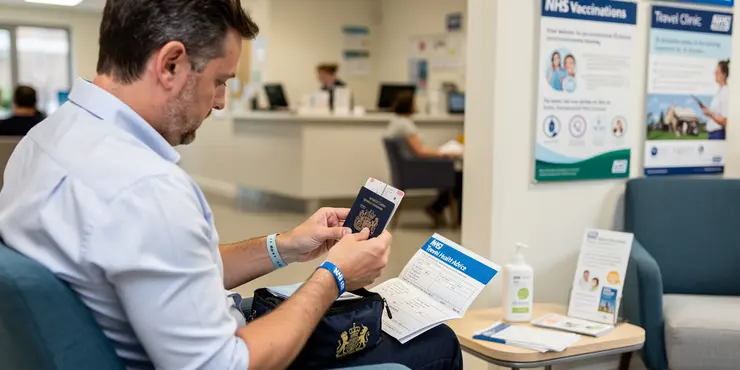
Do I need a visa to travel to an EU country for medical treatment?
Relevance: 84%
-

Is it possible to travel with a medical escort to an EU country?
Relevance: 81%
-

Will I need to pay for medical treatment upfront in the EU?
Relevance: 75%
-

What are the steps to arrange medical treatment in an EU country?
Relevance: 74%

-

Can I receive specialized treatment in EU countries?
Relevance: 68%
-

Can I use my EHIC card for medical treatment in the EU?
Relevance: 66%
-

Do I need a referral to receive medical treatment in the EU?
Relevance: 65%
-

Can I receive teleconsultations with EU doctors before traveling?
Relevance: 65%
-

Do children need a separate passport to travel to the EU?
Relevance: 64%
-

What should I do in case of a medical emergency while in the EU?
Relevance: 64%
-

What legal rights do I have as a medical patient in the EU?
Relevance: 62%
-

Are EU medical facilities equipped with the latest technology?
Relevance: 61%
-

Can I include a family member during my travel for treatment?
Relevance: 53%
-

Do I need any vaccine injections for EU countries?
Relevance: 50%
-

Do UK citizens need travel insurance for Europe?
Relevance: 49%
-
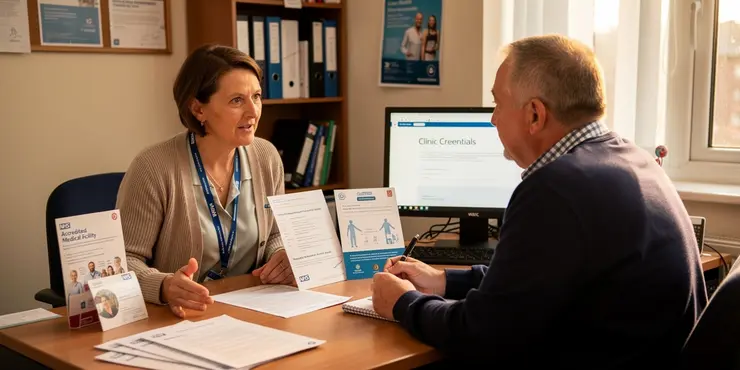
How can I verify the credentials of an EU medical facility?
Relevance: 49%
-

What are the rules for travel to France, Spain, and Europe on a UK passport?
Relevance: 47%
-

What resources have been introduced for families involved in cross-border disputes in 2026?
Relevance: 45%
-

What is a pre-existing condition waiver in travel insurance?
Relevance: 45%
-

What is travel assistance in a holiday insurance policy?
Relevance: 45%
-

Is the EHIC or GHIC card still valid in France and Spain?
Relevance: 45%
-

What does travel insurance usually cover?
Relevance: 44%
-

What is travel insurance?
Relevance: 44%
-

How can I manage post-treatment care when returning home from the EU?
Relevance: 44%
-

Can UK citizens use mobile phones in the EU without extra charges?
Relevance: 43%
-

Is it necessary to have travel insurance for domestic trips?
Relevance: 43%
-

Is it necessary to have holiday insurance if I have a credit card with travel benefits?
Relevance: 43%
-

Does travel insurance cover COVID-19 related issues?
Relevance: 42%
-

When should I buy travel insurance?
Relevance: 41%
-

Are there border checks for UK travelers entering France or Spain by car?
Relevance: 41%
-

Can you travel with CBD?
Relevance: 41%
-

Why is it important to buy travel insurance early?
Relevance: 41%
-

What if I need emergency assistance while traveling?
Relevance: 40%
-

How do I file a claim with travel insurance?
Relevance: 40%
Travelling to the EU for Medical Treatment
Many UK residents consider travelling to EU countries for medical treatment. This can be for specialist procedures, quicker service, or affordable care options. Since Brexit, the rules for seeking healthcare in the EU have changed.
Understanding the latest requirements and your rights is key before planning any medical travel. Preparation ensures you avoid unexpected costs or complications abroad.
Your Rights After Brexit
The UK is no longer part of the EU, which affects how you access healthcare in Europe. The European Health Insurance Card (EHIC) is now replaced by the UK Global Health Insurance Card (GHIC) for most people.
This card covers emergency and necessary healthcare, not planned private treatment. Arranging to travel specifically for medical procedures involves different steps and is not covered by the GHIC.
Planned Treatment in the EU
If you wish to travel to the EU for planned treatment, you must arrange this in advance. The process depends on your residency and NHS arrangements.
You cannot simply use your NHS number for planned medical care abroad. Permission and paperwork are required from the NHS before travelling for procedures.
S2 Route for State-Funded Care
The S2 (formerly E112) scheme lets you apply for certain state-funded treatment in the EU. Your local NHS authority must give prior approval for this route.
If approved, the NHS pays treatment costs at EU state-run hospitals, but you may be liable for some charges. This process can be lengthy and requires all documentation to be in order.
Private Healthcare Options
If you choose to have your procedure privately in the EU, you must cover all costs yourself. Private treatment costs are not reimbursed by the NHS.
Research the provider carefully and ensure you understand the costs involved. Some people buy specialist private health insurance to cover these treatments.
Other Things to Consider
Check travel and health insurance policies before booking any treatment. Sudden complications or cancellations could leave you out of pocket otherwise.
Be aware that recovery and aftercare in a foreign country may differ from UK standards. Language barriers and travel requirements may also affect your decision.
Summary
UK residents can travel to the EU for medical treatment but must meet special requirements. State-funded care via the S2 scheme needs NHS approval, and private care costs are your responsibility.
Planning, paperwork, and proper insurance are essential for a safe healthcare experience abroad.
Travelling to the EU for Medical Treatment
Some people from the UK go to countries in the EU to get medical treatment. They do this if they need special care, want to be seen faster, or if it costs less in another country. The rules for getting medical help in the EU changed after Brexit.
It is important to learn and understand the new rules before you plan to get medical care in the EU. If you are prepared, you can avoid surprise costs or problems while away.
Your Rights After Brexit
The UK is not in the EU any more, so the way you get healthcare in Europe has changed. Most people now have a UK Global Health Insurance Card (GHIC) instead of the European Health Insurance Card (EHIC).
The GHIC only helps if you need emergency medical help or urgent care in the EU. It does not let you go to Europe to get a planned private treatment. If you are travelling just for medical treatment, you need to follow different steps and rules.
Planned Treatment in the EU
If you want to go to the EU for planned treatment (something you know about and arrange before you go), you must get ready in advance. What you need to do depends on where you live and how you get NHS care.
You cannot just use your NHS number to get planned treatment abroad. You must have permission and the right forms from the NHS before you go.
S2 Route for State-Funded Care
The S2 scheme (it used to be called E112) helps you apply for some state-funded treatment in the EU. You need to ask your local NHS team and get their approval first.
If the NHS says yes, they will pay for your treatment at a state hospital in the EU. Sometimes, you might still need to pay something yourself. Getting approval and the forms can take time, so plan early.
Private Healthcare Options
If you want to pay for your own treatment in the EU (private care), you must pay all the costs yourself. The NHS will not pay you back for this kind of treatment.
It is very important to check the hospital or doctor carefully. Make sure you know all the costs before you agree. Some people get special health insurance to help pay for private treatment abroad.
Other Things to Consider
Always check your travel insurance and health insurance before you book any treatment. If something changes or you get sick suddenly, you could lose money if you do not have the right insurance.
Remember, getting better and having care after your treatment might be different in another country. There may also be language problems, and travelling might be harder for some people.
Summary
People from the UK can go to the EU for medical treatment, but there are special rules. If you want NHS help for your treatment (the S2 route), you need NHS approval first. If you pay for private care, you must pay the whole cost yourself.
Make sure you plan well, complete all the paperwork, and get the right insurance before you travel for healthcare. You can also bring a trusted person with you or use tools like checklists, reminders, and translation apps to make your trip easier.
Frequently Asked Questions
Can I travel to EU countries for medical treatment?
Yes, you can travel to EU countries for medical treatment, but specific entry requirements and healthcare policies apply.
Do I need a visa to travel to an EU country for medical treatment?
Depending on your nationality, you may need a short-stay visa (Schengen) for medical treatment in an EU country.
What documents are required for a medical treatment visa to the EU?
Generally, you will need a valid passport, proof of medical appointment, invitation from a medical institution, medical records, and proof of funds.
Can I bring a companion or caregiver with me for medical treatment in the EU?
Yes, companions or caregivers can usually travel with you, but they may need to apply for a visa separately.
Is my medical insurance valid in the EU?
You will need to check if your insurance policy covers treatment abroad, or you may need to purchase additional travel medical insurance.
Are there any COVID-19 restrictions for traveling to the EU for medical reasons?
COVID-19 restrictions may apply and can change frequently. Always check current entry requirements before traveling.
How do I find a hospital or clinic in the EU for treatment?
Research accredited hospitals online or ask for referrals from your doctor or embassies of EU countries.
Does the European Health Insurance Card (EHIC) cover planned medical treatment?
The EHIC generally does not cover planned medical treatment; special arrangements must be made beforehand.
Can non-EU citizens seek medical treatment in EU countries?
Yes, non-EU citizens can seek medical treatment in EU countries if they meet visa and entry requirements.
Do I need to pay for my medical treatment in the EU?
Yes, medical treatment is usually paid for by the patient unless prior arrangements or insurance coverage exist.
How long can I stay in the EU for medical treatment?
The allowable length of stay depends on your visa type and the duration recommended by your medical provider.
Are there language support services for medical tourists in EU hospitals?
Many EU hospitals offer translation or interpretation services for foreign patients, but check in advance.
What happens if I need a follow-up visit after treatment in the EU?
You may need to return on a new visa, arrange local follow-up care, or consult remotely if offered.
Will the Schengen visa allow medical treatment in all EU countries?
A Schengen visa allows travel to most EU countries, but confirm if your destination country participates in the Schengen Area.
Can I travel within the EU after my medical treatment?
You may travel within the Schengen Area during your visa validity, but must comply with its terms and purposes.
What happens if my visa expires while I am still receiving medical treatment?
You should contact local immigration authorities to apply for an extension, explaining your medical situation.
Can EU citizens living in another EU country get medical treatment in any EU state?
Yes, EU citizens have the right to access medical treatment across EU member states, often with coordinated reimbursement.
Is prior authorization required for medical treatment in another EU country?
Certain treatments may require prior authorization from your home country's health authority or insurance.
Do children and elderly people have different rules for medical travel to the EU?
Visa and medical requirements apply to all ages, but supporting documents or guardianship proof may be needed for children and elderly.
How soon should I apply for a visa for medical treatment in the EU?
Apply as soon as you have confirmed medical appointments, as visa processing times can vary between countries.
Can I go to EU countries to get medical help?
Yes, you can go to countries in the EU if you need to see a doctor or have treatment. It is a good idea to tell your doctor before you go. You may need to show some forms or papers.
Before you travel, ask for help if you are not sure what to do. You can use things like picture cards or ask someone you trust to help you understand what to bring and what to do.
If you find reading hard, you can use large print, simple lists, or speak to someone who can explain things clearly.
Yes, you can go to EU countries for medical treatment. Each country has its own rules you must follow. Check what you need to enter the country and how to get care before you go.
If you need help, you can:
- Ask someone you trust to help you plan your trip.
- Use a checklist to make sure you have all your documents.
- Talk to your doctor before you travel.
Do I need a visa to go to an EU country for medical care?
Are you planning to visit an EU country to see a doctor or get treatment?
You might need a special travel paper called a visa. A visa is a stamp or sticker in your passport. It gives you permission to enter another country.
Check the country’s website or ask an adult to help you. You can use a computer or ask a support worker to help find out if you need a visa.
If you are from some countries, you might need a special paper called a visa to go to an EU country for medical care. This is called a short-stay visa or Schengen visa.
If you are not sure if you need one, you can ask for help from a family member, carer, or use a website to check. You can also talk to your doctor or health worker about what you need to travel.
What papers do I need for a visa to get medical care in the EU?
If you want to travel to the EU for medical care, you will need to show some papers. Here are the main things you might need:
- Your passport, so people know who you are.
- A letter from your doctor. The letter should say why you need treatment and what kind of care you need.
- A letter from the hospital or clinic in the EU. This letter should say they will treat you and tell you the dates.
- Papers to show you can pay for the treatment.
- Travel insurance to help you if something goes wrong while you are away.
If you find it hard to get these papers or fill in forms, you can ask someone you trust for help. You can also use a checklist or picture cards to remember what you need. If you need support reading or writing, there are apps that say words out loud or help you fill in forms.
You will need these things:
- A passport (a book that shows who you are and lets you travel to other countries)
- Proof that you have a medical appointment (a letter or paper from the doctor)
- An invitation from the hospital or clinic (they invite you to get treatment)
- Your medical records (papers that show your health information)
- Proof that you have enough money (papers that show you can pay for your trip and treatment)
Tip: You can ask someone you trust to help you collect these papers. Using a checklist may help you keep track. If you find reading hard, you can use text-to-speech tools or ask someone to read the information aloud.
Can I bring someone to help me when I get medical treatment in the EU?
Yes, you can bring someone with you to help you, like a family member or caregiver.
It is a good idea to tell the hospital or doctor before you arrive that you are bringing someone with you.
You can also ask for extra help, like:
- Easy-to-read signs and information
- Help with travel, like taxis or transport
- Translation help if you do not speak the language
If you are worried or need help, ask someone you trust to come with you and help you talk to the doctors.
Yes, a helper or carer can come with you. They might have to get their own visa.
If you find reading hard, you can ask someone you trust to help you. You can also use tools like text-to-speech to read words out loud to you.
Can I use my medical insurance in the EU?
Do you have medical insurance? If you are travelling to a country in the EU, ask your insurance company if they will help you if you get sick or hurt there.
You can also bring someone you trust to help you ask, or write down your questions before you call.
You need to check if your insurance pays for treatment in other countries. If it doesn’t, you might need to buy extra travel health insurance.
If you find this hard, ask a family member or friend to help you. You can also use an online translator tool or text-to-speech to read it out loud.
Can I travel to the EU for medical reasons? Are there any COVID-19 rules?
If you need to go to a country in the EU for medical care, there may be rules because of COVID-19.
These rules can change. You might need to:
- Show proof you had a COVID-19 vaccine.
- Show a COVID-19 test result.
- Wear a face mask.
Ask someone you trust to help check the latest rules. You can also use pictures or simple checklists to help remember what to bring.
COVID-19 rules can change often. Before you travel, check what the rules are now. You can ask someone you trust, use simple travel websites, or get help from a travel agent to find the latest information.
How can I find a hospital or clinic in the EU for treatment?
If you need to find a hospital or clinic in the EU (European Union), you can:
- Ask your doctor for help.
- Look online for hospitals or clinics in the country you want to go to. You can use search engines like Google.
- Talk to a friend or family member who can help you search.
- Use simple words when you search, like “hospital in France”.
You can use tools like maps on your phone or computer to find places. You can ask someone you trust to help you talk to the hospital or make a plan for your visit.
Look for hospitals that have official approval. You can use the internet to find them. You can also ask your doctor or ask the embassies of EU countries for help to find a good hospital.
If it is hard to search online, ask someone you trust to help you. You can also use voice assistants or read-aloud tools on your computer or phone.
Can you use the European Health Insurance Card (EHIC) for planned medical treatment?
The EHIC lets you get healthcare if you are in another European country and you become sick or hurt while you are there.
If you want to travel just to get medical treatment, the EHIC does not usually cover this.
If you need planned treatment in another country, you should speak to your doctor first. They can help you find out what to do. Someone you trust can also help you with this.
You can use tools like talking to your doctor, asking a family member, or calling a helpline to get help.
The EHIC card usually does not pay for medical treatment that you have planned before your trip. You must make special plans before you go.
Can people from outside the EU get medical help in EU countries?
If you do not live in an EU country, you can still get medical help in an EU country. But you might have to pay for it. Sometimes, you need special papers, like a visa or travel insurance.
It is a good idea to ask the hospital or doctor what you need before you go. You can ask a friend, family member, or support worker to help with this.
You can also use tools like simple checklists or picture cards to help you remember what to bring or ask.
Yes, people from outside the EU can get medical treatment in EU countries.
They must follow visa and entry rules to enter the country.
It can help to ask someone you trust for support or bring important documents with you.
Will I have to pay for my medical care in the EU?
If you go to a doctor or hospital in an EU country, you might need to pay some money. Sometimes you can get help to pay for this. Take your EHIC card or GHIC card with you. You can ask someone you trust or use a translation app to help you talk to doctors and understand what’s happening.
Yes, most people have to pay for medical care themselves. Sometimes, insurance or other plans can help pay for it. If you are unsure, ask someone you trust, like a family member or carer, to help you find out more. You can also use talking tools or pictures to help understand.
How long can I stay in the EU for medical treatment?
You can go to the EU for medical treatment. How long you can stay depends on your doctor and your treatment. Ask your doctor how long you need to stay. Make sure you tell your hospital or clinic when you plan to go home. If you are not sure, ask someone you trust to help you understand the rules. You can use tools like calendars or notes to remember important dates.
The time you can stay depends on your type of visa and how long your doctor says you need to stay.
If you find it hard to remember, you can write down the dates or use a calendar. You can also ask someone you trust to help you keep track.
Can people get help with language in EU hospitals?
If you go to a hospital in the EU from another country, you might need help speaking the language. Some hospitals can give you help, like an interpreter. An interpreter is someone who helps you understand and talk to doctors and nurses.
You can also use tools like translation apps on your phone to help you understand.
If you need help, ask a nurse or doctor for support.
Some hospitals in the EU have people who can help translate or explain things in your language. They can help you speak to the doctors if you do not speak the local language. It is a good idea to ask the hospital before you go if they have this help.
What happens if I need to go back to the doctor after treatment in the EU?
If you have seen a doctor in another EU country, you might need to go back for another visit.
If you do, talk to your doctor or nurse. They will help you understand what to do next.
You can ask someone you trust, like a friend or family member, to help you remember your appointments.
It can also help to write down important dates or use a calendar, so you don't forget your follow-up visit.
You might need to get a new visa to come back. You could also set up care with a local doctor. Sometimes, you can talk to your doctor by phone or video call.
If you find this hard, you can:
- Ask someone you trust to help you read or understand this.
- Use pictures or simple notes to help remember.
- Write down any questions you have to ask your doctor.
Can I get medical care in all EU countries with a Schengen visa?
If you have a Schengen visa, you can travel to countries in the Schengen area. You may be able to get medical care there.
But the Schengen visa may not let you get treatment in every EU country. Some countries have special rules. Check the rules of the country you want to visit before you go.
If you find things difficult to understand, you can:
- Ask someone you trust to help you read the rules.
- Use simple language websites or translation tools.
- Contact the embassy of the country you want to visit for help.
A Schengen visa lets you visit many countries in Europe. But before you travel, check that the country you want to visit is part of the Schengen Area.
It can help to use maps, ask someone you trust, or find an official list online to check if your country is included.
Can I travel in the EU after my medical treatment?
You may want to travel in the EU after your medical treatment.
First, talk to your doctor. Ask if it is safe for you to travel.
You might need to take medicines or see a doctor while you travel.
You can ask for help from friends, family, or staff if you need support.
Try using a travel checklist or a reminder app to help you remember what you need.
You can travel to other Schengen countries while your visa is still valid. You must follow the rules of your visa. Only do what your visa allows you to do.
If you need help, ask someone you trust or use a calendar to track your visa dates.
What happens if your visa ends when you are still getting medical treatment?
If your visa runs out while you are still seeing a doctor or getting treatment, do not worry. You should get help right away. Tell your doctor or hospital. Ask for help from someone you trust, like a friend or support worker. You can also get advice from a charity or ask for help from a lawyer. It is a good idea to have someone with you when you ask for help.
You might be able to stay longer because you are getting treatment. Try to keep all your papers and letters about your treatment safe.
If you find reading hard, you can ask someone to read this with you. You could use a highlighter to pick out important words. There are also apps that can read things aloud to you.
You need to talk to the local immigration office. Tell them you are sick and need more time to stay. Ask them how you can stay longer.
You might want to ask someone you trust to help you. You can also use pictures or write down your questions before you go.
Can people from the EU get medical care in any EU country?
If you are from an EU country and live in another EU country, you might be able to see a doctor or get medical help in any EU country. Check before you travel. Bring your European Health Insurance Card (EHIC) or similar documents. You can ask someone you trust to help you with forms or talking to doctors.
Yes, people from the EU can get medical care in other EU countries. Many times, the cost can be paid back to you.
If you need help, you can ask someone you trust to help with forms or talking to doctors.
You can also use easy-to-read letters, voice recorders, or pictures to help understand the information.
Do I need permission before getting medical treatment in another EU country?
If you want to get medical help in another EU country, you might need to ask for permission first. This is called 'prior authorization.'
Ask your doctor or local health office if you need this before you go. They can help you with the forms.
You can also use pictures, simple checklists, or ask a friend or carer to help understand what to do.
Some treatments may need special permission from your country’s health service or your health insurance before you get them.
Are the rules for children and older people different for medical travel to the EU?
Sometimes, the rules for travelling to the EU for medical treatment can be different for children and for older people.
If you are planning a medical trip, it is a good idea to ask a doctor, a carer, or a family member for help. You can also use pictures, ask someone to read the information with you, or use voice tools to help you understand.
All people need a visa and medical checks, no matter how old they are. Children and older people might also need to show extra papers, like proof of guardians or someone to help them. If this is hard to understand, you can ask a trusted adult or use picture guides to help you with the steps.
When should I ask for a visa to get medical help in the EU?
If you need to go to the EU for medical treatment, you should ask for your visa as soon as you can. This helps you have enough time to get all your documents ready and wait for your visa to be approved.
You can ask someone you trust to help you with your visa application. You can also use pictures and lists to keep track of what you need. If you find forms hard to understand, ask someone to read them with you or use a computer reader.
When you know your medical appointment date, apply for your visa right away. Sometimes, it can take a long time to get your visa. The waiting time is different in each country. You can ask someone to help, or use a calendar to remember important dates.

Useful Links
This website offers general information and is not a substitute for professional advice.
Always seek guidance from qualified professionals.
If you have any medical concerns or need urgent help, contact a healthcare professional or emergency services immediately.
Some of this content was generated with AI assistance. We've done our best to keep it accurate, helpful, and human-friendly.
- Ergsy carefully checks the information in the videos we provide here.
- Videos shown by Youtube after a video has completed, have NOT been reviewed by ERGSY.
- To view, click the arrow in centre of video.
- Most of the videos you find here will have subtitles and/or closed captions available.
- You may need to turn these on, and choose your preferred language.
- Go to the video you'd like to watch.
- If closed captions (CC) are available, settings will be visible on the bottom right of the video player.
- To turn on Captions, click settings.
- To turn off Captions, click settings again.
More Items From Ergsy search
-
Can I travel to EU countries for medical treatment?
Relevance: 100%
-
Can I travel to EU countries for medical treatment?
Relevance: 92%
-
Can I travel to EU countries for medical treatment?
Relevance: 92%
-
Is medical treatment covered by insurance when traveling to the EU?
Relevance: 90%
-
Are there any risks associated with traveling to the EU for medical treatment?
Relevance: 89%
-
How do I arrange travel and accommodation for medical treatment in the EU?
Relevance: 86%
-
Do I need a visa to travel to an EU country for medical treatment?
Relevance: 84%
-
Is it possible to travel with a medical escort to an EU country?
Relevance: 81%
-
Will I need to pay for medical treatment upfront in the EU?
Relevance: 75%
-
What are the steps to arrange medical treatment in an EU country?
Relevance: 74%
-
Can I receive specialized treatment in EU countries?
Relevance: 68%
-
Can I use my EHIC card for medical treatment in the EU?
Relevance: 66%
-
Do I need a referral to receive medical treatment in the EU?
Relevance: 65%
-
Can I receive teleconsultations with EU doctors before traveling?
Relevance: 65%
-
Do children need a separate passport to travel to the EU?
Relevance: 64%
-
What should I do in case of a medical emergency while in the EU?
Relevance: 64%
-
What legal rights do I have as a medical patient in the EU?
Relevance: 62%
-
Are EU medical facilities equipped with the latest technology?
Relevance: 61%
-
Can I include a family member during my travel for treatment?
Relevance: 53%
-
Do I need any vaccine injections for EU countries?
Relevance: 50%
-
Do UK citizens need travel insurance for Europe?
Relevance: 49%
-
How can I verify the credentials of an EU medical facility?
Relevance: 49%
-
What are the rules for travel to France, Spain, and Europe on a UK passport?
Relevance: 47%
-
What resources have been introduced for families involved in cross-border disputes in 2026?
Relevance: 45%
-
What is a pre-existing condition waiver in travel insurance?
Relevance: 45%
-
What is travel assistance in a holiday insurance policy?
Relevance: 45%
-
Is the EHIC or GHIC card still valid in France and Spain?
Relevance: 45%
-
What does travel insurance usually cover?
Relevance: 44%
-
What is travel insurance?
Relevance: 44%
-
How can I manage post-treatment care when returning home from the EU?
Relevance: 44%
-
Can UK citizens use mobile phones in the EU without extra charges?
Relevance: 43%
-
Is it necessary to have travel insurance for domestic trips?
Relevance: 43%
-
Is it necessary to have holiday insurance if I have a credit card with travel benefits?
Relevance: 43%
-
Does travel insurance cover COVID-19 related issues?
Relevance: 42%
-
When should I buy travel insurance?
Relevance: 41%
-
Are there border checks for UK travelers entering France or Spain by car?
Relevance: 41%
-
Can you travel with CBD?
Relevance: 41%
-
Why is it important to buy travel insurance early?
Relevance: 41%
-
What if I need emergency assistance while traveling?
Relevance: 40%
-
How do I file a claim with travel insurance?
Relevance: 40%