
Speak To An Expert
Get clear, personalised advice for your situation.
Jot down a few questions to make the most of your conversation.
More Items From Ergsy search
-

Does the flu vaccine protect against COVID-19?
Relevance: 100%
-
Should I get vaccinated if I already had COVID-19?
Relevance: 98%
-
Can the COVID jab give me COVID-19?
Relevance: 94%
-
Will getting the flu jab protect me against COVID-19?
Relevance: 88%
-

What is a COVID-19 variant?
Relevance: 88%
-
Do vaccines work against new COVID-19 variants?
Relevance: 86%
-

Where can I learn about real Covid-19 variants?
Relevance: 86%
-
Can COVID-19 be transmitted through blood transfusions?
Relevance: 85%
-
How can I protect myself from new COVID-19 variants?
Relevance: 84%
-
What is the Covid-19 Stratus variant?
Relevance: 84%

-
What sources should I consult for information on Covid-19?
Relevance: 84%
-
What are the COVID-19 travel restrictions for traveling to Spain?
Relevance: 83%
-

How are COVID-19 variants detected?
Relevance: 81%
-

How do COVID-19 variants arise?
Relevance: 81%
-
How can I protect myself from Covid-19 variants?
Relevance: 79%
-

How often do new COVID-19 variants emerge?
Relevance: 76%
-
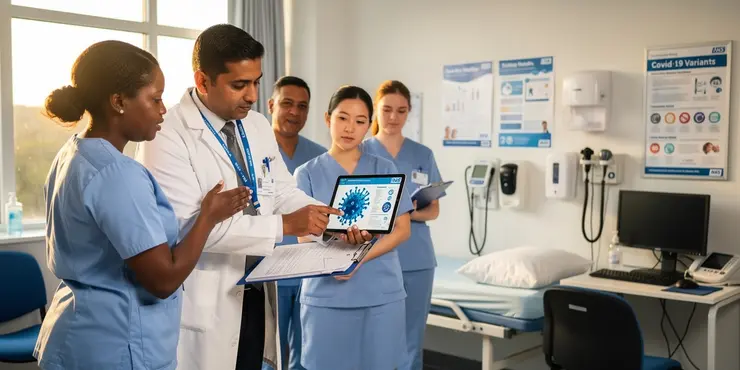
What is the process to identify a new Covid-19 variant?
Relevance: 76%
-
Do new variants affect COVID-19 testing?
Relevance: 75%
-

Does travel insurance cover COVID-19 related issues?
Relevance: 75%
-
How do scientists name new Covid-19 variants?
Relevance: 74%
-
Does the COVID jab affect fertility?
Relevance: 71%
-
Are new COVID-19 variants more dangerous?
Relevance: 70%
-
Can air physiotherapy help with COVID-19 recovery?
Relevance: 69%
-
Are there any long-term side effects of the COVID jab?
Relevance: 69%
-
Can I get the COVID jab if I am pregnant or breastfeeding?
Relevance: 69%
-
How do COVID jabs work?
Relevance: 68%
-
Can I get the COVID jab if I have allergies?
Relevance: 67%
-

Breathlessness after COVID-19 - helpful techniques
Relevance: 66%
-
Are children more affected by new variants of COVID?
Relevance: 66%
-
What are the Nimbus and Stratus variants of Covid?
Relevance: 60%
-
when will i need my next COVID jab?
Relevance: 60%
-
Should I get a COVID jab?
Relevance: 60%
-
Are COVID jabs safe?
Relevance: 60%
-
Do I need any vaccine injections for EU countries?
Relevance: 59%
-
Can new variants cause reinfection?
Relevance: 57%
-
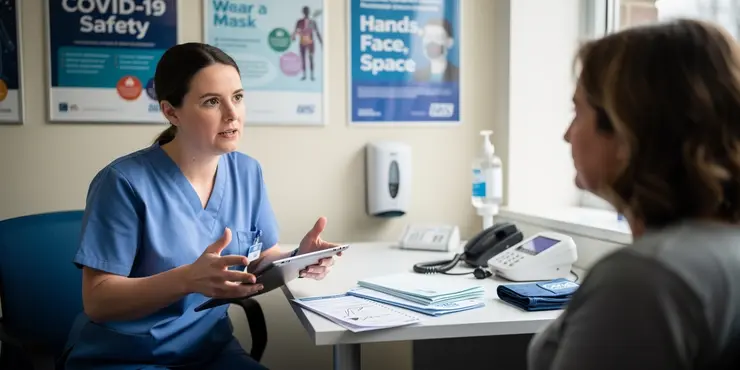
New Covid Variant Strains
Relevance: 56%
-

What are the benefits of getting a COVID jab?
Relevance: 56%
-
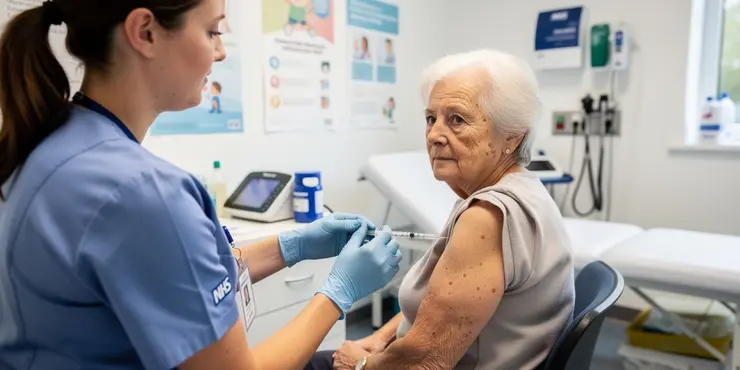
Nationwide Flu Vaccination Campaign Targets Vulnerable Populations
Relevance: 55%
-
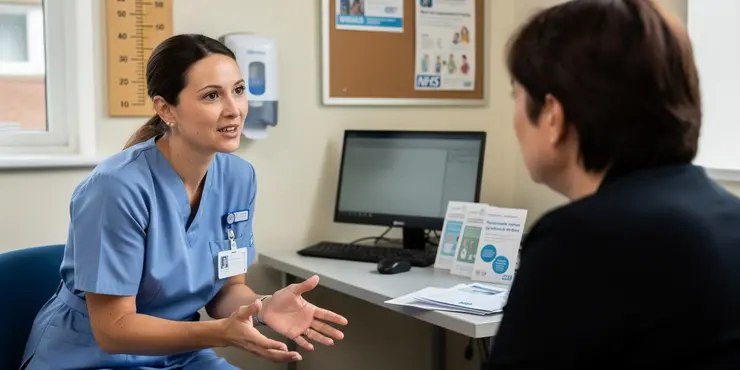
Are there vaccination recommendations for people with compromised immune systems?
Relevance: 53%
-
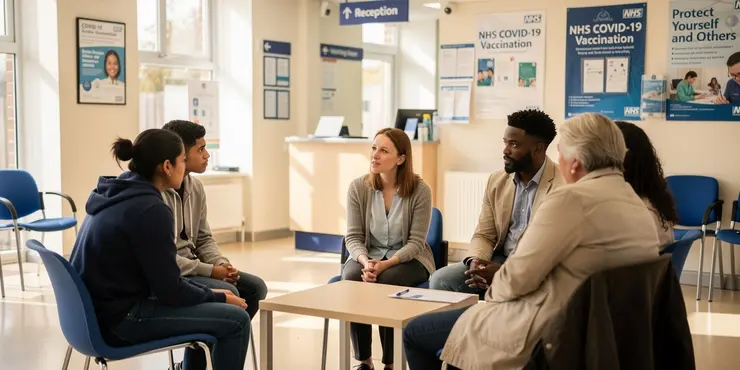
Who is eligible to receive the COVID jab?
Relevance: 53%
Can the COVID Jab Give Me COVID-19?
As of Autumn 2023, several COVID-19 vaccines have been approved for use within the UK. A common question among those considering vaccination is whether the COVID jab can actually cause COVID-19. Understanding how vaccines work and the nature of the available COVID-19 vaccines can help clarify this concern.
Types of COVID-19 Vaccines
The COVID-19 vaccines approved in the UK include mRNA vaccines, such as the Pfizer-BioNTech and Moderna vaccines, and viral vector vaccines like the Oxford-AstraZeneca vaccine. Additionally, there are protein-based vaccines that are also being administered. Importantly, none of these vaccines contain the live virus that causes COVID-19. This means they cannot give you COVID-19.
How Vaccines Work
Vaccines work by preparing the immune system to recognise and fight the virus if it is encountered. mRNA vaccines deliver a small piece of genetic material that instructs cells to produce a harmless piece of the spike protein found on the surface of the virus. The immune system then learns to recognise and mount a response to this protein. Viral vector vaccines use a harmless virus to deliver similar instructions. Protein-based vaccines train the immune system by introducing parts of the virus directly.
Why Side Effects Do Not Mean Infection
Some people experience mild side effects after getting the COVID jab, such as a sore arm, fatigue, mild fever, or muscle aches. These side effects are usually short-lived and signify that the body is building protection. Having these side effects is not the same as having COVID-19, as they are expected immune responses to the vaccine components, not an indication of infection with the virus itself.
Expert Guidelines
Public health experts and organisations, including the NHS, have stated unequivocally that the COVID-19 vaccines available in the UK cannot cause you to get COVID-19. Their design and development follow rigorous standards to ensure safety and efficacy, and part of this involves ensuring that the vaccines cannot cause the disease they aim to protect against.
Conclusion
In summary, it's clear that the COVID jab cannot give you COVID-19. The vaccines approved and used in the UK are designed to protect against the virus by teaching your immune system to recognise and combat it effectively, without involving live virus that can cause the disease. Concerns and questions are valid but rest assured, the vaccines represent a safe and effective means of protection against COVID-19.
Can the COVID Jab Give Me COVID-19?
As of Autumn 2023, there are different COVID-19 vaccines in the UK. Many people ask if the COVID jab can make them sick with COVID-19. Understanding how vaccines work can answer this question.
Types of COVID-19 Vaccines
The UK uses different kinds of COVID-19 vaccines. These include mRNA vaccines, like Pfizer-BioNTech and Moderna, and viral vector vaccines, like Oxford-AstraZeneca. There are also protein-based vaccines. None of these vaccines have the live virus that causes COVID-19. So, they cannot make you sick with COVID-19.
How Vaccines Work
Vaccines help the body learn to fight the virus. mRNA vaccines give your cells a message to make a harmless part of the virus. Then, the immune system learns to fight it. Viral vector vaccines use a safe virus to deliver these instructions. Protein-based vaccines use parts of the virus to train the immune system directly.
Why Side Effects Do Not Mean Infection
Some people feel a bit unwell after getting the COVID jab. They might have a sore arm, feel tired, have a mild fever, or muscle aches. These side effects are normal. They show that the body is learning to protect itself. These side effects are not the same as having COVID-19.
Expert Guidelines
Health experts, like those from the NHS, say the COVID-19 vaccines in the UK cannot make you sick with COVID-19. The vaccines are checked to make sure they are safe and work well. They cannot cause the disease they protect against.
Conclusion
In short, the COVID jab cannot give you COVID-19. The vaccines used in the UK help your body fight the virus without using the live virus. If you have questions, know that these vaccines are a safe way to stay protected against COVID-19.
Frequently Asked Questions
Can the COVID-19 vaccine give me COVID-19?
No, the COVID-19 vaccines cannot give you COVID-19 as they do not contain live virus.
What components are in COVID-19 vaccines?
Most COVID-19 vaccines contain either mRNA or viral vector technology, none of which involve live virus.
Why do some people feel sick after getting the COVID-19 vaccine?
Side effects like fever are normal and show your body is building protection, not that you have COVID-19.
Are mRNA vaccines like Pfizer and Moderna live vaccines?
No, mRNA vaccines teach cells to make a protein to trigger an immune response without using live virus.
Can adenovirus-vector vaccines like Johnson & Johnson cause COVID-19?
No, adenovirus-vector vaccines use a modified virus that cannot replicate in humans.
Is it possible to test positive for COVID-19 because of the vaccine?
You might test positive on an antibody test, indicating protection, but not on a viral test for current infection.
Why do vaccines not use a live coronavirus?
Using live coronavirus could cause disease; instead, vaccines use safe fragments to build immunity.
Does feeling unwell after vaccination mean I have COVID-19?
No, any symptoms like fatigue are vaccine side effects, not COVID-19 infection.
How long does it take for the vaccine to protect me from COVID-19?
Full protection is usually achieved two weeks after the final dose of the COVID-19 vaccine series.
Can vaccinated people still spread COVID-19?
It is less likely, but vaccinated individuals can still spread the virus so precautions remain important.
Does the COVID-19 vaccine alter my DNA?
No, mRNA vaccines do not interact with or change your DNA in any way.
Is it safe for pregnant women to receive the COVID-19 vaccine?
Yes, health organizations recommend vaccination for pregnant individuals due to safety and efficacy data.
Do COVID-19 vaccines contain actual parts of the coronavirus?
mRNA vaccines do not contain any part of the virus but are designed to mimic a part of it to induce immunity.
Does getting vaccinated mean I won't get COVID-19?
Vaccines significantly reduce the risk of severe illness and transmission, but breakthrough infections can occur.
What should I do if I feel severely unwell after vaccination?
Seek medical attention if you experience severe or persistent symptoms after vaccination.
Do I need the vaccine if I have already had COVID-19?
Yes, vaccination is recommended even if you've had COVID-19 as it provides stronger protection.
How do vaccines prompt an immune response without live virus?
Vaccines stimulate the immune system to recognize the virus and produce antibodies without containing live virus.
Why might people have different reactions to the COVID-19 vaccine?
Individual health conditions and immune responses vary, affecting how each person reacts to the vaccine.
Can the vaccine cause a COVID-19 infection in people with weakened immune systems?
No, COVID-19 vaccines do not contain live virus and are safe for most people with weakened immune systems.
Why is vaccination important even if the vaccines cannot give me COVID-19?
Vaccination is crucial to control the pandemic, reduce severe outcomes, and prevent virus transmission.
Can the COVID-19 vaccine make me sick with COVID-19?
No, the COVID-19 vaccine cannot make you sick with COVID-19. It helps protect you.
Helpful Tips:
- Ask a trusted adult if you have questions.
- Use pictures or videos about vaccines to learn more.
- Talk to your doctor or nurse for more information.
No, the COVID-19 vaccines cannot give you COVID-19. They do not have the virus in them.
What's inside COVID-19 vaccines?
COVID-19 vaccines help keep you safe from the virus. They have special parts inside them:
- Active Ingredient: This helps your body learn how to fight the virus.
- Additives: These help keep the vaccine safe and long-lasting.
If you have questions, ask a doctor or nurse. You can also read more on websites or watch videos to understand better.
Most COVID-19 shots use something called mRNA or viral vector. These do not have a live virus in them.
Why do some people feel unwell after the COVID-19 shot?
Getting a COVID-19 shot can help keep you safe from the virus. But sometimes, people might feel unwell afterward. This is normal, and it usually means that the shot is working to protect your body.
Some people might have a sore arm, feel tired, or have a fever. These feelings usually go away after a few days.
If you or someone you know feels worried, you can talk to a doctor or nurse. You can also use tools like picture cards or simple videos to understand better.
Sometimes when you get a vaccine, you might get a fever. This is okay. It means your body is learning to fight germs. It does not mean you have COVID-19. Do not worry.
Do mRNA vaccines like Pfizer and Moderna use live viruses?
No, they do not. mRNA vaccines do not have any live virus in them. They teach your body how to fight the virus.
Tools you can use to help understand:
- Ask someone you trust to explain.
- Use a dictionary to find the meaning of new words.
- Watch videos about vaccines.
No, mRNA vaccines help your body learn to fight germs. They tell your cells to make a tiny protein. This helps your body get ready to fight the virus without using real germs.
Can the Johnson & Johnson vaccine give you COVID-19?
No, the Johnson & Johnson vaccine cannot give you COVID-19.
This vaccine helps your body learn how to fight the virus.
It does not have the virus that causes COVID-19 in it.
You can use pictures, videos, or talk to a helper to understand more about vaccines.
No, these vaccines use a safe virus that cannot grow in people.
Can the COVID-19 vaccine make you test positive for the virus?
No. The COVID-19 vaccine will not make you test positive for the virus. The vaccine helps your body learn how to fight the virus. It does not give you the virus.
If you test positive after getting the vaccine, talk to a doctor.
Helpful tools: - Use pictures or videos to help understand more. - Ask someone to read with you and explain.
You might get a positive result on an antibody test. This means you have some protection. But you might get a negative result on a viral test. This means you do not have the virus right now.
Why don't vaccines use the real coronavirus?
Vaccines help protect us from getting sick. They do this by showing our bodies a safe part of a virus. This way, our bodies know how to fight the virus if we meet it later.
Vaccines do not use the real, live coronavirus because it could make us very sick. Instead, they use tiny, harmless pieces of the virus. This is much safer and helps our bodies learn to defend us without risking illness.
Reading tools and charts with pictures can help you understand more about how vaccines work. Asking questions and talking to someone, like a doctor or a teacher, can also help you learn more.
Using live coronavirus might make people sick. So, vaccines use tiny, safe pieces to help protect us.
Does feeling sick after a vaccine mean I have COVID-19?
Some people can feel a bit sick after getting a vaccine. This is normal. It shows that your body is learning to fight the virus.
But feeling sick does not mean you have COVID-19. It just means the vaccine is working.
If you feel very sick, you can talk to a doctor or nurse. They can help you.
It can help to rest, drink water, and tell an adult how you feel.
No, feeling tired is a side effect of the vaccine. It does not mean you have COVID-19.
How long until the vaccine keeps me safe from COVID-19?
The COVID-19 vaccine needs time to work. Here's what you can do to stay safe:
- After your first vaccine shot, you need to wait a few weeks for it to start working.
- Sometimes, you need a second shot for full protection. This can take more time.
- Ask a grown-up or doctor if you have questions.
Use a calendar to mark the days until your vaccine starts working. Always wash your hands and wear a mask to stay safe.
You are protected from COVID-19 two weeks after your last vaccine shot.
Can people with the COVID-19 vaccine still give the virus to others?
Even if you have had the vaccine for COVID-19, you could still give the virus to other people. The vaccine helps keep you safe and makes it less likely you will get sick. But it doesn't stop you from spreading the virus completely.
It’s important to keep doing things like wearing a mask, washing your hands, and staying apart from people not in your home. These things help stop the virus from spreading.
Remember, getting the vaccine is very good. It helps you and the people around you. Keep asking questions if you are unsure about anything.
Even if you have the vaccine, you can still give the virus to others. So, it's important to keep being careful.
Does the COVID-19 vaccine change my DNA?
The COVID-19 vaccine cannot change your DNA. It helps your body fight the virus.
Tip: If you find reading hard, ask a friend or family member to help you. You can also use tools to read text out loud.
No, mRNA vaccines do not change your DNA or mix with it.
Can pregnant women get the COVID-19 vaccine safely?
It is safe for pregnant women to get the COVID-19 vaccine. The vaccine helps protect both the mom and the baby from getting sick.
If you are pregnant, talk to your doctor or nurse. They can give you advice and answer any questions you have.
You can ask someone you trust to help you understand more. Reading tools can also help, like listening to the information read out loud.
Yes, doctors say it is safe for pregnant people to get vaccines. Vaccines help keep you and your baby healthy.
Do COVID-19 Vaccines Have Real Pieces of the Coronavirus?
No, COVID-19 vaccines do not have real pieces of the virus that makes you sick. The vaccine helps your body learn how to fight the virus without using real pieces of it.
Need help understanding?
- You can ask someone you trust to help explain.
- Find videos or pictures that show how vaccines work.
mRNA vaccines don't have the virus inside them. They pretend to be a tiny part of the virus to help our bodies learn how to fight it.
To understand this better, you can use pictures or videos that show how vaccines work.
Will getting the COVID-19 shot stop me from getting sick?
Vaccines help keep us from getting really sick and spreading germs to others. But sometimes, people who got the vaccine can still get sick.
What to do if you feel very sick after a vaccine?
- If you feel very sick after getting a vaccine, tell a grown-up or a friend. - Go to see a doctor or a nurse. - You can call a health line for advice. Here are some tips: - Rest in bed. - Drink lots of water. - Use a book or website to help remember what the doctor said. Remember, it's okay to ask for help!Go to the doctor if you feel very sick or if your symptoms do not go away after getting the vaccine.
Do I need the vaccine if I already had COVID-19?
If you got sick from COVID-19 before, you might think you don't need the vaccine. But the vaccine can help you stay safe from getting COVID-19 again.
Vaccines are good because:
- They help protect you from getting really sick.
- They help protect other people around you.
Even if you had COVID-19, getting the vaccine can make you even safer. It's a good idea to talk to a doctor or nurse if you have questions.
If reading is hard, ask someone you trust to read with you. You can also listen to information about vaccines online or watch videos that explain it.
Yes, getting the vaccine is a good idea even if you had COVID-19. It gives you better protection.
How do vaccines help the body fight germs without using live viruses?
Vaccines help your body fight germs without making you sick. They do this by showing your body what the germ looks like. This helps your body know how to fight the germ later. Here is how it works: 1. **Tiny parts of germs:** The vaccine has tiny pieces of the germ. These pieces cannot make you sick. 2. **Body learns to fight:** Your body sees these pieces and learns how to fight the real germ if it comes. 3. **Staying safe:** This means your body is ready to protect you from the real germ. **Helpful Tools:** - **Pictures:** Look at pictures of how vaccines work. This can help you understand better. - **Stories:** Read or listen to stories about vaccines. This can make learning fun. - **Talk to someone:** Ask a teacher or family member to explain it to you in a simple way.Vaccines help the body learn to fight viruses. They are safe because they don’t have the live virus inside them.
Why do people feel different after the COVID-19 vaccine?
People can feel different after getting the COVID-19 vaccine.
This is because everyone's body is different. Some people might feel okay, while others might feel a bit sick.
It is normal to feel sore, tired, or have a headache after the vaccine. This means the vaccine is helping your body stay safe from the virus.
Talking to a grown-up or a doctor can help if you feel worried.
Each person's body is different. This means people can feel different after getting the vaccine. Your health and how your body fights germs (immune system) can change how you feel after.
You can use tools like picture cards or color codes to help understand how you feel. Ask someone you trust if you need help.
Can the vaccine make people with weak immune systems sick with COVID-19?
No, the vaccine cannot give you COVID-19. It helps protect your body from the virus.
If your immune system is weak, it is still important to get the vaccine. It helps keep you safe.
Talk to your doctor if you have questions. They can help you understand more.
No, COVID-19 shots do not have live virus in them. They are safe for most people who have weak immune systems.
Why is it important to get a vaccine if it can't give me COVID-19?
Vaccines help keep you safe from getting very sick. They teach your body to fight the bad germs.
Even if the vaccine can't give you COVID-19, it helps stop the illness from spreading. This keeps you and others healthier.
If you have questions, talk to a doctor or a nurse. They can help you understand more.
Getting a vaccine is very important. It helps stop the spread of the sickness, keeps people from getting very sick, and stops the virus from moving between people.

Useful Links
This website offers general information and is not a substitute for professional advice.
Always seek guidance from qualified professionals.
If you have any medical concerns or need urgent help, contact a healthcare professional or emergency services immediately.
Some of this content was generated with AI assistance. We've done our best to keep it accurate, helpful, and human-friendly.
- Ergsy carefully checks the information in the videos we provide here.
- Videos shown by Youtube after a video has completed, have NOT been reviewed by ERGSY.
- To view, click the arrow in centre of video.
- Most of the videos you find here will have subtitles and/or closed captions available.
- You may need to turn these on, and choose your preferred language.
- Go to the video you'd like to watch.
- If closed captions (CC) are available, settings will be visible on the bottom right of the video player.
- To turn on Captions, click settings.
- To turn off Captions, click settings again.
More Items From Ergsy search
-
Does the flu vaccine protect against COVID-19?
Relevance: 100%
-
Should I get vaccinated if I already had COVID-19?
Relevance: 98%
-
Can the COVID jab give me COVID-19?
Relevance: 94%
-
Will getting the flu jab protect me against COVID-19?
Relevance: 88%
-
What is a COVID-19 variant?
Relevance: 88%
-
Do vaccines work against new COVID-19 variants?
Relevance: 86%
-
Where can I learn about real Covid-19 variants?
Relevance: 86%
-
Can COVID-19 be transmitted through blood transfusions?
Relevance: 85%
-
How can I protect myself from new COVID-19 variants?
Relevance: 84%
-
What is the Covid-19 Stratus variant?
Relevance: 84%
-
What sources should I consult for information on Covid-19?
Relevance: 84%
-
What are the COVID-19 travel restrictions for traveling to Spain?
Relevance: 83%
-
How are COVID-19 variants detected?
Relevance: 81%
-
How do COVID-19 variants arise?
Relevance: 81%
-
How can I protect myself from Covid-19 variants?
Relevance: 79%
-
How often do new COVID-19 variants emerge?
Relevance: 76%
-
What is the process to identify a new Covid-19 variant?
Relevance: 76%
-
Do new variants affect COVID-19 testing?
Relevance: 75%
-
Does travel insurance cover COVID-19 related issues?
Relevance: 75%
-
How do scientists name new Covid-19 variants?
Relevance: 74%
-
Does the COVID jab affect fertility?
Relevance: 71%
-
Are new COVID-19 variants more dangerous?
Relevance: 70%
-
Can air physiotherapy help with COVID-19 recovery?
Relevance: 69%
-
Are there any long-term side effects of the COVID jab?
Relevance: 69%
-
Can I get the COVID jab if I am pregnant or breastfeeding?
Relevance: 69%
-
How do COVID jabs work?
Relevance: 68%
-
Can I get the COVID jab if I have allergies?
Relevance: 67%
-
Breathlessness after COVID-19 - helpful techniques
Relevance: 66%
-
Are children more affected by new variants of COVID?
Relevance: 66%
-
What are the Nimbus and Stratus variants of Covid?
Relevance: 60%
-
when will i need my next COVID jab?
Relevance: 60%
-
Should I get a COVID jab?
Relevance: 60%
-
Are COVID jabs safe?
Relevance: 60%
-
Do I need any vaccine injections for EU countries?
Relevance: 59%
-
Can new variants cause reinfection?
Relevance: 57%
-
New Covid Variant Strains
Relevance: 56%
-
What are the benefits of getting a COVID jab?
Relevance: 56%
-
Nationwide Flu Vaccination Campaign Targets Vulnerable Populations
Relevance: 55%
-
Are there vaccination recommendations for people with compromised immune systems?
Relevance: 53%
-
Who is eligible to receive the COVID jab?
Relevance: 53%