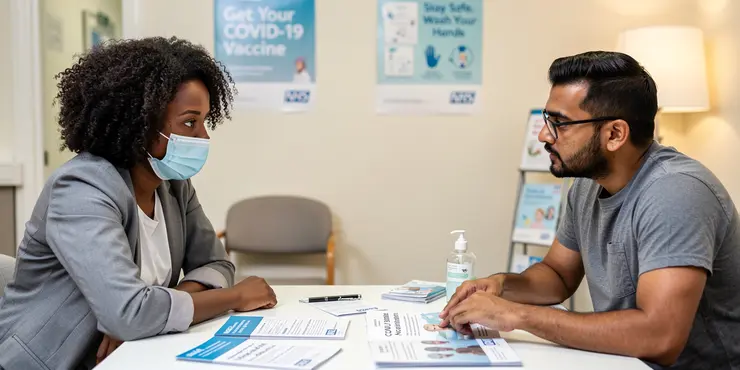

Speak To An Expert
Get clear, personalised advice for your situation.
Jot down a few questions to make the most of your conversation.
More Items From Ergsy search
-
How do COVID jabs work?
Relevance: 100%
-

Do vaccines work against new COVID-19 variants?
Relevance: 96%
-

Should I get vaccinated if I already had COVID-19?
Relevance: 95%
-

Does the flu vaccine protect against COVID-19?
Relevance: 95%
-
Can I receive other vaccines at the same time as the COVID jab?
Relevance: 91%
-

Can the COVID jab give me COVID-19?
Relevance: 91%
-
Does the COVID jab affect fertility?
Relevance: 83%
-
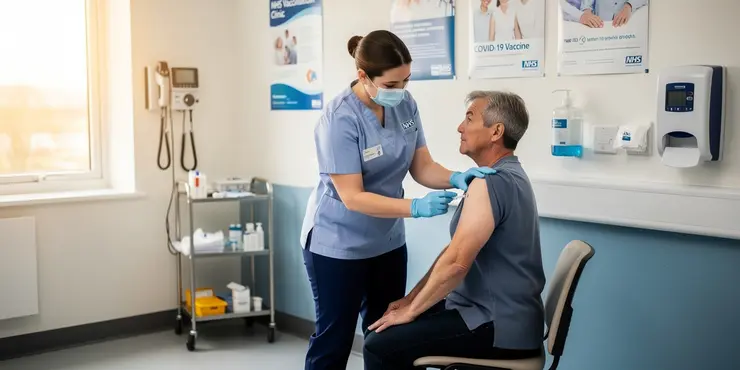
Are COVID jabs safe?
Relevance: 82%
-

Who is eligible to receive the COVID jab?
Relevance: 82%
-

What are the benefits of getting a COVID jab?
Relevance: 81%

-
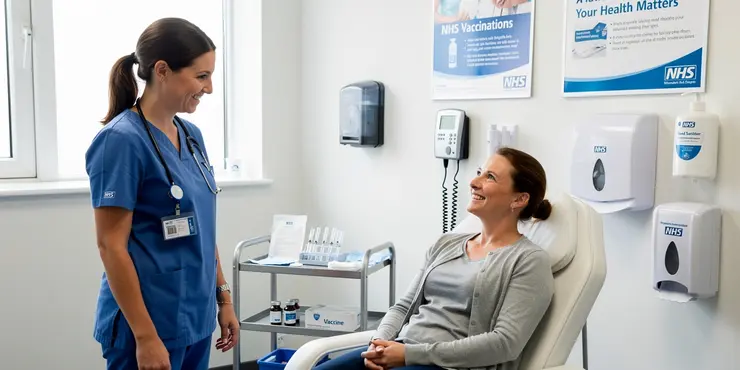
How can I get a COVID jab appointment?
Relevance: 81%
-
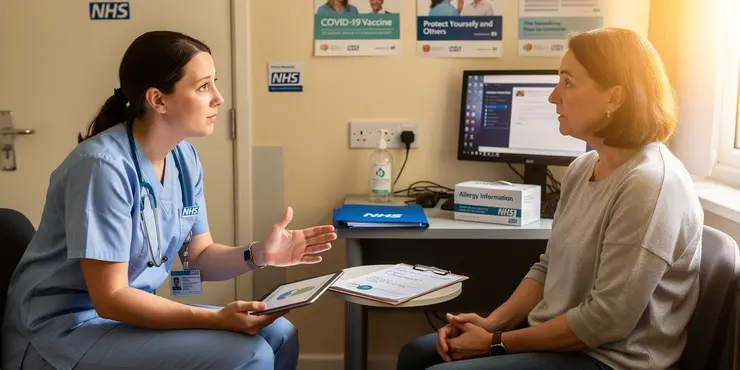
Can I get the COVID jab if I have allergies?
Relevance: 81%
-

Should I get a COVID jab?
Relevance: 80%
-
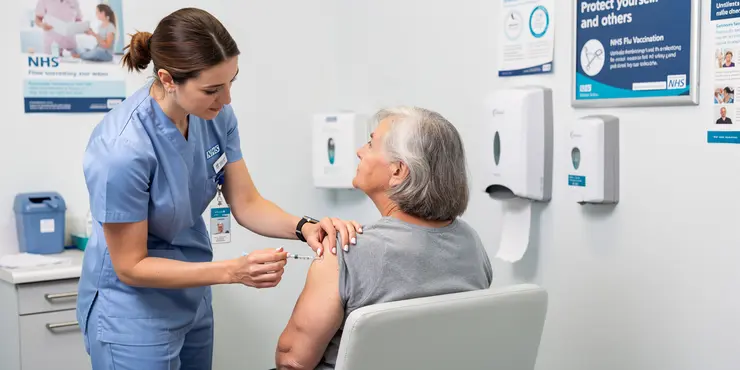
Will getting the flu jab protect me against COVID-19?
Relevance: 80%
-

Can I get the COVID jab if I am pregnant or breastfeeding?
Relevance: 80%
-

Are there any long-term side effects of the COVID jab?
Relevance: 80%
-

What is a COVID-19 variant?
Relevance: 77%
-

Will I experience side effects from the COVID jab?
Relevance: 76%
-

What are the Nimbus and Stratus variants of Covid?
Relevance: 75%
-

Long Covid
Relevance: 75%
-
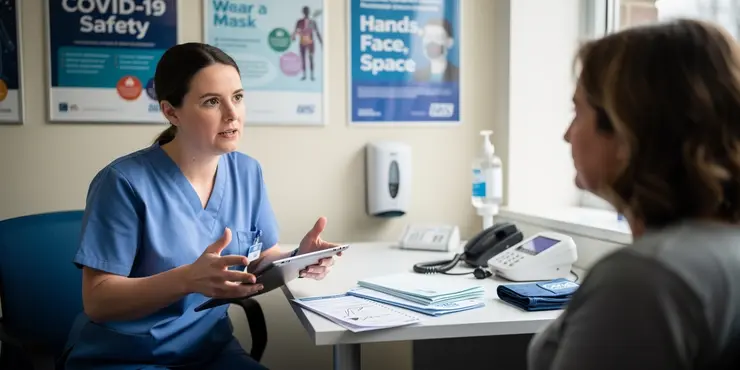
New Covid Variant Strains
Relevance: 75%
-

Where can I learn about real Covid-19 variants?
Relevance: 74%
-
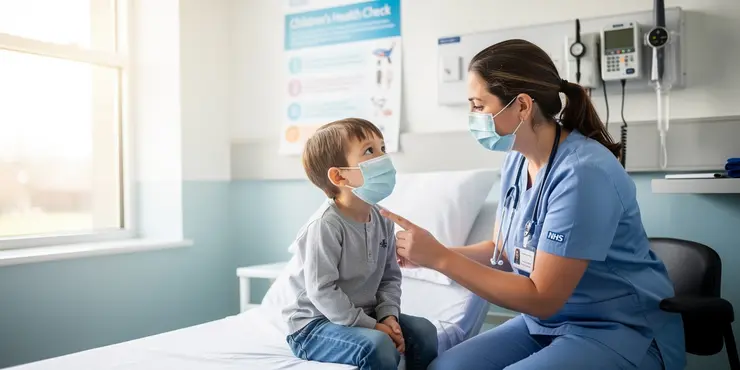
Are children more affected by new variants of COVID?
Relevance: 74%
-

Do I still need to wear a mask after getting the COVID jab?
Relevance: 74%
-

How do COVID-19 variants arise?
Relevance: 73%
-
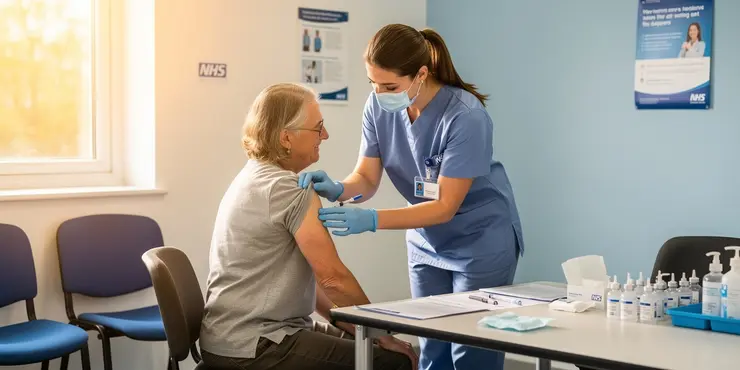
when will i need my next COVID jab?
Relevance: 73%
-
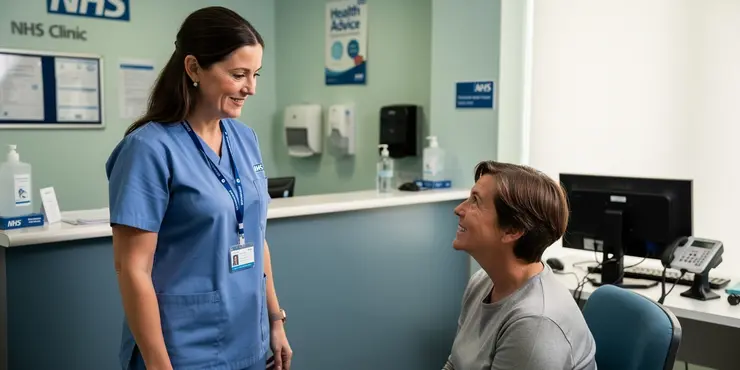
How can I protect myself from new COVID-19 variants?
Relevance: 73%
-
What should I do if I experience side effects after the COVID jab?
Relevance: 73%
-

What is the Covid-19 Stratus variant?
Relevance: 72%
-
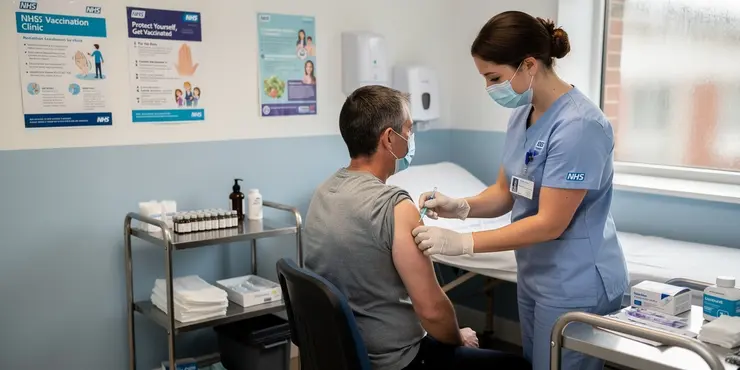
How do vaccines work?
Relevance: 72%
-
What sources should I consult for information on Covid-19?
Relevance: 70%
-
How can I protect myself from Covid-19 variants?
Relevance: 70%
-

How are COVID-19 variants detected?
Relevance: 70%
-
What should I do if I miss my second COVID jab appointment?
Relevance: 70%
-
Do I need any vaccine injections for EU countries?
Relevance: 70%
-

What are the COVID-19 travel restrictions for traveling to Spain?
Relevance: 69%
-

How often do new COVID-19 variants emerge?
Relevance: 69%
-
What are vaccines and how do they work?
Relevance: 67%
-

What is the process to identify a new Covid-19 variant?
Relevance: 66%
-
Are new COVID-19 variants more dangerous?
Relevance: 65%
Introduction to COVID Vaccines
COVID vaccines have played a pivotal role in controlling the spread of the coronavirus, responsible for the global pandemic that began in late 2019. These vaccines are designed to provide immunity against the SARS-CoV-2 virus, which causes COVID-19. Understanding how these vaccines work can help demystify their role in public health.
Types of COVID Vaccines
There are several types of COVID vaccines authorized for use in the UK, mainly categorized based on their underlying technology. The three most common vaccine types are mRNA vaccines, viral vector vaccines, and protein subunit vaccines.
mRNA Vaccines
mRNA vaccines, such as the Pfizer-BioNTech and Moderna vaccines, use a new approach to vaccine development. They contain a small piece of the virus's genetic material, called messenger RNA (mRNA), which instructs cells in the body to produce a viral protein, known as the spike protein. This protein is harmless on its own but helps the immune system learn how to recognize and combat the actual virus if the body is exposed to it in the future.
Viral Vector Vaccines
The Oxford-AstraZeneca vaccine is an example of a viral vector vaccine. It uses a modified version of a different virus (not the virus that causes COVID-19) to deliver important instructions to cells. Inside these instructions is the genetic material for the coronavirus spike protein. Upon receiving these instructions, cells start to produce the spike protein and stimulate the immune response. This trains the immune system to recognize and fight the COVID-19 virus.
Protein Subunit Vaccines
Protein subunit vaccines, like the Novavax vaccine, use harmless pieces of the SARS-CoV-2 virus, the proteins, to trigger an immune response. These vaccines do not use the live virus that causes COVID-19. The immune system learns to recognize these proteins as a threat and prepares to fight the real virus if encountered.
Immune Response and Efficacy
The immune response generated by the COVID jabs often includes the production of antibodies, the activation of T-cells, and the development of immunological memory. Antibodies specifically target the virus for destruction, while T-cells help eliminate infected cells and strengthen the immune response. Immunological memory ensures a faster and more effective response upon future exposure to the virus.
Conclusion
COVID jabs have been essential in reducing the severity and spread of COVID-19. By understanding the different types of vaccines and how they work, individuals in the UK and worldwide can appreciate the science behind these vital tools in public health. Vaccination remains a key strategy for managing the pandemic and returning to a sense of normalcy.
Introduction to COVID Vaccines
COVID vaccines help to stop the spread of the coronavirus. This virus caused the global pandemic that started in 2019. Vaccines help your body fight the virus, which is called SARS-CoV-2. Knowing how vaccines work can help us understand why they are important for our health.
Types of COVID Vaccines
There are different types of COVID vaccines used in the UK. They work in different ways to train your body to fight the virus. The three main types are mRNA vaccines, viral vector vaccines, and protein subunit vaccines.
mRNA Vaccines
mRNA vaccines, like the ones from Pfizer-BioNTech and Moderna, use a new way to make vaccines. They have a tiny piece of the virus's code, called mRNA. This tells your body to make a safe part of the virus called the spike protein. Your body learns to recognize this protein so it knows how to fight the real virus if you get exposed.
Viral Vector Vaccines
The Oxford-AstraZeneca vaccine is a viral vector vaccine. It uses a harmless virus to teach your body about the coronavirus. This virus gives your body the instructions to make the spike protein. Your body then learns how to fight the real COVID-19 virus.
Protein Subunit Vaccines
Protein subunit vaccines, like the Novavax vaccine, use small, safe parts of the coronavirus. These parts are the proteins. The vaccine teaches your body to see these proteins as a danger. This way, your body is prepared to fight the real virus later.
Immune Response and Efficacy
COVID vaccines help your body make antibodies. Antibodies attack the virus. The vaccines also activate T-cells. T-cells help get rid of infected cells and make your immune system stronger. After getting the vaccine, your body remembers how to fight the virus if you come across it again.
Conclusion
COVID vaccines are important to make COVID-19 less severe and to stop it from spreading. Understanding the different vaccines helps people know how these tools protect our health. Getting vaccinated is a key part of managing COVID-19 and moving back to normal life.
Frequently Asked Questions
What are COVID-19 jabs?
COVID-19 jabs, also known as vaccines, are injections that help protect against the coronavirus that causes COVID-19.
How do COVID-19 vaccines work?
COVID-19 vaccines work by teaching your immune system to recognize and fight the virus that causes COVID-19, reducing the risk of illness.
What types of COVID-19 vaccines are available?
There are several types of COVID-19 vaccines, including mRNA vaccines, viral vector vaccines, and protein subunit vaccines.
How do mRNA COVID-19 vaccines work?
mRNA vaccines use messenger RNA to instruct cells to produce a harmless piece of the spike protein found on the virus's surface, triggering an immune response.
How do viral vector COVID-19 vaccines work?
Viral vector vaccines use a harmless virus to deliver genetic material instructing cells to produce a part of the spike protein, inducing an immune response.
How do protein subunit COVID-19 vaccines work?
Protein subunit vaccines include harmless parts (proteins) of the virus, triggering an immune response without using live virus particles.
Can the COVID-19 vaccine cause COVID-19?
No, none of the COVID-19 vaccines authorized or approved contain the live virus that causes COVID-19, so they cannot cause the disease.
What is the spike protein and why is it important?
The spike protein is a component of the SARS-CoV-2 virus that the virus uses to enter human cells. Vaccines target this protein to prevent infection.
How long does it take for COVID-19 vaccines to start working?
It typically takes a few weeks after vaccination for the body to build immunity, but this can vary by vaccine type and individual health.
Are COVID-19 vaccines effective against new variants?
COVID-19 vaccines have shown effectiveness against many variants, though booster shots may be needed to enhance protection against specific variants.
Why are booster shots recommended for COVID-19 vaccines?
Booster shots are recommended to strengthen immunity, particularly against variants and as vaccine efficacy naturally wanes over time.
Can you still get COVID-19 after being vaccinated?
Yes, breakthrough infections can occur, but vaccinated individuals typically experience milder symptoms compared to those unvaccinated.
Do COVID-19 vaccines have side effects?
Yes, some people may experience side effects, such as pain at the injection site, fatigue, or mild fever, which are generally short-lived.
Are COVID-19 vaccines safe?
COVID-19 vaccines have undergone rigorous testing and monitoring to ensure their safety and efficacy for the general public.
Who is eligible to receive a COVID-19 vaccine?
Eligibility is determined by health authorities and may vary by country, typically including adults and children of certain ages.
How are COVID-19 vaccines administered?
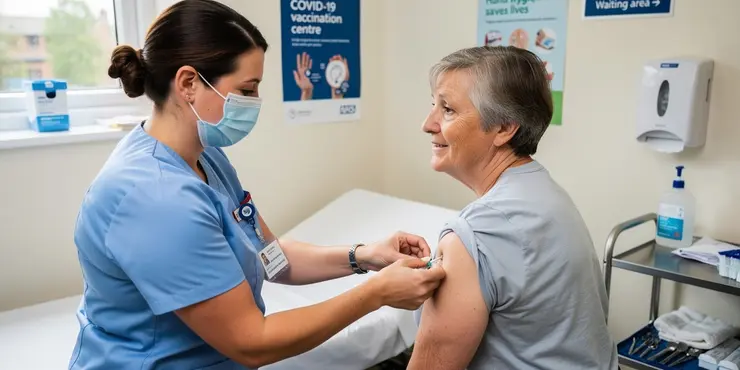
COVID-19 vaccines are usually administered via an injection into the muscle of the upper arm.
Can COVID-19 vaccines help prevent severe illness?
Yes, COVID-19 vaccines are effective at preventing severe illness, hospitalization, and death related to the virus.
What should I do if I experience side effects after getting a COVID-19 vaccine?
If side effects are mild, they usually go away on their own. Seek medical advice if you experience severe or persistent symptoms.
Why is it important to get vaccinated against COVID-19?
Vaccination helps protect yourself and others by reducing the spread of the virus and contributing to herd immunity.
What is herd immunity and how do COVID-19 vaccines contribute to it?
Herd immunity occurs when a large portion of a community becomes immune to a disease, reducing its spread. COVID-19 vaccines are key to achieving herd immunity by protecting individuals from infection.
What Are COVID-19 Jabs?
COVID-19 jabs are special medicine called vaccines. They help stop you from getting sick from the coronavirus. The jab goes into your arm with a tiny needle. It's fast and helps keep you safe.
You can ask a grown-up if you have questions. Good tools to help you understand include easy-to-read books or videos about COVID-19. You can also talk to a nurse or doctor for more help.
COVID-19 jabs, also called vaccines, are shots that help keep you safe from the virus that causes COVID-19.
How do COVID-19 vaccines work?
Vaccines help our body fight sickness.
The COVID-19 vaccine teaches your body to fight the virus.
It shows your body what the virus looks like. This way, if the real virus comes, your body knows how to stop it.
The vaccine is like practice before a real game!
Tools like pictures and videos can help you understand more easily.
If you have questions, ask someone you trust for help.
COVID-19 vaccines help your body learn to find and fight the virus that makes you sick with COVID-19. This makes it less likely that you will get sick.
What COVID-19 vaccines can you get?
There are different COVID-19 vaccines you can get to help protect you from getting sick. Here are some tips to understand these vaccines better:
- Ask a doctor or nurse for help.
- Look at pictures of the vaccine bottles.
- Watch videos that show you how vaccines work.
Remember, getting a vaccine can keep you healthy!
There are different kinds of COVID-19 vaccines. Some are mRNA vaccines, some are viral vector vaccines, and others are protein subunit vaccines.
How do mRNA COVID-19 vaccines work?
The mRNA COVID-19 vaccine helps your body fight the virus.
When you get the shot, it teaches your body how to defend itself. It works like a recipe, telling your body to make a tiny, harmless piece of the virus. This way, your body learns and knows what to do if the real virus comes.
You can think of it like your body’s practice run to get ready. It helps keep you safe from getting really sick.
If you find reading hard, ask someone to read it with you or use audiobooks. They can help you understand better.
mRNA vaccines give your body a plan to make a small, safe part of the virus called the spike protein. This helps your body learn how to fight the virus and keep you healthy.
For extra help, you can use picture books or videos that explain how vaccines work. Talking to someone about it can also help you understand better.
How do viral vector COVID-19 vaccines work?
Viral vector COVID-19 vaccines help our bodies learn to fight the virus.
They use a safe virus to teach our body. This virus is not the COVID-19 virus and cannot make us sick.
When we get the vaccine, our body makes a special protein. This protein helps our body learn how to stop the real COVID-19 virus if it comes.
The vaccine helps keep us safe from getting very sick with COVID-19.
To help understand, you can use pictures or videos about vaccines. Ask a friend or family member to explain it to you in a simple way. You can also ask your doctor if you have questions.
Viral vector vaccines use a safe virus. This virus helps deliver a message to cells. The message tells cells to make a small part of the spike protein. This helps your body learn how to fight the virus.
How do protein subunit COVID-19 vaccines work?
Protein subunit vaccines help keep you safe from COVID-19. They teach your body how to fight the virus.
These vaccines have tiny parts of the virus called proteins. These proteins are not the whole virus, so they can't make you sick.
Your body learns to see these proteins as bad guys. It practices how to stop them.
If the real virus comes, your body knows what to do. It can quickly fight the virus and keep you safe.
Here are some things to help you understand:
- Use simple pictures to show how vaccines work.
- Ask someone to explain in their own words.
Protein subunit vaccines use small, safe pieces of the virus called proteins. These proteins help the body learn how to fight the virus without having to use any real virus.
Can the COVID-19 vaccine give you COVID-19?
No, the COVID-19 vaccine cannot give you COVID-19. The shot helps your body learn to fight the virus.
If you need more help, you can:
- Ask a friend or family member to read it with you.
- Use a voice reader on a computer or phone.
No, the COVID-19 vaccines do not have the live virus that makes you sick with COVID-19. This means the vaccines cannot give you the disease.
What is the spike protein and why does it matter?
A spike protein is a small part of a virus that sticks out. It helps the virus get into our cells.
The spike protein is important because it is like a key that unlocks our cells. This helps the virus to spread in our body.
Scientists study spike proteins to make vaccines. Vaccines help our bodies fight the virus and keep us safe.
You can use tools like picture cards or videos to help understand how spike proteins work.
The spike protein is a part of the virus that causes COVID-19. The virus uses it to get inside our body's cells. Vaccines help by attacking this part of the virus to stop people from getting sick.
When do COVID-19 vaccines start to work?
COVID-19 vaccines help protect you from getting sick.
It takes about 2 weeks after you get a vaccine shot for it to start working well.
Your body needs this time to build strong protection.
Some people might feel a bit tired or have a sore arm after the shot. This is normal and means the vaccine is working.
You might need more than one shot to be fully protected. Listen to your doctor or nurse for advice on when you need your next shot.
Try using pictures or videos to help understand more about how vaccines work.
After getting a vaccine, it usually takes a few weeks for our body to become strong against the germ. But, how long it takes can be different for each vaccine and each person.
Do COVID-19 vaccines work against new versions of the virus?
COVID-19 shots work well against many different versions of the virus. But, sometimes you might need an extra shot to stay safe from other versions.
Why do we need extra COVID-19 vaccine shots?
Sometimes, one vaccine shot is not enough. Extra shots help keep us strong and safe from the virus.
- Stay Protected: Extra shots make the vaccine work better for longer.
- Fight New Virus Types: Viruses can change, and extra shots help fight new types.
- Everyone Can Help: Getting extra shots helps protect everyone, like friends and family.
Helpful Tips:
- Ask a doctor or nurse if you have questions.
- Write down your vaccine dates in a calendar.
- Use a reminder app or ask someone to remind you of your vaccine appointment.
Booster shots help keep us safe from getting sick. They make our body's protection stronger, especially against new germs. This is because the power of the vaccine can get weaker as time goes by.
Can you get COVID-19 after the vaccine?
Yes, it is possible to get COVID-19 even after getting the vaccine. But the vaccine helps protect you. It can make you less sick if you do get the virus.
Here are some tips to help read and understand this:
- Ask someone to read with you. They can explain hard words.
- Read a little bit at a time. Take breaks if you need.
- Use a highlighter on important words.
- Use apps that read text out loud.
Sometimes, people who got the vaccine can still get sick. But if you got the shot, you will usually feel less sick than those who did not get the shot.
Do COVID-19 vaccines have side effects?
Some people might feel a bit unwell after getting the vaccine. This is called a side effect.
Common side effects are:
- A sore arm where the shot was given.
- Feeling tired.
- Having a headache.
- Achy muscles or joints.
- Fever or feeling hot.
These side effects are usually mild and go away in a few days.
If you are worried, it is good to talk to a doctor or nurse.
Here are some tips to feel better if you have side effects:
- Rest and drink lots of water.
- Take medicine like paracetamol if you have pain or fever.
Remember, vaccines help your body stay healthy by fighting the virus!
Yes, some people might feel side effects. These can be a sore arm where you had the injection, feeling very tired, or having a mild fever. These usually go away quickly.
Are COVID-19 vaccines safe?
Yes, COVID-19 vaccines are safe. Doctors and scientists checked them carefully. Many people around the world have had the vaccine.
If you are worried, talk with your doctor or nurse. They can help you understand more.
Some people use a video or an app to help them learn more. This can be helpful too.
COVID-19 vaccines have been tested a lot to make sure they are safe and work well for people.
Who can get a COVID-19 vaccine?
If you want to know if you can get the COVID-19 vaccine, here are some things to think about:
- Are you a certain age? Check if your age is okay to get the vaccine.
- Do you have health issues? Some people with health problems can get the vaccine earlier.
- Are you pregnant or breastfeeding? Ask your doctor if the vaccine is safe for you.
If you need help, you can:
- Ask a family member or friend to read the information with you.
- Use a text-to-speech tool to listen to the information.
If you have questions, talk to a doctor or nurse. They can give you the best advice.
Who can get the vaccine is decided by health leaders. It might be different in each country. Usually, adults and kids of certain ages can get it.
How do people get COVID-19 vaccines?
COVID-19 shots are given with a needle. They go into the muscle in the top part of your arm.
Do COVID-19 shots help stop you from getting really sick?
Yes, COVID-19 shots work well. They help stop people from getting very sick or needing to go to the hospital. They also help stop people from dying because of the virus.
What should I do if I feel unwell after my COVID-19 shot?
If you feel bad after your COVID-19 shot, it is important to know what to do. Here’s how to handle it:
1. Stay Calm: It's normal to feel a bit sick or sore after the shot. These signs usually mean the vaccine is helping you build protection.
2. Drink Water: Water can help you feel better if you have a fever or headaches.
3. Rest: Get plenty of sleep. Your body needs energy to get better.
4. Tell an Adult: Always let a parent or guardian know how you feel.
5. Ask a Doctor: If you're very worried or if you don't feel better in a few days, talk to a doctor. They can help you know what to do next.
Tools to Help You:
- Medicine: A doctor can suggest if you need medicine to feel better.
- Warm Cloth: Put a warm cloth where you got the shot to help with soreness.
If you feel a little sick, don't worry. It should get better by itself. But if you feel really bad or it won't stop, tell a doctor.
Why should you get the COVID-19 vaccine?
Getting the COVID-19 vaccine can help keep you safe from getting sick. It can also help stop the spread of the virus to other people. By getting the vaccine, you are helping to protect yourself, your family, and your friends.
If you find reading hard, you can ask someone to read this for you. You can also use a screen reader to listen to the text.
Getting a vaccine helps keep you and other people safe. It stops the virus from spreading. When many people get the vaccine, it helps everyone stay healthy.
What is herd immunity and how do COVID-19 vaccines help it?
Herd immunity means many people in a group are safe from a sickness. This makes it hard for the sickness to spread.
Vaccines help by making people safe from the virus. If most people get the vaccine, fewer people can get sick. This protects everyone, even those who can’t get the vaccine.
To learn more, you can:
- Ask a doctor or nurse
- Watch videos about vaccines
- Read simple books about health
Herd immunity happens when lots of people in a community can't get sick from a disease. This slows down the spread of the disease. COVID-19 vaccines help us reach herd immunity because they keep people safe from getting sick.

Useful Links
This website offers general information and is not a substitute for professional advice.
Always seek guidance from qualified professionals.
If you have any medical concerns or need urgent help, contact a healthcare professional or emergency services immediately.
Some of this content was generated with AI assistance. We've done our best to keep it accurate, helpful, and human-friendly.
- Ergsy carefully checks the information in the videos we provide here.
- Videos shown by Youtube after a video has completed, have NOT been reviewed by ERGSY.
- To view, click the arrow in centre of video.
- Most of the videos you find here will have subtitles and/or closed captions available.
- You may need to turn these on, and choose your preferred language.
- Go to the video you'd like to watch.
- If closed captions (CC) are available, settings will be visible on the bottom right of the video player.
- To turn on Captions, click settings.
- To turn off Captions, click settings again.
More Items From Ergsy search
-
How do COVID jabs work?
Relevance: 100%
-
Do vaccines work against new COVID-19 variants?
Relevance: 96%
-
Should I get vaccinated if I already had COVID-19?
Relevance: 95%
-
Does the flu vaccine protect against COVID-19?
Relevance: 95%
-
Can I receive other vaccines at the same time as the COVID jab?
Relevance: 91%
-
Can the COVID jab give me COVID-19?
Relevance: 91%
-
Does the COVID jab affect fertility?
Relevance: 83%
-
Are COVID jabs safe?
Relevance: 82%
-
Who is eligible to receive the COVID jab?
Relevance: 82%
-
What are the benefits of getting a COVID jab?
Relevance: 81%
-
How can I get a COVID jab appointment?
Relevance: 81%
-
Can I get the COVID jab if I have allergies?
Relevance: 81%
-
Should I get a COVID jab?
Relevance: 80%
-
Will getting the flu jab protect me against COVID-19?
Relevance: 80%
-
Can I get the COVID jab if I am pregnant or breastfeeding?
Relevance: 80%
-
Are there any long-term side effects of the COVID jab?
Relevance: 80%
-
What is a COVID-19 variant?
Relevance: 77%
-
Will I experience side effects from the COVID jab?
Relevance: 76%
-
What are the Nimbus and Stratus variants of Covid?
Relevance: 75%
-
Long Covid
Relevance: 75%
-
New Covid Variant Strains
Relevance: 75%
-
Where can I learn about real Covid-19 variants?
Relevance: 74%
-
Are children more affected by new variants of COVID?
Relevance: 74%
-
Do I still need to wear a mask after getting the COVID jab?
Relevance: 74%
-
How do COVID-19 variants arise?
Relevance: 73%
-
when will i need my next COVID jab?
Relevance: 73%
-
How can I protect myself from new COVID-19 variants?
Relevance: 73%
-
What should I do if I experience side effects after the COVID jab?
Relevance: 73%
-
What is the Covid-19 Stratus variant?
Relevance: 72%
-
How do vaccines work?
Relevance: 72%
-
What sources should I consult for information on Covid-19?
Relevance: 70%
-
How can I protect myself from Covid-19 variants?
Relevance: 70%
-
How are COVID-19 variants detected?
Relevance: 70%
-
What should I do if I miss my second COVID jab appointment?
Relevance: 70%
-
Do I need any vaccine injections for EU countries?
Relevance: 70%
-
What are the COVID-19 travel restrictions for traveling to Spain?
Relevance: 69%
-
How often do new COVID-19 variants emerge?
Relevance: 69%
-
What are vaccines and how do they work?
Relevance: 67%
-
What is the process to identify a new Covid-19 variant?
Relevance: 66%
-
Are new COVID-19 variants more dangerous?
Relevance: 65%