
Speak To An Expert
Get clear, personalised advice for your situation.
Jot down a few questions to make the most of your conversation.
More Items From Ergsy search
-

Does the flu vaccine protect against COVID-19?
Relevance: 100%
-
Should I get vaccinated if I already had COVID-19?
Relevance: 97%
-

Can the COVID jab give me COVID-19?
Relevance: 92%
-
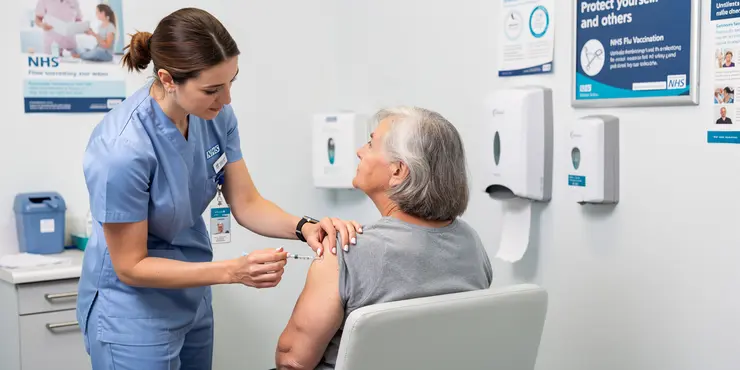
Will getting the flu jab protect me against COVID-19?
Relevance: 90%
-

What is a COVID-19 variant?
Relevance: 89%
-

Do vaccines work against new COVID-19 variants?
Relevance: 87%
-
What sources should I consult for information on Covid-19?
Relevance: 87%
-
What is the Covid-19 Stratus variant?
Relevance: 86%
-

Where can I learn about real Covid-19 variants?
Relevance: 85%
-

What are the COVID-19 travel restrictions for traveling to Spain?
Relevance: 85%

-

How are COVID-19 variants detected?
Relevance: 84%
-
How can I protect myself from new COVID-19 variants?
Relevance: 83%
-
Can COVID-19 be transmitted through blood transfusions?
Relevance: 82%
-

How do COVID-19 variants arise?
Relevance: 82%
-
How can I protect myself from Covid-19 variants?
Relevance: 78%
-
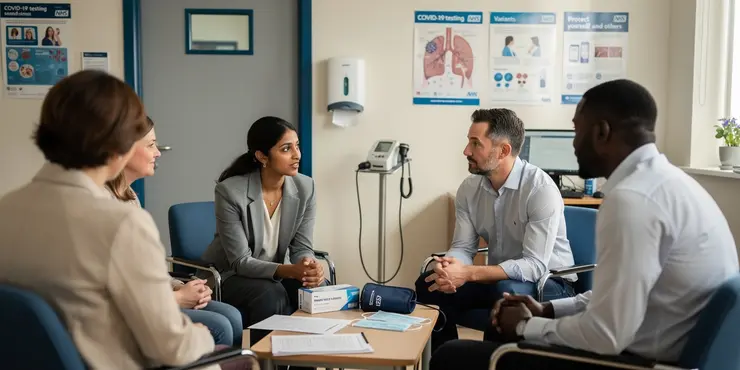
Do new variants affect COVID-19 testing?
Relevance: 77%
-

Does travel insurance cover COVID-19 related issues?
Relevance: 77%
-

How often do new COVID-19 variants emerge?
Relevance: 76%
-

How do scientists name new Covid-19 variants?
Relevance: 76%
-

What is the process to identify a new Covid-19 variant?
Relevance: 76%
-
Are new COVID-19 variants more dangerous?
Relevance: 70%
-
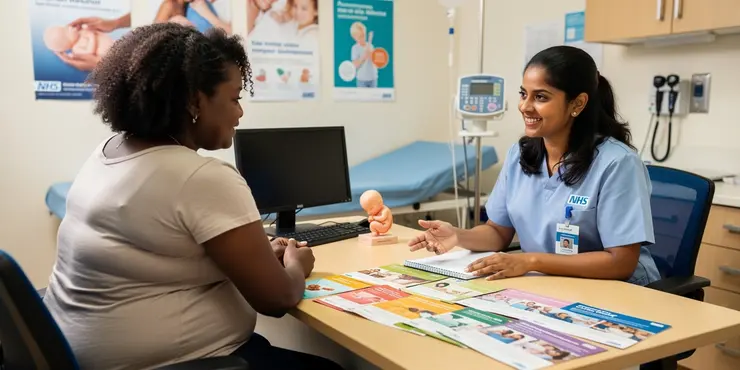
Can I get the COVID jab if I am pregnant or breastfeeding?
Relevance: 69%
-
Does the COVID jab affect fertility?
Relevance: 69%
-
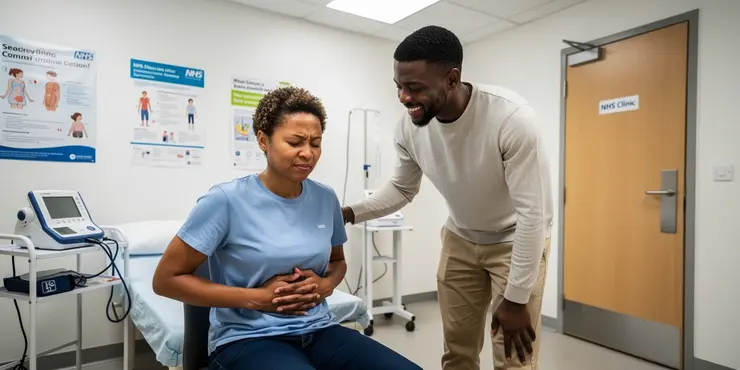
Can air physiotherapy help with COVID-19 recovery?
Relevance: 69%
-

Breathlessness after COVID-19 - helpful techniques
Relevance: 68%
-
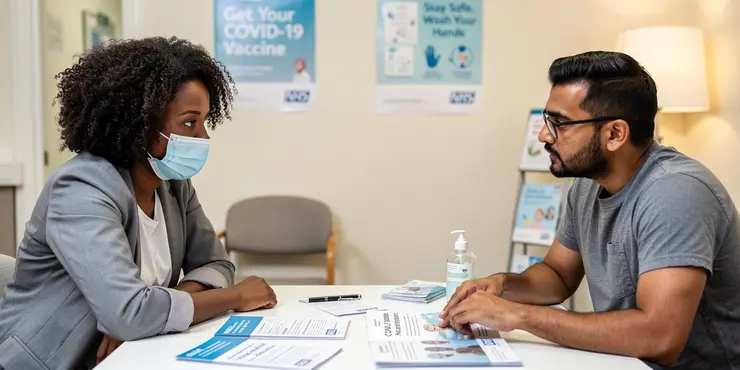
How do COVID jabs work?
Relevance: 68%
-
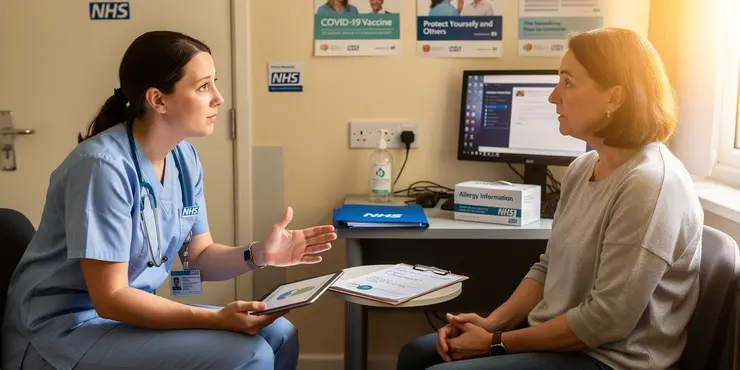
Can I get the COVID jab if I have allergies?
Relevance: 67%
-
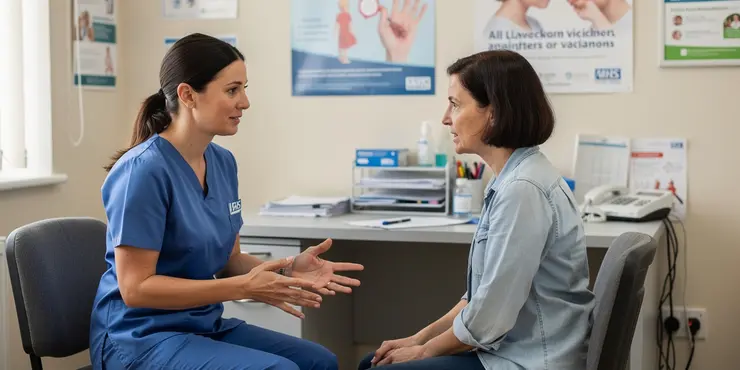
Are there any long-term side effects of the COVID jab?
Relevance: 66%
-

Are children more affected by new variants of COVID?
Relevance: 63%
-

What are the Nimbus and Stratus variants of Covid?
Relevance: 60%
-
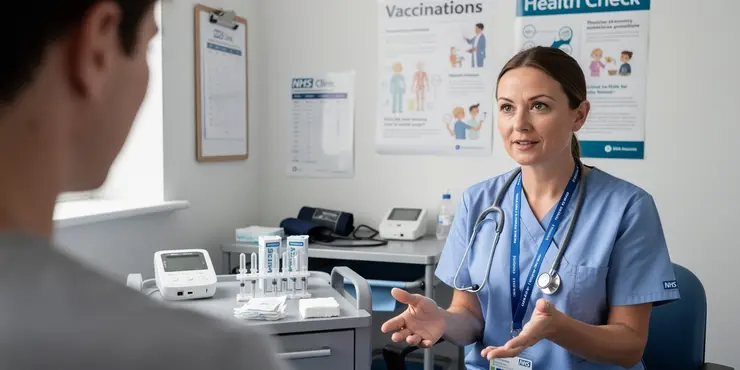
Do I need any vaccine injections for EU countries?
Relevance: 60%
-
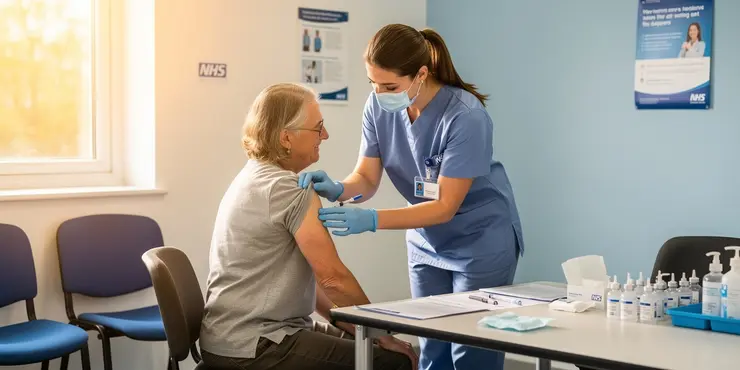
when will i need my next COVID jab?
Relevance: 59%
-
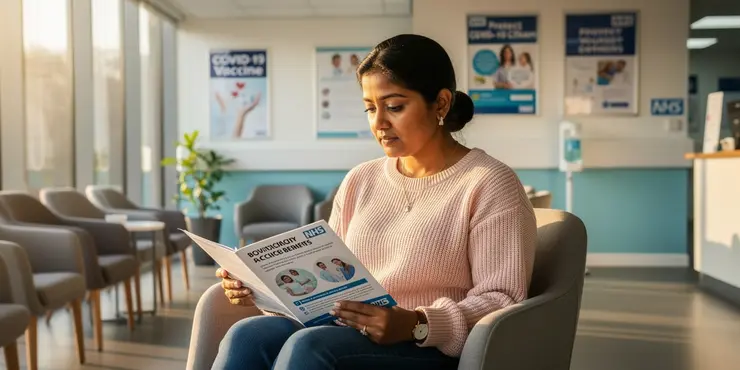
Should I get a COVID jab?
Relevance: 58%
-
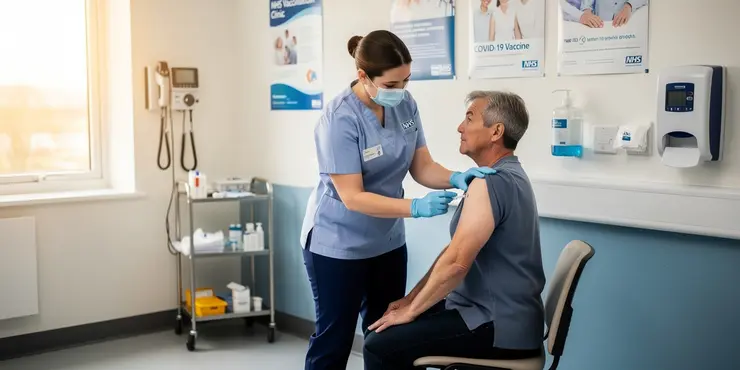
Are COVID jabs safe?
Relevance: 58%
-
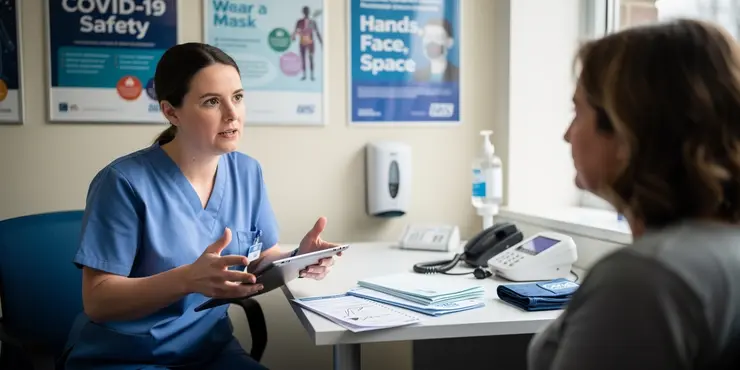
New Covid Variant Strains
Relevance: 56%
-

What are the benefits of getting a COVID jab?
Relevance: 56%
-
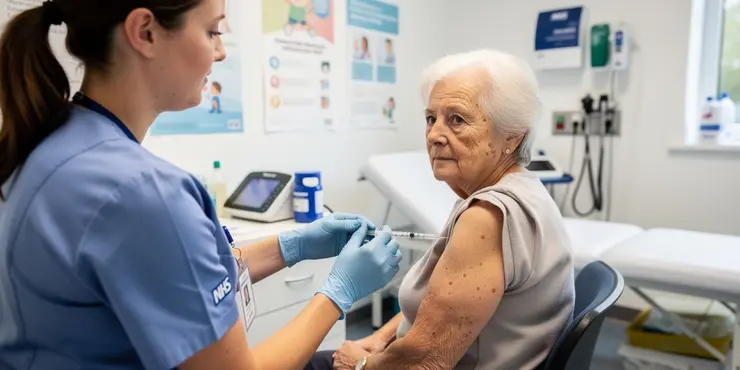
Nationwide Flu Vaccination Campaign Targets Vulnerable Populations
Relevance: 55%
-
Can new variants cause reinfection?
Relevance: 55%
-

Who is eligible to receive the COVID jab?
Relevance: 54%
-

Is there concern about new hypothetical variants like Nimbus and Stratus?
Relevance: 52%
Introduction
The question of whether to receive a COVID-19 vaccination is one that many people in the UK have considered. As the pandemic continues to impact lives worldwide, vaccinations offer a vital defense against the virus for individuals and communities. This article aims to inform you about the benefits and considerations surrounding COVID-19 jabs in the UK.
Benefits of Getting Vaccinated
The primary benefit of receiving a COVID-19 jab is protection against severe illness and hospitalisation. Vaccines have been shown to significantly reduce the risk of developing serious symptoms associated with COVID-19. This protection is crucial not just for individuals, but also for the NHS, helping to reduce strain on healthcare resources.
Vaccination also plays a critical role in reducing transmission. While breakthrough infections can occur, vaccinated individuals tend to transmit the virus less, contributing to broader community immunity and protection for those who cannot be vaccinated due to medical reasons.
Moreover, being vaccinated may provide greater personal freedom. Many countries, including those within the EU, have implemented or may use vaccination status for travel requirements, potentially easing travel restrictions for vaccinated individuals.
Safety and Side Effects
COVID-19 vaccines used in the UK have undergone rigorous testing and approval processes. The Medicines and Healthcare products Regulatory Agency (MHRA) ensures all vaccines meet high safety standards. Common side effects are generally mild, such as soreness at the injection site, fatigue, or mild fever, and typically resolve within a few days.
Serious side effects are rare, and the benefits of vaccination in preventing COVID-19 complications outweigh these risks. If you have concerns about allergies or specific health conditions, it's essential to discuss these with your GP to get personalized advice.
Who Should Get Vaccinated?
In the UK, COVID-19 vaccines are recommended for everyone aged 12 and over, with priority given to those most at risk. This includes older adults, people with certain medical conditions, and frontline healthcare workers. The NHS provides clear guidelines, updated as research continues, to include new age groups and booster doses as needed.
For children aged 12-15, the decision involves careful consideration of individual circumstances and school policies, often made in consultation with parents and healthcare providers.
Conclusion
Choosing to get a COVID-19 jab involves weighing the benefits of protection against the virus against the risks of side effects. In the UK, vaccines provide a pathway to safer communities and a return to normalcy. For more personalized advice, consulting with healthcare professionals or accessing NHS resources can be beneficial. Vaccination remains a key tool in combating the COVID-19 pandemic and safeguarding public health.
Introduction
Many people in the UK are thinking about getting a COVID-19 vaccine. Vaccines help protect us from the virus and keep our communities safe. This article will tell you about why getting a COVID-19 jab is important.
Benefits of Getting Vaccinated
When you get the COVID-19 jab, it helps protect you from getting very sick. It also means you might not have to go to the hospital. This is important for you and helps the NHS too, so they can take care of others.
Getting vaccinated can also stop the virus from spreading. Even if you get the virus after the jab, you are less likely to spread it to others. This helps protect people who can't get the vaccine because of health reasons.
Being vaccinated can also give you more freedom. Some countries might let you travel more easily if you've had the jab.
Safety and Side Effects
The COVID-19 vaccines in the UK are very safe. They have been tested by experts to make sure they are okay to use. Some people might feel a bit sore where they got the jab, feel tired or have a slight fever. This usually goes away in a few days.
Serious side effects are very rare. The jab's benefits are much higher than the risks. If you have worries about allergies or health problems, talk to your doctor.
Who Should Get Vaccinated?
In the UK, anyone 12 years and older should get the COVID-19 jab. It's important for older people, those with health issues, and workers like doctors and nurses. The NHS has guidelines about who should get the jab and when to get booster doses.
For kids aged 12-15, parents and doctors will help decide. Schools may help with this too.
Conclusion
Deciding to get the COVID-19 jab means thinking about how it protects you from the virus and any side effects. In the UK, the vaccine helps us keep our communities safe and return to normal life. If you need more advice, talk to doctors or check NHS resources. The vaccine is important for stopping COVID-19 and keeping everyone healthy.
Frequently Asked Questions
What are the benefits of getting a COVID jab?
The COVID jab helps protect you from the virus, reduces the severity of symptoms if you get infected, and decreases the risk of spreading the virus to others.
Are COVID jabs safe?
Yes, COVID jabs have undergone rigorous testing in clinical trials and are continuously monitored for safety and effectiveness.
Can the COVID jab give me COVID-19?
No, the COVID jab cannot give you COVID-19. None of the authorized vaccines contain the live virus that causes COVID-19.
Will I experience side effects from the COVID jab?
Some people experience mild side effects like soreness at the injection site, fever, or fatigue, which usually go away within a few days.
Who is eligible to receive the COVID jab?
Eligibility varies by location and vaccine type, but generally includes adults and children of certain ages as determined by health authorities.
How many doses of the COVID jab do I need?
Most vaccines require two doses, but some only need one. Booster shots are also recommended for prolonged immunity.
What should I do if I miss my second COVID jab appointment?
Reschedule as soon as possible. Completing the vaccine series is important for optimal protection.
Is the COVID jab effective against new variants?
Current jabs provide protection against many variants, though booster shots may be recommended for additional protection.
Can I get the COVID jab if I am pregnant or breastfeeding?
Yes, it is recommended as the vaccines are considered safe and can help protect both mother and child from COVID-19.
Should I get vaccinated if I already had COVID-19?
Yes, vaccination can provide added protection even if you have had COVID-19, as natural immunity may not be long-lasting.
How do COVID jabs work?
They activate your immune system to recognize and fight the virus, preventing severe illness if you are exposed to the virus.
Can I get the COVID jab if I have allergies?
Consult with your healthcare provider, but most people with allergies can safely receive the COVID jab.
Are there any long-term side effects of the COVID jab?
Long-term side effects are rare. The benefits of vaccination outweigh the risks of potential side effects.
Does the COVID jab affect fertility?
There is no evidence that the COVID jab affects fertility in women or men.
How long does immunity last after getting the COVID jab?
Immunity duration varies, which is why booster shots are recommended to maintain strong protection.
Can I receive other vaccines at the same time as the COVID jab?
Yes, it is generally safe to receive other vaccines concurrently, but check with your healthcare provider for specific recommendations.
What should I do if I experience side effects after the COVID jab?
Report any side effects to your healthcare provider. Most side effects are mild and resolve quickly, but seek medical attention if you have severe reactions.
Do I still need to wear a mask after getting the COVID jab?
Local guidelines vary based on the level of virus transmission. Masks may still be recommended or required in certain settings.
How can I get a COVID jab appointment?
Check with local health departments, pharmacies, or healthcare providers for available appointments and registration details.
What is a booster jab, and do I need one?
A booster jab helps maintain immunity over time. It is recommended for added protection as determined by health authorities.
Why is it good to get the COVID shot?
Here are some reasons why getting the COVID shot is good for you:
- The shot helps protect you from getting really sick from COVID.
- It helps protect your family and friends too.
- The shot can help us all get back to doing things we love, like seeing friends and going to places.
To help understand more, you can:
- Talk to a doctor or nurse. They can give you more information.
- Look at pictures or videos about how the shot helps.
- Ask someone you trust to explain it to you.
The COVID jab helps keep you safe from the virus. It means you won't feel as sick if you catch it. It also helps stop the virus from spreading to other people.
Is the COVID jab safe?
Yes, the COVID jab is safe. Doctors and scientists have checked it carefully.
If you have questions, ask a doctor or nurse. They can help you.
Yes, the COVID shots have been tested a lot to make sure they are safe and work well. They keep checking them to be sure.
Can the COVID shot make me sick with COVID-19?
No, the COVID shot does not give you the virus.
The shot helps your body stay safe from COVID-19.
If you have more questions, ask a doctor or trusted person for help.
No, the COVID shot cannot make you sick with COVID-19. The vaccines do not have the virus that makes people sick with COVID-19.
Will I feel unwell after the COVID shot?
When you get the COVID shot, you might feel a little unwell. This is called a side effect.
Common side effects are:
- Your arm might hurt where you got the shot.
- You might feel tired.
- You could have a headache.
- You might feel achy or have a fever.
These side effects usually go away in a few days.
If you feel very unwell, tell a grown-up or a doctor.
You can use these tips to feel better:
- Rest and drink lots of water.
- Take medicine if you have a fever or headache, like paracetamol.
- If your arm hurts, try moving it gently.
Some people might feel small problems after getting a shot. These problems can be a sore arm, feeling hot, or very tired. Don't worry, because these usually go away in a few days.
Who can get the COVID shot?
Who can get the vaccine depends on where you live and the type of vaccine. Usually, it is for grown-ups and kids of certain ages. Health experts decide this.
How many COVID vaccine shots do I need?
You might need more than one shot of the COVID vaccine. This will help protect you more.
Ask a doctor or nurse how many shots you need.
If it is hard to understand, you can:
- Ask someone you trust to explain it.
- Use pictures or videos to help you learn.
- Write down any questions you have and ask a healthcare worker.
Most vaccines need two shots, but some only need one shot.
Booster shots are extra shots. They help you stay protected for a longer time.
It's helpful to use a calendar to remember your vaccine dates. You can also ask someone you trust to remind you.
What to Do if You Miss Your Second COVID Jab
If you miss your vaccine appointment, don't worry. Here are some easy steps you can follow:
- Call your doctor or vaccine center. They can help you book a new appointment.
- Try to get your second jab soon. This helps keep you safe from COVID.
- Look at government or health websites. They have more information about vaccines.
- Ask a friend or family member to help you if you need it.
It’s important to get both jabs to stay healthy.
Try to get your vaccine as soon as you can. Getting all your vaccines is important to keep you safe from getting sick.
Does the COVID shot work against new kinds of the virus?
The COVID shot helps protect people from getting very sick.
As the virus changes, scientists check if the shot still works well.
New kinds of the virus are called "variants."
You can talk to a doctor or nurse if you want to know more.
Using pictures and videos can help you understand better.
Current vaccines help keep us safe from different types of the virus. You might need an extra shot, called a booster, to stay even safer.
Can I get the COVID vaccine if I am pregnant or breastfeeding?
If you are going to have a baby or feeding your baby with your body, you might wonder if you can get the COVID jab.
The answer is yes! You can get the COVID vaccine if you are having a baby or breastfeeding.
If you have questions, talk to your doctor or nurse. They can help you understand more.
Using pictures and clear words might help you learn about the vaccine more easily.
Yes, it is a good idea to get the vaccines. They are safe and can help keep both the mother and baby safe from COVID-19.
Should I get the vaccine if I had COVID-19 before?
Yes, it's a good idea to get the vaccine even if you had COVID-19 before. The vaccine can help protect you from getting sick again.
If you need help reading or understanding, you can ask a friend or a family member. It's okay to ask for help. You can also use apps that read text out loud to you.
Yes, getting a vaccine can help keep you safe even if you have had COVID-19 before. This is because the natural protection your body has might not last a long time.
How do COVID jabs work?
COVID jabs are like a training program for your body. They help your body learn how to fight the COVID virus.
When you get a jab, it tells your body to make tiny helpers. These helpers look for the virus and stop it from making you sick.
If you want to know more, you can:
- Ask a doctor or nurse for help.
- Watch videos made for kids about COVID jabs.
- Look at pictures that show how the jabs work.
Vaccines help your body learn to fight the virus. This means if you meet the virus, you won't get very sick.
Can I have the COVID shot if I have allergies?
Yes, you can still get the COVID shot if you have allergies. Talk to your doctor first. They can help you stay safe. If you use tools like a picture book or talk-to-text on your phone, it might help you understand the information better.
Talk to your doctor, but most people with allergies can safely get the COVID vaccine.
Can the COVID jab cause problems later on?
Long-term side effects don’t happen often. Getting the vaccine is better because it helps keep you healthy.
Can the COVID vaccine make it hard to have babies?
The COVID shot does not hurt the ability to have babies for women or men.
How long do you stay protected after the COVID vaccine?
After you get the COVID shot, your body learns to fight the virus. This is called immunity.
How long? Vaccines help protect you for at least a few months. Over time, the protection might get weaker. Doctors say that for most people, it lasts about 6 months or more.
What helps? To keep strong protection, you might need a booster shot. This is like a top-up to help your body stay ready to fight the virus.
If you have questions, you can talk to a doctor or a nurse. They can give you more help and information.
How long your body's defense lasts can change. This is why doctors say to get extra vaccine shots. These help keep your body strong and protected.
Can I get other vaccines with the COVID shot?
Yes, you can get other vaccines at the same time as your COVID shot.
If you have any questions, ask your doctor or nurse.
Tools that can help:
- Ask someone you trust to help explain.
- Use pictures to understand better.
Yes, it is usually safe to get other vaccines at the same time. But talk to your doctor to make sure it's okay for you.
What should I do if I feel unwell after the COVID jab?
If you feel unwell after your COVID jab, here is what you can do:
- Rest: Take a nap or lie down if you feel tired.
- Drink Water: Have plenty of water to stay hydrated.
- Talk to an Adult: Ask a grown-up if you feel worse or if you are worried.
Some tools that can help:
- Calm App: Use this to relax or listen to calming music.
- Timer: Set a timer to remind you to drink water or rest.
If you have more questions, ask a doctor or nurse.
Tell your doctor if you feel unwell after taking medicine. Most times, you will feel okay soon. But if you feel very sick, get help from a nurse or doctor.
Do I still need to wear a mask after getting the COVID vaccine?
If you got your COVID shot, you might still need to wear a mask.
Here are some simple tips:
- Follow what local health experts say. They can help keep you safe.
- Wearing a mask can protect you and others, even if you had the vaccine.
- If you’re in crowded places or around people who might be sick, wearing a mask is a smart idea.
Use helpful tools like reminders on your phone to remember to wear your mask.
Rules about wearing masks change depending on how much the virus is spreading. Sometimes, you still need to wear a mask in some places.
Tips to Help:
- Check local news to know what's happening with the virus.
- Ask someone if you need help understanding where to wear a mask.
How can I book a COVID vaccine appointment?
Do you want a COVID jab? Here is how you can get one:
1. **Phone Call**: Ask someone to help you call your doctor or local clinic. They can help you book a time.
2. **Online**: You can use a computer, tablet, or phone. Visit a website like NHS or your local health website. Follow the steps to book your jab.
3. **Walk-in Clinic**: Some places let you visit without an appointment. Ask a friend or family member to help you find one nearby.
If you find reading hard, ask a friend or family member for help. They can read it to you and help you understand.
Ask your local health center, drug store, or doctor for times you can visit and how to sign up.
What is a booster jab, and do I need one?
A booster jab is an extra vaccine shot. It helps keep people safe from getting sick.
You might need one if your doctor says it will help you stay healthy.
It's good to talk to your doctor or nurse. They can tell you if you need a booster jab.
Tools like voice readers can help if you have trouble reading.
A booster jab is an extra vaccine that keeps you strong and safe for a longer time. Health experts say it's good to have more protection.

Useful Links
This website offers general information and is not a substitute for professional advice.
Always seek guidance from qualified professionals.
If you have any medical concerns or need urgent help, contact a healthcare professional or emergency services immediately.
Some of this content was generated with AI assistance. We've done our best to keep it accurate, helpful, and human-friendly.
- Ergsy carefully checks the information in the videos we provide here.
- Videos shown by Youtube after a video has completed, have NOT been reviewed by ERGSY.
- To view, click the arrow in centre of video.
- Most of the videos you find here will have subtitles and/or closed captions available.
- You may need to turn these on, and choose your preferred language.
- Go to the video you'd like to watch.
- If closed captions (CC) are available, settings will be visible on the bottom right of the video player.
- To turn on Captions, click settings.
- To turn off Captions, click settings again.
More Items From Ergsy search
-
Does the flu vaccine protect against COVID-19?
Relevance: 100%
-
Should I get vaccinated if I already had COVID-19?
Relevance: 97%
-
Can the COVID jab give me COVID-19?
Relevance: 92%
-
Will getting the flu jab protect me against COVID-19?
Relevance: 90%
-
What is a COVID-19 variant?
Relevance: 89%
-
Do vaccines work against new COVID-19 variants?
Relevance: 87%
-
What sources should I consult for information on Covid-19?
Relevance: 87%
-
What is the Covid-19 Stratus variant?
Relevance: 86%
-
Where can I learn about real Covid-19 variants?
Relevance: 85%
-
What are the COVID-19 travel restrictions for traveling to Spain?
Relevance: 85%
-
How are COVID-19 variants detected?
Relevance: 84%
-
How can I protect myself from new COVID-19 variants?
Relevance: 83%
-
Can COVID-19 be transmitted through blood transfusions?
Relevance: 82%
-
How do COVID-19 variants arise?
Relevance: 82%
-
How can I protect myself from Covid-19 variants?
Relevance: 78%
-
Do new variants affect COVID-19 testing?
Relevance: 77%
-
Does travel insurance cover COVID-19 related issues?
Relevance: 77%
-
How often do new COVID-19 variants emerge?
Relevance: 76%
-
How do scientists name new Covid-19 variants?
Relevance: 76%
-
What is the process to identify a new Covid-19 variant?
Relevance: 76%
-
Are new COVID-19 variants more dangerous?
Relevance: 70%
-
Can I get the COVID jab if I am pregnant or breastfeeding?
Relevance: 69%
-
Does the COVID jab affect fertility?
Relevance: 69%
-
Can air physiotherapy help with COVID-19 recovery?
Relevance: 69%
-
Breathlessness after COVID-19 - helpful techniques
Relevance: 68%
-
How do COVID jabs work?
Relevance: 68%
-
Can I get the COVID jab if I have allergies?
Relevance: 67%
-
Are there any long-term side effects of the COVID jab?
Relevance: 66%
-
Are children more affected by new variants of COVID?
Relevance: 63%
-
What are the Nimbus and Stratus variants of Covid?
Relevance: 60%
-
Do I need any vaccine injections for EU countries?
Relevance: 60%
-
when will i need my next COVID jab?
Relevance: 59%
-
Should I get a COVID jab?
Relevance: 58%
-
Are COVID jabs safe?
Relevance: 58%
-
New Covid Variant Strains
Relevance: 56%
-
What are the benefits of getting a COVID jab?
Relevance: 56%
-
Nationwide Flu Vaccination Campaign Targets Vulnerable Populations
Relevance: 55%
-
Can new variants cause reinfection?
Relevance: 55%
-
Who is eligible to receive the COVID jab?
Relevance: 54%
-
Is there concern about new hypothetical variants like Nimbus and Stratus?
Relevance: 52%