
Speak To An Expert
Get clear, personalised advice for your situation.
Jot down a few questions to make the most of your conversation.
More Items From Ergsy search
-
Does the flu vaccine protect against COVID-19?
Relevance: 100%
-
Should I get vaccinated if I already had COVID-19?
Relevance: 100%
-
Can the COVID jab give me COVID-19?
Relevance: 92%
-
What is a COVID-19 variant?
Relevance: 89%
-
Will getting the flu jab protect me against COVID-19?
Relevance: 88%
-
Do vaccines work against new COVID-19 variants?
Relevance: 86%
-
What is the Covid-19 Stratus variant?
Relevance: 86%
-

Where can I learn about real Covid-19 variants?
Relevance: 85%
-
What sources should I consult for information on Covid-19?
Relevance: 84%
-
How can I protect myself from new COVID-19 variants?
Relevance: 84%

-
What are the COVID-19 travel restrictions for traveling to Spain?
Relevance: 83%
-
How are COVID-19 variants detected?
Relevance: 82%
-
Can COVID-19 be transmitted through blood transfusions?
Relevance: 82%
-
How can I protect myself from Covid-19 variants?
Relevance: 81%
-

How do COVID-19 variants arise?
Relevance: 81%
-
How often do new COVID-19 variants emerge?
Relevance: 77%
-
What is the process to identify a new Covid-19 variant?
Relevance: 76%
-
Do new variants affect COVID-19 testing?
Relevance: 75%
-
Does travel insurance cover COVID-19 related issues?
Relevance: 75%
-
How do scientists name new Covid-19 variants?
Relevance: 74%
-
Are new COVID-19 variants more dangerous?
Relevance: 71%
-
Does the COVID jab affect fertility?
Relevance: 69%
-
Can I get the COVID jab if I am pregnant or breastfeeding?
Relevance: 69%
-
Are children more affected by new variants of COVID?
Relevance: 69%
-
Can air physiotherapy help with COVID-19 recovery?
Relevance: 68%
-
How do COVID jabs work?
Relevance: 67%
-
Can I get the COVID jab if I have allergies?
Relevance: 67%
-
Breathlessness after COVID-19 - helpful techniques
Relevance: 66%
-
Are there any long-term side effects of the COVID jab?
Relevance: 65%
-
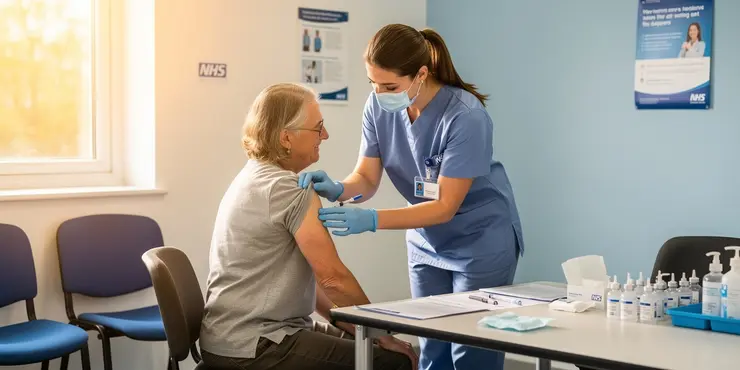
when will i need my next COVID jab?
Relevance: 62%
-
What are the Nimbus and Stratus variants of Covid?
Relevance: 60%
-
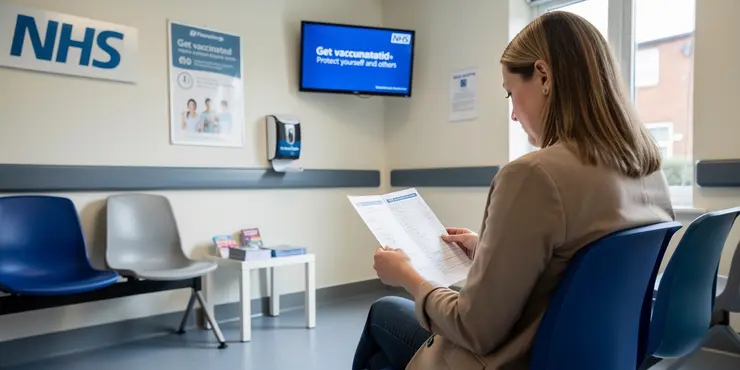
Can new variants cause reinfection?
Relevance: 60%
-
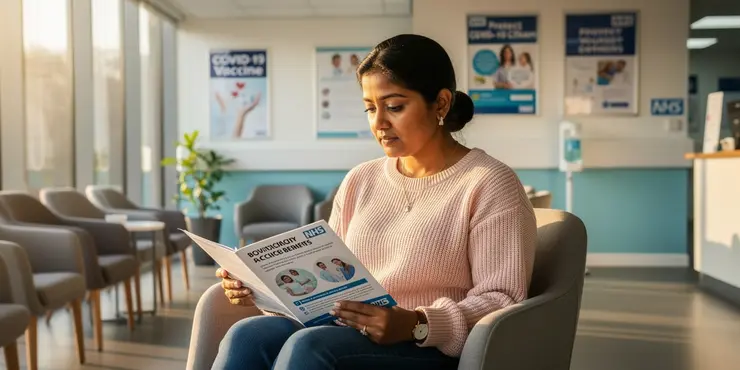
Should I get a COVID jab?
Relevance: 58%
-
Do I need any vaccine injections for EU countries?
Relevance: 58%
-
New Covid Variant Strains
Relevance: 58%
-
Are COVID jabs safe?
Relevance: 57%
-
What are the benefits of getting a COVID jab?
Relevance: 56%
-
Are new variants more transmissible?
Relevance: 54%
-
Nationwide Flu Vaccination Campaign Targets Vulnerable Populations
Relevance: 53%
-
Are there vaccination recommendations for people with compromised immune systems?
Relevance: 52%
The Importance of Vaccination After COVID-19 Infection
As the COVID-19 pandemic continues to impact the UK and the world, many people are questioning whether they need to get vaccinated if they have already had the virus. The short answer is yes, getting vaccinated even after recovering from COVID-19 is recommended by health experts.
Immunity from Infection vs. Vaccination
While recovering from COVID-19 does provide some degree of natural immunity, it is not clear how long this protection lasts. Immunity can vary depending on the severity of the infection and individual factors. Vaccination provides a more predictable and stronger immune response, helping to ensure longer-lasting protection. Research has shown that vaccination after infection boosts the immune response, offering more robust protection against future infections.
Protection Against Variants
The emergence of new variants of the virus, such as the Delta and Omicron variants, has raised concerns about the effectiveness of natural immunity. Vaccines available in the UK, such as those from Pfizer, Moderna, and AstraZeneca, have shown efficacy against these variants. Vaccination after infection can provide added protection against these strains, reducing the risk of reinfection.
Reducing Transmission
Getting vaccinated not only protects the individual but also helps reduce the spread of the virus within the community. Vaccinated individuals are less likely to transmit the virus to others, which is crucial in curbing further outbreaks and protecting vulnerable populations. This is particularly important in achieving widespread immunity and preventing the health system from being overwhelmed.
Guidance from Health Authorities
Public Health England and other health authorities in the UK advise individuals who have recovered from COVID-19 to still get vaccinated. The NHS recommends waiting until you have fully recovered from the illness and have completed your isolation period before getting vaccinated. This ensures that you are in good health when you receive the vaccine.
Conclusion
In conclusion, while recovering from COVID-19 does provide some level of immunity, getting vaccinated offers more comprehensive protection. Vaccination after infection has multiple benefits, including enhanced immunity, protection against variants, reduced transmission, and alignment with health guidelines. Individuals are encouraged to get vaccinated to protect themselves and contribute to the broader public health effort in the UK. Consult with healthcare providers for personalized guidance based on your health status and vaccination history.
The Importance of Vaccination After COVID-19 Infection
COVID-19 is still affecting many people in the UK and around the world. Some people wonder if they need the vaccine if they had COVID-19 before. The answer is yes. Health experts say you should still get the vaccine even if you have had COVID-19.
Immunity from Infection vs. Vaccination
When you get better from COVID-19, your body learns to fight the virus. But we don’t know how long this protection lasts. It can be different for everyone. Getting the vaccine makes your protection stronger and lasts longer. Research shows that the vaccine helps even if you had the virus before.
Protection Against Variants
There are new types of COVID-19, called variants, like the Delta and Omicron. These can be harder to fight. The vaccines in the UK from companies like Pfizer and Moderna work against these variants. Getting the vaccine helps keep you safe from these new types.
Reducing Transmission
The vaccine helps protect you and stops the virus from spreading to other people. This helps keep everyone, especially those at risk, safe. It also helps stop big outbreaks and keeps hospitals from getting too crowded.
Guidance from Health Authorities
Health experts in the UK say even if you had COVID-19, you should still get the vaccine. The NHS says wait until you feel all better and are done with your isolation before getting the vaccine. This ensures you are healthy when you get the shot.
Conclusion
To sum up, having COVID-19 gives some protection, but vaccines offer better protection. Getting vaccinated helps protect you and others against the virus and its new types. It also follows health advice. Talk to your doctor for advice that is right for you.
Frequently Asked Questions
Should I get vaccinated if I have already had COVID-19?
Yes, it is recommended to get vaccinated even if you've had COVID-19 because the vaccine can provide more reliable protection.
Why do I need a vaccine if I've already recovered from COVID-19?
Vaccination boosts your immune response and provides stronger and longer-lasting protection compared to natural infection alone.
Does natural immunity from COVID-19 provide lasting protection?
Natural immunity can wane over time, and variants of the virus may reduce its effectiveness, making vaccination important for continued protection.
How long after recovering from COVID-19 should I get vaccinated?
You should wait until you have fully recovered from COVID-19 symptoms and meet criteria to discontinue isolation. Current guidelines often recommend waiting 3 months after infection to get the vaccine for enhanced immune response.
Are there any risks of getting the vaccine if I've already had COVID-19?
There are no known additional risks associated with getting the vaccine after recovering from COVID-19, though side effects similar to those experienced by people who have not had COVID-19 may occur.
Will the vaccine work against COVID-19 variants if I’ve already had COVID-19?
Yes, vaccines are designed to work against various variants of the virus, offering more comprehensive protection than natural immunity.
Can I get COVID-19 again if I'm not vaccinated after recovery?
Yes, reinfection is possible, particularly with new variants. Vaccination reduces the risk of reinfection significantly.
Is there a difference in vaccine effectiveness for someone who had COVID-19?
Research suggests that people who have had COVID-19 and then get vaccinated have strong immune responses and are well-protected.
What type of protection does the vaccine offer to someone who had COVID-19?
Vaccination provides enhanced protection against severe disease, hospitalization, and potential reinfection.
Is a single dose of the vaccine enough if I've had COVID-19?
Some health authorities have recommended a single dose for those who have had COVID-19, but following full vaccination guidance is generally more beneficial.
Do antibodies from a past infection interfere with the vaccine?
No, antibodies from previous infection do not interfere with the vaccine; rather, they can be bolstered by the vaccine.
If I had COVID-19, will the vaccine's side effects be different?
Side effects are generally similar regardless of past infection, including mild symptoms like soreness at the injection site or fever.
Can I delay vaccination if I recently had COVID-19?
You should follow health guidance on timing, usually recommended after full recovery and within a few months of infection.
How does the immune response from the vaccine compare to natural infection?
The vaccine produces a more consistent and robust immune response compared to natural infection alone.
Are there any tests required before getting vaccinated post-COVID-19?
No special tests are required before vaccination after recovering from COVID-19.
Is it safe to get vaccinated soon after recovering from COVID-19?
Yes, it is safe to get vaccinated according to the recommended guidance after recovery.
Will a vaccine boost my existing immunity from having COVID-19?
Yes, the vaccine will boost your immunity, providing additional protection.
How effective is the vaccine for people who had asymptomatic COVID-19?
The vaccine is effective in boosting immunity for those who had asymptomatic infections as well, offering serious protection.
Do all COVID-19 vaccines offer protection to those who've had COVID-19?
Yes, all authorized COVID-19 vaccines provide protection to those previously infected.
Are booster shots necessary if I've had COVID-19 and been vaccinated?
Booster shots are recommended as they further enhance and prolong immunity, especially with waning vaccine efficacy over time.
Should I get the vaccine if I already had COVID-19?
If you had COVID-19 before, it might help to get the vaccine too. The vaccine can make you even safer from getting sick again. It is like having extra strong armor against the virus.
If you are still not sure, you can talk to a doctor. They can help you decide what is best for you.
Some tools that might help you understand more are simple videos or picture guides. These can explain things in a way that is easy to understand.
Yes, it is a good idea to get the vaccine, even if you had COVID-19. The vaccine helps keep you safe.
Why should I get a vaccine if I've already had COVID-19?
You had COVID-19 and got better. But getting a vaccine is still important. The vaccine can help keep you safe from getting sick again.
Here is why a vaccine is helpful:
- Extra Protection: The vaccine gives you extra help to stay safe from the virus.
- Stronger Immunity: It makes your body even better at fighting COVID-19 in the future.
- Protect Others: When you get a vaccine, you help keep your family and friends safe too.
Here are some tools that can help you understand this better:
- Pictures and Videos: Find easy videos online that show how vaccines work.
- Ask Questions: Talk to a doctor or nurse if you have questions. They are there to help you.
- Friends and Family: Talk with someone you trust about why vaccines are good.
Getting a vaccine helps your body fight off germs better. It makes you stronger and keeps you safe for a longer time than just getting sick and better on your own.
Does natural protection from COVID-19 last a long time?
Your body can get less strong at fighting the virus over time. The virus can also change and become harder to fight. This is why getting a vaccine shot is important. It helps keep you protected.
When can I get my COVID-19 vaccine after feeling better?
If you had COVID-19, you should wait until you feel better before getting the vaccine. It is safe to get your vaccine some weeks after you are better. You can ask a doctor if you are not sure.
If you find reading tricky, you can:
- Ask someone to read with you.
- Use a ruler or finger to help keep your place.
- Use an app that reads aloud.
You should wait until you are all better from COVID-19 before going out. Make sure you follow rules about when to stop staying away from others. People say it is good to wait 3 months after getting better to get the vaccine. This helps your body be stronger against the virus.
Is it safe to get the vaccine if you already had COVID-19?
The vaccine is safe for people who had COVID-19. It helps protect you from getting sick again. If you have questions, talk to your doctor or nurse. They can help you feel sure about getting the vaccine.
There are no extra risks from getting the vaccine after you get better from COVID-19. You might have side effects, but they are the same as for people who did not have COVID-19.
Will the COVID-19 vaccine work if I had COVID-19 before?
The COVID-19 vaccine can still help protect you, even if you had COVID-19 before.
- The vaccine helps your body fight off different forms of the virus, called variants.
- Getting the vaccine boosts your body's defense against getting sick again.
If you need help reading or understanding this, you can:
- Ask someone to read it aloud with you.
- Use a dictionary to look up hard words.
- Highlight or underline parts you find important.
Yes, vaccines help protect us from different types of the virus. They give us better protection than getting sick and fighting the virus ourselves.
Can I catch COVID-19 again if I haven't had the vaccine after getting better?
Yes, you can catch the virus again, especially if there are new types of it. Getting the vaccine helps a lot to stop you from getting sick again.
Does the vaccine work the same for people who had COVID-19?
If you had COVID-19, you might wonder if the vaccine still works as well for you. The answer is: yes, the vaccine can help keep you safe and healthy. It can still protect you from getting COVID-19 again.
Helpful tools to understand:
- Pictures: Use pictures to explain how the vaccine works.
- Videos: Watch videos about the vaccine to learn more.
- Ask a helper: Talk with someone you trust if you have questions.
Studies say that if you had COVID-19 and then get the vaccine, your body will be strong and good at fighting the virus.
How does the vaccine help someone who had COVID-19?
The vaccine helps people who had COVID-19. Even if you were sick before, the vaccine can make you stronger against the virus.
Here are some ways the vaccine helps:
- Makes it harder to catch COVID-19 again.
- If you do catch it, the sickness won’t be as bad.
For more help, you can ask a doctor or use picture books and videos to learn about vaccines.
Getting a vaccine helps keep you safe from getting very sick, needing to go to the hospital, or getting sick again.
Is one vaccine shot enough if I've had COVID-19 before?
If you had COVID-19, you might only need one shot of the vaccine. But it's important to ask your doctor.
Here are some tips to help you understand:
- Talk to a doctor to know what is best for you.
- The vaccine helps protect you and others from getting sick.
- Using pictures or videos can help explain things better.
Some health experts say people who had COVID-19 could get one vaccine shot. But, getting all vaccine shots is usually better.
Can antibodies from when I was sick before affect the vaccine?
No, having antibodies from being sick before doesn't stop the vaccine from working. The vaccine helps make your antibodies stronger.
Will the vaccine feel different if I had COVID-19 before?
The effects after getting the vaccine are usually the same, even if you've had COVID before. You might feel things like a sore arm where you got the shot, or have a fever.
Can I wait to get my vaccine if I just had COVID-19?
If you've just had COVID, your body might already be fighting it. But it's still good to get the vaccine when you feel better.
Here are some tips to help:
- Ask a grown-up or doctor what to do.
- Use a calendar to mark the day you should get your vaccine.
- Talk about any worries you have with someone you trust.
After you get better from being sick, it's good to wait a little while before doing anything too hard. Doctors usually say to rest for a few months after you feel all better.
How is the body's defense from the vaccine different from getting sick naturally?
When you get a vaccine, your body builds a defense to protect you from getting sick. This is how the vaccine works.
When you catch a disease naturally, like getting a cold, your body also fights the germs and learns how to protect you.
The defense from a vaccine is usually very strong and helps you not get sick in the first place.
Getting sick naturally can make you feel very bad, but your body will also learn from it.
To understand better, you can use pictures and videos about vaccines and how they work.
The vaccine helps your body fight off germs better than just getting sick and then getting well again. It makes your immune system stronger and more ready to protect you.
Here’s an idea to help understand and remember: Think of the vaccine like a superhero costume for your immune system. It helps your body become better at stopping germs.
Do I need to take any tests before getting a vaccine after having COVID-19?
No, you usually do not need tests before getting a vaccine after you had COVID-19.
If you are unsure, you can ask your doctor or nurse. They can help you know what to do.
You can also use pictures or videos to understand more about the vaccine.
You don't need any special tests before getting your vaccine if you've had COVID-19 and feel better now.
Can I get a vaccine after getting better from COVID-19?
Getting a vaccine after you feel better from COVID-19 is okay. But talk to a doctor first.
The doctor will help you decide the best time to get the vaccine.
A calendar is a good tool to help remember the date for your vaccine.
You can also use a timer to remind you to call the doctor.
Yes, it is safe to get the vaccine after you are better. Follow the advice you are given.
Will a COVID-19 vaccine make my body stronger at fighting the virus?
Yes, the vaccine will help your body stay strong and healthy. It gives you extra protection.
How well does the vaccine work for people who had COVID-19 but did not feel sick?
The vaccine helps make your body stronger against the virus. It works even if you did not show any signs of being sick before. It gives you good protection.
Do COVID-19 vaccines help people who already had COVID-19?
Yes, all COVID-19 shots help people who had the virus before.
Do I need a booster shot if I had COVID-19 and got the vaccine?
Booster shots are extra doses of medicine that help keep you healthy. They make your body's defense system stronger for a longer time, especially if the first medicine doesn't work as well after a while.

Useful Links
This website offers general information and is not a substitute for professional advice.
Always seek guidance from qualified professionals.
If you have any medical concerns or need urgent help, contact a healthcare professional or emergency services immediately.
Some of this content was generated with AI assistance. We've done our best to keep it accurate, helpful, and human-friendly.
- Ergsy carefully checks the information in the videos we provide here.
- Videos shown by Youtube after a video has completed, have NOT been reviewed by ERGSY.
- To view, click the arrow in centre of video.
- Most of the videos you find here will have subtitles and/or closed captions available.
- You may need to turn these on, and choose your preferred language.
- Go to the video you'd like to watch.
- If closed captions (CC) are available, settings will be visible on the bottom right of the video player.
- To turn on Captions, click settings.
- To turn off Captions, click settings again.
More Items From Ergsy search
-
Does the flu vaccine protect against COVID-19?
Relevance: 100%
-
Should I get vaccinated if I already had COVID-19?
Relevance: 100%
-
Can the COVID jab give me COVID-19?
Relevance: 92%
-
What is a COVID-19 variant?
Relevance: 89%
-
Will getting the flu jab protect me against COVID-19?
Relevance: 88%
-
Do vaccines work against new COVID-19 variants?
Relevance: 86%
-
What is the Covid-19 Stratus variant?
Relevance: 86%
-
Where can I learn about real Covid-19 variants?
Relevance: 85%
-
What sources should I consult for information on Covid-19?
Relevance: 84%
-
How can I protect myself from new COVID-19 variants?
Relevance: 84%
-
What are the COVID-19 travel restrictions for traveling to Spain?
Relevance: 83%
-
How are COVID-19 variants detected?
Relevance: 82%
-
Can COVID-19 be transmitted through blood transfusions?
Relevance: 82%
-
How can I protect myself from Covid-19 variants?
Relevance: 81%
-
How do COVID-19 variants arise?
Relevance: 81%
-
How often do new COVID-19 variants emerge?
Relevance: 77%
-
What is the process to identify a new Covid-19 variant?
Relevance: 76%
-
Do new variants affect COVID-19 testing?
Relevance: 75%
-
Does travel insurance cover COVID-19 related issues?
Relevance: 75%
-
How do scientists name new Covid-19 variants?
Relevance: 74%
-
Are new COVID-19 variants more dangerous?
Relevance: 71%
-
Does the COVID jab affect fertility?
Relevance: 69%
-
Can I get the COVID jab if I am pregnant or breastfeeding?
Relevance: 69%
-
Are children more affected by new variants of COVID?
Relevance: 69%
-
Can air physiotherapy help with COVID-19 recovery?
Relevance: 68%
-
How do COVID jabs work?
Relevance: 67%
-
Can I get the COVID jab if I have allergies?
Relevance: 67%
-
Breathlessness after COVID-19 - helpful techniques
Relevance: 66%
-
Are there any long-term side effects of the COVID jab?
Relevance: 65%
-
when will i need my next COVID jab?
Relevance: 62%
-
What are the Nimbus and Stratus variants of Covid?
Relevance: 60%
-
Can new variants cause reinfection?
Relevance: 60%
-
Should I get a COVID jab?
Relevance: 58%
-
Do I need any vaccine injections for EU countries?
Relevance: 58%
-
New Covid Variant Strains
Relevance: 58%
-
Are COVID jabs safe?
Relevance: 57%
-
What are the benefits of getting a COVID jab?
Relevance: 56%
-
Are new variants more transmissible?
Relevance: 54%
-
Nationwide Flu Vaccination Campaign Targets Vulnerable Populations
Relevance: 53%
-
Are there vaccination recommendations for people with compromised immune systems?
Relevance: 52%