

Speak To An Expert
Get clear, personalised advice for your situation.
Jot down a few questions to make the most of your conversation.
More Items From Ergsy search
-

Can exercise worsen whiplash symptoms?
Relevance: 100%
-

What are the symptoms of whiplash?
Relevance: 75%
-

Is whiplash a serious injury?
Relevance: 74%
-

How long do symptoms of whiplash usually continue?
Relevance: 74%
-

How soon after a car accident do whiplash symptoms appear?
Relevance: 72%
-

What is whiplash after a car accident?
Relevance: 70%
-

What are the treatment options for whiplash?
Relevance: 70%
-

How is whiplash diagnosed?
Relevance: 68%
-

What is the role of pain management in treating whiplash?
Relevance: 65%
-

What causes whiplash in a car accident?
Relevance: 65%

-

Can whiplash occur at low-speed impacts?
Relevance: 65%
-

Can whiplash have long-term effects?
Relevance: 64%
-

What medical tests are used to diagnose whiplash?
Relevance: 63%
-

Does wearing a seatbelt prevent whiplash?
Relevance: 63%
-
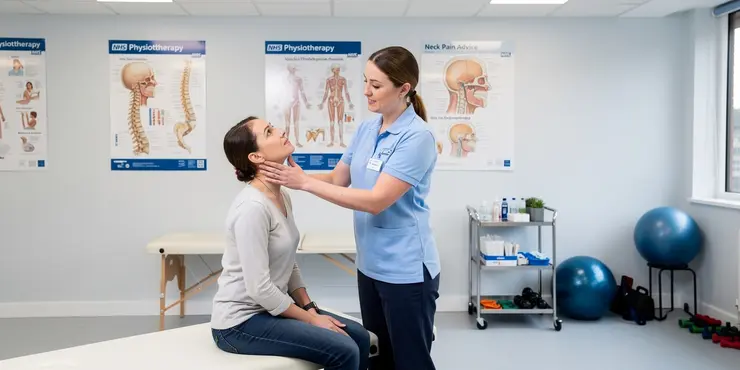
What is the best way to recover from whiplash?
Relevance: 63%
-

Is it necessary to see a doctor for whiplash after a car accident?
Relevance: 63%
-

Advice on neck pain and whiplash
Relevance: 62%
-

How can ice help with whiplash symptoms?
Relevance: 37%
-

Is rest important for recovering from whiplash?
Relevance: 34%
-

Can physical therapy help whiplash?
Relevance: 33%
-

Neck Exercises
Relevance: 31%
-

Can you claim compensation for whiplash injuries?
Relevance: 30%
-

What injuries are commonly caused by RTAs?
Relevance: 28%
-

Can an RTA happen without injury?
Relevance: 27%
-

Can concussions occur without a direct blow to the head?
Relevance: 25%
-

Can alcohol worsen sleep apnea?
Relevance: 24%
-

Exercise in patients with a neuropathy
Relevance: 23%
-

Can exercise trigger asthma symptoms?
Relevance: 23%
-

Does physical exercise help people with CFS?
Relevance: 22%
-

Neck Exercises
Relevance: 22%
-
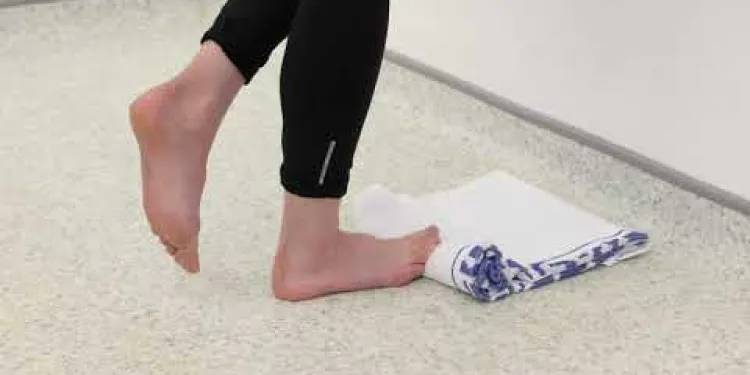
Plantar Fascia Loading Exercise (High Load Exercise)
Relevance: 22%
-
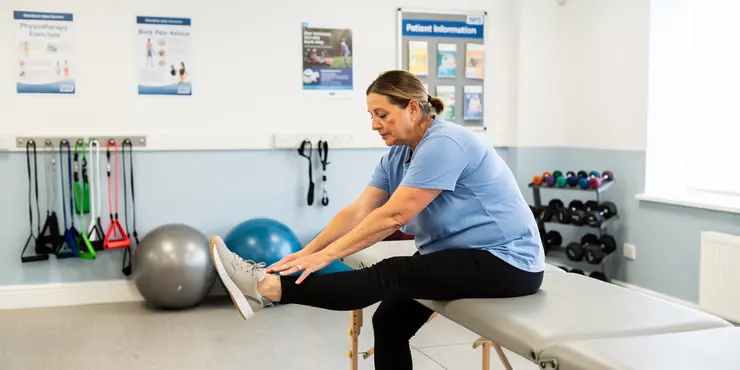
Exercises for sciatica: herniated or slipped disc | NHS
Relevance: 21%
-

Can lifestyle changes help manage BPH symptoms?
Relevance: 20%
-

Can CFS symptoms fluctuate over time?
Relevance: 20%
-

Exercises for sciatica: herniated or slipped disc | NHS
Relevance: 19%
-

Is it safe to exercise with a cold?
Relevance: 19%
-

Do I need to see a doctor after a workplace accident?
Relevance: 19%
-

Is headache a symptom of a concussion?
Relevance: 19%
-

What are the common symptoms of asthma?
Relevance: 19%
-
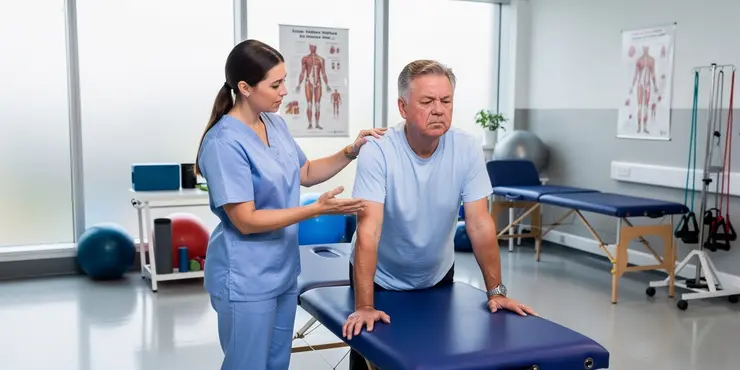
Exercises for sciatica: degenerative disc disease | NHS
Relevance: 19%
Understanding Whiplash
Whiplash is a common neck injury that occurs due to a sudden jerking motion of the head, often experienced during road traffic accidents, especially rear-end collisions. This rapid movement can cause damage to the neck's muscles, ligaments, and sometimes the spine, leading to symptoms like neck pain, stiffness, dizziness, and headaches. The degree of these symptoms can vary from mild discomfort to severe pain, significantly affecting an individual's quality of life.
The Role of Exercise in Whiplash Recovery
Exercise is often recommended as part of the rehabilitation process for many musculoskeletal injuries, including whiplash. Appropriate physical activity can help improve range of motion, reduce muscle stiffness, and strengthen the supportive muscles of the neck. However, the effectiveness of exercise largely depends on the type, intensity, and timing of the activities undertaken.
Can Exercise Worsen Whiplash Symptoms?
While exercise has many benefits, it's vital to approach it cautiously if you're recovering from whiplash. Engaging in inappropriate exercises, particularly those that are strenuous or incorrectly performed, can exacerbate symptoms. Intensive activities that place additional strain on the neck or require high levels of exertion may lead to increased pain, further inflammation, or even prolonged recovery.
Patients should avoid exercises that involve heavy lifting, jerky movements, or activities that the body is not yet ready for. Listening to one's body is crucial; any exercise that worsens pain or discomfort should be stopped immediately. Furthermore, returning to high-impact or contact sports too soon can increase the risk of re-injury or aggravation of whiplash symptoms.
Guidelines for Safe Exercise
For those recovering from whiplash, engaging in gentle, controlled exercises can be beneficial. It is advisable to consult with a healthcare professional, such as a physiotherapist, who can tailor a safe and effective exercise programme. These professionals can provide guidance on exercises that promote healing, such as gentle neck stretches, isometric exercises, and aerobic activities like walking or swimming, which do not overly strain the neck.
Starting with a low intensity and gradually increasing the complexity and intensity of exercises as symptoms improve is a prudent approach. Monitoring one's progress and adjusting the exercise regime accordingly ensures a safe and effective recovery process.
Conclusion
While exercise can play a significant role in the rehabilitation of whiplash, it is critical to undertake it judiciously to avoid worsening symptoms. Consulting with healthcare professionals and following a structured, progressive exercise programme can aid recovery and help restore normal function. Patients should prioritize understanding their limits and progressing at a pace that supports, rather than hinders, their healing journey.
Understanding Whiplash
Whiplash is when your neck gets hurt. It happens if your head suddenly moves back and forth, like in a car crash. It can hurt the muscles and other parts of your neck. This can cause neck pain, headaches, and dizziness. Sometimes, it hurts a little, but other times it can be very painful. This can make life harder.
The Role of Exercise in Whiplash Recovery
Exercise can help you get better if you have whiplash. Moving your body can make your neck muscles stronger and less stiff. But the type of exercise, how hard it is, and when you do it are very important.
Can Exercise Worsen Whiplash Symptoms?
Exercise is good, but you need to be careful with whiplash. Some exercises can make your pain worse if you try too hard or do the wrong ones. Lifting heavy things or making fast, rough movements can hurt your neck more. If something hurts, stop doing it. Don't do hard sports too soon because it might make the injury worse.
Guidelines for Safe Exercise
If you have whiplash, start with gentle exercises. A doctor or a physiotherapist can help you find the right exercises. They can teach you neck stretches and exercises like walking or swimming. Start slow and easy, and as you feel better, do a little more. Keep track of how you’re doing and change what you do to get better safely.
Conclusion
Exercise can help you heal from whiplash if done correctly. It is important to follow advice from professionals and take it slow. You should know your limits to get better without making the pain worse. Listen to your body and heal at your own pace.
Frequently Asked Questions
Can exercise worsen whiplash symptoms?
Exercise can potentially worsen whiplash symptoms if performed too soon or improperly. It's essential to consult with a healthcare provider before starting any exercise regimen after a whiplash injury.
What types of exercise should be avoided with whiplash?
High-impact activities, heavy lifting, and exercises that strain the neck should be avoided. Focus on gentle movements and avoid anything causing discomfort.
How soon can I start exercising after a whiplash injury?
It's typically advised to wait until the acute phase of the injury has passed and pain has subsided. A healthcare provider can provide personalized advice based on the severity of the injury.
What are the risks of exercising too soon after whiplash?
Exercising too soon can exacerbate pain, delay healing, and potentially lead to further injury or complications.
Can gentle stretching help with whiplash recovery?
Yes, gentle stretching can help maintain flexibility and prevent stiffness, but it should be done carefully and only under guidance initially.
Are there safe exercises to do with whiplash?
Low-impact activities such as walking and gentle range-of-motion exercises can be safe, but they should be approved by a healthcare provider.
Can neck strengthening exercises help with whiplash?
Once healing has progressed, neck strengthening exercises may help support recovery, but they should be introduced gradually and with professional guidance.
Is it normal to feel pain during exercise after whiplash?
Some discomfort can be expected, but persistent or severe pain is not normal and should prompt a reevaluation of the exercise program.
What should I do if my symptoms worsen after exercise?
If symptoms worsen, it's important to stop the activity and consult a healthcare provider to adjust the rehabilitation plan.
Can physical therapy assist in whiplash recovery?
Physical therapy can be very beneficial in managing whiplash symptoms and guiding safe exercise practices.
Are aerobic exercises recommended for whiplash recovery?
Aerobic exercises like walking or cycling on a stationary bike may be recommended as part of recovery, but should be evaluated on an individual basis.
Can yoga be helpful for whiplash symptoms?
Certain gentle yoga practices may help reduce stress and improve flexibility, but it's crucial to avoid poses that strain the neck.
Is swimming a good exercise for whiplash?
Swimming can be a good low-impact exercise, but care should be taken with strokes that involve the neck, like freestyle. Guidance from a healthcare provider is advised.
How does posture relate to whiplash symptoms?
Poor posture can exacerbate whiplash symptoms. Correcting posture, especially during activities, can be an important part of recovery.
Is it safe to do weightlifting after a whiplash injury?
Weightlifting should be avoided until cleared by a healthcare provider, as it can place strain on neck muscles and worsen symptoms.
How can I tell if an exercise is too much for my whiplash?
Any exercise that significantly increases pain or discomfort is likely too intense and should be stopped immediately.
Are there any specific exercises to improve neck mobility post-whiplash?
Yes, specific range-of-motion exercises may be recommended to improve neck mobility, but they should be introduced carefully.
What role does rest play in recovering from whiplash?
Adequate rest is crucial for healing initially, but complete immobilization should be avoided. Balanced activity and rest are key.
Can Pilates help with whiplash recovery?
Pilates, with its focus on core strength and stability, may benefit some individuals, but should be approached cautiously with professional guidance.
Is it necessary to use a neck brace for exercise post-whiplash?
Neck braces are not recommended for long-term use but may be used briefly under medical advice. They should not replace proper exercise and rehabilitation.
Can exercise make whiplash worse?
Whiplash is when your neck hurts after it moves suddenly. This can happen in a car accident.
Exercise can be good, but it could also make your neck hurt more if you have whiplash.
Before you exercise, ask a doctor or a nurse what is safe to do.
They can tell you what exercises are okay and which ones to avoid.
Exercise might make whiplash injuries worse if you start too soon or do it the wrong way. It’s important to talk to a doctor before you begin exercising after getting a whiplash injury.
What exercises should I not do if I have whiplash?
If you hurt your neck in an accident, it's called whiplash. Here are some tips:
Avoid these exercises:
- No heavy lifting.
- Don't play rough sports, like football.
- Avoid exercises where you twist your neck a lot.
Helpful tools and tips:
- See a doctor or physical therapist for help.
- Use heat or cold packs to feel better.
- Do gentle stretches your doctor shows you.
Try not to do exercises like jumping or lifting heavy things. These can hurt your neck. It's better to do easy and gentle movements. If something hurts, don’t do it.
You can set reminders to help you remember which exercises to avoid, or use pictures to show gentle movements.
When can I start moving and playing after hurting my neck?
If your neck is hurt from something called whiplash, wait to do any exercise.
First, ask a doctor when it is safe to start moving again.
Listen to your body. If your neck still hurts, rest more before playing.
Some gentle movements might help. Try to turn your head slowly left and right.
A helpful tool: If reading is hard, try using a voice app to read this for you.
It's important to wait until the worst part of the injury is over and it doesn't hurt as much. A doctor or nurse can tell you when it is safe, depending on how bad the injury is.
What can happen if you start exercising too soon after a neck injury?
If you hurt your neck in an accident, it can be called "whiplash." Whiplash is when your neck gets hurt by moving too fast.
If you exercise too soon after hurting your neck, it might not heal properly. Your neck could still be sore and exercising might make the pain worse.
It is important to take extra care. Ask a doctor or a therapist when it is safe to start exercising again. They can give you special exercises to help your neck get better.
- Rest your neck until it feels better.
- Do gentle exercises if your doctor says it’s okay.
- Use tools like ice packs or warm cloths to ease the pain.
- Listen to your body. Stop if something hurts.
If you start exercising too soon, it can make the pain worse, slow down healing, and might cause more injuries.
Can gentle stretching help with whiplash recovery?
If you hurt your neck or back in a car accident, it might be whiplash. Some gentle stretching could help you feel better. Remember to move slowly and be careful.
Here are some tips to help you:
- Ask a doctor or therapist for safe exercises.
- Do stretches that don't hurt.
- Use a pillow to support your neck when sitting or sleeping.
- Try using heat or ice packs to feel better.
Yes, gentle stretching can help keep your body flexible and stop it from feeling stiff. But you should be careful and have someone help you at the start.
Can I do safe exercises if I have whiplash?
If you have whiplash, it is important to be careful. Whiplash is when your neck hurts after a quick movement.
Here are some tips for safe exercises:
- Talk to a doctor or a physiotherapist first.
- Start with easy exercises like gentle neck stretches.
- Stop if it hurts too much.
- Use soft pillows when you rest.
- Ask a friend or family to help you.
Walking slowly and doing easy exercises that move your arms and legs can be good for you. But make sure to ask your doctor if it's okay first.
Can exercises make your neck stronger and help with whiplash?
Whiplash is when your neck hurts after a quick move, like a car crash. Doing neck exercises can make your neck stronger and help with the pain.Simple Neck Exercises
1. **Gentle Turns**: Turn your head slowly to the left, then to the right. 2. **Nod Up and Down**: Look up at the ceiling, then down at the floor. 3. **Shoulder Shrugs**: Lift your shoulders up to your ears, then let them drop.Helpful Tools
- **Talk with a Doctor**: They can tell you which exercises are best for you. - **Physical Therapist**: A special helper who shows you how to do exercises right. - **Neck Pillow**: A soft pillow can support your neck when you sleep.Stay Careful
- Go slow and stop if it hurts. - Follow advice from your doctor or therapist. Exercises can help your neck get better and feel less pain!When your neck is feeling better, you can do exercises to make it stronger. These exercises help you get better. Start slowly and have a professional, like a doctor or therapist, show you how to do them.
Is it okay to feel pain when you exercise after hurting your neck?
You might feel a little uncomfortable, and that’s okay. But if you have strong or lasting pain, that is not normal. You should check your exercise plan again.
What if I feel worse after exercise?
If you feel bad after doing exercise, here’s what you can do: - **Stop and Rest**: Take a break and relax. - **Drink Water**: Have some water to stay hydrated. - **Tell Someone**: Let a friend or family member know how you feel. - **Write it Down**: Keep a note of how you feel and what exercise you did. - **Ask for Help**: Talk to a doctor or someone who can help you. Don't worry! Taking these steps can help you feel better.If you feel worse, stop what you are doing. Talk to a doctor or nurse to see if you need a new plan to feel better.
Can physical therapy help you get better from whiplash?
Seeing a physical therapist can help with neck pain from whiplash. They can show you safe exercises to feel better.
Should you do aerobic exercises to help with whiplash recovery?
Exercises like walking or riding a bike that doesn't move can help you get better. It's important to see what works best for each person.
Can yoga help with neck pain from a car accident?
Some soft yoga moves can help you feel less stressed and make your body more flexible. But it's very important to not do poses that can hurt your neck.
Can swimming help with neck pain?
Swimming is a good way to exercise without hurting your body too much. But you need to be careful with strokes that use the neck, like freestyle. It's important to ask a doctor or nurse for advice.
How does the way you sit or stand affect whiplash pain?
Bad posture can make whiplash pain worse. Sitting and standing straight, especially when you do things, can help you get better.
Can I lift weights after hurting my neck?
Do not lift heavy things until the doctor says it is okay. Lifting can hurt your neck and make you feel worse.
How do I know if an exercise is too hard for my sore neck?
Here are some tips to help you:
- Listen to your body. If it hurts, stop.
- Does your neck feel worse after? It might be too much.
- Ask a doctor or physiotherapist what exercises are safe.
- Try gentle movements first.
Tools that can help:
- Use a mirror to watch your movements.
- Ask someone to help you do the exercises.
Remember, it's okay to take breaks!
If any exercise hurts or makes you feel bad, it might be too hard. You should stop right away.
What exercises can help move your neck better after a whiplash?
Yes, you can do special neck exercises to help it move better. But you need to be gentle and careful when you start.
How does rest help you get better from whiplash?
Rest is very important when you have whiplash. Whiplash happens when your neck gets hurt, like in a car accident. Rest helps your neck heal.
When you rest, your neck muscles can relax. This makes it easier for them to get better.
Here are some things you can do to rest and help your neck:
- Lie down on a soft pillow.
- Try not to move your neck too much.
- Use a neck brace if your doctor says it’s okay.
If you feel a lot of pain, talk to a doctor. They can help you feel better. You can also use helpful tools like a planner to remember when to rest and take breaks.
Getting enough rest is very important when you start to heal, but it is not good to stay still all the time. It is best to have a mix of moving around and resting.
Can Pilates help you feel better after hurting your neck?
If you hurt your neck, like in a car accident, it is called whiplash.
Doing gentle exercises, like Pilates, might help you feel better.
Pilates can make your neck and back stronger. It can also help with pain.
Before starting Pilates, it is good to talk to a doctor.
Using videos or apps can help you learn Pilates exercises.
Pilates can help make your tummy and back muscles strong. It can be good for some people. But it's important to do it carefully and have a teacher to help you.
Do I need to wear a neck brace when I exercise after a whiplash injury?
Neck braces are not good for wearing all the time. A doctor might say to wear one for a short time. It is important to do exercises and see a therapist to get better instead of just wearing a neck brace.

Useful Links
This website offers general information and is not a substitute for professional advice.
Always seek guidance from qualified professionals.
If you have any medical concerns or need urgent help, contact a healthcare professional or emergency services immediately.
Some of this content was generated with AI assistance. We've done our best to keep it accurate, helpful, and human-friendly.
- Ergsy carefully checks the information in the videos we provide here.
- Videos shown by Youtube after a video has completed, have NOT been reviewed by ERGSY.
- To view, click the arrow in centre of video.
- Most of the videos you find here will have subtitles and/or closed captions available.
- You may need to turn these on, and choose your preferred language.
- Go to the video you'd like to watch.
- If closed captions (CC) are available, settings will be visible on the bottom right of the video player.
- To turn on Captions, click settings.
- To turn off Captions, click settings again.
More Items From Ergsy search
-
Can exercise worsen whiplash symptoms?
Relevance: 100%
-
What are the symptoms of whiplash?
Relevance: 75%
-
Is whiplash a serious injury?
Relevance: 74%
-
How long do symptoms of whiplash usually continue?
Relevance: 74%
-
How soon after a car accident do whiplash symptoms appear?
Relevance: 72%
-
What is whiplash after a car accident?
Relevance: 70%
-
What are the treatment options for whiplash?
Relevance: 70%
-
How is whiplash diagnosed?
Relevance: 68%
-
What is the role of pain management in treating whiplash?
Relevance: 65%
-
What causes whiplash in a car accident?
Relevance: 65%
-
Can whiplash occur at low-speed impacts?
Relevance: 65%
-
Can whiplash have long-term effects?
Relevance: 64%
-
What medical tests are used to diagnose whiplash?
Relevance: 63%
-
Does wearing a seatbelt prevent whiplash?
Relevance: 63%
-
What is the best way to recover from whiplash?
Relevance: 63%
-
Is it necessary to see a doctor for whiplash after a car accident?
Relevance: 63%
-
Advice on neck pain and whiplash
Relevance: 62%
-
How can ice help with whiplash symptoms?
Relevance: 37%
-
Is rest important for recovering from whiplash?
Relevance: 34%
-
Can physical therapy help whiplash?
Relevance: 33%
-
Neck Exercises
Relevance: 31%
-
Can you claim compensation for whiplash injuries?
Relevance: 30%
-
What injuries are commonly caused by RTAs?
Relevance: 28%
-
Can an RTA happen without injury?
Relevance: 27%
-
Can concussions occur without a direct blow to the head?
Relevance: 25%
-
Can alcohol worsen sleep apnea?
Relevance: 24%
-
Exercise in patients with a neuropathy
Relevance: 23%
-
Can exercise trigger asthma symptoms?
Relevance: 23%
-
Does physical exercise help people with CFS?
Relevance: 22%
-
Neck Exercises
Relevance: 22%
-
Plantar Fascia Loading Exercise (High Load Exercise)
Relevance: 22%
-
Exercises for sciatica: herniated or slipped disc | NHS
Relevance: 21%
-
Can lifestyle changes help manage BPH symptoms?
Relevance: 20%
-
Can CFS symptoms fluctuate over time?
Relevance: 20%
-
Exercises for sciatica: herniated or slipped disc | NHS
Relevance: 19%
-
Is it safe to exercise with a cold?
Relevance: 19%
-
Do I need to see a doctor after a workplace accident?
Relevance: 19%
-
Is headache a symptom of a concussion?
Relevance: 19%
-
What are the common symptoms of asthma?
Relevance: 19%
-
Exercises for sciatica: degenerative disc disease | NHS
Relevance: 19%