

Speak To An Expert
Get clear, personalised advice for your situation.
Jot down a few questions to make the most of your conversation.
More Items From Ergsy search
-

What is the role of pain management in treating whiplash?
Relevance: 100%
-

Advice on neck pain and whiplash
Relevance: 75%
-

Is whiplash a serious injury?
Relevance: 60%
-

What are the treatment options for whiplash?
Relevance: 60%
-

What is whiplash after a car accident?
Relevance: 58%
-

How can I manage pain after a C-section?
Relevance: 56%
-

What are the symptoms of whiplash?
Relevance: 55%
-

What is the best way to recover from whiplash?
Relevance: 55%
-
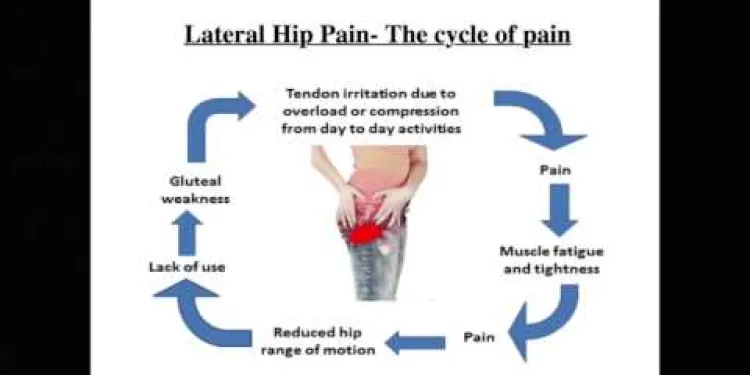
Advice - How to manage your lateral hip pain
Relevance: 54%
-

How long do symptoms of whiplash usually continue?
Relevance: 53%

-

Can lifestyle changes help manage pain and fever during pregnancy?
Relevance: 52%
-

Can exercise worsen whiplash symptoms?
Relevance: 51%
-

What causes whiplash in a car accident?
Relevance: 50%
-

Can whiplash have long-term effects?
Relevance: 50%
-

How is whiplash diagnosed?
Relevance: 49%
-

How soon after a car accident do whiplash symptoms appear?
Relevance: 48%
-

Foot Pain
Relevance: 47%
-

Can whiplash occur at low-speed impacts?
Relevance: 46%
-

Is it necessary to see a doctor for whiplash after a car accident?
Relevance: 45%
-

Does wearing a seatbelt prevent whiplash?
Relevance: 45%
-

Is a facelift painful?
Relevance: 45%
-

Will I feel pain during the procedure?
Relevance: 45%
-

Period pain (dysmenorrhoea) - BSL
Relevance: 43%
-

How to deal with period pain | NHS
Relevance: 43%
-

Mechanical Lower Back Pain
Relevance: 42%
-

Useful information for patients with lower back pain
Relevance: 42%
-

What medical tests are used to diagnose whiplash?
Relevance: 42%
-

How to deal with period pain | NHS
Relevance: 42%
-

How to deal with period pain | NHS
Relevance: 42%
-

Shoulder subacromial shoulder pain
Relevance: 42%
-

How to treat back pain | NHS
Relevance: 42%
-

Is a mammogram painful?
Relevance: 41%
-
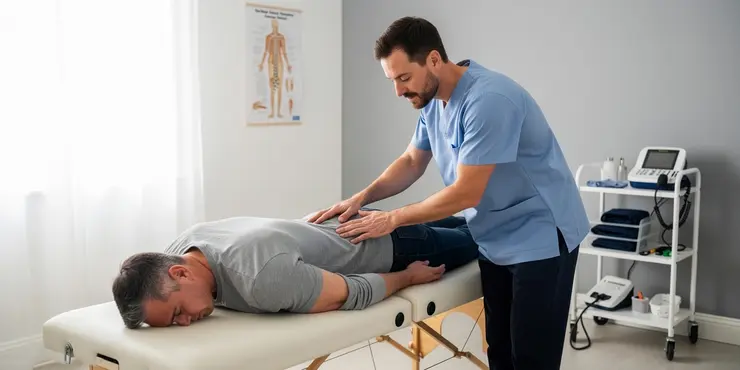
Are chiropractic treatments painful?
Relevance: 41%
-

Is impetigo painful?
Relevance: 41%
-

Shoulder pain | NHS
Relevance: 41%
-

Pelvic Girdle Pain Advice Class
Relevance: 40%
-

Shoulder pain | NHS
Relevance: 40%
-

Stomach ache and abdominal pain
Relevance: 40%
-

NHS 24 | How to get help for dental pain
Relevance: 39%
-

How to deal with period pain | NHS
Relevance: 39%
Understanding Whiplash
Whiplash is a type of neck injury that occurs due to a sudden forceful movement of the head, often resulting from rear-end vehicle collisions. This rapid back-and-forth motion can cause injury to the muscles, ligaments, and tendons in the neck. Symptoms can include neck pain, stiffness, headaches, and sometimes dizziness or blurred vision. Although whiplash is often associated with car accidents, it can also result from sports injuries, falls, or other forms of trauma.
The Role of Pain Management
The primary goal of pain management in treating whiplash is to alleviate symptoms, improve function, and help patients resume daily activities. Because whiplash can greatly impact an individual's quality of life, effective pain management becomes crucial in the recovery process. Pain management strategies focus on reducing discomfort and preventing the chronic pain that can develop if acute symptoms are not adequately addressed.
Non-Pharmacological Treatments
Many non-pharmacological treatments are commonly recommended at the onset of whiplash. These may include the application of ice or heat to the affected area, which can reduce inflammation and ease muscle tension. Additionally, physical therapy plays a critical role in strengthening muscles, improving range of motion, and fostering a faster recovery. Exercises under guidance should be initiated early to avoid stiffness and promote healing.
Pharmacological Treatments
If non-pharmacological treatments are insufficient for alleviating pain, medications may be prescribed. Over-the-counter pain relievers such as paracetamol or ibuprofen are often the first line of treatment. In cases of severe pain, a healthcare provider in the UK might prescribe stronger painkillers or muscle relaxants for short-term relief. It's important to review medication options with a healthcare professional to discuss potential side effects and benefits.
Psychological Support
The psychological impact of whiplash should not be underestimated, as the injury can lead to stress, anxiety, or depression, which in turn can exacerbate pain perception. Cognitive-behavioral therapy (CBT) and other psychological interventions may be beneficial for patients experiencing significant emotional distress. Implementing psychological strategies can enhance overall treatment efficacy.
Conclusion
Pain management is a vital component of the rehabilitation plan for those suffering from whiplash. By integrating various approaches, including physical therapy, medication, and psychological support, patients can achieve a comprehensive recovery. Early and effective pain management not only mitigates immediate symptoms but also contributes to long-term wellbeing and the prevention of chronic pain. Anyone experiencing symptoms of whiplash should consult with healthcare professionals to determine the most appropriate treatment plan.
Understanding Whiplash
Whiplash is a neck injury. It happens when the head moves quickly back and forth. This can happen in car accidents, especially if a car hits you from behind. It can also happen from playing sports, falling, or other accidents. Whiplash can hurt your neck muscles, ligaments, and tendons. You might feel neck pain, stiffness, headaches, or even dizziness. Sometimes, your vision can get blurry too.
The Role of Pain Management
Pain management means finding ways to feel better when you have whiplash. It helps you get back to doing daily activities. Good pain management is important because whiplash can make life difficult. It focuses on helping you feel less pain and stopping the pain from getting worse.
Non-Pharmacological Treatments
There are treatments you can try without using medicine. You can put ice or heat on your neck to make it feel better. Ice can reduce swelling, and heat can relax muscles. Physical therapy is another way to help. It's exercise that makes your neck stronger and helps you move better. It is best to start these exercises early to stop your neck from getting stiff.
Pharmacological Treatments
If the no-medicine treatments don't help enough, you might need medicine. You can take pain relievers like paracetamol or ibuprofen. A doctor might give you stronger medicine if your pain is really bad. Always talk to a healthcare professional before taking new medicines to know about side effects.
Psychological Support
Feeling hurt can make you feel stressed, worried, or sad. This can make the pain feel worse. That's why getting support for your feelings is important too. Talking to someone like a therapist can help if you feel very upset. This support can make your overall treatment work better.
Conclusion
Treating whiplash pain is important for getting better. Using different ways like physical therapy, medicine, and talking to someone about your feelings can help you recover well. It's important to treat symptoms early so they don't get worse. If you think you have whiplash, talk to a healthcare professional to find the best treatment plan for you.
Frequently Asked Questions
What is whiplash?
Whiplash is a neck injury that occurs when the head is suddenly forced backward and then forward, often as a result of a rear-end car accident.
Why is pain management important in treating whiplash?
Pain management is crucial in treating whiplash because it helps alleviate discomfort, improves mobility, and facilitates faster recovery by enabling patients to participate in physical therapy and other rehabilitative exercises.
What are the common symptoms of whiplash?
Common symptoms of whiplash include neck pain, stiffness, headaches, dizziness, blurred vision, and fatigue.
How soon after an injury should pain management begin?
Pain management for whiplash should begin as soon as possible following the injury to prevent chronic pain and facilitate the recovery process.
What are the initial steps in pain management for whiplash?
Initial steps in pain management for whiplash include rest, the application of ice and heat, and over-the-counter pain relievers such as ibuprofen or acetaminophen.
Can physical therapy play a role in pain management for whiplash?
Yes, physical therapy is an integral part of pain management for whiplash, helping to restore movement, strength, and flexibility while reducing pain.
Is medication always necessary for managing whiplash pain?
Not always. While medication can help reduce pain and inflammation in the acute phase, other therapies like physical therapy and chiropractic care can also be effective.
Are there non-medication treatments available for whiplash pain?
Yes, non-medication treatments for whiplash pain include physical therapy, chiropractic care, acupuncture, massage therapy, and exercise.
What role do muscle relaxants play in whiplash pain management?
Muscle relaxants can help reduce muscle spasms and discomfort associated with whiplash, especially in the early stages.
How does chiropractic care help in managing whiplash pain?
Chiropractic care can help realign the spine, reduce pain, and improve function by using manual manipulation techniques.
What are the potential risks of using pain medication for whiplash?
Potential risks include dependence, gastrointestinal issues, and side effects such as drowsiness, especially with long-term use of stronger pain medications.
Is it normal for whiplash pain to persist for months?
While many people recover within a few weeks to months, some may experience prolonged symptoms. Ongoing pain may indicate chronic whiplash syndrome and warrants further evaluation.
Can stress management techniques help with whiplash pain?
Yes, stress management techniques such as meditation, deep breathing exercises, and yoga can help manage pain by reducing tension and promoting relaxation.
Should I avoid exercise if I have whiplash pain?
Not necessarily. Gentle exercises and stretching can aid recovery, but it's important to follow a tailored exercise plan provided by a healthcare professional.
How can massage therapy aid in the pain management of whiplash?
Massage therapy can help relieve muscle tension, improve blood flow, and alleviate pain in the neck and shoulders.
What lifestyle changes can support whiplash recovery?
Maintaining good posture, engaging in regular but gentle exercise, managing stress, and ensuring adequate rest can support recovery.
How does cognitive behavioral therapy (CBT) assist in managing chronic whiplash pain?
CBT can help patients manage chronic pain by changing negative thought patterns and behaviors, which can reduce pain perception and improve coping strategies.
Is surgery ever required for whiplash pain management?
Surgery is rarely needed for whiplash. It is usually considered only when there is significant structural damage that does not respond to conservative treatments.
Can a neck brace help with whiplash pain management?
A neck brace may be used temporarily to stabilize the neck and reduce pain, but it should not be used for extended periods as it may weaken neck muscles.
How can regular follow-up care contribute to successful whiplash pain management?
Regular follow-up care with healthcare professionals allows for continuous assessment and adjustment of the treatment plan, addressing ongoing symptoms, and preventing chronic pain development.
What is whiplash?
Whiplash is when your neck hurts after your head moves quickly back and forth. It can happen in a car accident or if you fall. Your neck might feel sore or stiff.
Here are some things to help if you have whiplash:
- Use a warm cloth or a cool pack on your neck.
- Try gentle exercises to move your neck slowly.
- Ask a grown-up to take you to the doctor if it hurts a lot.
Whiplash is a kind of hurt you can get in your neck. It happens when your head moves back really fast and then forward really fast. This can happen in a car accident when another car hits the back of your car.
If you have trouble reading, you can use tools like audiobooks or text-to-speech apps that read words out loud to you.
Why is it important to help with pain from whiplash?
Managing pain is very important when treating whiplash. It helps people feel better, move more easily, and get better faster. It also helps them do exercises and therapy that make them stronger.
What are the common signs of whiplash?
Whiplash is when the neck gets hurt. Here are some signs you might have whiplash:
- Your neck hurts.
- Your neck is stiff and hard to move.
- You get headaches.
- Your shoulders or back hurt.
- You feel tired.
If you have any of these signs, it is a good idea to tell a doctor.
Here are some ways to help make reading easier:
- Use a ruler or your finger to keep your place while reading.
- Read out loud to hear the words.
- Ask someone you trust to help you understand.
Whiplash can make your neck hurt and feel stiff. It can also give you headaches, make you feel dizzy, make it hard to see clearly, and make you feel very tired.
If you find it hard to remember things, try using a notebook or phone to help you. Pictures, alarms, or apps can help you too.
When should you start treating pain after getting hurt?
If you hurt your neck, it's important to take care of it quickly to stop it from hurting a lot later. This will help you get better faster.
How do you start to feel better if you have a sore neck from whiplash?
If you hurt your neck in a car crash or fall, it's called whiplash. Here are some things you can try to feel better:
- Rest: Take it easy and rest your neck.
- Ice: Put ice on your neck for 15 minutes. Do this several times a day to help with pain and swelling.
- Pain Medicine: Ask a grown-up to give you medicine like ibuprofen or acetaminophen to help with pain.
- Gentle Exercises: When you start to feel a bit better, move your neck slowly to keep it from getting stiff.
It's always good to talk to a doctor or a grown-up if you're not sure what to do.
First steps to help with whiplash pain:
- Rest: Take it easy and don't do too much.
- Ice and heat: Use ice packs and warm packs on the sore area.
- Pain medicine: You can take medicine like ibuprofen or acetaminophen to help with the pain.
If you need more help, talk to a doctor or use a special app that can guide you on how to manage pain.
Can physical therapy help with pain from a neck injury?
Here are some simple words:
- Physical therapy: Exercises to make your body feel better.
- Whiplash: A neck injury from your head moving fast.
- Pain management: Ways to make pain hurt less.
If you hurt your neck, physical therapy might help you feel less pain.
You can try:
- Gentle exercises.
- Hot or cold packs.
- Talking to a therapist.
Always ask a doctor or nurse what is safe for you.
Yes, physical therapy can help with pain from whiplash. It helps you move better, get stronger, and feel less pain.
Do you always need medicine for whiplash pain?
Medicine does not always help. Sometimes, medicine can make pain and swelling better. Other times, doing special exercises or seeing a chiropractor can help too.
Can you treat whiplash pain without medicine?
Yes, there are ways to help with whiplash pain without using medicine. These include:
- Physical therapy: A therapist can help you move and feel better.
- Chiropractic care: A chiropractor can help adjust your body to reduce pain.
- Acupuncture: This uses tiny needles to help with pain.
- Massage therapy: A massage can help your muscles feel good and relax.
- Exercise: Moving around can help you get better.
How do muscle relaxants help with whiplash pain?
If you hurt your neck in a car accident, you might have whiplash. It makes your neck feel sore and stiff.
Muscle relaxants are a kind of medicine. They help your muscles feel less tight. This can make your neck feel better.
If your neck hurts a lot, a doctor might give you muscle relaxants. They help your neck muscles relax so the pain goes down.
Here are some tips to help with reading:
- Read slowly.
- Ask someone to help if you find it hard.
- Use a ruler or your finger to follow each line.
- Take breaks if it gets too much.
Muscle relaxers can help when your muscles tighten and hurt because of whiplash. They work best when you start feeling this in the beginning.
How can a chiropractor help with whiplash pain?
Whiplash is when your neck gets hurt, usually from a car accident.
A chiropractor is a doctor who can help fix your neck and back.
Here is how they might help:
- They move your neck gently to make it feel better.
- They show you safe moves to make your neck strong.
- They might use heat or ice to help with the pain.
- They teach you how to sit and stand so your neck doesn't hurt more.
If you have whiplash, tell an adult and ask a doctor if a chiropractor can help.
Using pictures, simple words, and apps that read aloud can also help you understand better.
Chiropractors help people by using their hands to move and adjust the spine. This can help make your back feel better, take away pain, and help your body work better.
If you have trouble understanding, you can ask someone to read it with you or use a tool that reads text out loud.
What bad things can happen if you take medicine for neck pain?
Taking medicine for neck pain can sometimes cause problems. Here are some things to watch out for:
- Feeling Sleepy: Some medicines might make you feel very tired.
- Upset Stomach: You might feel sick in your tummy.
- Headaches: Some medicines can cause headaches.
- Allergies: You might be allergic and get rashes or itching.
- Dependence: There is a risk of feeling like you need to take the medicine all the time.
It's important to talk to your doctor about these risks. You can also use other ways to help with neck pain, like resting, using a warm cloth, or physical therapy.
There are some things to be careful about. You might start needing the medicine too much. It can upset your stomach. You might feel sleepy. This can happen if you take strong pain medicine for a long time.
Is it okay for whiplash pain to last for a long time?
Most people feel better in a few weeks or months. But sometimes, some people still feel pain for a long time. This can be a sign of a problem called chronic whiplash syndrome. If this happens, it's important to see a doctor to find out more.
Can ways to feel calm help with neck pain?
Whiplash is when your neck hurts after a sudden move. Feeling stressed can make the pain worse. There are things you can do to feel calm. This might help your neck feel better.
Here are some things you can try:
- Take deep breaths to relax.
- Listen to calm music.
- Do gentle exercises.
- Talk to someone you trust about how you feel.
If your neck still hurts, a doctor can help.
Yes, there are things you can do to feel less stressed and help with pain too. You can try:
- Meditation: It's like taking a quiet moment to rest your mind.
- Deep breathing exercises: Breathe in deep and then let it out slowly. This helps you feel calm.
- Yoga: Gentle moves and stretches that help you relax.
Is it okay to do exercise if my neck hurts from whiplash?
If you hurt your neck and it feels like whiplash, you might wonder if it's safe to do exercise. Whiplash can make your neck hurt and feel stiff.
Here are some tips to help you:
- Talk to a doctor or nurse about your neck pain before doing exercise.
- They can tell you what exercises are safe for your neck.
- Start with gentle exercises like slow neck stretches.
- If an exercise hurts your neck, stop doing it.
Some tools can help:
- Use a soft neck pillow for comfort.
- Try heat pads to ease pain.
- Use an app that shows safe neck exercises.
Be careful and listen to your body. It's important to be safe when your neck hurts.
No, not always. Doing gentle exercises and stretching can help you get better. But it's important to have a special exercise plan made by a doctor or therapist just for you.
How can massage help with whiplash pain?
Massage can help when your neck hurts from whiplash. Here’s how:
- Rub the Muscles: A massage can make your neck muscles feel better and less tight.
- Improve Movement: Massage can help your neck move easier and with less pain.
- Feel Better: It helps you relax and feel good all over.
- Support: It’s good to ask a grown-up to book a professional massage therapist who knows how to help with whiplash.
If reading is hard, you can try listening to someone read it or use an app that reads text out loud. You can also ask someone to explain it to you.
Massage can help relax your muscles. It also helps blood move better through your body and can make pain in your neck and shoulders feel better.
How can I help my neck get better after an accident?
Good posture, light exercise, staying calm, and getting enough rest can help you feel better.
How can talking therapy help with long-lasting neck pain?
Talking therapy can help if you have neck pain that doesn't go away. It can teach you to change how you think about the pain.
This can make you feel better and help you cope with the pain. You might learn to relax and feel less worried.
Some tools that might help are:
- Deep breathing exercises to help you relax.
- Writing down your feelings in a diary.
- Talking to a friend or a therapist.
These can make managing pain easier.
CBT is a way to help people with pain. It helps change bad thoughts and actions. This can make the pain feel better. It also helps people deal with pain better.
Do you need surgery for whiplash pain?
Surgery is not usually needed for whiplash. Doctors think about it only if there is a big injury that doesn't get better with other treatments.
If you find reading hard, you can ask someone to read with you or use a tool that reads text out loud.
Can a neck brace help with whiplash pain?
A neck brace can help hold the neck still and make it hurt less. But don't use it for too long because it can make the neck muscles weak.
How can regular check-ups help manage whiplash pain?
When you see your doctor regularly, they can help you feel better. This is called a check-up. It helps manage whiplash pain.
Whiplash is when your neck hurts after a sudden movement. Going to the doctor often can help with the pain.
Here are some tools to help:
- Use a calendar to remember your appointments.
- Ask questions if you don’t understand something.
- Bring a friend or family member for support.
Going to the doctor often helps to check if the treatment is working. The doctor can change the plan if needed. This helps with any pain and stops any long-term pain from starting.

Useful Links
This website offers general information and is not a substitute for professional advice.
Always seek guidance from qualified professionals.
If you have any medical concerns or need urgent help, contact a healthcare professional or emergency services immediately.
Some of this content was generated with AI assistance. We've done our best to keep it accurate, helpful, and human-friendly.
- Ergsy carefully checks the information in the videos we provide here.
- Videos shown by Youtube after a video has completed, have NOT been reviewed by ERGSY.
- To view, click the arrow in centre of video.
- Most of the videos you find here will have subtitles and/or closed captions available.
- You may need to turn these on, and choose your preferred language.
- Go to the video you'd like to watch.
- If closed captions (CC) are available, settings will be visible on the bottom right of the video player.
- To turn on Captions, click settings.
- To turn off Captions, click settings again.
More Items From Ergsy search
-
What is the role of pain management in treating whiplash?
Relevance: 100%
-
Advice on neck pain and whiplash
Relevance: 75%
-
Is whiplash a serious injury?
Relevance: 60%
-
What are the treatment options for whiplash?
Relevance: 60%
-
What is whiplash after a car accident?
Relevance: 58%
-
How can I manage pain after a C-section?
Relevance: 56%
-
What are the symptoms of whiplash?
Relevance: 55%
-
What is the best way to recover from whiplash?
Relevance: 55%
-
Advice - How to manage your lateral hip pain
Relevance: 54%
-
How long do symptoms of whiplash usually continue?
Relevance: 53%
-
Can lifestyle changes help manage pain and fever during pregnancy?
Relevance: 52%
-
Can exercise worsen whiplash symptoms?
Relevance: 51%
-
What causes whiplash in a car accident?
Relevance: 50%
-
Can whiplash have long-term effects?
Relevance: 50%
-
How is whiplash diagnosed?
Relevance: 49%
-
How soon after a car accident do whiplash symptoms appear?
Relevance: 48%
-
Foot Pain
Relevance: 47%
-
Can whiplash occur at low-speed impacts?
Relevance: 46%
-
Is it necessary to see a doctor for whiplash after a car accident?
Relevance: 45%
-
Does wearing a seatbelt prevent whiplash?
Relevance: 45%
-
Is a facelift painful?
Relevance: 45%
-
Will I feel pain during the procedure?
Relevance: 45%
-
Period pain (dysmenorrhoea) - BSL
Relevance: 43%
-
How to deal with period pain | NHS
Relevance: 43%
-
Mechanical Lower Back Pain
Relevance: 42%
-
Useful information for patients with lower back pain
Relevance: 42%
-
What medical tests are used to diagnose whiplash?
Relevance: 42%
-
How to deal with period pain | NHS
Relevance: 42%
-
How to deal with period pain | NHS
Relevance: 42%
-
Shoulder subacromial shoulder pain
Relevance: 42%
-
How to treat back pain | NHS
Relevance: 42%
-
Is a mammogram painful?
Relevance: 41%
-
Are chiropractic treatments painful?
Relevance: 41%
-
Is impetigo painful?
Relevance: 41%
-
Shoulder pain | NHS
Relevance: 41%
-
Pelvic Girdle Pain Advice Class
Relevance: 40%
-
Shoulder pain | NHS
Relevance: 40%
-
Stomach ache and abdominal pain
Relevance: 40%
-
NHS 24 | How to get help for dental pain
Relevance: 39%
-
How to deal with period pain | NHS
Relevance: 39%