

Speak To An Expert
Get clear, personalised advice for your situation.
Jot down a few questions to make the most of your conversation.
More Items From Ergsy search
-

Can whiplash occur at low-speed impacts?
Relevance: 100%
-

What is whiplash after a car accident?
Relevance: 57%
-

What causes whiplash in a car accident?
Relevance: 57%
-

Is whiplash a serious injury?
Relevance: 56%
-

How long do symptoms of whiplash usually continue?
Relevance: 52%
-

Does wearing a seatbelt prevent whiplash?
Relevance: 50%
-

Is it necessary to see a doctor for whiplash after a car accident?
Relevance: 49%
-

Can an RTA happen without injury?
Relevance: 49%
-

What are the symptoms of whiplash?
Relevance: 45%
-

How is whiplash diagnosed?
Relevance: 44%

-

What injuries are commonly caused by RTAs?
Relevance: 42%
-

What medical tests are used to diagnose whiplash?
Relevance: 41%
-

What is the role of pain management in treating whiplash?
Relevance: 41%
-

How soon after a car accident do whiplash symptoms appear?
Relevance: 40%
-

Can exercise worsen whiplash symptoms?
Relevance: 40%
-

Can whiplash have long-term effects?
Relevance: 39%
-

What are the treatment options for whiplash?
Relevance: 37%
-

Advice on neck pain and whiplash
Relevance: 34%
-
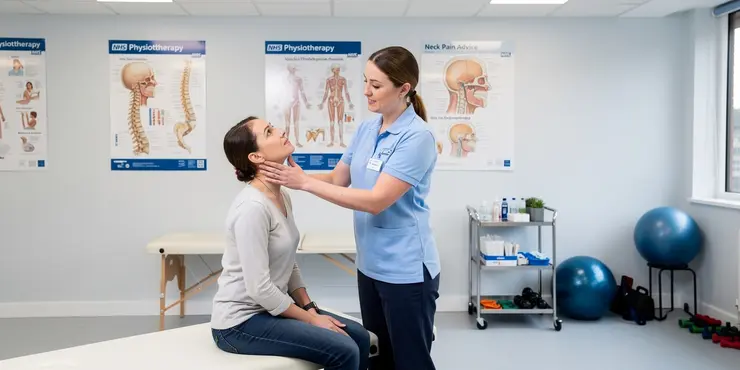
What is the best way to recover from whiplash?
Relevance: 33%
-

Can concussions occur without a direct blow to the head?
Relevance: 31%
-

Can you claim compensation for whiplash injuries?
Relevance: 30%
-

Navigating Personal Injury Claims: What You Need to Know Post-2023
Relevance: 25%
-

What is a Road Traffic Accident - RTA?
Relevance: 24%
-

How does the type of case impact the court schedule?
Relevance: 24%
-

Can I claim for emotional distress as well as physical injury?
Relevance: 24%
-
Advice on sports injuries
Relevance: 23%
-

Is there an impact on short-term rentals?
Relevance: 22%
-

How does honour based abuse impact victims?
Relevance: 22%
-

Can chiropractors help with sports injuries?
Relevance: 22%
-

How will the cuts impact landlords?
Relevance: 22%
-

How do concussions impact long-term health in rugby players?
Relevance: 22%
-

Ask a physio: 3 common sports injuries and what happens next
Relevance: 22%
-

What is the global impact of rabies?
Relevance: 21%
-

What is the impact of director disputes on company morale?
Relevance: 21%
-

What are the environmental impacts of cremation?
Relevance: 21%
-

Impact of Housing Shortage on Local Communities
Relevance: 21%
-

Does screen time impact REM sleep?
Relevance: 21%
-

Do mixed exercises help in preventing injuries?
Relevance: 21%
-

Is a minor car scrape considered an RTA?
Relevance: 21%
-

What impact do screw worms have on livestock?
Relevance: 21%
Understanding Whiplash
Whiplash is a neck injury commonly associated with car accidents, particularly when a vehicle is hit from behind. It occurs when the head is suddenly jolted forward and then snapped backward, causing the soft tissues in the neck to stretch and strain. Despite being widely recognized, there are many misconceptions about the conditions under which whiplash can occur, especially concerning the speed of impact.
Can Whiplash Occur at Low-Speed Impacts?
One common misconception is that whiplash can only result from high-speed crashes. However, research and empirical data suggest that whiplash can indeed occur even at low-speed impacts. In the UK, motor incidents, including those at speeds as low as 5 mph, have resulted in reports of whiplash. The dynamics of the collision, the position of the driver or passenger, and existing physical conditions all play a role in the likelihood of sustaining whiplash.
The Mechanics of Low-Speed Whiplash
During a low-speed collision, the force exerted on the vehicle can still be substantial enough to cause the head and neck to move abruptly. Vehicles are designed to absorb impact through crumple zones, but these are not foolproof at low speeds. If the car seat and headrest are not adjusted correctly, occupants are more susceptible to whiplash. Even though the car may appear to have minimal damage, the human body can experience more significant impacts due to the sudden acceleration and deceleration forces involved.
Symptoms and Diagnosis
For those experiencing whiplash, symptoms may not appear immediately and can develop over time, often within 24 hours post-incident. Typical symptoms include neck pain and stiffness, headaches, dizziness, and fatigue. It is crucial for individuals who suspect they have whiplash to seek medical attention promptly. Proper diagnosis often involves a physical examination and may include imaging tests to rule out other injuries.
Prevalence and Impact in the UK
In the UK, whiplash is one of the most common types of car accident-related injuries, resulting in numerous insurance claims annually. The government and insurers often scrutinize claims to prevent fraud, as the relatively subjective nature of whiplash symptoms can make it difficult to assess injury severity definitively. Nevertheless, legitimate cases can lead to prolonged discomfort and require treatments such as physiotherapy.
Prevention Measures
To minimize the risk of whiplash, proper adjustment of the vehicle's headrest is recommended. The top of the headrest should align with the top of the head, and the distance between the head and the headrest should be as small as possible. Additionally, drivers are encouraged to maintain awareness of their surroundings to reduce the likelihood of being involved in rear-end collisions, regardless of speed.
Understanding Whiplash
Whiplash is a neck injury that often happens in car crashes. It usually occurs when a car is hit from behind. This makes the head move quickly forward and then backward, hurting the neck muscles. Many people think they know when whiplash happens. But there is some confusion, especially about how fast the cars are going when it happens.
Can Whiplash Happen in Slow Car Crashes?
People often think whiplash only happens in big crashes. But even slow crashes can cause whiplash. In the UK, crashes at just 5 mph can still cause whiplash. It depends on how the crash happens, how people are sitting in the car, and their body health.
How Slow Crashes Can Cause Whiplash
Even in slow crashes, the force can push the head and neck quickly. Cars are built to take the hit from crashes, but not always at slow speeds. If the car seat and headrest are not set right, whiplash is more likely. The car might not look damaged, but the body can still feel a lot of force.
Whiplash Symptoms and Checking with a Doctor
Symptoms of whiplash might not show up right away. They often appear within 24 hours of the crash. Common signs are neck pain, stiffness, headaches, dizziness, and feeling tired. It's important to see a doctor if you think you have whiplash. Doctors will check you and might use scans to make sure it's not another injury.
Whiplash in the UK
In the UK, whiplash is a common car crash injury. Many people make insurance claims for it each year. Claims are checked carefully to stop cheats because it's hard to always see how bad whiplash is. But true whiplash can be painful and might need treatments like physiotherapy.
How to Prevent Whiplash
To lower the chance of whiplash, adjust your car's headrest properly. The top of the headrest should be even with the top of your head. Keep your head close to the headrest. Also, be aware of your surroundings to avoid rear-end crashes, no matter the speed.
Frequently Asked Questions
What is whiplash?
Whiplash is a neck injury caused by a sudden jerking motion of the head, often due to a rear-end car collision.
Can whiplash occur at low-speed impacts?
Yes, whiplash can occur even in low-speed impacts, such as those under 10 mph, due to the sudden force applied.
What speed is considered a low-speed impact?
A low-speed impact is generally considered to be an impact occurring at speeds under 10 or 15 mph.
What causes whiplash in low-speed impacts?
The sudden acceleration and deceleration of the body can cause the neck to move rapidly back and forth, leading to whiplash.
Are certain people more vulnerable to whiplash?
Yes, factors such as age, previous neck injuries, and posture can influence one's susceptibility to whiplash.
What are common symptoms of whiplash?
Symptoms include neck pain, stiffness, reduced range of motion, headaches, and sometimes dizziness or blurred vision.
How is whiplash diagnosed?
Doctors may diagnose whiplash based on symptoms, medical history, and sometimes imaging tests like X-rays or MRIs.
Can whiplash occur from activities other than car accidents?
Yes, whiplash can also result from sports injuries, falls, or any incident causing rapid neck movement.
How long does it take to recover from whiplash?
Recovery varies, but many people feel better within a few weeks or months. Chronic cases may last longer.
What treatments are available for whiplash?
Treatments include pain management, physical therapy, neck exercises, and, in some cases, medication.
Can a low-speed collision still cause significant whiplash injuries?
Yes, even at low speeds, the forces involved can lead to significant whiplash injuries and discomfort.
Is there a way to prevent whiplash during a collision?
Properly adjusted headrests, seat belts, and good posture can help reduce the risk of whiplash during a collision.
Does everyone involved in a low-speed collision get whiplash?
Not everyone will develop whiplash, as it depends on several factors, including the position and movement of the neck at impact.
Can whiplash be permanent?
While most recover, some people may experience chronic pain or long-term effects after whiplash.
Does vehicle size affect the likelihood of getting whiplash in a collision?
Vehicle size, design, and safety features can influence the risk and severity of whiplash.
How quickly do whiplash symptoms usually appear after an accident?
Symptoms may appear immediately or develop within a few hours to days after the incident.
Are rear-end collisions the only type of crash to cause whiplash?
No, while rear-end collisions are common causes, any situation where the neck is subjected to rapid movement can cause whiplash.
Can seat belts increase the risk of whiplash?
While seat belts are essential for safety, incorrect use or poor positioning can sometimes contribute to neck injuries.
Is whiplash more common in older adults?
Yes, older adults may be more susceptible due to less elasticity in their neck muscles and lower bone density.
Why is it important to seek medical attention after a low-speed collision?
Seeking medical attention ensures that any injuries, like whiplash, are identified and treated promptly to prevent long-term issues.
What is whiplash?
Whiplash is a type of neck injury. It can happen when your head moves quickly forward and then backward, like in a car accident. It can make your neck hurt.
If you have whiplash, you might feel pain, stiffness, or dizziness. It is important to see a doctor to feel better. They can help you with exercises or medicine.
Some things that can help with learning about whiplash are:
- Pictures or videos that show what happens to your neck.
- Talking with someone who knows about neck injuries.
Whiplash is when your neck gets hurt. It happens when your head is quickly thrown back and forth. This can often happen during a car crash when someone hits your car from behind.
Can you get whiplash in a small crash?
Yes, you can get whiplash even if a car is going slow, like under 10 miles per hour. This is because of the sudden force on your neck.
What is a low-speed impact?
A low-speed impact happens when something hits slowly. It is when cars or things move and touch gently.
If you need help reading, try using your finger to point to words. You can also read out loud to understand better.
A low-speed impact happens when two things hit each other at a speed less than 10 or 15 miles per hour.
What makes whiplash happen in slow crashes?
Whiplash can happen when your body speeds up or slows down really fast. This makes your neck move quickly, like back and forth. This can hurt your neck.
Who can get hurt by whiplash more easily?
Yes, things like age, old neck injuries, and how you sit or stand can make it easier to get whiplash.
What happens when you have whiplash?
When you have whiplash, your neck might hurt or feel stiff. You might also have headaches or find it hard to move your head.
If you feel these things, it might help to rest and use a warm cloth on your neck. You can also see a doctor or use medicine to feel better.
Signs you might notice are a sore neck, feeling stiff, not being able to move your neck a lot, headaches, and sometimes feeling dizzy or not seeing clearly.
How do doctors find out if you have whiplash?
Doctors can find out if someone has whiplash by looking at their symptoms, asking about their past health, and sometimes using special pictures like X-rays or MRIs.
Can you get whiplash from things other than car crashes?
Yes, you can get whiplash from playing sports, falling down, or any time your neck moves too fast.
How long does it take to get better from whiplash?
Whiplash is when your neck hurts after it gets moved quickly.
Most people feel better in a few days or weeks.
Sometimes, it can take longer to get better.
It helps to rest and not do big movements with your neck.
Using a warm cloth can help soothe the pain.
If your neck still hurts, you should tell a doctor.
Getting better can take different amounts of time for each person. Most people start to feel okay in a few weeks or months. For some people, it might take longer.
What can help if you have whiplash?
Whiplash is when your neck hurts after a car accident or a fall.
Here are some things that might help:
- Rest: Take it easy and try not to move your neck too much.
- Ice: Put a cold pack or ice on your neck for a few minutes to stop swelling.
- Warmth: After a couple of days, use a warm cloth or heat pad on your neck to feel better.
- Pain Relief: Medicines like paracetamol can help if your neck hurts.
- Gentle Exercises: Slowly turn your head side to side to keep your neck moving.
- Doctor or Therapist: They can tell you the best ways to get better and help if your neck is still sore.
There are apps and videos online that can show you easy exercises. These might be helpful too.
Treatments to help you feel better include managing pain, doing physical therapy, and neck exercises. Sometimes, medicine can also help.
Can a small car crash still hurt your neck a lot?
Yes, even if a car is going slowly, it can still cause whiplash and pain.
How can you stop whiplash in a car crash?
To stay safe in a car crash, make sure your headrest is in the right place, wear your seat belt, and sit up straight. This helps protect your neck from getting hurt.
Does everyone in a slow car crash get whiplash?
Not always. Whiplash is an injury. Your neck can hurt after your head moves quickly back and forth. This can happen in a car crash. But not everyone gets whiplash in a slow crash.
If you feel hurt, it is good to see a doctor. They can help you feel better.
Not everyone gets whiplash. It depends on many things, like how your neck is positioned and moves when you get hurt.
Can whiplash last forever?
Whiplash can make your neck hurt. This happens after a car accident sometimes. Most people feel better after some time. But for some, the pain might not go away. If your neck still hurts, see a doctor.
Tips to feel better:
- Rest your neck.
- Use a warm cloth on your neck to feel better.
- Ask someone to help if you need it.
Most people get better after whiplash. But some people might have pain or problems that last a long time.
Can the size of a car change the chance of neck injury in a crash?
The size and shape of a car can change the chances of getting hurt. How safe a car is can also make a big difference. This is important if you have a small accident, like when your head moves very fast because of a bump.
When do whiplash symptoms show up after an accident?
Whiplash is when your neck hurts after a bump or crash.
Sometimes, you feel it right away.
Other times, it can take a day or two to start hurting.
If your neck hurts after an accident, it might be good to see a doctor.
Someone can help you if reading is tricky.
Signs might show up right away. Sometimes, they come a few hours or days later.
Can you get whiplash from other crashes, or just rear-end crashes?
No, getting hit from behind in a car crash is not the only way to get whiplash. Whiplash can happen any time your neck moves quickly and suddenly.
Can seat belts cause more whiplash?
Seat belts help keep us safe. But if we do not wear them properly, they can sometimes hurt our necks.
Do older people get whiplash more often?
Yes, older people might get hurt more easily. This is because their neck muscles are not as stretchy and their bones are weaker.
Why should you see a doctor after a small car crash?
It is important to see a doctor after a car accident, even if it was at low speed. Here are some reasons why:
- Your body might be hurt even if you do not feel pain right away.
- A doctor can check for hidden injuries.
- Getting help early can stop problems from getting worse.
Here are some helpful ideas:
- Ask a friend or family member to go with you to the doctor.
- Write down all the questions you have before your visit.
- Use simple words to describe how you feel to the doctor.
- Take notes or ask for written instructions from the doctor.
Go to the doctor to make sure you are okay. They can check if you have any injuries like whiplash. Getting help quickly can stop problems from getting worse later.

Useful Links
This website offers general information and is not a substitute for professional advice.
Always seek guidance from qualified professionals.
If you have any medical concerns or need urgent help, contact a healthcare professional or emergency services immediately.
Some of this content was generated with AI assistance. We've done our best to keep it accurate, helpful, and human-friendly.
- Ergsy carefully checks the information in the videos we provide here.
- Videos shown by Youtube after a video has completed, have NOT been reviewed by ERGSY.
- To view, click the arrow in centre of video.
- Most of the videos you find here will have subtitles and/or closed captions available.
- You may need to turn these on, and choose your preferred language.
- Go to the video you'd like to watch.
- If closed captions (CC) are available, settings will be visible on the bottom right of the video player.
- To turn on Captions, click settings.
- To turn off Captions, click settings again.
More Items From Ergsy search
-
Can whiplash occur at low-speed impacts?
Relevance: 100%
-
What is whiplash after a car accident?
Relevance: 57%
-
What causes whiplash in a car accident?
Relevance: 57%
-
Is whiplash a serious injury?
Relevance: 56%
-
How long do symptoms of whiplash usually continue?
Relevance: 52%
-
Does wearing a seatbelt prevent whiplash?
Relevance: 50%
-
Is it necessary to see a doctor for whiplash after a car accident?
Relevance: 49%
-
Can an RTA happen without injury?
Relevance: 49%
-
What are the symptoms of whiplash?
Relevance: 45%
-
How is whiplash diagnosed?
Relevance: 44%
-
What injuries are commonly caused by RTAs?
Relevance: 42%
-
What medical tests are used to diagnose whiplash?
Relevance: 41%
-
What is the role of pain management in treating whiplash?
Relevance: 41%
-
How soon after a car accident do whiplash symptoms appear?
Relevance: 40%
-
Can exercise worsen whiplash symptoms?
Relevance: 40%
-
Can whiplash have long-term effects?
Relevance: 39%
-
What are the treatment options for whiplash?
Relevance: 37%
-
Advice on neck pain and whiplash
Relevance: 34%
-
What is the best way to recover from whiplash?
Relevance: 33%
-
Can concussions occur without a direct blow to the head?
Relevance: 31%
-
Can you claim compensation for whiplash injuries?
Relevance: 30%
-
Navigating Personal Injury Claims: What You Need to Know Post-2023
Relevance: 25%
-
What is a Road Traffic Accident - RTA?
Relevance: 24%
-
How does the type of case impact the court schedule?
Relevance: 24%
-
Can I claim for emotional distress as well as physical injury?
Relevance: 24%
-
Advice on sports injuries
Relevance: 23%
-
Is there an impact on short-term rentals?
Relevance: 22%
-
How does honour based abuse impact victims?
Relevance: 22%
-
Can chiropractors help with sports injuries?
Relevance: 22%
-
How will the cuts impact landlords?
Relevance: 22%
-
How do concussions impact long-term health in rugby players?
Relevance: 22%
-
Ask a physio: 3 common sports injuries and what happens next
Relevance: 22%
-
What is the global impact of rabies?
Relevance: 21%
-
What is the impact of director disputes on company morale?
Relevance: 21%
-
What are the environmental impacts of cremation?
Relevance: 21%
-
Impact of Housing Shortage on Local Communities
Relevance: 21%
-
Does screen time impact REM sleep?
Relevance: 21%
-
Do mixed exercises help in preventing injuries?
Relevance: 21%
-
Is a minor car scrape considered an RTA?
Relevance: 21%
-
What impact do screw worms have on livestock?
Relevance: 21%