
Get Answers
Cremation and Carbon Emissions
The process of cremation involves incinerating bodies at high temperatures, which requires significant energy input. This energy consumption contributes directly to carbon emissions, primarily from the burning of fossil fuels to power the cremation ovens.
In the UK, cremations account for a noticeable proportion of greenhouse gas emissions tied to funerary practices. The carbon footprint of a single cremation is estimated to be around 160 kg of CO2, making it a relevant concern for those seeking environmentally conscious options.
Air Pollution and Toxic Substances
Cremation also releases air pollutants, including mercury from dental amalgams. Mercury is a concern because it can settle into the environment and enter the food chain, affecting both wildlife and human health.
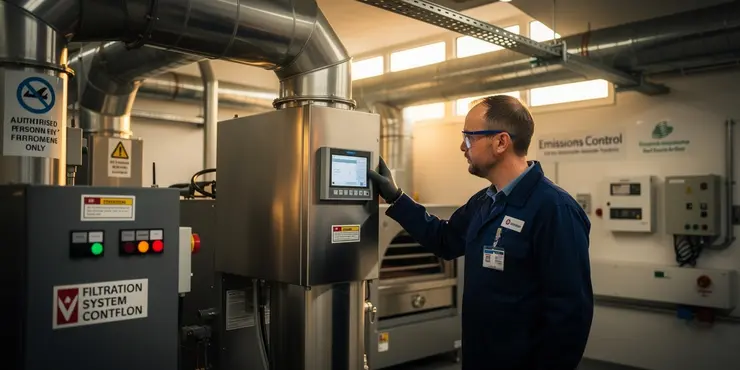
While modern crematoria in the UK are equipped with filtration systems to minimise such emissions, the efficiency and maintenance of these systems play a crucial role in controlling pollution levels. Ongoing improvements aim to reduce these pollutants further.
Resource Consumption
The cremation process does not just consume energy; it also uses materials such as metals and coffin woods, which need to be replaced for each service. This continuous demand places a strain on natural resources and increases the environmental footprint.
Efforts are being made to use more sustainable materials in coffins, such as biodegradable options or recycled materials, to mitigate these impacts. These initiatives help lower the environmental burden associated with traditional cremation practices.
Comparison with Other Funeral Options
In the context of environmental impact, cremation is often compared to burial. Traditional burials involve land use and can contribute to soil and groundwater pollution through the use of embalming chemicals.
However, alternative options like natural or green burials offer reduced environmental impacts, promoting decomposition without chemicals and minimal land disruption. These practices are gaining interest as they provide a more eco-friendly approach.
Regulations and Innovations
The UK government continues to implement stricter regulations on crematoria to limit emissions and encourage more sustainable practices. These include setting standards for energy efficiency and air quality management.
Innovations in the industry, such as resomations or water cremation, present promising alternatives. These methods significantly reduce carbon emissions and energy use, aligning better with environmentally sustainable goals.
Frequently Asked Questions
Cremation releases pollutants into the atmosphere, including carbon dioxide, mercury, and other toxins from the burning process.
Cremation involves burning the body at high temperatures, resulting in the release of carbon dioxide and other greenhouse gases.
Yes, the combustion process can emit pollutants such as soot, carbon monoxide, nitrogen oxides, and metals into the air.
Yes, dental amalgams in teeth can release mercury vapor during cremation, contributing to air and soil pollution.
Emissions from cremation can settle onto land or water bodies, potentially harming ecosystems and contaminating food and water sources.
Crematoria employ technologies like filtration and mercury abatement systems to help reduce pollutants released into the environment.
These technologies may include electrostatic precipitators, active carbon filters, and scrubbers to capture harmful emissions.
Yes, many countries have regulations and guidelines to limit emissions from cremation facilities to protect the environment.
Cremation requires significant energy, usually from non-renewable sources like natural gas, contributing to its carbon footprint.
Yes, alternatives like flameless cremation (alkaline hydrolysis), green burials, and human composting are generally more environmentally friendly.
Also known as water cremation, it uses water, heat, and chemicals to break down the body, producing fewer emissions and using less energy.
While cremation ash is generally inert, scattering large quantities in one area could alter the soil's pH and nutrient balance.
Yes, by releasing carbon dioxide and other greenhouse gases, cremation contributes to anthropogenic climate change.
It is estimated that one cremation can emit approximately 300 kg of carbon dioxide.
Both have environmental impacts: cremation releases emissions, while traditional burial uses land and can involve chemicals like embalming fluids.
Crematoria can use renewable energy sources, improve energy efficiency, and implement pollutant filtration technologies.
Sustainable practices include natural or green burials, which avoid embalming fluids and use biodegradable materials.
Generally, yes. Natural burials have a lower carbon footprint and avoid emissions associated with cremation.
Companies can invest in cleaner technologies, educate consumers, and offer eco-friendly alternatives to traditional cremation.
Individuals can choose eco-friendly options such as requesting mercury removal before cremation or opting for greener alternatives like water cremation.

Ergsy Search Results
This website offers general information and is not a substitute for professional advice.
Always seek guidance from qualified professionals.
If you have any medical concerns or need urgent help, contact a healthcare professional or emergency services immediately.
Some of this content was generated with AI assistance. We've done our best to keep it accurate, helpful, and human-friendly.
- Ergsy carefully checks the information in the videos we provide here.
- Videos shown by Youtube after a video has completed, have NOT been reviewed by ERGSY.
- To view, click the arrow in centre of video.
- Most of the videos you find here will have subtitles and/or closed captions available.
- You may need to turn these on, and choose your preferred language.
- Go to the video you'd like to watch.
- If closed captions (CC) are available, settings will be visible on the bottom right of the video player.
- To turn on Captions, click settings.
- To turn off Captions, click settings again.