

Speak To An Expert
Get clear, personalised advice for your situation.
Jot down a few questions to make the most of your conversation.
More Items From Ergsy search
-

What is a Road Traffic Accident - RTA?
Relevance: 100%
-

What is a Road Traffic Accident (RTA)?
Relevance: 96%
-

Is a bicycle crash on the road an RTA?
Relevance: 78%
-

Can an RTA happen without injury?
Relevance: 73%
-

Is a minor car scrape considered an RTA?
Relevance: 68%
-

Can a road traffic accident involve multiple vehicles?
Relevance: 63%
-

Can pedestrians be victims of an RTA?
Relevance: 61%
-

Can a parked vehicle be involved in an RTA?
Relevance: 59%
-

What injuries are commonly caused by RTAs?
Relevance: 56%
-

Should I report every RTA to the police?
Relevance: 55%

-

How is blame determined in a Road Traffic Accident?
Relevance: 53%
-

What types of vehicles can be involved in an RTA?
Relevance: 53%
-

What role does insurance play after an RTA?
Relevance: 52%
-

Are public liability claims the same as personal injury claims?
Relevance: 51%
-

What information should be collected after an RTA?
Relevance: 48%
-
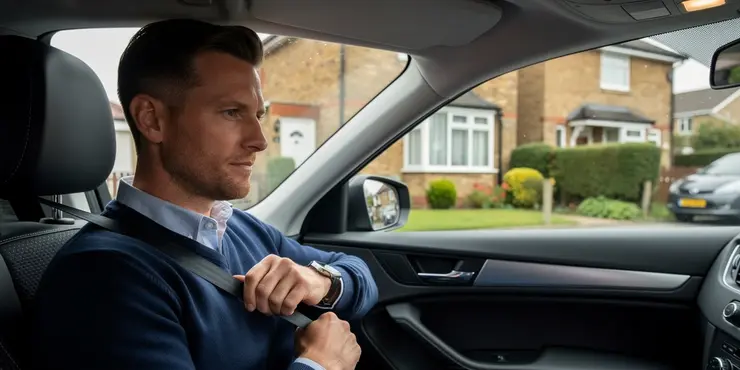
Why is seat belt use important in an RTA?
Relevance: 46%
-

What are the common causes of RTAs?
Relevance: 42%
-

Is whiplash a serious injury?
Relevance: 42%
-

What should I do immediately after an RTA?
Relevance: 39%
-

What is the difference between an accident and a collision?
Relevance: 39%
-

Can I claim for emotional distress as well as physical injury?
Relevance: 38%
-

Is road rage a form of dangerous driving?
Relevance: 38%
-

What if there were no witnesses to the accident?
Relevance: 37%
-

What is whiplash after a car accident?
Relevance: 37%
-
Advice on sports injuries
Relevance: 37%
-

Navigating Personal Injury Claims: What You Need to Know Post-2023
Relevance: 36%
-

What if the accident happened on council or government property?
Relevance: 36%
-

How can RTAs be prevented?
Relevance: 36%
-

Are weather conditions a factor in RTAs?
Relevance: 36%
-

Ask a physio: 3 common sports injuries and what happens next
Relevance: 35%
-

What kinds of accidents are covered by public liability claims?
Relevance: 35%
-

Is it dangerous driving to run a red light?
Relevance: 34%
-

How does speeding contribute to dangerous driving?
Relevance: 34%
-

Can chiropractors help with sports injuries?
Relevance: 34%
-

Do mixed exercises help in preventing injuries?
Relevance: 33%
-

Do I need to see a doctor after a workplace accident?
Relevance: 33%
-

What is repetitive strain injury?
Relevance: 32%
-

What records should I keep after an accident at work?
Relevance: 32%
-

Who should I speak to first after a work accident?
Relevance: 31%
-

What causes whiplash in a car accident?
Relevance: 31%
Common injuries after RTAs
Road traffic accidents (RTAs) can cause a wide range of injuries, from minor bruising to life-changing harm. The type and severity of injury often depend on the speed of impact, the vehicles involved, and whether seatbelts or helmets were used.
Some injuries are immediately obvious, while others may develop or worsen in the hours or days after the crash. For that reason, anyone involved in an RTA should seek medical assessment, even if they feel relatively well at first.
Soft tissue injuries
Soft tissue injuries are among the most common after a collision. These include cuts, grazes, bruises, sprains and strains caused by sudden force or direct contact with parts of the vehicle.
Whiplash is a particularly common neck injury in rear-end shunts. It can cause pain, stiffness, headaches and reduced movement, and symptoms may not appear straight away.
Head and facial injuries
Head injuries can range from mild concussion to more serious brain trauma. A person may hit their head on a steering wheel, window, dashboard or other object during impact.
Facial injuries are also common and may include cuts, swelling, broken noses or dental damage. In more severe cases, fractures to the jaw or eye socket can occur and may need specialist treatment.
Broken bones and fractures
Fractures are another frequent outcome of RTAs, especially in higher-speed collisions. Commonly affected areas include the wrists, arms, ribs, legs and collarbone.
Passengers and drivers may also suffer pelvic or spinal fractures in more serious crashes. These injuries can take a long time to heal and may require surgery, physiotherapy or ongoing support.
Back, neck and spinal injuries
The sudden jolt of an accident can injure the back, neck and spine. This may lead to pain, muscle spasms, nerve damage or restricted movement.
In severe cases, spinal cord damage can cause partial or complete loss of movement and sensation. These injuries can have a major impact on daily life and may require long-term rehabilitation.
Chest and internal injuries
Seatbelts save lives, but they can also contribute to bruising or injury across the chest in a heavy impact. Rib fractures and chest wall pain are common, particularly where the force of the crash is significant.
More serious RTAs can cause internal bleeding or damage to organs such as the liver, spleen or lungs. These injuries are not always visible, which is why prompt emergency care is so important after a serious collision.
Psychological injuries
RTAs can also cause psychological harm, including shock, anxiety and symptoms of post-traumatic stress. Some people develop difficulty sleeping, panic when travelling or a fear of driving after the incident.
These effects are real injuries and should not be ignored. Support from a GP, counsellor or mental health professional can be an important part of recovery.
Frequently Asked Questions
What injuries are commonly caused by RTAs?
Common injuries from road traffic accidents include cuts, bruises, sprains, fractures, whiplash, head injuries, chest injuries, and internal injuries.
Can RTAs cause head injuries?
Yes, RTAs can cause head injuries ranging from concussion and scalp wounds to severe traumatic brain injury.
Are whiplash injuries common in RTAs?
Yes, whiplash is very common in rear-end and sudden-stop collisions, affecting the neck and upper back.
What types of fractures can result from RTAs?
RTAs can cause fractures in the arms, legs, ribs, pelvis, collarbone, and facial bones.
Do RTAs often cause soft tissue injuries?
Yes, soft tissue injuries such as muscle strains, ligament sprains, and deep bruising are very common.
Can RTAs lead to spinal injuries?
Yes, severe collisions can cause spinal cord injuries, herniated discs, and other back injuries.
Are chest injuries common after RTAs?
Yes, chest injuries can occur from impact with a steering wheel, seat belt, airbag, or dashboard.
Can internal injuries happen in RTAs?
Yes, internal bleeding and organ damage can happen even when external injuries seem minor.
Do RTAs frequently cause cuts and lacerations?
Yes, broken glass, metal, and sharp objects inside the vehicle can cause cuts and lacerations.
Can RTAs cause facial injuries?
Yes, facial injuries such as bruising, fractures, dental damage, and eye injuries are common.
Are leg injuries common in RTAs?
Yes, legs may be injured by impact with the dashboard, pedals, or the force of a crash, causing fractures or soft tissue damage.
Can RTAs injure the knees?
Yes, knee injuries such as ligament tears, dislocations, and fractures can occur in vehicle collisions.
Do RTAs sometimes cause shoulder injuries?
Yes, shoulder injuries can happen from seat belts, bracing during impact, or direct trauma.
Can RTAs cause abdominal injuries?
Yes, abdominal trauma may occur and can involve bruising, organ injury, or internal bleeding.
Are hand and wrist injuries common in RTAs?
Yes, people may injure their hands and wrists by gripping the steering wheel or bracing during impact.
Can RTAs cause burns?
Yes, burns can result from fires, hot surfaces, or chemical exposure after a crash.
Do RTAs cause traumatic amputations?
In severe crashes, RTAs can cause traumatic amputations or crush injuries to limbs.
Can RTAs cause eye injuries?
Yes, debris, glass, and impact trauma can lead to eye injuries and vision problems.
Are pelvic injuries possible in RTAs?
Yes, pelvic fractures and pelvic soft tissue injuries can occur in high-impact collisions.
Can minor-looking RTAs still cause serious injuries?
Yes, some serious injuries such as internal bleeding, concussion, or spinal damage may not be obvious right away.

Useful Linksxxx
This website offers general information and is not a substitute for professional advice.
Always seek guidance from qualified professionals.
If you have any medical concerns or need urgent help, contact a healthcare professional or emergency services immediately.
Some of this content was generated with AI assistance. We've done our best to keep it accurate, helpful, and human-friendly.
- Ergsy carefully checks the information in the videos we provide here.
- Videos shown by Youtube after a video has completed, have NOT been reviewed by ERGSY.
- To view, click the arrow in centre of video.
- Most of the videos you find here will have subtitles and/or closed captions available.
- You may need to turn these on, and choose your preferred language.
- Go to the video you'd like to watch.
- If closed captions (CC) are available, settings will be visible on the bottom right of the video player.
- To turn on Captions, click settings.
- To turn off Captions, click settings again.
More Items From Ergsy search
-
What is a Road Traffic Accident - RTA?
Relevance: 100%
-
What is a Road Traffic Accident (RTA)?
Relevance: 96%
-
Is a bicycle crash on the road an RTA?
Relevance: 78%
-
Can an RTA happen without injury?
Relevance: 73%
-
Is a minor car scrape considered an RTA?
Relevance: 68%
-
Can a road traffic accident involve multiple vehicles?
Relevance: 63%
-
Can pedestrians be victims of an RTA?
Relevance: 61%
-
Can a parked vehicle be involved in an RTA?
Relevance: 59%
-
What injuries are commonly caused by RTAs?
Relevance: 56%
-
Should I report every RTA to the police?
Relevance: 55%
-
How is blame determined in a Road Traffic Accident?
Relevance: 53%
-
What types of vehicles can be involved in an RTA?
Relevance: 53%
-
What role does insurance play after an RTA?
Relevance: 52%
-
Are public liability claims the same as personal injury claims?
Relevance: 51%
-
What information should be collected after an RTA?
Relevance: 48%
-
Why is seat belt use important in an RTA?
Relevance: 46%
-
What are the common causes of RTAs?
Relevance: 42%
-
Is whiplash a serious injury?
Relevance: 42%
-
What should I do immediately after an RTA?
Relevance: 39%
-
What is the difference between an accident and a collision?
Relevance: 39%
-
Can I claim for emotional distress as well as physical injury?
Relevance: 38%
-
Is road rage a form of dangerous driving?
Relevance: 38%
-
What if there were no witnesses to the accident?
Relevance: 37%
-
What is whiplash after a car accident?
Relevance: 37%
-
Advice on sports injuries
Relevance: 37%
-
Navigating Personal Injury Claims: What You Need to Know Post-2023
Relevance: 36%
-
What if the accident happened on council or government property?
Relevance: 36%
-
How can RTAs be prevented?
Relevance: 36%
-
Are weather conditions a factor in RTAs?
Relevance: 36%
-
Ask a physio: 3 common sports injuries and what happens next
Relevance: 35%
-
What kinds of accidents are covered by public liability claims?
Relevance: 35%
-
Is it dangerous driving to run a red light?
Relevance: 34%
-
How does speeding contribute to dangerous driving?
Relevance: 34%
-
Can chiropractors help with sports injuries?
Relevance: 34%
-
Do mixed exercises help in preventing injuries?
Relevance: 33%
-
Do I need to see a doctor after a workplace accident?
Relevance: 33%
-
What is repetitive strain injury?
Relevance: 32%
-
What records should I keep after an accident at work?
Relevance: 32%
-
Who should I speak to first after a work accident?
Relevance: 31%
-
What causes whiplash in a car accident?
Relevance: 31%