
Find Help
More Items From Ergsy search
-
How can I tell if homemade baby food is safe?
Relevance: 100%
-
How long can homemade baby food be stored in the fridge?
Relevance: 88%
-
How do I know if my baby food is safe?
Relevance: 84%
-
What storage practices should I follow for baby food?
Relevance: 66%
-
Are glass jars or pouches better for keeping baby food safe?
Relevance: 61%
-
What signs indicate spoiled baby food?
Relevance: 48%
-
Are baby sleep pillows safe?
Relevance: 48%
-
Why are baby sleep pillows not safe for infants?
Relevance: 44%
-
At what age is it safe for a baby to use a pillow?
Relevance: 43%
-
What alternatives to baby sleep pillows are considered safe?
Relevance: 42%
-
Is it okay to use a baby sleep positioner?
Relevance: 38%
-
What should I check on the packaging to ensure baby food safety?
Relevance: 34%
-
Is it safe to eat foods labeled as 'may contain nuts'?
Relevance: 34%
-
Jaundice in babies
Relevance: 32%
-
What are the risks associated with baby sleep pillows?
Relevance: 32%
-
Are there any regulations on the sale of baby sleep pillows?
Relevance: 32%
-
How do food banks get their food?
Relevance: 31%
-
What should I do if my baby has a preference for sleeping with a pillow?
Relevance: 31%
-
Is all fast food considered junk food?
Relevance: 31%
-
Can baby sleep pillows help with reflux issues?
Relevance: 31%
-
What do pediatricians recommend about baby sleep pillows?
Relevance: 31%
-
Postpartum Health: Mother and Baby
Relevance: 31%
-
What types of food are typically available at a food bank?
Relevance: 30%
-
What steps can I take to ensure my baby's safety while sleeping?
Relevance: 30%
-
Are anti-roll pillows safe for newborns?
Relevance: 30%
-
Do crib wedges pose the same risks as baby sleep pillows?
Relevance: 30%
-
Are there any benefits to using baby sleep pillows?
Relevance: 29%
-
How can I support my local food bank?
Relevance: 29%
-
Safe sleeping and reducing the risk of Sudden Infant Death Syndrome (SIDS)
Relevance: 28%
-
Can junk food be part of a balanced diet?
Relevance: 27%
-
What is junk food?
Relevance: 27%
-
Can baby sleep pillows prevent flat head syndrome?
Relevance: 27%
-
What is the difference between a food bank and a food pantry?
Relevance: 26%
-
Is there a cost to receive food from a food bank?
Relevance: 26%
-
My baby has a hearing loss - what next?
Relevance: 26%
-
Are travel pillows for infants safe?
Relevance: 26%
-
How can I access food banks?
Relevance: 26%
-
What is a food bank?
Relevance: 25%
-
How is postnatal depression different from the 'baby blues'?
Relevance: 25%
-
Screening tests for you and your baby | NHS
Relevance: 25%
How to Tell if Homemade Baby Food is Safe
Making homemade baby food can be a rewarding way to ensure your child gets nutritious, fresh meals. However, it's crucial to ensure that the food is safe for your baby to consume. Here are some guidelines to help you determine if your homemade baby food is safe.
Select Fresh and Quality Ingredients
Begin by selecting fresh, high-quality ingredients. Purchase fruits and vegetables that are free of blemishes and bruises from a reputable source. Organic produce, though often more expensive, is a preferable choice for minimizing exposure to pesticides. Ensure that all meats are lean and fresh, and sourced from a trusted supplier. Eggs should be free-range or organic to ensure high-quality nutrients.
Proper Preparation and Cooking
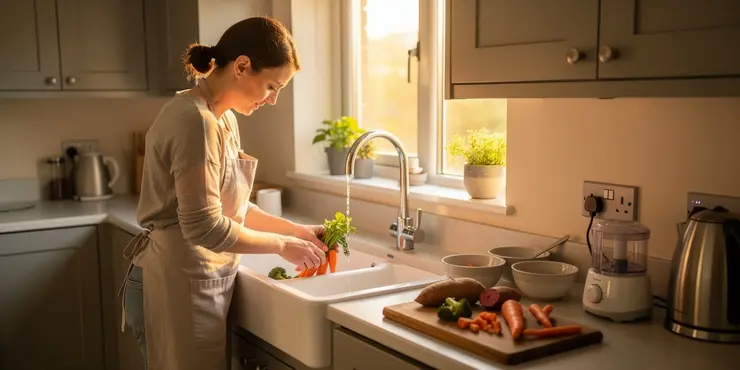
Proper preparation starts with thorough washing. Wash your hands, utensils, cutting surfaces, and all fruits and vegetables to remove dirt and bacteria. Peeling and removing seeds or pits from fruits is often necessary. Cooking food thoroughly is essential, as heat kills harmful bacteria. Steaming, boiling, or baking are preferred methods, and always ensure meats are fully cooked through.
Hygiene and Cross-Contamination
Prevent cross-contamination by using separate cutting boards and utensils for different food groups, especially between raw meats and vegetables. Clean all surfaces with hot, soapy water. Maintain good hygiene practices by washing hands thoroughly before and after handling food and cooking.
Safe Storage Practices
Once the food is prepared, it must be stored properly to remain safe. Allow food to cool completely before refrigerating or freezing, as putting hot food in the fridge can raise the internal temperature and promote bacterial growth. Store food in airtight containers and label them with the date of preparation. Homemade baby food can generally be stored in the refrigerator for up to 48 hours and frozen for up to a month.
Signs of Spoilage
Before feeding your baby, always check the food for signs of spoilage. Look for changes in colour, smell, or texture. If the food has a sour or off smell, it's best to discard it. Also, be cautious of freezer burn, which can affect both nutrition and taste. When in doubt, it's safer to prepare a new batch than risking your baby's health.
Allergen Awareness
Introduce new foods one at a time and watch for any allergic reactions. Common allergens include eggs, dairy, peanuts, and fish. After introducing a new food, wait a few days before trying another to monitor your baby for any signs of allergies, such as rashes, swelling, or digestive issues.
Conclusion
By following these safety guidelines, you can ensure the homemade baby food you prepare is safe for your child. Pay close attention to ingredient quality, hygienic preparation, safe storage, and keep a keen eye for spoilage. This will help provide your baby with nutritious and safe meals.
How to Tell if Homemade Baby Food is Safe
Making baby food at home is fun and helps your baby eat fresh and healthy meals. But you must make sure the food is safe for your baby. Here are some tips to help you.
Select Fresh and Quality Ingredients
Pick fresh and good-quality foods. Buy fruits and veggies that look nice and don't have spots. Try to get organic ones if you can; they have fewer chemicals. Buy fresh meats from a trusted shop. Use eggs that are free-range or organic.
Proper Preparation and Cooking
Always wash your hands and tools well. Clean all fruits and veggies to remove dirt and germs. Remove seeds and peel fruits if needed. Cook food well by steaming, boiling, or baking. Make sure meats are fully cooked.
Hygiene and Cross-Contamination
To prevent germs, use different cutting boards and tools for meats and veggies. Wash surfaces with hot, soapy water. Wash hands before and after handling food.
Safe Storage Practices
After making the food, let it cool fully before putting it in the fridge or freezer. Store it in closed containers and write the date on them. Keep food in the fridge for 2 days or in the freezer for a month.
Signs of Spoilage
Check food before giving it to your baby. If it smells bad or looks different, throw it away. Freezer burn can make food taste bad and lose nutrients. It's better to make new food than take risks.
Allergen Awareness
Introduce new foods one at a time. Wait a few days between new foods to see if your baby has allergies. Look for rashes, swelling, or tummy troubles. Watch out for common allergens like eggs, dairy, peanuts, and fish.
Conclusion
Follow these safety tips to make sure your homemade baby food is safe. Choose good ingredients, keep things clean, store food right, and watch for any spoilage. This helps give your baby healthy and safe meals.
Frequently Asked Questions
How can I ensure the safety of homemade baby food?
Use fresh, high-quality ingredients and follow proper food preparation and storage practices.
What are the signs of spoilage in homemade baby food?
Look for signs such as a strange smell, discoloration, or mold growth.
How long can homemade baby food be stored in the fridge?
Homemade baby food can typically be stored in the refrigerator for up to 48 hours.
Can I freeze homemade baby food?
Yes, freezing is a great way to preserve homemade baby food for longer periods.
What is the best way to thaw frozen homemade baby food?
Thaw it in the refrigerator or under cool running water, not at room temperature.
How can I prevent cross-contamination when preparing baby food?
Use separate cutting boards and utensils for meats and vegetables, and wash your hands thoroughly.
Is it safe to use raw eggs in homemade baby food?
No, it's best to avoid raw eggs due to the risk of salmonella. Use cooked eggs instead.
How should I store homemade baby food?
Store it in airtight containers or baby food jars, and label them with the date of preparation.
What kind of containers are safe for storing homemade baby food?
Use BPA-free plastic containers or glass jars with tight-fitting lids.
Should I taste-test homemade baby food before giving it to my baby?
Yes, taste-testing can help ensure the food has a pleasant flavor and is not spoiled.
Is it safe to use leftover dinner ingredients for homemade baby food?
Ensure leftovers were stored properly and haven’t been sitting out too long before using them.
Can I mix leftover formula or breast milk with homemade baby food?
Yes, but consume it immediately or follow safe storage guidelines for the liquid component.
What precautions should I take when preparing meats for baby food?
Cook meats thoroughly to a safe internal temperature and blend them to a proper consistency.
At what temperature should homemade baby food be kept?
Keep it at or below 40°F (4°C) in the refrigerator and below 0°F (-18°C) in the freezer.
How can I safely heat up homemade baby food?
Heat baby food gently and evenly, ensuring it is not too hot before serving.
Can homemade baby food go bad even if it's been frozen?
Yes, eventually it can lose quality and develop freezer burn. Use within one to three months.
Are there any foods I should avoid when making homemade baby food?
Avoid honey, high nitrate vegetables, and foods that pose choking hazards.
How can I tell if my baby is having an adverse reaction to homemade baby food?
Watch for signs such as vomiting, diarrhea, or a rash after feeding.
Can I add seasoning to homemade baby food?
It's best to keep it simple, avoiding salt and sugar, but mild herbs can be used.
Why is it important to follow a recipe when making homemade baby food?
Recipes help ensure safe ingredient proportions and nutrient balance for your baby.
How can I keep homemade baby food safe?
Use fresh and good food. Follow the right way to make and store the food.
How can you tell if homemade baby food is bad?
Here are some things to look for:
- Look at the color: If it looks different, it might be bad.
- Smell it: If it smells funny, don't use it.
- Check the texture: If it feels slimy or sticky, it's not good.
- Look for bubbles: Tiny bubbles might mean it has gone bad.
If you are not sure, it's safer to throw it away and make fresh food.
Helpful tools: Keep food in a clean container, write the date on it, and store it in the fridge or freezer.
Look for things like a funny smell, different color, or mold growing.
How long can you keep homemade baby food in the fridge?
You can keep homemade baby food in the fridge for 2 to 3 days. After that, it might not be safe to eat.
Here are some tips to help you:
- Put the food in a clean container with a lid.
- Write the date on the container so you know when you made it.
- If you have too much, you can freeze some for later.
Ask an adult to help if you need it. You can also use stickers or labels to make it fun!
You can keep homemade baby food in the fridge for 2 days.
Can I put homemade baby food in the freezer?
Yes, you can freeze homemade baby food to keep it fresh for a long time.
How do I safely unfreeze homemade baby food?
You should defrost food in the fridge or under cool running water. Don't leave it on the counter.
How can I stop germs from mixing when making baby food?
When you make food for a baby, keep germs away. Here is how:
- Wash your hands before touching food.
- Use clean knives, spoons, and bowls.
- Keep raw and cooked food separate.
- Wash fruits and vegetables before cutting.
- Use different cutting boards for meat and veggies.
- Store food in clean containers.
If you need help remembering, use a list or ask someone to remind you.
Use different cutting boards: one for meats and one for vegetables. Wash your hands really well.
Can you use raw eggs in baby food you make at home?
Using raw eggs in baby food can be risky. Raw eggs can have germs that make babies sick.
Instead, use eggs that are cooked. Cooked eggs are safe to eat.
When making baby food, always keep it clean and safe.
If you have questions, talk to a doctor or a health person.
No, don't eat raw eggs. Raw eggs can make you sick because of something called salmonella. It's better to eat cooked eggs.
How can I keep homemade baby food safe?
Put it in containers that close tightly. You can also use baby food jars. Write the date you made it on the label.
What containers can you use for homemade baby food?
When you make baby food at home, you need safe containers to store it. Here are some good ideas:
- Use small glass jars. They keep food fresh and are easy to clean.
- Plastic containers are okay if they say "BPA-free".
- Silicone ice cube trays are great for freezing small amounts of food.
Remember to label the containers with the date. It helps you know how fresh the food is.
Ask an adult for help if you need it.
Use plastic containers that are safe or glass jars with lids that close tightly.
Should I try homemade baby food before giving it to my baby?
Yes, you can try a little bit of the baby food you made at home. This helps you make sure it tastes okay and is safe for your baby. When you try it, you can check if it is too hot or if it is not smooth enough.
If you want, you can use a smooth blender to make the food extra soft. You can also ask an adult you trust to help you.
Yes, trying a little bit of food can help make sure it tastes good and is not bad.
Can I use leftover dinner food to make baby food safely?
Make sure you put leftover food in the fridge and it hasn't been out for too long before you eat it.
Can I add leftover formula or breast milk to baby food I make at home?
You can add leftover formula or breast milk to the baby food you make. It can make the food taste better for your baby.
Here are some tips to help you:
- Check the leftover milk to make sure it is still fresh before using it.
- If you are not sure, ask your doctor or nurse.
- Use a blender or fork to mix the milk into the food until it is smooth.
If you need help, you can:
- Look for videos that show how to do it.
- Ask a family member or friend who knows about baby food.
Yes, you can. Drink it right away or keep it safe by following storage rules.
How can I safely make meat baby food at home?
Here are some simple tips to help you:
- Wash your hands well with soap and water before touching food.
- Use clean knives, forks, and cutting boards.
- Make sure the meat is cooked all the way through. It should be hot and have no pink bits.
- Cut the meat into tiny, soft pieces so your baby can eat it easily.
- Store any leftover baby food in the fridge.
- Use a blender or mash the meat to make it smooth.
If you need help, you can ask a grown-up or use online videos to guide you.
Cook meat all the way through so it is safe to eat. Make sure the meat is smooth and soft enough to eat.
How cold should you keep homemade baby food?
In the fridge, keep food at 40°F (4°C) or colder. In the freezer, keep food below 0°F (-18°C).
How can I safely warm up homemade baby food?
Here are some easy steps to warm up baby food safely:
- Keep it clean: Wash your hands and use clean bowls and spoons.
- Use the right tools: Use a microwave or stovetop to heat the food. Make sure it is safe for babies.
- Stir and check: After warming, stir the food well. Check the temperature with a clean spoon. It should be warm, not hot.
- Test the temperature: Put a small bit on your wrist to check. It should feel comfortable, not too hot or cold.
You can ask an adult to help you warm the food safely.
Warm up baby food slowly and evenly. Make sure it is not too hot before you give it to the baby.
Can frozen homemade baby food spoil?
Yes, homemade baby food can still go bad, even in the freezer.
Here are some tips to help:
- Check how long you keep it in the freezer. Food should not stay in the freezer too long.
- Use airtight containers to keep the food fresh.
- Label it with the date you froze it.
- Always smell and look at the food before giving it to your baby. If it smells or looks bad, don't use it.
These steps can help make sure the baby food is safe to eat.
Yes, over time it can go bad and get freezer burn. Use it within one to three months.
Are there foods I should not use for homemade baby food?
Do not give honey, some vegetables with lots of nitrates, and foods that are easy to choke on.
How do I know if my baby is having a bad reaction to homemade baby food?
Look out for signs like throwing up, runny poop, or a skin rash after eating.
Can I add spices or flavors to baby food I make at home?
It's a good idea to keep food simple. Try not to use salt or sugar. You can add gentle herbs for flavor.
Why should you follow a recipe when making baby food at home?
Following a recipe helps you make safe and tasty baby food.
It shows you how to use the right amount of each ingredient.
Recipes help you know how to cook the food properly.
You can use measuring cups and timers to help you.
Recipes make sure you use the right amount of each ingredient and that meals have the right nutrients for your baby.
Useful Links
- Ergsy carfully checks the information in the videos we provide here.
- Videos shown by Youtube after a video has completed, have NOT been reviewed by ERGSY.
- To view, click the arrow in centre of video.
- Most of the videos you find here will have subtitles and/or closed captions available.
- You may need to turn these on, and choose your preferred language.
- Go to the video you'd like to watch.
- If closed captions (CC) are available, settings will be visible on the bottom right of the video player.
- To turn on Captions, click settings .
- To turn off Captions, click settings again.
More Items From Ergsy search
-
How can I tell if homemade baby food is safe?
Relevance: 100%
-
How long can homemade baby food be stored in the fridge?
Relevance: 88%
-
How do I know if my baby food is safe?
Relevance: 84%
-
What storage practices should I follow for baby food?
Relevance: 66%
-
Are glass jars or pouches better for keeping baby food safe?
Relevance: 61%
-
What signs indicate spoiled baby food?
Relevance: 48%
-
Are baby sleep pillows safe?
Relevance: 48%
-
Why are baby sleep pillows not safe for infants?
Relevance: 44%
-
At what age is it safe for a baby to use a pillow?
Relevance: 43%
-
What alternatives to baby sleep pillows are considered safe?
Relevance: 42%
-
Is it okay to use a baby sleep positioner?
Relevance: 38%
-
What should I check on the packaging to ensure baby food safety?
Relevance: 34%
-
Is it safe to eat foods labeled as 'may contain nuts'?
Relevance: 34%
-
Jaundice in babies
Relevance: 32%
-
What are the risks associated with baby sleep pillows?
Relevance: 32%
-
Are there any regulations on the sale of baby sleep pillows?
Relevance: 32%
-
How do food banks get their food?
Relevance: 31%
-
What should I do if my baby has a preference for sleeping with a pillow?
Relevance: 31%
-
Is all fast food considered junk food?
Relevance: 31%
-
Can baby sleep pillows help with reflux issues?
Relevance: 31%
-
What do pediatricians recommend about baby sleep pillows?
Relevance: 31%
-
Postpartum Health: Mother and Baby
Relevance: 31%
-
What types of food are typically available at a food bank?
Relevance: 30%
-
What steps can I take to ensure my baby's safety while sleeping?
Relevance: 30%
-
Are anti-roll pillows safe for newborns?
Relevance: 30%
-
Do crib wedges pose the same risks as baby sleep pillows?
Relevance: 30%
-
Are there any benefits to using baby sleep pillows?
Relevance: 29%
-
How can I support my local food bank?
Relevance: 29%
-
Safe sleeping and reducing the risk of Sudden Infant Death Syndrome (SIDS)
Relevance: 28%
-
Can junk food be part of a balanced diet?
Relevance: 27%
-
What is junk food?
Relevance: 27%
-
Can baby sleep pillows prevent flat head syndrome?
Relevance: 27%
-
What is the difference between a food bank and a food pantry?
Relevance: 26%
-
Is there a cost to receive food from a food bank?
Relevance: 26%
-
My baby has a hearing loss - what next?
Relevance: 26%
-
Are travel pillows for infants safe?
Relevance: 26%
-
How can I access food banks?
Relevance: 26%
-
What is a food bank?
Relevance: 25%
-
How is postnatal depression different from the 'baby blues'?
Relevance: 25%
-
Screening tests for you and your baby | NHS
Relevance: 25%


