
Speak To An Expert
Get clear, personalised advice for your situation.
Jot down a few questions to make the most of your conversation.
More Items From Ergsy search
-
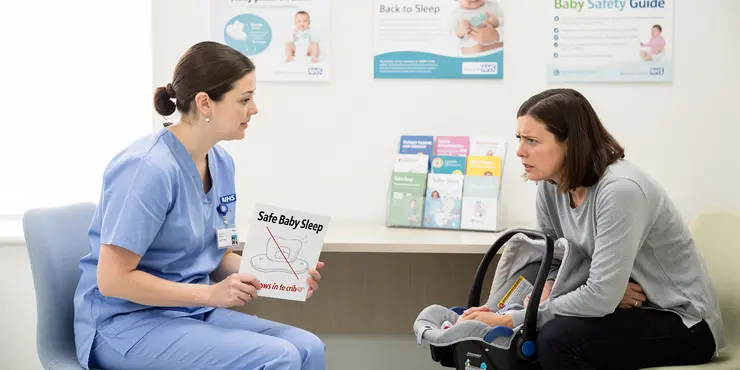
Why are baby sleep pillows not safe for infants?
Relevance: 100%
-
Are baby sleep pillows safe?
Relevance: 95%
-
Are there any regulations on the sale of baby sleep pillows?
Relevance: 93%
-
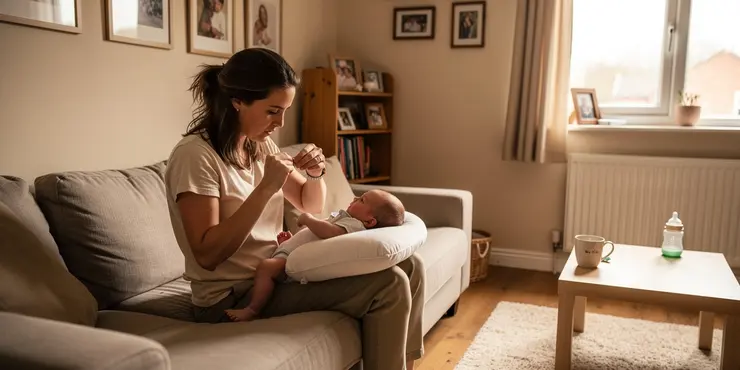
Can baby sleep pillows help with reflux issues?
Relevance: 88%
-
What are the risks associated with baby sleep pillows?
Relevance: 87%
-
Are there any benefits to using baby sleep pillows?
Relevance: 87%
-
What alternatives to baby sleep pillows are considered safe?
Relevance: 86%
-
What do pediatricians recommend about baby sleep pillows?
Relevance: 85%
-
What should I do if my baby has a preference for sleeping with a pillow?
Relevance: 83%
-
Do crib wedges pose the same risks as baby sleep pillows?
Relevance: 78%

-
Can baby sleep pillows prevent flat head syndrome?
Relevance: 76%
-
Is it okay to use a baby sleep positioner?
Relevance: 72%
-
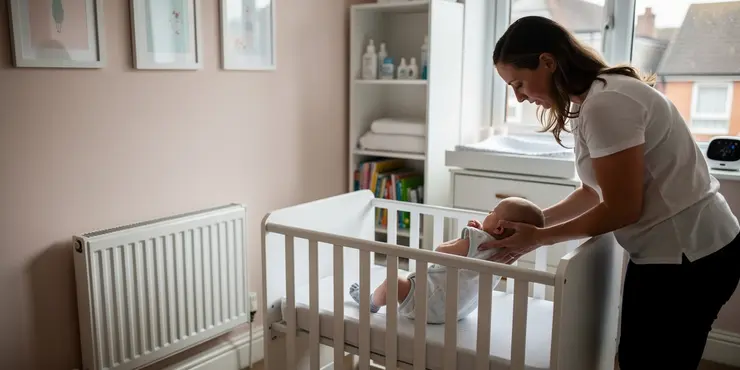
What steps can I take to ensure my baby's safety while sleeping?
Relevance: 72%
-
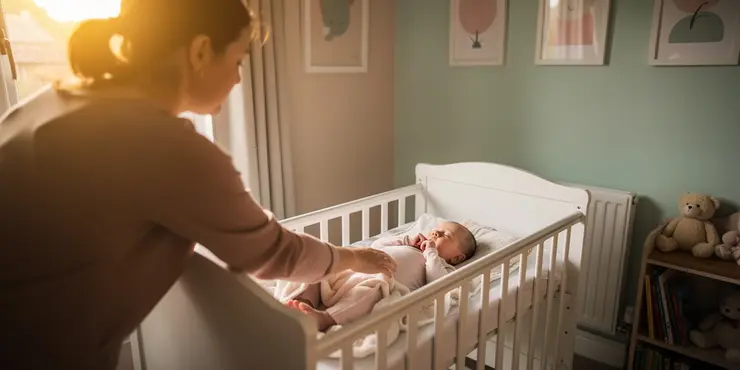
What is the safest sleep environment for an infant?
Relevance: 69%
-
At what age is it safe for a baby to use a pillow?
Relevance: 67%
-
Are anti-roll pillows safe for newborns?
Relevance: 67%
-
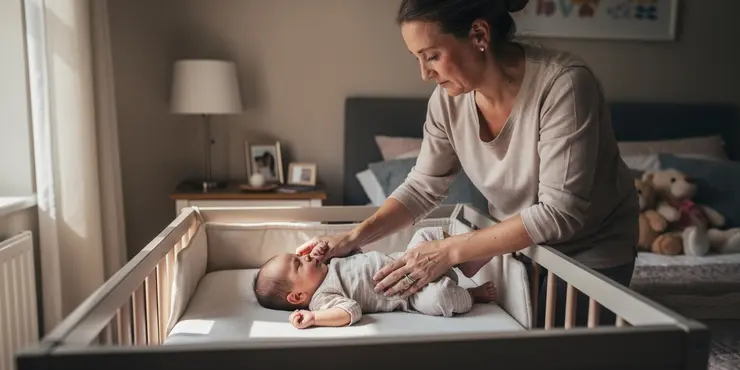
Safe sleeping and reducing the risk of Sudden Infant Death Syndrome (SIDS)
Relevance: 63%
-
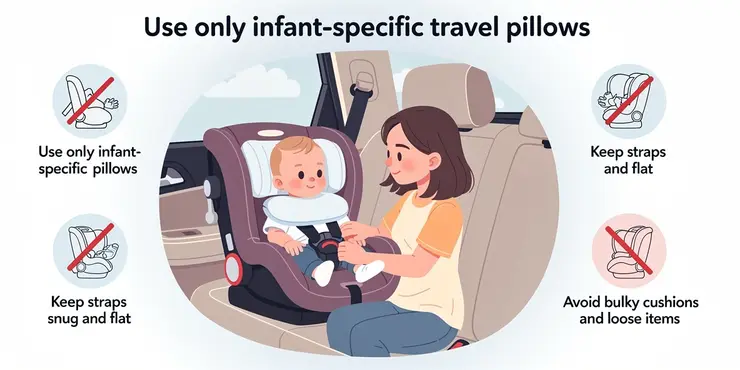
Are travel pillows for infants safe?
Relevance: 61%
-
The Importance of Sleep for All Ages
Relevance: 46%
-
Why is sleep apnea dangerous?
Relevance: 43%
-
What is sleep apnoea?
Relevance: 43%
-
What is sleep apnea?
Relevance: 43%
-
Is CPAP the only treatment for sleep apnea?
Relevance: 43%
-
How can I sleep comfortably during a heatwave?
Relevance: 43%
-
Is snoring always a sign of sleep apnea?
Relevance: 42%
-
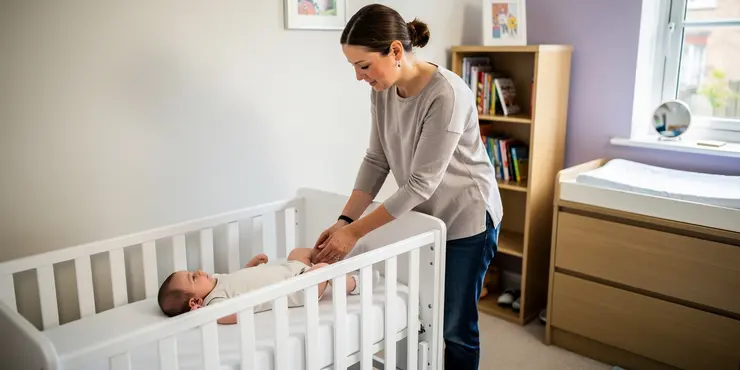
How can I help my baby sleep comfortably without a pillow?
Relevance: 42%
-
Does screen time affect both sleep onset and sleep maintenance?
Relevance: 42%
-
How is sleep apnea diagnosed?
Relevance: 42%
-
How common is sleep apnea?
Relevance: 42%
-
Can sleep apnea be cured?
Relevance: 41%
-
How can sleeping habits be improved during menopause?
Relevance: 41%
-
Does sleep apnea occur only in adults?
Relevance: 41%
-
What are common symptoms of sleep apnea?
Relevance: 40%
-
What are the main types of sleep apnea?
Relevance: 40%
-
Can children have sleep apnea?
Relevance: 40%
-
Can alcohol worsen sleep apnea?
Relevance: 40%
-
What is complex sleep apnea syndrome?
Relevance: 40%
-
What treatments are available for sleep apnea?
Relevance: 40%
-
What is complex sleep apnea syndrome?
Relevance: 40%
-

What lifestyle changes can help manage sleep apnea?
Relevance: 40%
Introduction to Baby Sleep Pillows
When it comes to ensuring the safety and comfort of newborns, parents often explore a variety of products. One such product that draws attention is the baby sleep pillow. These pillows are marketed as tools to help infants sleep more comfortably and to prevent issues such as flat head syndrome. However, there is growing concern about their safety, particularly regarding the risk of sudden infant death syndrome (SIDS).
Understanding Baby Sleep Pillows
Baby sleep pillows are designed to provide additional comfort and support for an infant's head and neck. They come in various forms, including anti-roll pillows, head-shaping pillows, and flat head pillows. The primary goal of these products is to distribute pressure evenly on the infant's head, reducing the chance of developing positional plagiocephaly, or flat head syndrome.
Safety Concerns
Despite the intended benefits, baby sleep pillows pose significant safety risks. Leading health organizations, including the NHS and the Lullaby Trust in the UK, advise against the use of pillows for babies under the age of one. The main concern is that these pillows can increase the risk of suffocation and SIDS. Babies lack the ability to move their heads out of a position that might obstruct breathing, making pillows particularly hazardous.
Official Guidelines
The NHS explicitly recommends that babies sleep on a firm, flat mattress without any soft bedding items such as pillows, duvets, or toys. This position reduces the risk of suffocation and is considered the safest sleep environment for infants. The Department of Health and Social Care in the UK reinforces this advice, emphasizing a parent’s role in creating a safe sleep setting for their child.
Alternatives to Baby Pillows
Parents concerned about flat head syndrome can take alternative measures that do not involve pillows. Encouraging 'tummy time' when the baby is awake and supervised can help strengthen their neck muscles and promote better head movement. Additionally, regularly changing the direction the baby faces in their crib and encouraging them to look in different directions can help prevent positional plagiocephaly.
Conclusion
While baby sleep pillows might appear to offer benefits, the potential risks associated with their use far outweigh any positives. It is crucial for parents to adhere to safe sleep guidelines and consult healthcare professionals if they have concerns about their child's sleep habits or physical development. Ensuring a safe sleep environment by following recommended practices is the best approach to safeguarding an infant's health and well-being.
Introduction to Baby Sleep Pillows
Parents want their babies to be safe and comfortable. Many products are made for babies, like baby sleep pillows. These pillows claim to help babies sleep better and prevent flat head syndrome. But there are worries about their safety, especially the risk of sudden infant death syndrome (SIDS).
Understanding Baby Sleep Pillows
Baby sleep pillows are made to support a baby's head and neck. There are different types, like anti-roll pillows and head-shaping pillows. They aim to spread pressure evenly on a baby’s head, which may help prevent a flat head.
Safety Concerns
Despite the benefits claimed, baby sleep pillows can be dangerous. Health experts, like NHS and the Lullaby Trust in the UK, say not to use pillows for babies under one year old. The big worry is the risk of suffocation and SIDS. Babies cannot move their heads if they can't breathe, so pillows can be very risky.
Official Guidelines
The NHS says babies should sleep on a firm, flat mattress. There should be no pillows, duvets, or toys. This helps lower the risk of suffocation. It is thought to be the safest way for babies to sleep. UK health experts advise parents to make sure the sleep area is safe.
Alternatives to Baby Pillows
Worried about a flat head? There are safer ways than using pillows. Give the baby 'tummy time' when they are awake and you are watching. This helps their neck muscles grow strong. Turn their head in different directions when they sleep to avoid a flat head.
Conclusion
While baby sleep pillows might seem helpful, their risks are greater than any good they do. Parents should follow sleep safety rules and talk to doctors if they are worried about their baby's sleep or growth. Making a safe place for a baby to sleep is the best way to keep them healthy and safe.
Frequently Asked Questions
Are baby sleep pillows safe?
Baby sleep pillows are generally not recommended for infants due to safety concerns such as suffocation and SIDS.
What are the risks associated with baby sleep pillows?
The primary risks include suffocation, Sudden Infant Death Syndrome (SIDS), and accidental injury.
At what age is it safe for a baby to use a pillow?
It is generally safe for a child to use a pillow after they are over two years old and sleeping in a toddler bed.
Why are baby sleep pillows not safe for infants?
Infants have limited mobility and may not be able to move their heads if they end up face-down on a pillow, increasing the risk of suffocation.
Are there any benefits to using baby sleep pillows?
While some claim to prevent flat head syndrome, the risks often outweigh the benefits. Supervised tummy time is a safer alternative.
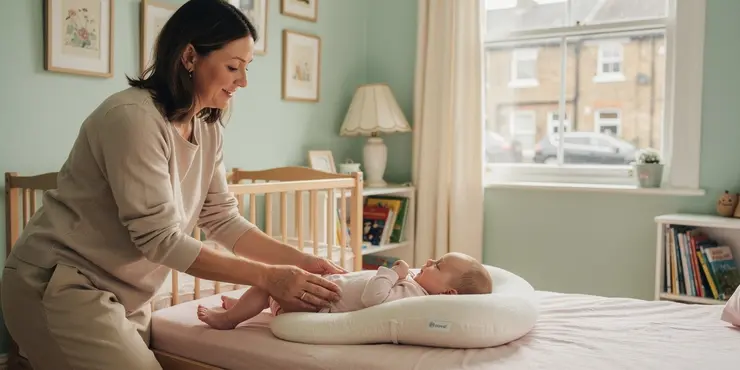
Can baby sleep pillows prevent flat head syndrome?
There is no substantial evidence that baby sleep pillows effectively prevent flat head syndrome without posing other risks.
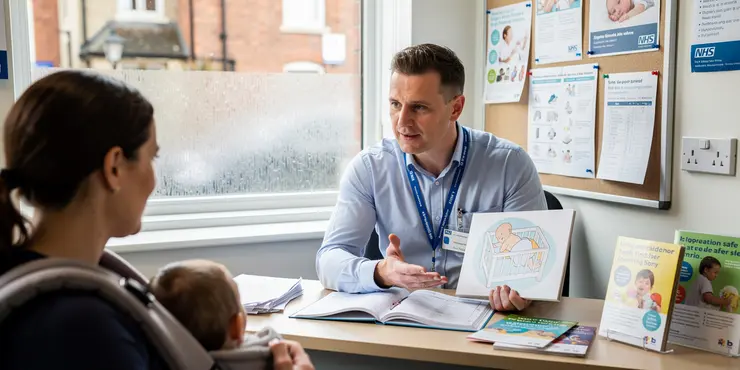
What do pediatricians recommend about baby sleep pillows?
Pediatricians generally recommend against using baby sleep pillows and advise keeping the crib free of soft bedding items.
What alternatives to baby sleep pillows are considered safe?
Alternatives include providing supervised tummy time during the day and using a firm, flat mattress in a bare crib.
What is the safest sleep environment for an infant?
The safest sleep environment is a crib with a firm mattress, fitted sheet, and no pillows, blankets, or toys.
How can I help my baby sleep comfortably without a pillow?
Ensure the crib has a firm mattress and maintain a comfortable room temperature. Dressing your baby in appropriate sleepwear can also help.
Are anti-roll pillows safe for newborns?
No, anti-roll pillows are not considered safe for newborns due to the risk of suffocation and SIDS.
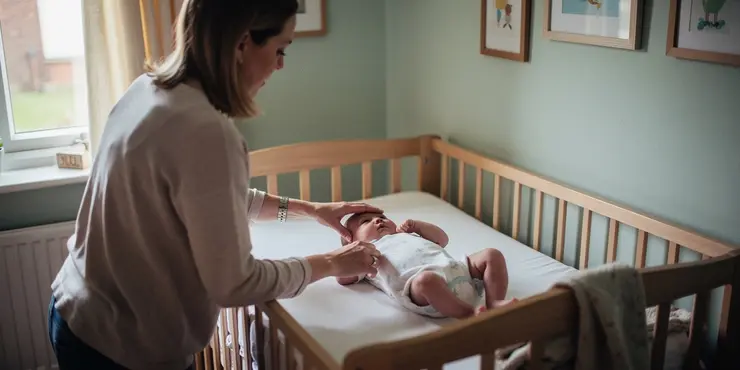
Is it okay to use a baby sleep positioner?
No, sleep positioners are not recommended as they can also increase the risk of suffocation and are not deemed safe by health authorities.
What should I do if my baby has a preference for sleeping with a pillow?
Encourage safe sleep practices by keeping the crib free of pillows and ensuring your baby sleeps on their back on a firm surface.
What is the recommendation of the American Academy of Pediatrics regarding baby pillows?
The AAP recommends against using pillows, sleep positioners, and soft bedding in cribs to reduce the risk of SIDS.
Are travel pillows for infants safe?
Travel pillows designed for infants can pose the same risks as regular pillows and should be avoided in sleeping environments.
What steps can I take to ensure my baby's safety while sleeping?
Ensure they sleep on their back, in a crib with no loose bedding, and follow safe sleep guidelines recommended by pediatricians.
Are there any regulations on the sale of baby sleep pillows?
Certain countries and organizations have guidelines and may restrict the sale of products marketed as safe sleep solutions that are unsafe.
Can baby sleep pillows help with reflux issues?
There is no evidence that sleep pillows help with reflux, and safe sleep guidelines should be followed instead.
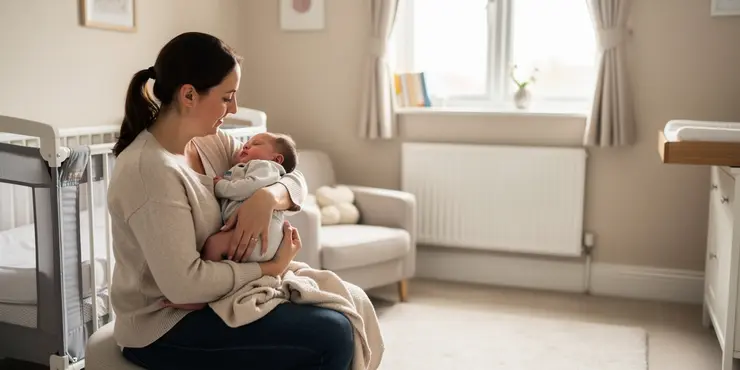
Do crib wedges pose the same risks as baby sleep pillows?
Yes, crib wedges can pose similar risks and are not recommended due to the potential for suffocation and SIDS.
What should I do if I have been using a baby pillow and learned it might be unsafe?
Stop using it immediately, adjust your baby's sleeping environment to make it safer, and consult a pediatrician for further guidance.
Is it safe for babies to use sleep pillows?
It's not safe to use pillows for babies. Pillows can cause problems like suffocation, which means a baby might not be able to breathe. It can also be linked to SIDS, which is sudden death while sleeping. It's better to let babies sleep without pillows. For help, parents can talk to their doctor or look for safe sleep guidelines.
What are the dangers of baby sleep pillows?
Sometimes, baby sleep pillows can be dangerous.
Here are some things to remember:
- Babies could suffocate if their face gets covered.
- Babies might not be able to breathe if their head is in a bad position.
- Pillows can make it too hot for babies.
It is important to keep the crib safe for your baby.
Try these safety tips:
- Use a clear, flat crib without pillows.
- Always put your baby to sleep on their back.
- Check the crib before putting the baby to sleep.
If you are unsure, ask a doctor for advice.
The main dangers are not being able to breathe, babies who die suddenly in their sleep (SIDS), and getting hurt by accident.
Tools that can help:
- Use a baby monitor to check on the baby while they sleep.
- Put the baby to sleep on their back.
- Have a safe sleep space without pillows or toys.
When can a baby use a pillow safely?
A child can use a pillow when they are more than two years old and sleeping in a big kid bed.
Why are pillows not safe for babies to sleep with?
Babies cannot move much. If a baby's face is down on a pillow, they might not be able to turn their head. This can make it hard for them to breathe.
Are baby sleep pillows good for babies?
Some people say certain things can stop flat head syndrome, but they can sometimes be more dangerous than helpful. It is better to practice tummy time while watching your baby.
Do baby sleep pillows stop flat head?
There is no strong proof that baby sleep pillows stop flat head problems. They might also be risky.
What do doctors say about pillows for babies to sleep on?
1. Babies should not use pillows when they sleep.
2. Using a pillow can be dangerous for babies.
3. It is safer for babies to sleep on a firm, flat mattress without anything in the bed.
4. Talk to a doctor if you have questions about how your baby sleeps.
Doctors for kids say not to use pillows for babies. They also say to keep the bed clear of soft things like blankets.
What other things can help a baby sleep safely?
You can try other things like giving your baby supervised tummy time during the day. Also, use a firm, flat mattress in a crib with no toys or blankets.
How can you make a baby sleep safely?
The safest place for a baby to sleep is in a crib. The mattress should be firm. Use a sheet that fits snugly. Do not put pillows, blankets, or toys in the crib.
How can I help my baby sleep safely without a pillow?
Here are some simple tips to help your baby sleep:
- Lay your baby on their back to sleep.
- Use a firm mattress in the baby's bed.
- Do not put toys, blankets, or pillows in the bed.
- Keep the room not too hot or too cold.
- You can use a sleep sack to keep the baby cozy.
If you need help, talk to a doctor or nurse. They can give you good advice.
Make sure the baby bed has a strong, firm mattress. Keep the room not too hot and not too cold. Put your baby in comfy pajamas when they sleep.
Are anti-roll pillows safe for new babies?
Anti-roll pillows are a type of pillow made to stop babies from rolling over. It's important to know if these pillows are safe for new babies.
Remember, it is always best to ask your doctor before using new things for your baby. Doctors can help you make safe choices.
To help understand more about baby safety, you can:
- Read simple baby care books.
- Watch videos made for parents.
- Talk to other parents or join a parent group.
No, anti-roll pillows are not safe for babies. Babies can stop breathing if their face gets stuck in the pillow. This is called suffocation. Using these pillows can also increase the risk of Sudden Infant Death Syndrome (SIDS), which is when a baby dies unexpectedly.
Can I use a baby sleep positioner?
No, it's not safe to use sleep positioners. They can make it hard to breathe and are not considered safe by health experts.
What if my baby likes to sleep with a pillow?
If your baby likes to sleep with a pillow, here's what you can do:
- Babies under 1 year old should not use a pillow. It can be unsafe.
- Keep your baby's bed clear and safe.
- Use a firm mattress without toys and blankets.
- If you have questions, ask a doctor or nurse.
Try these to help your baby sleep:
- Read a bedtime story.
- Play calm music.
- Follow the same sleep routine every night.
Make sure your baby sleeps safely. Keep the crib empty of pillows. Always lay your baby on their back on a firm bed.
What do doctors say about pillows for babies?
The AAP says don't use pillows, sleep positioners, or soft bedding in baby beds. This helps keep babies safe from SIDS.
Are travel pillows safe for babies?
Pillows for babies can be risky, just like regular pillows. It is better to not use them when babies sleep.
Here are some tips:
- Make sure the baby's bed is flat and firm.
- Keep the baby's bed free of toys and soft things.
- If you need help, talk to a doctor or someone who knows about baby safety.
How can I keep my baby safe while they sleep?
Here are some tips to help keep your baby safe when they are sleeping:
- Put your baby on their back to sleep. This helps them breathe easily.
- Use a firm, flat mattress in the crib. This keeps your baby comfortable and safe.
- Keep pillows, blankets, and toys out of the crib. These can make it hard to breathe.
- Make sure the room isn't too hot or too cold. A comfortable room helps your baby sleep well.
- Share a room with your baby, but not the same bed. This way you can watch over them.
- Dress your baby in lightweight sleepwear. This keeps them from getting too hot.
You can ask your doctor for more advice on how to keep your baby safe while they sleep. You can also use baby monitors to hear your baby while they sleep in another room.
Make sure they sleep on their back, in a crib with no loose blankets or sheets. Follow safe sleep advice from doctors for babies.
Are there rules for selling baby sleep pillows?
Yes, there are rules to keep babies safe. If you buy a baby sleep pillow, make sure it has a safety label. Ask a person in the store if you're not sure. You can also ask an adult to help you find safe products.
Some countries and groups have rules. They might stop you from selling things that say they help babies sleep safely if they are not really safe.
Can baby sleep pillows help if a baby has reflux problems?
There is no proof that special pillows help with tummy problems when you sleep. It is better to follow safe sleep rules.
Are crib wedges risky like baby sleep pillows?
Crib wedges and baby sleep pillows can be risky for babies. Tips to help: - Always place the baby on their back to sleep. - Keep the crib clear of pillows or wedges. - Use a firm mattress with a tight-fitting sheet. If you are unsure, ask a doctor for advice.Crib wedges can be dangerous. They can make it hard for a baby to breathe and can cause something called SIDS. It's better not to use them.
What should I do if I used a baby pillow and found out it might not be safe?
1. Stop using the baby pillow right away.
2. Talk to a doctor or nurse. They can tell you what to do next.
3. Find safe sleep tips online or from a baby book. This can help you to keep your baby safe.
4. Ask people you trust for help and advice.
Try tools like audiobooks or apps that read text out loud to help you understand more.
Stop using it right now. Change where your baby sleeps to make it safer. Talk to a children's doctor for more help.

Useful Links
This website offers general information and is not a substitute for professional advice.
Always seek guidance from qualified professionals.
If you have any medical concerns or need urgent help, contact a healthcare professional or emergency services immediately.
Some of this content was generated with AI assistance. We've done our best to keep it accurate, helpful, and human-friendly.
- Ergsy carefully checks the information in the videos we provide here.
- Videos shown by Youtube after a video has completed, have NOT been reviewed by ERGSY.
- To view, click the arrow in centre of video.
- Most of the videos you find here will have subtitles and/or closed captions available.
- You may need to turn these on, and choose your preferred language.
- Go to the video you'd like to watch.
- If closed captions (CC) are available, settings will be visible on the bottom right of the video player.
- To turn on Captions, click settings.
- To turn off Captions, click settings again.
More Items From Ergsy search
-
Why are baby sleep pillows not safe for infants?
Relevance: 100%
-
Are baby sleep pillows safe?
Relevance: 95%
-
Are there any regulations on the sale of baby sleep pillows?
Relevance: 93%
-
Can baby sleep pillows help with reflux issues?
Relevance: 88%
-
What are the risks associated with baby sleep pillows?
Relevance: 87%
-
Are there any benefits to using baby sleep pillows?
Relevance: 87%
-
What alternatives to baby sleep pillows are considered safe?
Relevance: 86%
-
What do pediatricians recommend about baby sleep pillows?
Relevance: 85%
-
What should I do if my baby has a preference for sleeping with a pillow?
Relevance: 83%
-
Do crib wedges pose the same risks as baby sleep pillows?
Relevance: 78%
-
Can baby sleep pillows prevent flat head syndrome?
Relevance: 76%
-
Is it okay to use a baby sleep positioner?
Relevance: 72%
-
What steps can I take to ensure my baby's safety while sleeping?
Relevance: 72%
-
What is the safest sleep environment for an infant?
Relevance: 69%
-
At what age is it safe for a baby to use a pillow?
Relevance: 67%
-
Are anti-roll pillows safe for newborns?
Relevance: 67%
-
Safe sleeping and reducing the risk of Sudden Infant Death Syndrome (SIDS)
Relevance: 63%
-
Are travel pillows for infants safe?
Relevance: 61%
-
The Importance of Sleep for All Ages
Relevance: 46%
-
Why is sleep apnea dangerous?
Relevance: 43%
-
What is sleep apnoea?
Relevance: 43%
-
What is sleep apnea?
Relevance: 43%
-
Is CPAP the only treatment for sleep apnea?
Relevance: 43%
-
How can I sleep comfortably during a heatwave?
Relevance: 43%
-
Is snoring always a sign of sleep apnea?
Relevance: 42%
-
How can I help my baby sleep comfortably without a pillow?
Relevance: 42%
-
Does screen time affect both sleep onset and sleep maintenance?
Relevance: 42%
-
How is sleep apnea diagnosed?
Relevance: 42%
-
How common is sleep apnea?
Relevance: 42%
-
Can sleep apnea be cured?
Relevance: 41%
-
How can sleeping habits be improved during menopause?
Relevance: 41%
-
Does sleep apnea occur only in adults?
Relevance: 41%
-
What are common symptoms of sleep apnea?
Relevance: 40%
-
What are the main types of sleep apnea?
Relevance: 40%
-
Can children have sleep apnea?
Relevance: 40%
-
Can alcohol worsen sleep apnea?
Relevance: 40%
-
What is complex sleep apnea syndrome?
Relevance: 40%
-
What treatments are available for sleep apnea?
Relevance: 40%
-
What is complex sleep apnea syndrome?
Relevance: 40%
-
What lifestyle changes can help manage sleep apnea?
Relevance: 40%