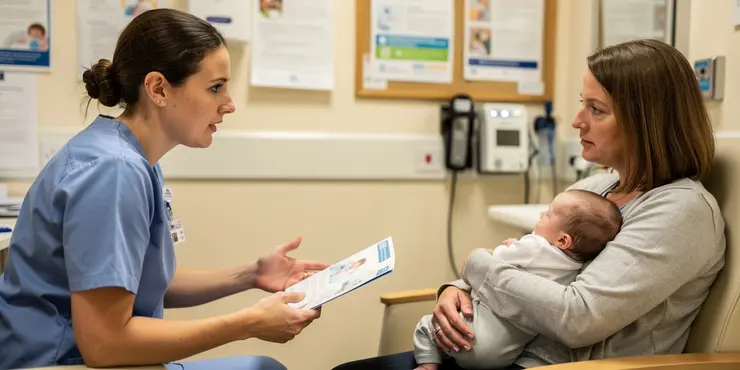

Speak To An Expert
Get clear, personalised advice for your situation.
Jot down a few questions to make the most of your conversation.
More Items From Ergsy search
-
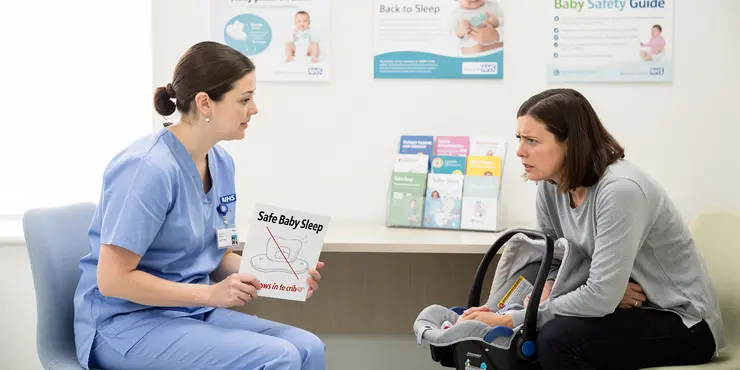
Why are baby sleep pillows not safe for infants?
Relevance: 100%
-
Are baby sleep pillows safe?
Relevance: 96%
-
Are there any regulations on the sale of baby sleep pillows?
Relevance: 94%
-
Are there any benefits to using baby sleep pillows?
Relevance: 88%
-
What are the risks associated with baby sleep pillows?
Relevance: 88%
-
Can baby sleep pillows help with reflux issues?
Relevance: 86%
-
What alternatives to baby sleep pillows are considered safe?
Relevance: 84%
-
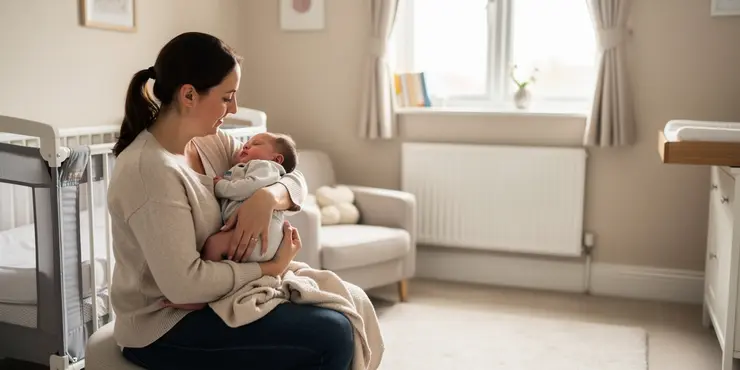
Do crib wedges pose the same risks as baby sleep pillows?
Relevance: 83%
-
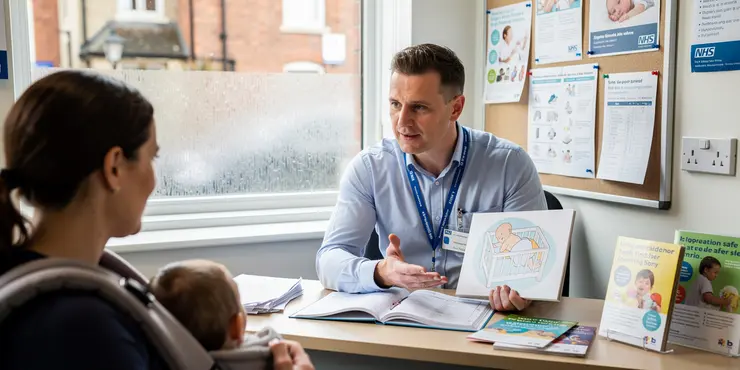
What do pediatricians recommend about baby sleep pillows?
Relevance: 83%
-
What should I do if my baby has a preference for sleeping with a pillow?
Relevance: 82%

-
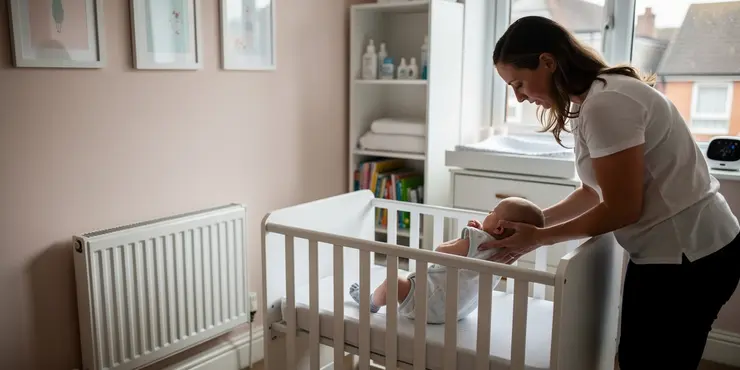
What steps can I take to ensure my baby's safety while sleeping?
Relevance: 77%
-
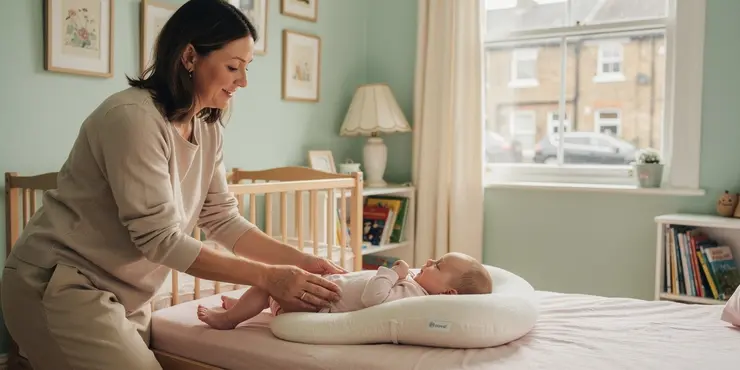
Can baby sleep pillows prevent flat head syndrome?
Relevance: 75%
-
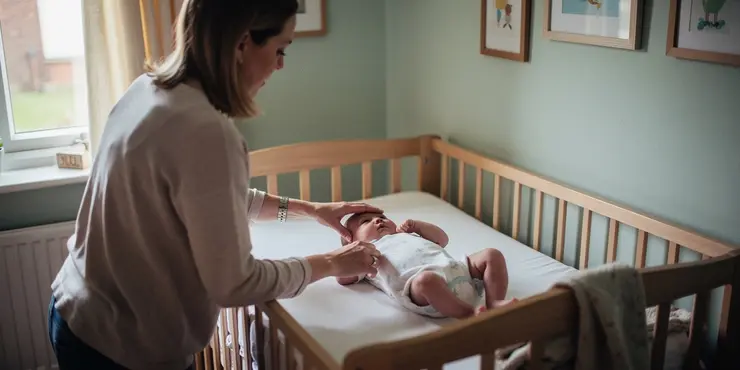
Is it okay to use a baby sleep positioner?
Relevance: 74%
-
Are anti-roll pillows safe for newborns?
Relevance: 70%
-
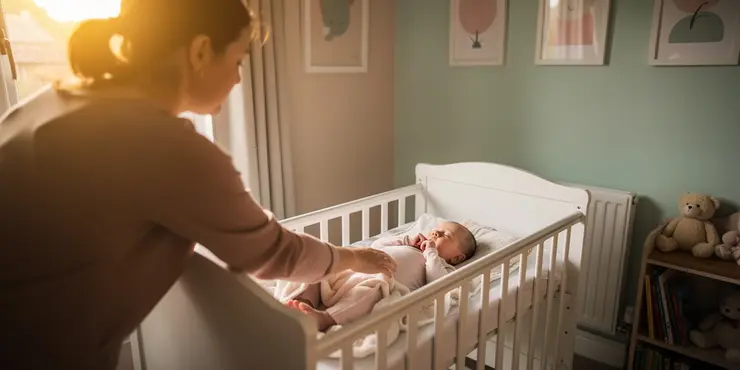
What is the safest sleep environment for an infant?
Relevance: 69%
-
At what age is it safe for a baby to use a pillow?
Relevance: 68%
-
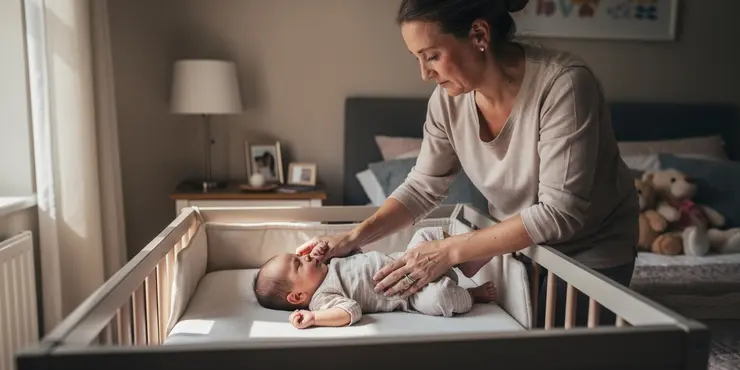
Safe sleeping and reducing the risk of Sudden Infant Death Syndrome (SIDS)
Relevance: 64%
-
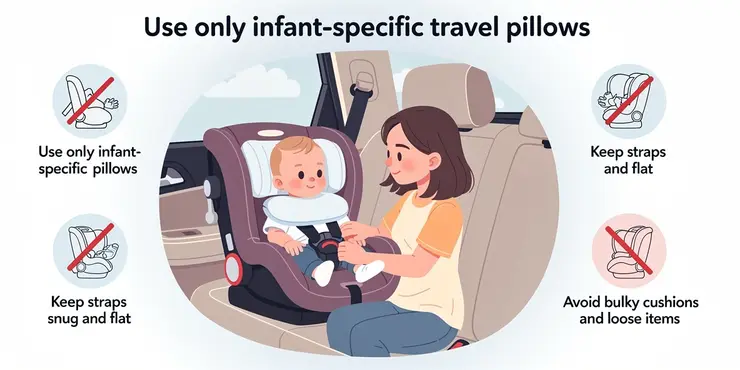
Are travel pillows for infants safe?
Relevance: 62%
-
Why is sleep apnea dangerous?
Relevance: 45%
-
The Importance of Sleep for All Ages
Relevance: 44%
-

What are risk factors for developing sleep apnea?
Relevance: 43%
-
What is sleep apnea?
Relevance: 42%
-

What is sleep apnoea?
Relevance: 42%
-
How common is sleep apnea?
Relevance: 41%
-
Is CPAP the only treatment for sleep apnea?
Relevance: 41%
-
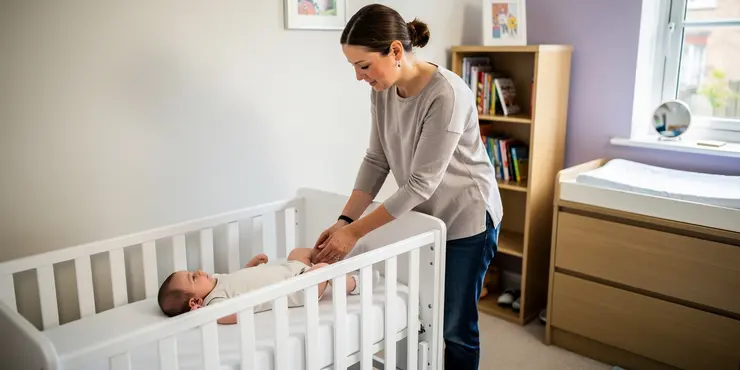
How can I help my baby sleep comfortably without a pillow?
Relevance: 41%
-
Is snoring always a sign of sleep apnea?
Relevance: 41%
-
Does sleep apnea occur only in adults?
Relevance: 40%
-

How can sleeping habits be improved during menopause?
Relevance: 40%
-

What are the main types of sleep apnea?
Relevance: 40%
-
How can I sleep comfortably during a heatwave?
Relevance: 40%
-
Can sleep apnea be cured?
Relevance: 40%
-
How is sleep apnea diagnosed?
Relevance: 40%
-
Does screen time affect both sleep onset and sleep maintenance?
Relevance: 39%
-
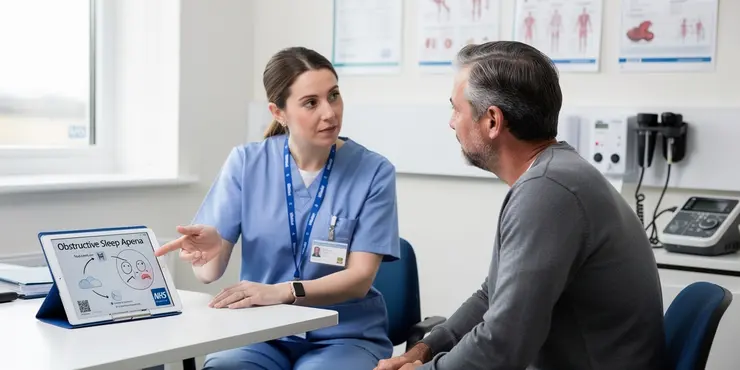
What causes obstructive sleep apnea?
Relevance: 39%
-
What is complex sleep apnea syndrome?
Relevance: 39%
-
What are common symptoms of sleep apnea?
Relevance: 39%
-
Can children have sleep apnea?
Relevance: 39%
-
What is complex sleep apnea syndrome?
Relevance: 39%
-
Can alcohol worsen sleep apnea?
Relevance: 38%
Understanding Baby Sleep Pillows
Baby sleep pillows are often marketed as tools to support infant sleep and enhance comfort, but it is crucial to understand the potential risks they pose. While they may appear benign, these products can pose significant dangers for babies, particularly regarding safe sleep practices and the risk of sudden infant death syndrome (SIDS).
Risk of Suffocation
One of the most significant risks associated with baby sleep pillows is the potential for suffocation. Infants lack the motor skills and strength to move their heads if they roll into a pillow, potentially obstructing their airway. Pillows can create an indentation or hollow space that traps the baby's head, increasing the risk of asphyxiation.
Increased SIDS Risk
The UK guidelines for safe sleep stress placing infants on their backs on a flat, firm surface free of soft bedding or pillows. Introducing a pillow into the crib can increase the risk of sudden infant death syndrome (SIDS), as it creates a more hazardous sleep environment. The presence of a pillow can elevate an infant’s head unnaturally, obstructing breathing or leading to overheating.
Poor Sleep Positioning
In addition to direct physical dangers, sleep pillows can also lead to poor sleep positioning. Health experts emphasize the importance of keeping the crib free of extra items, including pillows, as they may cause a baby to roll onto their side or stomach, positions associated with a higher risk of SIDS. Ensuring a baby remains on their back during sleep is one of the most effective measures parents can take to prevent SIDS.
Potential For Allergic Reactions
Another overlooked risk involves the materials used in many baby sleep pillows. Some products may include allergens or harsh chemicals that can irritate sensitive skin or cause respiratory issues. Babies have delicate skin and developing immune systems, making them more susceptible to allergens or irritants found in these products.
Conclusion: Adhering to Safe Sleep Guidelines
To mitigate these risks, UK health authorities and organizations such as the NHS advise parents to follow safe sleep guidelines, which include refraining from using pillows and ensuring a flat, clutter-free sleep environment. Instead of relying on sleep pillows, parents should place babies on their backs in a crib or bassinet that adheres to safety standards. Raising awareness about the dangers of using baby sleep pillows can help protect infants and ensure safer sleep practices across the UK.
Understanding Baby Sleep Pillows
Baby sleep pillows are sold to help babies sleep better. But these pillows can be dangerous. They can make sleeping unsafe and might cause sudden infant death syndrome (SIDS).
Risk of Suffocation
Baby sleep pillows can cause suffocation. Babies can't move their heads well if they roll onto the pillow. This can block their breathing. Pillows can trap a baby's head in a way that makes it hard for them to breathe.
Increased SIDS Risk
In the UK, safe sleep advice says to put babies on their backs on a flat, firm surface without soft bedding or pillows. Putting a pillow in the crib can raise the risk of SIDS. It can make it hard for babies to breathe or cause their heads to get too hot.
Poor Sleep Positioning
Pillows can cause babies to sleep in bad positions. Experts say to keep the crib clear of extra things like pillows. Babies might roll onto their sides or stomachs, which is not safe. Make sure babies sleep on their backs to help prevent SIDS.
Potential For Allergic Reactions
Some baby pillows are made with materials that can cause allergies. These materials might bother sensitive skin or make it hard to breathe. Babies have sensitive skin and their bodies are still growing, so they can react to things like dust or chemicals.
Conclusion: Adhering to Safe Sleep Guidelines
To keep babies safe, follow UK health advice. Do not use pillows in the crib. Make sure the sleep space is flat and clear of things. Instead of using sleep pillows, put babies on their backs in a crib or bassinet that meets safety rules. Sharing information about the dangers of baby sleep pillows can help keep babies safe and healthy.
Frequently Asked Questions
What is a baby sleep pillow?
A baby sleep pillow is a cushion designed to support a baby's head during sleep. Some are marketed to prevent flat head syndrome or to aid in aligning the baby's posture.
Are baby sleep pillows recommended by pediatricians?
No, most pediatricians do not recommend the use of baby sleep pillows due to the potential risk of suffocation and Sudden Infant Death Syndrome (SIDS).
What are the primary risks associated with baby sleep pillows?
The primary risks include suffocation, overheating, and increasing the likelihood of SIDS. Babies can roll or move onto the pillow and obstruct their breathing.
Can baby sleep pillows help prevent flat head syndrome?
While some products claim to help prevent or correct flat head syndrome, the American Academy of Pediatrics advises against using sleep positioners, including pillows, for this purpose.
What is Sudden Infant Death Syndrome (SIDS)?
SIDS is the unexplained death of a seemingly healthy baby, usually during sleep, often referred to as crib death because the infants often die in their cribs.
What are safe sleep practices for babies?
The safest sleep practice for babies is to place them on their back on a firm, flat surface like a crib mattress without pillows, blankets, toys, or bumpers.
What age is it safe to introduce a pillow to a child's sleep routine?
Pillows should not be introduced until a child is at least 18 months to 2 years old and has transitioned from a crib to a toddler bed.
Why do some parents consider using baby sleep pillows?
Some parents consider using them due to concerns about flat head syndrome or misinformation about comfort and support benefits.
What is positional asphyxia?
Positional asphyxia occurs when someone's position prevents them from breathing properly. In infants, inappropriate sleep environments, like pillows, can contribute to this risk.
How can parents prevent flat head syndrome without using baby sleep pillows?
Parents can prevent flat head syndrome by giving their baby plenty of supervised tummy time, changing the direction the baby faces in the crib, and not keeping the baby in car seats, carriers, and bouncers for prolonged periods.
Are there any types of sleep products recommended for babies?
Recommended products include a firm mattress with a fitted sheet and sleep sacks instead of blankets, as they reduce the risk of SIDS.
What should be avoided in a baby's sleep environment?
Avoid placing pillows, quilts, comforters, stuffed toys, and bumper pads in the baby's sleep area to decrease the risk of suffocation.
Are there regulations against the sale of baby sleep pillows?
Regulations vary by region, but some countries and organizations warn against using them and may restrict marketing claims associated with these products.
How can I ensure my baby's head shape develops normally?
Ensure your baby gets plenty of tummy time when awake, hold them upright and vary head positions during sleep without using pillows.
What should parents do if they have concerns about their baby's head shape?
Parents should consult their pediatrician for an evaluation and personalized recommendations if they are concerned about their baby's head shape.
Is it normal for a baby's head to be slightly misshaped after birth?
Yes, it is normal due to the birth process. The head usually rounds out on its own as the baby grows and develops.
Can baby sleep pillows cause overheating?
Yes, baby sleep pillows can cause overheating, which is a risk factor for SIDS, as they can trap heat around the baby's head.
Do baby sleep pillows interfere with natural movements during sleep?
Yes, they can limit the baby's natural ability to turn and adjust position during sleep, which is why they are not recommended.
What organization provides guidelines on infant safe sleep practices?
The American Academy of Pediatrics provides comprehensive guidelines on safe sleep practices to prevent SIDS and other sleep-related infant deaths.
What is the best sleep position for a baby?
The best sleep position for a baby is on their back, as this position has been shown to significantly reduce the risk of SIDS.
What is a baby sleep pillow?
A baby sleep pillow is like a soft cushion. It helps babies sleep safely and comfortably.
These pillows are special for babies. They are gentle on their delicate heads.
When using a baby pillow, it’s important to check that it’s safe and right for your baby’s age.
If you’re not sure, ask a grown-up for help. You can also talk to a doctor or nurse.
There are things like pictures and videos that can show you how to use a baby pillow. These can be very helpful! You might find them online or in baby books.
A baby sleep pillow is a soft cushion that helps support a baby's head while they sleep. Some pillows say they can stop a baby's head from getting flat or help a baby lie in a good position.
Do doctors say it's okay for babies to use sleep pillows?
No, most doctors for kids do not say to use baby sleep pillows. These pillows can be dangerous. They might make it hard for a baby to breathe and can lead to something called Sudden Infant Death Syndrome (SIDS).
What are the main dangers of baby sleep pillows?
Baby sleep pillows can be dangerous. Here are some reasons why:
- They can make it hard for a baby to breathe.
- If a baby rolls onto a pillow, they might not get enough air.
- Soft pillows can cover a baby’s face.
It is important to use safe sleeping spaces for babies. Use a firm mattress and keep the sleeping area clear of soft items.
Here are some tips to keep babies safe while sleeping:
- Place babies to sleep on their backs.
- Use a flat, firm surface, like a crib mattress.
- Avoid using pillows, blankets, or toys in the bed.
To learn more, you can ask your doctor for advice or look up safe baby sleep tips online.
The main dangers are not getting enough air, getting too hot, and a higher chance of SIDS, which is when a baby dies suddenly during sleep. Babies can roll onto the pillow and block their breathing.
Ways to help:
- Use a firm mattress with no pillows.
- Put the baby on their back to sleep.
- Keep the room cool and dress the baby in light clothes.
Do baby sleep pillows stop flat head?
Some things say they can stop or fix flat head syndrome. But the American Academy of Pediatrics says not to use sleep positioners or pillows for this.
What is Sudden Infant Death Syndrome (SIDS)?
Sudden Infant Death Syndrome, or SIDS, is when a baby dies suddenly while sleeping. It is also called "cot death." Doctors do not know exactly why it happens, but there are ways to help keep babies safe.
To learn more, you can:
- Talk to a doctor or nurse.
- Read books about baby safety.
- Visit trusted websites for parents.
SIDS is when a baby dies suddenly and we don't know why. It usually happens when the baby is asleep. People sometimes call it crib death because it often happens while the baby is in their crib.
How can I help my baby sleep safely?
To keep babies safe when they sleep, lay them on their back. Use a firm, flat surface like a crib mattress. Do not use pillows, blankets, toys, or bumpers in the crib.
How old should a child be to use a pillow safely?
Children should be a bit older before sleeping with a pillow. It is usually safe when they are around 2 years old.
If you have questions, ask a doctor.
Using soft pillows or special sleeping bags can help children sleep safely and comfortably.
Children can start using a pillow when they are around 18 months to 2 years old. This is when they move from a crib to a toddler bed.
Why do some parents think about using sleep pillows for babies?
Some moms and dads use special pillows to help their babies sleep. Pillows might make babies feel cozy and safe. Parents want their babies to sleep well and be happy. If you want to learn more, you can ask your doctor.Some parents use these pillows because they worry about their baby’s head shape. They might also hear wrong things about how comfy and good these pillows are.
What is positional asphyxia?
Positional asphyxia is when someone can't breathe because of the way their body is positioned. It happens when the airways are blocked or squeezed.
Here is a way to stay safe: - Make sure the person's neck and chest are free. - Put them in a safe position so they can breathe easily.
It helps to learn more with videos, pictures, and talking to a helpful person.
Positional asphyxia happens when a person cannot breathe because of the way they are positioned. For babies, it can happen if they sleep in the wrong place, like on pillows.
How can parents stop flat head syndrome without using special pillows?
Parents can help stop flat head syndrome by giving their baby lots of tummy time while watching them. They should also change the way the baby faces in the crib. Try not to keep the baby in car seats, carriers, and bouncers for too long.
What are good sleep products for babies?
We recommend using a strong mattress with a sheet that fits tightly. Use sleep sacks instead of blankets. Sleep sacks help keep babies safe when they sleep.
What things should not be in a baby's sleep area?
Keep the baby's sleep area safe. Do not put pillows, big blankets, stuffed toys, or bumper pads in the crib. These things can stop a baby from breathing.
Are there rules about selling pillows for babies to sleep on?
Let's find out if there are any rules or laws about selling pillows for babies to sleep with.
Here are some ways to get help:
- Ask someone you trust to help you understand.
- Look for more information online together.
- Use picture cards or simple images to help explain the rules.
Different places have different rules. Some countries and groups say not to use these products. They may also have rules about what you can say to sell them.
How can I help my baby's head grow in a healthy way?
Make sure your baby spends time on their tummy when they are awake. Hold your baby in an upright position. When your baby is sleeping, change the way their head is positioned, but don’t use pillows.
What to do if you are worried about your baby's head shape
If you are worried about the shape of your baby's head, talk to your doctor. It is good to ask questions. Doctors can help you understand if your baby's head shape is normal or not.
Here are some things you can do:
- Talk to a doctor: They know a lot and can help you.
- Take notes: Write down things you notice about your baby's head. This can help when you talk to the doctor.
- Use a safe pillow: Some pillows can help your baby's head shape. Ask the doctor if a special pillow is good for your baby.
Remember, it is okay to ask for help if you are worried.
If you are worried about your baby's head shape, talk to your child's doctor. The doctor will check your baby's head and give you advice.
Is it okay if a baby's head looks a bit different after being born?
When a baby is born, sometimes their head can look a bit different or misshaped. This is usually okay and normal. The baby's head can change shape because it is soft and helps them come out easily during birth.
Most of the time, the baby's head will get a nice round shape after a few days or weeks. If you are worried, you can talk to a doctor. They can check to make sure everything is okay.
It's good to use big pictures and simple words when learning about these things. Asking someone to read it with you can also help.
Yes, this is normal because of the way babies are born. The baby's head will get rounder by itself as the baby grows.
Do baby sleep pillows make babies too hot?
Yes, baby sleep pillows can make babies too hot. This can be dangerous because it might lead to SIDS. Pillows can hold heat around the baby's head.
Do baby sleep pillows stop babies from moving in their sleep?
Yes, they can make it hard for the baby to move and turn during sleep. That is why they are not a good idea.
Who gives rules on how babies can sleep safely?
The American Academy of Pediatrics gives parents and caregivers important rules to help keep babies safe while they sleep. These rules help stop sudden infant death syndrome (SIDS) and other sleep accidents.
How should a baby sleep?
Babies should sleep on their backs. This is the safest way.
Tips to help:
- Use a firm, flat mattress with no soft toys or pillows.
- Keep the baby in the same room with you, but in their own crib or cot.
- Make sure the room is not too hot or cold.
If you need help, ask a doctor or nurse.
The best way for a baby to sleep is on their back. This helps keep them safe and makes it less likely they will have a problem called SIDS (Sudden Infant Death Syndrome).

Useful Links
This website offers general information and is not a substitute for professional advice.
Always seek guidance from qualified professionals.
If you have any medical concerns or need urgent help, contact a healthcare professional or emergency services immediately.
Some of this content was generated with AI assistance. We've done our best to keep it accurate, helpful, and human-friendly.
- Ergsy carefully checks the information in the videos we provide here.
- Videos shown by Youtube after a video has completed, have NOT been reviewed by ERGSY.
- To view, click the arrow in centre of video.
- Most of the videos you find here will have subtitles and/or closed captions available.
- You may need to turn these on, and choose your preferred language.
- Go to the video you'd like to watch.
- If closed captions (CC) are available, settings will be visible on the bottom right of the video player.
- To turn on Captions, click settings.
- To turn off Captions, click settings again.
More Items From Ergsy search
-
Why are baby sleep pillows not safe for infants?
Relevance: 100%
-
Are baby sleep pillows safe?
Relevance: 96%
-
Are there any regulations on the sale of baby sleep pillows?
Relevance: 94%
-
Are there any benefits to using baby sleep pillows?
Relevance: 88%
-
What are the risks associated with baby sleep pillows?
Relevance: 88%
-
Can baby sleep pillows help with reflux issues?
Relevance: 86%
-
What alternatives to baby sleep pillows are considered safe?
Relevance: 84%
-
Do crib wedges pose the same risks as baby sleep pillows?
Relevance: 83%
-
What do pediatricians recommend about baby sleep pillows?
Relevance: 83%
-
What should I do if my baby has a preference for sleeping with a pillow?
Relevance: 82%
-
What steps can I take to ensure my baby's safety while sleeping?
Relevance: 77%
-
Can baby sleep pillows prevent flat head syndrome?
Relevance: 75%
-
Is it okay to use a baby sleep positioner?
Relevance: 74%
-
Are anti-roll pillows safe for newborns?
Relevance: 70%
-
What is the safest sleep environment for an infant?
Relevance: 69%
-
At what age is it safe for a baby to use a pillow?
Relevance: 68%
-
Safe sleeping and reducing the risk of Sudden Infant Death Syndrome (SIDS)
Relevance: 64%
-
Are travel pillows for infants safe?
Relevance: 62%
-
Why is sleep apnea dangerous?
Relevance: 45%
-
The Importance of Sleep for All Ages
Relevance: 44%
-
What are risk factors for developing sleep apnea?
Relevance: 43%
-
What is sleep apnea?
Relevance: 42%
-
What is sleep apnoea?
Relevance: 42%
-
How common is sleep apnea?
Relevance: 41%
-
Is CPAP the only treatment for sleep apnea?
Relevance: 41%
-
How can I help my baby sleep comfortably without a pillow?
Relevance: 41%
-
Is snoring always a sign of sleep apnea?
Relevance: 41%
-
Does sleep apnea occur only in adults?
Relevance: 40%
-
How can sleeping habits be improved during menopause?
Relevance: 40%
-
What are the main types of sleep apnea?
Relevance: 40%
-
How can I sleep comfortably during a heatwave?
Relevance: 40%
-
Can sleep apnea be cured?
Relevance: 40%
-
How is sleep apnea diagnosed?
Relevance: 40%
-
Does screen time affect both sleep onset and sleep maintenance?
Relevance: 39%
-
What causes obstructive sleep apnea?
Relevance: 39%
-
What is complex sleep apnea syndrome?
Relevance: 39%
-
What are common symptoms of sleep apnea?
Relevance: 39%
-
Can children have sleep apnea?
Relevance: 39%
-
What is complex sleep apnea syndrome?
Relevance: 39%
-
Can alcohol worsen sleep apnea?
Relevance: 38%