

Speak To An Expert
Get clear, personalised advice for your situation.
Jot down a few questions to make the most of your conversation.
More Items From Ergsy search
-

Is H9N2 infection fatal to humans?
Relevance: 100%
-
Can humans be infected with H9N2?
Relevance: 100%
-

Are there treatments available for H9N2 infection in humans?
Relevance: 96%
-

What should you do if you suspect H9N2 infection?
Relevance: 86%
-

How can people protect themselves from H9N2 infection?
Relevance: 86%
-
What is Bird Flu (H9N2)?
Relevance: 84%
-

Does H9N2 pose a threat to the poultry industry?
Relevance: 79%
-

Why is monitoring of H9N2 important for public health?
Relevance: 78%
-

What is the incubation period for H9N2 in humans?
Relevance: 73%
-
Where is H9N2 most commonly found?
Relevance: 70%

-

What precautionary measures can poultry farmers take against H9N2?
Relevance: 63%
-
How can E. coli infections be prevented?
Relevance: 40%
-
Podiatrist Fungal feet - fungal infection of skin and nails and how to prevent fungal infection in feet
Relevance: 39%
-
Are E. coli infections contagious?
Relevance: 38%
-

Mycobacterium chimaera infection
Relevance: 37%
-
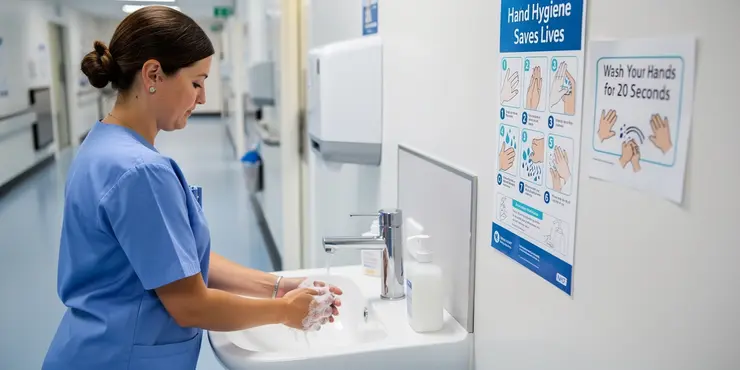
How can I prevent norovirus infection?
Relevance: 37%
-

Can a stoma bag cause infections?
Relevance: 37%
-
Can air physiotherapy prevent respiratory infections?
Relevance: 36%
-
Can E. coli infections be treated?
Relevance: 36%
-

Dorothy's Story (Falls/Chest Infection)
Relevance: 36%
-
Self care: Treating ear infections
Relevance: 36%
-
Avoiding infections with urinary incontinence
Relevance: 36%
-
Do antibiotics work on viral infections?
Relevance: 35%
-

Chest infection: what should I do?
Relevance: 35%
-

What is Chikungunya virus infection?
Relevance: 35%
-

Can ear infections lead to tinnitus?
Relevance: 35%
-

What preventive measures can reduce the risk of Nipah Virus infection?
Relevance: 34%
-
Can animals be infected with H3N2?
Relevance: 34%
-
How do people get infected with E. coli?
Relevance: 33%
-
Is there a risk of infection with medical tampons?
Relevance: 33%
-
Can Chikungunya virus infection be treated?
Relevance: 33%
-
How is E. coli infection diagnosed?
Relevance: 33%
-

Antibiotics and You: An introduction to antibiotic resistant infections
Relevance: 33%
-

What populations are at higher risk for E. coli infections?
Relevance: 33%
-
Are there symptoms of an HPV infection?
Relevance: 33%
-
Can gonorrhoea infect areas other than the genital organs?
Relevance: 32%
-

What are the symptoms of Nipah Virus infection?
Relevance: 32%
-

Can bacterial infections be transmitted through blood transfusion?
Relevance: 32%
-

Sexually transmitted infections STIs
Relevance: 32%
-

Who is at risk for severe Chikungunya infection?
Relevance: 31%
What is H9N2?
H9N2 is a type of avian influenza, or bird flu, that mainly affects birds. It can occasionally infect people, usually after close contact with infected birds or contaminated environments.
Human infections are uncommon, but they can happen. For a UK audience, the main risk is usually linked to travel, poultry exposure, or contact with birds in certain settings.
Avoid close contact with sick birds
One of the best ways to reduce risk is to avoid touching sick or dead birds. Do not handle birds that look unwell, and keep children away from them too.
If you see unusual numbers of dead birds in one place, report it to the relevant local authority or animal health service. This helps limit spread and protects other people and animals.
Follow good hygiene after animal contact
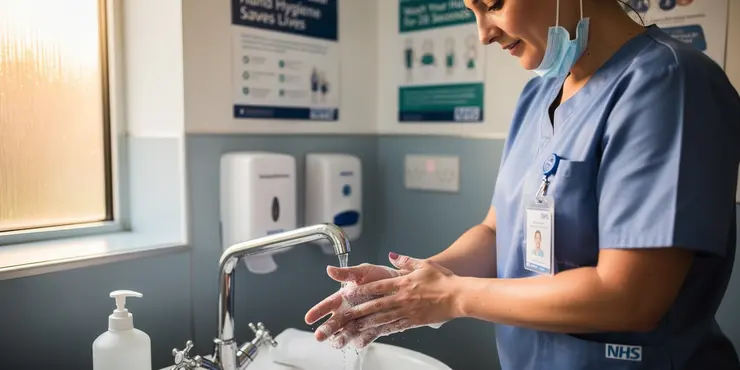
Wash your hands thoroughly with soap and water after being near birds, cages, feathers, droppings, or poultry meat. If soap and water are not available, use alcohol-based hand sanitiser.
Avoid touching your eyes, nose, or mouth until your hands are clean. This simple habit can lower the chance of bringing germs into your body.
Take care when handling poultry and eggs
In the kitchen, raw poultry should be kept separate from other foods. Use different chopping boards and utensils for raw meat and wash equipment well after use.
Cook poultry and eggs properly before eating. Heat kills influenza viruses, so thorough cooking is an important protection measure.
Use protective equipment if you work with birds
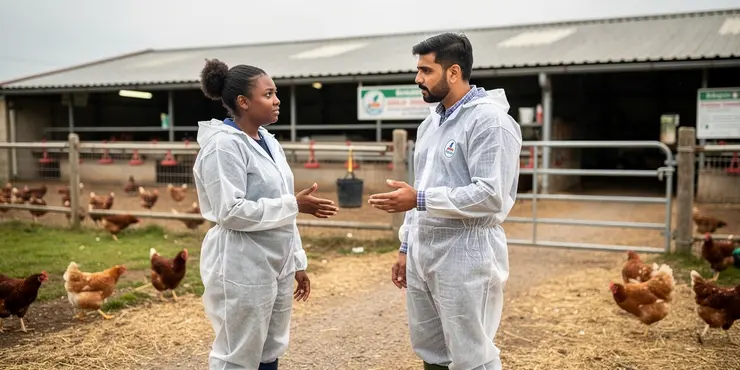
If you work on a farm, in a market, or in animal care, follow workplace biosecurity guidance. This may include gloves, masks, eye protection, and dedicated clothing or footwear.
Change out of contaminated clothing promptly and wash it separately. Good cleaning routines for sheds, cages, and equipment can reduce the spread of infection between birds and people.
Stay alert when travelling
If you travel to areas where bird flu is more common, avoid live bird markets and settings with poor hygiene. Be especially careful around ducks, chickens, and other poultry.
If you feel unwell after exposure to birds abroad, seek medical advice and mention your travel history. Early assessment is helpful, especially if you have fever, cough, sore throat, or breathing problems.
Know when to get help
If you think you may have been exposed to infected birds and develop flu-like symptoms, contact NHS 111 or your GP. Tell them about the bird contact so they can advise you properly.
People with underlying health conditions, pregnant people, and older adults should be extra cautious. Following public health advice and staying informed is the best way to protect yourself and others.
Frequently Asked Questions
What is H9N2 infection?
H9N2 infection is caused by a subtype of the avian influenza virus that primarily affects birds but can occasionally infect humans.
How does H9N2 spread to humans?
H9N2 can spread to humans through direct or indirect contact with infected poultry or contaminated environments.
Can wearing masks protect against H9N2?
Yes, wearing masks can help reduce the risk of inhaling viruses, especially in places with infected poultry or crowded areas.
Should people avoid live poultry markets?
Yes, avoiding live poultry markets lowers the risk of exposure to H9N2 and other avian flu viruses.
How important is hand hygiene for prevention?
Frequent handwashing with soap and water is crucial in preventing H9N2 infection.
Does cooking poultry properly prevent infection?
Yes, thoroughly cooking poultry and eggs destroys the H9N2 virus and makes them safe to eat.
Is there a vaccine for H9N2 for humans?
Currently, there is no licensed H9N2 vaccine for humans, so prevention focuses on hygiene and avoiding exposure.
Can children get infected with H9N2?
Yes, children can be at risk and should follow the same preventive measures as adults.
What should people do if they develop flu-like symptoms after exposure to poultry?
People should seek medical advice immediately and inform healthcare providers about their exposure to poultry.
Should people who work with poultry use protective clothing?
Yes, poultry workers should wear gloves, masks, boots, and protective clothing to minimize the risk of infection.
Can disinfecting surfaces help prevent H9N2 infection?
Regularly cleaning and disinfecting surfaces that may be contaminated with poultry droppings can help reduce the risk of infection.
Is it safe to keep backyard poultry?
Keeping backyard poultry is safe if good biosecurity measures are followed and contact with wild birds is minimized.
How can travelers reduce their risk in affected areas?
Travelers should avoid markets, farms, and contact with live birds in areas where H9N2 is present.
Can pets contract or spread H9N2?
There is little evidence that common pets spread H9N2, but it is best to keep pets away from sick poultry.
Should raw poultry be handled with care?
Yes, always wash hands, utensils, and surfaces thoroughly after handling raw poultry to prevent cross-contamination.
Can H9N2 be spread from person to person?
Human-to-human transmission is rare, but practicing good hygiene can reduce any potential risk.
Is monitoring poultry health important in prevention?
Yes, regular monitoring and reporting sick or dead poultry can help prevent the spread of H9N2.
Are there any specific groups at higher risk?
People who work in poultry farms or markets, as well as people with weakened immune systems, are at higher risk.
Should people vaccinate poultry against avian influenza?
Where recommended, vaccinating poultry against avian influenza can help reduce the risk of outbreaks and human exposure.
Is it necessary to report unusual sickness or death in birds?
Yes, reporting unusual illness or sudden death in poultry to local authorities helps control the spread of H9N2.

Useful Links
This website offers general information and is not a substitute for professional advice.
Always seek guidance from qualified professionals.
If you have any medical concerns or need urgent help, contact a healthcare professional or emergency services immediately.
Some of this content was generated with AI assistance. We've done our best to keep it accurate, helpful, and human-friendly.
- Ergsy carefully checks the information in the videos we provide here.
- Videos shown by Youtube after a video has completed, have NOT been reviewed by ERGSY.
- To view, click the arrow in centre of video.
- Most of the videos you find here will have subtitles and/or closed captions available.
- You may need to turn these on, and choose your preferred language.
- Go to the video you'd like to watch.
- If closed captions (CC) are available, settings will be visible on the bottom right of the video player.
- To turn on Captions, click settings.
- To turn off Captions, click settings again.
More Items From Ergsy search
-
Is H9N2 infection fatal to humans?
Relevance: 100%
-
Can humans be infected with H9N2?
Relevance: 100%
-
Are there treatments available for H9N2 infection in humans?
Relevance: 96%
-
What should you do if you suspect H9N2 infection?
Relevance: 86%
-
How can people protect themselves from H9N2 infection?
Relevance: 86%
-
What is Bird Flu (H9N2)?
Relevance: 84%
-
Does H9N2 pose a threat to the poultry industry?
Relevance: 79%
-
Why is monitoring of H9N2 important for public health?
Relevance: 78%
-
What is the incubation period for H9N2 in humans?
Relevance: 73%
-
Where is H9N2 most commonly found?
Relevance: 70%
-
What precautionary measures can poultry farmers take against H9N2?
Relevance: 63%
-
How can E. coli infections be prevented?
Relevance: 40%
-
Podiatrist Fungal feet - fungal infection of skin and nails and how to prevent fungal infection in feet
Relevance: 39%
-
Are E. coli infections contagious?
Relevance: 38%
-
Mycobacterium chimaera infection
Relevance: 37%
-
How can I prevent norovirus infection?
Relevance: 37%
-
Can a stoma bag cause infections?
Relevance: 37%
-
Can air physiotherapy prevent respiratory infections?
Relevance: 36%
-
Can E. coli infections be treated?
Relevance: 36%
-
Dorothy's Story (Falls/Chest Infection)
Relevance: 36%
-
Self care: Treating ear infections
Relevance: 36%
-
Avoiding infections with urinary incontinence
Relevance: 36%
-
Do antibiotics work on viral infections?
Relevance: 35%
-
Chest infection: what should I do?
Relevance: 35%
-
What is Chikungunya virus infection?
Relevance: 35%
-
Can ear infections lead to tinnitus?
Relevance: 35%
-
What preventive measures can reduce the risk of Nipah Virus infection?
Relevance: 34%
-
Can animals be infected with H3N2?
Relevance: 34%
-
How do people get infected with E. coli?
Relevance: 33%
-
Is there a risk of infection with medical tampons?
Relevance: 33%
-
Can Chikungunya virus infection be treated?
Relevance: 33%
-
How is E. coli infection diagnosed?
Relevance: 33%
-
Antibiotics and You: An introduction to antibiotic resistant infections
Relevance: 33%
-
What populations are at higher risk for E. coli infections?
Relevance: 33%
-
Are there symptoms of an HPV infection?
Relevance: 33%
-
Can gonorrhoea infect areas other than the genital organs?
Relevance: 32%
-
What are the symptoms of Nipah Virus infection?
Relevance: 32%
-
Can bacterial infections be transmitted through blood transfusion?
Relevance: 32%
-
Sexually transmitted infections STIs
Relevance: 32%
-
Who is at risk for severe Chikungunya infection?
Relevance: 31%