
Speak To An Expert
Get clear, personalised advice for your situation.
Jot down a few questions to make the most of your conversation.
More Items From Ergsy search
-
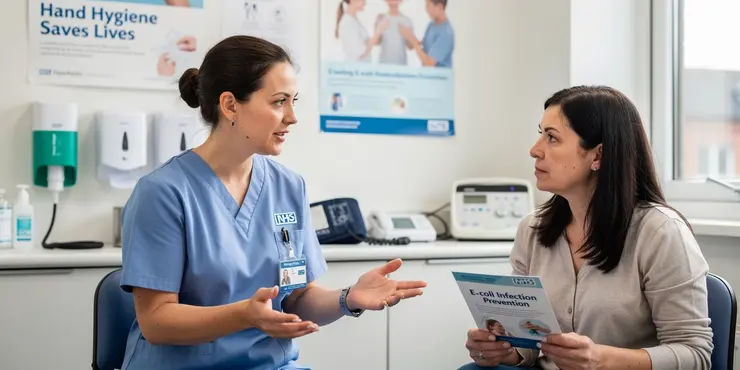
How do people get infected with E. coli?
Relevance: 100%
-
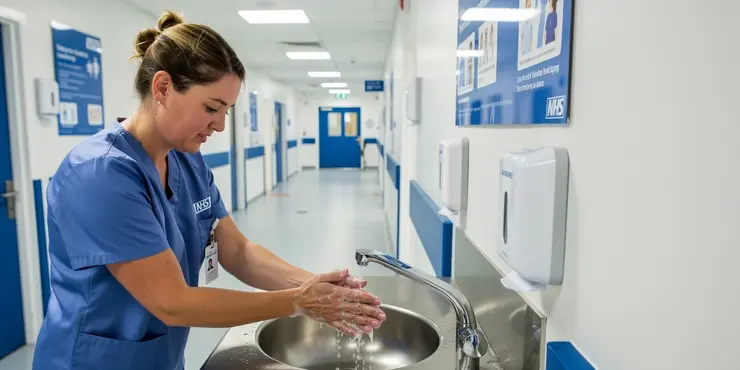
Are E. coli infections contagious?
Relevance: 91%
-
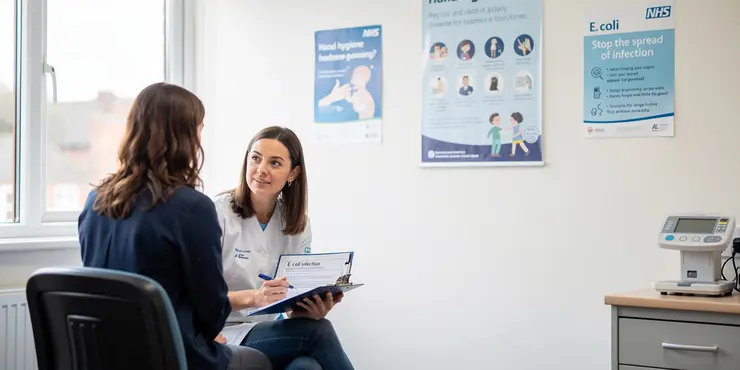
How is E. coli infection diagnosed?
Relevance: 89%
-

What populations are at higher risk for E. coli infections?
Relevance: 87%
-
Can E. coli infections be treated?
Relevance: 86%
-
How can E. coli infections be prevented?
Relevance: 79%
-

How do people get infected with Hantavirus?
Relevance: 74%
-

What is E. coli?
Relevance: 71%
-
Are E. coli, E coli, and ecoli the same thing?
Relevance: 68%
-

Are E.coli and E coli and ecoli the same thing?
Relevance: 67%

-

Is E. coli always harmful?
Relevance: 67%
-
Can E. coli cause illness?
Relevance: 67%
-
What is E. coli?
Relevance: 67%
-

Is there a difference between E. coli and Escherichia coli?
Relevance: 59%
-
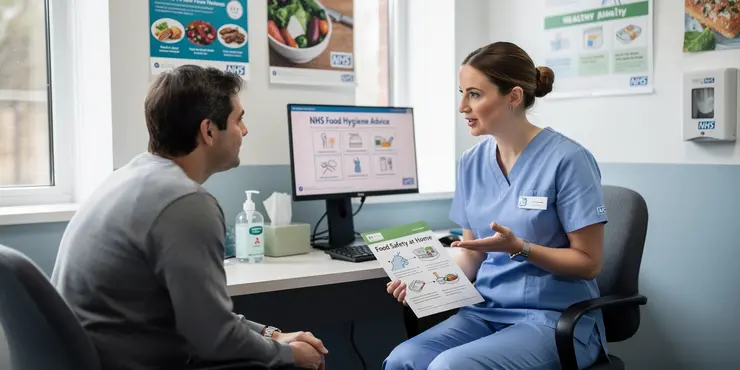
Can I get E.coli from lettuce ?
Relevance: 57%
-
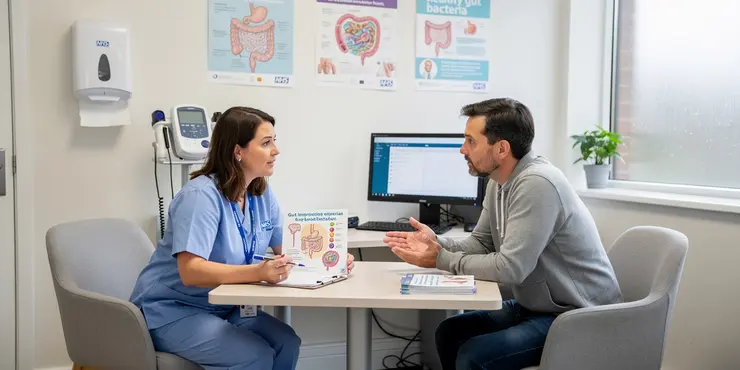
Does E. coli play any beneficial role in the human body?
Relevance: 56%
-

Are E.coli and E coli and ecoli the same thing?
Relevance: 55%
-

How can people protect themselves from H9N2 infection?
Relevance: 53%
-

Where is E. coli commonly found?
Relevance: 50%
-

Should people who have been in contact with an infected person get vaccinated?
Relevance: 49%
-

Is H9N2 infection fatal to humans?
Relevance: 48%
-
Can humans be infected with H9N2?
Relevance: 47%
-

How soon do symptoms appear after infection?
Relevance: 47%
-

Chest infection: what should I do?
Relevance: 47%
-
Is there a risk of infection with medical tampons?
Relevance: 45%
-

Are there treatments available for H9N2 infection in humans?
Relevance: 45%
-

Who is at higher risk of Hantavirus infection?
Relevance: 45%
-
Self care: Treating ear infections
Relevance: 44%
-

Why do vaccinated people sometimes still get sick?
Relevance: 44%
-
How is Chikungunya virus infection diagnosed?
Relevance: 44%
-

Can animals be infected with H3N2?
Relevance: 44%
-

Mycobacterium chimaera infection
Relevance: 44%
-
Podiatrist Fungal feet - fungal infection of skin and nails and how to prevent fungal infection in feet
Relevance: 44%
-

Can a stoma bag cause infections?
Relevance: 44%
-

Who is at risk for severe Chikungunya infection?
Relevance: 43%
-

Sexually transmitted infections STIs
Relevance: 43%
-
Can Chikungunya virus infection be treated?
Relevance: 43%
-

What are the early symptoms of Hantavirus infection?
Relevance: 42%
-

What should you do if you suspect H9N2 infection?
Relevance: 42%
-
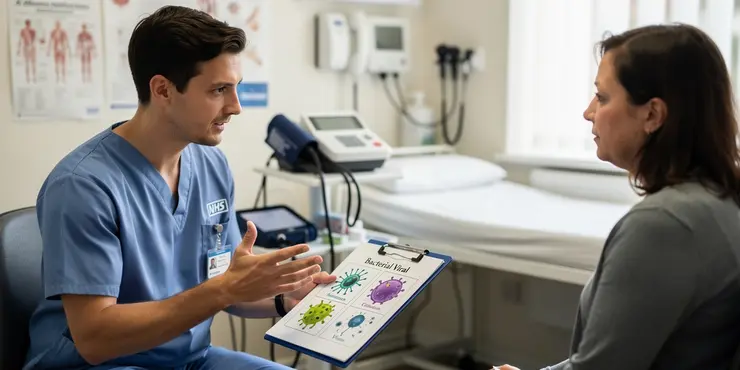
Do antibiotics work on viral infections?
Relevance: 42%
Introduction to E. coli Infection
Escherichia coli, commonly known as E. coli, is a type of bacteria that can be found in the intestines of humans and animals. While most strains are harmless, certain variants can cause severe foodborne illnesses. Understanding how people become infected with E. coli is crucial for implementing effective prevention strategies.
Contaminated Food
One of the most common ways people get infected with E. coli is through contaminated food. This can happen when foods are not cooked properly, or when they come into contact with E. coli during production or preparation. Common culprits include undercooked ground beef, unpasteurised milk, and raw vegetables and fruits that have been contaminated during cultivation or handling. Ensuring food is cooked to the appropriate temperature and avoiding unpasteurised dairy products can significantly reduce the risk of infection.
Contaminated Water
Waterborne transmission of E. coli can occur when people consume or come into contact with contaminated water. This is more prevalent in areas where water sanitation is inadequate. Swimming in or drinking from contaminated lakes, pools, or rivers can also lead to infection. In the UK, water quality is generally high, but outbreaks can still occur, especially in bodies of recreational water. Using water purification methods, such as boiling or using a reliable filter, can help prevent infection when in doubt.
Person-to-Person Transmission
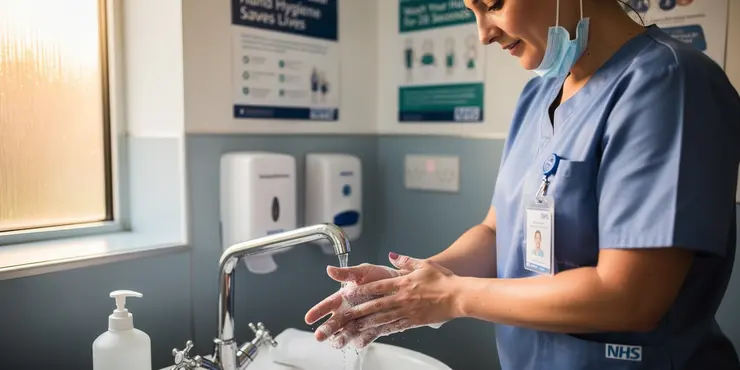
E. coli can spread directly from person to person, particularly in situations where hygiene is poor. This is often the case in settings such as daycare centres or nursing homes, where individuals might not wash their hands thoroughly after using the restroom or before preparing food. Good hand hygiene is one of the most effective ways to prevent the spread of E. coli and other pathogens in these environments.
Contact with Animals
Direct contact with animals or their environments can also lead to E. coli infection. This is particularly relevant for individuals who work with livestock, such as cattle and sheep, which can be carriers of harmful strains of E. coli. Petting zoos and farms open to the public can pose a risk, especially to young children. Washing hands after touching animals or their surroundings is a simple but effective measure to reduce the likelihood of infection.
Preventive Measures
Preventing E. coli infection involves a combination of practices. Ensuring proper food handling and sanitation, maintaining adequate personal hygiene, and educating the public about risk factors are key to reducing the incidence of these infections. The UK's food safety regulations and public health guidelines provide a framework for minimizing these risks, but individual responsibility and awareness remain central to effective prevention.
Introduction to E. coli Infection
E. coli is a type of germ. It lives in the belly of people and animals. Most E. coli germs are safe, but some can make people very sick. Knowing how people get sick from E. coli helps us stop it from spreading.
Contaminated Food
People often get E. coli from food that is not safe. This happens when food is not cooked well or gets germs during handling. Bad foods include raw meats, milk that has not been treated, and dirty fruits and vegetables. Cooking food well and not drinking unpasteurised milk helps keep people safe from E. coli.
Contaminated Water
Sometimes E. coli is in dirty water. People can get sick by drinking or swimming in it. This happens more where water is not clean. In the UK, water is usually clean, but sometimes it can still have germs. It is good to boil water or use a filter if you think the water might not be safe.
Person-to-Person Transmission
People can also give E. coli to each other. This happens when people do not wash their hands well after using the toilet or before touching food. This is common in places like daycares or care homes. Washing hands with soap helps stop passing E. coli and other germs.
Contact with Animals
You can get E. coli from animals, like cows or sheep. Petting zoos or farms can be risky, especially for kids. To stay safe, wash your hands after touching animals or their homes.
Preventive Measures
To stop E. coli infections, we must do many things. This includes cooking food right, keeping clean, and learning about risks. UK rules help keep food safe, but everyone must also do their part by staying clean and careful.
Frequently Asked Questions
What is E. coli?
E. coli, or Escherichia coli, is a type of bacteria that is commonly found in the intestines of humans and animals. While most strains are harmless, some can cause serious food poisoning.
How does E. coli infection occur?
E. coli infection typically occurs by ingesting contaminated food or water. It can also spread through contact with infected animals or people.
What foods are commonly associated with E. coli contamination?
Foods often associated with E. coli outbreaks include undercooked ground beef, raw milk, and fresh produce like lettuce and sprouts.
Can E. coli be transmitted from person to person?
Yes, E. coli can spread from person to person, especially if proper hygiene practices are not followed after using the bathroom or changing diapers.
How can drinking water become contaminated with E. coli?
Drinking water can become contaminated with E. coli if it is not properly treated or if it becomes contaminated with fecal matter.
What are the symptoms of an E. coli infection?
Symptoms of E. coli infection typically include diarrhea, abdominal cramping, nausea, and vomiting. In severe cases, it can lead to kidney failure.
How can you prevent E. coli infection from food?
To prevent E. coli infection, always cook meat thoroughly, wash fresh produce, and practice safe food handling techniques, including proper handwashing.
Can pasteurization prevent E. coli in dairy products?
Yes, pasteurization effectively kills E. coli and other harmful bacteria in dairy products like milk and cheese.
Is it safe to eat raw cookie dough?
Eating raw cookie dough can be risky as it may contain raw eggs and flour potentially contaminated with E. coli or Salmonella.
How long does it take for E. coli symptoms to appear?
Symptoms of E. coli infection usually appear 3 to 4 days after exposure but can range from 1 to 10 days.
What should you do if you suspect E. coli infection?
If you suspect an E. coli infection, seek medical attention, especially if symptoms are severe or persistent. Stay hydrated and avoid anti-diarrheal medications unless advised by a doctor.
Is E. coli more common in certain age groups?
E. coli infection can affect anyone, but it is more common and can be more severe in young children, the elderly, and individuals with weakened immune systems.
Can E. coli survive freezing temperatures?
E. coli can survive freezing temperatures, but it does not multiply. However, freezing does not eliminate the bacteria, so proper cooking is necessary to kill it.
Are there different strains of E. coli?
Yes, there are many strains of E. coli, some of which can cause illness. One of the most common strains causing illness is E. coli O157:H7.
How is an E. coli infection diagnosed?
An E. coli infection is diagnosed through a stool sample test that checks for the presence of the bacteria.
Can pets transmit E. coli to humans?
Yes, pets can carry E. coli, particularly if they have access to areas contaminated with fecal matter. Practicing good hygiene, such as washing hands after handling pets, reduces this risk.
What treatments are available for E. coli infection?
Most E. coli infections are treated by managing symptoms, including hydration. Antibiotics are generally not recommended, and severe cases may require hospitalization.
Can E. coli infections be severe?
Yes, certain strains of E. coli can lead to serious complications like hemolytic uremic syndrome (HUS), a condition that affects the kidneys and can be life-threatening.
Can washing produce remove E. coli?
Washing produce can reduce the risk of E. coli, but it might not remove all bacteria. It is important to thoroughly wash produce under running water.
Can hand sanitizers kill E. coli?
Alcohol-based hand sanitizers can reduce the number of germs, including E. coli, but washing hands with soap and water is more effective for removing bacteria.
What is E. coli?
E. coli is a kind of germ that can make people sick. It is very tiny and you can't see it without a special tool. Some E. coli can give you a tummy ache or make you feel bad.
If you want help to understand more about E. coli, you can ask an adult or use a computer to find pictures and videos. Reading with someone else can also make it easier to learn.
E. coli is a type of germ. Its full name is Escherichia coli. It lives in the tummy of people and animals. Most kinds of E. coli are safe, but some can make you very sick if you eat them.
How do people get E. coli?
E. coli is a germ that can make you sick. Here is how you can get E. coli: - Eating food that is not cooked well, like undercooked meat. - Drinking dirty water. - Touching animals or their poop. - Not washing hands before eating. To stay safe: - Cook meat until it is well done. - Drink clean water. - Wash hands with soap and water.You can get sick from E. coli by eating or drinking dirty food or water. You can also catch it from touching sick animals or people.
What foods can have E. coli germs?
Some foods can make you sick with something called E. coli. These foods are:
- Hamburgers that are not cooked enough.
- Milk that has not been pasteurized (heated to kill germs).
- Fruits and vegetables that you eat raw, like lettuce and sprouts.
If reading is hard, try using audiobooks or reading apps that read out loud. You can also ask someone to read with you.
Can E. coli spread from one person to another?
Yes, E. coli can spread from one person to another. This happens if people do not wash their hands properly after using the toilet or changing diapers.
How does E. coli get into drinking water?
E. coli is a germ that can make people sick. Sometimes, it can get into drinking water. Here are some ways that can happen:
- Poo in the Water: If animal or human poo gets into lakes, rivers, or wells, E. coli can get in the water.
- Broken Pipes: If water pipes have cracks, dirty water with germs can mix with clean water.
- Flooding: When there is too much water from rain or storms, it can carry dirt and germs into water supplies.
- Poor Water Treatment: Sometimes, water is not cleaned properly before it comes to our taps, and germs like E. coli stay in.
If you want to help stay safe, try boiling your water to kill germs or use water filters. Remember to ask an adult if you're unsure!
Drinking water can get dirty with E. coli if it is not cleaned the right way or if poop gets into it.
What happens if you have E. coli?
If you have E. coli, you might feel sick. Here are some things that can happen:
- You may have a tummy ache.
- You could feel very tired.
- You might feel like you need to go to the toilet a lot.
- Some people have a runny poo, called diarrhea.
- Sometimes, there might be blood in your poo.
- You might feel like you want to throw up, or you might throw up.
- You could have a fever, which means your body is too warm.
If you feel like this, it is good to tell an adult. They can help you feel better. You might need to see a doctor.
Here are some ways to help:
- Drink lots of water so you don't get too dry.
- Rest your body by lying down.
- Wash your hands with soap to stay clean.
If you have E. coli, you might feel sick. These are signs you might notice: you could have diarrhea, your tummy might hurt, and you might feel like throwing up. If it gets really bad, it can hurt your kidneys.
Here's how you can feel better:
- Drink lots of water to stay hydrated.
- Rest as much as you can.
- If you feel very sick, tell a doctor or a grown-up you trust.
- They might use special tools or medicines to help you feel better.
How can you stop E. coli from food?
To stop getting sick from E. coli, make sure to:
- Cook meat all the way through.
- Wash fruits and veggies well.
- Use safe ways to handle food. This means washing your hands properly.
You can also use reminders or alarms to help you remember to wash your hands. Or, put a sign by the sink with handwashing steps. Keep a checklist in the kitchen for safe food handling steps too.
Does pasteurization stop E. coli in milk and cheese?
Yes, pasteurization is a way to make milk and cheese safe. It kills bad germs like E. coli that can make us sick.
Can you eat raw cookie dough safely?
Many people like to eat cookie dough before it is baked. But is it safe?
Why It Might Be Unsafe:
- Raw Eggs: Cookie dough has raw eggs. Raw eggs can have germs called salmonella. This can make you sick.
- Raw Flour: Raw flour can also have germs. These germs can make you sick too.
Tips to Be Safe:
- Wait for the cookies to bake before eating them.
- If you want to eat dough, look for special dough made to be eaten raw. It is made without raw eggs and treated flour.
Remember: Baked cookies are yummy and safe!
If you have trouble reading, ask someone to help you.
You can also use a tool that reads text out loud.
Eating cookie dough that is not cooked can be risky. It might have raw eggs and flour that could have germs like E. coli or Salmonella. These germs can make you sick.
To stay safe, it is a good idea to bake the dough before eating it. Baking kills the germs.
When will I feel sick from E. coli?
If you get E. coli, you might feel sick in 1 to 10 days.
Here are some things that can help:
- Use simple language to talk about feeling sick.
- Ask your doctor or nurse if you have questions.
- Draw a picture or use apps to help understand.
When you get E. coli, you might feel sick 3 to 4 days later. But sometimes it can take 1 to 10 days to start feeling sick.
What to Do if You Think You Have E. Coli
If you think you have E. coli, go to the doctor. This is very important if you feel really sick or if you are not getting better. Drink lots of water and do not take medicine to stop diarrhea unless your doctor says it is okay.
Is E. coli found more in some age groups?
E. coli are germs that can make us sick. Some people might get sick from E. coli more than others.
This can happen if someone is very young or very old. These age groups might get sick more easily.
If you want to read and learn more, try using pictures or asking someone for help. You can also find videos online.
E. coli germs can make anyone sick. But little kids, older people, and people who are already sick might get sicker from it.
Can E. coli live in the freezer?
E. coli is a type of germ. It can live in very cold places like a freezer. But in the freezer, it cannot grow or make more germs. Even though freezing doesn't kill E. coli, you can get rid of it by cooking food the right way.
Are there different types of E. coli bacteria?
Yes, there are many types of E. coli germs. Some can make you sick. One common type that can make you sick is called E. coli O157:H7.
How do doctors find out if someone has an E. coli infection?
Doctors can say if someone has an E. coli infection by doing some tests. Here is what they might do:
- Ask questions about how you feel and the foods you have eaten.
- Take a sample of your poo (poop) to look for germs.
If you think you might have E. coli, talk to a doctor. They can help you get better.
Tools to help:
- Use simple words to explain how you feel.
- Get help from family or friends when talking to the doctor.
Doctors find out if you have an E. coli infection by testing your poo. They look for the bacteria in it.
Can pets give E. coli to people?
Pets like dogs and cats can have germs. One of these germs is called E. coli.
E. coli can make people sick with tummy aches and diarrhea.
To stay safe, wash your hands after touching pets, especially before eating.
If you are worried, talk to a doctor or a vet.
Yes, pets can have germs called E. coli. They might have it if they go to places with poop. To stay safe, wash your hands after you touch pets. This helps keep you healthy.
What can help you get better from an E. coli infection?
E. coli is a germ that can make you sick. You might get a bad tummy and feel very sleepy.
If you have an E. coli infection, here are some things that can help you feel better:
- Drink lots of water. It stops you from getting too thirsty.
- Eat plain food like rice, toast, or bananas. They are gentle on your tummy.
- Get lots of rest. Sleeping can help you get better.
It is good to see a doctor. They can give more advice. A doctor might tell you to go to the hospital if you feel very, very sick.
You can use a calendar to help remember when to take medicine.
When people get sick with E. coli, doctors help them feel better by treating their symptoms. This means drinking lots of water to stay healthy. Usually, medicines that fight germs are not needed. If someone is very sick, they might have to go to the hospital.
Can E. coli infections be very bad?
Yes, some types of E. coli germs can make you very sick. They can cause a problem called hemolytic uremic syndrome (HUS). This can hurt your kidneys and can be very dangerous.
Can washing fruits and veggies get rid of E. coli?
When you wash fruits and veggies, it helps to make them clean. This can wash away dirt and some germs.
E. coli is a type of germ that can make you sick. Washing fruits and veggies very well can help remove some of it.
Use clean, running water to wash them. You can use a brush for things like potatoes.
Peeling fruits and veggies can also help, but washing is still important.
It's good to wash your hands before and after you handle food.
For more help, you can use videos showing how to wash fruits and veggies. You can also use picture guides.
Washing fruits and veggies can help make them safer to eat. It can get rid of some germs like E. coli, but not all. To help stay safe, wash fruits and veggies really well under running water.
Do hand sanitizers kill germs like E. coli?
Hand sanitizers with alcohol can kill some germs, like E. coli. But, washing your hands with soap and water is even better at getting rid of germs.

Useful Links
This website offers general information and is not a substitute for professional advice.
Always seek guidance from qualified professionals.
If you have any medical concerns or need urgent help, contact a healthcare professional or emergency services immediately.
Some of this content was generated with AI assistance. We've done our best to keep it accurate, helpful, and human-friendly.
- Ergsy carefully checks the information in the videos we provide here.
- Videos shown by Youtube after a video has completed, have NOT been reviewed by ERGSY.
- To view, click the arrow in centre of video.
- Most of the videos you find here will have subtitles and/or closed captions available.
- You may need to turn these on, and choose your preferred language.
- Go to the video you'd like to watch.
- If closed captions (CC) are available, settings will be visible on the bottom right of the video player.
- To turn on Captions, click settings.
- To turn off Captions, click settings again.
More Items From Ergsy search
-
How do people get infected with E. coli?
Relevance: 100%
-
Are E. coli infections contagious?
Relevance: 91%
-
How is E. coli infection diagnosed?
Relevance: 89%
-
What populations are at higher risk for E. coli infections?
Relevance: 87%
-
Can E. coli infections be treated?
Relevance: 86%
-
How can E. coli infections be prevented?
Relevance: 79%
-
How do people get infected with Hantavirus?
Relevance: 74%
-
What is E. coli?
Relevance: 71%
-
Are E. coli, E coli, and ecoli the same thing?
Relevance: 68%
-
Are E.coli and E coli and ecoli the same thing?
Relevance: 67%
-
Is E. coli always harmful?
Relevance: 67%
-
Can E. coli cause illness?
Relevance: 67%
-
What is E. coli?
Relevance: 67%
-
Is there a difference between E. coli and Escherichia coli?
Relevance: 59%
-
Can I get E.coli from lettuce ?
Relevance: 57%
-
Does E. coli play any beneficial role in the human body?
Relevance: 56%
-
Are E.coli and E coli and ecoli the same thing?
Relevance: 55%
-
How can people protect themselves from H9N2 infection?
Relevance: 53%
-
Where is E. coli commonly found?
Relevance: 50%
-
Should people who have been in contact with an infected person get vaccinated?
Relevance: 49%
-
Is H9N2 infection fatal to humans?
Relevance: 48%
-
Can humans be infected with H9N2?
Relevance: 47%
-
How soon do symptoms appear after infection?
Relevance: 47%
-
Chest infection: what should I do?
Relevance: 47%
-
Is there a risk of infection with medical tampons?
Relevance: 45%
-
Are there treatments available for H9N2 infection in humans?
Relevance: 45%
-
Who is at higher risk of Hantavirus infection?
Relevance: 45%
-
Self care: Treating ear infections
Relevance: 44%
-
Why do vaccinated people sometimes still get sick?
Relevance: 44%
-
How is Chikungunya virus infection diagnosed?
Relevance: 44%
-
Can animals be infected with H3N2?
Relevance: 44%
-
Mycobacterium chimaera infection
Relevance: 44%
-
Podiatrist Fungal feet - fungal infection of skin and nails and how to prevent fungal infection in feet
Relevance: 44%
-
Can a stoma bag cause infections?
Relevance: 44%
-
Who is at risk for severe Chikungunya infection?
Relevance: 43%
-
Sexually transmitted infections STIs
Relevance: 43%
-
Can Chikungunya virus infection be treated?
Relevance: 43%
-
What are the early symptoms of Hantavirus infection?
Relevance: 42%
-
What should you do if you suspect H9N2 infection?
Relevance: 42%
-
Do antibiotics work on viral infections?
Relevance: 42%