

Speak To An Expert
Get clear, personalised advice for your situation.
Jot down a few questions to make the most of your conversation.
More Items From Ergsy search
-

Are E. coli infections contagious?
Relevance: 100%
-
Can E. coli infections be treated?
Relevance: 98%
-
How is E. coli infection diagnosed?
Relevance: 97%
-

What populations are at higher risk for E. coli infections?
Relevance: 93%
-
How do people get infected with E. coli?
Relevance: 92%
-
How can E. coli infections be prevented?
Relevance: 90%
-

What is E. coli?
Relevance: 86%
-
Are E. coli, E coli, and ecoli the same thing?
Relevance: 86%
-

What is E. coli?
Relevance: 85%
-

Is E. coli always harmful?
Relevance: 84%

-
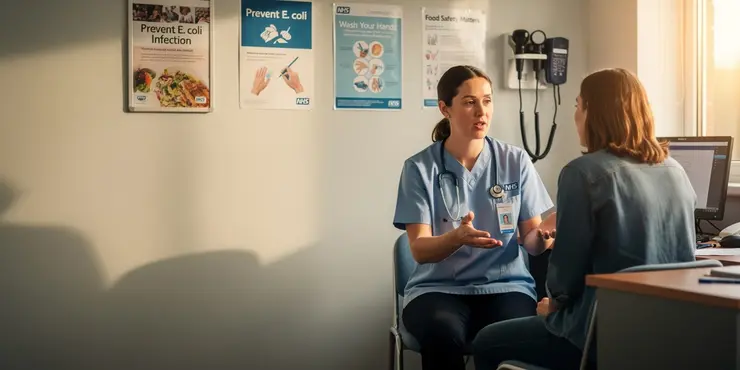
Can E. coli cause illness?
Relevance: 81%
-

Is there a difference between E. coli and Escherichia coli?
Relevance: 81%
-

Are E.coli and E coli and ecoli the same thing?
Relevance: 77%
-

Are E.coli and E coli and ecoli the same thing?
Relevance: 75%
-
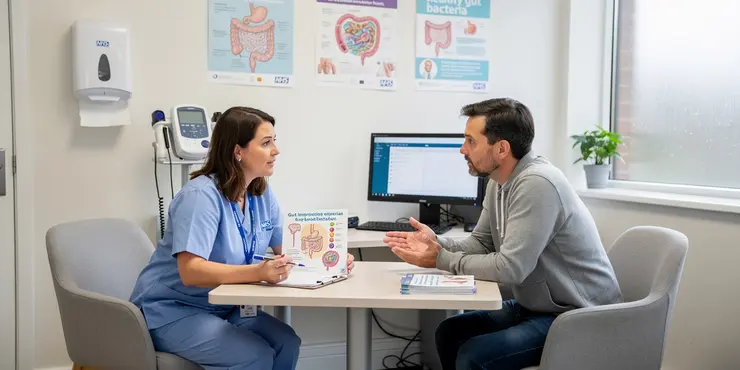
Does E. coli play any beneficial role in the human body?
Relevance: 75%
-

Where is E. coli commonly found?
Relevance: 71%
-
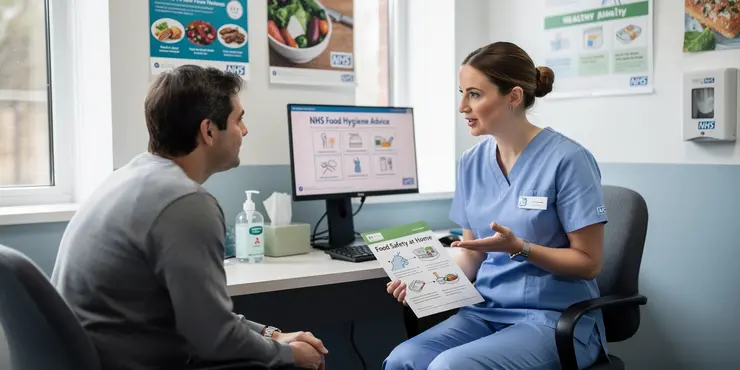
Can I get E.coli from lettuce ?
Relevance: 49%
-

How soon do symptoms appear after infection?
Relevance: 36%
-

What foods are commonly associated with E. coli outbreaks?
Relevance: 34%
-

Mycobacterium chimaera infection
Relevance: 33%
-
Is there a risk of infection with medical tampons?
Relevance: 32%
-

Can humans be infected with H9N2?
Relevance: 32%
-

Dorothy's Story (Falls/Chest Infection)
Relevance: 32%
-
Self care: Treating ear infections
Relevance: 32%
-

Is H9N2 infection fatal to humans?
Relevance: 31%
-

Can a stoma bag cause infections?
Relevance: 31%
-

Can ear infections lead to tinnitus?
Relevance: 31%
-

Chest infection: what should I do?
Relevance: 31%
-
Do antibiotics work on viral infections?
Relevance: 31%
-
Podiatrist Fungal feet - fungal infection of skin and nails and how to prevent fungal infection in feet
Relevance: 31%
-
How can water become contaminated with E. coli?
Relevance: 31%
-

What is Chikungunya virus infection?
Relevance: 31%
-
Avoiding infections with urinary incontinence
Relevance: 31%
-

Are there symptoms of an HPV infection?
Relevance: 31%
-

What are the symptoms of Nipah Virus infection?
Relevance: 31%
-

Can animals be infected with H3N2?
Relevance: 31%
-

Are there treatments available for H9N2 infection in humans?
Relevance: 30%
-

How do people get infected with Hantavirus?
Relevance: 30%
-
Can Chikungunya virus infection be treated?
Relevance: 29%
-

Who is at risk for severe Chikungunya infection?
Relevance: 29%
Understanding E. coli Infections
Escherichia coli, commonly known as E. coli, is a type of bacteria that is found in the intestines of humans and animals. While most strains are harmless, some can lead to severe foodborne illnesses. E. coli infections are typically caused by consuming contaminated food or water and can result in symptoms such as diarrhea, stomach cramps, and vomiting. Understanding the treatment options for E. coli infections is crucial for managing the condition effectively.
Treatment Options for E. coli Infections
The treatment for E. coli infections largely depends on the severity of the symptoms. In many cases, E. coli infections resolve on their own without the need for medical intervention. Supportive care, such as staying hydrated, is essential, especially for children and the elderly who are more susceptible to dehydration. Drinking plenty of fluids helps replace the lost electrolytes and fluids due to diarrhea and vomiting.
In more severe cases of E. coli infection, medical attention may be necessary. Antibiotics are usually not recommended for treating E. coli infections, particularly those caused by E. coli O157:H7. Using antibiotics can increase the risk of complications such as hemolytic uremic syndrome (HUS), a serious condition that can lead to kidney failure.
When to Seek Medical Attention
It is important to seek medical attention if you experience severe symptoms, such as high fever, bloody diarrhea, or signs of dehydration, including dark urine, dizziness, or fatigue. Young children, the elderly, and individuals with weakened immune systems should contact a healthcare provider if they suspect an E. coli infection.
If hemolytic uremic syndrome is suspected, prompt medical treatment is essential. HUS can result in severe complications and requires hospitalisation. Treatment may include kidney dialysis, blood transfusions, and other supportive measures to prevent further complications.
Preventing E. coli Infections
Preventing E. coli infections is an important part of public health. Practices such as thoroughly cooking meat, avoiding unpasteurised dairy products, washing fruits and vegetables, and practicing good hand hygiene can significantly reduce the risk of infection. It is also advisable to avoid cross-contamination in the kitchen by using separate cutting boards for raw meat and other foods.
Conclusion
E. coli infections can range from mild to severe, and treatment is typically supportive, focusing on maintaining hydration. Most cases resolve without medical intervention, but severe symptoms should not be ignored. Preventative measures play a significant role in reducing the risk of infection. If you suspect you have an E. coli infection, especially if symptoms are severe or persistent, consulting with a healthcare professional is crucial. Understanding the nature of E. coli and its treatment options can empower individuals to take proactive steps in ensuring their health and safety.
What is E. coli?
E. coli is a kind of germ. It lives in the tummy of people and animals. Most E. coli germs are safe, but some can make us very sick if we eat or drink them. This can happen if we have dirty food or water. If you get sick, you might have a runny tummy, belly pain, or feel like throwing up. It's important to know how to feel better if you get sick from E. coli.
How to Feel Better if You Have E. coli
How we help someone with E. coli depends on how sick they are. Many people get better by themselves. It helps to drink lots of water, especially for kids and older people so they don't get too thirsty.
Sometimes, people need to see a doctor. It’s not good to take medicine called antibiotics for E. coli. Some strong kinds of E. coli, like E. coli O157:H7, can get worse if you take them. This kind can make your kidneys very sick.
When to See a Doctor
Go to the doctor if you feel very sick, like with a high fever, bloody runny tummy, or if you’re very thirsty and tired. Little kids, older people, and those who get sick easily should see a doctor if they think they have E. coli.
If your kidneys might be in trouble, you need help fast. You might have to go to the hospital for special care, like kidney machines or getting blood.
How to Keep Safe from E. coli
Keeping E. coli away is very important. Cook meat well. Don't drink milk that isn't treated. Wash fruits and veggies. Wash your hands often. Keep meat away from other foods in the kitchen. Use different chopping boards for meat and veggies.
Stay Healthy
E. coli can make you feel a little sick or very sick. Most of the time, drinking fluids helps you get better. But if you feel very sick, go to the doctor. It's important to be careful and do things like washing hands and cooking food well to keep E. coli away. If you think you might have E. coli and feel very sick, talk to a doctor. Knowing about E. coli helps you take steps to stay healthy.
Frequently Asked Questions
What is E. coli?
Escherichia coli (E. coli) is a type of bacteria that lives in the intestines of humans and animals. While most strains are harmless, some can cause serious food poisoning.
Can E. coli infections be treated?
Yes, E. coli infections can be treated, but treatment options depend on the severity of the infection and the specific strain involved.
What symptoms indicate an E. coli infection?
Symptoms of E. coli infection include stomach cramps, diarrhea (often bloody), vomiting, and fever.
Are antibiotics used to treat E. coli infections?
Antibiotics are not usually recommended for E. coli infections because they may increase the risk of complications, particularly in cases of shiga toxin-producing E. coli.
How are mild E. coli infections treated?
Mild E. coli infections typically require supportive care, such as staying hydrated and resting until symptoms resolve.
When should someone seek medical attention for an E. coli infection?
You should seek medical attention if you experience severe symptoms such as bloody diarrhea, high fever, or signs of dehydration.
What is the role of hydration in treating E. coli infections?
Staying hydrated is crucial to prevent dehydration, a common complication of diarrhea caused by E. coli.
Can over-the-counter medications help with E. coli symptoms?
Over-the-counter medications like anti-diarrheals are not recommended for E. coli infections, as they can slow down the elimination of bacteria from the intestines.
Is hospitalization ever required for E. coli infections?
Hospitalization may be necessary for severe cases, particularly if complications such as hemolytic uremic syndrome (HUS) develop.
What is hemolytic uremic syndrome (HUS)?
HUS is a serious complication of E. coli infection that can lead to kidney failure, and it requires immediate medical attention.
Can E. coli infections be prevented?
Yes, E. coli infections can be prevented by practicing good hygiene, cooking meat thoroughly, avoiding raw milk, and washing fruits and vegetables.
How long does an E. coli infection usually last?
Most E. coli infections resolve on their own within 5 to 10 days without specific treatment.
Can probiotics help treat E. coli infections?
Some studies suggest that probiotics might help restore gut flora balance, but they should be used with caution and preferably under medical supervision.
Are there any long-term effects of an E. coli infection?
Most people recover completely from an E. coli infection, but some may develop chronic conditions like irritable bowel syndrome or other complications.
Is E. coli contagious?
Yes, E. coli can be spread from person to person, especially if proper hand hygiene is not practiced.
Can E. coli infections recur?
While it is possible for someone to get infected with E. coli more than once, it is less common if preventive measures are followed.
What foods are most commonly associated with E. coli outbreaks?
Common sources include undercooked beef (especially ground beef), unpasteurized milk and juice, contaminated raw fruits and vegetables, and untreated water.
Can E. coli infections affect individuals differently?
Yes, children, the elderly, and individuals with weakened immune systems are at higher risk for severe illness from E. coli.
What should you do if you suspect an E. coli infection?
If you suspect you have an E. coli infection, it's important to consult a healthcare provider for appropriate testing and management.
Can handling animals lead to E. coli infection?
Yes, E. coli can be transmitted through contact with animals or their environments, particularly in settings like petting zoos or farms.
What is E. coli?
E. coli is a type of germ. It can make you sick. E. coli lives in your tummy. Wash your hands to stay safe.
If you want to know more, you can ask an adult or look at a picture book.
E. coli is a kind of germ. It lives inside the stomach of people and animals. Most E. coli germs do not make us sick. But some can make our tummies hurt from bad food.
Here are some things that can help you understand better:
- Use picture books or videos about germs.
- Ask a teacher or family member to read with you.
- Use apps that make reading easier.
Can we treat E. coli infections?
Yes, you can treat E. coli infections. Treatment depends on how bad the infection is and what type of E. coli it is.
What are the signs of an E. coli infection?
If you have E. coli, you might feel sick in your tummy, have diarrhea (this can look red with blood), throw up, and have a fever.
Do doctors use antibiotics to help you get better from E. coli?
Doctors usually don't give medicine called antibiotics for E. coli infections. This is because they can sometimes make things worse, especially if it's a type called shiga toxin-producing E. coli.
If you're finding it hard to understand this, you can ask someone to read it with you. It's also okay to ask questions if you're confused.
How do doctors help if someone has a mild E. coli infection?
If you have a mild E. coli infection, you usually just need to rest and drink lots of water until you feel better.
When should you see a doctor for E. coli?
If you think you have E. coli and you feel very sick, you should see a doctor. Look for these signs:
- Really bad stomach pain
- Feeling very sick or weak
- Lots of diarrhea, or if it has blood in it
- The feeling of being very thirsty and not peeing much
These tools might help:
- Ask someone to go with you to the doctor
- Use a notepad to write down how you feel
- Bring a list of any medicines you take
If you feel very sick, you should see a doctor. This is important if you have:
- Bloody poop
- A high fever
- Signs like feeling very thirsty or dizzy, which can mean you are dehydrated
How does drinking water help when you have an E. coli infection?
Drinking lots of water helps your body stay healthy. If you have an E. coli infection, your tummy might hurt, and you might go to the bathroom a lot. Drinking water helps you feel better.
Water stops you from getting too thirsty and helps your body work well. Try drinking little sips often.
If you find it hard to drink, ask someone to help you. You can also try having soup or juice to get more liquids.
Remember, water is your friend! Stay safe and ask a doctor if you need more help.
It's really important to drink lots of water. This helps you not get dehydrated. Dehydration can happen if you have diarrhea because of E. coli.
Can E. coli symptoms be helped by medicine you buy without a prescription?
You might want to know if there is medicine to help if you feel sick from E. coli. The kind of medicine you can buy quickly at the store, without needing a doctor's paper, is called "over-the-counter" or "OTC" medicine.
If you feel sick with E. coli, you might have a sore tummy, feel like throwing up, or have diarrhea. Some OTC medicines can help with these signs, like making your tummy feel better. But they might not stop the germs making you sick.
It is good to talk to a doctor if you feel very sick. They can tell you what is best to do. Remember to drink lots of water, so you do not get too thirsty if you have diarrhea.
It's not a good idea to use store-bought medicine for diarrhea if you have an E. coli infection. These medicines can make it take longer for your body to get rid of the germs.
Do people with E. coli need to go to the hospital?
Sometimes, people need to go to the hospital if they are very sick. This can happen if they get a serious problem called HUS.
What is Hemolytic Uremic Syndrome (HUS)?
Hemolytic Uremic Syndrome (HUS) is a sickness. It can make you feel very sick.
HUS can hurt your blood and kidneys. Kidneys clean your blood to keep you healthy.
If you have HUS, see a doctor.
For help reading, you can use tools like text readers or ask someone to read it with you.
HUS is a serious problem you can get from an E. coli infection. It can make your kidneys stop working. If this happens, see a doctor right away.
How can we stop E. coli from making us sick?
Yes, you can stop E. coli infections by doing a few simple things:
- Keep your hands clean. Wash them with soap and water.
- Cook meat all the way through. Make sure no pink is inside.
- Do not drink raw milk. Drink milk that has been heated to kill germs.
- Wash fruits and vegetables well before you eat them.
You can use reminders or pictures to help remember these steps.
How long does an E. coli infection last?
An E. coli infection usually lasts about 5 to 10 days.
To feel better, drink lots of water and rest. This helps your body get well.
If you feel very sick, tell a grown-up. They might take you to see a doctor.
Use tools like storybooks with pictures or audiobooks to help understand better.
Most E. coli infections get better on their own in 5 to 10 days. You do not need special medicine.
Can good bacteria help with E. coli?
E. coli is a type of bad germ that can make us sick. Some people take good bacteria, called probiotics, to help them feel better when they have an infection.
Probiotics are tiny living things that are good for your tummy and keep it happy. Sometimes, they can help fight off bad germs like E. coli.
If you are feeling sick with E. coli, talk to a doctor. They can tell you if probiotics might help.
Using pictures or videos can help you understand this better. A grown-up, like a parent or teacher, can help explain too!
Some studies say that probiotics might help make your tummy healthy again. But it is important to be careful. It is best to use them with a doctor's help.
Can E. coli make you sick for a long time?
Most people get better after having an E. coli infection. But some people might have problems later, like a sore tummy or other health issues.
Can E. coli spread from person to person?
E. coli is a type of germ. It can sometimes spread to other people. Here is how it spreads:
- Touching something dirty and then touching your mouth.
- Eating food that has not been washed or cooked well.
- Drinking dirty water.
To stay safe, wash your hands often with soap and water. Cook food well and wash fruits and vegetables before eating them. Use clean water for drinking.
Yes, E. coli germs can spread from one person to another. This happens if people do not wash their hands properly.
Can E. coli infections happen again?
Sometimes, people can get E. coli infections more than once. This means it can happen again.
Here are some tips to help you:
- Wash your hands with soap and water often.
- Make sure your food is clean and cooked properly.
- Drink clean water.
If you need help, ask a doctor or a family member.
You can get sick from E. coli more than once, but it doesn't happen a lot. This is less likely if you follow some safety tips.
What foods usually have E. coli bacteria?
Some foods can have a tiny germ called E. coli. This germ can make people sick. Here are some foods where E. coli is often found:
- Raw meat: Especially beef that is not cooked all the way.
- Raw vegetables: Sometimes germs are on veggies like lettuce or spinach.
- Unpasteurized milk and juice: These are not heated to kill germs.
- Soft cheese: If it is made from raw milk.
To stay safe, always wash your hands before eating. Make sure meat is cooked well, and wash fruits and veggies. This helps keep germs away!
These things can sometimes make you sick: meat that isn't cooked enough (like hamburgers), milk or juice that hasn't been made safe, fruits and vegetables that are dirty, and water that hasn't been cleaned.
Does E. coli make people sick in different ways?
Yes, E. coli can make people feel different types of sick. Some might have a bad tummy ache, and some might not feel sick at all.
If you feel sick, tell an adult. They can help you feel better.
Use tools like storybooks or videos to learn more about E. coli.
Yes, kids, older people, and people who get sick easily can get very sick from E. coli.
What to do if you think you have E. coli
If you think you might have E. coli, here are some simple steps to follow:
- Tell a grown-up or your doctor. They can help you.
- Drink lots of water. This helps your body stay strong.
- Get plenty of rest. Sleeping helps your body fight germs.
There are tools that can help you understand better. You can ask someone to read to you or use apps that read out loud.
If you think you might have an E. coli infection, you should go to a doctor. They can help by testing and giving you the right treatment.
Can touching animals make you sick with E. coli?
Touching animals might make you sick with something called E. coli. E. coli are tiny germs that can make you feel unwell.
Here are some things you can do to stay safe:
- Wash your hands with soap and water after touching animals.
- Keep your hands away from your mouth and face until they are clean.
- If you feel unwell after being with animals, tell an adult.
If you find reading hard, you can try:
- Listening to the text read aloud.
- Using a pointer to follow the words.
- Reading with a friend or family member.
Yes, you can get E. coli from touching animals or being where they live, like on a farm or at a petting zoo.

Useful Links
This website offers general information and is not a substitute for professional advice.
Always seek guidance from qualified professionals.
If you have any medical concerns or need urgent help, contact a healthcare professional or emergency services immediately.
Some of this content was generated with AI assistance. We've done our best to keep it accurate, helpful, and human-friendly.
- Ergsy carefully checks the information in the videos we provide here.
- Videos shown by Youtube after a video has completed, have NOT been reviewed by ERGSY.
- To view, click the arrow in centre of video.
- Most of the videos you find here will have subtitles and/or closed captions available.
- You may need to turn these on, and choose your preferred language.
- Go to the video you'd like to watch.
- If closed captions (CC) are available, settings will be visible on the bottom right of the video player.
- To turn on Captions, click settings.
- To turn off Captions, click settings again.
More Items From Ergsy search
-
Are E. coli infections contagious?
Relevance: 100%
-
Can E. coli infections be treated?
Relevance: 98%
-
How is E. coli infection diagnosed?
Relevance: 97%
-
What populations are at higher risk for E. coli infections?
Relevance: 93%
-
How do people get infected with E. coli?
Relevance: 92%
-
How can E. coli infections be prevented?
Relevance: 90%
-
What is E. coli?
Relevance: 86%
-
Are E. coli, E coli, and ecoli the same thing?
Relevance: 86%
-
What is E. coli?
Relevance: 85%
-
Is E. coli always harmful?
Relevance: 84%
-
Can E. coli cause illness?
Relevance: 81%
-
Is there a difference between E. coli and Escherichia coli?
Relevance: 81%
-
Are E.coli and E coli and ecoli the same thing?
Relevance: 77%
-
Are E.coli and E coli and ecoli the same thing?
Relevance: 75%
-
Does E. coli play any beneficial role in the human body?
Relevance: 75%
-
Where is E. coli commonly found?
Relevance: 71%
-
Can I get E.coli from lettuce ?
Relevance: 49%
-
How soon do symptoms appear after infection?
Relevance: 36%
-
What foods are commonly associated with E. coli outbreaks?
Relevance: 34%
-
Mycobacterium chimaera infection
Relevance: 33%
-
Is there a risk of infection with medical tampons?
Relevance: 32%
-
Can humans be infected with H9N2?
Relevance: 32%
-
Dorothy's Story (Falls/Chest Infection)
Relevance: 32%
-
Self care: Treating ear infections
Relevance: 32%
-
Is H9N2 infection fatal to humans?
Relevance: 31%
-
Can a stoma bag cause infections?
Relevance: 31%
-
Can ear infections lead to tinnitus?
Relevance: 31%
-
Chest infection: what should I do?
Relevance: 31%
-
Do antibiotics work on viral infections?
Relevance: 31%
-
Podiatrist Fungal feet - fungal infection of skin and nails and how to prevent fungal infection in feet
Relevance: 31%
-
How can water become contaminated with E. coli?
Relevance: 31%
-
What is Chikungunya virus infection?
Relevance: 31%
-
Avoiding infections with urinary incontinence
Relevance: 31%
-
Are there symptoms of an HPV infection?
Relevance: 31%
-
What are the symptoms of Nipah Virus infection?
Relevance: 31%
-
Can animals be infected with H3N2?
Relevance: 31%
-
Are there treatments available for H9N2 infection in humans?
Relevance: 30%
-
How do people get infected with Hantavirus?
Relevance: 30%
-
Can Chikungunya virus infection be treated?
Relevance: 29%
-
Who is at risk for severe Chikungunya infection?
Relevance: 29%