
Speak To An Expert
Get clear, personalised advice for your situation.
Jot down a few questions to make the most of your conversation.
More Items From Ergsy search
-
How can E. coli infections be prevented?
Relevance: 100%
-
Are E. coli infections contagious?
Relevance: 98%
-
Can E. coli infections be treated?
Relevance: 96%
-
How do people get infected with E. coli?
Relevance: 91%
-
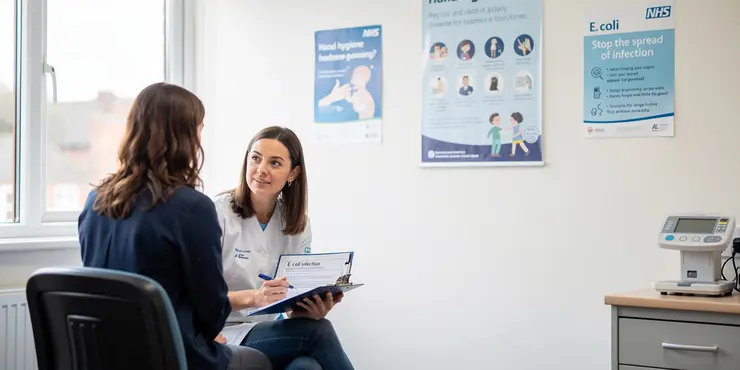
How is E. coli infection diagnosed?
Relevance: 90%
-

What populations are at higher risk for E. coli infections?
Relevance: 89%
-

What is E. coli?
Relevance: 85%
-

What is E. coli?
Relevance: 85%
-

Is E. coli always harmful?
Relevance: 84%
-

Can E. coli cause illness?
Relevance: 81%

-

Is there a difference between E. coli and Escherichia coli?
Relevance: 80%
-
Are E. coli, E coli, and ecoli the same thing?
Relevance: 80%
-

Are E.coli and E coli and ecoli the same thing?
Relevance: 76%
-

Does E. coli play any beneficial role in the human body?
Relevance: 74%
-

Are E.coli and E coli and ecoli the same thing?
Relevance: 70%
-

Where is E. coli commonly found?
Relevance: 67%
-
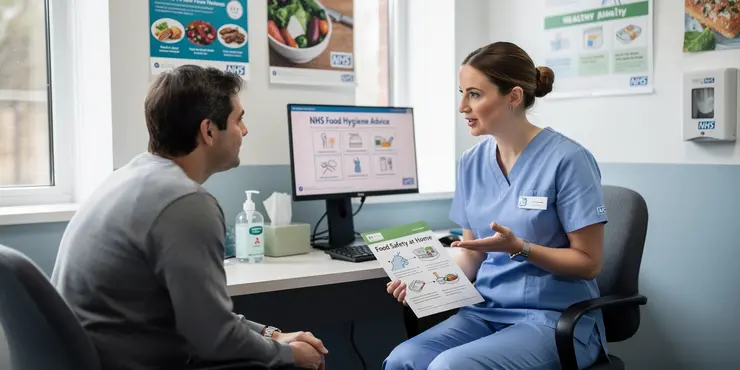
Can I get E.coli from lettuce ?
Relevance: 46%
-
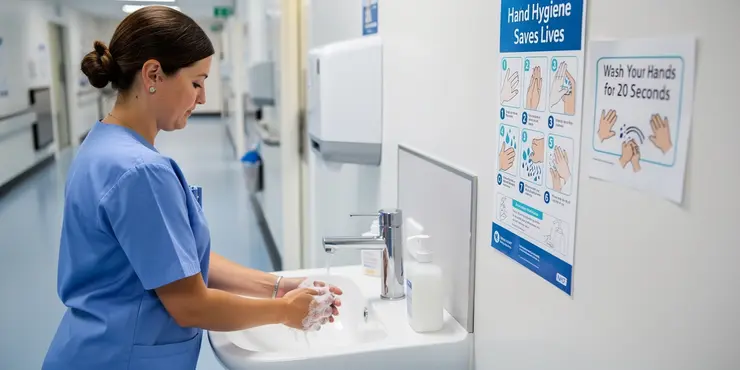
How can I prevent norovirus infection?
Relevance: 42%
-
Podiatrist Fungal feet - fungal infection of skin and nails and how to prevent fungal infection in feet
Relevance: 42%
-

Can air physiotherapy prevent respiratory infections?
Relevance: 41%
-

What preventive measures can reduce the risk of Nipah Virus infection?
Relevance: 39%
-

Can a stoma bag cause infections?
Relevance: 37%
-

Mycobacterium chimaera infection
Relevance: 37%
-

Dorothy's Story (Falls/Chest Infection)
Relevance: 36%
-

How soon do symptoms appear after infection?
Relevance: 36%
-
Avoiding infections with urinary incontinence
Relevance: 35%
-
Self care: Treating ear infections
Relevance: 35%
-
Do antibiotics work on viral infections?
Relevance: 34%
-

Chest infection: what should I do?
Relevance: 34%
-

What is Chikungunya virus infection?
Relevance: 34%
-
Can animals be infected with H3N2?
Relevance: 34%
-

Can ear infections lead to tinnitus?
Relevance: 33%
-
Can Chikungunya virus infection be treated?
Relevance: 33%
-

What foods are commonly associated with E. coli outbreaks?
Relevance: 33%
-

Can humans be infected with H9N2?
Relevance: 32%
-

Antibiotics and You: An introduction to antibiotic resistant infections
Relevance: 32%
-

Can abscesses be prevented?
Relevance: 32%
-

Is H9N2 infection fatal to humans?
Relevance: 32%
-

Can gonorrhoea infect areas other than the genital organs?
Relevance: 32%
-

Can gonorrhoea be prevented?
Relevance: 32%
Introduction to E. coli Infections
E. coli, or Escherichia coli, is a bacterium commonly found in the intestines of humans and animals. While many strains are harmless, some can cause serious foodborne illness. Preventing E. coli infections is essential for public health. Here, we explore effective strategies to minimize the risk of these infections.
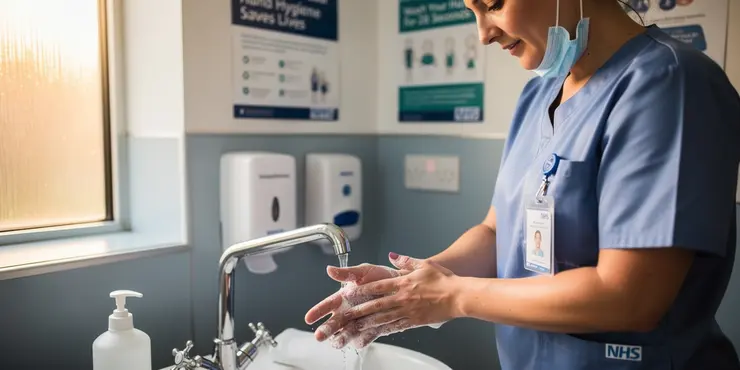
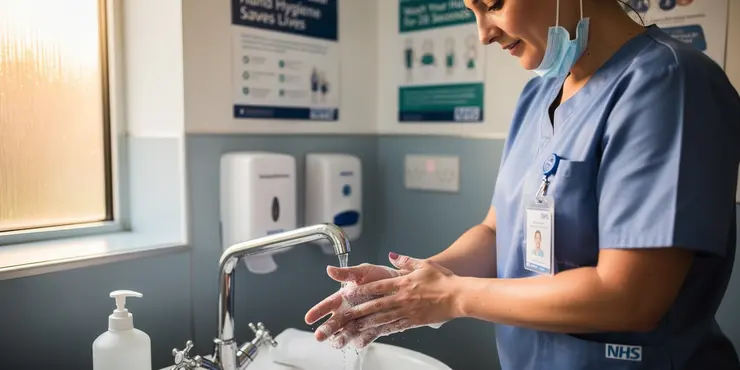
Practise Good Hand Hygiene
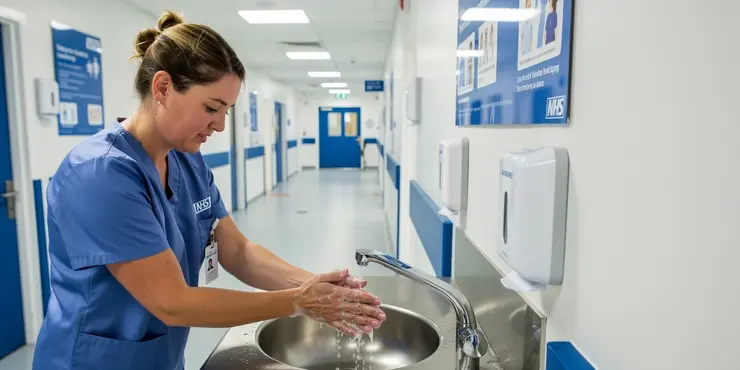
Hand hygiene is a fundamental way to prevent the spread of E. coli. Properly washing hands with soap and water for at least 20 seconds can remove bacteria. It’s important to wash hands before handling food, after using the toilet, and after contact with animals or their environments. In the absence of soap and water, an alcohol-based hand sanitizer can be used.
Ensure Safe Food Preparation
Safe food preparation plays a crucial role in preventing E. coli infections. Raw meats, particularly beef, should be cooked to an appropriate internal temperature to kill harmful bacteria. Cross-contamination can be avoided by using separate cutting boards for raw meats and other foods. Additionally, thoroughly washing fruits and vegetables can help eliminate bacteria present on their surfaces.
Maintain Clean Kitchen Surfaces
Keeping kitchen surfaces clean is vital in preventing E. coli spread. Regularly disinfect countertops, cutting boards, and utensils with hot, soapy water or a kitchen sanitizer. This practice reduces the risk of transferring bacteria from surfaces to food. Also, ensure kitchen cloths and sponges are regularly cleaned and replaced.
Avoid Risky Food Choices
Certain foods pose a higher risk for E. coli infection, especially products like unpasteurized milk and cheese, and undercooked meats. Choosing pasteurized dairy products and ensuring meats are thoroughly cooked can significantly reduce infection risks. When dining out, it is prudent to avoid dishes with undercooked or raw ingredients.
Be Informed About Food Recalls
Occasionally, foods contaminated with E. coli are subject to recalls. Staying informed about the latest food recalls through reliable sources such as government health agency websites can help the public avoid consuming contaminated products. Awareness and prompt action on recalls can significantly lower infection risk.
Safer Travel Practices
For those travelling, especially to countries with different food safety standards, there are extra precautions to consider. Drinking bottled or properly treated water and avoiding street food can prevent E. coli infections. Peel fruits yourself and ensure any meats are well-cooked to minimize risks further.
Conclusion
Preventing E. coli infections involves a multi-faceted approach focusing on good hygiene, careful food preparation, and informed choices. By following these guidelines, UK residents can significantly lower their risk of infection, safeguarding their health and well-being.
Frequently Asked Questions
What are general hygiene practices to prevent E. coli infections?
Wash hands thoroughly with soap and water before eating, after using the bathroom, and after handling raw foods.
How can proper food handling prevent E. coli infections?
Cook meats to the recommended temperature, prevent cross-contamination with raw meats, and wash fruits and vegetables thoroughly.
Is there a safe way to consume raw produce to prevent E. coli?
Wash all fruits and vegetables under running water before eating, cutting, or cooking, even if you plan to peel them.
Can avoiding certain foods prevent E. coli infections?
Avoid unpasteurized milk and dairy products, juices, and avoid eating undercooked ground beef.
How does cooking temperature affect E. coli prevention?
Cook meats, especially ground beef, to at least 160°F (71°C) to ensure bacteria are killed.
Should I be concerned about cross-contamination in the kitchen?
Yes, use separate cutting boards and utensils for raw meat and other foods, and clean thoroughly between uses.
What role does refrigeration play in preventing E. coli?
Refrigerate perishable foods promptly and keep your fridge at or below 40°F (4°C).
Can proper water treatment help prevent E. coli infections?
Drink treated or bottled water in areas where microbial contamination of water is a concern.
Are there travel precautions to prevent E. coli infections?
When traveling, especially in developing countries, drink bottled water and avoid ice cubes.
How can pet owners prevent E. coli infections?
Wash hands after handling pets, especially those known to carry E. coli, such as reptiles, and clean pet areas regularly.
Should parents be concerned about E. coli infections in children?
Yes, teach children proper handwashing techniques and supervise food preparation and cleanliness.
What are the signs of cross-contamination to look for?
Watch for raw meat juices coming into contact with other foods, shared cutting surfaces, or utensils.
Why is it important to pay attention to product recalls?
Follow product recalls related to E. coli to avoid consuming contaminated foods that could cause infection.
Can household cleaning habits affect the spread of E. coli?
Regularly clean and sanitize kitchen surfaces, utensils, and cloths to reduce bacterial presence.
Is it necessary to wash eggs to prevent E. coli?
While not a major source, practice good hygiene; cook eggs thoroughly to reduce risk.
What is the best way to wash fruits and vegetables to prevent E. coli?
Rinse under running water, use a vegetable brush if needed, and dry with a clean cloth or paper towel.
How can restaurants prevent E. coli infections in their customers?
Follow food safety protocols rigorously, keep surfaces clean, and ensure proper cooking temperatures.
Are there specific foods more commonly associated with E. coli outbreaks?
Yes, leafy greens like spinach, raw milk, and undercooked meats are common sources.
Should pasteurized products be preferred to prevent E. coli?
Yes, choose pasteurized dairy products and juices to lower the risk of E. coli infection.
What immediate steps should be taken if exposed to potential E. coli sources?
Wash hands immediately, avoid consuming the questionable source, and monitor for symptoms of infection.

Useful Links
This website offers general information and is not a substitute for professional advice.
Always seek guidance from qualified professionals.
If you have any medical concerns or need urgent help, contact a healthcare professional or emergency services immediately.
Some of this content was generated with AI assistance. We've done our best to keep it accurate, helpful, and human-friendly.
- Ergsy carefully checks the information in the videos we provide here.
- Videos shown by Youtube after a video has completed, have NOT been reviewed by ERGSY.
- To view, click the arrow in centre of video.
- Most of the videos you find here will have subtitles and/or closed captions available.
- You may need to turn these on, and choose your preferred language.
- Go to the video you'd like to watch.
- If closed captions (CC) are available, settings will be visible on the bottom right of the video player.
- To turn on Captions, click settings.
- To turn off Captions, click settings again.
More Items From Ergsy search
-
How can E. coli infections be prevented?
Relevance: 100%
-
Are E. coli infections contagious?
Relevance: 98%
-
Can E. coli infections be treated?
Relevance: 96%
-
How do people get infected with E. coli?
Relevance: 91%
-
How is E. coli infection diagnosed?
Relevance: 90%
-
What populations are at higher risk for E. coli infections?
Relevance: 89%
-
What is E. coli?
Relevance: 85%
-
What is E. coli?
Relevance: 85%
-
Is E. coli always harmful?
Relevance: 84%
-
Can E. coli cause illness?
Relevance: 81%
-
Is there a difference between E. coli and Escherichia coli?
Relevance: 80%
-
Are E. coli, E coli, and ecoli the same thing?
Relevance: 80%
-
Are E.coli and E coli and ecoli the same thing?
Relevance: 76%
-
Does E. coli play any beneficial role in the human body?
Relevance: 74%
-
Are E.coli and E coli and ecoli the same thing?
Relevance: 70%
-
Where is E. coli commonly found?
Relevance: 67%
-
Can I get E.coli from lettuce ?
Relevance: 46%
-
How can I prevent norovirus infection?
Relevance: 42%
-
Podiatrist Fungal feet - fungal infection of skin and nails and how to prevent fungal infection in feet
Relevance: 42%
-
Can air physiotherapy prevent respiratory infections?
Relevance: 41%
-
What preventive measures can reduce the risk of Nipah Virus infection?
Relevance: 39%
-
Can a stoma bag cause infections?
Relevance: 37%
-
Mycobacterium chimaera infection
Relevance: 37%
-
Dorothy's Story (Falls/Chest Infection)
Relevance: 36%
-
How soon do symptoms appear after infection?
Relevance: 36%
-
Avoiding infections with urinary incontinence
Relevance: 35%
-
Self care: Treating ear infections
Relevance: 35%
-
Do antibiotics work on viral infections?
Relevance: 34%
-
Chest infection: what should I do?
Relevance: 34%
-
What is Chikungunya virus infection?
Relevance: 34%
-
Can animals be infected with H3N2?
Relevance: 34%
-
Can ear infections lead to tinnitus?
Relevance: 33%
-
Can Chikungunya virus infection be treated?
Relevance: 33%
-
What foods are commonly associated with E. coli outbreaks?
Relevance: 33%
-
Can humans be infected with H9N2?
Relevance: 32%
-
Antibiotics and You: An introduction to antibiotic resistant infections
Relevance: 32%
-
Can abscesses be prevented?
Relevance: 32%
-
Is H9N2 infection fatal to humans?
Relevance: 32%
-
Can gonorrhoea infect areas other than the genital organs?
Relevance: 32%
-
Can gonorrhoea be prevented?
Relevance: 32%