

Speak To An Expert
Get clear, personalised advice for your situation.
Jot down a few questions to make the most of your conversation.
More Items From Ergsy search
-

Are E. coli infections contagious?
Relevance: 100%
-
Can E. coli infections be treated?
Relevance: 79%
-
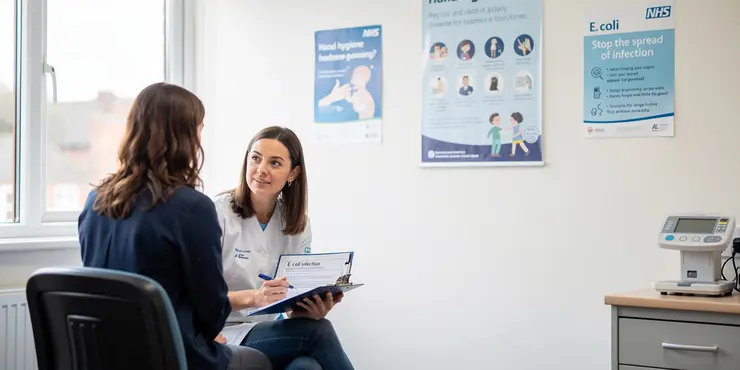
How is E. coli infection diagnosed?
Relevance: 78%
-
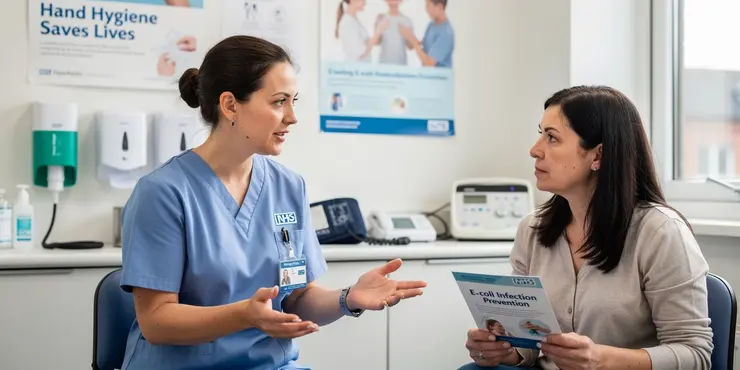
How do people get infected with E. coli?
Relevance: 76%
-
What is E. coli?
Relevance: 75%
-
What is E. coli?
Relevance: 74%
-
Are E. coli, E coli, and ecoli the same thing?
Relevance: 74%
-
Can E. coli cause illness?
Relevance: 74%
-

Is E. coli always harmful?
Relevance: 73%
-

What populations are at higher risk for E. coli infections?
Relevance: 73%

-

Are E.coli and E coli and ecoli the same thing?
Relevance: 72%
-

Is there a difference between E. coli and Escherichia coli?
Relevance: 71%
-
How can E. coli infections be prevented?
Relevance: 71%
-

Are E.coli and E coli and ecoli the same thing?
Relevance: 68%
-

Where is E. coli commonly found?
Relevance: 64%
-
Does E. coli play any beneficial role in the human body?
Relevance: 64%
-
Can I get E.coli from lettuce ?
Relevance: 41%
-

How contagious is measles?
Relevance: 36%
-

Is the bubonic plague contagious between humans?
Relevance: 33%
-

Are cold sores contagious?
Relevance: 32%
-
Is the Nimbus variant more contagious?
Relevance: 31%
-

What foods are commonly associated with E. coli outbreaks?
Relevance: 30%
-
How can water become contaminated with E. coli?
Relevance: 29%
-
How is Rubella transmitted?
Relevance: 29%
-

Is meningitis contagious?
Relevance: 28%
-

Is impetigo contagious?
Relevance: 28%
-
Is shingles contagious?
Relevance: 28%
-
Are new variants more transmissible?
Relevance: 28%
-
Is eczema contagious?
Relevance: 27%
-
Is chickenpox contagious?
Relevance: 27%
-
Is the Super Flu contagious?
Relevance: 27%
-
How is measles transmitted?
Relevance: 26%
-
Is shingles contagious?
Relevance: 26%
-
Is scabies contagious?
Relevance: 26%
-

Is Lyme disease contagious between humans?
Relevance: 26%
-

What role do fruit bats play in Nipah Virus transmission?
Relevance: 26%
-

Is flesh-eating disease contagious?
Relevance: 25%
-
Can gonorrhoea infect areas other than the genital organs?
Relevance: 25%
-
How is H3N2 transmitted?
Relevance: 25%
-
Are nits contagious?
Relevance: 24%
Overview of E. Coli Infections
Escherichia coli (E. coli) are a group of bacteria that are found in the intestines of humans and animals. Most strains are harmless, but some can cause serious food poisoning and infections. E. coli infections can lead to symptoms such as severe stomach cramps, diarrhea, and vomiting. While often associated with contaminated food or water, E. coli can also spread from person-to-person contact.
How E. Coli Infections Spread
E. coli infections are considered contagious in the sense that they can be transmitted between individuals. The infection typically spreads through the fecal-oral route, which means that bacteria from the waste of an infected person can contaminate food, surfaces, or hands, leading to infection in another person. This can happen when an infected person does not wash their hands properly after using the toilet and then touches objects or food.
Person-to-Person Transmission
Direct person-to-person transmission is possible, especially in settings where hygiene practices are poor. This is more common among young children or in environments like nurseries and daycare centres where children may not consistently wash their hands and often interact closely with one another. Additionally, close contact in households can facilitate the spread of the bacteria.
Prevention Measures
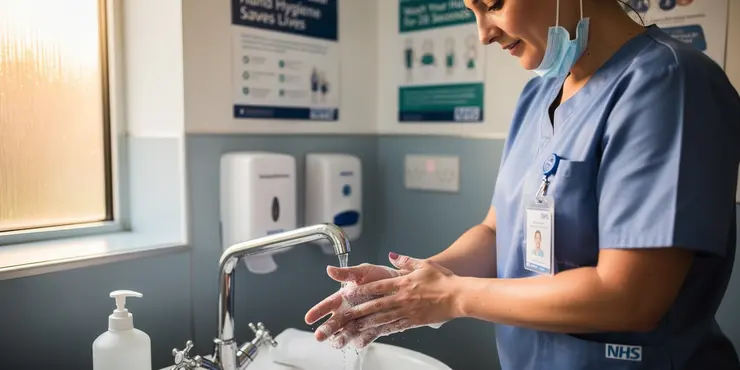
To prevent the spread of E. coli infections, it is essential to practice good hygiene. Regular and thorough hand washing with soap and water, particularly after using the toilet and before eating or preparing food, is crucial. It's also important to ensure that all food, especially meat, is cooked thoroughly to kill any potential bacteria. Avoid cross-contamination by keeping raw and cooked foods separate and by disinfecting surfaces and utensils that come into contact with raw food.
Public Health Considerations
E. coli outbreaks can have significant public health implications. In the UK, public health authorities monitor and investigate outbreaks to identify sources of contamination and to implement control measures. Reporting cases of E. coli infection can help track and manage outbreaks more effectively. In certain situations, individuals diagnosed with an E. coli infection may be advised to stay away from work or school until they are no longer infectious to prevent the spread to others.
Conclusion
While E. coli infections can be contagious and potentially severe, they are preventable with proper hygiene and food safety practices. Awareness of how these infections spread and taking appropriate precautions can help protect individuals and communities from outbreaks. In case of an infection, it is important to follow medical advice and public health guidelines to minimize the risk of transmission.
Overview of E. Coli Infections
E. coli is a type of germ, also called bacteria. It lives in the stomach of people and animals. Most types of E. coli are safe, but some can make you very sick. You might get bad tummy aches, diarrhea, or throw up. E. coli usually spreads through dirty food or water, but it can also pass from one person to another.
How E. Coli Infections Spread
E. coli can spread from person to person. The germs travel from dirty things, like poop, to our mouth. This can happen if someone doesn't wash their hands after using the toilet and then touches food or things that others will use. Always wash your hands to stay safe.
Person-to-Person Transmission
E. coli can easily spread if people do not keep clean. This happens a lot where children are, like in daycares, because they might not wash their hands well. In families, germs can spread fast if one person is sick, so everyone should be careful and wash their hands often.
Prevention Measures
To stop E. coli germs, wash your hands with soap and water often. Do this after using the toilet, before you eat, and when you cook. Cook meat all the way through to kill germs. Keep raw meat away from ready-to-eat food and clean anything that touches raw food well.
Public Health Considerations
E. coli outbreaks, when many people get sick at the same time, can be a big problem. In the UK, health experts watch for these outbreaks to find out how they start and stop them. If you have E. coli, tell a doctor. Sometimes, you might need to stay home from work or school until you're better to avoid making others sick.
Conclusion
E. coli can spread from person to person and sometimes make people very sick, but we can prevent it by staying clean and cooking food properly. Knowing how it spreads helps us stop sickness from reaching more people. If you get sick, follow your doctor’s advice to help keep everyone safe.
Frequently Asked Questions
What is E. coli?
E. coli, or Escherichia coli, is a type of bacteria that is commonly found in the intestines of humans and animals. Some strains can cause food poisoning.
Are E. coli infections contagious?
Yes, E. coli infections can be contagious. The bacteria can spread from person to person, especially if proper hygiene practices are not followed.
How can E. coli be transmitted from person to person?
E. coli can be transmitted through direct contact with an infected person, or by touching surfaces contaminated with the bacteria and then touching one's mouth.
Can E. coli spread through food?
Yes, E. coli can spread through contaminated food, particularly undercooked meat, unpasteurized milk, and raw vegetables and fruits.
Can E. coli infections spread through water?
Yes, E. coli can spread through drinking contaminated water or swimming in contaminated lakes and pools.
What are common symptoms of an E. coli infection?
Common symptoms include diarrhea, abdominal pain, nausea, vomiting, and sometimes fever.
How soon do symptoms appear after exposure to E. coli?
Symptoms usually appear 1 to 10 days after exposure, commonly 3 to 4 days.
How long can a person be contagious with an E. coli infection?
A person with an E. coli infection can be contagious as long as the bacteria are present in their stool, which can be up to two weeks or more.
What can be done to prevent spreading E. coli infections?
Practicing good hygiene, such as thorough handwashing, cooking meat properly, and avoiding cross-contamination in the kitchen, can help prevent the spread.
Are certain people more at risk of serious illness from E. coli?
Yes, young children, the elderly, and individuals with weakened immune systems are more at risk for severe illness.
Is there a treatment for E. coli infections?
Most E. coli infections are self-limiting and require supportive care such as hydration. Antibiotics are not typically recommended.
Can E. coli cause complications?
Yes, a severe complication known as hemolytic uremic syndrome (HUS) can occur, leading to kidney failure and is most common in young children.
Is it safe to prepare food if someone in the household has an E. coli infection?
Precaution is advised. The infected person should avoid preparing food for others and should follow strict hygiene measures.
Can E. coli survive on surfaces?
Yes, E. coli can survive on surfaces for several hours to several days, depending on the conditions.
Are pets carriers of E. coli?
Pets can carry E. coli without showing symptoms and can potentially spread the bacteria to humans.
How can washing hands help prevent E. coli infections?
Proper handwashing removes germs, reducing the risk of ingesting E. coli from contaminated surfaces or after contact with an infected person.
What foods are commonly associated with E. coli contamination?
Undercooked ground beef, unpasteurized milk and juices, raw fruits and vegetables, and contaminated water are common sources.
Why is it important to follow safe food handling procedures?
Safe food handling procedures help prevent cross-contamination and reduce the risk of spreading bacteria like E. coli.
Can E. coli infections be serious?
Most infections are mild, but some strains like E. coli O157:H7 can cause severe illness and complications such as HUS.
Is it necessary to see a doctor for an E. coli infection?
It's important to see a doctor if symptoms are severe, persistent, or if they occur in someone at higher risk for complications.
What is E. coli?
E. coli is a type of germ that can make you sick. It lives in the tummy of people and animals. Some kinds of E. coli are good, but some can make you feel unwell.
Ways to help understand:
- Use pictures of E. coli and where it lives.
- Ask a grown-up to explain more.
- Watch videos for children about germs.
E. coli (say: ee koh-lie) is a type of germ. It lives in the tummy of people and animals. Some kinds can make you sick if you eat food with them in it.
Can you catch E. coli from someone else?
Yes, E. coli can spread from one person to another. This happens if people do not wash their hands properly.
How can E. coli spread between people?
E. coli are tiny germs that can make you sick. They can pass from one person to another.
Here are some ways it can spread:
- Touching hands with someone who has E. coli and then touching your mouth.
- Not washing hands after using the toilet and then touching food.
- Eating food or drinking water with E. coli.
Here are some tips to stay safe:
- Wash your hands with soap and water often.
- Make sure food is cooked properly.
- Drink clean water.
If you need help reading or understanding, ask someone you trust for help. You can also try using apps that read text out loud or show pictures to help you understand better.
E. coli can spread if you touch someone who has it, or if you touch things that have E. coli on them and then touch your mouth.
Can E. coli spread in food?
Yes, E. coli can spread in food. E. coli are germs that can make us sick. Germs are tiny things we cannot see. When E. coli gets into our food, it can travel to our bodies when we eat. This can make our tummies hurt and make us feel unwell.
Tips to stay safe:
- Always wash your hands with soap before you eat or touch food.
- Cook food well to kill any germs.
- Keep raw and cooked foods separate so they don’t mix germs.
- Wash fruits and vegetables before eating them.
Helpful tool: Use a picture guide for washing hands or cooking food properly.
Yes, E. coli germs can make people sick. People can get sick from E. coli if they eat food that is not safe. This can happen with meat that is not cooked well, milk that is not made safe (unpasteurized), and raw vegetables and fruits.
Can E. coli germs spread in water?
Yes, you can get E. coli by drinking dirty water or swimming in lakes and pools that are not clean.
What signs show you might be sick with E. coli?
E. coli can make you feel sick. Here are signs to look out for:
- Belly pain
- Feeling tired
- Runny poo (diarrhea)
- Throwing up (vomiting)
If you think you have E. coli, tell a grown-up or a doctor. Using pictures or asking for help can make it easier to understand. Keep drinking water to stay healthy.
These signs can show up:
- Runny poo
- Tummy ache
- Feeling sick
- Throwing up
- High temperature sometimes
It helps to talk to a doctor if you feel unwell.
When do you feel sick after coming into contact with E. coli germs?
You might start to feel sick 1 to 10 days after you come into contact with the illness. Most people feel sick after 3 to 4 days.
How long can someone spread E. coli to others?
When a person gets an E. coli infection, they can make others sick too. You can spread germs to others, so it is important to be careful. Wash your hands with soap and water, especially after using the bathroom and before eating. This helps stop the germs from spreading!
If you're not sure what to do, you can talk to a doctor or someone who takes care of you. They can help you know when it's okay to be around others again.
If you have an E. coli infection, you can give it to others. This can happen until the germs are gone from your poo. This might take two weeks or even longer.
How can we stop E. coli from spreading?
Keeping clean is important. Wash your hands well. Cook meat all the way through. Keep different foods apart in the kitchen. These things can stop germs from spreading.
Who can get really sick from E. coli?
Yes, young children, older adults, and people who are not strong can get sick more easily.
Can you get better from E. coli infections?
Yes, there are ways to get better if you have an E. coli infection. Here are some tips:
- Drink lots of water. This helps you stay hydrated.
- Get plenty of rest. Rest helps your body fight the germs.
- If you are feeling really sick, go to the doctor. They can help you feel better.
You can also ask a family member or friend to help you understand more. Using pictures or videos can make this easier.
Remember, always wash your hands after going to the toilet and before eating. This helps stop the spread of germs.
Most E. coli infections get better on their own. It is important to drink enough water to stay hydrated. People usually do not need antibiotics.
Can E. coli make you more sick?
Yes, a big problem called hemolytic uremic syndrome (HUS) can happen. It can make the kidneys stop working. This is more likely to happen in young children.
Can I make food if someone at home is sick with E. coli?
If someone at home is sick with E. coli, be very careful when making food. E. coli is a germ that can make people sick.
Here are some tips to stay safe:
- Wash your hands with soap and water before touching food.
- Keep the sick person away from the kitchen while you make food.
- Clean the kitchen well with soap, water, and cloths.
- Use separate cutting boards for meat, fruits, and vegetables.
- Cook food all the way through to kill any germs.
These steps can help keep you and others safe from getting sick.
Be careful! If you are sick, do not cook for other people. Make sure you wash your hands and stay clean.
Can E. coli live on things we touch?
Yes, E. coli can stay alive on things for a few hours or even a few days. It depends on where it is and other things around it.
Can pets have E. coli?
Pets can have a germ called E. coli, but they might not look sick. They can still give this germ to people.
How does washing hands stop E. coli germs?
Washing your hands well helps get rid of germs. This means you are less likely to get sick from bacteria like E. coli. You can get E. coli from dirty places or from touching someone who is sick.
Which foods can make you sick with E. coli?
Some foods and drinks can make you sick if they're not prepared safely. Be careful with:
- Ground beef that's not cooked all the way.
- Milk and juices that haven't been heated to kill germs.
- Raw fruits and vegetables that haven't been cleaned well.
- Water that might be dirty or unsafe to drink.
When eating or drinking, make sure these foods are safe. You can ask an adult or use a thermometer to check if meat is cooked properly. Wash fruits and veggies before eating them. Remember, drinking clean and safe water is important!
Why is it important to use safe food rules?
Safe food rules help us stay healthy. They stop us from getting sick from bad food.
Here are some ways to use safe food rules:
- Wash hands before touching food.
- Keep raw meat away from other foods.
- Cook food until it's hot.
- Store food in the fridge to keep it fresh.
Using a picture chart can help remember the rules. Try setting a timer to know when food is cooked.
Safe food rules help stop bad germs like E. coli from getting on your food.
Can E. coli infections be harmful?
E. coli is a type of germ that can make people sick. Some kinds of E. coli can be more dangerous and make you very sick with bad tummy pain or even kidney problems.
Most E. coli infections can be treated at home by drinking lots of water and resting, but sometimes you might need to see a doctor.
It is good to wash your hands, cook food well, and drink clean water to stay safe.
You can ask a family member or a friend to help you understand more if needed. They can use pictures or simple stories to explain.
Most infections are not serious. But some types, like E. coli O157:H7, can make you very sick and cause problems like HUS.
Do I need to see a doctor if I have E. coli?
If you think you have E. coli, it is a good idea to see a doctor.
E. coli is a type of germ that can make you sick.
The doctor can help you feel better and tell you what to do.
Some things that can help:
- Drink lots of water.
- Rest as much as you can.
- Ask someone to go to the doctor with you.
It is important to visit a doctor if you feel very sick, if you stay sick for a long time, or if you are someone who might get sicker easily.

Useful Links
This website offers general information and is not a substitute for professional advice.
Always seek guidance from qualified professionals.
If you have any medical concerns or need urgent help, contact a healthcare professional or emergency services immediately.
Some of this content was generated with AI assistance. We've done our best to keep it accurate, helpful, and human-friendly.
- Ergsy carefully checks the information in the videos we provide here.
- Videos shown by Youtube after a video has completed, have NOT been reviewed by ERGSY.
- To view, click the arrow in centre of video.
- Most of the videos you find here will have subtitles and/or closed captions available.
- You may need to turn these on, and choose your preferred language.
- Go to the video you'd like to watch.
- If closed captions (CC) are available, settings will be visible on the bottom right of the video player.
- To turn on Captions, click settings.
- To turn off Captions, click settings again.
More Items From Ergsy search
-
Are E. coli infections contagious?
Relevance: 100%
-
Can E. coli infections be treated?
Relevance: 79%
-
How is E. coli infection diagnosed?
Relevance: 78%
-
How do people get infected with E. coli?
Relevance: 76%
-
What is E. coli?
Relevance: 75%
-
What is E. coli?
Relevance: 74%
-
Are E. coli, E coli, and ecoli the same thing?
Relevance: 74%
-
Can E. coli cause illness?
Relevance: 74%
-
Is E. coli always harmful?
Relevance: 73%
-
What populations are at higher risk for E. coli infections?
Relevance: 73%
-
Are E.coli and E coli and ecoli the same thing?
Relevance: 72%
-
Is there a difference between E. coli and Escherichia coli?
Relevance: 71%
-
How can E. coli infections be prevented?
Relevance: 71%
-
Are E.coli and E coli and ecoli the same thing?
Relevance: 68%
-
Where is E. coli commonly found?
Relevance: 64%
-
Does E. coli play any beneficial role in the human body?
Relevance: 64%
-
Can I get E.coli from lettuce ?
Relevance: 41%
-
How contagious is measles?
Relevance: 36%
-
Is the bubonic plague contagious between humans?
Relevance: 33%
-
Are cold sores contagious?
Relevance: 32%
-
Is the Nimbus variant more contagious?
Relevance: 31%
-
What foods are commonly associated with E. coli outbreaks?
Relevance: 30%
-
How can water become contaminated with E. coli?
Relevance: 29%
-
How is Rubella transmitted?
Relevance: 29%
-
Is meningitis contagious?
Relevance: 28%
-
Is impetigo contagious?
Relevance: 28%
-
Is shingles contagious?
Relevance: 28%
-
Are new variants more transmissible?
Relevance: 28%
-
Is eczema contagious?
Relevance: 27%
-
Is chickenpox contagious?
Relevance: 27%
-
Is the Super Flu contagious?
Relevance: 27%
-
How is measles transmitted?
Relevance: 26%
-
Is shingles contagious?
Relevance: 26%
-
Is scabies contagious?
Relevance: 26%
-
Is Lyme disease contagious between humans?
Relevance: 26%
-
What role do fruit bats play in Nipah Virus transmission?
Relevance: 26%
-
Is flesh-eating disease contagious?
Relevance: 25%
-
Can gonorrhoea infect areas other than the genital organs?
Relevance: 25%
-
How is H3N2 transmitted?
Relevance: 25%
-
Are nits contagious?
Relevance: 24%