

Speak To An Expert
Get clear, personalised advice for your situation.
Jot down a few questions to make the most of your conversation.
More Items From Ergsy search
-

How frequently are prisoners with indefinite sentences reviewed for possible release?
Relevance: 100%
-

What is an indefinite prison sentence?
Relevance: 93%
-

What is an indefinite prison sentence?
Relevance: 91%
-

How is an indefinite sentence reviewed?
Relevance: 90%
-

Who decides when a person with an indefinite prison sentence is released?
Relevance: 85%
-

Why do courts issue indefinite prison sentences?
Relevance: 84%
-

How does an indefinite prison sentence differ from a life sentence?
Relevance: 84%
-

Can an indefinite sentence end with a conditional release?
Relevance: 82%
-

Is rehabilitation considered in indefinite prison sentences?
Relevance: 82%
-

Are indefinite prison sentences given in all countries?
Relevance: 81%

-

Do prisoners with indefinite sentences have the same privileges as others?
Relevance: 80%
-
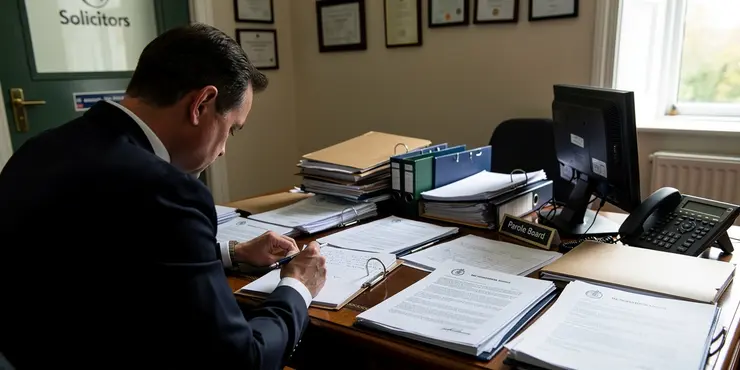
How does parole work with indefinite prison sentences?
Relevance: 78%
-

Can an indefinite prison sentence be appealed?
Relevance: 78%
-

Is there a minimum time that must be served with an indefinite sentence?
Relevance: 77%
-

Are there alternatives to indefinite prison sentences?
Relevance: 77%
-

What are some examples of crimes that might result in an indefinite prison sentence?
Relevance: 77%
-

Are there special programs for prisoners with indefinite sentences?
Relevance: 76%
-

Can an indefinite sentence be converted to a definite one?
Relevance: 75%
-

Do all jurisdictions have the same requirements for reviewing indefinite sentences?
Relevance: 74%
-

Is public safety a consideration in indefinite sentencing?
Relevance: 71%
-

What is the role of mental health assessments in indefinite sentences?
Relevance: 61%
-

Calls for Reform as Report Highlights Disparities in Sentencing Practices
Relevance: 36%
-

What penalties are common for drug offences?
Relevance: 28%
-

What is the penalty for supplying ketamine in the UK?
Relevance: 27%
-

Someone I know has been sent to prison.
Relevance: 26%
-

What is the penalty for possessing ketamine in the UK?
Relevance: 25%
-

What are women's prisons like in the UK?
Relevance: 24%
-

Do I get issued with prison clothing?
Relevance: 23%
-

Is there a library service in the prison?
Relevance: 22%
-

What role do lawyers play in drug offence cases?
Relevance: 21%
-

Will I meet with a prison officer?
Relevance: 21%
-

How are health services provided in prison?
Relevance: 20%
-

What is the role of intent in drug offences?
Relevance: 20%
-

How do I find out where they are incarcerated?
Relevance: 20%
-

How can I contact someone in prison?
Relevance: 20%
-

What items can I send to someone in prison?
Relevance: 19%
-

Visiting a Prisoner - What To Wear on a prison visit
Relevance: 19%
-

Are phone calls from prison free?
Relevance: 19%
-

How often can I visit someone in prison?
Relevance: 19%
-

What to expect on the first day in a British prison.
Relevance: 18%
Understanding Indeterminate Sentences
In the UK, some prisoners are given indeterminate or indefinite sentences. This means they do not have a fixed release date. The most common forms are Imprisonment for Public Protection (IPP) and life sentences. These are intended for offenders judged to pose a significant risk to the public.
Prisoners serving such sentences can only be released if it is deemed safe. The process for reviewing their suitability for release is managed by the Parole Board. The frequency and timing of reviews are guided by both law and policy.
The Initial Review Process
A prisoner given an indefinite sentence must first serve a "tariff." This is the minimum period set by the court as punishment for the crime. Before the tariff expires, the prisoner cannot be considered for release.
Once this tariff period ends, the prisoner becomes eligible for their first review by the Parole Board. This first review is an essential step towards possible release. It assesses whether the individual still poses a risk to the public.
Frequency of Subsequent Parole Reviews
After the tariff has expired and the initial review has taken place, subsequent reviews are held regularly. For most prisoners with indeterminate sentences, the Parole Board will review their cases every one to two years. The Home Office or Ministry of Justice sets the exact interval between reviews.
If the Parole Board decides against release, they will set a date for the next review. This date is usually 12 or 24 months in the future. The prisoner is informed of this schedule to help them prepare for their next opportunity.
Factors Affecting Review Frequency
The exact timing of a review can vary depending on individual circumstances. Prisoners may request an earlier review if there has been significant progress or a change in their case. However, this is only granted in exceptional situations.
Legal changes and policy updates may also affect how often reviews take place. The system aims to ensure fairness, but prioritises public safety throughout. It is important for prisoners to demonstrate progress and readiness for release at each review.
Importance of the Parole Board’s Role
The Parole Board carries out a careful assessment for each case. They consider reports, risk factors, and the prisoner’s behaviour and rehabilitation. Their decision is based on safety and the likelihood of successful reintegration into the community.
The system of regular and structured reviews gives prisoners chances to show change. However, release is not guaranteed, and the process remains rigorous. The approach balances public protection with opportunities for rehabilitation and release.
Understanding Indeterminate Sentences
In the UK, some people in prison are given sentences with no end date. This means no one knows when they will be let out. These sentences are called Imprisonment for Public Protection (IPP) or life sentences. These are given to people who are thought to be a big risk to others.
People with these sentences can only leave prison if it is safe. The Parole Board is a group that decides when someone can be let out. They follow rules set by the law to check if a person is ready.
The Initial Review Process
A person with one of these sentences must stay in prison for a certain amount of time first. This time is called a "tariff." The judge decides the length of the tariff as a punishment for their crime.
After the tariff is over, the person can have their case reviewed by the Parole Board. This review checks if they are still risky to the public. It is the first step towards release.
Frequency of Subsequent Parole Reviews
After the tariff ends and the first review happens, reviews keep happening regularly. For most people, reviews are every 1 or 2 years. The government decides exactly when the next review will be.
If the Parole Board says the person cannot be released yet, they will say when the next review is. This is usually in 12 or 24 months. The person in prison is told when their next review will be, so they can prepare.
Factors Affecting Review Frequency
The timing for reviews can change for different people. Someone can ask for an earlier review if they have made a lot of progress or if something big has changed in their case. However, this only happens in special cases.
Changes in laws or rules can also change how often reviews happen. The system tries to be fair but always puts public safety first. It is important for prisoners to show they are making progress and are ready to leave prison.
Importance of the Parole Board’s Role
The Parole Board looks at each case carefully. They check reports, think about risks, and look at how the person is behaving and changing. Their choice is based on safety and whether the person can live safely in the community.
Regular reviews give prisoners chances to show they have changed. But getting out is not promised. The rules are strict. This system tries to protect the public while also giving people a chance to move forward.
Tips: You can use easy words, pictures, or ask someone you trust to help you understand. You may also use a dictionary or online tools that read text out loud.
Frequently Asked Questions
How often are prisoners with indefinite sentences reviewed for release?
Prisoners with indefinite sentences are typically reviewed periodically, often every 1 to 2 years, but the frequency can vary depending on jurisdiction and case specifics.
Who is responsible for reviewing the cases of prisoners with indefinite sentences?
A parole board or a similar authority is usually responsible for reviewing such cases to determine eligibility for release.
What factors affect the review frequency for indefinite sentence prisoners?
Factors can include legal requirements, prisoner behavior, progress in rehabilitation, and recommendations from prison staff.
Are there minimum periods before a review for indefinite sentence prisoners?
Yes, usually there is a minimum tariff or period set by the court before the first review can take place.
Can review intervals change during an indefinite sentence?
Yes, review intervals can sometimes be adjusted based on the prisoner's conduct, risk assessments, or changes in law.
Is the review process the same in all countries?
No, the process and frequency of reviews for indefinite sentences vary between countries and even within jurisdictions.
What happens during a review for possible release?
A review typically involves evaluating the prisoner's behavior, risk to the public, rehabilitation efforts, and reports from professionals.
Can prisoners with indefinite sentences request early reviews?
In some systems, prisoners or their legal representatives can request an early review, but it's usually at the discretion of the reviewing authority.
Are victims or their families involved in the review process?
In many jurisdictions, victims or their families are allowed to provide input or be notified about parole reviews.
What is an IPP (Imprisonment for Public Protection) sentence?
An IPP is a type of indefinite sentence where the prisoner is reviewed for release only after serving a minimum term, and reviewed regularly thereafter.
If a prisoner is denied release, how soon is the next review?
If denied, the next review is usually scheduled within 1 to 2 years, depending on jurisdictional guidelines.
How does behavior in prison affect review outcomes?
Good behavior and engagement in rehabilitation can improve the chances of a favorable review, but are not the sole factors considered.
Is legal representation allowed during the review?
Yes, prisoners typically have the right to legal representation during parole or release reviews.
Are psychological assessments part of the review?
Yes, psychological assessments are often a crucial part of the review process for indefinite sentence prisoners.
Can indefinite sentence prisoners be reviewed more frequently for medical reasons?
Yes, health or compassionate grounds can sometimes prompt earlier or more frequent reviews.
Do all indefinite sentences guarantee eventual release reviews?
Most systems require reviews, but actual release is not guaranteed; it depends on various assessments and legal requirements.
Is public protection a major consideration in release reviews?
Yes, ensuring public safety is often the primary concern when reviewing indefinite sentence prisoners for release.
How are prisoners informed of their review dates?
Prisoners are usually notified in advance, either through formal paperwork or by their legal representatives.
Can a delay occur in scheduled reviews?
Yes, administrative or legal issues can sometimes lead to delays in scheduled reviews.
How are review outcomes communicated to prisoners?
Outcomes are typically provided in writing, and prisoners have the right to be informed of the board's decision and the reasons behind it.
Can family members of prisoners participate in the review process?
Family input may be considered in some jurisdictions, but direct participation in hearings varies by system.
How often do people in prison for an unknown amount of time get checked to see if they can leave?
Some people in prison do not know how long they will stay there. They are called prisoners with an indefinite sentence.
These people have meetings to talk about if they are ready to leave prison. These meetings are called reviews.
People in prison will usually have a review every so often. This could be once a year. At each review, people check if it is safe for the prisoner to leave.
If you are a prisoner or you know someone who is, you can ask a prison officer or staff for help to understand when reviews happen.
You can use a calendar or ask someone you trust to help you remember review dates.
People in prison for an unknown amount of time have their cases checked every 1 or 2 years. This time can be different depending on the rules and the person's case.
If you find this hard to understand, you can ask someone you trust to help you read it. You can also use a text-to-speech tool to read it out loud.
Who checks the cases of prisoners with no set release date?
Some people in prison do not know when they will get out. A special group of people looks at these cases to decide what should happen next. They make sure everything is fair and safe.
If you find this hard to understand, you can:
- Ask someone you trust to help explain it.
- Use pictures or symbols to help you.
- Ask for support from a carer or a key worker.
A group called the parole board usually checks if someone can leave prison early. They look at each case to decide if it is safe for the person to go home.
If you need help reading or understanding, you can ask someone you trust to help you. Sometimes pictures or speaking the words out loud can make things easier.
What things change how often people with an indefinite prison sentence are reviewed?
Some people in prison do not know when they will go home. They are called ‘indefinite sentence prisoners’.
There are different things that decide how often their case is checked, such as:
- How safe they are in prison
- If they have changed their behaviour
- If they have done helpful courses or programs
- Advice from prison staff
Helpful tools:
- Someone you trust can help you read or talk about this question
- Use pictures or timelines to help understand
There are different things that can affect this. Here are some:
- Rules and laws that must be followed
- How the person in prison acts
- If they are getting better and learning new skills
- What the prison staff says about them
It can help to talk with someone you trust if you need more support. You can also use pictures or ask for help to understand words that are difficult.
Is there a set time before someone with an indefinite sentence can have their case looked at?
If someone is in prison with no set release date, there is often a certain amount of time they must wait before their case is reviewed. This means someone will check if they can leave prison. If you are unsure, you can ask for help to understand the rules. You can talk to a prison officer, a family member, or an advocate. You can also use tools like picture cards, large print information, or ask someone to explain things step by step to help you understand better.
Yes. The court usually sets a minimum time you must wait before your case can be looked at again. This is called a minimum period or tariff.
If you find this hard to understand, you can:
- Ask someone you trust to help explain it to you.
- Write down your questions and ask your support worker or lawyer.
Can review intervals change during an indefinite sentence?
If someone is in prison for an indefinite sentence, people check their case regularly. These checks are called reviews.
The time between these reviews can change. For example, the reviews might happen more often or less often.
If you are not sure when your next review is, you can ask your caseworker or support person.
It can help to:
- Write down the date of your last review
- Ask someone you trust to help you remember important dates
- Use a calendar or reminder app if you have a phone
Yes, review times can sometimes change.
This can happen if the prisoner behaves well, if the risk level changes, or if the law changes.
If you find this information hard to understand, you can ask someone you trust to read it with you. You can also use tools like text-to-speech apps to have the information read out loud.
Do all countries check things in the same way?
Different countries may check things in different ways.
If you find the words hard to understand, you can ask someone you trust to help you read and explain it.
You can also use tools like reading rulers, coloured overlays, or text-to-speech apps to help you read the question.
No, the way and how often people review indefinite sentences is different in each country. It can also be different in different parts of the same country.
What happens in a meeting to decide if someone can leave?
A review meeting is held to decide if a person can leave a place, like a hospital or prison. At the meeting, people will talk about how the person is doing. They will check if the person is safe to leave. The person can say how they feel too. Family or friends may help. You can use pictures, drawings, or talk with a support worker to help you understand.
A review is when people check how the prisoner is doing. They look at how the prisoner behaves, if the prisoner is safe for others, what help the prisoner has had, and what experts say. Tools like pictures, simple words, or talking to someone you trust can help you understand better.
Can prisoners with indefinite sentences ask for their sentence to be looked at early?
If a person is in prison with no set date to leave, they might want to leave sooner.
They can ask for someone to look at their sentence early. This is called an 'early review'.
If you find this hard to do, you can:
- Ask a prison officer for help
- Talk to your solicitor or lawyer
- Ask an advocate or support worker to help you understand and fill out forms
Remember, it is okay to ask for help if you don't understand something.
In some places, prisoners or their lawyers can ask for their case to be looked at early. But the people in charge decide if this will happen.
If you find this information hard to understand, you can ask someone you trust to help explain it, or use pictures and simple words to help you remember.
Do victims or their families help with the review?
Yes. Victims and their families can share their story and say what happened. This can help people understand their feelings. They can also ask for support. You can bring a friend or someone you trust to help you.
Talking about what happened can be hard. It may help to talk to someone you trust or use support services, like a counsellor.
In many places, people who have been hurt by a crime or their families can share their thoughts or get told when someone who hurt them might get out of prison.
What is an IPP (Imprisonment for Public Protection) sentence?
An IPP sentence is a type of prison sentence.
This sentence is given to people who are thought to be dangerous.
People are given this sentence if a judge thinks they might hurt others again.
There is no set date when the person will leave prison.
The person will only leave prison when it is safe for them to return to the community.
Some people find it helpful to talk to a prison support worker.
It can help to write things down or ask someone you trust to help you understand.
An IPP is a special type of prison sentence. There is no set date for the person to be let out. They have to stay in prison for a certain time at first. After this, people will check regularly to decide if the person can leave prison.
If you find reading hard, you can ask someone you trust to help you read or explain this information. You can also use text-to-speech tools which read words out loud.
When can a prisoner ask again to leave if they are not allowed out?
If a prisoner asks to leave but is told no, they will get another chance to ask later. This happens at a set time in the future.
Someone at the prison can help the prisoner understand when their next review will be. Prisoners can use a calendar or ask for reminders to remember their next review date.
If your request is not accepted, someone will check your case again in 1 or 2 years. This can change depending on the rules where you live. You can ask a friend or use a calendar to help you remember when the next review will be.
Does good or bad behaviour in prison change what happens in your review?
People watch how you behave in prison. If you are kind and follow rules, this can help you in your review. If you break rules or behave badly, this can make your review harder.
You can ask for support to help you behave well. You might talk to a staff member, ask for help with your feelings, or use pictures and easy words to help understand what to do.
Behaving well and joining in with rehabilitation can help you get a good review. But other things are important too. They will look at everything you do, not just these things.
It can help to use support tools, like talking to a counselor or asking someone you trust to help you. Writing down your progress can also be useful.
Can you have a lawyer with you for the review?
Yes, you can have a lawyer or someone to help you during the review. They can speak for you or help explain things. You can also bring someone you trust, like a friend or family member. If you are worried, you can ask for help or talk to someone who knows about the review. Tools like picture cards or having someone read things out loud can help you understand.
Yes, people in prison can usually have a lawyer help them when they ask to leave prison early on parole.
If you find it hard to understand, you can ask someone you trust for help. You can also use tools like text-to-speech to listen to the words.
Do you have to see a psychologist as part of the review?
Sometimes, you may need to meet with a psychologist for the review. A psychologist is someone who helps people understand their feelings and thoughts.
If you need to see one, someone will tell you.
You can take a family member or friend with you to help you feel comfortable.
It’s okay to ask the psychologist to use easy words.
You can also write down your questions to help you remember them.
Yes, people in prison for a long time often need to see a psychologist. This helps decide if they are ready to leave prison.
If you find it hard to understand, you can:
- Ask someone you trust to help you read.
- Use a dictionary or an app to look up difficult words.
- Take your time and read slowly.
Can prisoners with no set release date have their case checked more often if they are sick?
If a person in prison is very sick or has medical problems, their case can be checked more often. This is to make sure they get the help they need.
If you find it hard to understand what the prison or court says, you can ask someone you trust to help explain it. You can also use pictures or simple words to help understand.
Yes. If you are ill or facing a tough time, you might get your case looked at sooner or more often.
Will everyone with an indefinite sentence get their case checked to see if they can leave prison one day?
If you have an indefinite sentence, someone will look at your case to see if you can leave prison in the future.
If you find this hard to understand, you can:
- Ask someone you trust to help you read this.
- Use a reading ruler or coloured overlay to help you see the words.
- Ask for the information in a different way, like in pictures or audio.
Most systems ask people to check things. But just checking does not always mean something is ready. The final decision depends on rules and laws.
If you find it hard to understand, you can ask someone you trust to help. You can also use tools like a screen reader or simple language guides.
Do people think about keeping the public safe when deciding if someone can be released?
When deciding if someone should be released, people think a lot about keeping everyone safe. This means they check if the person might hurt anyone if they are let out.
If you find reading hard, you can ask someone you trust to help you, like a family member, carer, or support worker. You can also try reading tools that make words bigger or read the text out loud.
Yes, making sure everyone is safe is the most important thing when deciding if someone in prison can leave.
How do prisoners find out when their review is?
Prisoners are told the date of their review.
A review is a meeting to talk about their case.
The prison will send a letter or tell the prisoner face to face.
If you need help, you can ask a staff member or use a supporter, like an advocate, to explain things.
Prisoners are usually told in advance. They are told with papers or by their lawyers.
If you find this hard to understand, you can ask someone you trust to read it with you. You can also use tools like text-to-speech to help you listen to the words.
Can a delay occur in scheduled reviews?
Sometimes, things can be late. This means your review might not happen on the date you were told. If this happens, you can ask someone for help. You can also write down the new date. It might help to use a calendar or a reminder to remember.
Yes, sometimes problems with paperwork or rules can make reviews happen later than planned.
How do prisoners find out what happens after their review?
Prisoners are told what has been decided after their review. This means someone explains to them what will happen next.
If it is hard to understand, a staff member can help. They can use easy words or pictures to help explain.
Prisoners can also ask for someone to help them, like an advocate or support worker, to make sure they understand what is being said.
Prisoners are told the board’s decision in a letter or document. They will also be told why the board made this decision. Prisoners have the right to know both the decision and the reason it was made.
If you find reading hard, you can ask for help from a trusted friend, a support worker, or use text-to-speech tools to read the letter out loud for you.
Can family members of prisoners take part in the review?
This question means: Can people in a prisoner's family help when someone looks at the prisoner's case again?
Yes, family members can sometimes help in the review. They may share their thoughts, write letters or speak about the prisoner.
If you find this hard to understand or need help, you can ask someone you trust to read it with you. Drawing a picture or making a list together can also help you understand.
Some places let families help make decisions. But in some places, families do not always join meetings in person. This depends on where you live.
If you need help, you can take a trusted person with you, like a friend or support worker. Writing down your thoughts before the meeting can also help you feel ready.

Useful Links
This website offers general information and is not a substitute for professional advice.
Always seek guidance from qualified professionals.
If you have any medical concerns or need urgent help, contact a healthcare professional or emergency services immediately.
Some of this content was generated with AI assistance. We've done our best to keep it accurate, helpful, and human-friendly.
- Ergsy carefully checks the information in the videos we provide here.
- Videos shown by Youtube after a video has completed, have NOT been reviewed by ERGSY.
- To view, click the arrow in centre of video.
- Most of the videos you find here will have subtitles and/or closed captions available.
- You may need to turn these on, and choose your preferred language.
- Go to the video you'd like to watch.
- If closed captions (CC) are available, settings will be visible on the bottom right of the video player.
- To turn on Captions, click settings.
- To turn off Captions, click settings again.
More Items From Ergsy search
-
How frequently are prisoners with indefinite sentences reviewed for possible release?
Relevance: 100%
-
What is an indefinite prison sentence?
Relevance: 93%
-
What is an indefinite prison sentence?
Relevance: 91%
-
How is an indefinite sentence reviewed?
Relevance: 90%
-
Who decides when a person with an indefinite prison sentence is released?
Relevance: 85%
-
Why do courts issue indefinite prison sentences?
Relevance: 84%
-
How does an indefinite prison sentence differ from a life sentence?
Relevance: 84%
-
Can an indefinite sentence end with a conditional release?
Relevance: 82%
-
Is rehabilitation considered in indefinite prison sentences?
Relevance: 82%
-
Are indefinite prison sentences given in all countries?
Relevance: 81%
-
Do prisoners with indefinite sentences have the same privileges as others?
Relevance: 80%
-
How does parole work with indefinite prison sentences?
Relevance: 78%
-
Can an indefinite prison sentence be appealed?
Relevance: 78%
-
Is there a minimum time that must be served with an indefinite sentence?
Relevance: 77%
-
Are there alternatives to indefinite prison sentences?
Relevance: 77%
-
What are some examples of crimes that might result in an indefinite prison sentence?
Relevance: 77%
-
Are there special programs for prisoners with indefinite sentences?
Relevance: 76%
-
Can an indefinite sentence be converted to a definite one?
Relevance: 75%
-
Do all jurisdictions have the same requirements for reviewing indefinite sentences?
Relevance: 74%
-
Is public safety a consideration in indefinite sentencing?
Relevance: 71%
-
What is the role of mental health assessments in indefinite sentences?
Relevance: 61%
-
Calls for Reform as Report Highlights Disparities in Sentencing Practices
Relevance: 36%
-
What penalties are common for drug offences?
Relevance: 28%
-
What is the penalty for supplying ketamine in the UK?
Relevance: 27%
-
Someone I know has been sent to prison.
Relevance: 26%
-
What is the penalty for possessing ketamine in the UK?
Relevance: 25%
-
What are women's prisons like in the UK?
Relevance: 24%
-
Do I get issued with prison clothing?
Relevance: 23%
-
Is there a library service in the prison?
Relevance: 22%
-
What role do lawyers play in drug offence cases?
Relevance: 21%
-
Will I meet with a prison officer?
Relevance: 21%
-
How are health services provided in prison?
Relevance: 20%
-
What is the role of intent in drug offences?
Relevance: 20%
-
How do I find out where they are incarcerated?
Relevance: 20%
-
How can I contact someone in prison?
Relevance: 20%
-
What items can I send to someone in prison?
Relevance: 19%
-
Visiting a Prisoner - What To Wear on a prison visit
Relevance: 19%
-
Are phone calls from prison free?
Relevance: 19%
-
How often can I visit someone in prison?
Relevance: 19%
-
What to expect on the first day in a British prison.
Relevance: 18%