
Get Answers
Understanding Seasonal Affective Disorder (SAD)
Seasonal Affective Disorder (SAD) is a type of depression that typically occurs during specific seasons, often in the autumn and winter months when daylight hours are shorter. Diagnosing SAD involves a thorough evaluation by a healthcare professional, typically focusing on symptoms that recur at the same time each year and dissipate as the season changes. In the UK, where the winter months can be particularly long and dark, recognising and diagnosing SAD accurately is crucial for effective treatment.
Initial Consultation
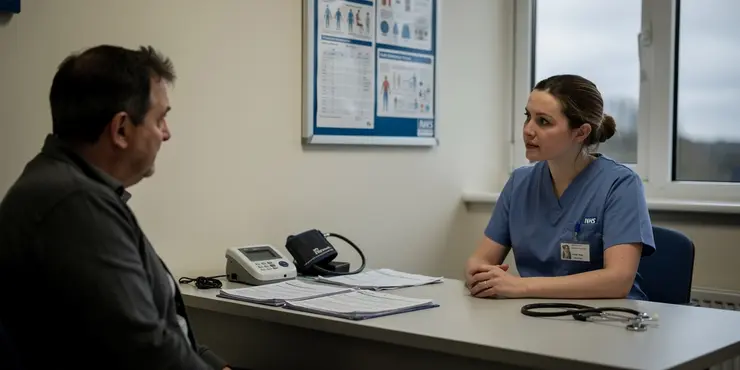
The first step in diagnosing SAD usually involves an initial consultation with a general practitioner (GP) or mental health specialist. Patients who suspect they might have SAD typically present symptoms such as persistent low mood, lethargy, sleep problems, changes in appetite or weight, loss of interest in activities, and difficulty concentrating. During the consultation, the healthcare provider will discuss these symptoms in detail, focusing on when they began, their severity, and how they affect the patient’s daily life.
History and Patterns
A crucial aspect of diagnosing SAD is identifying a pattern of depression that coincides with particular seasons, usually winter. The healthcare provider will enquire about the patient’s history of depression, asking questions about any previous episodes and whether they have followed a seasonal pattern. Evidence of a seasonal pattern is essential for a SAD diagnosis. Typically, there needs to be a consistent recurrence of depressive episodes during a specific season for at least two consecutive years, alongside full remission of symptoms during other seasons.
Rule Out Other Conditions
It is important to rule out other potential causes of the symptoms, as some medical conditions and medications can mimic the signs of SAD. Therefore, physical examinations and lab tests may be recommended to check for any underlying health issues, such as thyroid problems. Additionally, evaluating the patient’s lifestyle and recent significant life changes can help exclude other forms of depression or mental health concerns.
Utilising Diagnostic Criteria
In the UK, diagnosis is often based on the International Classification of Diseases (ICD) or criteria from the Diagnostic and Statistical Manual of Mental Disorders (DSM). These criteria help ensure that the diagnosis is consistent and based on established medical guidelines. According to these, the depressive episodes must substantially impair the individual's daily functioning and be linked to a seasonal change, distinguishing SAD from other forms of depression.
Treatment and Management
Once diagnosed, treatment for SAD may involve light therapy, medication, such as antidepressants, or cognitive behavioural therapy (CBT). It is vital to tailor the treatment plan to the individual's needs, addressing not only the symptoms but also their root causes and potential triggers. Early diagnosis and intervention can significantly enhance the quality of life for those affected by SAD, making awareness and timely consultation crucial.
Understanding Seasonal Affective Disorder (SAD)
Seasonal Affective Disorder, or SAD, is a type of sadness that happens in certain seasons. It usually shows up in autumn and winter when days are shorter and darker. If you think you have SAD, it's important to see a doctor. They will check if your sadness comes back every year at the same time. In the UK, winters can be long and dark, so it's important to know if someone has SAD so they can get the right treatment.
Initial Consultation
If you think you have SAD, you should talk to your doctor. Doctors, like GPs or mental health experts, look for signs like feeling sad, tired, having trouble sleeping, eating differently, losing interest in fun activities, and having trouble focusing. At the doctor's visit, they will ask about these signs and when they started and how they make your daily life hard.
History and Patterns
To know if someone has SAD, doctors look for sadness that happens in a pattern with certain seasons, usually winter. They will ask if you've been sad before and if it happens at the same time each year. Seeing a pattern of sadness that comes back during the same season for at least two years helps doctors say if it’s SAD. Feeling better when the season changes is also important.
Rule Out Other Conditions
Doctors need to check that nothing else is causing the symptoms. Other health problems or medicines can sometimes look like SAD. You might need a check-up or tests to make sure your body is healthy. The doctor will also talk with you about how you live and if anything big has changed in your life.
Utilising Diagnostic Criteria
In the UK, doctors use special rules to say if someone has SAD. They use the International Classification of Diseases (ICD) or the Diagnostic and Statistical Manual of Mental Disorders (DSM). These rules make sure the diagnosis is correct. SAD must make it hard for someone to do normal daily things and be linked to the change in seasons.
Treatment and Management
If a person is told they have SAD, they can try treatments like light therapy, medicines (like antidepressants), or talking therapy (cognitive behavioural therapy, or CBT). It's important for the treatment to fit the person's needs and help with both the symptoms and what causes them. Finding out that someone has SAD and helping them early can make life much better. That's why knowing about SAD and seeing a doctor early is so important.
Frequently Asked Questions
The first step is usually a thorough clinical evaluation by a healthcare provider, which includes a detailed discussion of symptoms, their timing, and how they affect daily life.
Psychiatrists, psychologists, and primary care doctors can diagnose SAD.
A detailed medical history helps to rule out other conditions that might cause similar symptoms and to identify any patterns related to seasonal changes.
Yes, SAD is diagnosed using the criteria outlined in the Diagnostic and Statistical Manual of Mental Disorders (DSM-5).
Yes, information about lifestyle, such as changes in sleep, activity, and eating patterns, can provide insight into seasonal affective patterns.
No specific lab tests can diagnose SAD, but tests may be conducted to rule out other conditions.
A physical exam might be conducted to check for any physical conditions that might cause depressive symptoms.
The seasonal pattern is crucial, as SAD is specifically characterized by symptoms that occur at the same time each year.
Yes, questionnaires like the Seasonal Pattern Assessment Questionnaire (SPAQ) can help identify patterns related to SAD.
Psychological assessments might include interviews and standardized depression rating scales to evaluate mood and behavior changes.
Symptoms must occur for at least two consecutive years with a seasonal pattern of onset and remission.
Family history of depression or bipolar disorder can be a risk factor and may be considered during diagnosis.
Imaging tests are not typically used to diagnose SAD but might be used for research purposes.
SAD is distinguished from regular depression by its seasonal pattern, usually coinciding with less sunlight in fall and winter.
While not used in diagnosis, low Vitamin D levels are often associated with SAD and might be checked during evaluation.
Yes, tracking mood, sleep, and energy levels over time can help establish a seasonal pattern for SAD diagnosis.
Symptoms typically appear in fall and winter, with improvement in spring and summer, persisting for at least two concurrent years.
Environmental factors, such as reduced sunlight exposure and geographic location, are considered during the diagnostic process.
Yes, withdrawal from social activities and changes in interpersonal behavior may be evaluated.
Yes, hypersomnia or changes in sleep patterns are common symptoms evaluated during diagnosis.
The first step is to visit a doctor. The doctor will ask questions about how you feel, when you feel it, and how it changes your day-to-day life. This will help the doctor understand what to do next.
Doctors who help people with their feelings can find out if someone has SAD. These doctors can be:
- Psychiatrists
- Psychologists
- Primary care doctors
Talking to the doctor about your health history can help. It shows if other health problems make you feel the same way. It also helps to see if your feelings change with the seasons.
Yes, doctors use a guide called the DSM-5 to find out if someone has SAD.
Yes, changes in how you sleep, move around, or eat can help us understand how seasons affect your mood.
There are no special tests to find out if someone has SAD. But doctors might do other tests to check for different problems.
A doctor might do a check-up to see if your body is causing you to feel sad.
The changing seasons are important. SAD happens when people feel sad or tired every year at the same time.
Yes, there are forms like the Seasonal Pattern Assessment Questionnaire (SPAQ) that can help find patterns related to SAD.
Psychological tests can help check how someone is feeling or acting. These tests might include talking with a therapist and using special checklists to see if someone feels sad or angry.
Symptoms happen for at least two years in a row. They come and go with the change of seasons.
If someone in your family has had depression or bipolar disorder, it might make you more likely to have it too. This can help doctors figure out what's going on with you.
Doctors don't usually use pictures of the brain to find out if someone has SAD. But scientists might use these pictures to learn more about it.
SAD is different from regular depression because it happens at certain times of the year. It usually starts when there is less sunlight in fall and winter.
Doctors do not use low Vitamin D levels to say if someone has SAD. But people with SAD often have low Vitamin D. So, doctors might check Vitamin D when looking at SAD symptoms.
Yes, keeping track of how you feel, how much you sleep, and your energy can help find a pattern. This pattern can help doctors know if you have SAD, a type of depression that happens in certain seasons.
Signs usually start in the fall and winter. People start to feel better in spring and summer. This happens for at least two years in a row.
When doctors try to find out what's wrong, they think about things like how much sunlight you get and where you live.
Yes, stopping social activities and acting differently with people can be looked at.
Yes, feeling very sleepy or changes in how you sleep are common signs doctors look for when they figure out what's wrong.

Ergsy Search Results
This website offers general information and is not a substitute for professional advice.
Always seek guidance from qualified professionals.
If you have any medical concerns or need urgent help, contact a healthcare professional or emergency services immediately.
Some of this content was generated with AI assistance. We've done our best to keep it accurate, helpful, and human-friendly.
- Ergsy carefully checks the information in the videos we provide here.
- Videos shown by Youtube after a video has completed, have NOT been reviewed by ERGSY.
- To view, click the arrow in centre of video.
- Most of the videos you find here will have subtitles and/or closed captions available.
- You may need to turn these on, and choose your preferred language.
- Go to the video you'd like to watch.
- If closed captions (CC) are available, settings will be visible on the bottom right of the video player.
- To turn on Captions, click settings.
- To turn off Captions, click settings again.