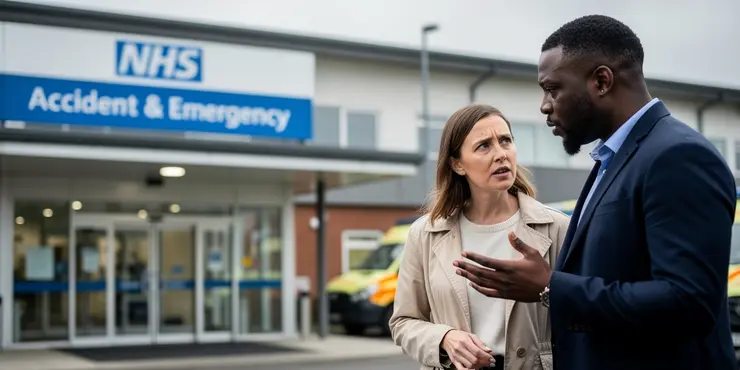

Speak To An Expert
Get clear, personalised advice for your situation.
Jot down a few questions to make the most of your conversation.
More Items From Ergsy search
-

What is a Road Traffic Accident (RTA)?
Relevance: 100%
-

What is a Road Traffic Accident - RTA?
Relevance: 99%
-

Is a bicycle crash on the road an RTA?
Relevance: 78%
-
Can a road traffic accident involve multiple vehicles?
Relevance: 71%
-

How is blame determined in a Road Traffic Accident?
Relevance: 66%
-

Can a parked vehicle be involved in an RTA?
Relevance: 62%
-
Is a minor car scrape considered an RTA?
Relevance: 62%
-
Can pedestrians be victims of an RTA?
Relevance: 56%
-
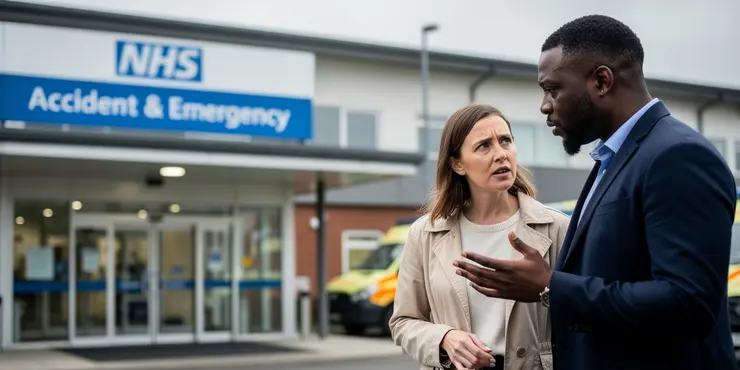
What should I do immediately after an RTA?
Relevance: 56%
-

Should I report every RTA to the police?
Relevance: 53%

-

What types of vehicles can be involved in an RTA?
Relevance: 53%
-

Can an RTA happen without injury?
Relevance: 53%
-
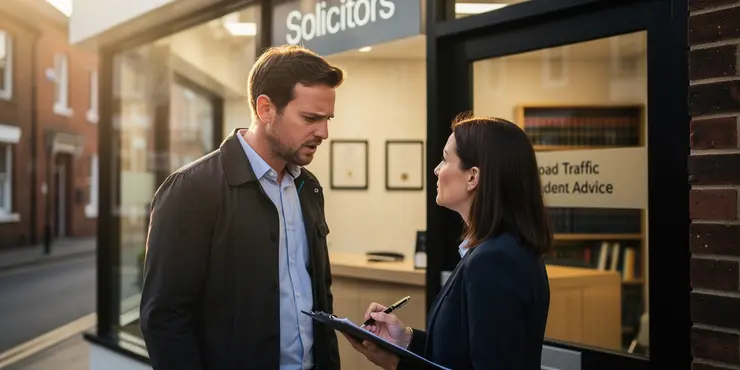
What role does insurance play after an RTA?
Relevance: 49%
-

What information should be collected after an RTA?
Relevance: 48%
-
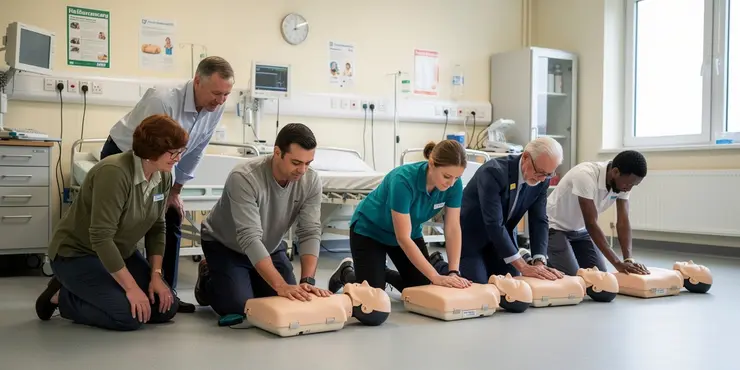
What topics are covered in a first aid course?
Relevance: 42%
-
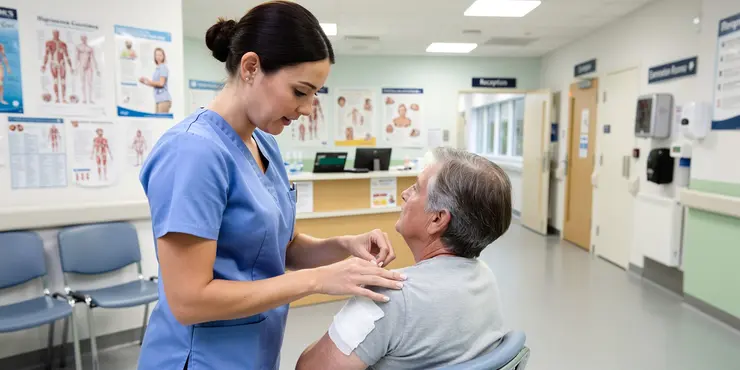
Can first aid skills help in daily life?
Relevance: 41%
-
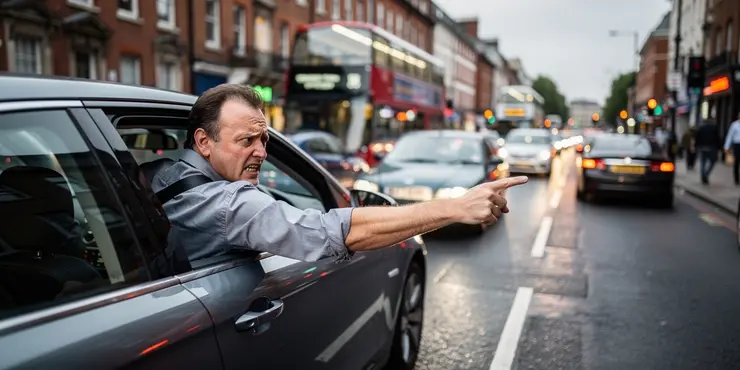
Is road rage a form of dangerous driving?
Relevance: 41%
-
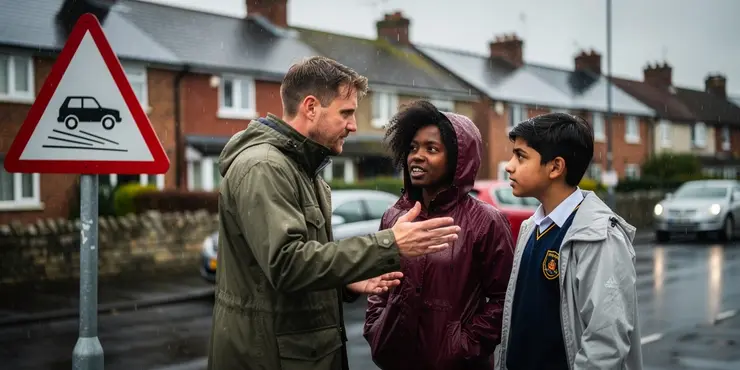
Are weather conditions a factor in RTAs?
Relevance: 40%
-
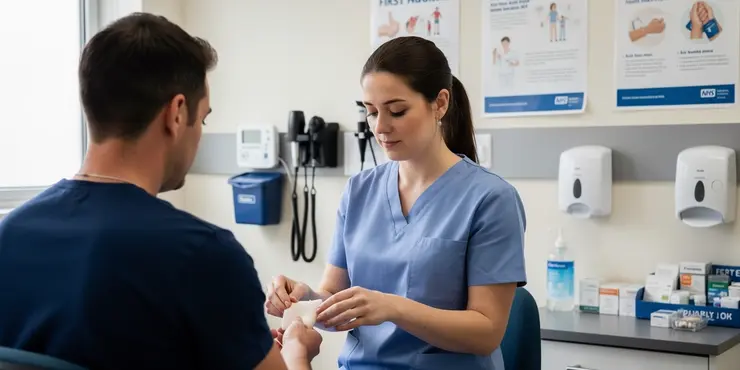
Are there mobile apps that teach first aid?
Relevance: 39%
-

What are the common causes of RTAs?
Relevance: 38%
-
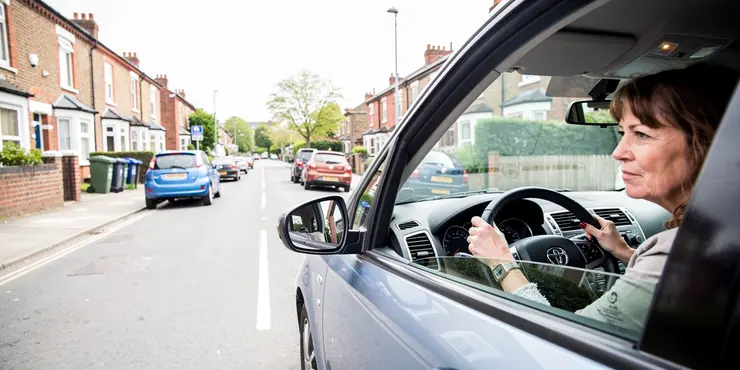
Is driving too slowly considered dangerous driving?
Relevance: 38%
-

Who should I speak to first after a work accident?
Relevance: 38%
-
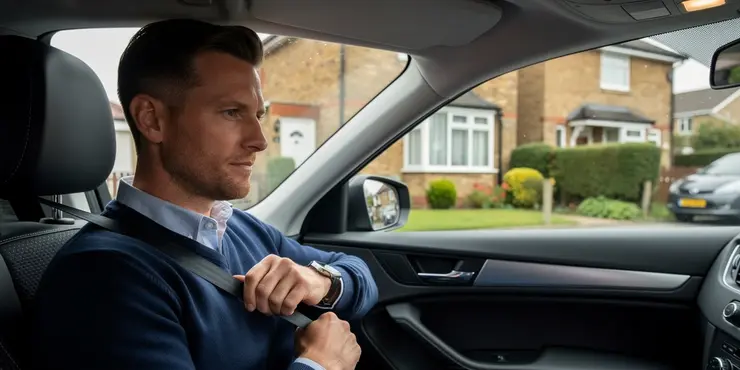
Why is seat belt use important in an RTA?
Relevance: 38%
-
What if there were no witnesses to the accident?
Relevance: 38%
-
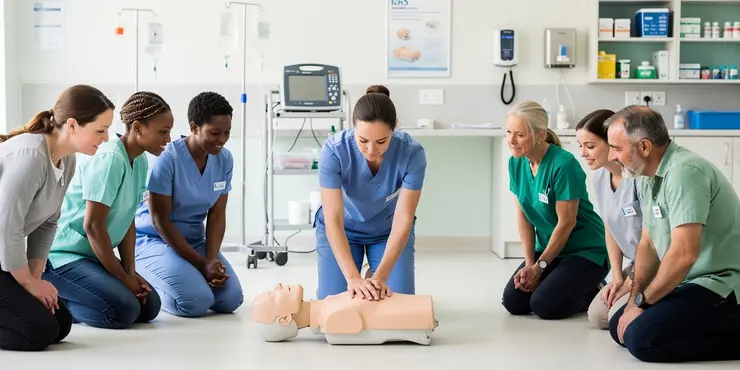
How important is it to learn CPR along with first aid?
Relevance: 36%
-
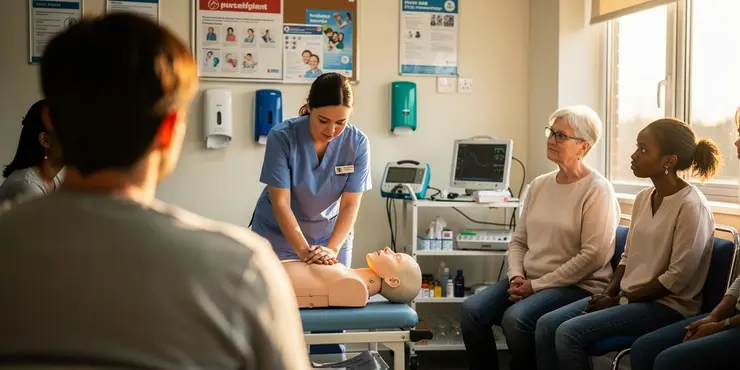
How can I practice first aid skills effectively?
Relevance: 36%
-
What is the difference between an accident and a collision?
Relevance: 36%
-
Are there first aid courses for pets?
Relevance: 36%
-
Are there specific laws against dangerous driving?
Relevance: 35%
-
What is the best first aid certification to obtain?
Relevance: 35%
-
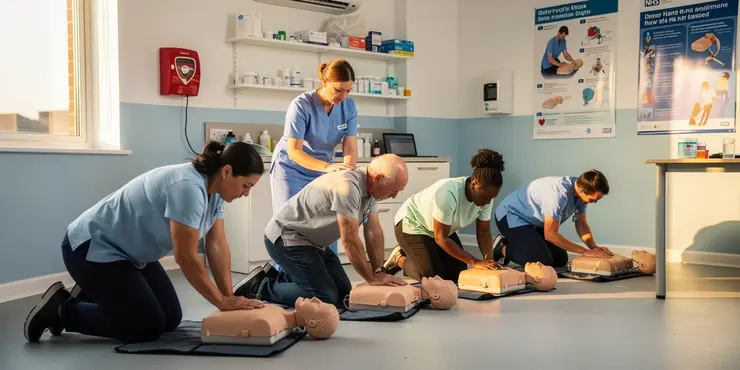
Where can I learn First Aid?
Relevance: 34%
-

What if the accident happened on council or government property?
Relevance: 34%
-
Is it dangerous driving to run a red light?
Relevance: 33%
-

How can RTAs be prevented?
Relevance: 33%
-
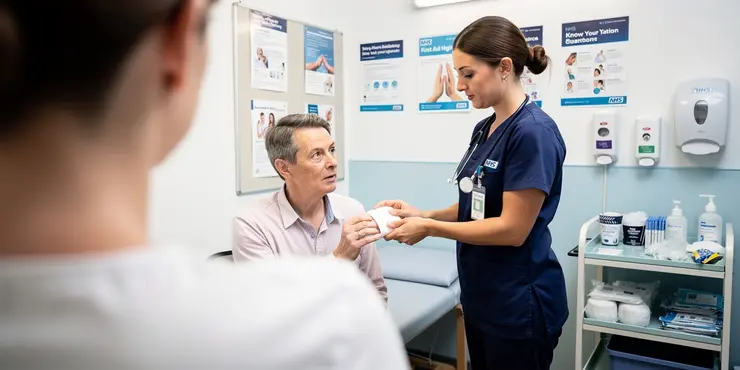
Where can I learn first aid online?
Relevance: 32%
-
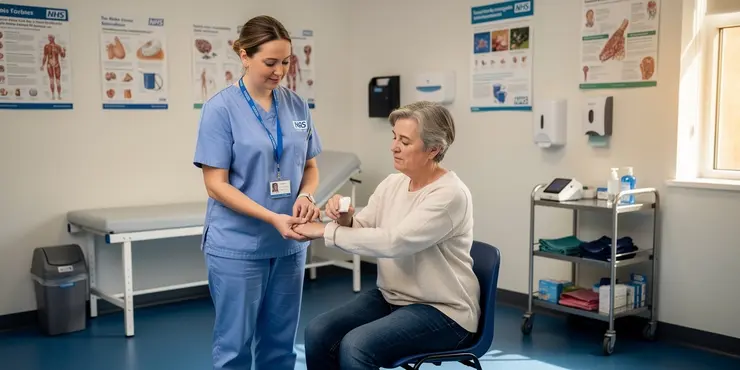
Are there free resources for learning first aid?
Relevance: 32%
-
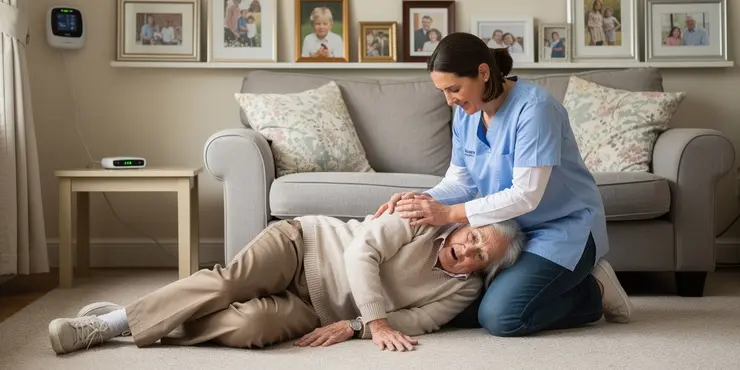
How do live-in caregivers handle emergencies?
Relevance: 32%
-
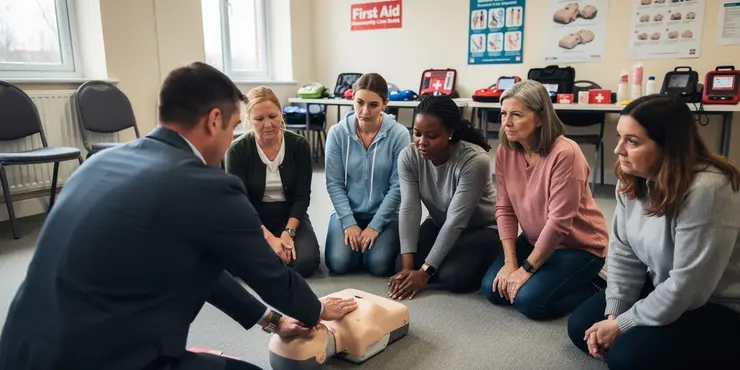
Can I take first aid courses in person?
Relevance: 32%
-

What age is appropriate to start learning first aid?
Relevance: 32%
-
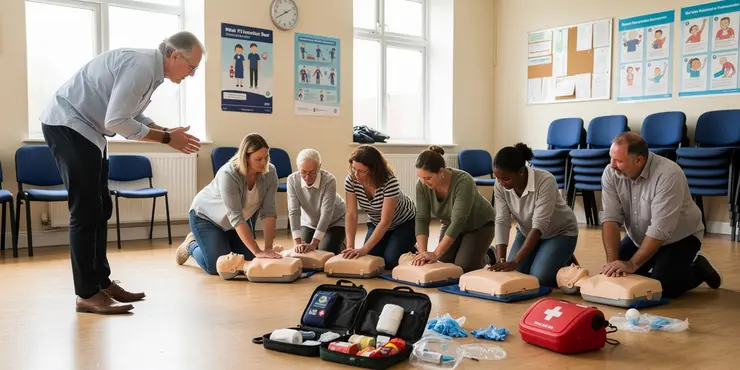
Can I learn first aid as a group?
Relevance: 32%
Make sure everyone is safe
The first thing to do after a road traffic accident is check for injuries and move to safety if you can. If anyone is hurt, call 999 immediately and ask for an ambulance. Do not try to move someone who may have a serious neck, back, or head injury unless there is an immediate danger, such as fire.
If the vehicles are in a dangerous position and it is safe to do so, switch on your hazard lights and get out of the way of traffic. Stay calm and keep others away from moving vehicles or broken glass. If there is fuel leaking, smoke, or fire, leave the area and wait for emergency services.
Call the police if needed
You should call the police if someone is injured, the road is blocked, or you suspect the other driver has no insurance or has left the scene. In the UK, the police may attend the scene or advise you over the phone. If the accident is minor, you may still need to report it later depending on the circumstances.
If a driver is aggressive, appears unfit to drive, or there is a dispute about what happened, it is sensible to involve the police. Keep your distance and do not argue at the roadside. Your safety comes first.
Exchange details and gather evidence
Exchange names, addresses, phone numbers, and insurance details with the other driver. Also note the vehicle registration number, make, model, and colour. If there are witnesses, ask for their contact details as well.
Take photos of the scene, vehicle damage, number plates, road layout, traffic signs, and any skid marks or debris. If it is safe, also record the time, date, weather, and exact location. These details can be very helpful when making an insurance claim.
Notify your insurer quickly
Tell your insurer about the accident as soon as possible, even if you do not plan to make a claim. Most policies require prompt notification, and delays can cause problems later. Give an accurate account of what happened and keep your notes and photos safe.
If the accident was not your fault, your insurer can still guide you through the next steps. Do not admit liability at the scene, even if you think you may have contributed. Let the facts and insurance process determine responsibility.
Get medical help and keep records
Some injuries do not show up immediately after a crash, so seek medical advice if you feel sore, dizzy, or unwell. Even minor symptoms can become more serious later. Keep a record of any pain, treatment, prescriptions, and time off work.
It is also sensible to write down your own account of the accident while it is fresh in your mind. Include what you saw, heard, and did before and after impact. This can help if you need to give a statement or make a claim later.
Frequently Asked Questions
What should I do immediately after an RTA?
Check for injuries, move to a safe place if you can, and call emergency services if anyone is hurt or the vehicles are blocking traffic.
Should I check whether anyone is injured first?
Yes. Make sure you and others are safe, then check for injuries and call an ambulance immediately if needed.
Do I need to call the police after an RTA?
Yes, especially if there are injuries, serious damage, or a dispute about what happened.
Should I move my vehicle after an RTA?
Move it only if it is safe to do so and the vehicle is drivable. If not, turn on hazard lights and wait for help.
What information should I exchange with the other driver?
Exchange names, phone numbers, license plate numbers, vehicle details, insurance information, and any available contact details.
Should I take photos after an RTA?
Yes. Take clear photos of the vehicles, damage, road conditions, skid marks, traffic signs, and the overall scene.
Why is it important to document the scene?
Documentation helps support insurance claims and can be useful if there is a dispute about fault or the events leading to the crash.
Should I admit fault at the scene?
No. Avoid admitting fault or apologizing, because the cause of the accident may not be fully clear yet.
Do I need to get witness details?
Yes, if there are witnesses, get their names and contact details in case their statements are needed later.
Should I report the RTA to my insurance company right away?
Yes. Notify your insurer as soon as possible so they can advise you on the claims process and next steps.
What if the other driver leaves the scene?
Try to note the vehicle description, registration number, direction of travel, and call the police immediately.
Should I seek medical attention even if I feel fine?
Yes, it is a good idea because some injuries may not be obvious right away, and a medical record can help if symptoms appear later.
Can I drive my vehicle after an RTA?
Only if it is safe, roadworthy, and not leaking fluids or causing a hazard. If in doubt, arrange a tow.
What should I do if there is a fuel leak or fire risk?
Move away from the vehicle immediately, warn others if possible, and call emergency services right away.
Should I keep a copy of all documents related to the RTA?
Yes. Keep photos, police reports, medical records, repair estimates, and any correspondence with insurers.
What if the other driver does not have insurance details?
Record as much identifying information as possible, including the vehicle registration, and inform the police and your insurer.
Is it okay to leave the scene after exchanging details?
Only after everyone is safe, legal obligations are met, and police guidance is followed if they attended the scene.
How soon should I get my vehicle inspected after an RTA?
Get it inspected as soon as possible, even if the damage looks minor, because there may be hidden issues.
Should I contact a lawyer after an RTA?
If there are injuries, serious damage, or a dispute over fault, it may be wise to seek legal advice.
What is the most important thing to remember immediately after an RTA?
Prioritize safety first: check for injuries, call emergency services if needed, and document the scene once everyone is safe.

Useful Linksxxx
This website offers general information and is not a substitute for professional advice.
Always seek guidance from qualified professionals.
If you have any medical concerns or need urgent help, contact a healthcare professional or emergency services immediately.
Some of this content was generated with AI assistance. We've done our best to keep it accurate, helpful, and human-friendly.
- Ergsy carefully checks the information in the videos we provide here.
- Videos shown by Youtube after a video has completed, have NOT been reviewed by ERGSY.
- To view, click the arrow in centre of video.
- Most of the videos you find here will have subtitles and/or closed captions available.
- You may need to turn these on, and choose your preferred language.
- Go to the video you'd like to watch.
- If closed captions (CC) are available, settings will be visible on the bottom right of the video player.
- To turn on Captions, click settings.
- To turn off Captions, click settings again.
More Items From Ergsy search
-
What is a Road Traffic Accident (RTA)?
Relevance: 100%
-
What is a Road Traffic Accident - RTA?
Relevance: 99%
-
Is a bicycle crash on the road an RTA?
Relevance: 78%
-
Can a road traffic accident involve multiple vehicles?
Relevance: 71%
-
How is blame determined in a Road Traffic Accident?
Relevance: 66%
-
Can a parked vehicle be involved in an RTA?
Relevance: 62%
-
Is a minor car scrape considered an RTA?
Relevance: 62%
-
Can pedestrians be victims of an RTA?
Relevance: 56%
-
What should I do immediately after an RTA?
Relevance: 56%
-
Should I report every RTA to the police?
Relevance: 53%
-
What types of vehicles can be involved in an RTA?
Relevance: 53%
-
Can an RTA happen without injury?
Relevance: 53%
-
What role does insurance play after an RTA?
Relevance: 49%
-
What information should be collected after an RTA?
Relevance: 48%
-
What topics are covered in a first aid course?
Relevance: 42%
-
Can first aid skills help in daily life?
Relevance: 41%
-
Is road rage a form of dangerous driving?
Relevance: 41%
-
Are weather conditions a factor in RTAs?
Relevance: 40%
-
Are there mobile apps that teach first aid?
Relevance: 39%
-
What are the common causes of RTAs?
Relevance: 38%
-
Is driving too slowly considered dangerous driving?
Relevance: 38%
-
Who should I speak to first after a work accident?
Relevance: 38%
-
Why is seat belt use important in an RTA?
Relevance: 38%
-
What if there were no witnesses to the accident?
Relevance: 38%
-
How important is it to learn CPR along with first aid?
Relevance: 36%
-
How can I practice first aid skills effectively?
Relevance: 36%
-
What is the difference between an accident and a collision?
Relevance: 36%
-
Are there first aid courses for pets?
Relevance: 36%
-
Are there specific laws against dangerous driving?
Relevance: 35%
-
What is the best first aid certification to obtain?
Relevance: 35%
-
Where can I learn First Aid?
Relevance: 34%
-
What if the accident happened on council or government property?
Relevance: 34%
-
Is it dangerous driving to run a red light?
Relevance: 33%
-
How can RTAs be prevented?
Relevance: 33%
-
Where can I learn first aid online?
Relevance: 32%
-
Are there free resources for learning first aid?
Relevance: 32%
-
How do live-in caregivers handle emergencies?
Relevance: 32%
-
Can I take first aid courses in person?
Relevance: 32%
-
What age is appropriate to start learning first aid?
Relevance: 32%
-
Can I learn first aid as a group?
Relevance: 32%