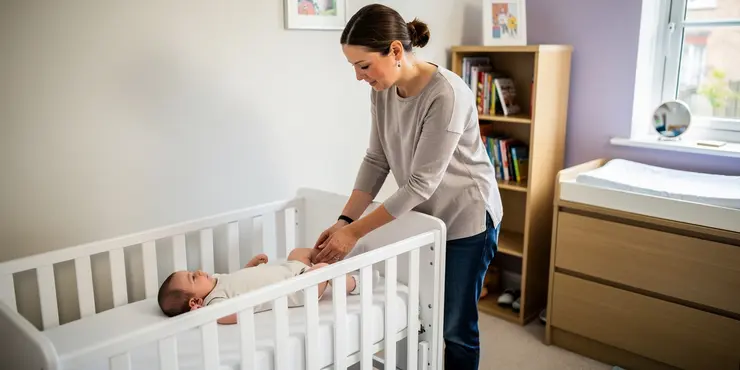

Speak To An Expert
Get clear, personalised advice for your situation.
Jot down a few questions to make the most of your conversation.
More Items From Ergsy search
-
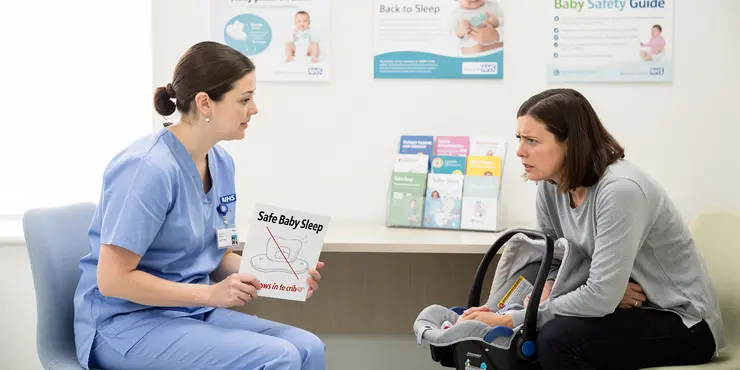
Why are baby sleep pillows not safe for infants?
Relevance: 100%
-
Are baby sleep pillows safe?
Relevance: 97%
-
What alternatives to baby sleep pillows are considered safe?
Relevance: 89%
-
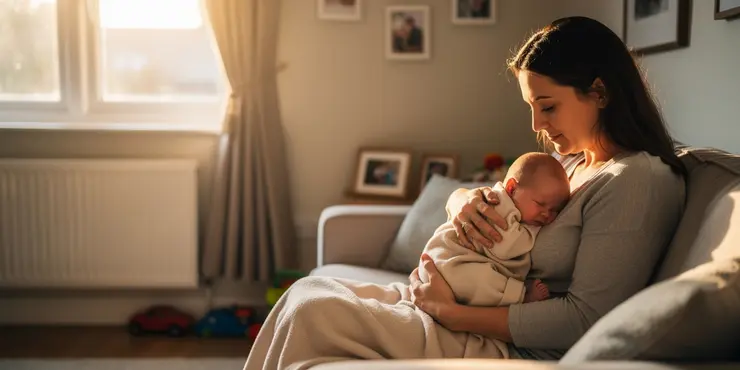
Are there any regulations on the sale of baby sleep pillows?
Relevance: 87%
-
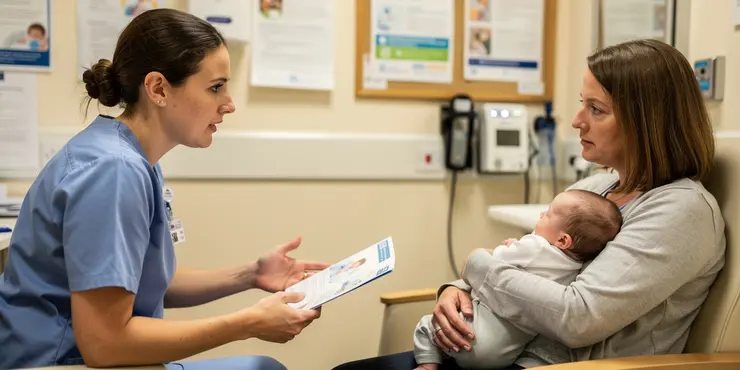
What are the risks associated with baby sleep pillows?
Relevance: 86%
-
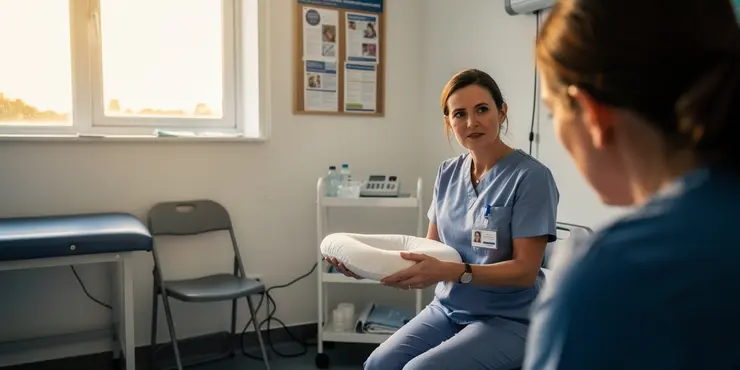
Are there any benefits to using baby sleep pillows?
Relevance: 85%
-
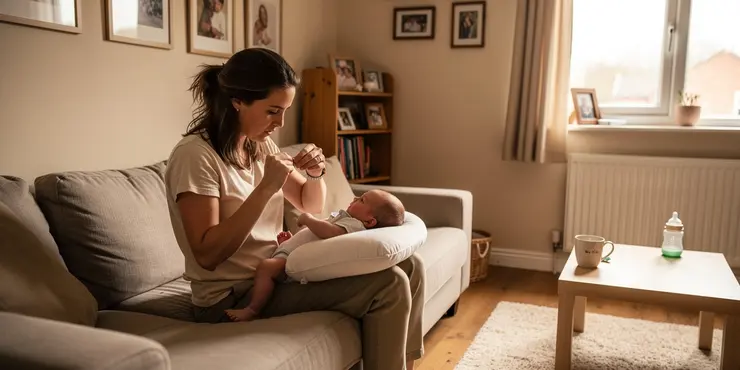
Can baby sleep pillows help with reflux issues?
Relevance: 84%
-
What should I do if my baby has a preference for sleeping with a pillow?
Relevance: 82%
-
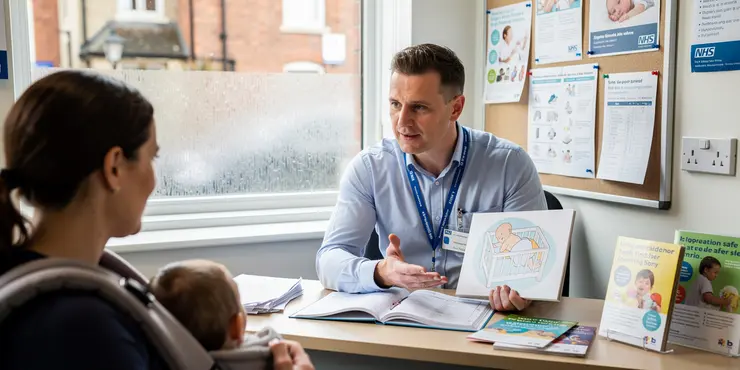
What do pediatricians recommend about baby sleep pillows?
Relevance: 81%
-
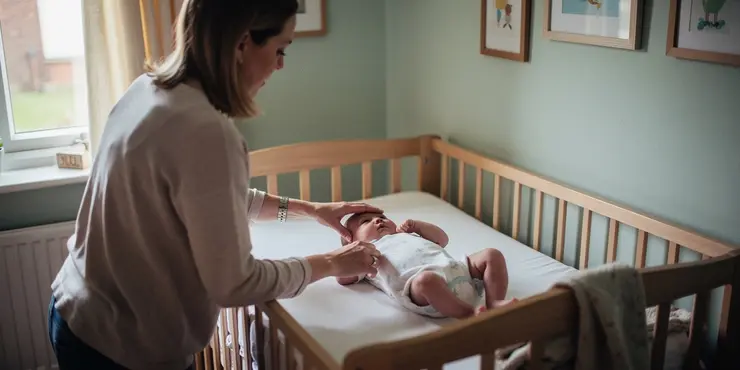
Is it okay to use a baby sleep positioner?
Relevance: 74%

-
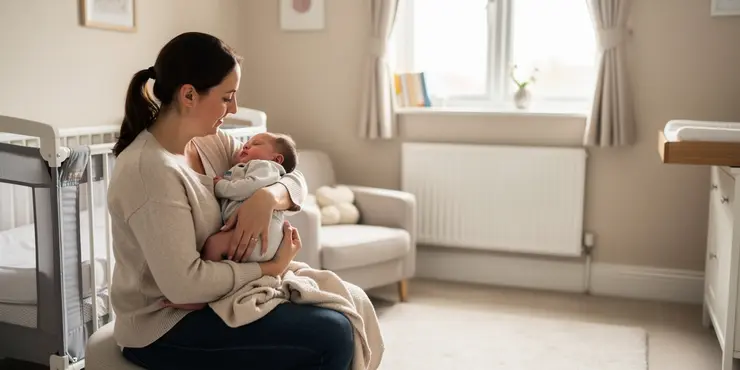
Do crib wedges pose the same risks as baby sleep pillows?
Relevance: 73%
-
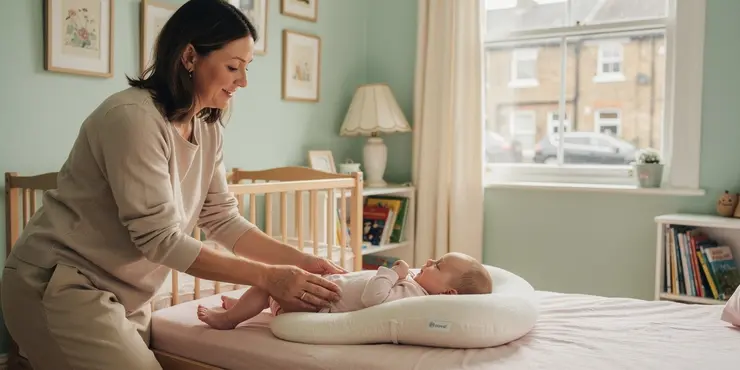
Can baby sleep pillows prevent flat head syndrome?
Relevance: 71%
-
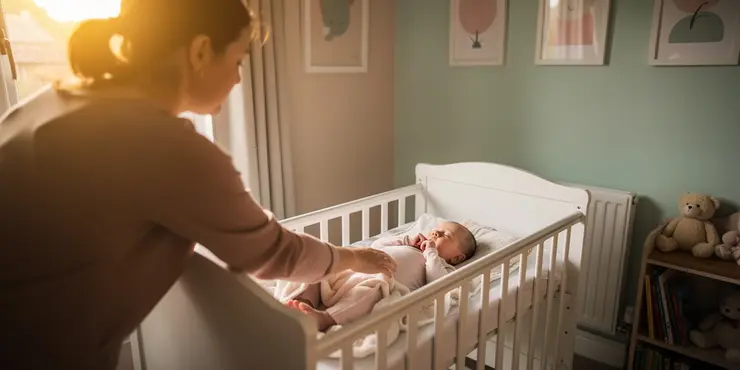
What is the safest sleep environment for an infant?
Relevance: 71%
-
At what age is it safe for a baby to use a pillow?
Relevance: 70%
-
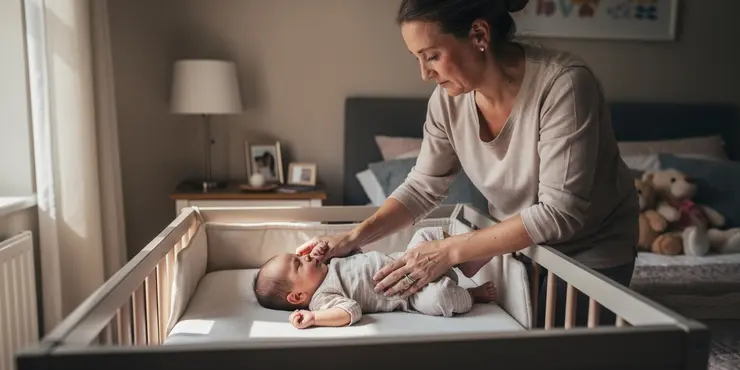
Safe sleeping and reducing the risk of Sudden Infant Death Syndrome (SIDS)
Relevance: 68%
-
Are anti-roll pillows safe for newborns?
Relevance: 67%
-
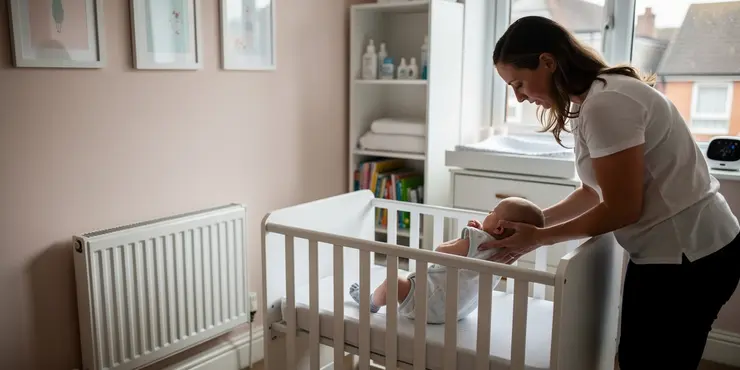
What steps can I take to ensure my baby's safety while sleeping?
Relevance: 66%
-
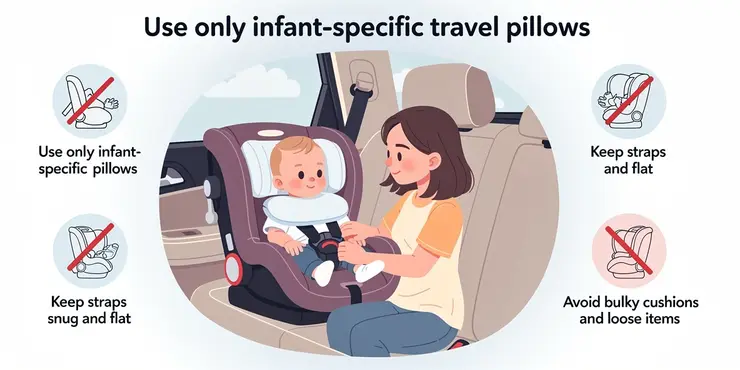
Are travel pillows for infants safe?
Relevance: 58%
-
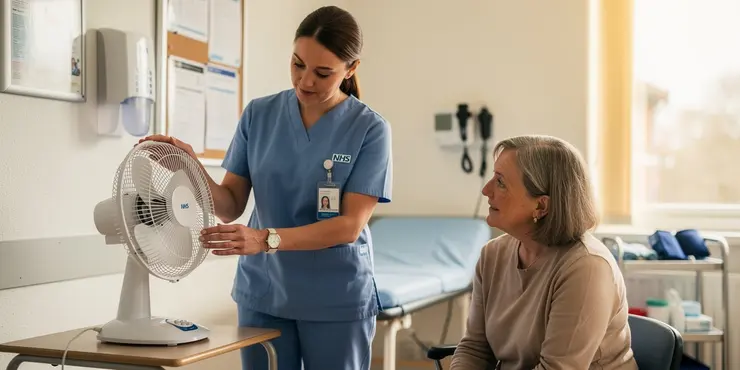
How can I sleep comfortably during a heatwave?
Relevance: 54%
-
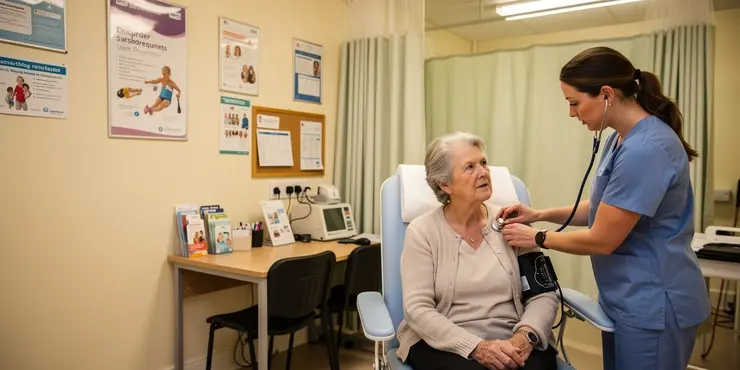
Is it safe to sleep after a concussion?
Relevance: 50%
-
The Importance of Sleep for All Ages
Relevance: 49%
-
Is it safe to sleep after a concussion?
Relevance: 49%
-
What is sleep apnoea?
Relevance: 47%
-
How can sleeping habits be improved during menopause?
Relevance: 47%
-
Does screen time affect both sleep onset and sleep maintenance?
Relevance: 47%
-
Is CPAP the only treatment for sleep apnea?
Relevance: 47%
-
How is sleep apnea diagnosed?
Relevance: 46%
-
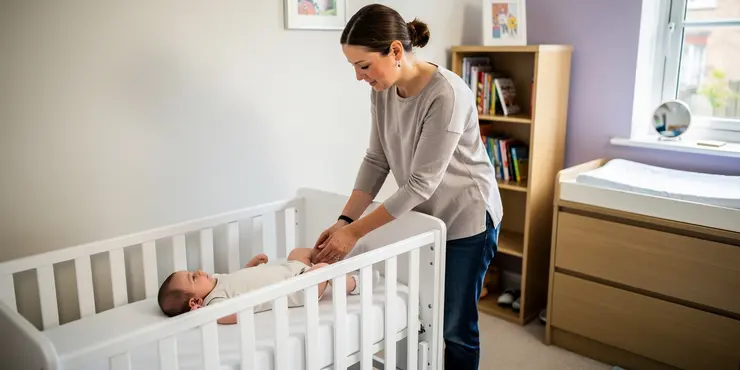
How can I help my baby sleep comfortably without a pillow?
Relevance: 46%
-
What is sleep apnea?
Relevance: 46%
-
How common is sleep apnea?
Relevance: 45%
-
What treatments are available for sleep apnea?
Relevance: 45%
-
Is snoring always a sign of sleep apnea?
Relevance: 44%
-
Can alcohol worsen sleep apnea?
Relevance: 44%
-
Can sleep apnea be cured?
Relevance: 44%
-
Why is sleep apnea dangerous?
Relevance: 44%
-
What are the main types of sleep apnea?
Relevance: 44%
-
Top Tips to Help You Get a Good Nights Sleep
Relevance: 44%
-
Does sleep apnea occur only in adults?
Relevance: 44%
-
What is complex sleep apnea syndrome?
Relevance: 43%
-
What are common symptoms of sleep apnea?
Relevance: 43%
Understanding Baby Sleep Without a Pillow
Helping your baby sleep comfortably without a pillow is crucial for their safety and development. In the UK, health guidelines recommend that infants under the age of one should not use pillows. This is because pillows can pose suffocation and SIDS (Sudden Infant Death Syndrome) risks. Ensuring that your baby has a safe sleeping environment is a priority for any new parent.
Create a Safe Sleep Environment
To help your baby sleep comfortably without a pillow, start by creating a safe and conducive sleep environment. Ensure that your baby's cot or crib is free of any loose bedding or toys, as these can pose a risk to your sleeping infant. Place your baby on their back on a firm and flat mattress covered with a fitted sheet. The room should be at a comfortable temperature, ideally between 16 and 20 degrees Celsius, to prevent overheating.
Use a Sleep Sack
Consider using a sleep sack or wearable blanket instead of traditional blankets. Sleep sacks are designed to keep your baby warm without the risk of loose coverings. They come in various togs to suit different room temperatures, ensuring your baby remains cozy throughout the night. A sleep sack can provide a comforting feeling without the need for a pillow.
Implement a Consistent Bedtime Routine
Establishing a consistent bedtime routine can signal to your baby that it is time to sleep. This routine might include a warm bath, gentle rocking, or reading a bedtime story. Consistency helps your baby recognize these activities as precursors to sleep, aiding in a smoother transition to bedtime.
Utilize White Noise
White noise machines can be beneficial in creating a calming sleep environment. The gentle hum of white noise can mask background sounds that might otherwise disturb your baby's sleep. Moreover, the steady, familiar sound can be soothing, helping calm fussy infants and encouraging longer sleep durations.
Adjust Lighting and Limit Stimulation
Babies can be sensitive to lighting, so ensure the room is dimly lit during sleep times. Consider using blackout curtains to block out daylight during naps. Limiting stimulation before bedtime will also help, as overstimulated babies can struggle to fall asleep. Try to minimize activities that might excite your baby in the hour leading up to bedtime.
Monitor Your Baby's Sleep Patterns
Keep an eye on your baby's sleep patterns and make note of any changes. Understanding when your baby naturally feels sleepy can help you schedule naps and bedtime more effectively. Babies thrive on routine, and by following their natural sleep cues, you can help ensure they get the rest they need.
Conclusion
Helping your baby sleep safely without a pillow involves careful attention to their sleep environment and routines. By following the guidance above, you can create a comfortable and secure sleep space for your baby, promoting both their safety and restful sleep. Remember to consult your health visitor if you have any concerns about your child's sleep habits.
Understanding Baby Sleep Without a Pillow
It's important for your baby's safety not to use a pillow when they sleep. In the UK, it's advised that babies under 1 year old should not have pillows. Pillows can be dangerous and might cause suffocation or SIDS (Sudden Infant Death Syndrome). Making sure your baby sleeps safely is very important for new parents.
Create a Safe Sleep Environment
To help your baby sleep safely without a pillow, make their sleep space safe. Keep the cot or crib clear of loose bedding or toys because they can be dangerous. Lay your baby on their back on a firm, flat mattress with a fitted sheet. Keep the room at a comfy temperature, between 16 and 20 degrees Celsius, so your baby doesn't get too hot.
Use a Sleep Sack
Think about using a sleep sack. Sleep sacks keep your baby warm without loose blankets. They come in different thicknesses for different room temperatures. A sleep sack can help your baby feel cozy without needing a pillow.
Implement a Consistent Bedtime Routine
Make a bedtime routine so your baby knows it's time to sleep. This could include a warm bath, gentle rocking, or a bedtime story. Doing the same things each night helps your baby relax and get ready for sleep.
Utilize White Noise
White noise machines can help make the room calm for sleep. The gentle noise can block other sounds that might wake your baby. The steady sound can also be soothing, helping fussy babies sleep longer.
Adjust Lighting and Limit Stimulation
Babies need dim lights for sleep. Use blackout curtains to keep the room dark during naps. Avoid exciting games or activities an hour before bedtime. Less excitement helps babies fall asleep easier.
Monitor Your Baby's Sleep Patterns
Watch when your baby gets sleepy and note any changes in their sleep. Knowing when they naturally feel tired helps you plan naps and bedtime. Babies do well with routines, and following their sleep signals can help them get enough rest.
Conclusion
To help your baby sleep safely without a pillow, pay attention to their sleep space and routines. By following these tips, you can make a safe and cozy bed for your baby, helping them sleep well and stay safe. If you have questions about your child's sleep, talk to your health visitor.
Frequently Asked Questions

Useful Links
This website offers general information and is not a substitute for professional advice.
Always seek guidance from qualified professionals.
If you have any medical concerns or need urgent help, contact a healthcare professional or emergency services immediately.
Some of this content was generated with AI assistance. We've done our best to keep it accurate, helpful, and human-friendly.
- Ergsy carefully checks the information in the videos we provide here.
- Videos shown by Youtube after a video has completed, have NOT been reviewed by ERGSY.
- To view, click the arrow in centre of video.
- Most of the videos you find here will have subtitles and/or closed captions available.
- You may need to turn these on, and choose your preferred language.
- Go to the video you'd like to watch.
- If closed captions (CC) are available, settings will be visible on the bottom right of the video player.
- To turn on Captions, click settings.
- To turn off Captions, click settings again.
More Items From Ergsy search
-
Why are baby sleep pillows not safe for infants?
Relevance: 100%
-
Are baby sleep pillows safe?
Relevance: 97%
-
What alternatives to baby sleep pillows are considered safe?
Relevance: 89%
-
Are there any regulations on the sale of baby sleep pillows?
Relevance: 87%
-
What are the risks associated with baby sleep pillows?
Relevance: 86%
-
Are there any benefits to using baby sleep pillows?
Relevance: 85%
-
Can baby sleep pillows help with reflux issues?
Relevance: 84%
-
What should I do if my baby has a preference for sleeping with a pillow?
Relevance: 82%
-
What do pediatricians recommend about baby sleep pillows?
Relevance: 81%
-
Is it okay to use a baby sleep positioner?
Relevance: 74%
-
Do crib wedges pose the same risks as baby sleep pillows?
Relevance: 73%
-
Can baby sleep pillows prevent flat head syndrome?
Relevance: 71%
-
What is the safest sleep environment for an infant?
Relevance: 71%
-
At what age is it safe for a baby to use a pillow?
Relevance: 70%
-
Safe sleeping and reducing the risk of Sudden Infant Death Syndrome (SIDS)
Relevance: 68%
-
Are anti-roll pillows safe for newborns?
Relevance: 67%
-
What steps can I take to ensure my baby's safety while sleeping?
Relevance: 66%
-
Are travel pillows for infants safe?
Relevance: 58%
-
How can I sleep comfortably during a heatwave?
Relevance: 54%
-
Is it safe to sleep after a concussion?
Relevance: 50%
-
The Importance of Sleep for All Ages
Relevance: 49%
-
Is it safe to sleep after a concussion?
Relevance: 49%
-
What is sleep apnoea?
Relevance: 47%
-
How can sleeping habits be improved during menopause?
Relevance: 47%
-
Does screen time affect both sleep onset and sleep maintenance?
Relevance: 47%
-
Is CPAP the only treatment for sleep apnea?
Relevance: 47%
-
How is sleep apnea diagnosed?
Relevance: 46%
-
How can I help my baby sleep comfortably without a pillow?
Relevance: 46%
-
What is sleep apnea?
Relevance: 46%
-
How common is sleep apnea?
Relevance: 45%
-
What treatments are available for sleep apnea?
Relevance: 45%
-
Is snoring always a sign of sleep apnea?
Relevance: 44%
-
Can alcohol worsen sleep apnea?
Relevance: 44%
-
Can sleep apnea be cured?
Relevance: 44%
-
Why is sleep apnea dangerous?
Relevance: 44%
-
What are the main types of sleep apnea?
Relevance: 44%
-
Top Tips to Help You Get a Good Nights Sleep
Relevance: 44%
-
Does sleep apnea occur only in adults?
Relevance: 44%
-
What is complex sleep apnea syndrome?
Relevance: 43%
-
What are common symptoms of sleep apnea?
Relevance: 43%