
Speak To An Expert
Get clear, personalised advice for your situation.
Jot down a few questions to make the most of your conversation.
More Items From Ergsy search
-
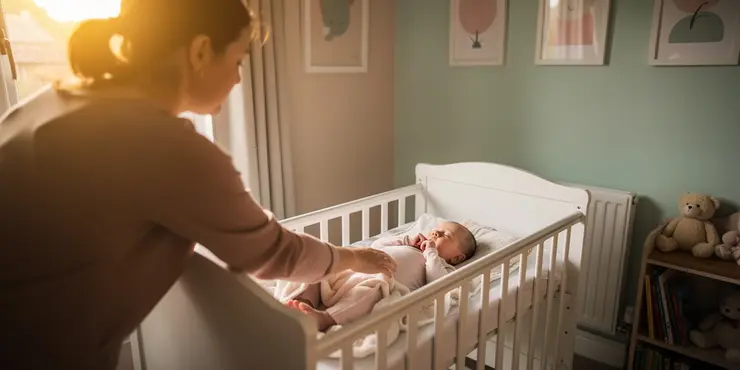
What is the safest sleep environment for an infant?
Relevance: 100%
-
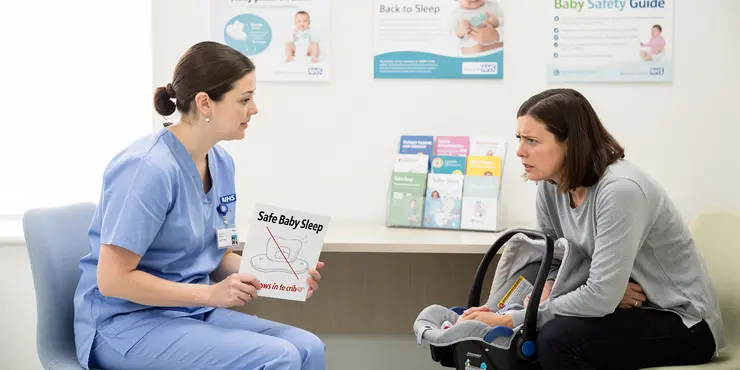
Why are baby sleep pillows not safe for infants?
Relevance: 82%
-
Are baby sleep pillows safe?
Relevance: 70%
-
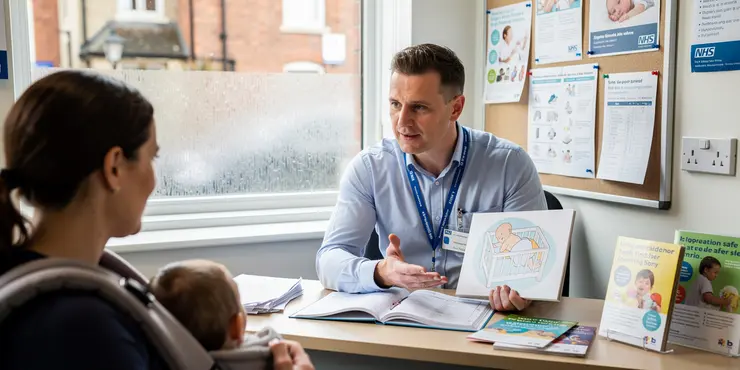
What do pediatricians recommend about baby sleep pillows?
Relevance: 65%
-
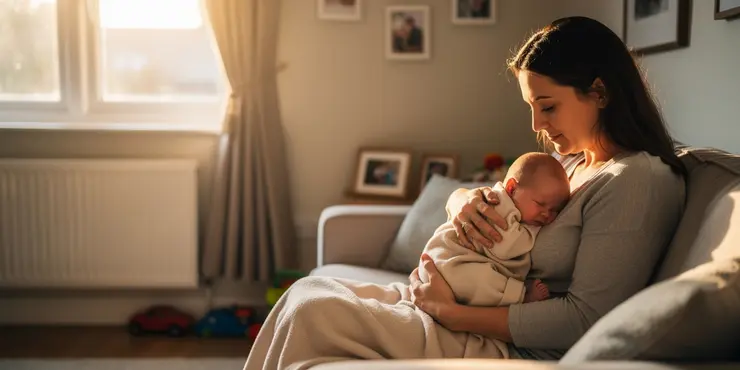
Are there any regulations on the sale of baby sleep pillows?
Relevance: 64%
-
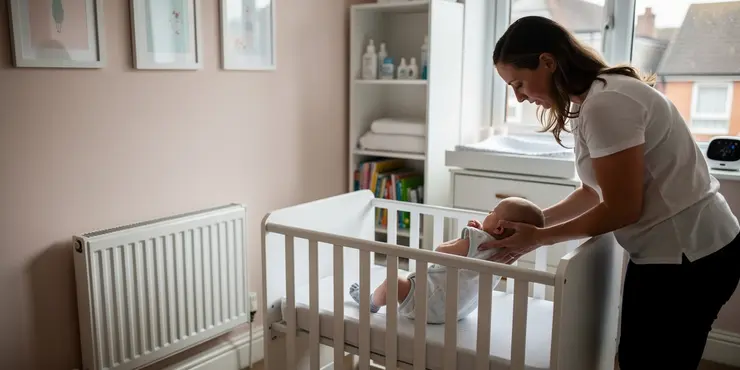
What steps can I take to ensure my baby's safety while sleeping?
Relevance: 64%
-
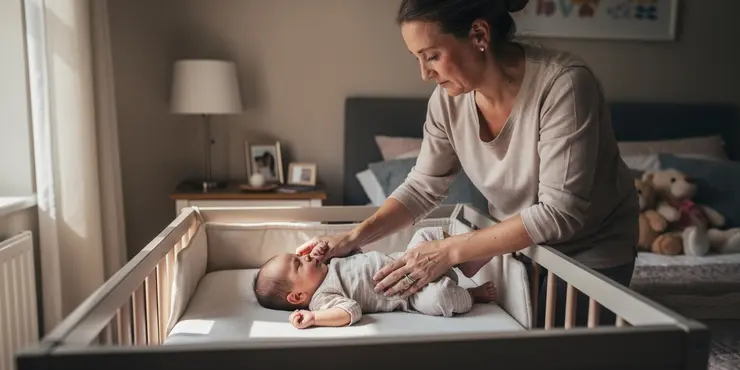
Safe sleeping and reducing the risk of Sudden Infant Death Syndrome (SIDS)
Relevance: 62%
-
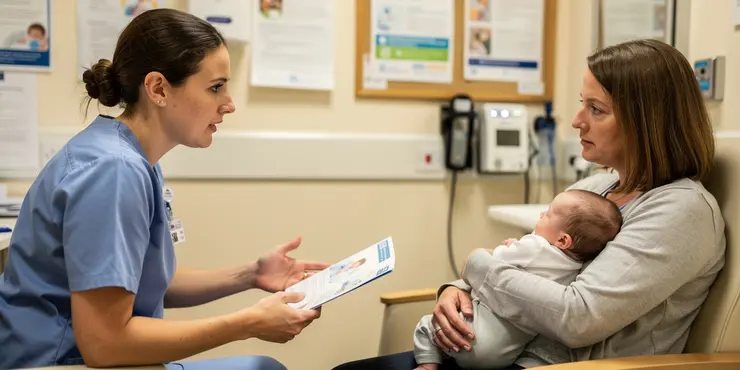
What are the risks associated with baby sleep pillows?
Relevance: 59%
-
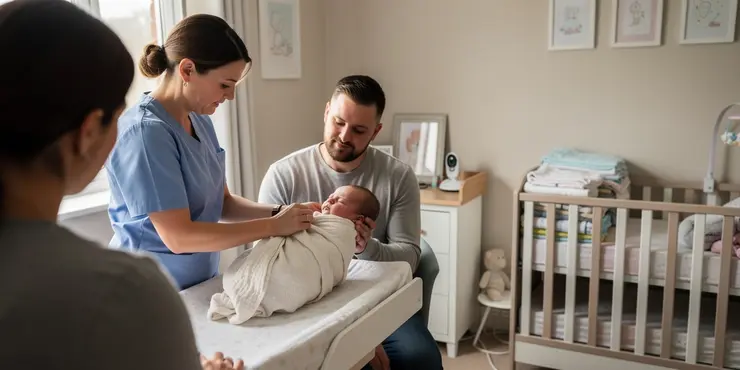
What alternatives to baby sleep pillows are considered safe?
Relevance: 58%
-
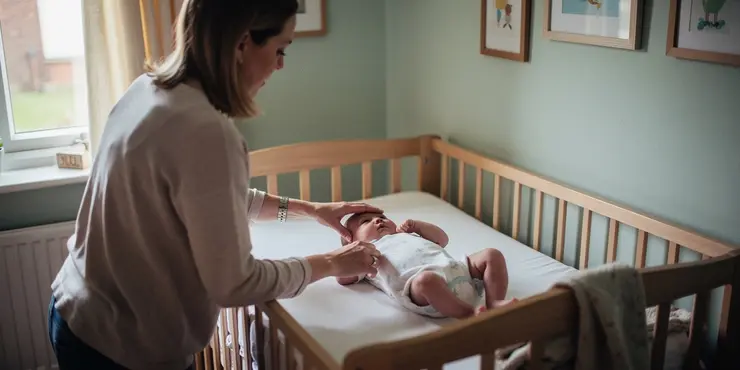
Is it okay to use a baby sleep positioner?
Relevance: 57%

-
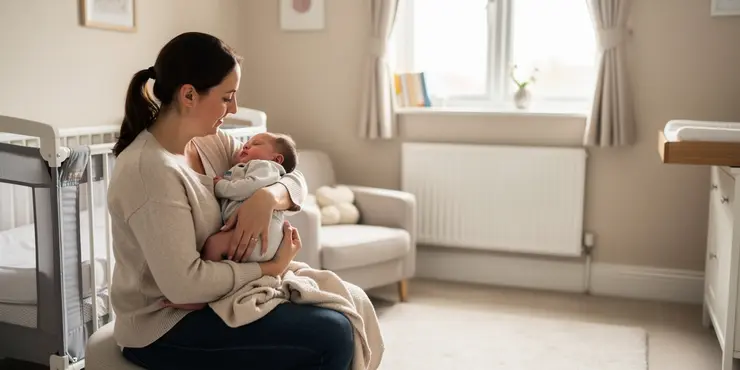
Do crib wedges pose the same risks as baby sleep pillows?
Relevance: 56%
-
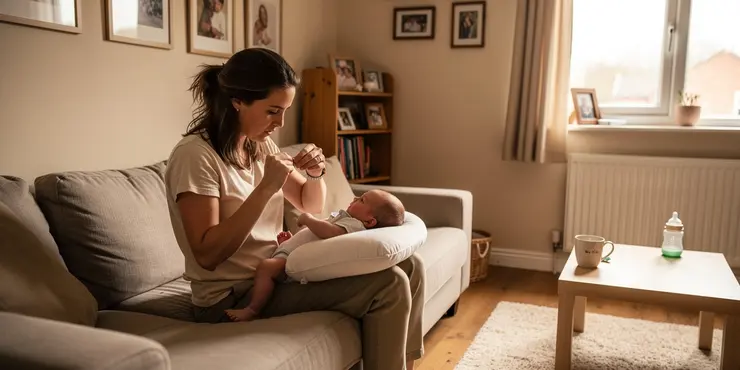
Can baby sleep pillows help with reflux issues?
Relevance: 55%
-
Are there any benefits to using baby sleep pillows?
Relevance: 54%
-
What should I do if my baby has a preference for sleeping with a pillow?
Relevance: 51%
-
The Importance of Sleep for All Ages
Relevance: 47%
-
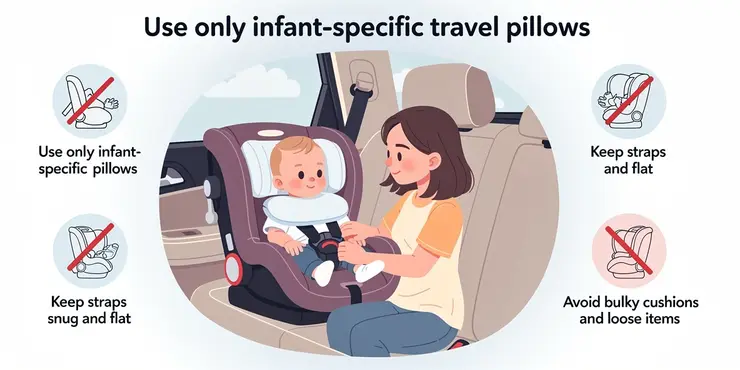
Are travel pillows for infants safe?
Relevance: 47%
-
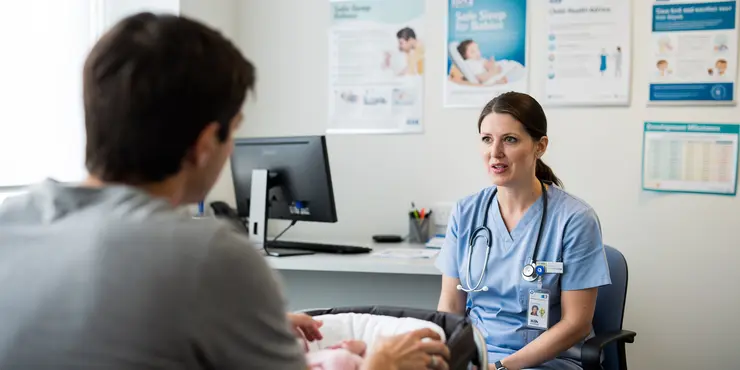
Are anti-roll pillows safe for newborns?
Relevance: 46%
-
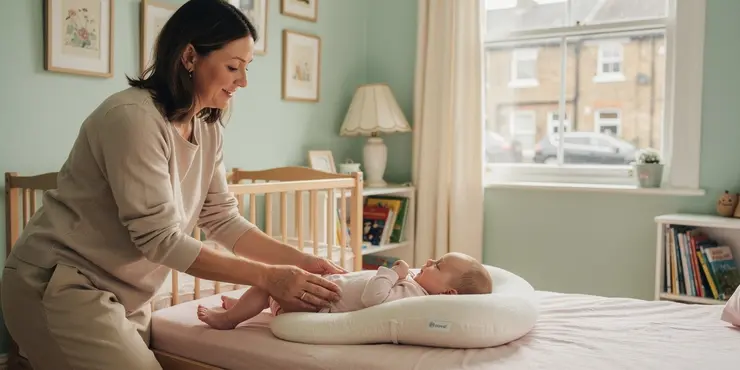
Can baby sleep pillows prevent flat head syndrome?
Relevance: 44%
-
How can sleeping habits be improved during menopause?
Relevance: 39%
-

What is sleep apnoea?
Relevance: 39%
-
Does sleep apnea occur only in adults?
Relevance: 39%
-
Why is sleep apnea dangerous?
Relevance: 38%
-
Does screen time affect both sleep onset and sleep maintenance?
Relevance: 38%
-
What is sleep apnea?
Relevance: 38%
-
What are the signs of meningitis in infants?
Relevance: 37%
-
How is sleep apnea diagnosed?
Relevance: 37%
-
Top Tips to Help You Get a Good Nights Sleep
Relevance: 37%
-
How common is sleep apnea?
Relevance: 37%
-
Can sleep apnea be cured?
Relevance: 37%
-
What treatments are available for sleep apnea?
Relevance: 37%
-
What are common symptoms of sleep apnea?
Relevance: 36%
-
What are the main types of sleep apnea?
Relevance: 36%
-
Can children have sleep apnea?
Relevance: 36%
-

How does sleep quality relate to menopause symptoms?
Relevance: 36%
-
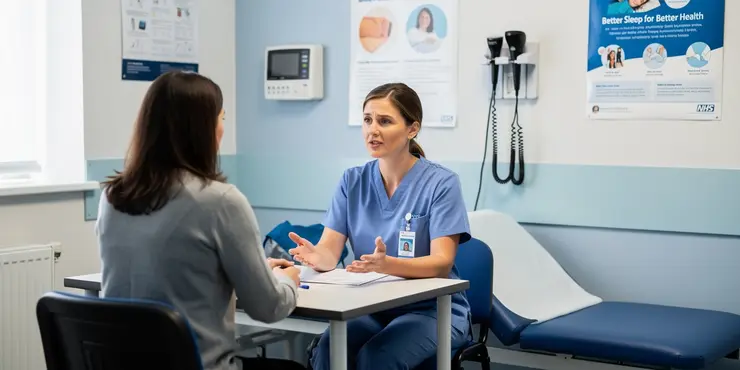
Can alcohol worsen sleep apnea?
Relevance: 36%
-
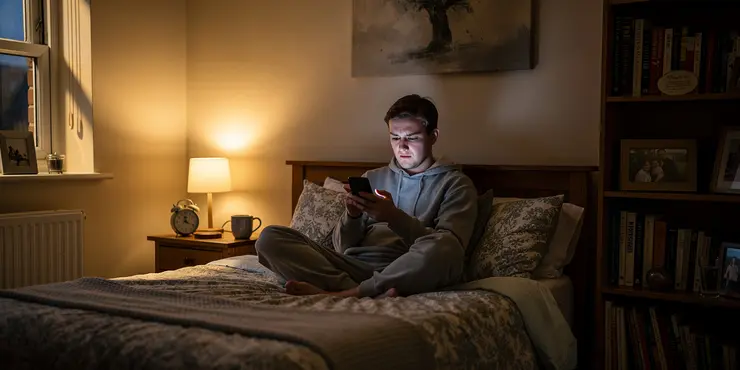
Does screen time impact REM sleep?
Relevance: 36%
-
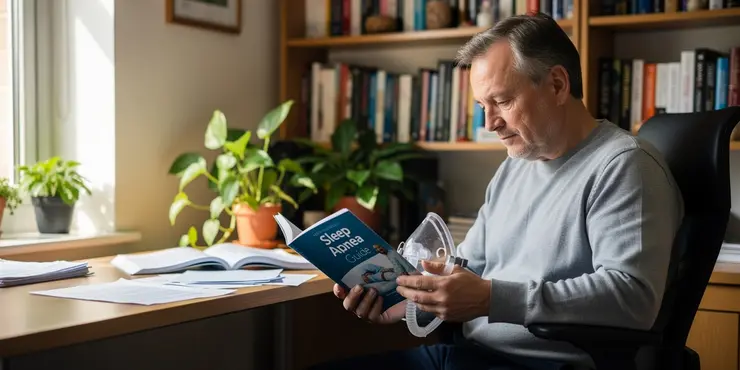
What is complex sleep apnea syndrome?
Relevance: 36%
-
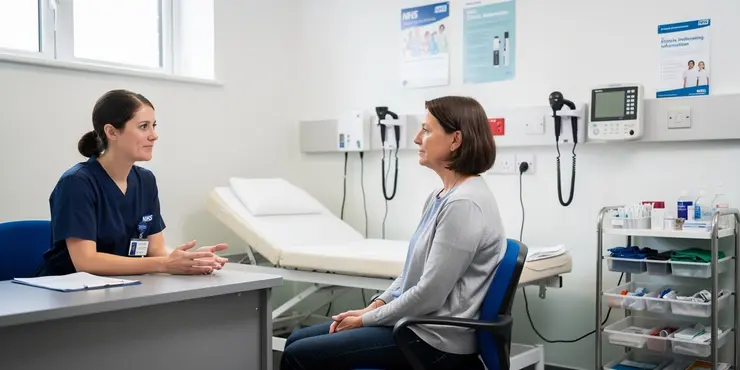
What is complex sleep apnea syndrome?
Relevance: 36%
-
Is snoring always a sign of sleep apnea?
Relevance: 36%
-
At what age is it safe for a baby to use a pillow?
Relevance: 35%
Importance of a Safe Sleep Environment for Infants
Creating a safe sleep environment for infants is crucial to ensure their safety and reduce the risk of Sudden Infant Death Syndrome (SIDS) and other sleep-related incidents. Parents and caregivers in the UK should be aware of the recommended practices to provide a safe sleeping space for their babies.
Choosing the Right Sleeping Surface
The safest place for an infant to sleep is on a firm, flat mattress in a cot or a moses basket. This sleeping surface should meet current safety standards. It's important to avoid soft surfaces, such as sofas, armchairs, or adult beds, where babies risk suffocation or getting trapped. Additionally, there should be no gaps between the mattress and the sides of the cot, as this could pose a hazard.
Positioning and Bedding
Infants should always be placed on their backs for every sleep, both naps and overnight. This position significantly reduces the risk of SIDS. It's recommended to use a well-fitted sheet but avoid pillows, duvets, bumpers, or toys in the cot, as these can obstruct an infant's breathing. Sleeping bags designed for infants are a safer alternative to loose blankets, as they stay securely on the baby and keep them warm without covering their faces.
Temperature Control
Maintaining a comfortable room temperature is vital. The ideal temperature for a baby's room is between 16-20 degrees Celsius. Overheating is a risk factor for SIDS, so ensure the baby is not too hot by checking their chest or back of their neck, not their hands or feet, which are usually cooler.
Room Sharing
It is advisable that infants sleep in the same room as their parents for the first six months. This practice allows parents to monitor their baby more easily, and research suggests it lowers the risk of SIDS. However, the infant should not sleep in the parents' bed, as bed-sharing increases the risk of accidents and SIDS.
Non-Smoking Environment
Ensure the infant's sleep environment is smoke-free. Exposure to smoke significantly raises the risk of SIDS. Parents should avoid smoking during pregnancy and after birth, and ensure no one smokes in the home or around the baby.
Routine and Awareness
Establishing a consistent sleep routine can help create a safe sleep environment. Always be vigilant for recalls on infant sleep products in the UK market, ensuring all sleep equipment adheres to current safety standards. Awareness and adherence to these guidelines will contribute significantly to the safety and wellbeing of an infant during sleep.
Why Safe Sleep is Important for Babies
It's very important to make sure babies have a safe place to sleep. This helps keep them safe and stops problems like Sudden Infant Death Syndrome (SIDS). Parents and people who look after babies in the UK should know how to make a safe sleeping space for them.
Picking the Right Bed
A baby should sleep on a firm, flat mattress in a cot or a moses basket. Make sure the mattress is safe and strong. Do not let a baby sleep on soft places like sofas, armchairs, or adult beds because they can get stuck or suffocate. Also, there should be no gaps between the mattress and the cot sides as these can be dangerous.
How to Put Baby to Sleep
Always lay the baby on their back when they go to sleep, both during the day and at night. This helps stop SIDS. Use a tight-fitting sheet, and don't put pillows, duvets, bumpers, or toys in the cot. These can make it hard for the baby to breathe. Baby sleeping bags are better than loose blankets because they keep the baby warm without covering their face.
Keeping the Room Comfortable
It's important to keep the baby's room at a comfortable temperature. The best temperature is between 16-20 degrees Celsius. Babies should not be too hot. Check by feeling their chest or the back of their neck, not their hands or feet because those are usually cooler.
Sharing a Room
It's good for babies to sleep in the same room as their parents for the first six months. This makes it easier for parents to watch their baby. It also helps stop SIDS. But the baby should not sleep in the parents' bed because that's not safe.
No Smoking
The baby's sleeping area should be smoke-free. Smoke increases the risk of SIDS a lot. Parents should not smoke during pregnancy and after the baby is born. No one should smoke in the home or near the baby.
Routines and Safety Checks
Having a regular sleep routine helps keep the baby safe. Always check for any warnings or recalls on baby sleep products in the UK. Make sure all baby sleep items are safe to use. Knowing and following these safety rules helps keep the baby safe and healthy while they sleep.
Frequently Asked Questions
What is the safest position for an infant to sleep in?
The safest position for an infant to sleep is on their back to minimize the risk of Sudden Infant Death Syndrome (SIDS).
Should I use a crib or a bassinet for my infant?
Both cribs and bassinets are safe for infants if they meet current safety standards. Choose based on your space and convenience.
Is it safe to use a sleep positioner or wedge in the crib?
No, you should avoid using sleep positioners or wedges as they can pose a suffocation risk.
Can my infant sleep with a blanket?
Infants should not sleep with loose blankets due to the risk of suffocation. Instead, use a sleep sack or wearable blanket.
What type of mattress should I use for my infant's crib?
Use a firm mattress that fits snugly in the crib with no gaps to prevent entrapment and reduce SIDS risk.
Are bumper pads safe to use in the crib?
No, bumper pads are not recommended as they pose a risk of suffocation, strangulation, or entrapment.
Should I allow my infant to sleep in my bed?
It is not recommended to have infants sleep in adult beds due to risks of suffocation, entrapment, and falls.
Is it safe for my infant to sleep in a car seat or swing?
Infants should not sleep in car seats, swings, or other sitting devices. These are not safe sleep environments due to the risk of airway obstruction.
Can I use a pacifier when my infant sleeps?
Yes, using a pacifier when placing your infant to sleep is associated with a reduced risk of SIDS.
How should I dress my infant for sleep?
Dress your infant in a light sleep sack or clothes appropriate for the room temperature to avoid overheating.
What is the recommended room temperature for an infant's sleep environment?
Keep the room at a temperature comfortable for a lightly clothed adult, typically between 68-72°F (20-22°C).
Should I use a fan in the room where my infant sleeps?
Using a fan can help circulate air and has been associated with a lower risk of SIDS.
What is the recommended sleep surface for an infant?
An infant should sleep on a firm and flat sleep surface, such as a crib mattress covered by a fitted sheet.
Is it safe to use toys or stuffed animals in the crib?
No, keep the crib clear of toys and stuffed animals to prevent suffocation risks.
How long should I keep my infant in the same room with me at night?
It is recommended to share a room with your infant for at least the first 6 months, ideally up to 1 year.
What should I do if my infant rolls over during sleep?
If your infant can roll both ways (back to stomach, stomach to back), you do not need to reposition them when they roll over during sleep.
Are there any specific guidelines for twins sharing a crib?
Each twin should have their own sleep space. Avoid allowing twins to share a crib to ensure safe sleeping conditions.
How often should I check on my sleeping infant?
Regularly monitor your infant during sleep, but the frequency depends on your comfort level and infant's sleep habits.
Should I use a video or audio monitor for my sleeping infant?
Using a monitor can help you keep track of your infant during sleep, but it does not replace safe sleep practices.
What kind of clothing should be avoided for infant sleep?
Avoid clothing with hoods, ties, or loose threads that could pose a strangulation or suffocation risk.
How should a baby sleep safely?
The safest way for a baby to sleep is on their back. This helps keep them safe. If you have any questions or need help, you can talk to your doctor or look online for more tips. Make sure the baby's sleep area is clean and free of toys and pillows. You can also use a sleep sack to keep the baby warm.
Babies should sleep on their backs. This keeps them safe and helps stop Sudden Infant Death Syndrome (SIDS).
Should I use a crib or a bassinet for my baby?
A crib is a big baby bed. A bassinet is a small baby bed. A crib is for when your baby is a little bigger and a bassinet is for when your baby is very small.
Think about where you have space at home. Think about how long you want to use the bed. A crib can be used for longer. A bassinet is used for a short time.
Ask friends or family what they used. Read about cribs and bassinets online. Talk to your doctor to get advice.
You can use the internet to look at pictures and read about different beds. You can also ask someone to help you with reading.
Cribs and bassinets are both safe for babies if they follow the latest safety rules. Pick the one that works best for your home and makes things easy for you.
Is it safe to use a sleep positioner or wedge in the crib?
Is it okay to put a special pillow or cushion in the baby's bed?
Babies need a safe place to sleep. It is best for babies to sleep on their backs, on a firm bed, without extra pillows or cushions. Too many things in the crib might not be safe.
If you have questions or need help, talk to a doctor or nurse. They can give good advice.
No, do not use sleep positioners or wedges. They are not safe because they can make it hard for a baby to breathe.
Can my baby sleep with a blanket?
It is safer for babies to sleep without a blanket. Blankets can cover their face, making it hard for them to breathe.
Here are some tips:
- Put your baby to sleep on their back in an empty crib.
- Dress your baby in warm sleep clothes instead of using a blanket.
- Use a safe sleep sack or wearable blanket made for babies.
If you have questions, ask a doctor for advice.
Babies should not sleep with loose blankets. These can cover a baby's face and make it hard for them to breathe.
Try using a sleep sack or a wearable blanket. These are safe and keep the baby warm.
What kind of mattress is best for my baby's crib?
Here is some simple advice to pick a mattress for your baby:
- Firm and Flat: The mattress should be firm, not soft. This helps keep your baby safe.
- Right Size: The mattress should fit the crib with no gaps around the edges.
- Safety First: Look for safety labels on the mattress.
- Waterproof: Choose a mattress that is waterproof so it is easy to clean.
Ask for help if you are not sure. Family or friends can help you find a good mattress.
Choose a strong mattress that fits tightly in the crib. This helps keep the baby safe by stopping them from getting stuck and lowers the chance of SIDS (Sudden Infant Death Syndrome).
Can I use bumper pads in the crib?
Bumper pads are cushions that can go around a baby's bed. But they are not always safe. Babies can get hurt or stuck in them. Experts say it's best not to use bumper pads in the crib.
If you want to keep your baby safe, you can use these tips:
- No pillows or big toys in the crib.
- Make sure the mattress fits snugly.
- Keep the crib free of loose items.
If you need help, ask a doctor or a nurse about how to make your baby's crib safe.
No, bumper pads are not safe. They can cause babies to stop breathing, get caught, or stuck.
Can my baby sleep in my bed?
It is important to decide where your baby sleeps. Here are some things to think about:
- Safety: Make sure your baby is safe and has space to sleep.
- Choose a crib or bassinet for your baby. These are made to be safe.
- Talk to your doctor if you have questions.
Tools or tips:
- Use baby sleep guides for advice.
- Try a white noise machine for better sleep.
It is not safe for babies to sleep in grown-up beds. They could get suffocated, trapped, or fall off.
Can my baby sleep in a car seat or swing safely?
Babies should not sleep in a car seat or swing for a long time. It is safer for them to sleep on a flat, firm mattress.
Try to move your baby to a crib or bassinet when they fall asleep in the car seat or swing.
If you need help, you can ask a doctor for advice. You can also use a baby monitor to keep an eye on your baby while they sleep.
Babies should not sleep in car seats, swings, or other sitting places. These are not safe for sleep because breathing can be blocked.
Can my baby use a pacifier while sleeping?
Yes, your baby can use a pacifier when sleeping. It is safe.
Here are some tips:
- Make sure the pacifier is clean.
- Check that it has no cracks or damage.
- If the pacifier falls out while your baby is asleep, you do not need to put it back in.
Talk to your doctor if you have questions.
Yes, giving your baby a pacifier at bedtime can help lower the risk of SIDS.
How do I dress my baby for sleep?
Put your baby in light clothes or a sleep sack. This way, they stay the right temperature in the room. You don't want them to get too hot.
What is the best room temperature for a baby to sleep?
It is good if a baby's room is not too hot or too cold.
The best temperature is like a nice and warm day.
Ask a grown-up to help you check the room's temperature with a thermometer.
Keep the room warm enough so a grown-up wearing light clothes feels good. This is usually between 68-72°F (20-22°C).
Can I use a fan in my baby's room?
It is okay to put a fan in the room where your baby sleeps. A fan helps keep the air nice and cool. It can also help keep your baby safe from getting too hot.
Here are some tips for using a fan:
- Make sure the fan is not too close to your baby.
- Do not point the fan directly at your baby.
- Use a fan that is quiet, so your baby can still sleep.
If you are not sure, you can ask a nurse or doctor for help. They know what is best for your baby.
A fan can help move air around the room. This can make it safer for babies when they sleep. It can help lower the chance of SIDS (Sudden Infant Death Syndrome).
What is the best place for a baby to sleep?
Babies need a safe and comfy place to sleep. A crib with a firm mattress is best. Use a tight, fitted sheet. No pillows, blankets, or toys around the baby. This keeps the baby safe. You can use a sleep sack to keep the baby warm. Always lay the baby on their back to sleep.
A baby should sleep on a firm and flat bed, like a crib mattress. The mattress should have a sheet that fits tightly.
Can I put toys or stuffed animals in the crib safely?
Using toys or stuffed animals in the crib might not be safe for babies. Babies can accidentally cover their faces with toys or stuffed animals, making it hard to breathe.
To keep your baby safe, it's better to use a blanket or special sleep sack. A sleep sack is like a small sleeping bag that keeps babies warm without covering their face.
If you want your baby to have a toy, you can choose one that is specially made for cribs and is safe.
Talk to your doctor or a nurse to learn more about keeping your baby safe when they sleep.
You can look for support groups or online guides for more tips on baby sleep safety.
No, do not put toys or stuffed animals in the crib. They can make it hard for the baby to breathe.
How long should my baby sleep in my room at night?
It is a good idea to keep your baby in the same room as you. Do this for at least 6 months. It is even better to do this for 1 year.
What if my baby rolls over while sleeping?
If your baby rolls over in their sleep, don't worry. Here’s what you can do:
- Put your baby to sleep on their back. This is the safest position.
- If your baby can roll back and forth, it's usually okay.
- Make sure the crib is safe. Keep soft toys and blankets out of the crib.
- Check on your baby sometimes to make sure they are safe.
If you are worried, talk to your doctor. They can help you.
To help you feel good about your baby’s sleep, you can try using a baby monitor. It can help you check on them.
If your baby can roll over both ways (from back to tummy and tummy to back), you don't need to move them if they roll over while sleeping.
Can twins sleep in one crib?
Here is an easy way to share a crib:
- Put each baby on their back to sleep.
- Keep a safe space between the babies.
- Use a crib with no extra blankets or pillows.
These tips help keep the babies safe.
If you need help, ask a doctor or nurse.
Each twin needs their own bed. Don’t let twins sleep in the same crib. This will help keep them safe while they sleep.
How often should I look in on my sleeping baby?
Check on your baby while they are sleeping. How often you check depends on how you feel and how your baby usually sleeps.
What is better for watching my baby sleep: video or audio monitor?
You have a baby. You want to keep them safe while they sleep. You can use special monitors to help.
A video monitor lets you see your baby. You can watch them while they sleep.
An audio monitor lets you hear your baby. You can listen to them while they sleep.
Think about what helps you feel safe. Do you like to watch or listen? It is your choice.
Some people like using both monitors.
You can talk to other parents or a doctor to help you pick.
A baby monitor helps you watch your baby while they sleep. But remember, you still need to follow safe sleep tips.
What clothes should babies not wear when sleeping?
Don't wear clothes with hoods, ties, or loose strings because they can be dangerous.

Useful Links
This website offers general information and is not a substitute for professional advice.
Always seek guidance from qualified professionals.
If you have any medical concerns or need urgent help, contact a healthcare professional or emergency services immediately.
Some of this content was generated with AI assistance. We've done our best to keep it accurate, helpful, and human-friendly.
- Ergsy carefully checks the information in the videos we provide here.
- Videos shown by Youtube after a video has completed, have NOT been reviewed by ERGSY.
- To view, click the arrow in centre of video.
- Most of the videos you find here will have subtitles and/or closed captions available.
- You may need to turn these on, and choose your preferred language.
- Go to the video you'd like to watch.
- If closed captions (CC) are available, settings will be visible on the bottom right of the video player.
- To turn on Captions, click settings.
- To turn off Captions, click settings again.
More Items From Ergsy search
-
What is the safest sleep environment for an infant?
Relevance: 100%
-
Why are baby sleep pillows not safe for infants?
Relevance: 82%
-
Are baby sleep pillows safe?
Relevance: 70%
-
What do pediatricians recommend about baby sleep pillows?
Relevance: 65%
-
Are there any regulations on the sale of baby sleep pillows?
Relevance: 64%
-
What steps can I take to ensure my baby's safety while sleeping?
Relevance: 64%
-
Safe sleeping and reducing the risk of Sudden Infant Death Syndrome (SIDS)
Relevance: 62%
-
What are the risks associated with baby sleep pillows?
Relevance: 59%
-
What alternatives to baby sleep pillows are considered safe?
Relevance: 58%
-
Is it okay to use a baby sleep positioner?
Relevance: 57%
-
Do crib wedges pose the same risks as baby sleep pillows?
Relevance: 56%
-
Can baby sleep pillows help with reflux issues?
Relevance: 55%
-
Are there any benefits to using baby sleep pillows?
Relevance: 54%
-
What should I do if my baby has a preference for sleeping with a pillow?
Relevance: 51%
-
The Importance of Sleep for All Ages
Relevance: 47%
-
Are travel pillows for infants safe?
Relevance: 47%
-
Are anti-roll pillows safe for newborns?
Relevance: 46%
-
Can baby sleep pillows prevent flat head syndrome?
Relevance: 44%
-
How can sleeping habits be improved during menopause?
Relevance: 39%
-
What is sleep apnoea?
Relevance: 39%
-
Does sleep apnea occur only in adults?
Relevance: 39%
-
Why is sleep apnea dangerous?
Relevance: 38%
-
Does screen time affect both sleep onset and sleep maintenance?
Relevance: 38%
-
What is sleep apnea?
Relevance: 38%
-
What are the signs of meningitis in infants?
Relevance: 37%
-
How is sleep apnea diagnosed?
Relevance: 37%
-
Top Tips to Help You Get a Good Nights Sleep
Relevance: 37%
-
How common is sleep apnea?
Relevance: 37%
-
Can sleep apnea be cured?
Relevance: 37%
-
What treatments are available for sleep apnea?
Relevance: 37%
-
What are common symptoms of sleep apnea?
Relevance: 36%
-
What are the main types of sleep apnea?
Relevance: 36%
-
Can children have sleep apnea?
Relevance: 36%
-
How does sleep quality relate to menopause symptoms?
Relevance: 36%
-
Can alcohol worsen sleep apnea?
Relevance: 36%
-
Does screen time impact REM sleep?
Relevance: 36%
-
What is complex sleep apnea syndrome?
Relevance: 36%
-
What is complex sleep apnea syndrome?
Relevance: 36%
-
Is snoring always a sign of sleep apnea?
Relevance: 36%
-
At what age is it safe for a baby to use a pillow?
Relevance: 35%