

Speak To An Expert
Get clear, personalised advice for your situation.
Jot down a few questions to make the most of your conversation.
More Items From Ergsy search
-

What if I signed a consent form before treatment?
Relevance: 100%
-

Gaining consent from stroke patients
Relevance: 89%
-

Can my employer access my medical records without my consent?
Relevance: 71%
-

Can the police access my neighbour’s CCTV footage without consent?
Relevance: 63%
-

What legal rights do I have as a medical patient in the EU?
Relevance: 53%
-

Does the right to access my medical records apply to minors?
Relevance: 52%
-
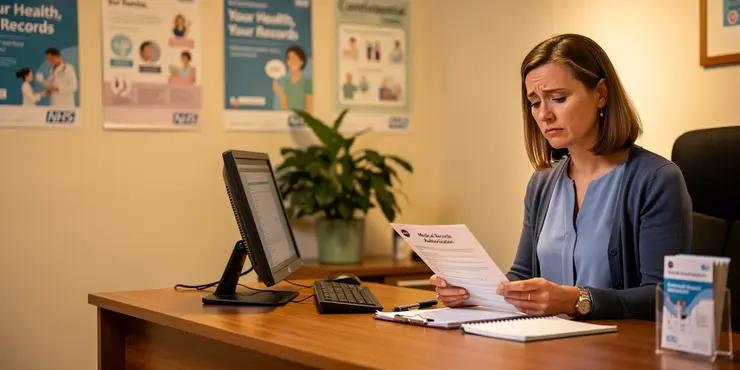
Can anyone else request my medical records on my behalf?
Relevance: 51%
-

Do I have the right to access electronic medical records?
Relevance: 50%
-

How do I know if my bad outcome was negligence or just a known risk of treatment?
Relevance: 46%
-

Can a healthcare provider share my medical records with other providers?
Relevance: 46%

-

Can someone else request my police records on my behalf?
Relevance: 45%
-

Can I specify who can see my medical records?
Relevance: 44%
-

Children Act 1989 section 20 - Legislation
Relevance: 41%
-

Are there privacy protections for my medical records?
Relevance: 39%
-

What rights do residents have in a care home?
Relevance: 39%
-

Can my identifiable NHS data be shared without my permission?
Relevance: 38%
-

What is my neighbour required to do under GDPR?
Relevance: 37%
-

Will I need to fill out forms before the visit?
Relevance: 37%
-

A Guide to the Divorce Process
Relevance: 35%
-

Can certain medical conditions prevent receiving blood transfusions?
Relevance: 33%
-

Does the NHS sell my patient data or medical records?
Relevance: 33%
-
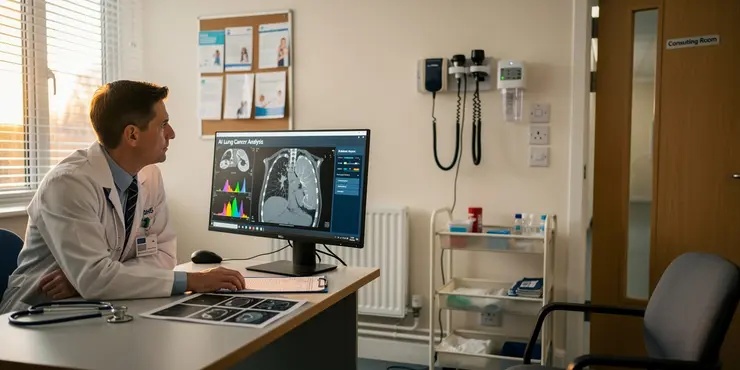
Are there ethical considerations in using AI for lung cancer detection?
Relevance: 32%
-

Divorce UK (England and Wales) | UK Divorce Process and Overview Explained PART 1 | BlackBeltBarrister
Relevance: 32%
-

What legal actions can be taken against unsolicited callers or texters?
Relevance: 31%
-

Judicial Review Sought Over NHS Data Sharing Agreements
Relevance: 31%
-

What kind of footage is considered an invasion of privacy?
Relevance: 31%
-
What happens to unused embryos?
Relevance: 31%
-

What can I do if I am the victim of medical or clinical negligence?
Relevance: 31%
-

Do I have a right to see other people's police records?
Relevance: 28%
-

Have the rules for changing a child's name in family court changed in 2026?
Relevance: 28%
-

Can I take legal action myself against unsolicited texters?
Relevance: 28%
-
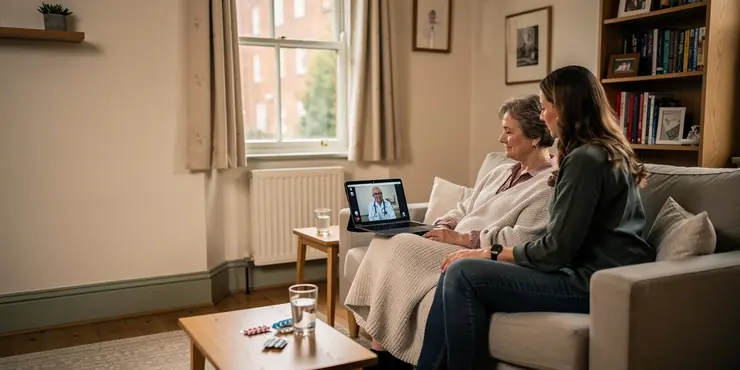
Can family members be involved in the care process on a virtual ward?
Relevance: 28%
-
Is parental consent required for puberty blockers?
Relevance: 28%
-

Navigating Child Custody and Visitation Rights in Modern UK
Relevance: 27%
-

Understanding Your Rights During Divorce Proceedings in the UK
Relevance: 27%
-

Do I have a right to see my medical records?
Relevance: 26%
-

How long should it take to receive my medical records after I request them?
Relevance: 26%
-

What effects do spiking drugs have on the body?
Relevance: 26%
-

Is language a barrier for a hair transplant in Turkey?
Relevance: 25%
-

Do I have the right to know who has accessed my medical records?
Relevance: 25%
What a consent form means
If you signed a consent form before treatment, it usually means you agreed to the procedure after being told about the main risks, benefits and alternatives. In the UK, consent should be informed, voluntary and given by someone who has the capacity to decide.
Signing a form is important, but it is not the only thing that matters. The clinician should also have explained the treatment in a way you could understand and given you the chance to ask questions.
Does signing the form affect your rights?
Signing a consent form does not take away your right to make a complaint or seek legal advice if something goes wrong. If the treatment was not explained properly, or you were not told about a significant risk, the form may not protect the provider.
Equally, a signed form does not automatically mean there has been negligence. The key question is whether the consent was valid and whether the care you received met the expected standard.
What if you felt pressured or unsure?
Consent must be given freely. If you felt rushed, pressured or unable to say no, that may raise concerns about whether the consent was valid.
This also applies if you were not given enough time to think, or if language barriers, pain, medication or distress affected your understanding. If you are unsure, it may help to request a copy of your medical notes and the consent form.
When consent may not be valid
There are situations where a signed form may not be enough. For example, consent may be invalid if the risks were not properly explained, if the form was signed without discussion, or if you did not have the mental capacity to consent at the time.
For children and young people, different rules may apply depending on age and understanding. In emergencies, doctors may sometimes treat without prior consent if it is necessary to save life or prevent serious harm.
What you can do next
If you are worried about a treatment you agreed to, start by asking for a clear explanation of what was discussed before the procedure. You can request your records, including clinic letters, consent documentation and aftercare notes.
You may also wish to raise the issue with the hospital, GP practice or private clinic. If you think the consent process was poor or the treatment caused avoidable harm, speak to a solicitor who handles medical negligence cases as soon as possible.
Key point to remember
In the UK, signing a consent form is only one part of valid consent. What matters is whether you were properly informed, able to decide freely and given the chance to ask questions before treatment.
If that did not happen, you may still have grounds to challenge what happened. Getting advice early can help you understand your options and the best next steps.
Frequently Asked Questions
What does it mean if I signed a consent form before treatment?
It usually means you agreed to the proposed treatment after being given information about the procedure, risks, benefits, and alternatives.
Does signing a consent form mean I cannot change my mind?
No. You can usually withdraw your consent before the treatment starts, and you should tell the provider as soon as possible.
Can I still ask questions after signing the consent form?
Yes. You should ask any questions you have before treatment begins, and the provider should explain anything you do not understand.
Does a signed consent form protect the provider from mistakes?
No. A consent form does not excuse negligence, errors, or substandard care.
What if I did not fully understand what I signed?
If you did not understand the form or the treatment, tell the provider right away and ask for a full explanation before proceeding.
Can I refuse treatment after signing the consent form?
Yes. Consent can generally be withdrawn at any time before the procedure starts.
What if the treatment changes after I signed the form?
If the plan changes in a meaningful way, the provider should explain the new treatment and may need your new consent.
Does signing consent mean I agreed to every possible risk?
Not exactly. It means you were informed of the known and significant risks, but it does not mean you accepted unknown risks or poor care.
What if I signed while feeling pressured?
Consent should be voluntary. If you felt pressured, you should raise that concern with the provider or seek legal advice if needed.
Can I get a copy of the consent form I signed?
Yes. You can usually request a copy of your signed consent form and other relevant medical records.
What if I signed the form but was not given enough information?
You may want to discuss this with the provider, because valid consent generally requires enough information to make an informed decision.
Does a consent form cover treatment by other staff members too?
Sometimes, but it depends on the wording of the form and the circumstances. You can ask who will perform each part of the treatment.
What if I signed the form in an emergency?
Emergency situations can affect how consent works, but providers still have duties to act appropriately and in your best interest.
Can I ask for a new consent form if I am unsure?
Yes. If you are unsure, ask for clarification or a new form before proceeding.
What if I signed consent for a procedure but not for anesthesia?
Anesthesia often requires separate consent. Ask the provider to explain exactly what you agreed to.
Does signing the form mean I cannot complain later?
No. You can still raise concerns, file complaints, or seek advice if you believe something was not handled properly.
What if I signed on behalf of someone else?
That depends on your legal authority to consent. A parent, guardian, or authorized decision-maker may be able to sign for another person.
How long is a signed consent form valid?
It depends on the treatment and any changes in your condition or the procedure. A new consent may be needed if circumstances change.
Should I keep a copy of the signed consent form?
Yes. Keeping a copy can help you understand what was agreed to and can be useful if questions come up later.
What should I do if I have concerns after signing the consent form?
Contact the provider promptly, ask for clarification, and do not proceed until your concerns are addressed to your satisfaction.

Useful Links
This website offers general information and is not a substitute for professional advice.
Always seek guidance from qualified professionals.
If you have any medical concerns or need urgent help, contact a healthcare professional or emergency services immediately.
Some of this content was generated with AI assistance. We've done our best to keep it accurate, helpful, and human-friendly.
- Ergsy carefully checks the information in the videos we provide here.
- Videos shown by Youtube after a video has completed, have NOT been reviewed by ERGSY.
- To view, click the arrow in centre of video.
- Most of the videos you find here will have subtitles and/or closed captions available.
- You may need to turn these on, and choose your preferred language.
- Go to the video you'd like to watch.
- If closed captions (CC) are available, settings will be visible on the bottom right of the video player.
- To turn on Captions, click settings.
- To turn off Captions, click settings again.
More Items From Ergsy search
-
What if I signed a consent form before treatment?
Relevance: 100%
-
Gaining consent from stroke patients
Relevance: 89%
-
Can my employer access my medical records without my consent?
Relevance: 71%
-
Can the police access my neighbour’s CCTV footage without consent?
Relevance: 63%
-
What legal rights do I have as a medical patient in the EU?
Relevance: 53%
-
Does the right to access my medical records apply to minors?
Relevance: 52%
-
Can anyone else request my medical records on my behalf?
Relevance: 51%
-
Do I have the right to access electronic medical records?
Relevance: 50%
-
How do I know if my bad outcome was negligence or just a known risk of treatment?
Relevance: 46%
-
Can a healthcare provider share my medical records with other providers?
Relevance: 46%
-
Can someone else request my police records on my behalf?
Relevance: 45%
-
Can I specify who can see my medical records?
Relevance: 44%
-
Children Act 1989 section 20 - Legislation
Relevance: 41%
-
Are there privacy protections for my medical records?
Relevance: 39%
-
What rights do residents have in a care home?
Relevance: 39%
-
Can my identifiable NHS data be shared without my permission?
Relevance: 38%
-
What is my neighbour required to do under GDPR?
Relevance: 37%
-
Will I need to fill out forms before the visit?
Relevance: 37%
-
A Guide to the Divorce Process
Relevance: 35%
-
Can certain medical conditions prevent receiving blood transfusions?
Relevance: 33%
-
Does the NHS sell my patient data or medical records?
Relevance: 33%
-
Are there ethical considerations in using AI for lung cancer detection?
Relevance: 32%
-
Divorce UK (England and Wales) | UK Divorce Process and Overview Explained PART 1 | BlackBeltBarrister
Relevance: 32%
-
What legal actions can be taken against unsolicited callers or texters?
Relevance: 31%
-
Judicial Review Sought Over NHS Data Sharing Agreements
Relevance: 31%
-
What kind of footage is considered an invasion of privacy?
Relevance: 31%
-
What happens to unused embryos?
Relevance: 31%
-
What can I do if I am the victim of medical or clinical negligence?
Relevance: 31%
-
Do I have a right to see other people's police records?
Relevance: 28%
-
Have the rules for changing a child's name in family court changed in 2026?
Relevance: 28%
-
Can I take legal action myself against unsolicited texters?
Relevance: 28%
-
Can family members be involved in the care process on a virtual ward?
Relevance: 28%
-
Is parental consent required for puberty blockers?
Relevance: 28%
-
Navigating Child Custody and Visitation Rights in Modern UK
Relevance: 27%
-
Understanding Your Rights During Divorce Proceedings in the UK
Relevance: 27%
-
Do I have a right to see my medical records?
Relevance: 26%
-
How long should it take to receive my medical records after I request them?
Relevance: 26%
-
What effects do spiking drugs have on the body?
Relevance: 26%
-
Is language a barrier for a hair transplant in Turkey?
Relevance: 25%
-
Do I have the right to know who has accessed my medical records?
Relevance: 25%