
Speak To An Expert
Get clear, personalised advice for your situation.
Jot down a few questions to make the most of your conversation.
More Items From Ergsy search
-
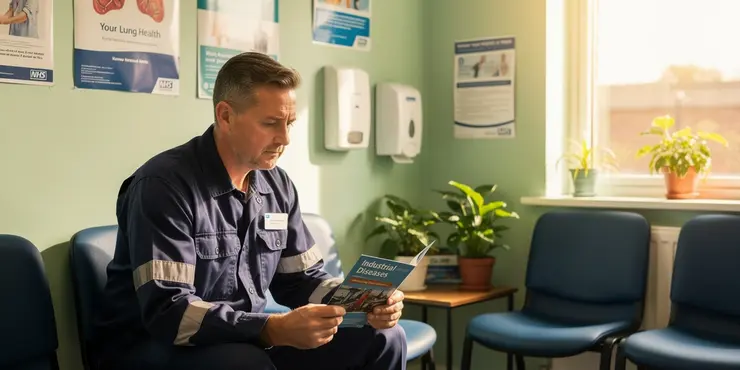
Can industrial diseases be severe or life-threatening?
Relevance: 100%
-

What are industrial diseases and illnesses?
Relevance: 58%
-

How are industrial diseases diagnosed?
Relevance: 51%
-

Are industrial diseases the same as work-related illnesses?
Relevance: 48%
-

What causes industrial diseases?
Relevance: 47%
-

Are industrial diseases always covered by compensation?
Relevance: 46%
-

What industries have higher risks of industrial diseases?
Relevance: 46%
-

Do industrial diseases only affect factory workers?
Relevance: 45%
-

Can industrial diseases be prevented?
Relevance: 45%
-

Why is early detection of industrial diseases important?
Relevance: 44%

-

Can industrial diseases develop over time?
Relevance: 44%
-

What are some common examples of industrial diseases?
Relevance: 41%
-

What symptoms might suggest an industrial disease?
Relevance: 40%
-

How do employers reduce the risk of industrial diseases?
Relevance: 36%
-

What should a worker do if they suspect an industrial disease?
Relevance: 32%
-

How is Legionnaires' Disease different from general pneumonia?
Relevance: 31%
-

Does H9N2 pose a threat to the poultry industry?
Relevance: 30%
-

How serious is Hantavirus disease?
Relevance: 30%
-

Is Legionnaires' Disease contagious?
Relevance: 29%
-

Who is at risk for severe Chikungunya infection?
Relevance: 28%
-

What is the difference between cellulitis and flesh-eating disease?
Relevance: 28%
-
What should be done if severe side effects occur?
Relevance: 27%
-
Is epinephrine the only treatment for severe nut allergy reactions?
Relevance: 27%
-

Who is at risk for severe illness from West Nile Virus?
Relevance: 27%
-

What are the symptoms of Marburg virus disease?
Relevance: 26%
-

Can Legionnaires' Disease lead to complications?
Relevance: 26%
-
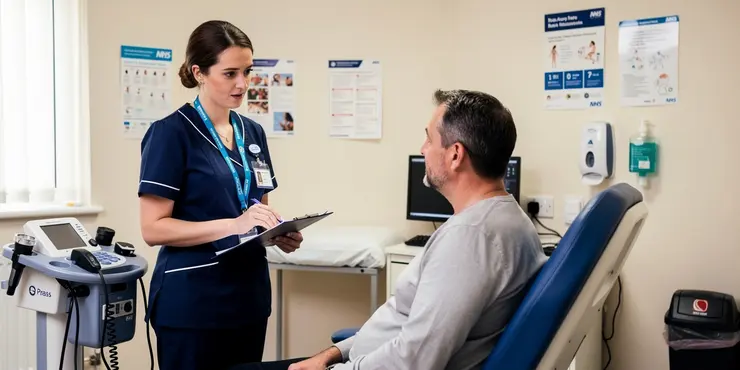
What causes flesh-eating disease?
Relevance: 25%
-

What should I do if I experience severe side effects from Wegovy?
Relevance: 25%
-

What are the complications of sickle cell disease?
Relevance: 25%
-

Has the sugar tax led to innovation in the drinks industry?
Relevance: 25%
-

Liver disease | NHS
Relevance: 24%
-

What is a flesh-eating disease?
Relevance: 23%
-

What causes Huntington's disease?
Relevance: 23%
-

Can flesh-eating disease be treated?
Relevance: 23%
-

What symptoms should I watch for if I suspect a mosquito-borne disease?
Relevance: 23%
-

What are the common symptoms of Legionnaires' Disease?
Relevance: 22%
-

Who is at risk of developing Crohn's disease?
Relevance: 22%
-
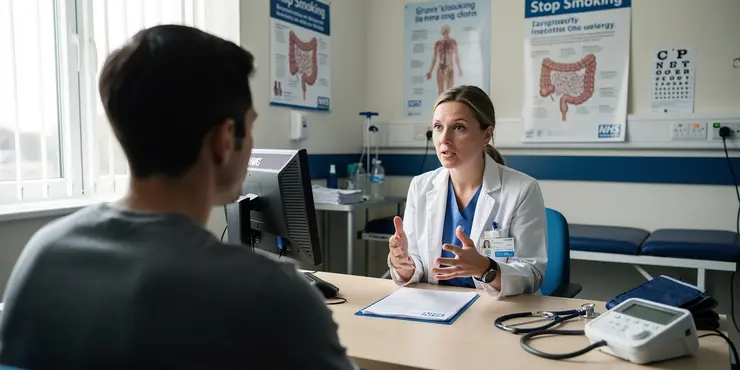
How does smoking affect Crohn's disease?
Relevance: 22%
-
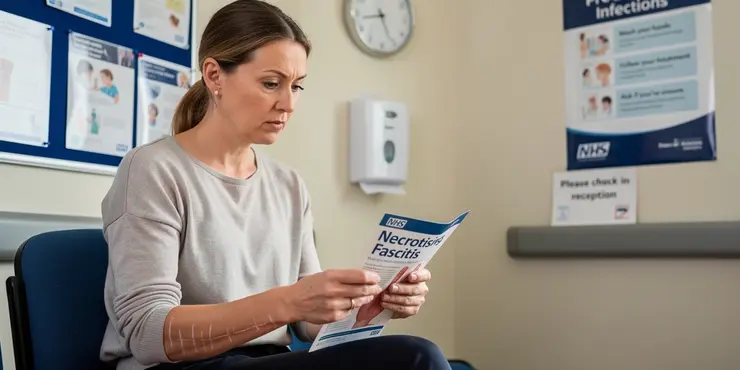
Can flesh-eating disease cause long-term complications?
Relevance: 22%
-

What is the typical progression of Marburg virus disease?
Relevance: 21%
Can industrial diseases be severe?
Yes, industrial diseases can range from mild to very severe. Some cause ongoing pain, reduced mobility, or breathing problems that affect everyday life.
Others can lead to permanent damage, disability, or the need to stop work completely. In some cases, the condition may continue to worsen even after exposure has ended.
Can they be life-threatening?
Some industrial diseases can be life-threatening, especially if they damage vital organs or the lungs. Serious conditions such as occupational cancers, severe asbestos-related disease, and advanced lung disease can be fatal.
Long-term exposure to hazardous substances may also increase the risk of diseases that are harder to treat. The outcome often depends on the type of exposure, how long it lasted, and how quickly the condition is diagnosed.
Examples of serious industrial diseases
Asbestosis is a well-known industrial disease that can cause major scarring of the lungs. In severe cases, it makes breathing difficult and can lead to serious complications.
Mesothelioma is another serious illness linked to asbestos exposure and is often life-threatening. Occupational asthma, chronic obstructive pulmonary disease, and some skin and nerve disorders can also become severe if exposure continues.
Why early diagnosis matters
Getting medical help early can make a big difference. Spotting symptoms quickly may help slow progression, reduce further damage, and improve treatment options.
It is important to speak to a GP if you develop ongoing cough, breathlessness, skin irritation, hearing loss, or pain that may be linked to work. Early assessment can also help identify whether your job history has played a role.
Support and next steps
If an industrial disease has affected you, you may be entitled to treatment, workplace adjustments, or compensation. In the UK, this may involve your employer, occupational health, or legal advice.
Seeking support early can help protect your health and your finances. If symptoms are severe or worsening, get urgent medical advice as soon as possible.
Frequently Asked Questions
Can industrial diseases be severe or life-threatening?
Yes. Some industrial diseases can be severe and may become life-threatening, especially if they are diagnosed late or continue to worsen over time.
Which industrial diseases are most likely to become life-threatening?
Diseases such as asbestos-related lung disease, mesothelioma, silicosis, certain occupational cancers, and severe chemical poisoning can be life-threatening.
Can long-term exposure make an industrial disease worse?
Yes. Ongoing exposure to harmful substances often increases the severity of the disease and can raise the risk of permanent damage or death.
Are respiratory industrial diseases especially dangerous?
Yes. Lung-related conditions can severely affect breathing and oxygen levels, making them potentially very dangerous.
Can industrial diseases cause permanent disability?
Yes. Many industrial diseases can lead to lasting disability, reduced mobility, chronic pain, or loss of lung function.
Do some industrial diseases progress over time even after exposure ends?
Yes. Some diseases continue to progress after exposure has stopped, especially conditions caused by asbestos or silica.
Can occupational cancers be caused by industrial exposure?
Yes. Certain workplace exposures can increase the risk of cancers that may be serious or fatal if not detected early.
Is silicosis a potentially fatal disease?
Yes. Severe silicosis can damage the lungs permanently and increase the risk of respiratory failure and other serious complications.
Can asbestos exposure lead to life-threatening illness?
Yes. Asbestos exposure can cause mesothelioma, lung cancer, and asbestosis, all of which can be very serious or fatal.
Are chemical exposure illnesses always temporary?
No. Some chemical exposure illnesses can cause lasting organ damage, neurological problems, or life-threatening poisoning.
Can industrial diseases affect the heart or other organs?
Yes. Some exposures can harm the heart, kidneys, liver, nervous system, or other organs and may become severe.
Does early diagnosis improve the outlook for industrial diseases?
Yes. Early diagnosis can improve treatment options and may reduce the risk of severe complications or death.
Can symptoms of an industrial disease appear years later?
Yes. Many industrial diseases have long latency periods, meaning symptoms may not appear until years after exposure.
Are all industrial diseases fatal?
No. Not all industrial diseases are fatal, but many can still be serious and require treatment and monitoring.
Can severe industrial diseases require hospitalization?
Yes. Serious cases may need emergency care, hospitalization, oxygen therapy, surgery, or other intensive treatment.
Can industrial diseases reduce life expectancy?
Yes. Some severe occupational diseases can shorten life expectancy, especially if they affect the lungs, heart, or cause cancer.
Should severe symptoms after workplace exposure be taken seriously?
Yes. Breathing trouble, chest pain, fainting, confusion, or worsening weakness after exposure should be treated as urgent.
Can stopping exposure prevent an industrial disease from becoming worse?
Yes. Removing the source of exposure can help slow progression and protect remaining health, though damage may not fully reverse.
Are life-threatening industrial diseases always obvious at first?
No. Some can start with mild or vague symptoms and become severe before they are recognized.
When should someone seek medical help for a possible industrial disease?
Medical help should be sought promptly if there are symptoms after workplace exposure, especially breathing problems, persistent cough, chest pain, or unexplained fatigue.

Useful Linksxxx
This website offers general information and is not a substitute for professional advice.
Always seek guidance from qualified professionals.
If you have any medical concerns or need urgent help, contact a healthcare professional or emergency services immediately.
Some of this content was generated with AI assistance. We've done our best to keep it accurate, helpful, and human-friendly.
- Ergsy carefully checks the information in the videos we provide here.
- Videos shown by Youtube after a video has completed, have NOT been reviewed by ERGSY.
- To view, click the arrow in centre of video.
- Most of the videos you find here will have subtitles and/or closed captions available.
- You may need to turn these on, and choose your preferred language.
- Go to the video you'd like to watch.
- If closed captions (CC) are available, settings will be visible on the bottom right of the video player.
- To turn on Captions, click settings.
- To turn off Captions, click settings again.
More Items From Ergsy search
-
Can industrial diseases be severe or life-threatening?
Relevance: 100%
-
What are industrial diseases and illnesses?
Relevance: 58%
-
How are industrial diseases diagnosed?
Relevance: 51%
-
Are industrial diseases the same as work-related illnesses?
Relevance: 48%
-
What causes industrial diseases?
Relevance: 47%
-
Are industrial diseases always covered by compensation?
Relevance: 46%
-
What industries have higher risks of industrial diseases?
Relevance: 46%
-
Do industrial diseases only affect factory workers?
Relevance: 45%
-
Can industrial diseases be prevented?
Relevance: 45%
-
Why is early detection of industrial diseases important?
Relevance: 44%
-
Can industrial diseases develop over time?
Relevance: 44%
-
What are some common examples of industrial diseases?
Relevance: 41%
-
What symptoms might suggest an industrial disease?
Relevance: 40%
-
How do employers reduce the risk of industrial diseases?
Relevance: 36%
-
What should a worker do if they suspect an industrial disease?
Relevance: 32%
-
How is Legionnaires' Disease different from general pneumonia?
Relevance: 31%
-
Does H9N2 pose a threat to the poultry industry?
Relevance: 30%
-
How serious is Hantavirus disease?
Relevance: 30%
-
Is Legionnaires' Disease contagious?
Relevance: 29%
-
Who is at risk for severe Chikungunya infection?
Relevance: 28%
-
What is the difference between cellulitis and flesh-eating disease?
Relevance: 28%
-
What should be done if severe side effects occur?
Relevance: 27%
-
Is epinephrine the only treatment for severe nut allergy reactions?
Relevance: 27%
-
Who is at risk for severe illness from West Nile Virus?
Relevance: 27%
-
What are the symptoms of Marburg virus disease?
Relevance: 26%
-
Can Legionnaires' Disease lead to complications?
Relevance: 26%
-
What causes flesh-eating disease?
Relevance: 25%
-
What should I do if I experience severe side effects from Wegovy?
Relevance: 25%
-
What are the complications of sickle cell disease?
Relevance: 25%
-
Has the sugar tax led to innovation in the drinks industry?
Relevance: 25%
-
Liver disease | NHS
Relevance: 24%
-
What is a flesh-eating disease?
Relevance: 23%
-
What causes Huntington's disease?
Relevance: 23%
-
Can flesh-eating disease be treated?
Relevance: 23%
-
What symptoms should I watch for if I suspect a mosquito-borne disease?
Relevance: 23%
-
What are the common symptoms of Legionnaires' Disease?
Relevance: 22%
-
Who is at risk of developing Crohn's disease?
Relevance: 22%
-
How does smoking affect Crohn's disease?
Relevance: 22%
-
Can flesh-eating disease cause long-term complications?
Relevance: 22%
-
What is the typical progression of Marburg virus disease?
Relevance: 21%