
Speak To An Expert
Get clear, personalised advice for your situation.
Jot down a few questions to make the most of your conversation.
More Items From Ergsy search
-

What are industrial diseases and illnesses?
Relevance: 100%
-
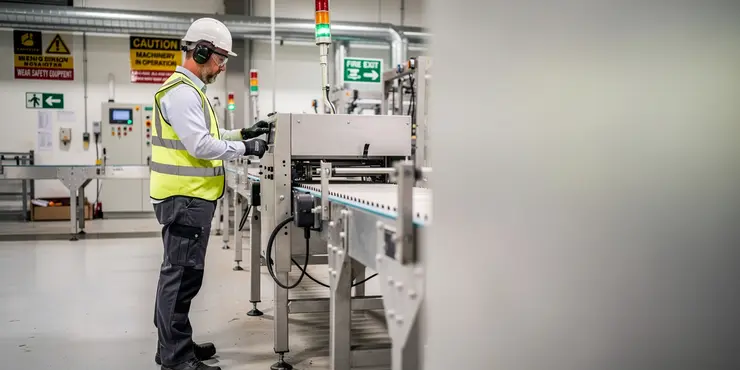
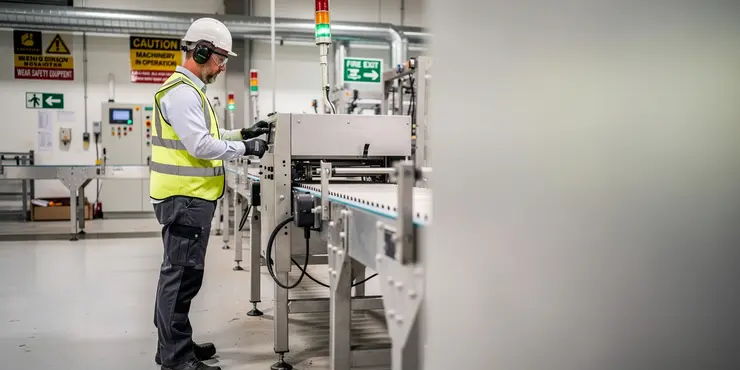
How do employers reduce the risk of industrial diseases?
Relevance: 97%
-
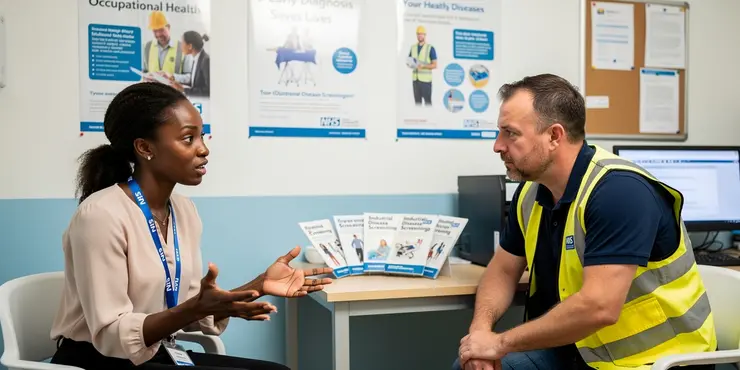
Why is early detection of industrial diseases important?
Relevance: 91%
-
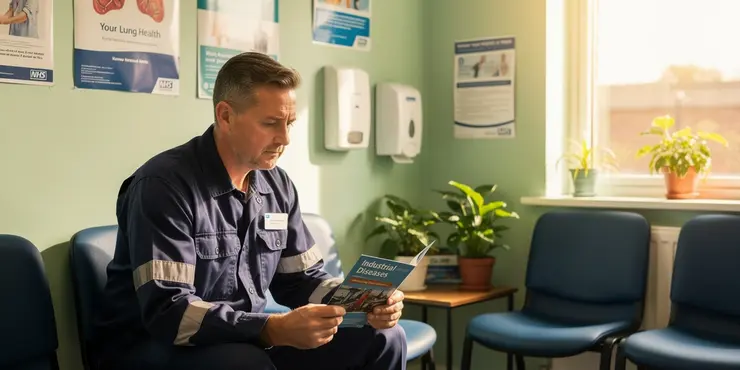
Can industrial diseases be severe or life-threatening?
Relevance: 88%
-

How are industrial diseases diagnosed?
Relevance: 88%
-

Are industrial diseases the same as work-related illnesses?
Relevance: 87%
-

What causes industrial diseases?
Relevance: 84%
-

What industries have higher risks of industrial diseases?
Relevance: 83%
-

Do industrial diseases only affect factory workers?
Relevance: 82%
-

What should a worker do if they suspect an industrial disease?
Relevance: 79%

-
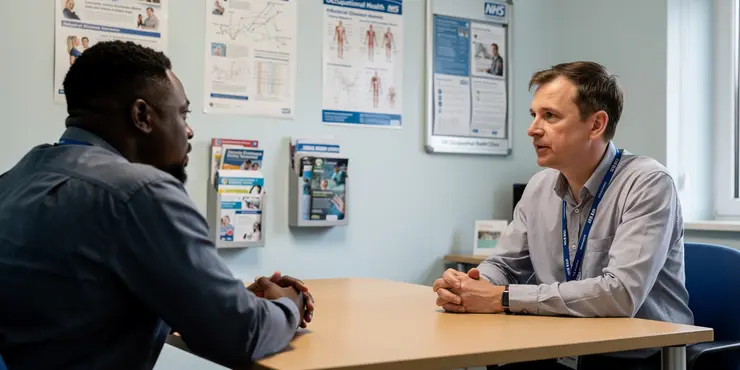
What are some common examples of industrial diseases?
Relevance: 78%
-

Can industrial diseases develop over time?
Relevance: 77%
-

Are industrial diseases always covered by compensation?
Relevance: 77%
-

Can industrial diseases be prevented?
Relevance: 76%
-
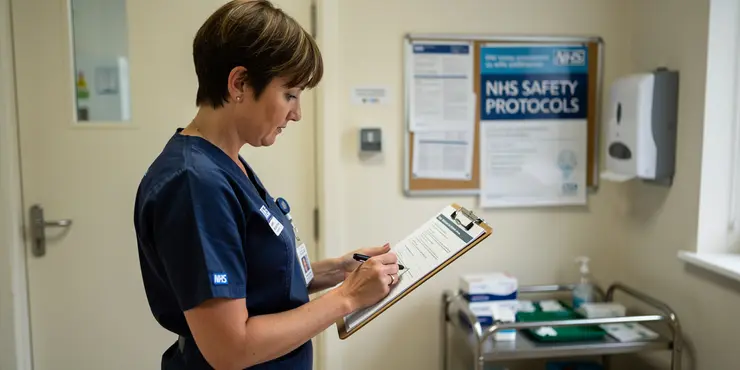
Health and safety responsibilities
Relevance: 74%
-

What symptoms might suggest an industrial disease?
Relevance: 72%
-
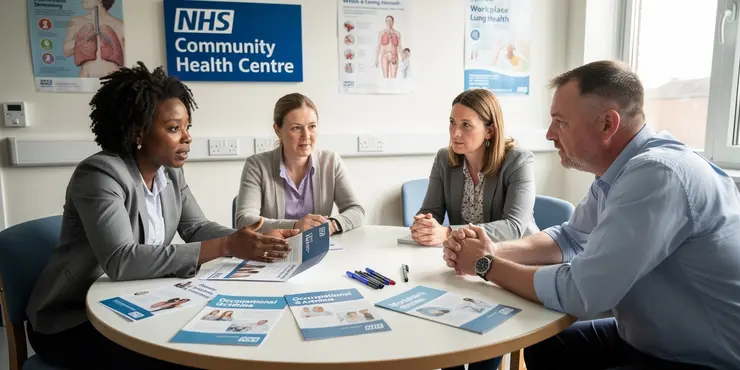
What is occupational asthma?
Relevance: 68%
-

THE LAW IN 60 SECONDS | HEALTH AND SAFETY AT WORK
Relevance: 66%
-

What is occupational dermatitis?
Relevance: 65%
-

Can noise at work cause disease?
Relevance: 60%
-

Workplace Pension UK | Pros and Cons | GET FREE MONEY FROM YOUR EMPLOYER!
Relevance: 54%
-

Can primary care support workers access mental health support?
Relevance: 51%
-
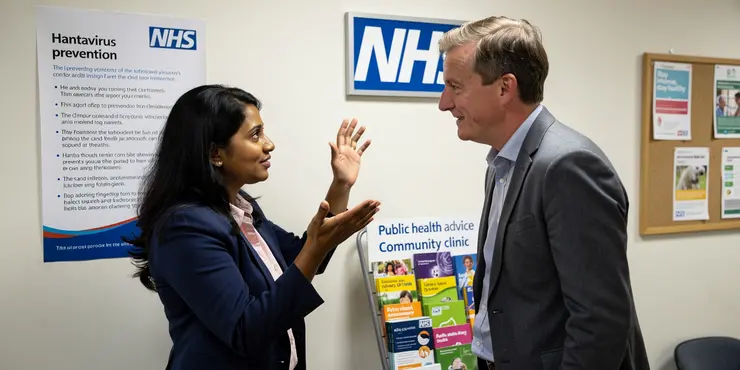
Why is Hantavirus a concern in public health?
Relevance: 49%
-
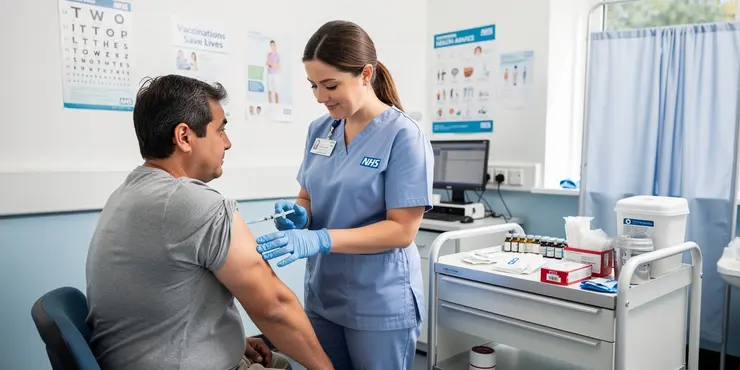
Should health care workers get the meningitis vaccine?
Relevance: 47%
-

Can my employer access my medical records without my consent?
Relevance: 47%
-

What health risks are associated with obesity?
Relevance: 46%
-

What if my employer asks me not to report the accident?
Relevance: 44%
-

Do I need to see a doctor after a workplace accident?
Relevance: 43%
-

Can lifestyle changes reduce the need for medication for heart disease prevention?
Relevance: 42%
-

Does a vegetarian diet affect other health risks besides cancer?
Relevance: 41%
-
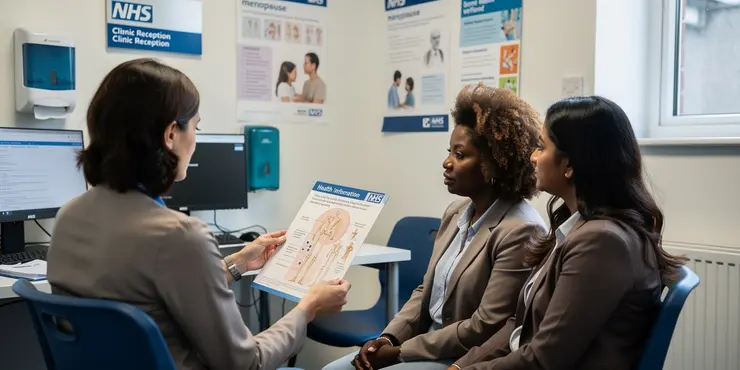
Will a menopause specialist help with bone health and heart health?
Relevance: 41%
-

Is fibre good for health?
Relevance: 41%
-

Why is fiber important for health?
Relevance: 41%
-

How does the sugar tax align with public health strategies?
Relevance: 41%
-

Advancements in Mental Health Resources for Families
Relevance: 40%
-

Is health linked to aging?
Relevance: 40%
-

What are my rights regarding workplace safety as a gig worker?
Relevance: 40%
-

Who is at risk of developing Alzheimer's disease?
Relevance: 39%
-
Can binge drinking affect physical health?
Relevance: 39%
-

How do mixed exercises impact cardiovascular health?
Relevance: 38%
Understanding industrial disease risks
Industrial diseases develop over time because of repeated exposure to harmful conditions at work. These can include dust, chemicals, noise, vibration, and poor ventilation.
Employers have a legal duty to protect workers from foreseeable harm. In the UK, this means identifying hazards early and putting proper controls in place before illness develops.
Carry out risk assessments
A thorough risk assessment is the first step in reducing industrial disease. Employers should look at every task, process, and substance that could affect health.
This includes checking how long workers are exposed, how often exposure happens, and which groups are most at risk. The findings should then be used to create practical safety measures.
Control exposure at source
The best way to reduce disease is to remove the hazard where possible. If that is not possible, employers should substitute safer materials or change the process to reduce exposure.
Engineering controls are often very effective. For example, local exhaust ventilation, enclosure systems, and dust suppression can prevent harmful substances from entering the air workers breathe.
Provide suitable training and supervision
Workers need to understand the risks and know how to work safely. Training should explain how diseases can develop, what warning signs to look for, and how to use control measures correctly.
Supervision is also important, especially for new staff or higher-risk tasks. Good supervision helps make sure safe systems of work are followed every day, not just written down on paper.
Use personal protective equipment properly
PPE should be used as a last line of defence, not the main control. Employers must provide equipment that is suitable for the task and maintain it in good condition.
Respirators, gloves, hearing protection, and protective clothing can all help reduce exposure. However, they only work well when they fit properly, are worn consistently, and are replaced when needed.
Monitor health and review controls
Health surveillance can help spot early signs of work-related illness. This is especially important where workers are exposed to substances or conditions known to cause long-term harm.
Employers should also review safety measures regularly. If new equipment, substances, or work methods are introduced, the controls may need to be updated to keep workers protected.
Create a strong safety culture
Reducing industrial disease is not just about compliance. It also depends on a workplace culture where health risks are taken seriously and staff feel able to raise concerns.
When employers listen to workers, act on reports, and keep improving controls, the chances of illness are much lower. Prevention is always better than dealing with long-term damage after it has happened.
Frequently Asked Questions
How do employers reduce the risk of industrial diseases?
Employers reduce risk by identifying workplace hazards, controlling exposures, providing training, maintaining equipment, and monitoring worker health.
Why is risk assessment important for preventing industrial diseases?
Risk assessment helps employers find sources of exposure, prioritize controls, and put effective safety measures in place before workers are harmed.
What role does ventilation play in reducing industrial disease risk?
Proper ventilation removes or dilutes harmful dusts, fumes, vapors, and gases, lowering workers' exposure to hazardous substances.
How can employers reduce exposure to toxic chemicals?
They can substitute safer chemicals, use closed systems, improve ventilation, provide protective equipment, and follow safe handling procedures.
What is the hierarchy of controls in industrial disease prevention?
The hierarchy of controls ranks safety methods from most to least effective: elimination, substitution, engineering controls, administrative controls, and personal protective equipment.
How does employee training help prevent industrial diseases?
Training teaches workers how to recognize hazards, use equipment safely, follow procedures, and report problems early, which reduces exposure and illness.
Why is personal protective equipment important?
PPE provides a barrier against harmful exposures when other controls are not enough, but it works best as part of a broader prevention program.
How can employers reduce noise-related industrial disease risk?
They can lower noise at the source, isolate noisy equipment, limit time exposed, and provide hearing protection and hearing tests.
What can employers do to prevent respiratory diseases at work?
They can control dust and fumes, improve air quality, use respirators when needed, and ensure workers understand proper respiratory protection use.
How does good housekeeping reduce industrial disease risk?
Regular cleaning reduces dust buildup, spills, and residue that can be inhaled, absorbed, or spread to workers and surfaces.
Why should employers maintain equipment regularly?
Well-maintained equipment is less likely to leak hazardous substances, generate excess dust or noise, or fail in ways that increase exposure.
How do medical surveillance programs help?
Medical surveillance can detect early signs of work-related illness so employers can improve controls and protect affected workers sooner.
What is the benefit of substituting safer materials?
Safer substitutes can eliminate or greatly reduce harmful exposures, making disease prevention more effective and less dependent on protective gear.
How can employers reduce skin disease risks?
They can prevent contact with irritants and sensitizers, provide skin-friendly work practices, offer gloves and washing facilities, and train workers on hygiene.
What administrative controls can reduce industrial disease risk?
Administrative controls include job rotation, limiting exposure time, scheduling risky tasks when fewer people are present, and enforcing safe work procedures.
How does worker reporting improve disease prevention?
When workers report symptoms, spills, leaks, or unsafe conditions early, employers can act quickly to fix problems before serious illness develops.
Why are exposure monitoring and air testing useful?
They show whether controls are working and whether hazardous substances are present at unsafe levels, allowing employers to make data-based improvements.
How can employers reduce the risk from dust exposure?
They can use dust suppression methods, local exhaust ventilation, enclosed processes, safe cleaning methods, and appropriate respiratory protection.
What management practices support industrial disease prevention?
Strong safety leadership, regular audits, clear policies, and prompt corrective action help keep prevention efforts consistent and effective.
How often should employers review their disease prevention measures?
They should review measures regularly and whenever processes, materials, equipment, or incidents change to ensure controls remain effective.

Useful Linksxxx
This website offers general information and is not a substitute for professional advice.
Always seek guidance from qualified professionals.
If you have any medical concerns or need urgent help, contact a healthcare professional or emergency services immediately.
Some of this content was generated with AI assistance. We've done our best to keep it accurate, helpful, and human-friendly.
- Ergsy carefully checks the information in the videos we provide here.
- Videos shown by Youtube after a video has completed, have NOT been reviewed by ERGSY.
- To view, click the arrow in centre of video.
- Most of the videos you find here will have subtitles and/or closed captions available.
- You may need to turn these on, and choose your preferred language.
- Go to the video you'd like to watch.
- If closed captions (CC) are available, settings will be visible on the bottom right of the video player.
- To turn on Captions, click settings.
- To turn off Captions, click settings again.
More Items From Ergsy search
-
What are industrial diseases and illnesses?
Relevance: 100%
-
How do employers reduce the risk of industrial diseases?
Relevance: 97%
-
Why is early detection of industrial diseases important?
Relevance: 91%
-
Can industrial diseases be severe or life-threatening?
Relevance: 88%
-
How are industrial diseases diagnosed?
Relevance: 88%
-
Are industrial diseases the same as work-related illnesses?
Relevance: 87%
-
What causes industrial diseases?
Relevance: 84%
-
What industries have higher risks of industrial diseases?
Relevance: 83%
-
Do industrial diseases only affect factory workers?
Relevance: 82%
-
What should a worker do if they suspect an industrial disease?
Relevance: 79%
-
What are some common examples of industrial diseases?
Relevance: 78%
-
Can industrial diseases develop over time?
Relevance: 77%
-
Are industrial diseases always covered by compensation?
Relevance: 77%
-
Can industrial diseases be prevented?
Relevance: 76%
-
Health and safety responsibilities
Relevance: 74%
-
What symptoms might suggest an industrial disease?
Relevance: 72%
-
What is occupational asthma?
Relevance: 68%
-
THE LAW IN 60 SECONDS | HEALTH AND SAFETY AT WORK
Relevance: 66%
-
What is occupational dermatitis?
Relevance: 65%
-
Can noise at work cause disease?
Relevance: 60%
-
Workplace Pension UK | Pros and Cons | GET FREE MONEY FROM YOUR EMPLOYER!
Relevance: 54%
-
Can primary care support workers access mental health support?
Relevance: 51%
-
Why is Hantavirus a concern in public health?
Relevance: 49%
-
Should health care workers get the meningitis vaccine?
Relevance: 47%
-
Can my employer access my medical records without my consent?
Relevance: 47%
-
What health risks are associated with obesity?
Relevance: 46%
-
What if my employer asks me not to report the accident?
Relevance: 44%
-
Do I need to see a doctor after a workplace accident?
Relevance: 43%
-
Can lifestyle changes reduce the need for medication for heart disease prevention?
Relevance: 42%
-
Does a vegetarian diet affect other health risks besides cancer?
Relevance: 41%
-
Will a menopause specialist help with bone health and heart health?
Relevance: 41%
-
Is fibre good for health?
Relevance: 41%
-
Why is fiber important for health?
Relevance: 41%
-
How does the sugar tax align with public health strategies?
Relevance: 41%
-
Advancements in Mental Health Resources for Families
Relevance: 40%
-
Is health linked to aging?
Relevance: 40%
-
What are my rights regarding workplace safety as a gig worker?
Relevance: 40%
-
Who is at risk of developing Alzheimer's disease?
Relevance: 39%
-
Can binge drinking affect physical health?
Relevance: 39%
-
How do mixed exercises impact cardiovascular health?
Relevance: 38%