

Speak To An Expert
Get clear, personalised advice for your situation.
Jot down a few questions to make the most of your conversation.
More Items From Ergsy search
-

What is a Road Traffic Accident - RTA?
Relevance: 100%
-

What is a Road Traffic Accident (RTA)?
Relevance: 97%
-

Is a bicycle crash on the road an RTA?
Relevance: 81%
-

Can a road traffic accident involve multiple vehicles?
Relevance: 66%
-
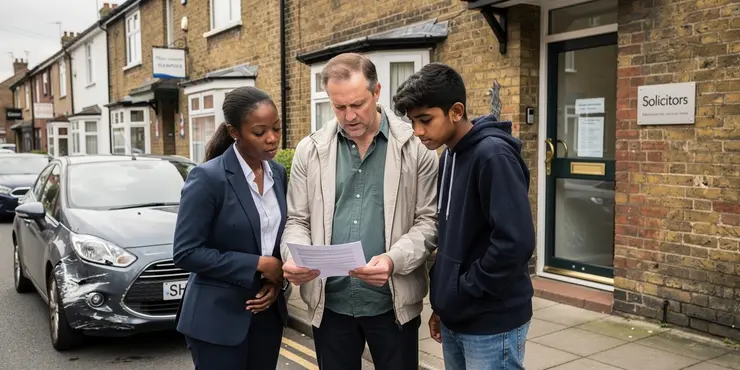
Is a minor car scrape considered an RTA?
Relevance: 64%
-

How is blame determined in a Road Traffic Accident?
Relevance: 63%
-

Can a parked vehicle be involved in an RTA?
Relevance: 63%
-

What are the common causes of RTAs?
Relevance: 54%
-
Can pedestrians be victims of an RTA?
Relevance: 54%
-

What types of vehicles can be involved in an RTA?
Relevance: 53%

-

Should I report every RTA to the police?
Relevance: 48%
-

Can an RTA happen without injury?
Relevance: 48%
-
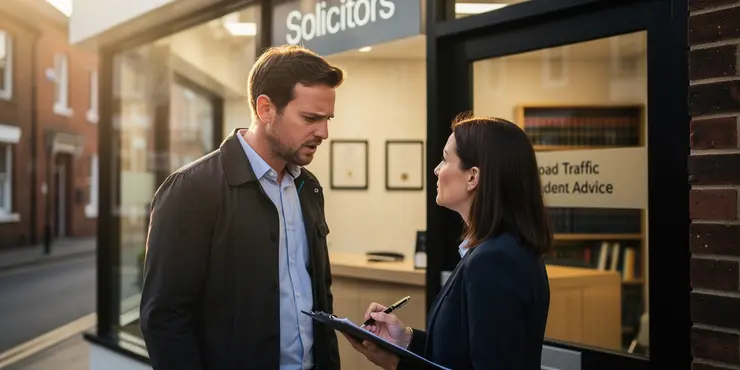
What role does insurance play after an RTA?
Relevance: 46%
-
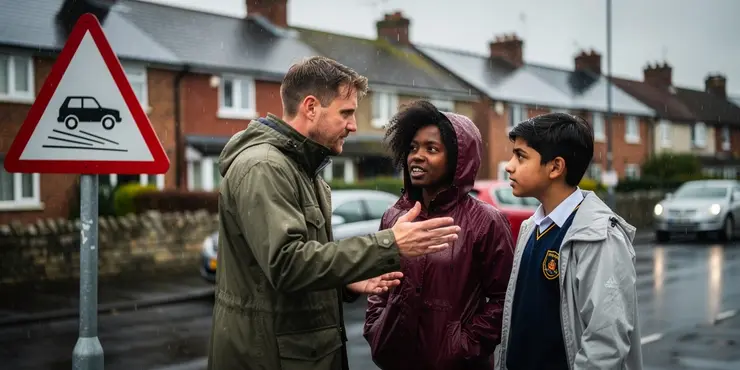
Are weather conditions a factor in RTAs?
Relevance: 44%
-
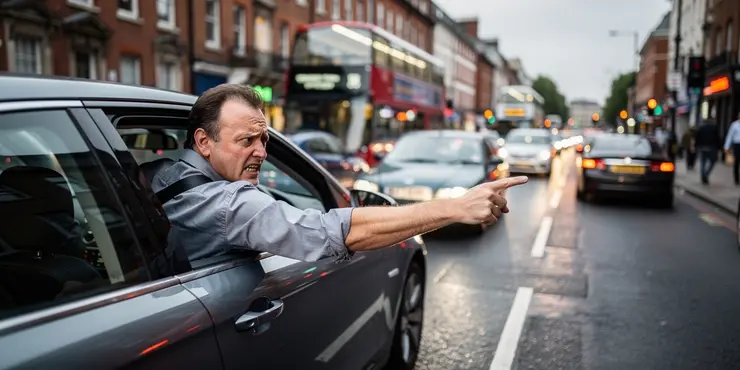
Is road rage a form of dangerous driving?
Relevance: 41%
-

What information should be collected after an RTA?
Relevance: 41%
-
What is the difference between an accident and a collision?
Relevance: 39%
-
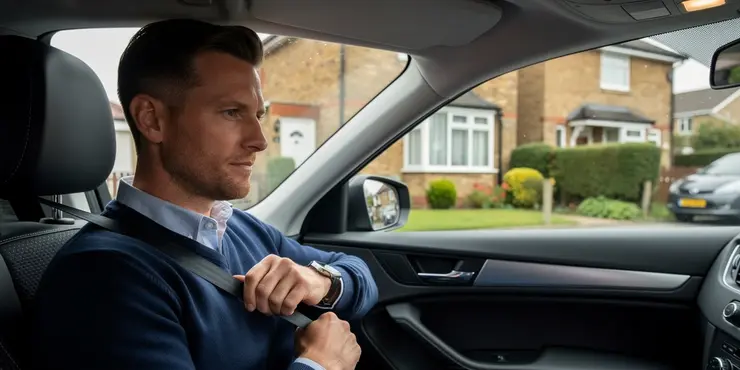
Why is seat belt use important in an RTA?
Relevance: 37%
-
Is driving too slowly considered dangerous driving?
Relevance: 37%
-

How can RTAs be prevented?
Relevance: 36%
-

What should I do immediately after an RTA?
Relevance: 35%
-

What injuries are commonly caused by RTAs?
Relevance: 35%
-

What if there were no witnesses to the accident?
Relevance: 35%
-

Is it dangerous driving to run a red light?
Relevance: 35%
-
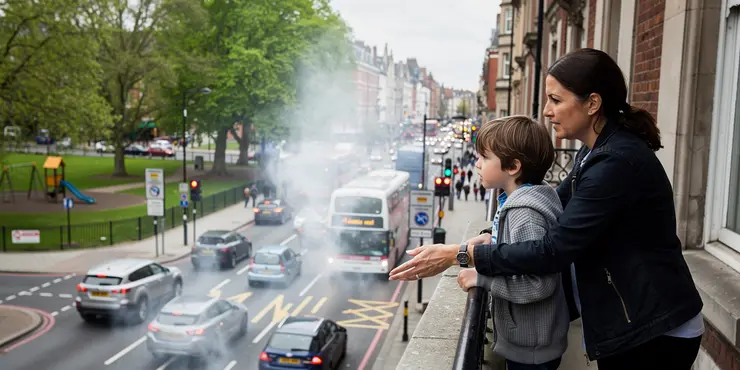
Are traffic fumes bad for my health?
Relevance: 32%
-

How does speeding contribute to dangerous driving?
Relevance: 30%
-

What can I do to avoid dangerous driving?
Relevance: 29%
-

Are there specific laws against dangerous driving?
Relevance: 29%
-

What if the accident was caused by faulty equipment?
Relevance: 29%
-

What if the accident happened on council or government property?
Relevance: 28%
-

Why is understanding RTAs important?
Relevance: 28%
-

What causes whiplash in a car accident?
Relevance: 28%
-
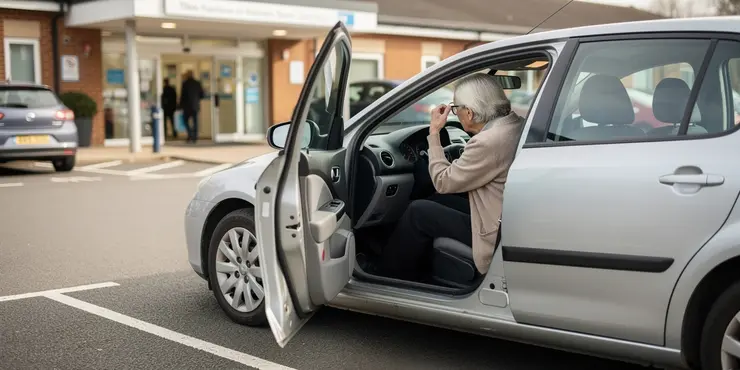
How can older drivers mitigate the risks associated with driving?
Relevance: 28%
-

What is whiplash after a car accident?
Relevance: 28%
-

How do cognitive changes in older adults influence driving risk?
Relevance: 27%
-

Can distracted driving be classified as dangerous driving?
Relevance: 27%
-

What kinds of accidents are covered by public liability claims?
Relevance: 26%
-
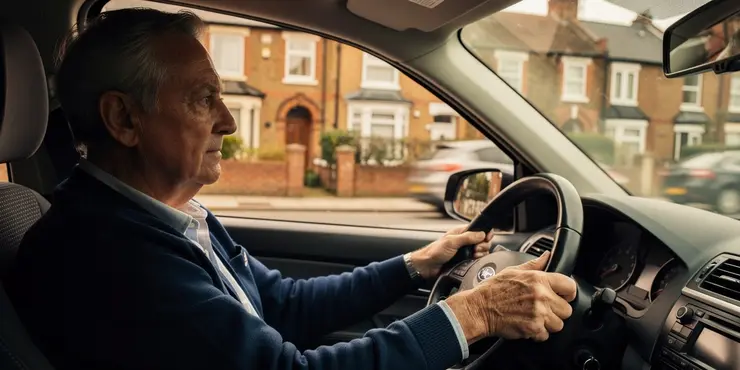
What are the common risks associated with driving after the age of 70?
Relevance: 25%
-

What is dangerous driving?
Relevance: 25%
-

Are public liability claims the same as personal injury claims?
Relevance: 25%
Introduction
Road traffic accidents, often shortened to RTAs, can happen for many different reasons. In the UK, they range from minor bumps in traffic to serious collisions on motorways and rural roads.
Understanding the common causes of RTAs can help drivers, cyclists, motorcyclists, and pedestrians stay safer. Many crashes are linked to human error, but road conditions, vehicle faults, and weather can also play a part.
Driver Error
Driver error is one of the main causes of RTAs. This can include poor judgement, misreading the road, or failing to notice another vehicle, cyclist, or pedestrian in time.
Simple mistakes such as pulling out too quickly at junctions or not checking mirrors properly can lead to collisions. In busy UK roads, even a brief lapse in concentration can have serious consequences.
Speeding and Aggressive Driving
Driving too fast for the conditions is a major factor in many accidents. Speed reduces the time available to react and increases the force of impact if a crash happens.
Aggressive driving can also raise the risk of RTAs. Tailgating, sudden lane changes, and road rage can create dangerous situations for everyone nearby.
Distraction and Inattention
Distraction is another common cause of accidents. Using a mobile phone, adjusting sat nav settings, eating, or talking to passengers can all take attention away from the road.
Even momentary inattention can be enough to miss a changing traffic light or a vehicle stopping ahead. On UK roads, where traffic can be dense and unpredictable, focus is essential.
Drink and Drug Driving
Alcohol and drugs can seriously affect judgement, reaction times, and coordination. This makes it much harder to drive safely and respond to hazards.
Despite strict laws in the UK, drink and drug driving still causes many collisions each year. These accidents are often severe because impaired drivers may not brake, steer, or react properly.
Weather and Road Conditions
Wet, icy, foggy, or windy conditions can make driving more dangerous. Poor visibility and reduced grip increase the chance of skidding, losing control, or failing to see hazards in time.
Poorly maintained roads can also contribute to RTAs. Potholes, standing water, and faded road markings can all make driving more difficult, especially at night or in bad weather.
Vehicle Defects and Maintenance Issues
Sometimes accidents happen because a vehicle has not been properly maintained. Worn tyres, faulty brakes, broken lights, or steering problems can all affect safety.
Regular servicing and basic checks can reduce these risks. For UK drivers, making sure a vehicle is roadworthy is an important part of preventing avoidable accidents.
Conclusion
RTAs are usually caused by a combination of factors rather than one single issue. Driver behaviour, road conditions, weather, and vehicle condition all play a role.
By staying alert, obeying the rules of the road, and keeping vehicles well maintained, road users can help reduce the number of accidents on UK roads.
Frequently Asked Questions
What are the common causes of RTAs?
Common causes include speeding, distracted driving, drunk driving, fatigue, reckless overtaking, tailgating, poor road conditions, bad weather, vehicle defects, and violations of traffic rules.
How does speeding cause RTAs?
Speeding reduces reaction time, increases stopping distance, and makes collisions more severe, making accidents more likely.
Why is distracted driving a major cause of RTAs?
Distractions like mobile phone use, eating, or adjusting controls take attention away from the road and increase the chance of a crash.
How does drunk driving lead to RTAs?
Alcohol impairs judgment, coordination, and reaction time, which greatly increases the risk of losing control or making unsafe decisions.
Can fatigue cause road traffic accidents?
Yes, tired drivers may have slower reactions, poor concentration, and even fall asleep at the wheel, all of which can cause accidents.
How does reckless overtaking contribute to RTAs?
Unsafe overtaking can lead to head-on collisions, side swipes, or forcing other vehicles off the road, especially on narrow or busy roads.
Why is tailgating dangerous?
Following too closely leaves little time to stop if the vehicle ahead brakes suddenly, often resulting in rear-end collisions.
Do poor road conditions cause RTAs?
Yes, potholes, uneven surfaces, lack of signage, and poor lighting can make driving hazardous and lead to crashes.
How does bad weather increase the risk of RTAs?
Rain, fog, snow, and strong winds reduce visibility and road grip, making it harder to control a vehicle safely.
Can vehicle defects cause road traffic accidents?
Yes, problems such as brake failure, tyre blowouts, faulty steering, or broken lights can make a vehicle unsafe and cause accidents.
How do traffic rule violations lead to RTAs?
Ignoring signals, lane markings, speed limits, or right-of-way rules creates confusion and increases the chance of collisions.
Why do novice drivers sometimes cause RTAs?
Inexperienced drivers may misjudge speed, distance, and road situations, which can lead to mistakes and accidents.
Can pedestrian behavior cause RTAs?
Yes, pedestrians who jaywalk, cross inattentively, or ignore signals can create sudden hazards and contribute to accidents.
How do motorcycle-related factors contribute to RTAs?
Not wearing helmets, overloading, speeding, and lane splitting can increase the risk of serious crashes for motorcyclists.
Do poor night-driving conditions lead to more RTAs?
Yes, reduced visibility at night makes it harder to see hazards, pedestrians, and other vehicles, raising accident risk.
How does aggressive driving cause RTAs?
Aggressive actions like speeding, cutting off other drivers, and sudden lane changes reduce safety margins and often lead to crashes.
Can road design issues contribute to RTAs?
Yes, sharp bends, confusing intersections, poor drainage, and lack of barriers or markings can make accidents more likely.
How does failure to use seat belts relate to RTAs?
Not wearing seat belts does not usually cause the crash itself, but it increases the severity of injuries and fatalities in RTAs.
Why does driving under the influence of drugs cause RTAs?
Drugs can impair judgment, alertness, coordination, and reaction time, making unsafe driving and accidents more likely.
What is the most common overall reason for RTAs?
The most common reasons usually involve human error, especially speeding, distraction, impaired driving, fatigue, and careless or aggressive behavior.

Useful Linksxxx
This website offers general information and is not a substitute for professional advice.
Always seek guidance from qualified professionals.
If you have any medical concerns or need urgent help, contact a healthcare professional or emergency services immediately.
Some of this content was generated with AI assistance. We've done our best to keep it accurate, helpful, and human-friendly.
- Ergsy carefully checks the information in the videos we provide here.
- Videos shown by Youtube after a video has completed, have NOT been reviewed by ERGSY.
- To view, click the arrow in centre of video.
- Most of the videos you find here will have subtitles and/or closed captions available.
- You may need to turn these on, and choose your preferred language.
- Go to the video you'd like to watch.
- If closed captions (CC) are available, settings will be visible on the bottom right of the video player.
- To turn on Captions, click settings.
- To turn off Captions, click settings again.
More Items From Ergsy search
-
What is a Road Traffic Accident - RTA?
Relevance: 100%
-
What is a Road Traffic Accident (RTA)?
Relevance: 97%
-
Is a bicycle crash on the road an RTA?
Relevance: 81%
-
Can a road traffic accident involve multiple vehicles?
Relevance: 66%
-
Is a minor car scrape considered an RTA?
Relevance: 64%
-
How is blame determined in a Road Traffic Accident?
Relevance: 63%
-
Can a parked vehicle be involved in an RTA?
Relevance: 63%
-
What are the common causes of RTAs?
Relevance: 54%
-
Can pedestrians be victims of an RTA?
Relevance: 54%
-
What types of vehicles can be involved in an RTA?
Relevance: 53%
-
Should I report every RTA to the police?
Relevance: 48%
-
Can an RTA happen without injury?
Relevance: 48%
-
What role does insurance play after an RTA?
Relevance: 46%
-
Are weather conditions a factor in RTAs?
Relevance: 44%
-
Is road rage a form of dangerous driving?
Relevance: 41%
-
What information should be collected after an RTA?
Relevance: 41%
-
What is the difference between an accident and a collision?
Relevance: 39%
-
Why is seat belt use important in an RTA?
Relevance: 37%
-
Is driving too slowly considered dangerous driving?
Relevance: 37%
-
How can RTAs be prevented?
Relevance: 36%
-
What should I do immediately after an RTA?
Relevance: 35%
-
What injuries are commonly caused by RTAs?
Relevance: 35%
-
What if there were no witnesses to the accident?
Relevance: 35%
-
Is it dangerous driving to run a red light?
Relevance: 35%
-
Are traffic fumes bad for my health?
Relevance: 32%
-
How does speeding contribute to dangerous driving?
Relevance: 30%
-
What can I do to avoid dangerous driving?
Relevance: 29%
-
Are there specific laws against dangerous driving?
Relevance: 29%
-
What if the accident was caused by faulty equipment?
Relevance: 29%
-
What if the accident happened on council or government property?
Relevance: 28%
-
Why is understanding RTAs important?
Relevance: 28%
-
What causes whiplash in a car accident?
Relevance: 28%
-
How can older drivers mitigate the risks associated with driving?
Relevance: 28%
-
What is whiplash after a car accident?
Relevance: 28%
-
How do cognitive changes in older adults influence driving risk?
Relevance: 27%
-
Can distracted driving be classified as dangerous driving?
Relevance: 27%
-
What kinds of accidents are covered by public liability claims?
Relevance: 26%
-
What are the common risks associated with driving after the age of 70?
Relevance: 25%
-
What is dangerous driving?
Relevance: 25%
-
Are public liability claims the same as personal injury claims?
Relevance: 25%