
Get Answers
Understanding Post-Menopause
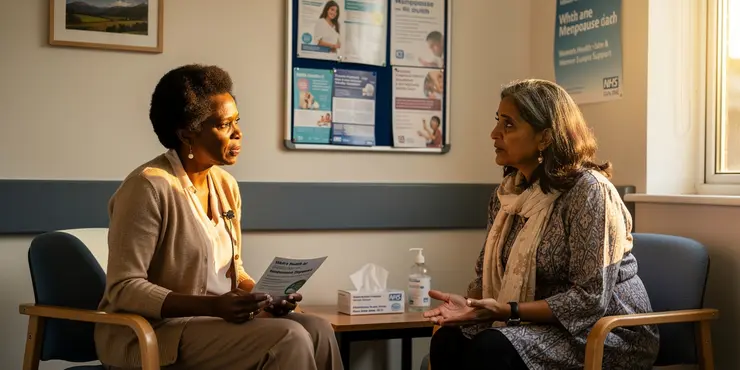
Post-menopause marks the period in a woman's life after she has not had a menstrual period for 12 consecutive months. This phase indicates the end of the reproductive years. Generally, it occurs in women between the ages of 45 and 55, but the exact age can vary.
In post-menopause, the levels of hormones such as oestrogen and progesterone remain low. These changes can affect various aspects of a woman’s health and quality of life. It's important for women to understand what to expect during this time.
Physical Symptoms in Post-Menopause
Some women continue to experience menopause symptoms even after reaching post-menopause. Hot flushes and night sweats may persist, although they often become less frequent and intense.
Post-menopausal women might also experience vaginal dryness due to the continued lower levels of oestrogen. This can lead to discomfort during sexual activity and may impact overall well-being.
Health Considerations
The decline in oestrogen can lead to increased health risks in post-menopausal women. Osteoporosis is common as reduced oestrogen levels can result in weaker bones. Regular bone density tests can help monitor bone health.
The risk of cardiovascular diseases also increases after menopause. Maintaining a heart-healthy lifestyle, including a balanced diet and regular exercise, becomes crucial during this phase.
Emotional and Mental Well-being
Mood swings and anxiety might continue into post-menopause for some women. It's essential to pay attention to mental health and seek support if necessary.
Many women find this phase liberating and experience a newfound sense of freedom. Engaging in fulfilling activities and maintaining social connections can positively influence emotional well-being.
Focus on Nutrition and Lifestyle
Adopting a healthy, balanced diet is beneficial in post-menopause. A diet rich in calcium and vitamin D supports bone health, while fibre and healthy fats support overall wellness.
Regular physical activity not only helps manage weight but also enhances mood and energy levels. Activities like walking, swimming, and yoga are excellent choices for post-menopausal women.
Seeking Medical Advice
Women should continue to schedule regular health check-ups with their GP during post-menopause. These visits can help monitor changes and address any health concerns promptly.
Hormone replacement therapy (HRT) may be an option for some women experiencing severe symptoms. It's important to discuss the benefits and risks of HRT with a healthcare provider.
Frequently Asked Questions
Post-menopause refers to the stage of a woman's life after she has not had a menstrual period for 12 consecutive months.
You are considered post-menopausal when you have gone 12 consecutive months without a menstrual period.
Symptoms of post-menopause can include hot flashes, night sweats, mood changes, vaginal dryness, and decreased bone density.
The chances of natural pregnancy are extremely low after menopause due to the cessation of ovulation.
HRT can be used to help relieve symptoms of menopause, but it's important to discuss with a healthcare provider to evaluate benefits and risks.
Yes, decreased estrogen levels after menopause can lead to decreased bone density, increasing the risk of osteoporosis.
After menopause, the risk of heart disease increases due to changes in cholesterol levels and blood pressure.
Yes, lifestyle changes such as maintaining a balanced diet, regular exercise, and stress reduction can help manage symptoms.
Treatments include hormone replacement therapy, lifestyle changes, and medications such as bisphosphonates for bone health.
The duration of symptoms varies; some women experience them for a few years, while others may have symptoms that last longer.
Many women experience weight gain during menopause and post-menopause due to hormonal changes and aging.
Yes, emotional and psychological changes like mood swings and depression can occur during post-menopause.
Healthy eating and regular physical activity can help alleviate some symptoms and promote overall health during post-menopause.
The average age for menopause is 51; post-menopause follows after 12 months without a period.
Yes, stress can exacerbate symptoms such as hot flashes and sleep disturbances during post-menopause.
The ovaries produce less estrogen, vaginal walls become thinner, and the uterus may decrease in size.
Yes, post-menopause can affect sexual health by causing vaginal dryness and decreased libido.
Regular screenings for osteoporosis, breast cancer, and heart disease are recommended for post-menopausal women.
Estrogen levels drop significantly after menopause, influencing various bodily functions and post-menopausal symptoms.
Some women find relief using alternative therapies such as acupuncture, herbal supplements, and yoga, but it's important to consult a healthcare provider.

Ergsy Search Results
This website offers general information and is not a substitute for professional advice.
Always seek guidance from qualified professionals.
If you have any medical concerns or need urgent help, contact a healthcare professional or emergency services immediately.
Some of this content was generated with AI assistance. We've done our best to keep it accurate, helpful, and human-friendly.
- Ergsy carefully checks the information in the videos we provide here.
- Videos shown by Youtube after a video has completed, have NOT been reviewed by ERGSY.
- To view, click the arrow in centre of video.
- Most of the videos you find here will have subtitles and/or closed captions available.
- You may need to turn these on, and choose your preferred language.
- Go to the video you'd like to watch.
- If closed captions (CC) are available, settings will be visible on the bottom right of the video player.
- To turn on Captions, click settings.
- To turn off Captions, click settings again.