

Speak To An Expert
Get clear, personalised advice for your situation.
Jot down a few questions to make the most of your conversation.
More Items From Ergsy search
-

Where is E. coli commonly found?
Relevance: 100%
-

Are E. coli, E coli, and ecoli the same thing?
Relevance: 90%
-

Is there a difference between E. coli and Escherichia coli?
Relevance: 89%
-

What is E. coli?
Relevance: 89%
-

What is E. coli?
Relevance: 88%
-

Are E. coli infections contagious?
Relevance: 85%
-

Can E. coli cause illness?
Relevance: 85%
-

Are E.coli and E coli and ecoli the same thing?
Relevance: 84%
-

Is E. coli always harmful?
Relevance: 84%
-
Can E. coli infections be treated?
Relevance: 83%

-

Are E.coli and E coli and ecoli the same thing?
Relevance: 83%
-

How do people get infected with E. coli?
Relevance: 81%
-

What populations are at higher risk for E. coli infections?
Relevance: 77%
-

How is E. coli infection diagnosed?
Relevance: 77%
-

How can E. coli infections be prevented?
Relevance: 76%
-

Does E. coli play any beneficial role in the human body?
Relevance: 75%
-

What foods are commonly associated with E. coli outbreaks?
Relevance: 51%
-

Where is the pain located when you have appendicitis?
Relevance: 49%
-

Does the location of the court affect case timing?
Relevance: 49%
-

Why are there login attempts from unfamiliar locations in my email activity?
Relevance: 47%
-

Can I get E.coli from lettuce ?
Relevance: 46%
-

Can geographical location affect electricity prices in the UK?
Relevance: 45%
-
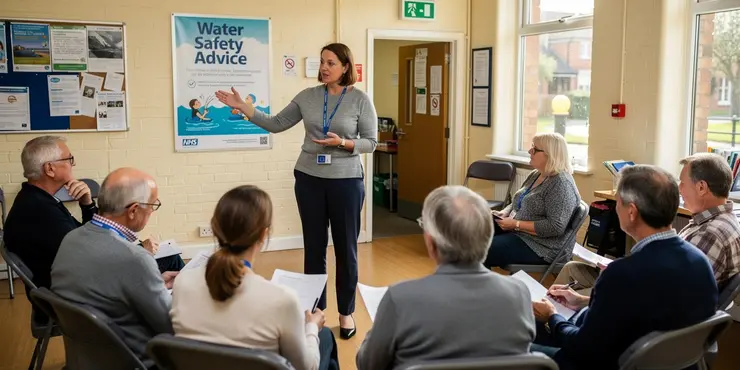
How can water become contaminated with E. coli?
Relevance: 38%
-

What are common reasons for product recalls?
Relevance: 36%
-

Where can AEDs typically be found?
Relevance: 28%
-

How do I find out where they are incarcerated?
Relevance: 27%
-

How common is Seasonal Affective Disorder?
Relevance: 26%
-

Are boundary disputes common?
Relevance: 26%
-
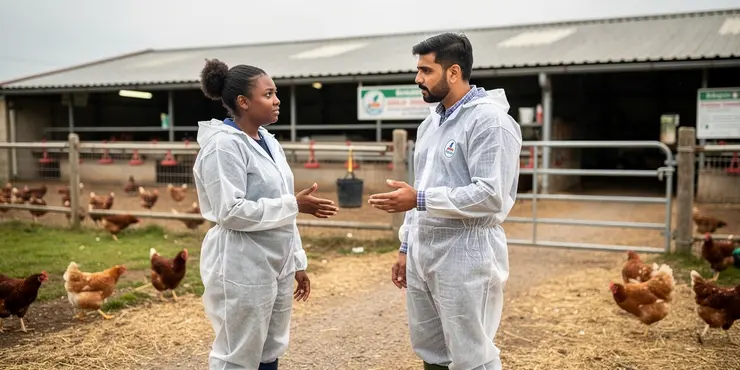
Where is H9N2 most commonly found?
Relevance: 26%
-

How common is bowel cancer?
Relevance: 25%
-

Are some UK beaches rated better for water quality than others?
Relevance: 25%
-

Are impulse disorders common?
Relevance: 24%
-

Is Hantavirus common in humans?
Relevance: 23%
-

How common is hypotony?
Relevance: 23%
-

Using pressure points to relieve nausea
Relevance: 23%
-

Is tinnitus a common condition?
Relevance: 23%
-

What is the difference between a cemetery and a churchyard?
Relevance: 23%
-

How common is testicular cancer?
Relevance: 23%
-

How common is sleep apnea?
Relevance: 22%
-

How can I find a food bank near me?
Relevance: 22%
Introduction
Escherichia coli, commonly known as E. coli, is a bacterium that is frequently a focus of food safety. While some strains of E. coli are harmless and naturally live in the intestines of healthy people and animals, others can cause severe foodborne illness. Understanding where E. coli is commonly found is crucial for preventing contamination and protecting public health.
E. coli in Food and Water
E. coli is commonly found in raw or undercooked meat, particularly beef, where it can contaminate the surface during processing. Ground beef is especially susceptible because the grinding process can mix bacteria throughout the meat. Additionally, E. coli can be present in unpasteurized milk and dairy products, as pasteurization normally kills harmful microorganisms.
Fresh produce, such as lettuce, spinach, and sprouts, can also become contaminated with E. coli through contact with contaminated water or soil. In some instances, improper handling of produce in the supply chain can introduce the bacteria. Contaminated water, especially in areas with inadequate sanitation or after heavy rainfall, can spread E. coli. Consuming or swimming in such water can lead to infection.
E. coli in the Environment
In the environment, E. coli is often found in the intestines of animals and humans. This bacterium can be released into the environment through fecal matter. A common presence in manure, E. coli can spread to crops if animal waste is improperly managed. Wildlife and farm animals can also contribute to contamination of water sources.
Public health initiatives in the UK emphasize the importance of managing waste effectively in agricultural settings and ensure animals are kept away from edible crops to limit E. coli contamination. This is vital for organic farming, which may utilize manure as a natural fertilizer.
Preventing E. coli Infection
Prevention of E. coli infections involves proper food handling and cooking practices. Cooking meats thoroughly, washing hands, and sanitizing kitchen surfaces are effective measures. For fresh produce, thorough washing under running water can help reduce surface bacteria. Drinking treated water and avoiding contact with potentially contaminated sources are also important preventive steps.
In the UK, regulatory agencies such as the Food Standards Agency (FSA) oversee guidelines to reduce the risk of E. coli contamination in the food supply. They work with food producers, retailers, and consumers to promote safe food handling practices.
Conclusion
Understanding the common sources of E. coli helps in preventing outbreaks and protecting health. By practicing good hygiene and adhering to food safety guidelines, individuals can minimise their risk of E. coli infection, ensuring safer food consumption and a healthier community.
Introduction
E. coli is a type of germ. Some kinds of E. coli are safe and live in the tummy of people and animals. But some kinds can make you very sick. Knowing where E. coli is found helps keep us safe and healthy.
E. coli in Food and Water
E. coli can be in raw or undercooked meat, like beef. When meat is made, germs can get inside. Ground beef is more at risk because it is mixed up. E. coli can also be in milk that has not been heated to kill germs.
Fruits and vegetables, like lettuce and spinach, can get E. coli from dirty water or dirt. If these foods are not handled well, germs can get on them. Water can have E. coli too, especially if it's dirty or after heavy rain. Drinking or swimming in dirty water can make you sick.
E. coli in the Environment
E. coli lives in the tummies of people and animals. It can get into the ground through poop. If animal poop is not managed well, it can spread E. coli to plants. Animals can also dirty water with the germ.
In the UK, it is important to handle animal poop carefully. This keeps crops safe. This is very important for organic farms that use poop as fertilizer.
Preventing E. coli Infection
To stop E. coli from making you sick, cook meat well. Wash your hands and keep kitchen surfaces clean. Wash fruits and veggies well under running water. Drink clean water and stay away from dirty water.
In the UK, the Food Standards Agency (FSA) helps keep food safe. They give advice to stop E. coli from getting in our food.
Conclusion
Knowing where E. coli comes from helps us stay healthy. By being clean and following food safety advice, we can avoid getting sick from E. coli. This helps keep everyone safe and healthy.
Frequently Asked Questions
Where is E. coli commonly found in nature?
E. coli is commonly found in the intestines of humans and warm-blooded animals.
Can E. coli be found in water sources?
Yes, E. coli can be found in water sources that are contaminated with feces.
Is E. coli present in raw meats?
E. coli can be present in raw meats, especially ground beef.
Can E. coli contamination occur in vegetables?
Yes, vegetables can become contaminated with E. coli through contact with animal manure or contaminated water.
Is E. coli found in dairy products?
E. coli can be found in raw milk and products made from raw milk.
Are there any fruits that could be contaminated with E. coli?
Fruits like apples can become contaminated with E. coli, often through the use of contaminated water in irrigation or processing.
Can E. coli be found in household environments?
E. coli can be present in household environments, particularly in kitchens and bathrooms if proper hygiene is not maintained.
Is wastewater a common place to find E. coli?
Yes, wastewater often contains E. coli because it contains human and animal waste.
Can E. coli be present in the soil?
E. coli can be present in soil, especially if the soil has been contaminated by animal feces.
Can swimming pools have E. coli?
Yes, swimming pools can become contaminated with E. coli if not properly sanitized, especially when used by many people.
Is E. coli found in animal manure?
Yes, animal manure commonly contains E. coli.
Are there certain types of E. coli that are more commonly found in food contamination?
Yes, E. coli O157:H7 is one of the most common types associated with food contamination.
Can untreated sewage contain E. coli?
Yes, untreated sewage can contain high levels of E. coli.
Is E. coli present in untreated drinking water?
E. coli can be present in untreated drinking water, particularly if it is sourced from contaminated supplies.
Can E. coli be found in eggs?
E. coli is not typically found inside eggs but can be on the shell if there is contamination.
Can pets carry E. coli?
Yes, pets can carry E. coli, especially if they eat raw or undercooked meat.
Is E. coli a concern in agricultural settings?
E. coli is a concern in agricultural settings due to the use of manure as fertilizer and irrigation with contaminated water.
Are petting zoos a potential source of E. coli contamination?
Yes, petting zoos can be a source of E. coli contamination due to direct contact with animals.
Can E. coli survive on kitchen surfaces?
Yes, E. coli can survive on kitchen surfaces and can spread if surfaces are not regularly cleaned and disinfected.
Are packaged leafy greens at risk of E. coli contamination?
Packaged leafy greens can be at risk for E. coli contamination, often from exposure to contaminated water or soil.
Where can we find E. coli in nature?
E. coli is a type of germ. Here is where we often find it:
- In human and animal tummies.
- In water that is dirty.
- On some foods, like raw vegetables and meat.
To learn more, you can:
- Use picture cards to help understand.
- Watch short videos about E. coli.
- Ask an adult to explain more.
E. coli is a type of germ. It lives in the tummy of people and animals with warm blood.
Is E. coli in water?
Yes, E. coli can be in water that has poop in it.
Tip: Always drink clean water. If you're unsure, ask an adult or use a water filter.
Can E. coli be found in raw meat?
E. coli is a germ that can be found in raw meat. This is common in things like ground beef.
Can E. coli get on vegetables?
Yes, vegetables can get dirty with E. coli bacteria if they touch animal poop or dirty water.
Can E. coli be in milk and cheese?
E. coli is a germ that can make you sick. It sometimes gets into food. Let’s see if it can be in milk and cheese.
To stay safe, use these tips:
- Drink milk that has been pasteurized. This means it has been heated to kill germs.
- Eat cheese made from pasteurized milk.
- Wash your hands before and after touching food.
E. coli is a germ that can be in raw milk and things made from it.
Can fruits have E. coli germs on them?
Fruits like apples can get germs called E. coli. This can happen if dirty water is used to water the apples or clean them.
Can E. coli be found at home?
Can E. coli live in your house?
E. coli is a type of bacteria. It can be found in places like bathrooms and kitchens. Keep these places clean to stay safe. Use soap and water to wash your hands. This helps to stop germs from spreading.
Sometimes, germs called E. coli can be in your home. They can be in your kitchen or bathroom if you do not keep things clean.
Can you find E. coli in wastewater?
Yes, E. coli is often in wastewater. Wastewater is water that comes from homes, toilets, and factories.
Try using pictures or videos to learn more about E. coli. They can help you understand better.
Yes. Wastewater usually has E. coli germs because it has pee and poop from people and animals.
Is E. coli in the dirt?
Yes, E. coli can be in dirt.
Helpful Tip: Look at pictures of E. coli to understand what it is.
E. coli is a germ that can be found in dirt. This happens when animals go to the toilet on the ground.
Can swimming pools have E. coli germs?
Yes, swimming pools can have E. coli. E. coli are tiny germs that can make you sick.
To stay safe, remember:
- Always shower before and after swimming.
- Don’t swim if you feel sick or have a tummy ache.
- Take bathroom breaks and wash hands with soap.
- If possible, ask a grown-up to check the pool’s cleaning system.
If you get sick after swimming, tell a grown-up right away.
Yes, swimming pools can get dirty with germs like E. coli if they are not cleaned well. This can happen when many people use the pool.
Is E. coli in animal poop?
Yes, animal poop often has E. coli germs in it.
What types of E. coli germs are usually in food that can make us sick?
Yes, E. coli O157:H7 is a kind of germ that often makes food unsafe to eat.
Does dirty water have germs called E. coli?
Yes, untreated sewage can have a lot of E. coli germs.
Is there E. coli in water we haven't cleaned yet?
E. coli germs can be in dirty drinking water. This can happen if the water comes from bad places.
Is E. coli in eggs?
Sometimes, tiny germs called E. coli can be in eggs. They are too small to see. To stay safe, cook eggs well before eating.
Ask an adult if you need help cooking eggs.
E. coli is a type of germ. It is usually not inside eggs. But, it can be on the outside of the eggshell if the egg gets dirty.
Can pets have germs called E. coli?
Yes, pets can have germs called E. coli. This can happen if they eat meat that is not cooked properly.
Is E. coli a worry on farms?
E. coli are tiny germs that can make people sick. They live in the tummies of animals like cows. On farms, people should be careful because E. coli can get on food like fruits and veggies and make us ill.
Here are some ways to stay safe on farms:
- Wash your hands with soap and water after touching animals.
- Wash fruits and veggies well before eating them.
- Cook meat properly to kill germs.
If you have questions, it's good to ask an adult or a farmer. They can help keep everyone safe.
E. coli can be a problem on farms. This is because farms often use manure to help plants grow, and sometimes use dirty water to water the plants.
Can petting zoos spread germs like E. coli?
Yes, petting zoos can have germs called E. coli. You can get germs if you touch the animals.
Can E. coli live on kitchen surfaces?
Yes, E. coli can live on kitchen surfaces.
E. coli is a germ that can make people sick.
To keep your kitchen safe:
- Clean surfaces with soap and water.
- Use wipes or sprays that kill germs.
- Wash your hands before and after cooking.
Yes, E. coli can live on kitchen surfaces. It can spread if you don't clean and disinfect these surfaces often.
Can packaged leafy greens have E. coli germs?
Packaged leafy greens, like salad leaves, can sometimes have germs called E. coli. This can happen if the water or dirt they touch is not clean.

Useful Links
This website offers general information and is not a substitute for professional advice.
Always seek guidance from qualified professionals.
If you have any medical concerns or need urgent help, contact a healthcare professional or emergency services immediately.
Some of this content was generated with AI assistance. We've done our best to keep it accurate, helpful, and human-friendly.
- Ergsy carefully checks the information in the videos we provide here.
- Videos shown by Youtube after a video has completed, have NOT been reviewed by ERGSY.
- To view, click the arrow in centre of video.
- Most of the videos you find here will have subtitles and/or closed captions available.
- You may need to turn these on, and choose your preferred language.
- Go to the video you'd like to watch.
- If closed captions (CC) are available, settings will be visible on the bottom right of the video player.
- To turn on Captions, click settings.
- To turn off Captions, click settings again.
More Items From Ergsy search
-
Where is E. coli commonly found?
Relevance: 100%
-
Are E. coli, E coli, and ecoli the same thing?
Relevance: 90%
-
Is there a difference between E. coli and Escherichia coli?
Relevance: 89%
-
What is E. coli?
Relevance: 89%
-
What is E. coli?
Relevance: 88%
-
Are E. coli infections contagious?
Relevance: 85%
-
Can E. coli cause illness?
Relevance: 85%
-
Are E.coli and E coli and ecoli the same thing?
Relevance: 84%
-
Is E. coli always harmful?
Relevance: 84%
-
Can E. coli infections be treated?
Relevance: 83%
-
Are E.coli and E coli and ecoli the same thing?
Relevance: 83%
-
How do people get infected with E. coli?
Relevance: 81%
-
What populations are at higher risk for E. coli infections?
Relevance: 77%
-
How is E. coli infection diagnosed?
Relevance: 77%
-
How can E. coli infections be prevented?
Relevance: 76%
-
Does E. coli play any beneficial role in the human body?
Relevance: 75%
-
What foods are commonly associated with E. coli outbreaks?
Relevance: 51%
-
Where is the pain located when you have appendicitis?
Relevance: 49%
-
Does the location of the court affect case timing?
Relevance: 49%
-
Why are there login attempts from unfamiliar locations in my email activity?
Relevance: 47%
-
Can I get E.coli from lettuce ?
Relevance: 46%
-
Can geographical location affect electricity prices in the UK?
Relevance: 45%
-
How can water become contaminated with E. coli?
Relevance: 38%
-
What are common reasons for product recalls?
Relevance: 36%
-
Where can AEDs typically be found?
Relevance: 28%
-
How do I find out where they are incarcerated?
Relevance: 27%
-
How common is Seasonal Affective Disorder?
Relevance: 26%
-
Are boundary disputes common?
Relevance: 26%
-
Where is H9N2 most commonly found?
Relevance: 26%
-
How common is bowel cancer?
Relevance: 25%
-
Are some UK beaches rated better for water quality than others?
Relevance: 25%
-
Are impulse disorders common?
Relevance: 24%
-
Is Hantavirus common in humans?
Relevance: 23%
-
How common is hypotony?
Relevance: 23%
-
Using pressure points to relieve nausea
Relevance: 23%
-
Is tinnitus a common condition?
Relevance: 23%
-
What is the difference between a cemetery and a churchyard?
Relevance: 23%
-
How common is testicular cancer?
Relevance: 23%
-
How common is sleep apnea?
Relevance: 22%
-
How can I find a food bank near me?
Relevance: 22%