

Speak To An Expert
Get clear, personalised advice for your situation.
Jot down a few questions to make the most of your conversation.
More Items From Ergsy search
-

Does E. coli play any beneficial role in the human body?
Relevance: 100%
-

Is E. coli always harmful?
Relevance: 58%
-

Is there a difference between E. coli and Escherichia coli?
Relevance: 58%
-

Are E.coli and E coli and ecoli the same thing?
Relevance: 57%
-

Are E. coli, E coli, and ecoli the same thing?
Relevance: 55%
-

Can E. coli cause illness?
Relevance: 53%
-

Are E.coli and E coli and ecoli the same thing?
Relevance: 51%
-

What is E. coli?
Relevance: 50%
-

What is E. coli?
Relevance: 50%
-

How do people get infected with E. coli?
Relevance: 47%

-
Can E. coli infections be treated?
Relevance: 46%
-

What populations are at higher risk for E. coli infections?
Relevance: 46%
-

Are E. coli infections contagious?
Relevance: 46%
-

Where is E. coli commonly found?
Relevance: 46%
-

How is E. coli infection diagnosed?
Relevance: 43%
-

How can E. coli infections be prevented?
Relevance: 41%
-

Are AI body scans reliable?
Relevance: 29%
-

Why is methanol dangerous to humans?
Relevance: 29%
-

The Human Rights Act
Relevance: 28%
-

Is the Chief Law Officer for England and Wales involved in human rights issues?
Relevance: 28%
-

What role does cortisol play in the body?
Relevance: 27%
-

Can I get E.coli from lettuce ?
Relevance: 26%
-
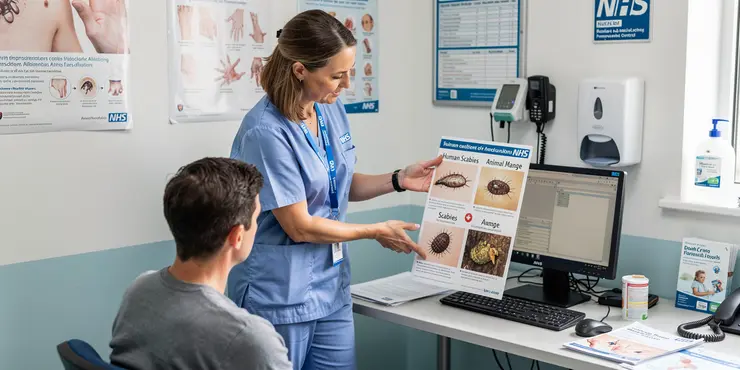
Can animals spread scabies to humans?
Relevance: 26%
-

Do all mosquitoes bite humans?
Relevance: 26%
-

Can humans be infected with H9N2?
Relevance: 25%
-

Which spiders in the UK can bite humans?
Relevance: 25%
-

Can pets get scabies from humans?
Relevance: 25%
-

What role do regulatory bodies play in fee transparency?
Relevance: 25%
-

What is the prostate gland's role in the body?
Relevance: 25%
-

Is Hantavirus common in humans?
Relevance: 24%
-

Is H9N2 infection fatal to humans?
Relevance: 24%
-

What types of exercise are beneficial for bowel cancer patients?
Relevance: 24%
-

Are screw worms dangerous to humans?
Relevance: 24%
-

Are there specific vegetables or fruits that are most beneficial?
Relevance: 23%
-

Is salt necessary for the body?
Relevance: 23%
-

Where is GLP-1 produced in the body?
Relevance: 23%
-

What is the role of therapy in treating eating disorders?
Relevance: 23%
-

How does the body process salt?
Relevance: 23%
-

What is the incubation period for H9N2 in humans?
Relevance: 23%
-

Is the bubonic plague contagious between humans?
Relevance: 22%
The Role of Escherichia coli in the Human Body
Escherichia coli, commonly known as E. coli, is a bacterium that is often associated with foodborne illnesses, yet it plays an essential role in the human gut. While pathogenic strains of E. coli can lead to serious health issues, non-pathogenic strains are crucial for maintaining a healthy intestinal microbiome. In fact, E. coli is one of the first bacterial colonisers of the human gastrointestinal tract shortly after birth.
Beneficial Functions of E. coli
In its non-pathogenic form, E. coli contributes significantly to various physiological processes. One of its primary roles is to aid in the digestion of food and absorption of nutrients. E. coli helps in breaking down and fermenting food particles, which facilitates the production of essential nutrients such as vitamin K and certain B vitamins. These vitamins are crucial for blood coagulation and cellular metabolism, respectively.
Moreover, E. coli acts as part of the gut flora that competes with harmful bacteria. By occupying niches within the gut, non-pathogenic E. coli prevents colonization by pathogenic microbes, thereby playing a protective role. This competitive exclusion protects the gut lining and reduces the risk of infections from more dangerous bacterial strains.
E. coli and Immune System Modulation
Non-pathogenic E. coli strains also contribute to the modulation of the immune system. They stimulate the gut-associated lymphoid tissue (GALT) to produce antibodies that help in the recognition and neutralisation of pathogens. This immune response not only protects the host from infections but also maintains a balanced immune system, reducing the risk of inflammatory diseases.
Research has shown that the presence of harmless E. coli in the gut can lead to the development of oral tolerance, a process where the immune system becomes less reactive to harmless antigens. This may help prevent allergies and other immune-mediated conditions.
The Importance of a Balanced Microbiome
The human gut is a complex ecosystem where balance is key. An imbalance, where harmful strains of E. coli outnumber beneficial ones, can lead to dysbiosis—a disturbed microbial gut balance often associated with various gastrointestinal disorders. Consequently, maintaining a healthy population of non-pathogenic E. coli is vital for gut health and overall well-being.
Although E. coli has garnered a bad reputation due to its association with outbreaks of food poisoning, it's essential to understand its beneficial role in the human body. The interplay of E. coli within the vast network of microbes is just one component of the symbiotic relationship humans have with their intestinal microbiota. By supporting the health of our gut flora through a balanced diet rich in prebiotics and probiotics, we can harness the full benefits of E. coli and other beneficial bacteria.
The Role of E. coli in the Human Body
E. coli is a type of bacteria that often gets linked to food sickness. But, it is also important for our stomach health. Some E. coli types can make us very sick, but many are good and help keep our stomachs healthy. E. coli is one of the first bacteria to live in our stomachs after we are born.
Good Things E. coli Does
Good E. coli helps our bodies in many ways. It helps us digest food and take in vitamins. E. coli breaks down food to give us important vitamins like vitamin K and some B vitamins. Vitamin K helps our blood clot, and B vitamins help our bodies use energy.
Good E. coli also fights bad bacteria in our stomachs. It takes up space so bad bacteria cannot grow. This helps stop us from getting sick and keeps our stomach healthy.
E. coli and the Immune System
Good E. coli also helps our body's defense or immune system. It helps make things called antibodies that fight off germs. This protects us from getting sick and keeps our immune system balanced, which means it works just right.
Having harmless E. coli in our stomach might help stop allergies. It teaches our immune system to ignore things that are not dangerous, so it does not overreact.
The Importance of a Balanced Stomach
Our stomach is like a busy town where balance is very important. If bad E. coli takes over, it can upset this balance and make us sick. So, having the right amount of good E. coli is important for our health.
Even though we often hear bad things about E. coli because of food sickness, it actually helps our body a lot. By eating healthy foods with prebiotics and probiotics, we support good E. coli and other helpful bacteria in our stomach.
Frequently Asked Questions
What is E. coli?
E. coli, or Escherichia coli, is a type of bacteria that is commonly found in the intestines of humans and animals, as well as in the environment, food, and water.
Does E. coli play a beneficial role in the human body?
Yes, certain strains of E. coli are normal inhabitants of the gut microbiome and play beneficial roles in the human body.
How does E. coli benefit the human gut?
E. coli helps in the digestion of food, the production of vitamin K, and maintaining a balanced gut microbiota.
What role does E. coli play in vitamin K production?
E. coli synthesizes vitamin K2, which is essential for blood coagulation and bone health.
Why is a balanced gut microbiota important?
A balanced gut microbiota aids in digestion, supports the immune system, and protects against pathogenic bacteria.
Can all strains of E. coli be beneficial?
No, while many E. coli strains are harmless or beneficial, some strains can cause illness.
Which harmful strain of E. coli is most well-known?
E. coli O157:H7 is one of the most well-known harmful strains, often associated with foodborne outbreaks.
How does E. coli interact with other gut bacteria?
E. coli competes with harmful bacteria for resources and space, helping to prevent infections.
Is E. coli important for gut health?
Yes, E. coli is part of a healthy gut microbiota and contributes to overall gut health.
Can E. coli aid in preventing infections?
E. coli competes with pathogenic bacteria in the gut, which can help prevent infections.
What happens if the E. coli balance in the gut is disrupted?
An imbalance may lead to digestive issues, weakened immunity, or increased susceptibility to infections.
Can probiotics contain E. coli?
Certain supplements may contain beneficial strains of E. coli that support gut health.
How can E. coli affect nutrient absorption?
By aiding digestion and maintaining a healthy gut lining, E. coli supports effective nutrient absorption.
Does E. coli affect the immune system?
Yes, E. coli contributes to a balanced gut microbiota, which is essential for a strong immune response.
How does E. coli contribute to gut microbiota diversity?
E. coli cooperates and competes with various microorganisms, promoting a diverse and healthy microbiota.
Are there any therapeutic uses of E. coli?
Certain engineered strains of E. coli are being researched for use in drug delivery and therapy.
Can E. coli infections impact individuals differently?
Yes, age, immune status, and the virulence of the strain can influence the severity of E. coli infections.
Is E. coli used in any industrial applications?
Yes, E. coli is widely used in biotechnology for producing insulin, enzymes, and other pharmaceuticals.
How do we usually come into contact with E. coli?
E. coli can be encountered through contaminated food, water, surfaces, or as part of our natural gut flora.
What measures help maintain a healthy E. coli balance?
A balanced diet, proper hygiene, and consuming probiotics may help maintain a beneficial E. coli balance.
What is E. coli?
E. coli is a type of germ. Germs are tiny living things that can sometimes make us sick. E. coli lives in our tummy and helps us digest food. But some kinds of E. coli can make us ill.
To stay safe from bad E. coli, wash your hands with soap and water. Cook food properly and keep things clean.
If you feel unwell, ask a grown-up for help. They can take you to the doctor or nurse.
Using pictures or videos can help you understand more. You can also ask someone to read this with you.
E. coli is a type of germ. It lives in the bellies of people and animals. You can also find it in the world around us, like in food and water.
Is E. coli good for our bodies?
Yes, some kinds of E. coli live in your tummy and help you stay healthy.
How does E. coli help our tummy?
E. coli is a kind of germ that lives in your stomach. It helps you break down food, make vitamin K, and keep your tummy healthy.
How does E. coli help make vitamin K?
E. coli helps make a vitamin called K2. This vitamin is very important. It helps your blood clot, which stops bleeding when you get a cut. It is also good for keeping your bones strong.
Why is it important to have a healthy gut?
Our gut is the tummy area. It has tiny living things that help us digest food. These are called bacteria.
Having the right mix of these tiny living things is important. It keeps us healthy and strong.
If our gut is not healthy, we might feel sick or tired.
To help your gut stay in balance, you can eat lots of fruits, vegetables, and yogurt.
Pay attention to how your tummy feels and tell a grown-up if you feel unwell.
Having the right mix of tiny bugs in your tummy helps you break down food, keeps you healthy, and stops bad germs from making you sick.
Are all types of E. coli good for you?
E. coli are tiny germs. Some help your tummy stay healthy. Others can make you sick. Here’s how you can tell:
- Good E. coli: Helps you digest food.
- Bad E. coli: Can cause stomach pain and make you feel ill.
To learn more, use picture books or videos. These can help you understand better.
No, not all E. coli bacteria are bad. Some are harmless and even good for you. But a few types can make you sick.
What is the most famous bad type of E. coli?
E. coli is a germ that can make people sick. Some types are not good for your body. If you want to learn more, you can:
- Ask a teacher or a parent.
- Look at a picture book about germs.
- Use a computer program that reads out loud to help you understand.
E. coli O157:H7 is a type of germ that can make people sick. It is often found in food when there are outbreaks of illness.
How does E. coli get along with other bacteria in the gut?
E. coli is a tiny living thing called a bacteria. It lives in the gut, which is inside your tummy.
In the gut, E. coli lives with lots of other bacteria. It's like they are all neighbors.
Sometimes, they help each other. And sometimes, they compete for food.
Using pictures or videos can help you understand how bacteria live together in the gut.
E. coli is a germ that helps keep us safe. It fights bad germs for food and space. This helps stop us from getting sick.
Is E. coli important for tummy health?
E. coli is a type of germ. It lives in your tummy. Some kinds help you stay healthy.
But other kinds can make you sick. Wash your hands to stay safe.
If you find reading hard, try these tips:
- Ask someone to help you read.
- Break the words down into smaller bits.
- Use a dictionary to find out what words mean.
Yes, E. coli helps keep our tummies healthy. It is good for our gut and helps us feel well.
Can E. coli Help Stop Infections?
E. coli is a tiny germ. It can sometimes help our bodies. Scientists are studying how E. coli might stop bad germs from making us sick.
If you find this hard to read, you can:
- Ask someone to read it with you.
- Use a device that reads out loud.
- Look at pictures about germs and E. coli online.
E. coli is a kind of good germ. It lives in your tummy. It helps fight bad germs. This can stop you from getting sick.
What happens if there is a problem with E. coli in the tummy?
If our bodies are not balanced, we might have tummy troubles. We could also get sick more easily because our body's defenses are weaker.
Do probiotics have E. coli in them?
Some supplements might have good types of E. coli. These can help keep your tummy healthy.
What does E. coli do to how we take in nutrients?
E. coli helps break down food in your tummy and keeps the inside of your tummy healthy. This makes it easier for your body to take in the good stuff from food.
Can E. coli make your body's defense system weak?
Yes, E. coli helps keep your tummy healthy. This is important for fighting off germs and staying strong.
How does E. coli help make the bacteria in the belly different?
E. coli is a tiny germ that lives inside our bellies. It is one of many germs that help us.
Diversify means to make things different. Like having many different colors of crayons.
Gut microbiota is the name for all the germs in our belly. They help us stay healthy.
Tools and Tips: If you find words hard to understand, ask someone you trust to explain them. You can also use apps that read the words out loud to you.
E. coli works together and sometimes fights with other tiny living things. This helps keep the group of tiny living things in our body varied and healthy.
Here are some tools that can help you understand better:
- Pictures and Diagrams: Looking at pictures can help you understand how E. coli and other tiny things work together.
- Simple Videos: Watching videos made for kids can explain how these tiny living things help our bodies.
Can E. coli be used to help people feel better?
Scientists are studying special types of E. coli bacteria. These special E. coli could help deliver medicine and be used in treatments.
Do E. coli infections affect people in different ways?
Yes, how old you are, how strong your body is at fighting germs, and how strong the germ is can change how sick E. coli makes you.
Do factories use E. coli for work?
Factories sometimes use tiny things called E. coli. They help make food and medicine. Special tools help keep E. coli safe to use. If reading is hard, you can ask someone to read with you or use apps that read the words out loud.
Yes, E. coli is a type of bacteria that people use to help make medicine like insulin and other important things.
How do we usually get E. coli?
E. coli is a germ that can make you sick. We can get it in different ways:
- Eating food that is not cooked properly
- Drinking dirty water
- Touching animals or their waste
- Not washing hands before eating
Support tools: Use pictures to help understand. Wash hands often to stay safe.
You can find E. coli in dirty food, water, and surfaces. It can also be in our tummies naturally.
How can we keep E. coli in balance and healthy?
Here is what you can do: 1. **Eat healthy foods**: Eat fruits and vegetables. They help keep your tummy happy. 2. **Drink water**: Water is good for your body and helps balance good and bad germs. 3. **Wash your hands**: Clean hands stop bad germs from spreading. 4. **Cook food well**: Make sure food is cooked properly before you eat it. This kills bad germs. 5. **Probiotics**: These are good germs that help your belly. You can find them in yogurt or special drinks. You can also ask an adult or a doctor if you want to know more ways to be healthy.Eating the right foods, staying clean, and taking probiotics can help keep good E. coli in your body.

Useful Links
This website offers general information and is not a substitute for professional advice.
Always seek guidance from qualified professionals.
If you have any medical concerns or need urgent help, contact a healthcare professional or emergency services immediately.
Some of this content was generated with AI assistance. We've done our best to keep it accurate, helpful, and human-friendly.
- Ergsy carefully checks the information in the videos we provide here.
- Videos shown by Youtube after a video has completed, have NOT been reviewed by ERGSY.
- To view, click the arrow in centre of video.
- Most of the videos you find here will have subtitles and/or closed captions available.
- You may need to turn these on, and choose your preferred language.
- Go to the video you'd like to watch.
- If closed captions (CC) are available, settings will be visible on the bottom right of the video player.
- To turn on Captions, click settings.
- To turn off Captions, click settings again.
More Items From Ergsy search
-
Does E. coli play any beneficial role in the human body?
Relevance: 100%
-
Is E. coli always harmful?
Relevance: 58%
-
Is there a difference between E. coli and Escherichia coli?
Relevance: 58%
-
Are E.coli and E coli and ecoli the same thing?
Relevance: 57%
-
Are E. coli, E coli, and ecoli the same thing?
Relevance: 55%
-
Can E. coli cause illness?
Relevance: 53%
-
Are E.coli and E coli and ecoli the same thing?
Relevance: 51%
-
What is E. coli?
Relevance: 50%
-
What is E. coli?
Relevance: 50%
-
How do people get infected with E. coli?
Relevance: 47%
-
Can E. coli infections be treated?
Relevance: 46%
-
What populations are at higher risk for E. coli infections?
Relevance: 46%
-
Are E. coli infections contagious?
Relevance: 46%
-
Where is E. coli commonly found?
Relevance: 46%
-
How is E. coli infection diagnosed?
Relevance: 43%
-
How can E. coli infections be prevented?
Relevance: 41%
-
Are AI body scans reliable?
Relevance: 29%
-
Why is methanol dangerous to humans?
Relevance: 29%
-
The Human Rights Act
Relevance: 28%
-
Is the Chief Law Officer for England and Wales involved in human rights issues?
Relevance: 28%
-
What role does cortisol play in the body?
Relevance: 27%
-
Can I get E.coli from lettuce ?
Relevance: 26%
-
Can animals spread scabies to humans?
Relevance: 26%
-
Do all mosquitoes bite humans?
Relevance: 26%
-
Can humans be infected with H9N2?
Relevance: 25%
-
Which spiders in the UK can bite humans?
Relevance: 25%
-
Can pets get scabies from humans?
Relevance: 25%
-
What role do regulatory bodies play in fee transparency?
Relevance: 25%
-
What is the prostate gland's role in the body?
Relevance: 25%
-
Is Hantavirus common in humans?
Relevance: 24%
-
Is H9N2 infection fatal to humans?
Relevance: 24%
-
What types of exercise are beneficial for bowel cancer patients?
Relevance: 24%
-
Are screw worms dangerous to humans?
Relevance: 24%
-
Are there specific vegetables or fruits that are most beneficial?
Relevance: 23%
-
Is salt necessary for the body?
Relevance: 23%
-
Where is GLP-1 produced in the body?
Relevance: 23%
-
What is the role of therapy in treating eating disorders?
Relevance: 23%
-
How does the body process salt?
Relevance: 23%
-
What is the incubation period for H9N2 in humans?
Relevance: 23%
-
Is the bubonic plague contagious between humans?
Relevance: 22%