
Get Answers
Understanding Heatwaves in the UK
Heatwaves are extended periods of excessively hot weather that may also be accompanied by high humidity. In the UK, what qualifies as a heatwave can vary, but it typically involves temperatures reaching 25°C or more for several consecutive days. As climate change continues to affect weather patterns, heatwaves in the UK are becoming more common, making it important for residents to know how to prepare and protect themselves effectively.
Stay Hydrated
One of the most crucial steps to take during a heatwave is to stay hydrated. The body loses more water through sweat during hot weather, so it is important to increase your fluid intake to maintain hydration. Drink plenty of water throughout the day even if you do not feel thirsty and avoid excessive consumption of alcohol and caffeine, which can lead to further dehydration.
Keep Your Environment Cool
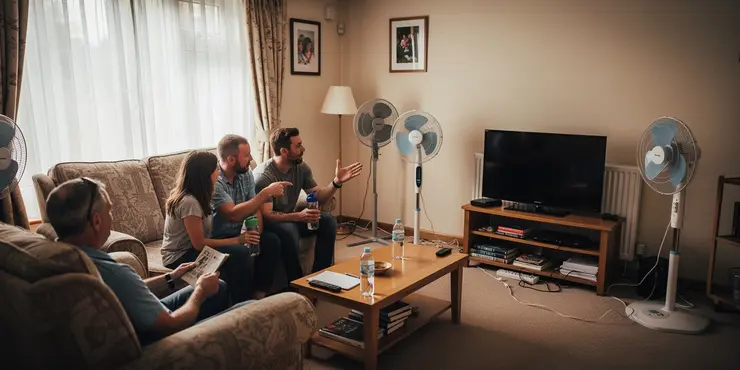
To keep your living space cool during a heatwave, close your curtains or blinds during the hottest parts of the day to block out sunlight, which can significantly raise indoor temperatures. Use fans to circulate air and, if possible, use air conditioning or seek out air-conditioned public spaces. At night, open windows when it's cooler to let in fresh air.
Dress Appropriately
Wearing light-colored, loose-fitting clothing made of natural materials like cotton can help keep your body cool. A wide-brimmed hat and sunglasses can protect you from the sun when outdoors, and applying sunscreen with a high SPF can prevent sunburn.
Avoid Strenuous Activities
Refrain from engaging in strenuous physical activities during the hottest parts of the day, usually between 11 a.m. and 3 p.m. If you need to exercise or perform outdoor tasks, aim to do them in the early morning or late evening when temperatures are cooler. Taking frequent breaks in shaded areas can also help prevent overheating.
Check on Vulnerable Individuals
Heatwaves can be particularly dangerous for vulnerable groups, including the elderly, young children, and individuals with existing health conditions. Check on relatives and neighbors who may be at higher risk and ensure they have the necessary means to stay cool and hydrated.
Recognize Heat-Related Illnesses
Be aware of the symptoms of heat exhaustion and heatstroke, which include dizziness, heavy sweating, a rapid pulse, nausea, and confusion. If you or someone else experiences these symptoms, it's vital to move to a cooler place, drink fluids, and seek medical attention if necessary, particularly if symptoms worsen or do not improve.
Understanding Heatwaves in the UK
A heatwave is when it is very hot outside for a long time. It can also feel very sticky because of the humidity. In the UK, a heatwave means it is 25°C or hotter for a few days in a row. Because of climate change, heatwaves happen more often. It is important to know how to stay safe and cool in a heatwave.
Stay Hydrated
During a heatwave, you need to drink a lot of water. When it's hot, we sweat more and lose water. Drink water all day, even if you are not thirsty. Don't drink too much alcohol or caffeine because they can make you lose more water.
Keep Your Environment Cool
Make your home cool by closing curtains or blinds during the hot parts of the day. Use fans to move the air around. If you can, use air conditioning or visit places that have it, like shops. Open windows at night when it's cooler outside to let fresh air in.
Dress Appropriately
Wear light clothes and loose clothes to stay cool. Choose clothes made from cotton. Wear a wide hat and sunglasses to protect yourself from the sun. Put on sunscreen with high SPF to avoid sunburn.
Avoid Strenuous Activities
Do not do hard physical work during the hottest time, which is usually between 11 a.m. and 3 p.m. If you need to exercise or work outside, do it in the early morning or late evening when it's cooler. Take regular breaks in the shade to stay cool.
Check on Vulnerable Individuals
Heatwaves can be very dangerous for older people, young children, and sick people. Check on family members and neighbors who might need help. Make sure they can keep cool and drink enough water.
Recognize Heat-Related Illnesses
Know the signs of heat sickness. These include feeling dizzy, sweating a lot, fast heartbeat, feeling sick, and confusion. If you or someone feels like this, go to a cool place, drink water, and seek medical help if it gets worse or doesn't get better.
Frequently Asked Questions
Wear light-colored, loose-fitting clothes made of natural fibers like cotton. Avoid dark colors and synthetic fabrics.
Use fans and air conditioning if available. Keep curtains or blinds closed to block out the sun. Try placing a shallow bowl of ice in front of a fan to cool the room.
Drink plenty of water, even if you do not feel thirsty. Aim for at least 8-10 cups a day, and avoid alcohol and caffeine.
Eat light meals that include plenty of fruits and vegetables. Avoid heavy, hot meals and opt for salads and cold dishes.
Yes, avoid exercising during the hottest parts of the day. Try to work out during the cooler, early morning or late evening hours.
Spend time in air-conditioned public places like malls, libraries, or community centers. Use fans and cold showers to cool down at home.
Keep children hydrated, dress them in light clothing, and avoid outdoor activities during the hottest parts of the day. Never leave them in a parked car.
Make sure pets have plenty of fresh water and shade. Avoid walking them during the hottest parts of the day and never leave them in a car.
Symptoms include heavy sweating, weakness, dizziness, nausea, and headache. It's important to move to a cooler area and drink water.
Stay hydrated, take breaks in the shade or indoors, and avoid physical exertion during the hottest parts of the day.
Call emergency services immediately, move the person to a cooler area, and try to lower their body temperature with cool cloths or a bath.
Yes, taking cold or lukewarm showers can help lower your body temperature and make you feel more comfortable.
Use curtains or blinds to block the sun, and consider installing reflective shades or window films to reduce heat gain.
Yes, consult your doctor for specific advice. Make sure to stay cool and hydrated, as some medications may increase sensitivity to heat.
Move to a cooler environment, drink water, use a cool damp cloth on your skin, or take a cool shower to reduce body temperature.
Yes, temperatures inside a car can rise rapidly, leading to heatstroke or death. Never stay in or leave others in a parked car during a heatwave.
Yes, especially if they are elderly, very young, or have health conditions. Checking on them ensures their safety and well-being.
Avoid strenuous activities, outdoor exercise during peak heat, and sunbathing. Postpone chores or activities that involve heat exposure.
Water plants early in the morning or late in the evening to prevent evaporation. Use mulch to retain soil moisture and provide shade if possible.
Repeated exposure can lead to chronic dehydration, exhaustion, and stress on the heart, potentially resulting in heat-related illnesses.
Wear clothes that are light in color and not too tight. Clothes made of cotton are good. Avoid wearing dark colors or clothes made from materials that are not natural.
Use fans and air conditioning if you have them. You can also keep curtains or blinds shut to keep the sun out. Try putting a shallow bowl of ice in front of a fan to make the room cooler.
Drink lots of water. Try to have 8-10 cups each day. Even if you are not thirsty, it's good to drink water. Stay away from drinks with alcohol or caffeine.
Eat smaller meals. Eat lots of fruits and vegetables. Try not to eat big, hot meals. Eat salads and cold food instead.
Yes, do not exercise when it is very hot. Exercise when it is cooler, like in the early morning or late evening.
Go to places with air conditioning, like malls, libraries, or community centers. At home, use fans and take cold showers to stay cool.
Make sure kids drink lots of water. Dress them in cool, light clothes. Try not to go outside when it's very hot. Never leave kids alone in a parked car.
Give your pets lots of fresh water to drink. Make sure they have a cool, shady place to rest. Don’t take them for walks when it is very hot. Never leave them alone in a car.
If you feel very sweaty, weak, dizzy, sick, or have a headache, you might need help. Try to go to a cool place and drink some water.
Drink plenty of water. Rest in the shade or inside. Don't do hard work outside when it's really hot.
Call 999 right away. Move the person to a cool place. Help them cool down with cold cloths or a bath.
Yes, taking cold or warm showers can help cool down your body and make you feel better.
Use curtains or blinds to keep out the sun. You can also put special shades or films on windows to keep your room cooler.
Yes, ask your doctor for help. It's important to keep cool and drink lots of water. Some medicines can make you feel hotter.
Go to a cooler place. Drink some water. Put a cool, wet cloth on your skin. You can also take a cool shower to help your body feel cooler.
Cars can get very hot very fast. This can make people very sick or even cause death. Never stay in a car or leave someone in a car when it's really hot outside.
Yes, it is important to check on them. This is especially true if they are old, very young, or not feeling well. Checking on them helps make sure they are safe and okay.
Do not do hard exercises or play outside when it is very hot. Do not sunbathe. Wait to do jobs if they make you hot.
Water your plants in the morning or at night. This stops the water from drying up in the sun. You can put mulch, which is like a blanket on the ground, to keep the water in the soil. If you can, give your plants some shade.
Being in the heat too much can make you sick. You might feel tired, thirsty, or your heart could be stressed. This means you could get a sickness from the heat.

Ergsy Search Results
This website offers general information and is not a substitute for professional advice.
Always seek guidance from qualified professionals.
If you have any medical concerns or need urgent help, contact a healthcare professional or emergency services immediately.
Some of this content was generated with AI assistance. We've done our best to keep it accurate, helpful, and human-friendly.
- Ergsy carefully checks the information in the videos we provide here.
- Videos shown by Youtube after a video has completed, have NOT been reviewed by ERGSY.
- To view, click the arrow in centre of video.
- Most of the videos you find here will have subtitles and/or closed captions available.
- You may need to turn these on, and choose your preferred language.
- Go to the video you'd like to watch.
- If closed captions (CC) are available, settings will be visible on the bottom right of the video player.
- To turn on Captions, click settings.
- To turn off Captions, click settings again.