
Get Answers
Introduction
Heatwaves have become increasingly common in the UK, posing significant health risks to the population. During these events, temperatures can soar to uncomfortably high levels, potentially leading to heat-related illnesses. While everyone is at risk during a heatwave, the elderly, young children, and individuals with pre-existing health conditions are particularly vulnerable. This raises the question: is it necessary to check on neighbors during a heatwave?
The Importance of Checking on Neighbors
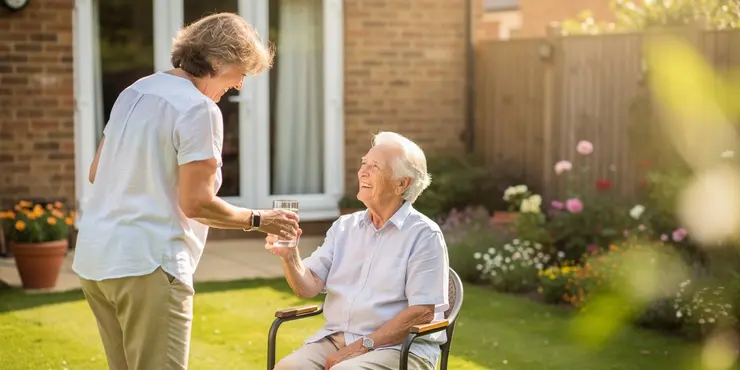
Checking on neighbors during a heatwave is not just a matter of courtesy; it is a crucial safety measure. Heat can exacerbate health conditions, and individuals living alone may not have immediate access to help if they begin to feel unwell. By reaching out to neighbors, especially those who might be more susceptible, we can ensure they have what they need to stay safe and healthy.
Vulnerable Populations
Certain groups are more at risk during extreme heat. The elderly often have less effective thermoregulation and may have mobility issues that prevent them from accessing cooler spaces. Children can dehydrate quickly and may not express discomfort in the same way adults do. People with chronic illnesses might suffer from heat because their medications or conditions affect their body’s ability to regulate temperature. These groups benefit greatly from the vigilance of a caring community.
Practical Steps to Assist
Checking on neighbors can be simple yet impactful. A phone call or a quick visit can make a difference. Ensure they have access to plenty of water and are aware of the need to stay hydrated. Offer to help with shopping if they are unable to go out. Advise them to keep windows and blinds closed during the day and open them at night if safe to do so. Keeping a fan or air conditioning unit running can also help, if available.
Community Benefits
Beyond individual well-being, there are broader community benefits to checking on neighbors. It fosters a culture of care and support, strengthening community bonds. This collective vigilance can lower the number of heat-related emergencies and alleviate the strain on local health services. Furthermore, neighborhoods where people look out for one another are often happier and safer places to live.
Conclusion
In the context of increasing heatwaves in the UK, it is indeed necessary and beneficial to check on neighbors. It not only ensures that vulnerable individuals receive the help they need but also enhances community solidarity. By taking small actions, we can make a significant difference in the health and safety of those around us during extreme heat events.
Introduction
A heatwave is when it gets really hot outside. This can be dangerous for people. During a heatwave, it is important to help each other. Old people, little children, and sick people can get sick fast in hot weather. We should ask: Should we check on our neighbors?
Why Check on Neighbors?
Checking on neighbors is kind and important. The heat can make people feel bad, and they might need help. If someone lives alone, they may not have help. We should make sure our neighbors are okay and have everything they need.
Who Needs Extra Help?
Some people need more help when it's hot. Old people might not move around well, and kids can get thirsty quickly. People who are sick may need more help too. We can help by checking on them.
How to Help Neighbors
You can help your neighbors easily. Call them or visit to see if they are okay. Make sure they have enough water to drink. Offer to go shopping for them if they cannot. Tell them to close windows and curtains during the day, and open them at night if it is safe. If they have a fan or air conditioner, they should use it.
Why Communities Should Help Each Other
Helping neighbors makes the whole community better. It shows we care about each other. This can make fewer people sick from the heat. It also makes our neighborhoods happy and safe places to live.
Conclusion
In the UK, heatwaves are happening more. It is important to help our neighbors. By doing this, we help people stay healthy and feel good. We also make our community better by caring for those around us during hot days.
Frequently Asked Questions
Checking on neighbors during a heatwave helps ensure their safety, especially for vulnerable individuals who may be at higher risk of heat-related illnesses.
Elderly people, young children, those with pre-existing health conditions, and individuals without air conditioning are most at risk during a heatwave.
Checking on neighbors can help ensure they have access to cool environments, hydrate appropriately, and are aware of safety precautions.
If your neighbor seems unwell, offer them water and a cooler place to rest if possible, and consider seeking medical help if their condition seems serious.
Look for symptoms of heat exhaustion or heat stroke such as heavy sweating, weakness, dizziness, nausea, and confusion.
Depending on the severity of the heatwave and the vulnerability of the individual, checking once or twice a day may be sufficient.
Many communities offer cooling centers or public buildings with air conditioning where people can go during extreme heat.
Encourage them to stay hydrated, use fans, take cool showers, and seek local cooling centers if available.
Share information about local resources, suggest preparing an emergency kit, and encourage them to have a plan in case of power outages.
Yes, but take precautions such as wearing a mask if necessary and maintaining social distance, especially if visiting vulnerable individuals.
Yes, you can call, text, or use social media to check on your neighbors if in-person visits are not feasible.
It's still a good idea to introduce yourself and offer assistance. Most people will appreciate the gesture during a heatwave.
Organize neighborhood groups or social media pages to coordinate efforts in checking on vulnerable residents.
Yes, even if your neighbors seem fine, conditions can change quickly during extreme heat, so it's good to keep in touch.
Consider bringing water, a fan, or information about local cooling centers when checking on your neighbors.
Community organizations can provide resources, disseminate information, and coordinate volunteer efforts to assist residents.
Yes, pets are also vulnerable to extreme heat. Check that your neighbors are aware and have provisions for any pets.
Governments may issue alerts, open cooling centers, and provide public service announcements to help keep people safe.
Sign up for local weather alerts, follow emergency services on social media, and watch the news for updates.
Offer help if possible by getting them water and shade, and call emergency services if they appear to be in serious distress.
When it's really hot outside, it's good to check on your neighbors. This is important to keep them safe. Some people have a harder time when it's hot, and we can help them stay okay.
Older people, young kids, people who are already sick, and people who don't have air conditioning are most in danger when it gets really hot.
Looking out for your neighbors can make sure they stay cool, drink enough water, and know how to stay safe.
If your neighbor looks sick, give them some water. Help them rest in a cool place if you can. If they still seem very sick, think about getting a doctor to help.
Watch out for signs that someone is too hot. These can be sweating a lot, feeling weak, feeling dizzy, feeling sick, and feeling mixed up.
When it is very hot outside, some people might need help staying safe. We should check on them. We can check 1 or 2 times every day if needed.
In many places, there are special cool places you can go when it is very hot outside. These places are buildings with air conditioning.
Tell them to drink lots of water, use fans to stay cool, take cool showers, and go to cool places nearby if they can.
Tell them about places nearby that can help. Ask them to make an emergency kit with things they might need. Also, remind them to make a plan for when the power goes out.
Yes, you can. But be careful. Wear a mask if you need to and stay a little bit apart from others. This is very important if you are visiting people who might get sick easily.
Yes, you can call, text, or use social media to check on your neighbors if you can't visit them in person.
Saying "hello" and offering to help is a good idea. Most people will be happy when you are kind during hot weather.
Make groups with people who live nearby. You can use social media, like Facebook, for this. Check in on people who might need help.
Yes, even if your neighbors seem okay now, things can change fast when it gets really hot. It’s good to check on them.
When you check on your neighbors, you can bring water. You might also bring a fan or tell them about places nearby where they can stay cool.
Community groups can give help. They can share information and organize volunteers to help people who live in the area.
Yes, pets can get too hot in very hot weather. Make sure your neighbors know this and have everything they need for their pets.
Governments can help when it's very hot. They might do things like send out warnings, open cool places for people to rest, and share important messages to keep everyone safe.
Join a service that tells you about the weather in your area. It's good to follow police and firemen on websites like Facebook or Twitter. Watch the news on TV to know what's happening.
If you see someone who needs help, give them water and take them to a cool, shady place. If they still look very upset or sick, call for emergency help right away.

Ergsy Search Results
This website offers general information and is not a substitute for professional advice.
Always seek guidance from qualified professionals.
If you have any medical concerns or need urgent help, contact a healthcare professional or emergency services immediately.
Some of this content was generated with AI assistance. We've done our best to keep it accurate, helpful, and human-friendly.
- Ergsy carefully checks the information in the videos we provide here.
- Videos shown by Youtube after a video has completed, have NOT been reviewed by ERGSY.
- To view, click the arrow in centre of video.
- Most of the videos you find here will have subtitles and/or closed captions available.
- You may need to turn these on, and choose your preferred language.
- Go to the video you'd like to watch.
- If closed captions (CC) are available, settings will be visible on the bottom right of the video player.
- To turn on Captions, click settings.
- To turn off Captions, click settings again.