
Speak To An Expert
Get clear, personalised advice for your situation.
Jot down a few questions to make the most of your conversation.
More Items From Ergsy search
-
Is genetic screening available for cancer risk?
Relevance: 100%
-
Are there any risk factors that increase the need for cancer screening?
Relevance: 75%
-
Taking a Genetic Family History - The Conversation (Bowel Cancer)
Relevance: 72%
-

What are the recommendations for colorectal cancer screening?
Relevance: 67%
-

How does family history affect the risk of bowel cancer?
Relevance: 67%
-

How often should I get screened for breast cancer?
Relevance: 67%
-
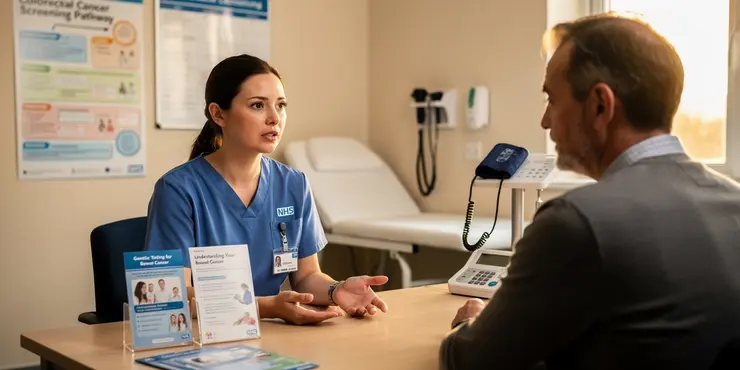
Is genetic testing available for colorectal cancer?
Relevance: 65%
-

What is cancer screening?
Relevance: 64%
-
What kinds of cancer screening are available?
Relevance: 64%
-

NHS breast cancer screening
Relevance: 60%

-
Are there alternatives to traditional prostate screening?
Relevance: 60%
-

Am I more at risk of prostate cancer?
Relevance: 59%
-
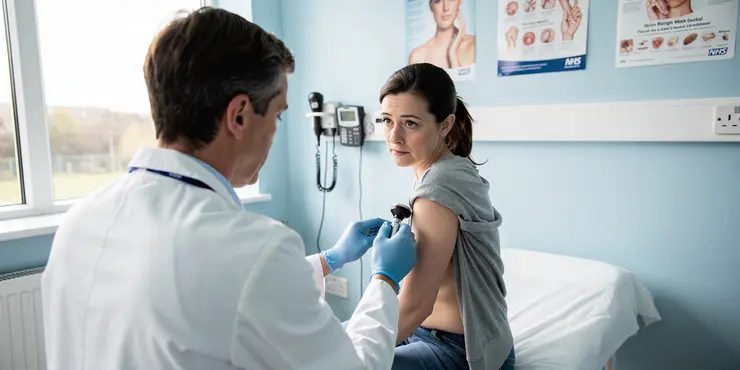
What is a skin cancer screening?
Relevance: 59%
-

What are the risks of prostate screening?
Relevance: 58%
-
Can bowel cancer be prevented?
Relevance: 57%
-
Why is there a surge in bowel cancer?
Relevance: 57%
-

What is colorectal cancer?
Relevance: 56%
-
NHSGGC - Cervical Cancer Screening - English
Relevance: 56%
-
AI Breast Cancer Screening in the UK
Relevance: 55%
-

How common is bowel cancer?
Relevance: 55%
-

When should cervical cancer screening begin?
Relevance: 55%
-
What factors increase my risk of colorectal cancer?
Relevance: 55%
-

Are younger people being diagnosed with bowel cancer more frequently?
Relevance: 54%
-

Can lifestyle changes impact the efficacy of cancer screening?
Relevance: 54%
-
What factors are contributing to the increase in bowel cancer cases?
Relevance: 54%
-
How does increased screening impact bowel cancer statistics?
Relevance: 54%
-

Bowel cancer - Symptoms and signs to look out for
Relevance: 53%
-
Who should consider prostate screening?
Relevance: 53%
-

Bowel cancer screening: Alan Titchmarsh and Tommy Walsh | NHS
Relevance: 53%
-

Are there any AI-based tools available for lung cancer risk assessment?
Relevance: 53%
-

Are there risks associated with home colorectal cancer tests?
Relevance: 52%
-
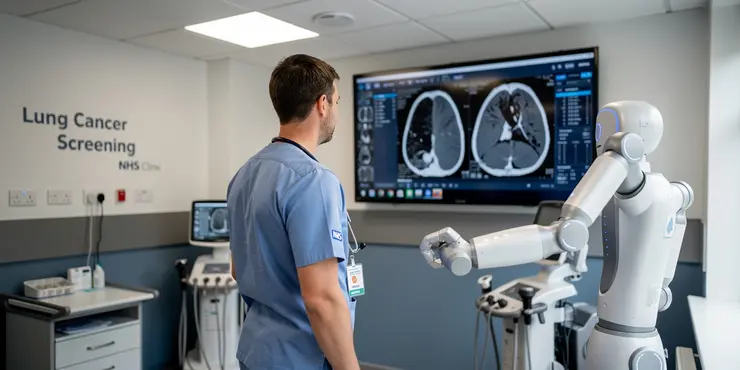
Can robots perform lung cancer screenings?
Relevance: 51%
-

What is prostate screening?
Relevance: 51%
-
What lifestyle changes can help lower the risk of bowel cancer?
Relevance: 50%
-

What are the risk factors for bowel cancer?
Relevance: 50%
-

What is the difference between colon cancer and rectal cancer?
Relevance: 50%
-
Learn about bowel cancer (British Sign Language version)
Relevance: 50%
-
Can home colorectal cancer tests replace a colonoscopy?
Relevance: 49%
-
Who is at risk for testicular cancer?
Relevance: 49%
-

Don't carry the worry of cancer with you | NHS
Relevance: 49%
Introduction to Genetic Screening for Cancer Risk
Genetic screening for cancer risk is a rapidly advancing field, offering individuals the opportunity to understand their genetic predisposition to certain types of cancer. In the UK, this service has become increasingly accessible through the NHS and private healthcare providers. The goal of genetic screening is to identify specific genetic mutations associated with an increased risk of developing cancer, allowing for informed medical and lifestyle decisions.
How Genetic Screening Works
Genetic screening involves testing a sample of blood, saliva, or other tissue to look for genetic mutations. In the context of cancer, the screening often focuses on known cancer-related genes, such as BRCA1 and BRCA2, which are linked to breast and ovarian cancers. Other genetic markers might indicate a risk for cancers such as colorectal or pancreatic cancer. Once a sample is collected, it is analyzed in a laboratory to identify any mutations that may be present.
Eligibility for Genetic Screening
In the UK, genetic screening for cancer is typically recommended for individuals with a strong family history of cancer or those belonging to certain demographic groups at higher risk. The NHS offers referral-based genetic testing, where a healthcare provider assesses an individual's risk factors and family history before recommending testing. Private healthcare providers may offer more direct access to genetic screening, sometimes without needing a referral.
Benefits of Genetic Screening
The primary benefit of genetic screening is the ability to assess cancer risk more accurately. For those who test positive for specific genetic mutations, there are often options for increased surveillance, preventative measures, or even risk-reducing surgeries. Screening can facilitate early detection, which is crucial in cancer treatment success. Additionally, individuals who are aware of their genetic risks can make lifestyle changes that may reduce cancer risk.
Considerations and Limitations
While genetic screening has significant advantages, there are also important considerations. A genetic test does not guarantee that an individual will or will not develop cancer; it merely indicates a level of risk. Moreover, the psychological impact of learning about one's genetic risk can be substantial, necessitating thorough genetic counseling. There are also ethical and privacy considerations regarding the handling of genetic information.
Conclusion
Genetic screening for cancer risk is a valuable tool available in the UK for those at an elevated risk of cancer. It offers critical information that can guide healthcare decisions and personal choices. However, potential users should be well-informed about the implications and limitations of such testing. Consulting healthcare professionals for personalized advice and support is essential in navigating the complexities of genetic risk assessments.
What is Genetic Screening for Cancer Risk?
Genetic screening checks your genes to see if you might get cancer. It helps people know if they have a higher chance of getting certain types of cancer. In the UK, this testing is available through the NHS and private doctors. The purpose is to find changes in genes that can increase the chance of cancer, so people can make smart health and lifestyle choices.
How Does Genetic Screening Work?
To do genetic screening, doctors test a sample of your blood or saliva. They look for changes in genes linked to cancer, like BRCA1 and BRCA2, which can cause breast and ovarian cancer. They also check for other genes that might mean a higher risk for other cancers, like bowel or pancreatic cancer. The sample is tested in a lab to see if there are any changes.
Who Can Have Genetic Screening?
In the UK, genetic screening is usually for people who have family members with cancer or belong to groups with a higher chance of cancer. The NHS can refer someone for genetic testing after checking their family's health history. Private doctors might offer testing more easily, sometimes without a referral.
Why is Genetic Screening Helpful?
Genetic screening helps find out who might get cancer. If you have certain gene changes, you might watch your health more closely, take steps to prevent cancer, or choose to have surgeries to lower your risk. Catching cancer early makes treatments work better. Knowing your genetic risk also helps you make changes in your life to stay healthier.
Things to Think About
Genetic screening is helpful, but there are things to consider. A genetic test does not say for sure if you will get cancer; it just shows the risk level. Learning about your risk can be hard to handle, so speaking with a counselor is important. Privacy and ethics about your genetic information are also important to think about.
Final Thoughts
Genetic screening for cancer risk is a useful tool in the UK for people at higher cancer risk. It gives important information to help make health decisions. But you should understand what it means and talk to doctors for advice. They can help you understand your options and support you in making the best choices.
Frequently Asked Questions
What is genetic screening for cancer risk?
Genetic screening for cancer risk involves testing an individual's DNA to identify genetic mutations that may increase the likelihood of developing certain types of cancer.
Is genetic screening available for cancer risk?
Yes, genetic screening is available for individuals who are concerned about their cancer risk due to personal or family history.
Who should consider genetic screening for cancer risk?
People with a family history of cancer or those who have relatives with known genetic mutations linked to cancer may consider genetic screening.
What types of cancer can genetic screening assess risk for?
Genetic screening can assess risk for several cancers, including breast, ovarian, colorectal, and prostate cancer, among others.
How is genetic screening for cancer risk performed?
Genetic screening typically involves a blood or saliva test to collect DNA, which is then analyzed for specific genetic mutations.
Do I need a referral from my doctor to get genetic screening?
While some clinics may require a referral, many genetic screening services are available directly to consumers without a referral.
What is the difference between genetic testing and genetic screening?
Genetic testing is a more comprehensive analysis to confirm the presence of a mutation after a potential risk is identified, whereas genetic screening is a broader assessment to identify those at higher risk.
Are genetic screening results accurate?
Genetic screening can accurately identify many known mutations, but it may not detect all genetic risks, so results should be interpreted with professional guidance.
Can genetic screening predict cancer?
While genetic screening can indicate an increased risk, it cannot predict with certainty whether an individual will develop cancer.
Is genetic screening covered by health insurance?
Coverage for genetic screening varies by insurance provider and policy, so checking with your insurance company is recommended.
What should I expect from a genetic counseling session?
A genetic counselor will review your family and medical history, discuss the implications of genetic screening, and guide you through the testing process.
How long does it take to get genetic screening results?
Results from genetic screening tests are typically available within a few weeks, but this can vary depending on the provider.
What do I do if my genetic screening shows increased cancer risk?
If your screening indicates increased risk, it is essential to work with a healthcare provider to develop a personalized risk management plan.
Are there any risks associated with genetic screening?
Genetic screening itself is low-risk, but there may be emotional or financial considerations based on the results.
How much does genetic screening for cancer risk typically cost?
The cost of genetic screening can vary widely, ranging from a few hundred to several thousand dollars, depending on the tests performed and the provider.
What are some well-known genes associated with increased cancer risk?
BRCA1 and BRCA2 are among the most well-known genes associated with increased breast and ovarian cancer risk.
Can lifestyle changes influence my genetic cancer risk?
While lifestyle changes cannot alter genetic risk, maintaining a healthy lifestyle can help reduce the overall risk of developing cancer.
Is genetic screening a one-time test, or should it be repeated?
Most genetic screenings are done once, as your genetic profile does not change; however, as science advances, new tests may become available.
What advancements are being made in genetic screening for cancer risk?
Advancements include identifying new genetic markers, developing more comprehensive panels, and improving the accuracy and accessibility of screening.
Should I discuss genetic screening with my family if I test positive for a mutation?
Yes, sharing this information with family members can help them understand their potential risks and consider their own screening options.
What is genetic screening for cancer risk?
Genetic screening checks your DNA to see if you might get cancer. It looks at your genes, which are like instructions in your body. This can help doctors find cancer early or stop it before it starts.
If you need help reading this, you can:
- Ask someone to read it with you.
- Use a computer or tablet to read it out loud.
- Break the words into smaller parts if they are hard to read.
Genetic screening for cancer risk means looking at a person’s DNA to find changes that could make them more likely to get certain kinds of cancer.
Can doctors check my genes to see if I might get cancer?
Doctors can look at your genes to see if there is a higher chance of getting cancer. This is called a gene test. They look for changes in your genes.
Here are some helpful tools:
- Ask a doctor or nurse to explain the test to you.
- You can bring a family member or friend to help you understand.
- Use pictures or videos that explain how genes work.
Yes, you can get a genetic test if you are worried about cancer because of your family's health history or your own health history.
Who should think about genetic screening for cancer risk?
Some people might want to get a test to see if they have a higher chance of getting cancer. This is called genetic screening. Here are some reasons to think about it:
- If people in your family have had cancer. - If you have a close family member, like a parent or sibling, with cancer at a young age. - If a doctor says you might need this test.If you are thinking about this test, you can talk to your doctor. They can help you understand if it is right for you.
To make reading easier, you can:
- Use a ruler or your finger to keep your place while you read. - Break down the text and read it line by line. - Ask someone you trust to read with you and help explain any hard parts.If people in your family have had cancer, or if someone in your family has a special gene that can cause cancer, you might want to get checked with a special test called genetic screening.
What kinds of cancer can be checked with gene tests?
Gene tests can help find out the chances of getting certain cancers. Some tools that can help with understanding are: - **Talking to a doctor**: They can explain what the test shows. - **Using pictures**: Pictures can make the choices clearer. - **Videos**: Watching videos can help you learn more. These tools can help make the information easy to understand.Genetic testing can help find out if someone might get certain types of cancer. These cancers include breast cancer, ovarian cancer, bowel cancer, and prostate cancer.
How do doctors check your genes for cancer risk?
Doctors can look at your genes to see if you might get cancer. This is called genetic screening. They take a small sample from your body, like blood or spit, to test it. You can talk to a doctor or a counselor who understands genes. They can explain the results to you.
If you find this hard to understand, ask someone to help you read it or explain it. You can also use tools that read aloud or explain things in simpler words.
Genetic screening means looking at your genes. Doctors do this by taking some blood or spit from you. They then look at your genes to find if there are any changes.
Here are some tips to help: - **Ask Questions**: If you don’t understand, ask your doctor to explain. - **Take Your Time**: Read slowly and don’t rush. - **Use Tools**: Use a ruler or your finger to keep your place when reading. - **Draw Pictures**: Sometimes drawing what you read can help you understand better. - **Get Help**: Ask someone to read with you or to talk about the information.Do I need a note from my doctor to get a genetic test?
Ask your doctor if you need a note for a genetic test. A genetic test checks the genes in your body. Sometimes, you might need a note to do it.
You can talk to your doctor or nurse to help you understand more. You can ask them to explain it in a way that you understand.
Some people use helpful tools to understand better, like:
- Pictures
- Simple words
- Help from a friend or family
Some clinics might ask for a note from your doctor, but many places let you get a genetic test without needing one.
How are genetic testing and genetic screening different?
Genetic testing and genetic screening are ways to look at genes. Genes are like instructions inside our bodies. Here's how they are different:
Genetic testing: This is like a special test a doctor does to look for changes in a person’s genes. It helps find out if someone might get a disease.
Genetic screening: This is checking a lot of people to find those who might have or carry a gene change, even if they are not sick.
For help understanding genetic information, you can use pictures or apps that read text out loud. Asking someone to explain things or using simple videos can also help.
Genetic testing looks closely at your genes to see if there is a change or mutation. This is done after we think there might be a risk.
Genetic screening checks many people to find out who might be at higher risk before anyone shows signs.
Do tests that look at our genes give correct answers?
Genetic screening can find many changes in genes. These changes might cause health problems. But it might not find every risk. It is important to talk to a doctor about the results.
Can a test tell you if you might get cancer?
Doctors can use a special test to look at your genes. Genes are like instructions inside your body. Sometimes, they can show if you might get sick in the future.
This test can help find out if you might get cancer. Cancer is when bad cells grow in the body. But, this test cannot say for sure that you will get cancer. It only shows if there is a chance.
If you have questions, you can ask a doctor or a parent. They can help you understand more about the test.
To read more easily, use tools that read text out loud. Sometimes, bigger letters or pictures can help to understand better.
Genetic tests can show if someone might have a higher chance of getting cancer. But, they can't say for sure if a person will actually get cancer.
Does health insurance pay for genetic testing?
Different insurance companies have different rules for paying for genetic tests. It's a good idea to ask your insurance company what they will pay for.
What happens at a genetic counseling session?
When you go to a genetic counseling session, you will talk to a person who knows a lot about genes. Genes are like the instructions in your body that make you who you are.
This person will help you understand how genes work and how they can affect you and your family. They might ask about your family’s health history and talk about any health problems in your family.
You can also ask them questions if you are worried or if you want to know more about genes. They will help you find answers that make sense and help you feel better.
If you find reading hard, you can:
- Ask someone you trust to help you understand the information.
- Use apps that can read text out loud.
- Write down any questions you have before you go to the session.
A genetic counselor is a friendly expert. They will talk with you about your family's health history and your own health. They will explain what genetic tests can do and help you understand every step.
How long will I wait for my genetic test results?
You usually get the results from a gene test in a few weeks. But sometimes it might take a bit longer, depending on the place doing the test.
What should I do if my test says I might get cancer?
If the test shows you are at higher risk, it is important to talk to a doctor. They will help you make a special plan to stay healthy.
Is genetic screening dangerous?
Genetic screening is safe and doesn't usually cause any problems. But the results might make you feel worried or could cost money.
How much does testing for cancer risk usually cost?
Checking your genes to see if you have a higher chance of getting cancer can cost different amounts. It often costs between $100 and $2,000.
If you want to know more, you can talk to a doctor or a nurse. They can help explain things.
Sometimes, insurance might help pay. Ask someone about this if you are not sure.
There are tools like picture cards and simple charts that can also help you understand better.
Genetic screening can cost different amounts of money. It might be a few hundred dollars, or it might be a few thousand dollars. It depends on what tests you get and who you get them from.
What genes are linked to higher cancer risk?
Certain genes can make cancer more likely. Here are some famous ones:
- BRCA1 and BRCA2: These genes can raise the risk of breast and ovarian cancer.
- TP53: This gene can increase the chance of many cancers.
- APC: This gene is linked to a higher risk of colon cancer.
To learn more about how genes affect cancer risk, you might find it helpful to use picture guides or talk with a doctor or a genetic counselor.
BRCA1 and BRCA2 are special genes. They can make it more likely for someone to get breast or ovarian cancer.
Can changing how I live affect my chance of getting cancer?
We can't change the genes we are born with. But living a healthy life can lower the chances of getting cancer.
Do you need to do genetic screening only once, or do you need to do it again?
Most genetic tests are done one time because your genes do not change. But as science gets better, new tests might come out.
What new things are we learning about checking genes for cancer risk?
There are new things we know about genes. We can find even more important parts of them now. We are also getting better at making tests that can find more gene problems. These tests are now easier to get and do a better job at finding what's wrong.
Tools that can help you understand better are videos, stories, or phone apps that read text out loud. They can make learning about genes easier and more fun.
Should I talk to my family if my test shows a genetic change?
If your test shows you have a genetic change (called a mutation), you might want to talk to your family. This is because some genetic changes can be passed down in families.
Here are some things to think about:
- Talking to your family can help them understand if they need to get tested too.
- They might learn how to look after their health.
- It can be a good idea to speak in a simple way so everyone understands.
- You can use pictures or write things down to help explain.
If you are unsure, you can ask a doctor or a genetic counselor. They can help you with what to say and how to say it.
Yes, telling your family about this can help them understand any risks they might have. It can also help them decide if they need to see a doctor for checking.

Useful Links
This website offers general information and is not a substitute for professional advice.
Always seek guidance from qualified professionals.
If you have any medical concerns or need urgent help, contact a healthcare professional or emergency services immediately.
Some of this content was generated with AI assistance. We've done our best to keep it accurate, helpful, and human-friendly.
- Ergsy carefully checks the information in the videos we provide here.
- Videos shown by Youtube after a video has completed, have NOT been reviewed by ERGSY.
- To view, click the arrow in centre of video.
- Most of the videos you find here will have subtitles and/or closed captions available.
- You may need to turn these on, and choose your preferred language.
- Go to the video you'd like to watch.
- If closed captions (CC) are available, settings will be visible on the bottom right of the video player.
- To turn on Captions, click settings.
- To turn off Captions, click settings again.
More Items From Ergsy search
-
Is genetic screening available for cancer risk?
Relevance: 100%
-
Are there any risk factors that increase the need for cancer screening?
Relevance: 75%
-
Taking a Genetic Family History - The Conversation (Bowel Cancer)
Relevance: 72%
-
What are the recommendations for colorectal cancer screening?
Relevance: 67%
-
How does family history affect the risk of bowel cancer?
Relevance: 67%
-
How often should I get screened for breast cancer?
Relevance: 67%
-
Is genetic testing available for colorectal cancer?
Relevance: 65%
-
What is cancer screening?
Relevance: 64%
-
What kinds of cancer screening are available?
Relevance: 64%
-
NHS breast cancer screening
Relevance: 60%
-
Are there alternatives to traditional prostate screening?
Relevance: 60%
-
Am I more at risk of prostate cancer?
Relevance: 59%
-
What is a skin cancer screening?
Relevance: 59%
-
What are the risks of prostate screening?
Relevance: 58%
-
Can bowel cancer be prevented?
Relevance: 57%
-
Why is there a surge in bowel cancer?
Relevance: 57%
-
What is colorectal cancer?
Relevance: 56%
-
NHSGGC - Cervical Cancer Screening - English
Relevance: 56%
-
AI Breast Cancer Screening in the UK
Relevance: 55%
-
How common is bowel cancer?
Relevance: 55%
-
When should cervical cancer screening begin?
Relevance: 55%
-
What factors increase my risk of colorectal cancer?
Relevance: 55%
-
Are younger people being diagnosed with bowel cancer more frequently?
Relevance: 54%
-
Can lifestyle changes impact the efficacy of cancer screening?
Relevance: 54%
-
What factors are contributing to the increase in bowel cancer cases?
Relevance: 54%
-
How does increased screening impact bowel cancer statistics?
Relevance: 54%
-
Bowel cancer - Symptoms and signs to look out for
Relevance: 53%
-
Who should consider prostate screening?
Relevance: 53%
-
Bowel cancer screening: Alan Titchmarsh and Tommy Walsh | NHS
Relevance: 53%
-
Are there any AI-based tools available for lung cancer risk assessment?
Relevance: 53%
-
Are there risks associated with home colorectal cancer tests?
Relevance: 52%
-
Can robots perform lung cancer screenings?
Relevance: 51%
-
What is prostate screening?
Relevance: 51%
-
What lifestyle changes can help lower the risk of bowel cancer?
Relevance: 50%
-
What are the risk factors for bowel cancer?
Relevance: 50%
-
What is the difference between colon cancer and rectal cancer?
Relevance: 50%
-
Learn about bowel cancer (British Sign Language version)
Relevance: 50%
-
Can home colorectal cancer tests replace a colonoscopy?
Relevance: 49%
-
Who is at risk for testicular cancer?
Relevance: 49%
-
Don't carry the worry of cancer with you | NHS
Relevance: 49%