
Speak To An Expert
Get clear, personalised advice for your situation.
Jot down a few questions to make the most of your conversation.
More Items From Ergsy search
-
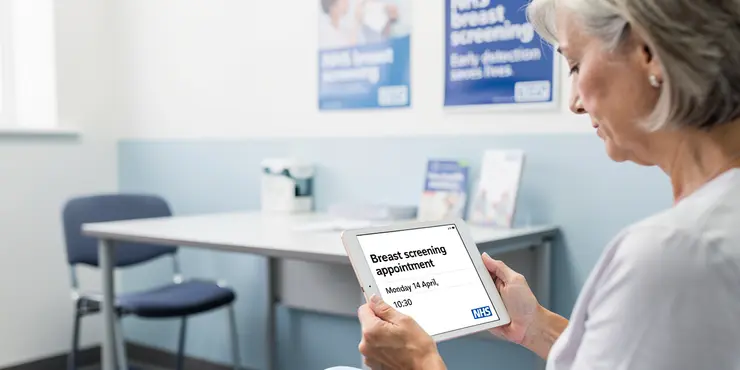
How often should I get screened for breast cancer?
Relevance: 100%
-
NHS breast cancer screening
Relevance: 94%
-
AI Breast Cancer Screening in the UK
Relevance: 89%
-
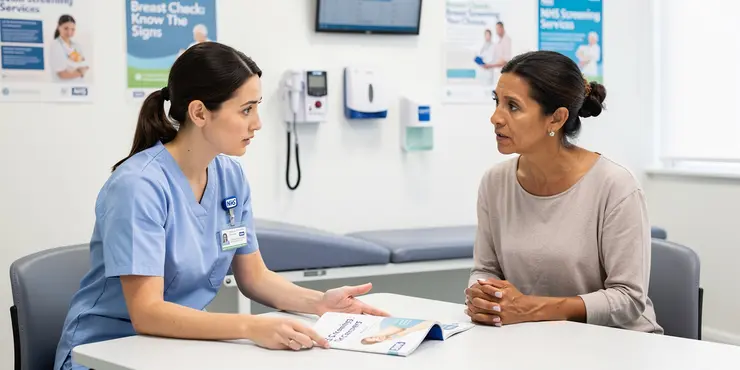
Other Things You Need to Know About Breast Screening
Relevance: 81%
-
About Breast cancer - signs and symptoms | NHS
Relevance: 77%
-
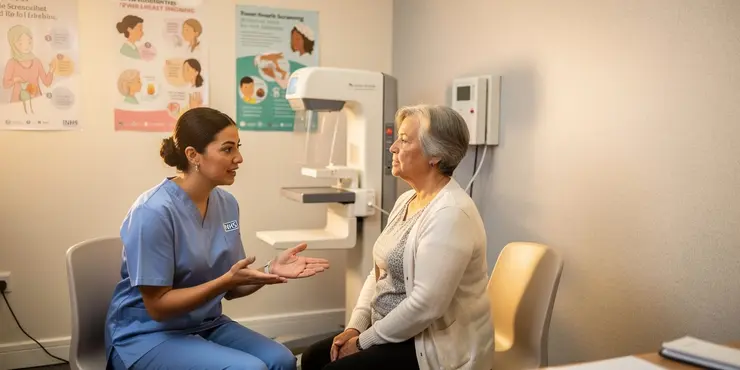
Tower Hamlets breast screening programme
Relevance: 76%
-
Breast cancer: testing and treatment | NHS
Relevance: 75%
-
What kinds of cancer screening are available?
Relevance: 71%
-
What is cancer screening?
Relevance: 70%
-
Are there any risk factors that increase the need for cancer screening?
Relevance: 68%

-
How often should I get a mammogram?
Relevance: 67%
-
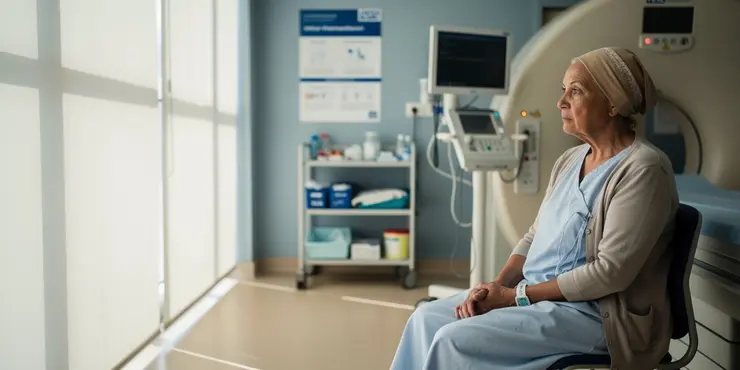
Having radiotherapy for breast cancer - 3 Videos
Relevance: 64%
-
Is genetic screening available for cancer risk?
Relevance: 61%
-
Can I have a mammogram if I have breast implants?
Relevance: 58%
-
I've found a lump in my breast - What happens next? The breast diagnostic clinic
Relevance: 58%
-
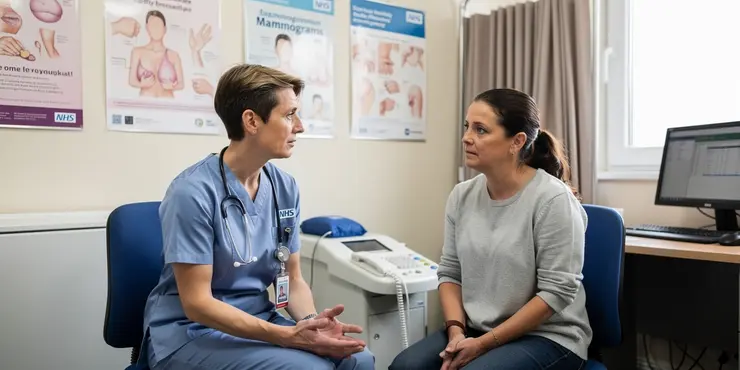
Are there any risks associated with mammograms?
Relevance: 57%
-
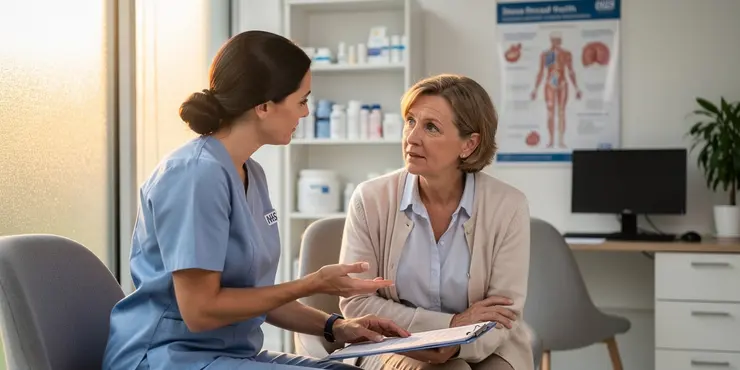
I've found a lump in my breast - What happens next? The breast diagnostic clinic
Relevance: 57%
-
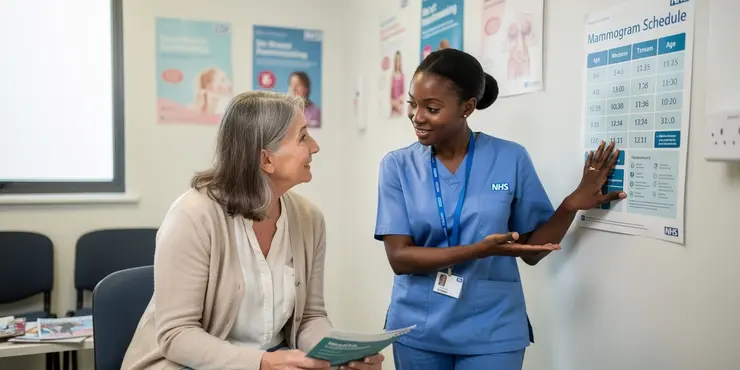
Health Screenings You Should Know About
Relevance: 56%
-
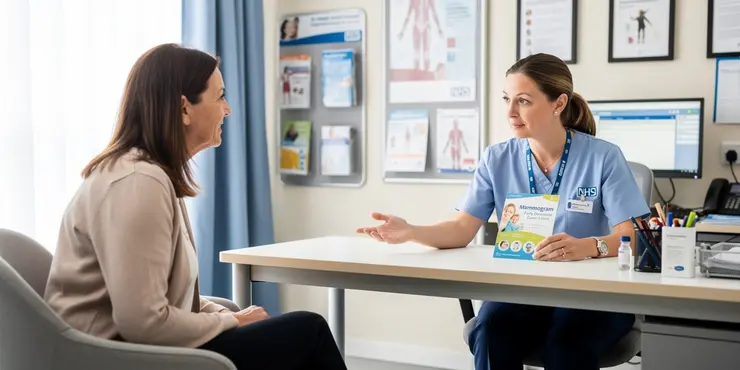
At what age should I start having mammograms?
Relevance: 55%
-

When should cervical cancer screening begin?
Relevance: 54%
-
Can lifestyle changes impact the efficacy of cancer screening?
Relevance: 54%
-
Can men have mammograms?
Relevance: 53%
-
What is a skin cancer screening?
Relevance: 52%
-
What are the benefits of regular mammograms?
Relevance: 52%
-
How does increased screening impact bowel cancer statistics?
Relevance: 51%
-
What is Breast augmentation?
Relevance: 50%
-
Are mammograms free on the NHS?
Relevance: 50%
-
What are the recommendations for colorectal cancer screening?
Relevance: 50%
-
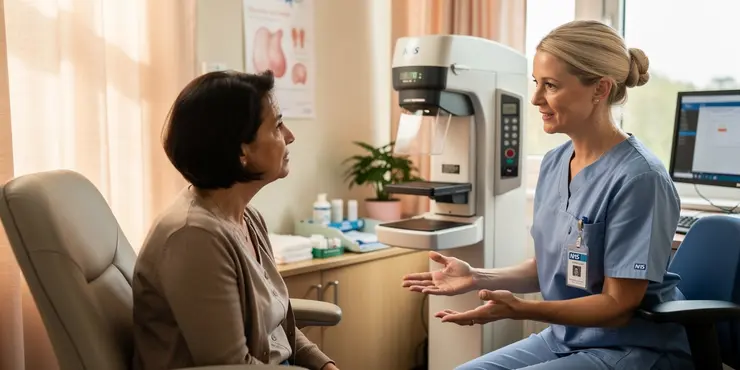
What happens during a mammogram?
Relevance: 49%
-
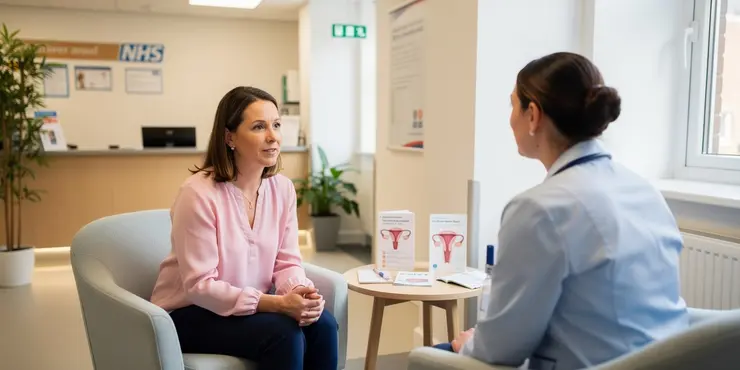
NHSGGC - Cervical Cancer Screening - English
Relevance: 49%
-
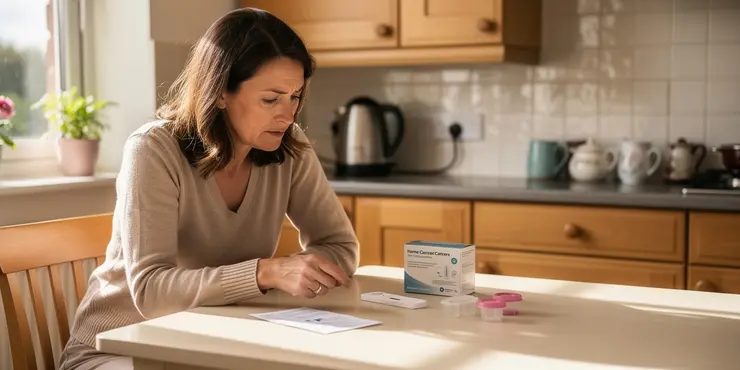
How often should I perform a home colorectal cancer test?
Relevance: 49%
-
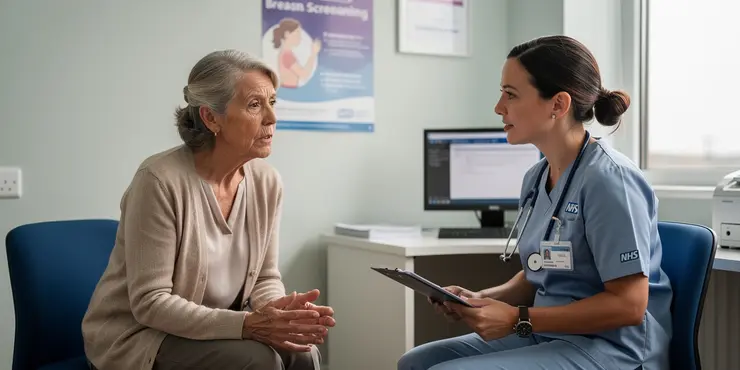
How reliable are mammograms?
Relevance: 49%
-
Treating breast pain | United Lincolnshire Hospitals NHS Trust
Relevance: 49%
-
Can I ask for a referral if I have had breast cancer or other complex medical issues?
Relevance: 48%
-
Bowel cancer screening: Alan Titchmarsh and Tommy Walsh | NHS
Relevance: 48%
-
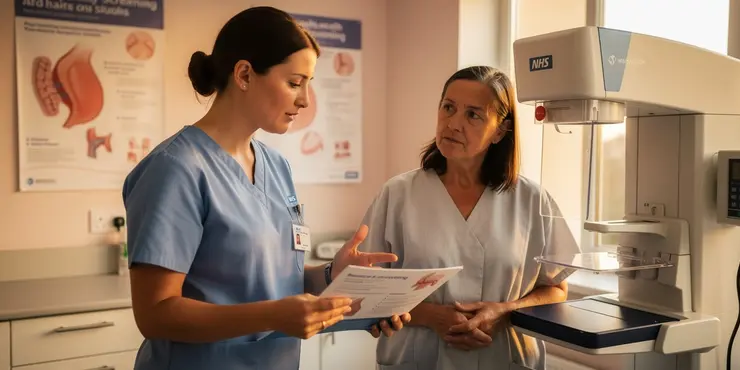
What is a mammogram?
Relevance: 46%
-
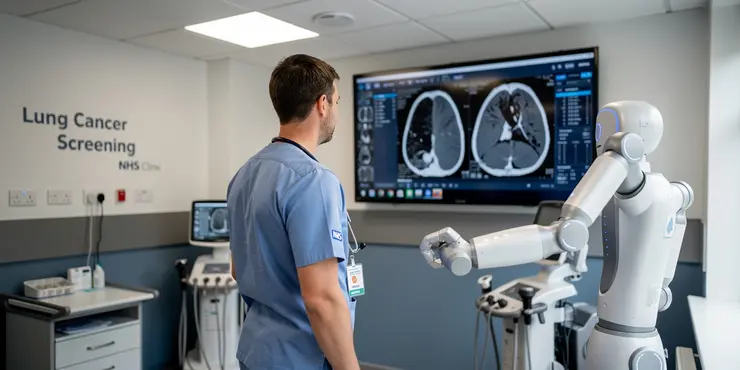
Can robots perform lung cancer screenings?
Relevance: 46%
-

What is prostate screening?
Relevance: 46%
-
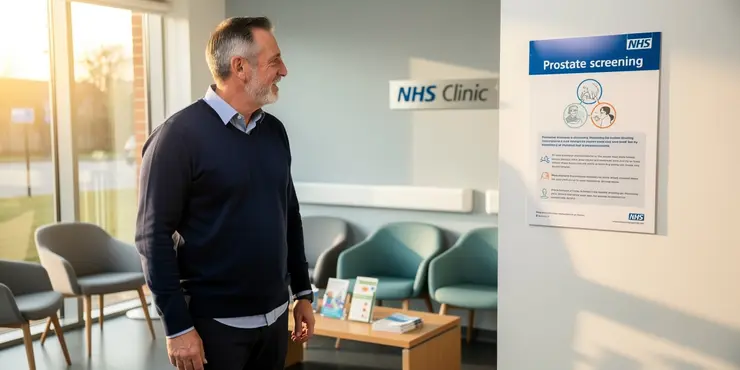
Who should consider prostate screening?
Relevance: 45%
-

Don't carry the worry of cancer with you | NHS
Relevance: 45%
Understanding Breast Cancer Screening
Breast cancer screening is a crucial tool in the early detection and treatment of breast cancer. By identifying cancer at an early stage, the chances of successful treatment and survival are significantly improved. In the UK, breast cancer screening involves a mammogram, which is an X-ray of the breast. This procedure can detect cancers before they are large enough to be felt or cause symptoms.
Screening Recommendations for the General Population
In the UK, the NHS Breast Screening Programme provides guidelines on who should be screened and how often. Generally, women aged 50 to 70 are invited for breast screening every three years. The programme aims to detect early signs of breast cancer, improving treatment outcomes and reducing mortality rates. After the age of 70, women can continue to have mammograms, but they are not automatically invited. They can, however, make their own appointments for screening every three years by contacting their local breast screening unit.
Considerations for Those at Higher Risk
Some individuals may be at a higher risk of developing breast cancer due to genetic factors, family history, or other predisposing conditions. For these people, more frequent screening or starting screening earlier than the usual age range might be recommended. Those with a family history of breast or ovarian cancer, or known genetic mutations such as BRCA1 or BRCA2, should discuss their screening options with their GP or a specialist. They may be recommended to start screening from an earlier age, and sometimes with different imaging techniques such as MRI in addition to mammography.
Signs You Should Know
While regular screening is vital, it is equally important for women to be breast aware and familiar with how their breasts look and feel. Being aware of changes such as lumps, changes in size or shape, dimpling of the skin, or changes in the nipple can lead to earlier consultation and diagnosis. Any unusual changes should prompt an appointment with a GP, who can recommend further testing if necessary.
Final Thoughts and Recommendations
Breast cancer screening is a personal and important health decision. Following the recommended guidelines of the NHS can help detect breast cancer early and improve outcomes. It is important for women to be aware of their breast health, understand their personal risk factors, and take appropriate steps according to their healthcare provider’s recommendations. If you have any concerns about breast cancer or screening practices, consult your GP for further advice and personalized recommendations.
Understanding Breast Cancer Screening
Breast cancer screening helps find breast cancer early. Finding cancer early can make treatment work better. In the UK, screening is done with a mammogram. A mammogram is a special X-ray of the breast. This test can find cancer before you can feel it or see it.
Screening Recommendations for the General Population
In the UK, the NHS tells us who should get screened and how often. Usually, women aged 50 to 70 have a mammogram every three years. This helps to find breast cancer early, making treatment work better and saving lives. After age 70, women can still have mammograms. They need to call their local screening unit to book a test.
Considerations for Those at Higher Risk
Some people have a higher risk of getting breast cancer. This can be because of family history or genes. These people might need more tests or might start tests earlier. If your family has a history of breast or ovarian cancer, talk to your doctor. They may suggest starting tests earlier and using different tests like an MRI.
Signs You Should Know
It is important to know how your breasts normally look and feel. Look out for changes like lumps, changes in size or shape, skin dimpling, or changes in the nipple. If you see something unusual, see your doctor. They might do more tests if needed.
Final Thoughts and Recommendations
Deciding to do breast cancer screening is important. Following NHS guidelines can help find cancer early. Know your breast health and risk factors. Listen to your healthcare provider’s advice. If you have questions about breast cancer or screening, talk to your doctor for more advice and help.
Frequently Asked Questions
How often should women aged 40-44 get screened for breast cancer?
Women aged 40-44 should have the choice to start annual breast cancer screening with mammograms if they wish.
What is the recommended screening frequency for women aged 45-54?
Women aged 45-54 are advised to get mammograms every year.
How often should women aged 55 and older be screened for breast cancer?
Women aged 55 and older can switch to mammograms every two years, or continue yearly screening.
Should women with a family history of breast cancer get screened more frequently?
Women with a family history or other risk factors might need to start screening earlier and more frequently. They should consult their healthcare provider.
Are breast cancer screenings necessary after the age of 75?
Screenings after age 75 should be based on the individual's overall health and personal cancer history.
Is breast cancer screening recommended for women under 40?
Routine screening is generally not recommended for women under 40 unless they have specific risk factors.
How often should breast cancer survivors be screened?
Breast cancer survivors should follow a personalized screening schedule recommended by their healthcare team, often involving annual mammograms.
What factors could influence the frequency of breast cancer screenings?
Factors include age, family history, genetic predisposition, and other risk factors.
Can lifestyle changes affect how often I should get screened for breast cancer?
While lifestyle changes can influence breast cancer risk, screening frequency is primarily based on age and medical history.
Are there different screening recommendations for those with dense breast tissue?
Women with dense breast tissue might require additional screening methods, and should discuss options with their healthcare provider.
How does the frequency of breast cancer screenings differ between countries?
Screening guidelines can vary by country based on healthcare resources and population studies.
What is the benefit of getting regular breast cancer screenings?
Regular screenings can help detect breast cancer early, improving treatment options and outcomes.
Are there risks associated with more frequent breast cancer screenings?
Frequent screenings can lead to false positives and unnecessary procedures but are balanced against early detection benefits.
How is the breast cancer screening schedule personalized?
A personalized schedule considers personal and family medical history, genetic factors, and any previous abnormal findings.
Should men at high risk of breast cancer follow a screening schedule?
Men with high risk factors such as a strong family history or genetic mutations should discuss screening options with their doctor.
How does genetic testing influence breast cancer screening frequency?
Positive genetic tests for mutations like BRCA1/2 may lead to earlier and more frequent screenings.
Should women with no symptoms get regular breast cancer screenings?
Yes, because screenings can detect cancer before symptoms develop, leading to better treatment outcomes.
How do other health conditions affect breast cancer screening recommendations?
Other health conditions may alter screening frequency based on overall health and cancer risks.
What is the best way to determine the appropriate screening schedule for me?
Consult with your healthcare provider to evaluate your risk factors and establish a suitable screening plan.
Is it necessary to continue breast cancer screenings after menopause?
Yes, as the risk of breast cancer increases with age, screenings should continue after menopause.
How often should women aged 40-44 check for breast cancer?
Women aged 40-44 should talk to their doctor about breast cancer checks.
They can choose to have a check-up every year if they want.
It is important to have regular check-ups to stay healthy.
If you find reading hard, you can:
- Ask a family member or friend to read with you.
- Use audiobooks or text-to-speech tools.
- Take breaks if you feel tired.
Women who are 40 to 44 years old can choose to have a breast cancer check-up every year. This check-up is called a mammogram.
How often should women aged 45-54 get screened?
Women who are 45 to 54 years old should have a special breast check called a mammogram every year.
How often should women 55 and older get checked for breast cancer?
Women who are 55 years old or older should have a breast cancer check every 1 to 2 years. This means they should visit their doctor or clinic to make sure everything is okay.
Here are some tips to remember when it's time for a check-up:
- Mark the date on a calendar.
- Ask a family member or friend to remind you.
- Set a reminder on your phone.
If you need help getting a check-up, ask your doctor or a nurse for advice.
Women who are 55 years old or older can choose to get a mammogram every two years. They can also keep having one every year if they want.
Should Women in Families with Breast Cancer Get More Check-Ups?
Some women have family members who had breast cancer. These women might need to have breast cancer check-ups more often. Check-ups can help find cancer early, which can be helpful.
If you have family members with breast cancer, talk to your doctor. They can tell you how often you should get check-ups. They can also help you understand what to do next.
There are helpful tools like reminder apps on your phone. These can help you remember to go to your check-ups. You can also ask a friend or family member to help you remember.
Some women have family members who had health problems. This means they might need to start checking their health sooner and more often. They should talk to their doctor for advice.
Do you need breast cancer checks after age 75?
After you turn 75, it's important to talk to your doctor about screening tests. The tests you need might depend on how healthy you are and if you had cancer before.
Should women under 40 get checked for breast cancer?
Doctors usually do not ask women under 40 to get checked for breast cancer.
Women can talk to their doctor if they are worried about breast cancer. The doctor can give advice.
Using a calendar or app can help to remember check-up dates.
Talking to family and friends can give support.
Doctors usually don't do regular check-ups for women under 40 years old, unless they have certain health risks.
How often should people who had breast cancer get checked?
People who had breast cancer should go to the doctor for check-ups. A doctor can tell them how often they need to go.
It is important to get checked to stay healthy. If you have questions, ask your doctor or nurse.
Support tools can help. Friends, family, or caregivers can come with you to appointments. Writing down questions before you visit the doctor can also help.
If you have had breast cancer, your doctor will tell you when to go for check-ups. You should get your breasts checked every year with special pictures called mammograms.
What things can change how often people get breast cancer checks?
Things that can cause this are how old you are, your family’s health history, your genes, and other things that can raise the risk.
Do changes in my daily habits change how often I need a breast check-up for cancer?
Changing how you live can help lower the chance of getting breast cancer. But how often you get checked usually depends on how old you are and your health history.
Do people with dense breast tissue need different health checks?
Yes, people with dense breast tissue may need different health checks. Dense breast tissue can make it harder to see cancer on a mammogram. Doctors might suggest other tests, like an ultrasound or MRI, to check for breast health.
It’s important to talk to your doctor about what is best for you. They can help you understand your options and make a plan.
Tools that might help include using a calendar to keep track of appointments, asking someone you trust to help you understand medical information, or taking notes when you visit the doctor.
Women with dense breast tissue might need more tests. They should talk to their doctor about what to do next.
How often do people get checked for breast cancer in different countries?
Different countries have different rules for health check-ups.
Why is it good to have regular breast checks?
Getting regular breast checks is important. It helps find problems early. Early treatment can be easier and works better. Ask a doctor or nurse about how to have a breast check. They can help.
Try these tips:
- Use simple words to talk about it.
- Ask someone you trust for help.
- Watch a video about why breast checks are important.
Getting checked regularly can help find breast cancer early. This can make treatment better and help you get well.
Can having more breast cancer tests be risky?
Getting checked a lot can sometimes say you have a problem when you don't. This might mean getting more checks you don't need. But, getting checked often can help find problems early, which is good.
How do doctors decide the best time for your breast check-ups?
A personal plan looks at your family's health history, your genes, and any past health issues.
Do men who might get breast cancer need to have regular check-ups?
Some men have a higher chance of getting breast cancer.
Should these men see a doctor often to check for breast cancer?
Here are some ways to help understand this:
- Ask a doctor for advice.
- Use pictures or videos to learn more.
- Talk to someone you trust about it.
Men who have high risk factors, like family members who have had the disease or changes in their genes, should talk to their doctor about tests they can do.
It can help to use pictures or videos to understand better.
Also, it's good to ask someone you trust to go with you to the doctor.
How does genetic testing change how often you get checked for breast cancer?
Genetic testing can show if you have a higher chance of getting breast cancer. If the test says you have a higher risk, doctors might tell you to get checked more often.
If you have a lower risk, you might not need to get checked as often.
Supportive tools like picture charts or reminder apps can help you remember your check-ups.
If a test shows you have changes in genes like BRCA1/2, you might start getting health check-ups sooner and more often.
Should women with no signs get regular breast check-ups for cancer?
Women who feel healthy might wonder if they need to have breast check-ups for cancer. These check-ups can help find cancer early, even if you feel okay.
If you want more info, a doctor or nurse can help. They can tell you if you should go for a check-up and how often.
Using a calendar or phone reminders can help you remember your check-up visits.
Yes, because tests can find cancer early, even before you feel sick. This can help doctors treat it better.
How do other health problems change breast cancer check-ups?
Some people have other health problems besides breast cancer. These problems can change how often they need to go for breast cancer check-ups. It is important to talk to a doctor about this.
Here are some tips:
- Use simple tools like calendars to remember check-up dates.
- Ask a friend or family member to help with appointments.
- Keep a list of questions to ask the doctor.
Always check with your doctor to know what is best for you.
Other health problems might change how often doctors check you for cancer. This depends on how healthy you are and your chances of getting cancer.
How do I find the best health check-up plan for me?
Talk to your doctor or nurse.
They can help you find out what health tests you need.
Do you still need to check for breast cancer after menopause?
Women should keep checking for breast cancer even after menopause. Regular check-ups help find breast cancer early. Catching it early means it is easier to treat.
Talk to your doctor about how often you should have these checks.
If reading is difficult, try using text-to-speech tools. You can also ask someone you trust to help explain things to you.
Yes, it is important to keep checking for breast cancer as you get older. This is because the chance of getting it goes up as you age. So, even after menopause, you should still have check-ups.

Useful Links
This website offers general information and is not a substitute for professional advice.
Always seek guidance from qualified professionals.
If you have any medical concerns or need urgent help, contact a healthcare professional or emergency services immediately.
Some of this content was generated with AI assistance. We've done our best to keep it accurate, helpful, and human-friendly.
- Ergsy carefully checks the information in the videos we provide here.
- Videos shown by Youtube after a video has completed, have NOT been reviewed by ERGSY.
- To view, click the arrow in centre of video.
- Most of the videos you find here will have subtitles and/or closed captions available.
- You may need to turn these on, and choose your preferred language.
- Go to the video you'd like to watch.
- If closed captions (CC) are available, settings will be visible on the bottom right of the video player.
- To turn on Captions, click settings.
- To turn off Captions, click settings again.
More Items From Ergsy search
-
How often should I get screened for breast cancer?
Relevance: 100%
-
NHS breast cancer screening
Relevance: 94%
-
AI Breast Cancer Screening in the UK
Relevance: 89%
-
Other Things You Need to Know About Breast Screening
Relevance: 81%
-
About Breast cancer - signs and symptoms | NHS
Relevance: 77%
-
Tower Hamlets breast screening programme
Relevance: 76%
-
Breast cancer: testing and treatment | NHS
Relevance: 75%
-
What kinds of cancer screening are available?
Relevance: 71%
-
What is cancer screening?
Relevance: 70%
-
Are there any risk factors that increase the need for cancer screening?
Relevance: 68%
-
How often should I get a mammogram?
Relevance: 67%
-
Having radiotherapy for breast cancer - 3 Videos
Relevance: 64%
-
Is genetic screening available for cancer risk?
Relevance: 61%
-
Can I have a mammogram if I have breast implants?
Relevance: 58%
-
I've found a lump in my breast - What happens next? The breast diagnostic clinic
Relevance: 58%
-
Are there any risks associated with mammograms?
Relevance: 57%
-
I've found a lump in my breast - What happens next? The breast diagnostic clinic
Relevance: 57%
-
Health Screenings You Should Know About
Relevance: 56%
-
At what age should I start having mammograms?
Relevance: 55%
-
When should cervical cancer screening begin?
Relevance: 54%
-
Can lifestyle changes impact the efficacy of cancer screening?
Relevance: 54%
-
Can men have mammograms?
Relevance: 53%
-
What is a skin cancer screening?
Relevance: 52%
-
What are the benefits of regular mammograms?
Relevance: 52%
-
How does increased screening impact bowel cancer statistics?
Relevance: 51%
-
What is Breast augmentation?
Relevance: 50%
-
Are mammograms free on the NHS?
Relevance: 50%
-
What are the recommendations for colorectal cancer screening?
Relevance: 50%
-
What happens during a mammogram?
Relevance: 49%
-
NHSGGC - Cervical Cancer Screening - English
Relevance: 49%
-
How often should I perform a home colorectal cancer test?
Relevance: 49%
-
How reliable are mammograms?
Relevance: 49%
-
Treating breast pain | United Lincolnshire Hospitals NHS Trust
Relevance: 49%
-
Can I ask for a referral if I have had breast cancer or other complex medical issues?
Relevance: 48%
-
Bowel cancer screening: Alan Titchmarsh and Tommy Walsh | NHS
Relevance: 48%
-
What is a mammogram?
Relevance: 46%
-
Can robots perform lung cancer screenings?
Relevance: 46%
-
What is prostate screening?
Relevance: 46%
-
Who should consider prostate screening?
Relevance: 45%
-
Don't carry the worry of cancer with you | NHS
Relevance: 45%