

Speak To An Expert
Get clear, personalised advice for your situation.
Jot down a few questions to make the most of your conversation.
More Items From Ergsy search
-

Can children get kidney stones?
Relevance: 100%
-

Are kidney stones a recurring condition?
Relevance: 84%
-

What are kidney stones?
Relevance: 84%
-

Who is most at risk for kidney stones?
Relevance: 84%
-
How are kidney stones diagnosed?
Relevance: 83%
-
Is surgery always required for kidney stones?
Relevance: 82%
-
What are the symptoms of kidney stones?
Relevance: 81%
-

How are kidney stones treated?
Relevance: 80%
-

Can kidney stones be prevented?
Relevance: 80%
-
What causes kidney stones?
Relevance: 80%

-

What should I do if I think I have a kidney stone?
Relevance: 74%
-

Can diet influence the formation of kidney stones?
Relevance: 73%
-

How much water should I drink to prevent kidney stones?
Relevance: 69%
-

What is lithotripsy?
Relevance: 40%
-
What causes chronic kidney disease?
Relevance: 40%
-

Having a kidney transplant
Relevance: 37%
-

What kinds of problems do urologists commonly treat?
Relevance: 36%
-

What are the common symptoms of lupus in children?
Relevance: 36%
-
What is my risk of kidney failure with CKD (chronic kidney disease) | UHL NHS Trust
Relevance: 35%
-

Living with early stage kidney disease
Relevance: 35%
-

Should I choose a urologist based on my specific condition?
Relevance: 35%
-

Patient Stories - Having a kidney transplant
Relevance: 35%
-

What is an ultrasound used for?
Relevance: 35%
-
Does Ozempic have an impact on kidney function?
Relevance: 34%
-
Matthew's Story: Kidney Transplant - Part 1
Relevance: 34%
-

Are there any complications associated with untreated BPH?
Relevance: 34%
-

Chronic kidney disease: What are the treatments?
Relevance: 33%
-

Lupus in children | NHS
Relevance: 32%
-

How is lupus diagnosed in children?
Relevance: 32%
-

Kidney transplant waiting stories – DJ Ace and Lauren | NHS Organ Donation
Relevance: 31%
-
What should I eat to help with chronic kidney disease?
Relevance: 30%
-
What is lupus in children?
Relevance: 30%
-

NHSGGC - Diet and Chronic Kidney Disease (CKD)
Relevance: 29%
-

How do I know if a urologist uses modern treatments?
Relevance: 28%
-

Are there different types of kidney stones?
Relevance: 28%
-

Are there any complications associated with Crohn's disease?
Relevance: 26%
-

What causes lupus in children?
Relevance: 26%
-
Home dialysis help for kidney patients
Relevance: 25%
-
Who are SEND children?
Relevance: 23%
-
Is Baxdrostat suitable for children?
Relevance: 23%
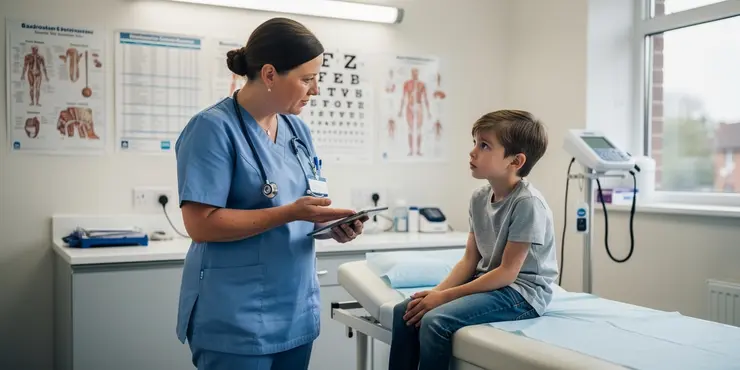
Can children get kidney stones?
Yes, children can get kidney stones, although they are less common than in adults. A kidney stone is a hard lump made from minerals and salts that can form in the kidneys or urinary tract.
In the UK, doctors are seeing kidney stones more often in children than they did in the past. This may be linked to diet, hydration, and some medical conditions.
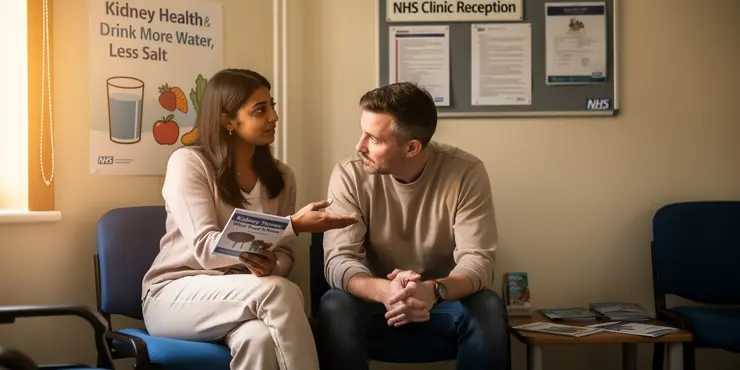
What causes kidney stones in children?
Kidney stones can happen when urine becomes too concentrated. This can allow minerals such as calcium, oxalate, or uric acid to join together and form a stone.
Children are more likely to develop stones if they do not drink enough fluids. A diet high in salt, certain inherited conditions, and some medicines can also increase the risk.
Sometimes an underlying health problem is involved, such as a urinary tract abnormality or a condition that affects how the body processes minerals. In some children, there is no clear cause.
What are the symptoms?
Symptoms can vary depending on the size and location of the stone. Some children may have severe pain, while others may not notice anything at first.
Common signs include pain in the side, back, tummy, or groin. A child may also feel sick, vomit, or have blood in their urine.
Other symptoms can include pain when passing urine, needing to urinate more often, or fever if there is an infection. Fever with pain needs urgent medical attention.
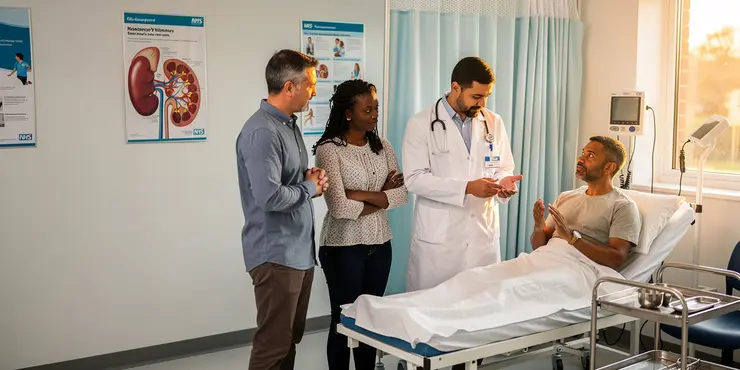
How are kidney stones diagnosed?
A GP or hospital doctor will usually ask about symptoms and examine the child. They may also ask about fluid intake, diet, family history, and any previous kidney or urinary problems.
Tests often include a urine sample and blood tests. An ultrasound scan is commonly used in children in the UK because it does not involve radiation.
In some cases, other scans may be needed to confirm the diagnosis or check for complications. The doctor may also look for the cause to help prevent stones returning.
How are they treated?
Small kidney stones may pass on their own with plenty of fluids and pain relief. The child may need to strain their urine so the stone can be checked.
Larger stones may need treatment in hospital. Options can include medicine to help the stone pass, shock wave treatment, or a small procedure to remove it.
If there is an infection, antibiotics may be needed as well. Treatment depends on the child’s age, the size of the stone, and how unwell they are.
When should you seek help?
Seek medical advice if your child has severe pain, blood in their urine, or pain when passing urine. It is also important to get help if they are vomiting, dehydrated, or unable to drink.
Call 999 or go to A&E if your child has severe pain with fever, looks very unwell, or cannot pass urine. These can be signs of a serious problem.
If you are unsure, contact your GP, NHS 111, or a local urgent care service for advice. Early assessment can help prevent complications.
Frequently Asked Questions
Can children get kidney stones?
Yes, children can get kidney stones, although they are less common than in adults.
What causes kidney stones in children?
Kidney stones in children can be caused by low fluid intake, diet, genetics, certain medical conditions, and some medicines.
Are kidney stones in kids serious?
They can be serious if they block urine flow, cause severe pain, or lead to infection, so they should be evaluated by a doctor.
What are common signs of kidney stones in children?
Common signs include belly or side pain, blood in the urine, nausea, vomiting, and painful urination.
Can a child have kidney stones without symptoms?
Yes, some children have small kidney stones with few or no symptoms and may only be found during imaging tests.
How are kidney stones diagnosed in children?
Doctors may use a physical exam, urine tests, blood tests, and imaging such as ultrasound or CT scans to diagnose kidney stones.
Do kidney stones in children always need surgery?
No, many kidney stones pass on their own with hydration and pain control, but larger stones may need procedures.
Can drinking more water help prevent kidney stones in children?
Yes, drinking enough water is one of the best ways to help prevent kidney stones in children.
Are certain foods linked to kidney stones in children?
Yes, too much salt and some high-oxalate foods may increase risk, but diet changes should be guided by a doctor.
Can dehydration cause kidney stones in children?
Yes, dehydration can make urine more concentrated and raise the risk of kidney stone formation.
Can kidney stones come back in children?
Yes, kidney stones can recur in children, especially if the underlying cause is not treated or prevented.
When should a child with possible kidney stones see a doctor?
A child should see a doctor promptly if they have severe pain, blood in the urine, vomiting, fever, or trouble urinating.
Can kidney stones cause fever in children?
Kidney stones themselves do not usually cause fever, but fever can happen if there is a urinary infection, which needs urgent care.
Are kidney stones in children linked to genetics?
Yes, a family history of kidney stones can increase a child's risk of developing them.
Can medicines help children pass kidney stones?
Yes, doctors may prescribe pain medicine and sometimes medicines to help stones pass more easily, depending on the stone size and location.
How long does it take for a child to pass a kidney stone?
It depends on the stone's size and location, and it may take days to weeks for a stone to pass.
Can kidney stones damage a child's kidneys?
If stones repeatedly block urine flow or cause infections, they can harm the kidneys, which is why treatment matters.
Can a child with kidney stones go to school?
Many children can go to school if symptoms are mild and controlled, but severe pain or illness may require staying home.
What can parents do to lower the risk of kidney stones in children?
Parents can encourage good hydration, follow medical advice on diet, and treat any underlying medical conditions.
Do all children with kidney stones need a specialist?
Not always, but children with recurrent stones, large stones, or certain risk factors may need a pediatric urologist or nephrologist.

Useful Links
This website offers general information and is not a substitute for professional advice.
Always seek guidance from qualified professionals.
If you have any medical concerns or need urgent help, contact a healthcare professional or emergency services immediately.
Some of this content was generated with AI assistance. We've done our best to keep it accurate, helpful, and human-friendly.
- Ergsy carefully checks the information in the videos we provide here.
- Videos shown by Youtube after a video has completed, have NOT been reviewed by ERGSY.
- To view, click the arrow in centre of video.
- Most of the videos you find here will have subtitles and/or closed captions available.
- You may need to turn these on, and choose your preferred language.
- Go to the video you'd like to watch.
- If closed captions (CC) are available, settings will be visible on the bottom right of the video player.
- To turn on Captions, click settings.
- To turn off Captions, click settings again.
More Items From Ergsy search
-
Can children get kidney stones?
Relevance: 100%
-
Are kidney stones a recurring condition?
Relevance: 84%
-
What are kidney stones?
Relevance: 84%
-
Who is most at risk for kidney stones?
Relevance: 84%
-
How are kidney stones diagnosed?
Relevance: 83%
-
Is surgery always required for kidney stones?
Relevance: 82%
-
What are the symptoms of kidney stones?
Relevance: 81%
-
How are kidney stones treated?
Relevance: 80%
-
Can kidney stones be prevented?
Relevance: 80%
-
What causes kidney stones?
Relevance: 80%
-
What should I do if I think I have a kidney stone?
Relevance: 74%
-
Can diet influence the formation of kidney stones?
Relevance: 73%
-
How much water should I drink to prevent kidney stones?
Relevance: 69%
-
What is lithotripsy?
Relevance: 40%
-
What causes chronic kidney disease?
Relevance: 40%
-
Having a kidney transplant
Relevance: 37%
-
What kinds of problems do urologists commonly treat?
Relevance: 36%
-
What are the common symptoms of lupus in children?
Relevance: 36%
-
What is my risk of kidney failure with CKD (chronic kidney disease) | UHL NHS Trust
Relevance: 35%
-
Living with early stage kidney disease
Relevance: 35%
-
Should I choose a urologist based on my specific condition?
Relevance: 35%
-
Patient Stories - Having a kidney transplant
Relevance: 35%
-
What is an ultrasound used for?
Relevance: 35%
-
Does Ozempic have an impact on kidney function?
Relevance: 34%
-
Matthew's Story: Kidney Transplant - Part 1
Relevance: 34%
-
Are there any complications associated with untreated BPH?
Relevance: 34%
-
Chronic kidney disease: What are the treatments?
Relevance: 33%
-
Lupus in children | NHS
Relevance: 32%
-
How is lupus diagnosed in children?
Relevance: 32%
-
Kidney transplant waiting stories – DJ Ace and Lauren | NHS Organ Donation
Relevance: 31%
-
What should I eat to help with chronic kidney disease?
Relevance: 30%
-
What is lupus in children?
Relevance: 30%
-
NHSGGC - Diet and Chronic Kidney Disease (CKD)
Relevance: 29%
-
How do I know if a urologist uses modern treatments?
Relevance: 28%
-
Are there different types of kidney stones?
Relevance: 28%
-
Are there any complications associated with Crohn's disease?
Relevance: 26%
-
What causes lupus in children?
Relevance: 26%
-
Home dialysis help for kidney patients
Relevance: 25%
-
Who are SEND children?
Relevance: 23%
-
Is Baxdrostat suitable for children?
Relevance: 23%