

Speak To An Expert
Get clear, personalised advice for your situation.
Jot down a few questions to make the most of your conversation.
More Items From Ergsy search
-

Can diet influence the formation of kidney stones?
Relevance: 100%
-

What are kidney stones?
Relevance: 98%
-

What causes kidney stones?
Relevance: 94%
-

Are kidney stones a recurring condition?
Relevance: 93%
-

Who is most at risk for kidney stones?
Relevance: 93%
-

Can kidney stones be prevented?
Relevance: 93%
-

Can children get kidney stones?
Relevance: 90%
-

How are kidney stones treated?
Relevance: 89%
-

How are kidney stones diagnosed?
Relevance: 88%
-

What are the symptoms of kidney stones?
Relevance: 86%

-

Is surgery always required for kidney stones?
Relevance: 85%
-

What should I do if I think I have a kidney stone?
Relevance: 82%
-

How much water should I drink to prevent kidney stones?
Relevance: 75%
-

NHSGGC - Diet and Chronic Kidney Disease (CKD)
Relevance: 52%
-

What causes chronic kidney disease?
Relevance: 50%
-

Having a kidney transplant
Relevance: 47%
-

Chronic kidney disease: What are the treatments?
Relevance: 44%
-

What is my risk of kidney failure with CKD (chronic kidney disease) | UHL NHS Trust
Relevance: 43%
-

What is lithotripsy?
Relevance: 43%
-

Living with early stage kidney disease
Relevance: 43%
-
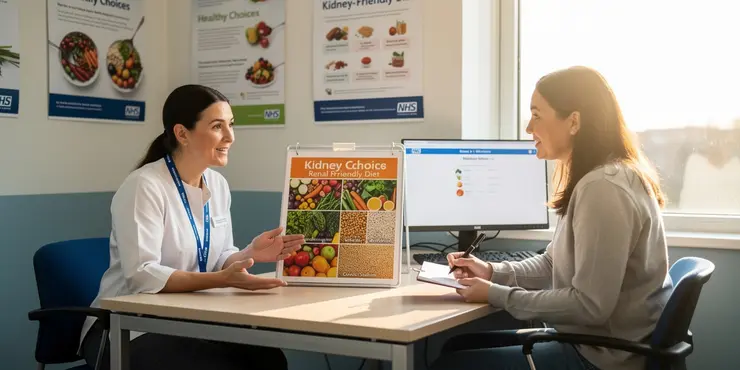
What should I eat to help with chronic kidney disease?
Relevance: 41%
-

Patient Stories - Having a kidney transplant
Relevance: 41%
-

What kinds of problems do urologists commonly treat?
Relevance: 38%
-

Matthew's Story: Kidney Transplant - Part 1
Relevance: 38%
-

Does Ozempic have an impact on kidney function?
Relevance: 36%
-

Are there any complications associated with untreated BPH?
Relevance: 36%
-

Does a vegetarian diet affect other health risks besides cancer?
Relevance: 35%
-

Should I choose a urologist based on my specific condition?
Relevance: 35%
-

Kidney transplant waiting stories – DJ Ace and Lauren | NHS Organ Donation
Relevance: 32%
-

What is an ultrasound used for?
Relevance: 32%
-

Ian Stones - Test him - Male Infertility
Relevance: 32%
-

How do I know if a urologist uses modern treatments?
Relevance: 29%
-

Are there different types of kidney stones?
Relevance: 29%
-

What is the DASH diet?
Relevance: 27%
-

How does too much salt affect my health?
Relevance: 26%
-
What is the role of diet in managing heart failure?
Relevance: 26%
-

Understanding the Benefits of the Mediterranean Diet
Relevance: 25%
-

Can a low-fat diet be unhealthy?
Relevance: 25%
-

Can diet affect psoriasis?
Relevance: 25%
-

Can diet affect tinnitus?
Relevance: 24%
Can diet affect kidney stones?
Yes, diet can play a role in the formation of kidney stones. What you eat and drink can change the balance of substances in your urine, which may make stones more or less likely to form.
Kidney stones are hard crystals that develop when certain minerals build up. The most common type is calcium oxalate, and diet can influence the amount of oxalate, calcium, salt and fluid in the body.
Foods and drinks that may increase risk
Some foods are linked with a higher risk of kidney stones, especially if you are prone to them already. These include foods high in oxalate, such as spinach, rhubarb, beetroot, nuts and some tea drinks.
Too much salt can also raise the risk. A high-salt diet may increase calcium in the urine, which can contribute to stone formation.
Eating a lot of animal protein, such as red meat, can make urine more acidic. This may increase the chance of certain types of stones developing.
Foods that may help reduce risk
Drinking enough fluids is one of the best ways to help prevent kidney stones. In the UK, water is usually the best choice, and staying well hydrated helps dilute substances in the urine.
Getting enough calcium from food may also help. Dairy foods such as milk, yoghurt and cheese can bind with oxalate in the gut, which may reduce the amount absorbed into the urine.
Fruit and vegetables can be helpful too. A balanced diet that includes these foods may support better urine chemistry and lower stone risk.
What matters most in everyday life
For many people, the main dietary focus should be on balance rather than cutting out whole food groups. Small changes, such as reducing salt and drinking more water, can make a real difference.
If you have had kidney stones before, your GP may advise a more tailored approach. This can depend on the type of stone you had and any other health conditions you live with.
When to get advice
If you think you may have kidney stones, seek medical advice, especially if you have severe pain, blood in your urine or difficulty passing urine. These symptoms should not be ignored.
A GP or dietitian can help you understand whether your diet may be affecting your risk. They can also suggest practical changes that fit your usual meals and routine.
Frequently Asked Questions
Can diet influence the formation of kidney stones?
Yes. Diet can affect the amount of substances in urine that contribute to stone formation, such as calcium, oxalate, uric acid, and sodium.
Which foods are most commonly linked to kidney stone risk?
Foods high in salt, large amounts of animal protein, and foods very high in oxalate may increase risk in some people.
Does drinking more water help prevent kidney stones?
Yes. Staying well hydrated helps dilute the urine, which lowers the chance that stones will form.
Can too much salt in the diet cause kidney stones?
High sodium intake can increase calcium in the urine, which may raise the risk of certain kidney stones.
Are dairy products bad for kidney stones?
Usually no. Normal amounts of dietary calcium from food are often helpful, while very low calcium intake may actually increase stone risk in some people.
Can a low-calcium diet prevent kidney stones?
Not usually. In many cases, getting enough calcium from food is recommended because it can bind oxalate in the gut and reduce stone risk.
Do oxalate-rich foods increase kidney stone risk?
They can, especially for people prone to calcium oxalate stones. Foods like spinach, rhubarb, beets, nuts, and chocolate are common examples.
Can eating too much animal protein cause kidney stones?
Yes. High intake of meat, poultry, and fish can increase uric acid and lower urinary citrate, which may promote stone formation.
Are citrus fruits helpful for preventing kidney stones?
Yes. Citrus fruits such as lemons and oranges contain citrate, which can help reduce stone formation in some people.
Does sugar or sugary drinks affect kidney stone risk?
Yes. High sugar intake, especially from sugary drinks, may increase the risk of stones in some people.
Can soda increase the chance of kidney stones?
Some sodas may increase risk, particularly those sweetened with sugar or containing phosphoric acid, depending on the type and overall diet.
Are vegetarian diets better for preventing kidney stones?
They can be, if well balanced. Diets that emphasize fruits, vegetables, and moderate calcium may reduce risk, but some plant foods are high in oxalate.
Can vitamin C supplements contribute to kidney stones?
High doses of vitamin C may increase oxalate production in the body and can raise stone risk in some people.
Does the type of kidney stone matter for diet recommendations?
Yes. Different stones have different causes, so dietary advice may vary for calcium oxalate, uric acid, cystine, or struvite stones.
Can magnesium in the diet help prevent stones?
Magnesium may help in some cases by binding oxalate, but its effect depends on the overall diet and stone type.
Should people with kidney stones avoid all foods containing oxalate?
No. A complete avoidance is usually unnecessary. It is often better to moderate high-oxalate foods and pair them with calcium-rich foods at meals.
Can dehydration from diet choices increase kidney stone risk?
Yes. Diets that lead to poor fluid intake or excessive fluid loss can concentrate urine and increase stone formation.
Does eating more fruits and vegetables help with kidney stones?
Often yes. Fruits and vegetables can increase citrate and improve urine balance, which may help lower risk.
Can a high-protein diet increase kidney stone formation?
Yes. High-protein diets, especially those heavy in animal protein, can change urine chemistry in ways that may promote stones.
Can diet alone prevent all kidney stones?
No. Diet can reduce risk, but genetics, medical conditions, hydration, and other factors also play important roles.

Useful Links
This website offers general information and is not a substitute for professional advice.
Always seek guidance from qualified professionals.
If you have any medical concerns or need urgent help, contact a healthcare professional or emergency services immediately.
Some of this content was generated with AI assistance. We've done our best to keep it accurate, helpful, and human-friendly.
- Ergsy carefully checks the information in the videos we provide here.
- Videos shown by Youtube after a video has completed, have NOT been reviewed by ERGSY.
- To view, click the arrow in centre of video.
- Most of the videos you find here will have subtitles and/or closed captions available.
- You may need to turn these on, and choose your preferred language.
- Go to the video you'd like to watch.
- If closed captions (CC) are available, settings will be visible on the bottom right of the video player.
- To turn on Captions, click settings.
- To turn off Captions, click settings again.
More Items From Ergsy search
-
Can diet influence the formation of kidney stones?
Relevance: 100%
-
What are kidney stones?
Relevance: 98%
-
What causes kidney stones?
Relevance: 94%
-
Are kidney stones a recurring condition?
Relevance: 93%
-
Who is most at risk for kidney stones?
Relevance: 93%
-
Can kidney stones be prevented?
Relevance: 93%
-
Can children get kidney stones?
Relevance: 90%
-
How are kidney stones treated?
Relevance: 89%
-
How are kidney stones diagnosed?
Relevance: 88%
-
What are the symptoms of kidney stones?
Relevance: 86%
-
Is surgery always required for kidney stones?
Relevance: 85%
-
What should I do if I think I have a kidney stone?
Relevance: 82%
-
How much water should I drink to prevent kidney stones?
Relevance: 75%
-
NHSGGC - Diet and Chronic Kidney Disease (CKD)
Relevance: 52%
-
What causes chronic kidney disease?
Relevance: 50%
-
Having a kidney transplant
Relevance: 47%
-
Chronic kidney disease: What are the treatments?
Relevance: 44%
-
What is my risk of kidney failure with CKD (chronic kidney disease) | UHL NHS Trust
Relevance: 43%
-
What is lithotripsy?
Relevance: 43%
-
Living with early stage kidney disease
Relevance: 43%
-
What should I eat to help with chronic kidney disease?
Relevance: 41%
-
Patient Stories - Having a kidney transplant
Relevance: 41%
-
What kinds of problems do urologists commonly treat?
Relevance: 38%
-
Matthew's Story: Kidney Transplant - Part 1
Relevance: 38%
-
Does Ozempic have an impact on kidney function?
Relevance: 36%
-
Are there any complications associated with untreated BPH?
Relevance: 36%
-
Does a vegetarian diet affect other health risks besides cancer?
Relevance: 35%
-
Should I choose a urologist based on my specific condition?
Relevance: 35%
-
Kidney transplant waiting stories – DJ Ace and Lauren | NHS Organ Donation
Relevance: 32%
-
What is an ultrasound used for?
Relevance: 32%
-
Ian Stones - Test him - Male Infertility
Relevance: 32%
-
How do I know if a urologist uses modern treatments?
Relevance: 29%
-
Are there different types of kidney stones?
Relevance: 29%
-
What is the DASH diet?
Relevance: 27%
-
How does too much salt affect my health?
Relevance: 26%
-
What is the role of diet in managing heart failure?
Relevance: 26%
-
Understanding the Benefits of the Mediterranean Diet
Relevance: 25%
-
Can a low-fat diet be unhealthy?
Relevance: 25%
-
Can diet affect psoriasis?
Relevance: 25%
-
Can diet affect tinnitus?
Relevance: 24%