

Speak To An Expert
Get clear, personalised advice for your situation.
Jot down a few questions to make the most of your conversation.
More Items From Ergsy search
-

How much water should I drink to prevent kidney stones?
Relevance: 100%
-

What causes kidney stones?
Relevance: 91%
-

Can kidney stones be prevented?
Relevance: 88%
-

What are kidney stones?
Relevance: 87%
-

Can children get kidney stones?
Relevance: 85%
-

Are kidney stones a recurring condition?
Relevance: 82%
-

How are kidney stones treated?
Relevance: 82%
-

Can diet influence the formation of kidney stones?
Relevance: 80%
-

Who is most at risk for kidney stones?
Relevance: 80%
-

What should I do if I think I have a kidney stone?
Relevance: 78%

-

Is surgery always required for kidney stones?
Relevance: 76%
-

What are the symptoms of kidney stones?
Relevance: 71%
-

How are kidney stones diagnosed?
Relevance: 71%
-
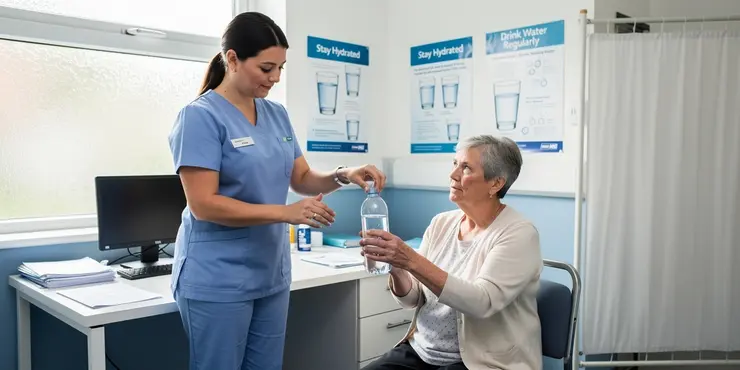
What is the best way to hydrate during hot weather?
Relevance: 55%
-

What role does hydration play when experiencing side effects from weight loss drugs?
Relevance: 52%
-

Can orange juice aid in hydration?
Relevance: 52%
-

How much water should I drink during a heatwave?
Relevance: 50%
-

Is drinking plenty of water important during menopause?
Relevance: 49%
-

How does too much salt affect my health?
Relevance: 49%
-

What should I eat to help with chronic kidney disease?
Relevance: 46%
-

NHSGGC - Diet and Chronic Kidney Disease (CKD)
Relevance: 43%
-

Living with early stage kidney disease
Relevance: 41%
-
How does dehydration affect gut health in the elderly?
Relevance: 40%
-

Can low salt intake be harmful?
Relevance: 39%
-

How to prevent dehydration | NHS
Relevance: 38%
-

Chronic kidney disease: What are the treatments?
Relevance: 37%
-

Why is it important to limit salt intake?
Relevance: 37%
-
How can I tell if I'm eating too much salt?
Relevance: 36%
-

What is lithotripsy?
Relevance: 35%
-

How can I monitor my salt intake?
Relevance: 35%
-

What causes chronic kidney disease?
Relevance: 35%
-
What is the ideal salt intake for someone with high blood pressure?
Relevance: 35%
-

What kinds of problems do urologists commonly treat?
Relevance: 34%
-

What is the recommended daily intake of salt?
Relevance: 33%
-

How can I reduce my salt intake?
Relevance: 33%
-

Having a kidney transplant
Relevance: 33%
-

Can drinking a lot of water affect pregnancy test results?
Relevance: 33%
-

Can weight loss drugs cause dehydration?
Relevance: 32%
-

How does the body process salt?
Relevance: 32%
-

What is my risk of kidney failure with CKD (chronic kidney disease) | UHL NHS Trust
Relevance: 31%
How much water helps prevent kidney stones?
Drinking enough fluid is one of the best ways to help lower your risk of kidney stones. For most adults, the aim is to produce about 2 to 2.5 litres of urine a day. That usually means drinking around 2.5 to 3 litres of fluid daily, though the exact amount can vary.
The key point is not just how much you drink, but whether your urine stays pale straw-coloured. Dark yellow urine can be a sign that you need more fluids. If you live in a hot home, exercise often, or sweat a lot, you may need even more.
Why water matters
Kidney stones can form when minerals and salts build up in concentrated urine. Drinking more water dilutes these substances, making it harder for stones to form. It can also help small stones pass more easily if they do develop.
Water is usually the best choice because it hydrates without adding sugar or salt. Sugary drinks are not ideal, and very salty diets can increase stone risk. Tea and coffee can count towards your fluid intake, but water should still make up most of what you drink.
How to spread your drinks through the day
It is better to sip fluids regularly than to drink a large amount all at once. Try to have a drink with each meal and between meals as well. Keeping a bottle nearby can make it easier to stay on track.
Many people find it helpful to drink more in the evening if they tend to pass very dark urine overnight. However, if this disturbs your sleep, aim to increase fluids earlier in the day. The goal is steady hydration, not forcing yourself to drink huge amounts at once.
When you may need more or less
Your needs may be higher if you have a history of kidney stones. Some people are advised to aim for even more fluid to keep urine very dilute. A GP or specialist may suggest a specific target based on the type of stone you have had.
You may need to be more careful if you have heart failure, kidney disease, or another condition that affects fluid balance. In these cases, drinking too much can be harmful. Always follow medical advice if you have been told to limit your fluids.
Practical ways to stay hydrated
Start the day with a glass of water and keep a bottle with you during work or travel. If you do not enjoy plain water, try adding a slice of lemon or cucumber. You can also increase fluid intake through soups, fruit, and other watery foods.
A simple check is to look at the colour of your urine during the day. Pale urine usually means you are drinking enough. If you are unsure how much is right for you, ask your GP or a dietitian for personalised advice.
Frequently Asked Questions
How much water should I drink each day to help prevent kidney stones?
A common target is enough water to produce at least 2 to 2.5 liters of urine per day, which often means drinking about 2.5 to 3 liters of fluids daily for many adults, though needs vary.
Does the amount of water I need depend on the type of kidney stone?
Yes. Different stones have different causes, but higher urine volume helps reduce the risk of most common kidney stones.
Is there a specific urine color I should aim for?
Aim for pale yellow urine. Dark yellow urine often means you need more fluids.
Can I prevent kidney stones by drinking water only when I feel thirsty?
Usually not. Thirst can mean you are already mildly dehydrated, so regular fluid intake throughout the day is better.
Should I drink more water if I live in a hot climate or exercise a lot?
Yes. Heat, sweating, and exercise increase fluid loss, so you may need more water to maintain high urine output.
Is plain water better than other drinks for preventing kidney stones?
Plain water is the best everyday choice, but other fluids can also count toward your total, as long as they do not add too much sugar or sodium.
How much water should I drink at night to prevent stones?
If you tend to make concentrated urine overnight, a glass of water before bed and another if you wake up thirsty may help, but avoid overdoing it if it disrupts sleep.
Can drinking too much water be harmful?
Yes. Excessive water intake can be dangerous and may cause low sodium levels. The goal is steady hydration, not extreme overdrinking.
Do I need to drink water even if I do not feel dehydrated?
Yes. People who are prone to stones often need to drink more than their thirst alone suggests to keep urine dilute enough.
Does coffee or tea count toward my daily fluid intake?
Yes, in moderation they can count toward fluid intake, but water should still be your main source of hydration.
Do sugary drinks help prevent kidney stones?
Sugary drinks are not ideal. They may increase stone risk in some people, so water is a better choice.
How can I tell if I am drinking enough water to prevent stones?
A practical sign is frequent urination with pale urine and, ideally, enough total urine output to stay well diluted throughout the day.
Should I measure my urine output to prevent kidney stones?
If you have recurrent stones, your clinician may recommend tracking urine volume. For many people, aiming for high fluid intake and pale urine is a simpler approach.
Do I need to drink the same amount of water every day?
Not always. You may need more on hot days, during exercise, with diarrhea, or when you are less active and still need to maintain urine volume.
Can water prevent all kidney stones?
No, but it is one of the most effective ways to lower the risk of many stones by reducing urine concentration.
What if I have kidney disease or heart failure? Can I still follow standard water advice?
Not always. If you have kidney disease, heart failure, or fluid restrictions, you should ask your clinician what amount is safe for you.
Does drinking a large amount of water all at once help prevent kidney stones?
It is better to spread fluid intake through the day and evening rather than drinking a large amount all at once.
How does water help prevent kidney stones?
Water dilutes minerals and substances in the urine, making it less likely that crystals will form and grow into stones.
If I have had a kidney stone before, should I drink more water than average?
Often yes. People with a history of stones are usually advised to increase fluid intake enough to keep urine consistently dilute.
Should I ask my doctor how much water I personally need to prevent kidney stones?
Yes. Your ideal fluid goal depends on your stone type, health conditions, activity level, and climate, so personalized advice is helpful.

Useful Links
This website offers general information and is not a substitute for professional advice.
Always seek guidance from qualified professionals.
If you have any medical concerns or need urgent help, contact a healthcare professional or emergency services immediately.
Some of this content was generated with AI assistance. We've done our best to keep it accurate, helpful, and human-friendly.
- Ergsy carefully checks the information in the videos we provide here.
- Videos shown by Youtube after a video has completed, have NOT been reviewed by ERGSY.
- To view, click the arrow in centre of video.
- Most of the videos you find here will have subtitles and/or closed captions available.
- You may need to turn these on, and choose your preferred language.
- Go to the video you'd like to watch.
- If closed captions (CC) are available, settings will be visible on the bottom right of the video player.
- To turn on Captions, click settings.
- To turn off Captions, click settings again.
More Items From Ergsy search
-
How much water should I drink to prevent kidney stones?
Relevance: 100%
-
What causes kidney stones?
Relevance: 91%
-
Can kidney stones be prevented?
Relevance: 88%
-
What are kidney stones?
Relevance: 87%
-
Can children get kidney stones?
Relevance: 85%
-
Are kidney stones a recurring condition?
Relevance: 82%
-
How are kidney stones treated?
Relevance: 82%
-
Can diet influence the formation of kidney stones?
Relevance: 80%
-
Who is most at risk for kidney stones?
Relevance: 80%
-
What should I do if I think I have a kidney stone?
Relevance: 78%
-
Is surgery always required for kidney stones?
Relevance: 76%
-
What are the symptoms of kidney stones?
Relevance: 71%
-
How are kidney stones diagnosed?
Relevance: 71%
-
What is the best way to hydrate during hot weather?
Relevance: 55%
-
What role does hydration play when experiencing side effects from weight loss drugs?
Relevance: 52%
-
Can orange juice aid in hydration?
Relevance: 52%
-
How much water should I drink during a heatwave?
Relevance: 50%
-
Is drinking plenty of water important during menopause?
Relevance: 49%
-
How does too much salt affect my health?
Relevance: 49%
-
What should I eat to help with chronic kidney disease?
Relevance: 46%
-
NHSGGC - Diet and Chronic Kidney Disease (CKD)
Relevance: 43%
-
Living with early stage kidney disease
Relevance: 41%
-
How does dehydration affect gut health in the elderly?
Relevance: 40%
-
Can low salt intake be harmful?
Relevance: 39%
-
How to prevent dehydration | NHS
Relevance: 38%
-
Chronic kidney disease: What are the treatments?
Relevance: 37%
-
Why is it important to limit salt intake?
Relevance: 37%
-
How can I tell if I'm eating too much salt?
Relevance: 36%
-
What is lithotripsy?
Relevance: 35%
-
How can I monitor my salt intake?
Relevance: 35%
-
What causes chronic kidney disease?
Relevance: 35%
-
What is the ideal salt intake for someone with high blood pressure?
Relevance: 35%
-
What kinds of problems do urologists commonly treat?
Relevance: 34%
-
What is the recommended daily intake of salt?
Relevance: 33%
-
How can I reduce my salt intake?
Relevance: 33%
-
Having a kidney transplant
Relevance: 33%
-
Can drinking a lot of water affect pregnancy test results?
Relevance: 33%
-
Can weight loss drugs cause dehydration?
Relevance: 32%
-
How does the body process salt?
Relevance: 32%
-
What is my risk of kidney failure with CKD (chronic kidney disease) | UHL NHS Trust
Relevance: 31%