

Speak To An Expert
Get clear, personalised advice for your situation.
Jot down a few questions to make the most of your conversation.
More Items From Ergsy search
-

What are kidney stones?
Relevance: 100%
-

How are kidney stones treated?
Relevance: 99%
-

Is surgery always required for kidney stones?
Relevance: 97%
-
How are kidney stones diagnosed?
Relevance: 95%
-

Are kidney stones a recurring condition?
Relevance: 95%
-
What are the symptoms of kidney stones?
Relevance: 94%
-

Can kidney stones be prevented?
Relevance: 93%
-

Can children get kidney stones?
Relevance: 93%
-
What causes kidney stones?
Relevance: 93%
-

Who is most at risk for kidney stones?
Relevance: 90%

-

What should I do if I think I have a kidney stone?
Relevance: 86%
-

Can diet influence the formation of kidney stones?
Relevance: 84%
-

How much water should I drink to prevent kidney stones?
Relevance: 79%
-

Chronic kidney disease: What are the treatments?
Relevance: 54%
-

What is lithotripsy?
Relevance: 52%
-
What causes chronic kidney disease?
Relevance: 51%
-

How do I know if a urologist uses modern treatments?
Relevance: 48%
-

What kinds of problems do urologists commonly treat?
Relevance: 45%
-
What is my risk of kidney failure with CKD (chronic kidney disease) | UHL NHS Trust
Relevance: 44%
-

Living with early stage kidney disease
Relevance: 43%
-

Having a kidney transplant
Relevance: 42%
-

Should I choose a urologist based on my specific condition?
Relevance: 42%
-

Matthew's Story: Kidney Transplant - Part 1
Relevance: 41%
-
Are there any complications associated with untreated BPH?
Relevance: 41%
-
Does Ozempic have an impact on kidney function?
Relevance: 41%
-

Patient Stories - Having a kidney transplant
Relevance: 40%
-

Kidney transplant waiting stories – DJ Ace and Lauren | NHS Organ Donation
Relevance: 36%
-

What is an ultrasound used for?
Relevance: 36%
-
What should I eat to help with chronic kidney disease?
Relevance: 34%
-

NHSGGC - Diet and Chronic Kidney Disease (CKD)
Relevance: 33%
-

Are there different types of kidney stones?
Relevance: 31%
-

Are there any complications associated with Crohn's disease?
Relevance: 30%
-
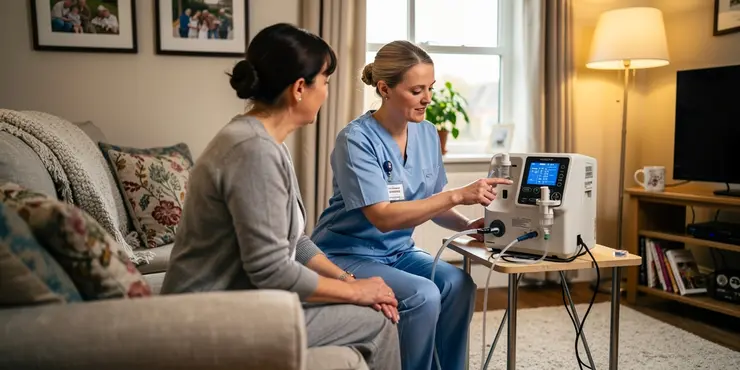
Home dialysis help for kidney patients
Relevance: 29%
-
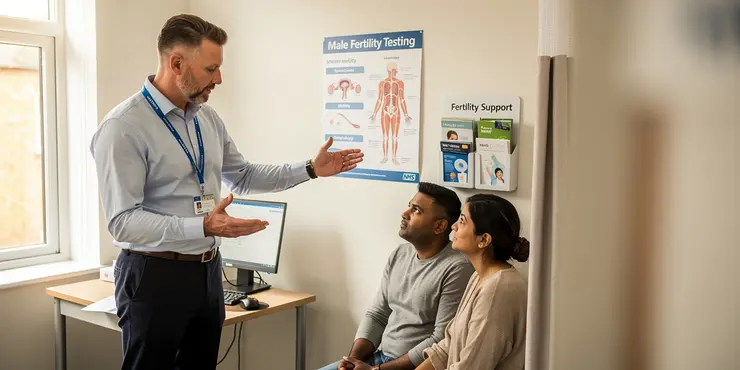
Ian Stones - Test him - Male Infertility
Relevance: 29%
-

How is appendicitis different from other causes of abdominal pain?
Relevance: 28%
-

Can BPH recur after treatment?
Relevance: 27%
-

What types of memorials are allowed in woodland burial sites?
Relevance: 26%
-
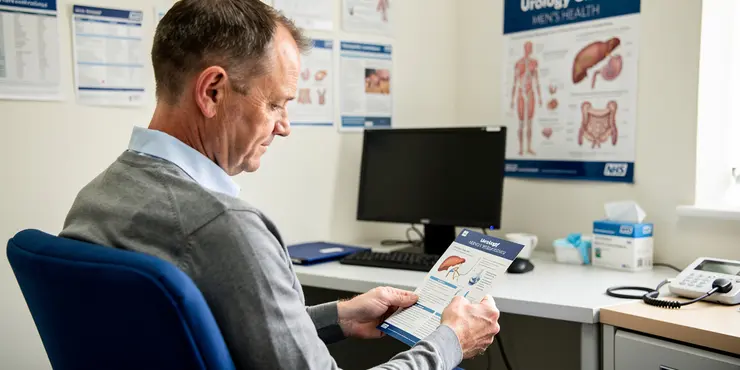
How do I choose a urologist?
Relevance: 26%
-

What qualifications should I look for in a urologist?
Relevance: 25%
-

How does too much salt affect my health?
Relevance: 25%
Initial treatment and pain relief
Treatment for kidney stones depends on their size, location, and how much pain they are causing. Small stones often pass on their own with plenty of fluids and time. Your GP or hospital team may advise you to manage symptoms while the stone moves through the urinary tract.
Pain relief is usually an important first step. In the UK, doctors often recommend anti-inflammatory medicines such as ibuprofen, if they are safe for you to take. If pain is severe, you may be given stronger pain relief and medicines to reduce nausea.
Helping the stone pass naturally
Many small kidney stones can be treated without surgery. Drinking enough fluid is important, although forcing large amounts of water does not always help and may worsen discomfort. You may also be advised to strain your urine so the stone can be collected and analysed.
Some patients are prescribed medicines to help the stone pass more easily. These are sometimes used when the stone is in the ureter, the tube between the kidney and bladder. Your clinician will decide whether this is suitable based on the stone’s size and position.
Breaking up or removing the stone
If a stone is too large to pass, causes ongoing pain, or blocks the kidney, a procedure may be needed. One common treatment is shock wave lithotripsy, which uses sound waves to break the stone into smaller pieces. These pieces can then pass out in the urine more easily.
Another option is ureteroscopy. A thin telescope is passed through the bladder and into the ureter to remove the stone or break it up with a laser. This is often done as a day case in hospital, although some people need a short stay.
More intensive treatment
Very large stones or stones causing serious blockage may need a different approach. Percutaneous nephrolithotomy involves a small cut in the back so the surgeon can remove the stone directly from the kidney. This is usually reserved for stones that are unlikely to respond to other treatments.
In emergencies, such as when a stone is causing infection and blockage, urgent treatment is needed. Doctors may place a stent or a nephrostomy tube to drain urine from the kidney. Antibiotics are also given if there is an infection.
Preventing stones from coming back
After treatment, it is important to reduce the chance of another stone forming. This may include drinking more fluids, cutting down on salt, and making changes to your diet depending on the type of stone. Some people are advised to reduce foods high in oxalate or animal protein.
If stones keep coming back, you may be offered tests to find the cause. Blood tests, urine tests, and analysis of the stone itself can help guide prevention. In some cases, medication is prescribed to lower the risk of future stones.
Frequently Asked Questions
How are kidney stones treated in general?
Treatment depends on the stone’s size, location, symptoms, and type. Small stones often pass on their own with fluids and pain control, while larger stones may need medicine, procedures, or surgery.
Can small kidney stones pass without treatment?
Yes, many small kidney stones pass naturally through the urinary tract. Drinking fluids, managing pain, and sometimes taking medication can help the stone pass.
What medicines are used to treat kidney stones?
Doctors may prescribe pain relievers, anti-nausea medicine, and sometimes alpha blockers such as tamsulosin to relax the ureter and help the stone pass more easily.
When is surgery needed for kidney stones?
Surgery or procedures are usually needed if the stone is too large to pass, causes severe pain, blocks urine flow, leads to infection, or does not move after a period of observation.
What is shock wave lithotripsy?
Shock wave lithotripsy uses focused sound waves to break kidney stones into smaller pieces that can pass in the urine more easily.
What is ureteroscopy for kidney stones?
Ureteroscopy uses a thin scope passed through the bladder and urethra to reach the stone, where it may be removed or broken up with a laser.
What is percutaneous nephrolithotomy?
Percutaneous nephrolithotomy is a minimally invasive procedure used for large or complex kidney stones. A small incision is made in the back so instruments can remove the stone directly.
How important is drinking water during kidney stone treatment?
Staying well hydrated is very important, especially for small stones that may pass on their own. Fluids help increase urine flow and can reduce the chance of new stones forming.
Do all kidney stones require hospitalization?
No, many kidney stones are treated at home or as an outpatient. Hospital care may be needed for uncontrolled pain, vomiting, dehydration, infection, or complete blockage.
How is kidney stone pain treated?
Pain is often treated with anti-inflammatory medicines or other prescription pain relievers. Heat, hydration, and rest may also help, but severe pain should be evaluated by a doctor.
What happens if a kidney stone causes an infection?
An infected, blocked kidney stone is a medical emergency. Treatment usually includes antibiotics and a procedure to relieve the blockage, such as a stent or drainage tube.
What is a ureteral stent and why is it used?
A ureteral stent is a small tube placed in the ureter to keep urine flowing around a stone or after a procedure. It helps relieve blockage and reduce swelling.
Can kidney stones be treated without breaking them up?
Sometimes yes. If the stone is small enough, doctors may recommend watchful waiting, fluids, pain relief, and medication to help it pass without a procedure.
How long does it take to treat a kidney stone?
It varies widely. Small stones may pass in days or weeks, while larger stones may require a scheduled procedure and a recovery period afterward.
Are there dietary changes during kidney stone treatment?
Yes, doctors may recommend reducing salt, adjusting animal protein intake, and changing calcium or oxalate intake depending on the stone type. Hydration is usually emphasized.
How is the type of kidney stone determined?
The stone type is often determined by analyzing a passed or removed stone and sometimes by urine and blood tests. Knowing the type helps guide treatment and prevention.
Can kidney stones come back after treatment?
Yes, kidney stones can recur, especially if the underlying cause is not addressed. Prevention may include fluids, diet changes, and sometimes medication.
What follow-up is needed after kidney stone treatment?
Follow-up may include imaging, urine tests, and sometimes blood tests to make sure the stone is gone and to check for causes of recurrence or complications.
Is treatment different for calcium stones and uric acid stones?
Yes, treatment can differ. Calcium stones may be managed with diet and certain medications, while uric acid stones may be treated with urine alkalinization and medicines that lower uric acid.
When should someone seek urgent care for a kidney stone?
Urgent care is needed for fever, chills, severe or worsening pain, inability to keep fluids down, trouble urinating, or signs of infection. These can indicate complications that need immediate treatment.

Useful Links
This website offers general information and is not a substitute for professional advice.
Always seek guidance from qualified professionals.
If you have any medical concerns or need urgent help, contact a healthcare professional or emergency services immediately.
Some of this content was generated with AI assistance. We've done our best to keep it accurate, helpful, and human-friendly.
- Ergsy carefully checks the information in the videos we provide here.
- Videos shown by Youtube after a video has completed, have NOT been reviewed by ERGSY.
- To view, click the arrow in centre of video.
- Most of the videos you find here will have subtitles and/or closed captions available.
- You may need to turn these on, and choose your preferred language.
- Go to the video you'd like to watch.
- If closed captions (CC) are available, settings will be visible on the bottom right of the video player.
- To turn on Captions, click settings.
- To turn off Captions, click settings again.
More Items From Ergsy search
-
What are kidney stones?
Relevance: 100%
-
How are kidney stones treated?
Relevance: 99%
-
Is surgery always required for kidney stones?
Relevance: 97%
-
How are kidney stones diagnosed?
Relevance: 95%
-
Are kidney stones a recurring condition?
Relevance: 95%
-
What are the symptoms of kidney stones?
Relevance: 94%
-
Can kidney stones be prevented?
Relevance: 93%
-
Can children get kidney stones?
Relevance: 93%
-
What causes kidney stones?
Relevance: 93%
-
Who is most at risk for kidney stones?
Relevance: 90%
-
What should I do if I think I have a kidney stone?
Relevance: 86%
-
Can diet influence the formation of kidney stones?
Relevance: 84%
-
How much water should I drink to prevent kidney stones?
Relevance: 79%
-
Chronic kidney disease: What are the treatments?
Relevance: 54%
-
What is lithotripsy?
Relevance: 52%
-
What causes chronic kidney disease?
Relevance: 51%
-
How do I know if a urologist uses modern treatments?
Relevance: 48%
-
What kinds of problems do urologists commonly treat?
Relevance: 45%
-
What is my risk of kidney failure with CKD (chronic kidney disease) | UHL NHS Trust
Relevance: 44%
-
Living with early stage kidney disease
Relevance: 43%
-
Having a kidney transplant
Relevance: 42%
-
Should I choose a urologist based on my specific condition?
Relevance: 42%
-
Matthew's Story: Kidney Transplant - Part 1
Relevance: 41%
-
Are there any complications associated with untreated BPH?
Relevance: 41%
-
Does Ozempic have an impact on kidney function?
Relevance: 41%
-
Patient Stories - Having a kidney transplant
Relevance: 40%
-
Kidney transplant waiting stories – DJ Ace and Lauren | NHS Organ Donation
Relevance: 36%
-
What is an ultrasound used for?
Relevance: 36%
-
What should I eat to help with chronic kidney disease?
Relevance: 34%
-
NHSGGC - Diet and Chronic Kidney Disease (CKD)
Relevance: 33%
-
Are there different types of kidney stones?
Relevance: 31%
-
Are there any complications associated with Crohn's disease?
Relevance: 30%
-
Home dialysis help for kidney patients
Relevance: 29%
-
Ian Stones - Test him - Male Infertility
Relevance: 29%
-
How is appendicitis different from other causes of abdominal pain?
Relevance: 28%
-
Can BPH recur after treatment?
Relevance: 27%
-
What types of memorials are allowed in woodland burial sites?
Relevance: 26%
-
How do I choose a urologist?
Relevance: 26%
-
What qualifications should I look for in a urologist?
Relevance: 25%
-
How does too much salt affect my health?
Relevance: 25%