

Speak To An Expert
Get clear, personalised advice for your situation.
Jot down a few questions to make the most of your conversation.
More Items From Ergsy search
-

Can I refuse to return to the same task if it feels unsafe?
Relevance: 100%
-

What are my rights regarding workplace safety as a gig worker?
Relevance: 64%
-

THE LAW IN 60 SECONDS | HEALTH AND SAFETY AT WORK
Relevance: 48%
-
Health and safety responsibilities
Relevance: 37%
-
Can a company refuse to register a share transfer?
Relevance: 33%
-
What shall I do if I have had an accident at work?
Relevance: 33%
-

What should a worker do if they suspect an industrial disease?
Relevance: 27%
-
What causes industrial diseases?
Relevance: 27%
-
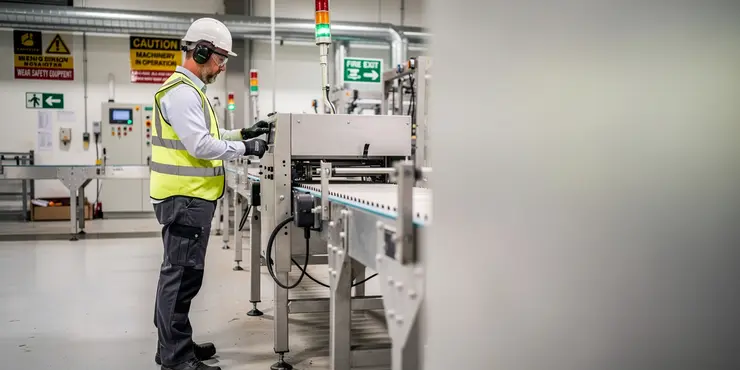
How do employers reduce the risk of industrial diseases?
Relevance: 26%
-

Is public safety a consideration in indefinite sentencing?
Relevance: 26%

-

What information should I give when reporting a workplace accident?
Relevance: 25%
-
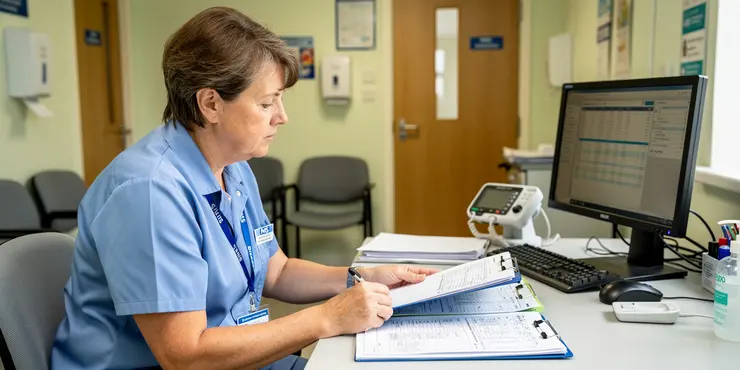
Lone Workers
Relevance: 25%
-

What if my employer asks me not to report the accident?
Relevance: 24%
-

Do I need to see a doctor after a workplace accident?
Relevance: 24%
-

Is malaria still a concern for blood transfusion safety?
Relevance: 24%
-

Can I make a claim if I am worried about retaliatory treatment?
Relevance: 24%
-

Workplace Pension UK | Pros and Cons | GET FREE MONEY FROM YOUR EMPLOYER!
Relevance: 23%
-

Are industrial diseases the same as work-related illnesses?
Relevance: 23%
-

Can loneliness affect work productivity?
Relevance: 23%
-

Should I contact the authorities if my neighbor refuses to adjust their camera?
Relevance: 23%
-

What is the most important thing to remember after an accident at work?
Relevance: 22%
-

What are my rights as a Gig Worker?
Relevance: 22%
-

What measures are taken to ensure food safety in school meals?
Relevance: 21%
-

Are new emerging pathogens a risk for blood safety?
Relevance: 21%
-
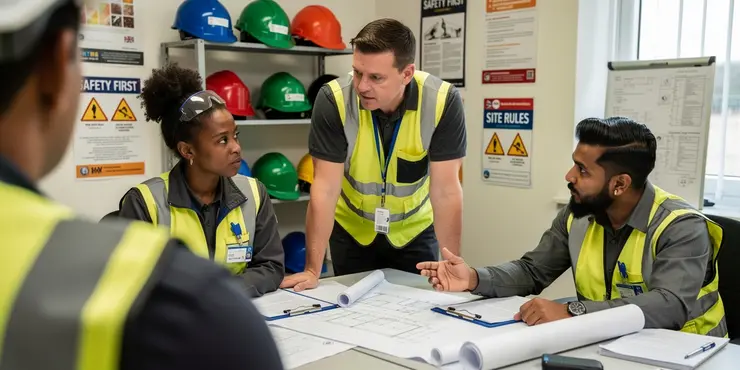
What are industrial diseases and illnesses?
Relevance: 21%
-

Should I report serious concerns to a regulator or ombudsman?
Relevance: 21%
-

Should I take photos after a workplace accident?
Relevance: 21%
-

Are industrial diseases always covered by compensation?
Relevance: 21%
-
What is the role of the Office for Product Safety and Standards in a recall?
Relevance: 21%
-

Are there any protections for employees on maternity leave during redundancy?
Relevance: 20%
-

What are some safety programs specifically for seniors?
Relevance: 20%
-

Should I tell my manager about a work accident even if it seems minor?
Relevance: 20%
-

Can my employer stop me from attending jury duty?
Relevance: 20%
-
Should I report a near miss even if no one was hurt?
Relevance: 20%
-
What are my rights if the police want to stop and search me? [Criminal law]
Relevance: 19%
-

Can the HMRC Employer Bulletin help with payroll management?
Relevance: 19%
-

What happens if an employer pays below the National Living Wage?
Relevance: 19%
-
How are product recalls managed in the UK?
Relevance: 19%
-

Do I have the right to control my working hours?
Relevance: 19%
-

Who should I speak to first after a work accident?
Relevance: 19%
Can you refuse an unsafe task?
Yes, in the UK you may be able to refuse to carry out work if you believe it puts your health and safety at serious risk. This can include returning to the same task if the danger has not been fixed. The key issue is whether your concern is reasonable and based on real safety risks.
Health and safety law protects workers from being forced to work in unsafe conditions. Employers must provide a safe workplace, safe systems of work, and proper training. If those duties are not being met, you should raise the issue as soon as possible.
What should you do first?
Before refusing, tell your manager, supervisor, or health and safety representative why you feel unsafe. Explain what the hazard is and how it could affect you. If possible, ask for the task to be stopped, changed, or made safe.
It is also sensible to record what happened. Make a note of the date, time, task, and the specific safety concern. If there were witnesses or photos, keep those as well.
When is refusal more likely to be protected?
A refusal is more likely to be supported if there is a clear and immediate risk, such as faulty equipment, exposure to dangerous substances, lack of protective gear, or a violent situation. The danger should be more than a general dislike of the work. It should be something a reasonable person would see as unsafe.
If the same task is still unsafe because nothing has been fixed, you may be justified in refusing to do it again. The employer should investigate and reduce the risk before asking you to return. If they have not taken proper action, you may have stronger grounds to stand your ground.
Could you be disciplined?
Employers should not punish you for raising a genuine health and safety concern. If you refuse work because you believe there is serious danger, and your belief is reasonable, the law may protect you from unfair treatment. This is especially important where you acted in good faith.
That said, refusing work without a valid safety reason can lead to disciplinary action. Try to stay calm, explain your concerns clearly, and follow your workplace reporting process. If the issue continues, contact your union, HR team, or seek legal advice.
Get help if you are unsure
If you are not sure whether the task is unsafe enough to refuse, speak to a union representative or Health and Safety Executive guidance. Your employer should also have a policy for reporting hazards and stopping unsafe work. Use those channels as early as possible.
If you feel pressured to continue despite a serious risk, get support quickly. In some cases, the safest step is to stop the task until the hazard is dealt with. Your safety should come first.
Frequently Asked Questions
Can I refuse to return to the same task if it feels unsafe?
Yes. If you reasonably believe a task is unsafe, you can stop and report the hazard to your supervisor or safety contact before resuming.
What should I do first if a task feels unsafe?
Stop work if needed, move to a safe area, and notify your supervisor, manager, or health and safety representative right away.
Do I need proof that the task is unsafe before refusing?
No. You should report your concern based on what you observed or experienced; the employer should assess the risk.
Can my employer force me to continue if I say the task is unsafe?
They should not force you to continue without addressing the hazard and completing an appropriate risk assessment.
Will I be punished for refusing an unsafe task?
You should not be disciplined for raising a genuine safety concern in good faith, though local laws and company policies may apply.
What if the task is unsafe only because I do not feel trained enough?
That is still important. Tell your supervisor you need more training, supervision, or clarification before continuing.
Can I ask for a different task instead?
Yes. You can request reassignment while the unsafe condition is reviewed and corrected.
What if the hazard is temporary, like a spill or broken equipment?
Refuse the task until the hazard is cleaned up or repaired and the area is safe to work in again.
Should I report near misses even if no one was hurt?
Yes. Near misses can reveal serious hazards and help prevent future injuries.
What if my coworker says it is safe but I still feel unsafe?
Trust your own judgment and report your concern. Safety decisions should be based on the actual risk, not peer pressure.
Can I refuse to return to a task because the equipment looks defective?
Yes. If equipment appears damaged, malfunctioning, or not maintained, stop and report it before using it again.
What if the job is unsafe because of weather or environmental conditions?
You may refuse or pause the task if conditions like heat, ice, wind, lightning, or poor visibility create an unreasonable risk.
How should I explain why I am refusing the task?
State the specific hazard, the risk it creates, and what part of the task feels unsafe so it can be assessed properly.
Do I need to keep working until someone comes to check the hazard?
Not if staying would put you at risk. Move to a safe location and wait for instructions after reporting the issue.
Can I refuse if the task feels unsafe because I am too tired or stressed?
Yes, fatigue and stress can affect safety. Report it if you believe it creates a real risk of injury or error.
What if the unsafe condition affects only one part of the task?
You can refuse the unsafe part and ask for the hazard to be removed or for the work to be modified safely.
Should I document the unsafe task report?
Yes. Keep notes about the date, task, hazard, who you told, and any response in case you need it later.
Can I refuse again if the same task is assigned later and nothing changed?
Yes. If the hazard remains unresolved, you can raise the concern again and ask for a fresh safety review.
What if I am not sure whether the task is truly unsafe?
If in doubt, speak up. Ask for a risk assessment, clarification, or additional controls before proceeding.
Where can I get help if my employer does not take my concern seriously?
Contact your safety representative, human resources, union, or the relevant labor or occupational safety authority in your area.

Useful Linksxxx
This website offers general information and is not a substitute for professional advice.
Always seek guidance from qualified professionals.
If you have any medical concerns or need urgent help, contact a healthcare professional or emergency services immediately.
Some of this content was generated with AI assistance. We've done our best to keep it accurate, helpful, and human-friendly.
- Ergsy carefully checks the information in the videos we provide here.
- Videos shown by Youtube after a video has completed, have NOT been reviewed by ERGSY.
- To view, click the arrow in centre of video.
- Most of the videos you find here will have subtitles and/or closed captions available.
- You may need to turn these on, and choose your preferred language.
- Go to the video you'd like to watch.
- If closed captions (CC) are available, settings will be visible on the bottom right of the video player.
- To turn on Captions, click settings.
- To turn off Captions, click settings again.
More Items From Ergsy search
-
Can I refuse to return to the same task if it feels unsafe?
Relevance: 100%
-
What are my rights regarding workplace safety as a gig worker?
Relevance: 64%
-
THE LAW IN 60 SECONDS | HEALTH AND SAFETY AT WORK
Relevance: 48%
-
Health and safety responsibilities
Relevance: 37%
-
Can a company refuse to register a share transfer?
Relevance: 33%
-
What shall I do if I have had an accident at work?
Relevance: 33%
-
What should a worker do if they suspect an industrial disease?
Relevance: 27%
-
What causes industrial diseases?
Relevance: 27%
-
How do employers reduce the risk of industrial diseases?
Relevance: 26%
-
Is public safety a consideration in indefinite sentencing?
Relevance: 26%
-
What information should I give when reporting a workplace accident?
Relevance: 25%
-
Lone Workers
Relevance: 25%
-
What if my employer asks me not to report the accident?
Relevance: 24%
-
Do I need to see a doctor after a workplace accident?
Relevance: 24%
-
Is malaria still a concern for blood transfusion safety?
Relevance: 24%
-
Can I make a claim if I am worried about retaliatory treatment?
Relevance: 24%
-
Workplace Pension UK | Pros and Cons | GET FREE MONEY FROM YOUR EMPLOYER!
Relevance: 23%
-
Are industrial diseases the same as work-related illnesses?
Relevance: 23%
-
Can loneliness affect work productivity?
Relevance: 23%
-
Should I contact the authorities if my neighbor refuses to adjust their camera?
Relevance: 23%
-
What is the most important thing to remember after an accident at work?
Relevance: 22%
-
What are my rights as a Gig Worker?
Relevance: 22%
-
What measures are taken to ensure food safety in school meals?
Relevance: 21%
-
Are new emerging pathogens a risk for blood safety?
Relevance: 21%
-
What are industrial diseases and illnesses?
Relevance: 21%
-
Should I report serious concerns to a regulator or ombudsman?
Relevance: 21%
-
Should I take photos after a workplace accident?
Relevance: 21%
-
Are industrial diseases always covered by compensation?
Relevance: 21%
-
What is the role of the Office for Product Safety and Standards in a recall?
Relevance: 21%
-
Are there any protections for employees on maternity leave during redundancy?
Relevance: 20%
-
What are some safety programs specifically for seniors?
Relevance: 20%
-
Should I tell my manager about a work accident even if it seems minor?
Relevance: 20%
-
Can my employer stop me from attending jury duty?
Relevance: 20%
-
Should I report a near miss even if no one was hurt?
Relevance: 20%
-
What are my rights if the police want to stop and search me? [Criminal law]
Relevance: 19%
-
Can the HMRC Employer Bulletin help with payroll management?
Relevance: 19%
-
What happens if an employer pays below the National Living Wage?
Relevance: 19%
-
How are product recalls managed in the UK?
Relevance: 19%
-
Do I have the right to control my working hours?
Relevance: 19%
-
Who should I speak to first after a work accident?
Relevance: 19%