

Find Help
More Items From Ergsy search
-
Are there any AI-based tools available for lung cancer risk assessment?
Relevance: 100%
-
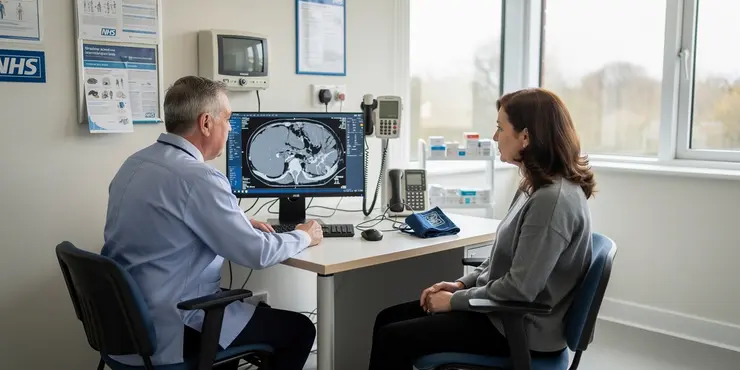
How are AI and Robots used to detect lung cancer?
Relevance: 45%
-
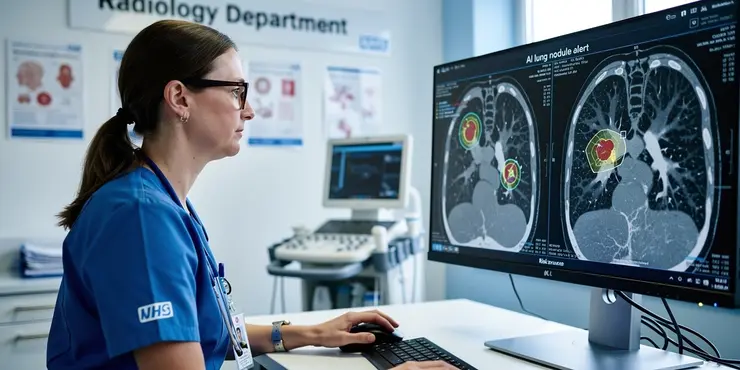
What role does AI play in lung cancer detection?
Relevance: 42%
-
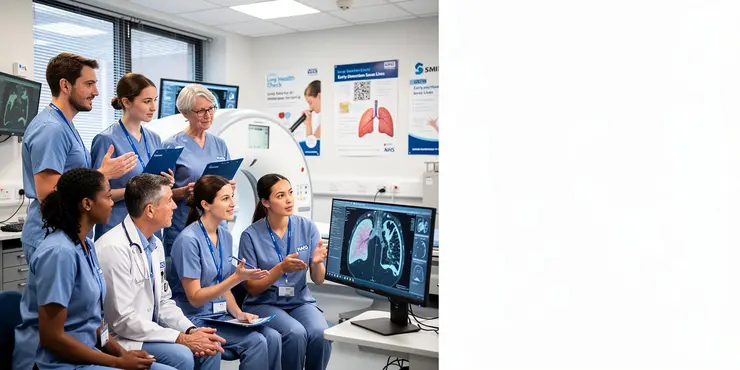
Can AI systems reduce the rate of false positives in lung cancer screening?
Relevance: 39%
-

How can AI improve patient outcomes in lung cancer?
Relevance: 39%
-

Air Pollution and Lung Cancer
Relevance: 38%
-
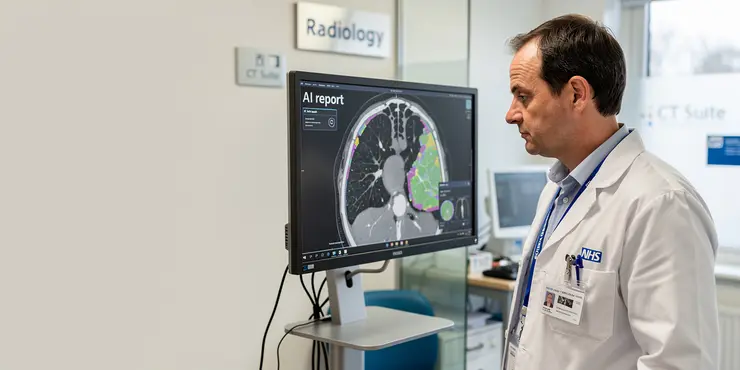
What is the future of AI and robotics in lung cancer detection and treatment?
Relevance: 37%
-

What is a low-dose CT scan for lung cancer?
Relevance: 37%
-
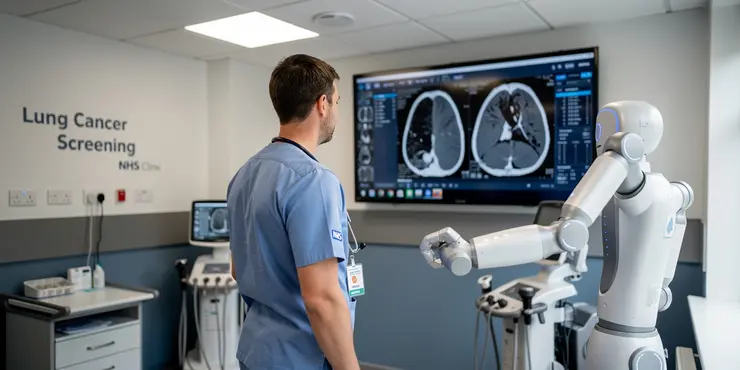
Can robots perform lung cancer screenings?
Relevance: 37%
-
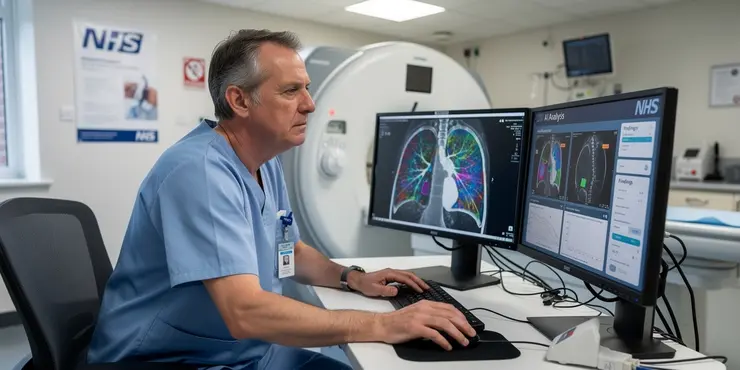
What is the advantage of using AI for lung cancer detection?
Relevance: 36%

-
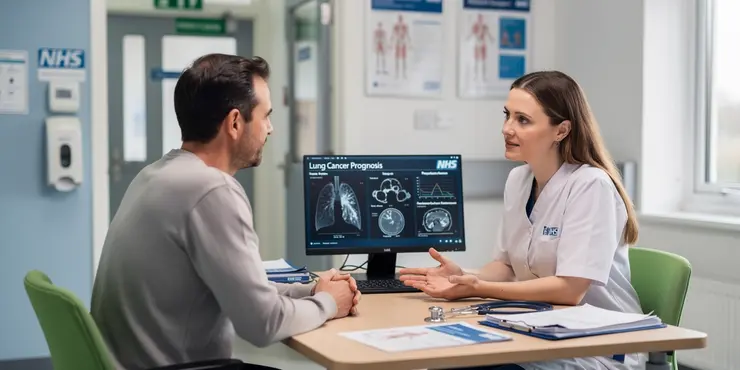
Can AI predict lung cancer survival rates?
Relevance: 36%
-
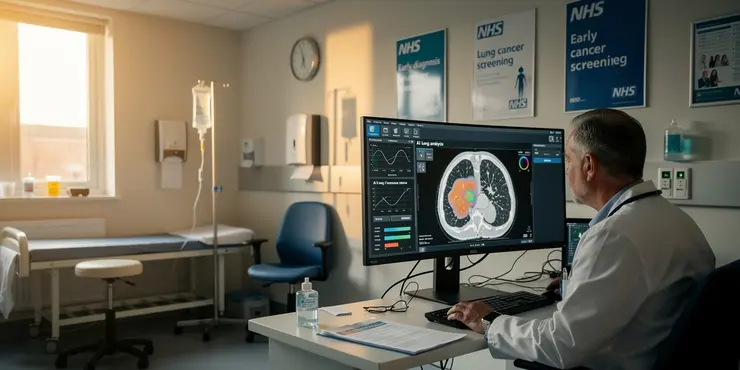
Which types of imaging data are analyzed by AI for lung cancer detection?
Relevance: 35%
-
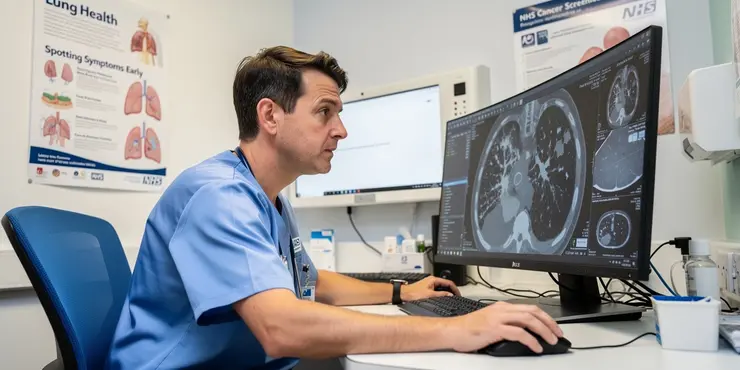
How do AI algorithms detect lung cancer in scans?
Relevance: 35%
-
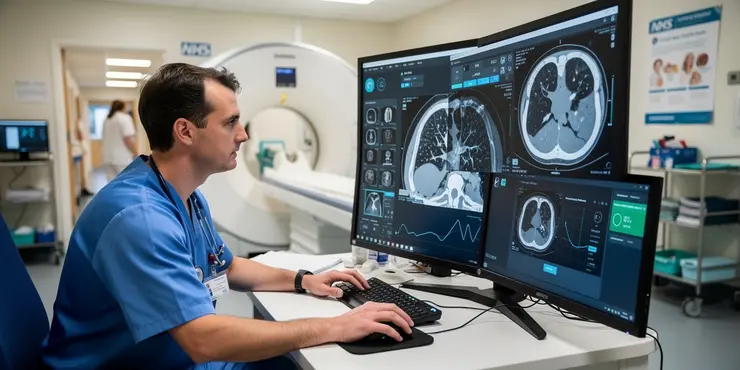
Have AI systems for lung cancer detection been clinically validated?
Relevance: 35%
-
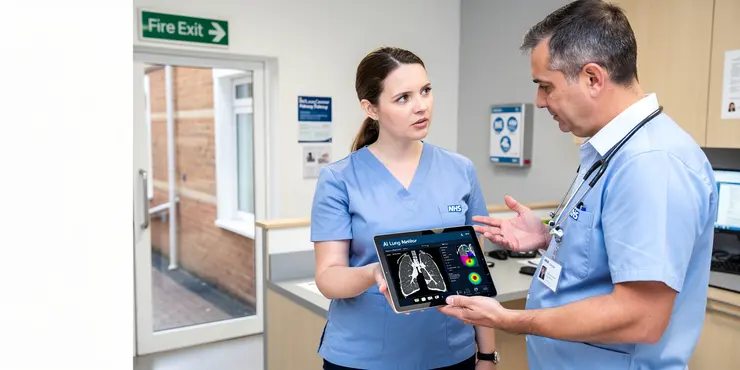
Can AI help in monitoring lung cancer progression?
Relevance: 35%
-

Are AI systems used alone in lung cancer diagnosis or alongside human radiologists?
Relevance: 34%
-
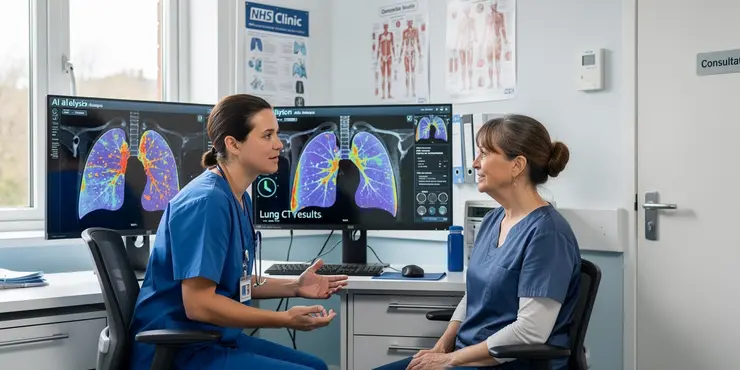
Is AI technology in lung cancer detection widely accepted by hospitals?
Relevance: 34%
-
What challenges remain in using AI for lung cancer detection?
Relevance: 33%
-
Do AI models for lung cancer require a lot of data to train?
Relevance: 33%
-
How does AI impact the cost of lung cancer detection?
Relevance: 32%
-
How do AI-assisted robotic systems enhance lung cancer surgeries?
Relevance: 32%
-
Are there ethical considerations in using AI for lung cancer detection?
Relevance: 30%
-

Is genetic screening available for cancer risk?
Relevance: 28%
-

Am I more at risk of prostate cancer?
Relevance: 27%
-

Are there any risk factors that increase the need for cancer screening?
Relevance: 26%
-

What kinds of cancer screening are available?
Relevance: 25%
-

What are the stages of testicular cancer?
Relevance: 24%
-

What is cancer screening?
Relevance: 23%
-

How does family history affect the risk of bowel cancer?
Relevance: 23%
-

Who is at risk for testicular cancer?
Relevance: 23%
-

What are the risk factors for bowel cancer?
Relevance: 23%
-

Bernard's Story - Lung Transplant
Relevance: 22%
-

Does BPH increase the risk of prostate cancer?
Relevance: 22%
-
Are there risks associated with home colorectal cancer tests?
Relevance: 22%
-

How common is bowel cancer?
Relevance: 21%
-
How is the stage of bowel cancer determined?
Relevance: 21%
-
What factors increase my risk of colorectal cancer?
Relevance: 21%
-

Can bowel cancer spread to other parts of the body?
Relevance: 21%
-

How does aspirin work to reduce cancer risk?
Relevance: 21%
-

Can lifestyle changes help reduce bowel cancer risk?
Relevance: 21%
Introduction to AI in Healthcare
The advent of artificial intelligence (AI) in healthcare has opened numerous possibilities for improving patient outcomes. Various AI-based tools are being developed to help assess risks, diagnose conditions, and tailor treatments.
A significant area where AI is making strides is in lung cancer risk assessment. This development is crucial given lung cancer's status as a leading cause of cancer-related deaths worldwide.
AI Tools for Lung Cancer Risk Assessment
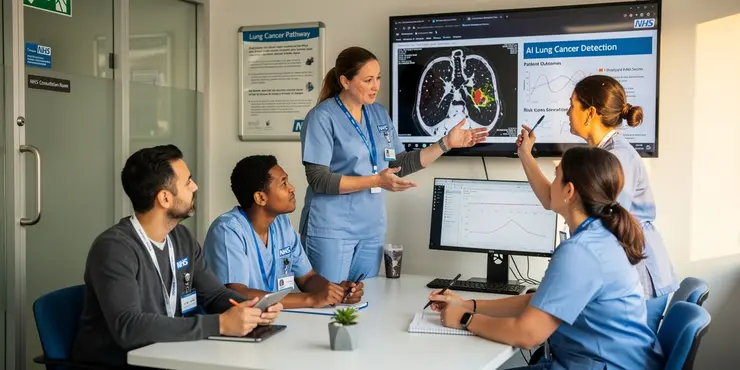
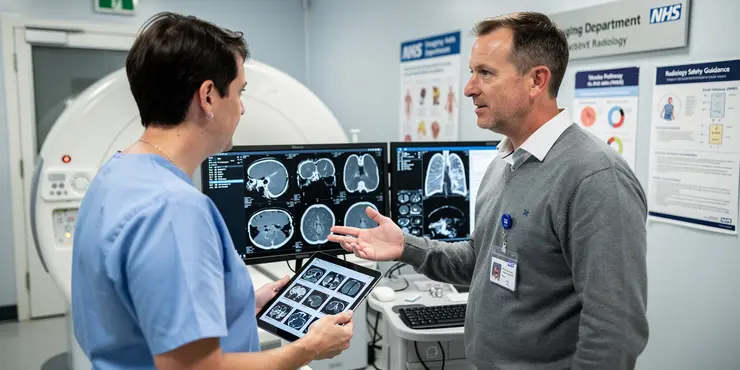
AI-based systems are designed to analyse medical data such as imaging scans and patient history. These tools can predict the likelihood of developing lung cancer and assist in early detection.
For instance, some AI algorithms focus on detecting nodules in lung scans. These nodules are then assessed to determine malignancy probability, allowing for targeted interventions.
Benefits of AI in Lung Cancer Assessment
AI tools enhance the precision of lung cancer risk assessments. By using vast datasets, they can draw insights that may not be immediately apparent to human clinicians.
Additionally, these tools can help in reducing the time taken to diagnose by quickly analysing imaging data. Early detection plays a crucial role in improving survival rates for lung cancer patients.
Current AI Tools Available in the UK
Various AI-based tools for lung cancer risk assessment are becoming available in the UK. Research institutions and healthcare providers are also collaborating to develop bespoke solutions.
One example is the integration of AI algorithms into NHS systems to support radiologists and other healthcare professionals in assessing lung cancer risks.
Challenges and Considerations
Despite the benefits, the adoption of AI in lung cancer risk assessment comes with challenges. These include ensuring the accuracy and reliability of AI models.
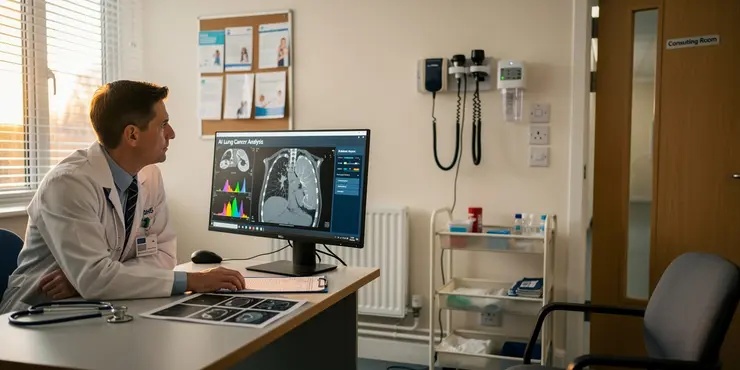
Ethical considerations regarding patient data privacy and ensuring equitable access to these technologies are also critical. It is important that these tools are continuously validated and updated with diverse data sets.
The Future of AI in Lung Cancer Risk Assessment
AI holds significant potential to transform lung cancer risk assessment in the UK and globally. Ongoing advancements in AI and machine learning could lead to even more accurate and efficient tools.
As AI technology evolves, it is expected to become a standard component of lung cancer risk assessment, aiding in early detection and personalized patient care.
Frequently Asked Questions
What is an AI-based tool for lung cancer risk assessment?
An AI-based tool for lung cancer risk assessment uses machine learning algorithms to evaluate a patient's risk of developing lung cancer based on various factors such as medical history, imaging, and genetic data.
Are there any AI tools specifically designed for lung cancer screening?
Yes, there are AI tools designed to assist in lung cancer screening by analyzing CT scans and providing risk assessments to identify patients who may benefit from further testing.
How do AI-based tools improve lung cancer risk assessment?
AI-based tools can improve accuracy and efficiency in lung cancer risk assessment by analyzing large datasets and identifying patterns that may not be apparent to human analysts.
Can AI tools predict the likelihood of developing lung cancer?
Yes, some AI tools are designed to predict an individual's likelihood of developing lung cancer based on historical data and risk factor analysis.
How accurate are AI-based lung cancer risk assessment tools?
The accuracy of AI-based tools varies but many studies suggest that they can be as accurate, or even more accurate, than traditional methods when used appropriately.
Do AI tools for lung cancer risk assessment require any special equipment?
Many AI tools require digital access to medical imaging such as CT scans and potentially other health records, but do not necessarily require special physical equipment beyond standard medical imaging technologies.
Are AI-based lung cancer risk tools widely used in hospitals?
AI-based lung cancer risk assessment tools are increasingly being adopted in hospitals, particularly large centers that have access to the necessary technological infrastructure.
What are the benefits of using AI in lung cancer risk assessment?
Benefits include increased accuracy, early detection, personalized risk assessment, and the ability to process and analyze large amounts of data efficiently.
Are there any approved AI tools for lung cancer risk assessment?
Yes, some AI tools have been approved for clinical use by health authorities such as the FDA, although the specific tools approved can vary by region.
How does AI compare to traditional methods in lung cancer screening?
AI has shown potential to improve accuracy and reduce false positives compared to traditional methods, often working best as a complementary tool to human expertise.
Can AI tools for lung cancer detect cancer at an early stage?
Yes, AI tools are designed to help detect lung cancer at an early stage by analyzing imaging data and identifying patterns indicative of early disease.
What kind of data do AI-based lung cancer risk tools use?
These tools primarily use imaging data from CT scans, as well as clinical data such as patient history, lifestyle factors, and potentially genetic information.
Are AI-based tools for lung cancer risk assessment suitable for all patients?
AI tools can be beneficial for many patients but may be best used as part of a comprehensive evaluation that includes expert clinical judgment.
What is the role of machine learning in lung cancer risk assessment?
Machine learning algorithms are used to analyze and interpret complex datasets, identifying patterns and correlations that can inform risk assessments.
How do AI tools integrate with existing healthcare systems?
AI tools can be integrated with electronic health records and imaging systems, providing results directly to healthcare providers for consideration alongside other data.
Can AI-based lung cancer risk tools help reduce healthcare costs?
By potentially improving the accuracy and efficiency of screening processes, AI tools could help reduce unnecessary procedures and costs associated with late-stage cancer treatment.
Who develops AI tools for lung cancer risk assessment?
AI tools are developed by technology companies, research institutions, and sometimes collaborations between healthcare providers and tech developers.
What are the limitations of AI-based lung cancer risk assessment tools?
Limitations may include reliance on high-quality data, potential biases in the algorithms, and the need for integration into clinical workflows.
What training is required to use AI tools for lung cancer assessment?
Healthcare providers typically need training on how to interpret and use the outputs from AI tools within the context of clinical practice.
How can patients access AI-based lung cancer risk assessment tools?
Patients can access these tools through healthcare providers who have integrated AI solutions into their diagnostic and screening processes.

Useful Links
This website offers general information and is not a substitute for professional advice.
Always seek guidance from qualified professionals.
If you have any medical concerns or need urgent help, contact a healthcare professional or emergency services immediately.
Some of this content was generated with AI assistance. We’ve done our best to keep it accurate, helpful, and human-friendly.
- Ergsy carfully checks the information in the videos we provide here.
- Videos shown by Youtube after a video has completed, have NOT been reviewed by ERGSY.
- To view, click the arrow in centre of video.
- Most of the videos you find here will have subtitles and/or closed captions available.
- You may need to turn these on, and choose your preferred language.
- Go to the video you'd like to watch.
- If closed captions (CC) are available, settings will be visible on the bottom right of the video player.
- To turn on Captions, click settings .
- To turn off Captions, click settings again.
More Items From Ergsy search
-
Are there any AI-based tools available for lung cancer risk assessment?
Relevance: 100%
-
How are AI and Robots used to detect lung cancer?
Relevance: 45%
-
What role does AI play in lung cancer detection?
Relevance: 42%
-
Can AI systems reduce the rate of false positives in lung cancer screening?
Relevance: 39%
-
How can AI improve patient outcomes in lung cancer?
Relevance: 39%
-
Air Pollution and Lung Cancer
Relevance: 38%
-
What is the future of AI and robotics in lung cancer detection and treatment?
Relevance: 37%
-
What is a low-dose CT scan for lung cancer?
Relevance: 37%
-
Can robots perform lung cancer screenings?
Relevance: 37%
-
What is the advantage of using AI for lung cancer detection?
Relevance: 36%
-
Can AI predict lung cancer survival rates?
Relevance: 36%
-
Which types of imaging data are analyzed by AI for lung cancer detection?
Relevance: 35%
-
How do AI algorithms detect lung cancer in scans?
Relevance: 35%
-
Have AI systems for lung cancer detection been clinically validated?
Relevance: 35%
-
Can AI help in monitoring lung cancer progression?
Relevance: 35%
-
Are AI systems used alone in lung cancer diagnosis or alongside human radiologists?
Relevance: 34%
-
Is AI technology in lung cancer detection widely accepted by hospitals?
Relevance: 34%
-
What challenges remain in using AI for lung cancer detection?
Relevance: 33%
-
Do AI models for lung cancer require a lot of data to train?
Relevance: 33%
-
How does AI impact the cost of lung cancer detection?
Relevance: 32%
-
How do AI-assisted robotic systems enhance lung cancer surgeries?
Relevance: 32%
-
Are there ethical considerations in using AI for lung cancer detection?
Relevance: 30%
-
Is genetic screening available for cancer risk?
Relevance: 28%
-
Am I more at risk of prostate cancer?
Relevance: 27%
-
Are there any risk factors that increase the need for cancer screening?
Relevance: 26%
-
What kinds of cancer screening are available?
Relevance: 25%
-
What are the stages of testicular cancer?
Relevance: 24%
-
What is cancer screening?
Relevance: 23%
-
How does family history affect the risk of bowel cancer?
Relevance: 23%
-
Who is at risk for testicular cancer?
Relevance: 23%
-
What are the risk factors for bowel cancer?
Relevance: 23%
-
Bernard's Story - Lung Transplant
Relevance: 22%
-
Does BPH increase the risk of prostate cancer?
Relevance: 22%
-
Are there risks associated with home colorectal cancer tests?
Relevance: 22%
-
How common is bowel cancer?
Relevance: 21%
-
How is the stage of bowel cancer determined?
Relevance: 21%
-
What factors increase my risk of colorectal cancer?
Relevance: 21%
-
Can bowel cancer spread to other parts of the body?
Relevance: 21%
-
How does aspirin work to reduce cancer risk?
Relevance: 21%
-
Can lifestyle changes help reduce bowel cancer risk?
Relevance: 21%