

Speak To An Expert
Get clear, personalised advice for your situation.
Jot down a few questions to make the most of your conversation.
More Items From Ergsy search
-

What are the risks of prostate screening?
Relevance: 100%
-

What is prostate screening?
Relevance: 91%
-

Can I walk into a clinic for prostate screening?
Relevance: 86%
-

How do I apply for prostate screening?
Relevance: 85%
-
Who should consider prostate screening?
Relevance: 85%
-
Are there alternatives to traditional prostate screening?
Relevance: 85%
-

How do I schedule a prostate screening appointment?
Relevance: 82%
-

Am I more at risk of prostate cancer?
Relevance: 80%
-

Where can I find a prostate screening clinic near me?
Relevance: 79%
-
Are there any preparation steps for prostate screening?
Relevance: 78%

-

What happens if my prostate screening is abnormal?
Relevance: 75%
-

What lifestyle changes can help lower my risk of prostate cancer?
Relevance: 70%
-
Prostate cancer symptoms - detecting them early
Relevance: 67%
-
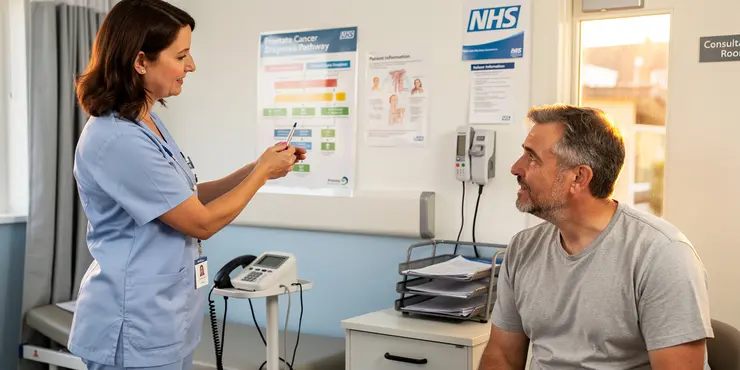
Prostate cancer diagnosis and tests
Relevance: 66%
-
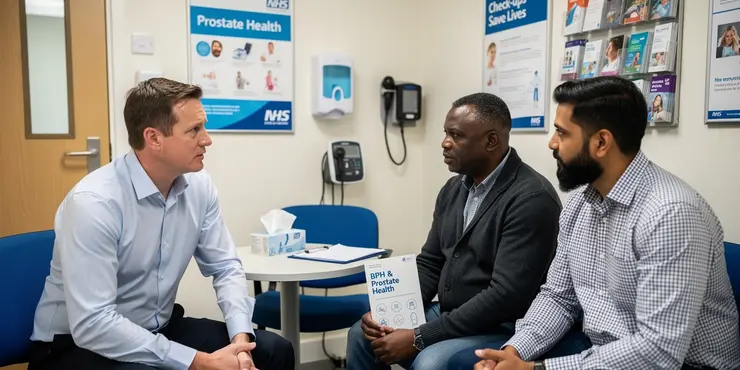
Does BPH increase the risk of prostate cancer?
Relevance: 65%
-

Are there any risk factors that increase the need for cancer screening?
Relevance: 61%
-

Is genetic screening available for cancer risk?
Relevance: 61%
-

Can I access prostate cancer information online through the NHS?
Relevance: 58%
-
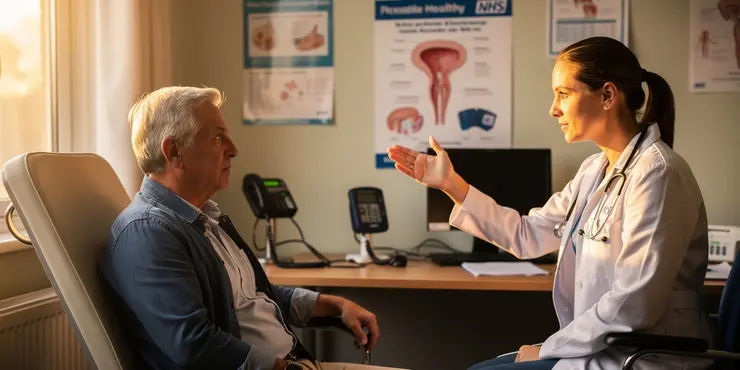
What is Prostate Cancer?
Relevance: 56%
-

Prostate Specific Antigen (PSA) test
Relevance: 55%
-

Who is at risk for developing BPH?
Relevance: 55%
-

What are PSA levels? - Prostate Cancer
Relevance: 55%
-
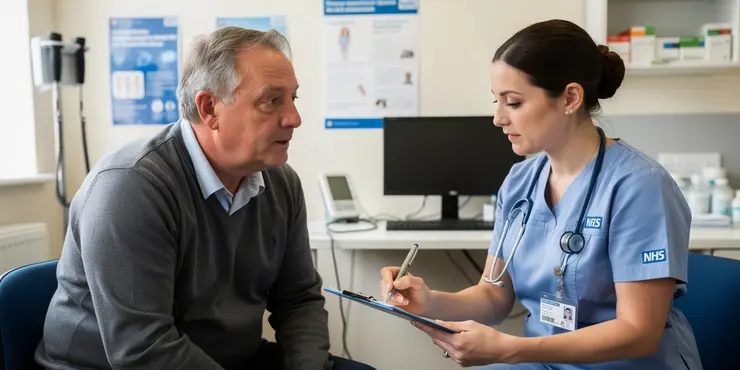
Why do men get prostate cancer?
Relevance: 54%
-

What kinds of cancer screening are available?
Relevance: 54%
-

Prostate Surgery
Relevance: 53%
-
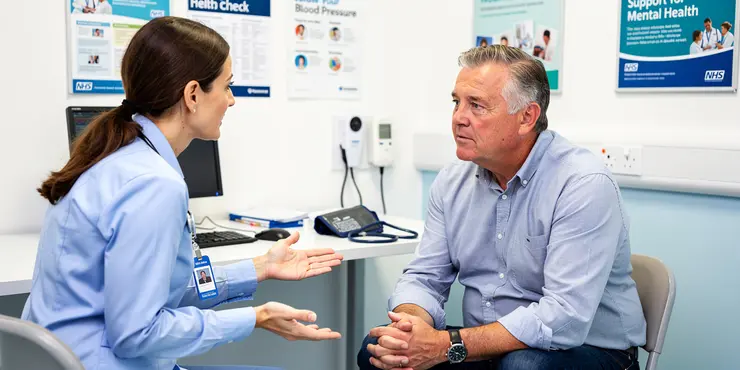
Living with prostate cancer
Relevance: 52%
-

Is BPH the same as prostate cancer?
Relevance: 52%
-

Are there specific vegetables that are more effective against prostate cancer?
Relevance: 52%
-

How often should screening be conducted if my child is at risk?
Relevance: 51%
-

What is cancer screening?
Relevance: 51%
-

Where can I find online resources for prostate cancer treatments on the NHS?
Relevance: 51%
-

Treating prostate cancer
Relevance: 51%
-
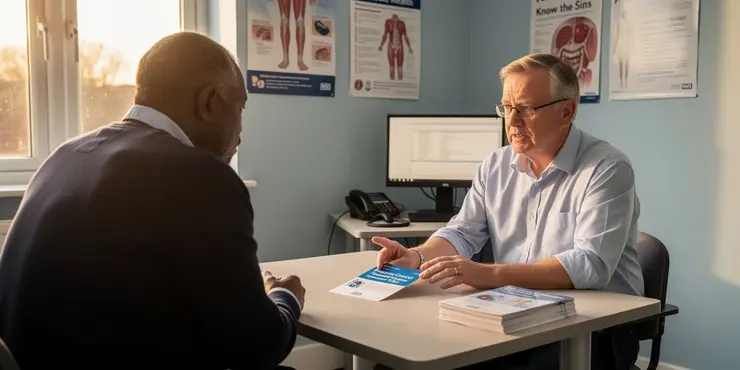
Are there clinical trials available for prostate cancer treatment?
Relevance: 50%
-
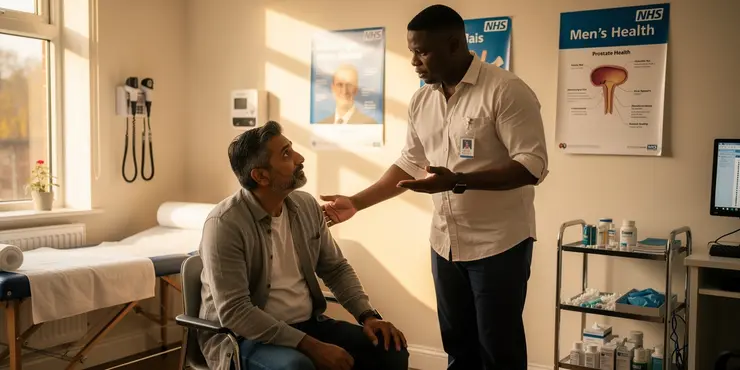
What is the prostate gland's role in the body?
Relevance: 49%
-
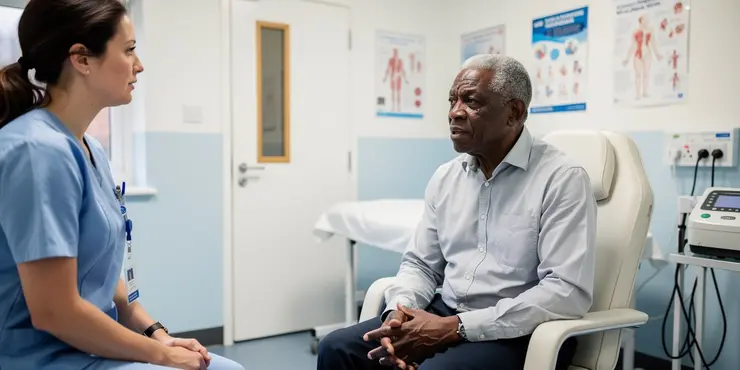
what is benign prostate hyperplasia (non-cancerous)?
Relevance: 48%
-

Ask for a prostate specific antigen (PSA) test along with your annual cholesterol check.
Relevance: 48%
-

How does surgery treat prostate cancer?
Relevance: 47%
-
What type of research supports the role of diet in prostate cancer management?
Relevance: 47%
-

Is there a recommended amount of vegetables to consume for prostate health?
Relevance: 47%
-

Can prostate cancer recur after treatment?
Relevance: 47%
Introduction to Prostate Screening
Prostate screening often involves the prostate-specific antigen (PSA) test. This test measures the level of PSA in the blood. It aims to detect prostate cancer early.
Prostate cancer screening is a routine part of healthcare for men over 50. However, it is important to weigh the potential risks against the benefits.
False Positives and Overdiagnosis
One major risk of prostate screening is the possibility of false positives. Elevated PSA levels do not always indicate cancer. This can lead to unnecessary stress and further testing.
Overdiagnosis is another concern. Sometimes, screening identifies cancers that would not have caused issues during a man's lifetime. Treating these can lead to unnecessary medical interventions.
Potential Side Effects of Further Testing
If a PSA test shows high levels, additional procedures may follow. These can include biopsies, which carry their own risks. Biopsies can cause pain, bleeding, or infection.
Repeated testing and procedures can lead to both physical and emotional discomfort. This highlights the importance of making informed decisions about screening.
Psychological Implications
The psychological impact of prostate screening can be significant. Anxiety about results can affect mental well-being. Uncertain or unexpected findings can exacerbate worry.
Regular screenings and additional tests may increase stress. It is crucial to prepare mentally for the process and potential outcomes.
Risks of Unnecessary Treatments
Treatments following a positive screening can have serious side effects. Surgery or radiation can impact the quality of life significantly. Potential consequences include incontinence and erectile dysfunction.
These treatments might not always be necessary, particularly in cases of slow-growing cancer. Evaluating the need for treatment is essential in balancing benefits with risks.
Conclusion: Informed Decision-Making
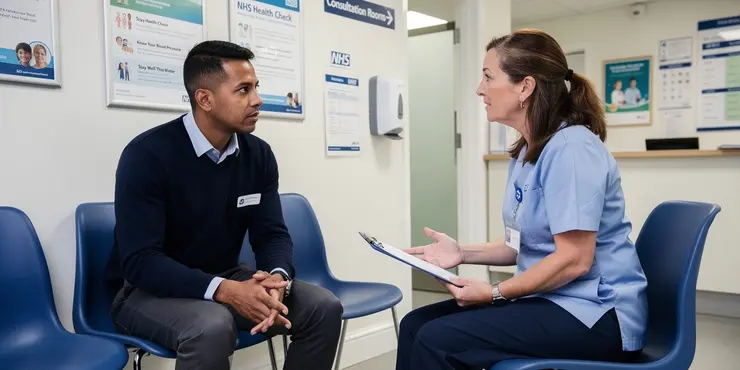
Men should discuss the risks and benefits of prostate screening with their healthcare provider. Decisions should consider individual health and personal values. Informed choices can help manage both medical and psychological risks effectively.
Understanding the potential risks empowers men to make choices aligned with their health goals. As with any medical test, prostate screening is most effective when tailored to an individual's specific needs.
Frequently Asked Questions
What is prostate screening?
Prostate screening typically involves a Prostate-Specific Antigen (PSA) blood test and sometimes a digital rectal exam (DRE) to check for signs of prostate cancer.
What are the common risks associated with prostate screening?
Common risks include false positive results, false negative results, overdiagnosis, anxiety, and potential biopsy-related complications.
Can prostate screening lead to unnecessary treatments?
Yes, screening may detect slow-growing cancers that may not cause any harm, leading to treatments that might be unnecessary and carry their own risks.
What is a false positive result in prostate screening?
A false positive occurs when the test indicates prostate cancer may be present when it actually is not, leading to unnecessary further testing and anxiety.
What is a false negative result in prostate screening?
A false negative occurs when the test fails to detect prostate cancer that is present, potentially delaying necessary treatment.
What is overdiagnosis in the context of prostate screening?
Overdiagnosis refers to the detection of prostate cancers that grow so slowly that they would never cause symptoms or death during a man's lifetime.
How can prostate screening cause anxiety?
Abnormal test results, even if eventually proven benign, can cause significant emotional stress and anxiety for patients and their families.
Are there risks associated with biopsies following abnormal prostate screening results?
Yes, prostate biopsies can lead to complications such as bleeding, infection, and pain.
How does prostate screening lead to unnecessary costs?
Unnecessary follow-up tests, treatments, and management of screening complications can increase healthcare costs.
Is the PSA test always accurate?
No, the PSA test can have varying sensitivity and specificity, leading to false positives or negatives.
Can prostate screening detect all types of prostate cancer?
Prostate screening may not detect all prostate cancers, especially those that do not cause elevated PSA levels.
Should everyone undergo prostate screening?
Screening recommendations vary, and individuals should consult healthcare providers to weigh the risks and benefits based on personal risk factors.
Can prostate screening cause physical discomfort or harm?
Yes, procedures like biopsies can cause physical discomfort, and there is potential for harm from infection or other biopsy-related complications.
How can prostate screening affect quality of life?
Unnecessary treatment from screening can lead to side effects like incontinence and erectile dysfunction, affecting quality of life.
Can prostate screening results be influenced by factors other than cancer?
Yes, factors such as age, prostatitis, benign prostatic hyperplasia, and recent ejaculation can affect PSA levels and screening results.
What can lead to unnecessary biopsy in prostate screening?
Elevated PSA levels without cancer can lead to a biopsy which may not have been needed if the elevation was due to benign causes.
Could repeated prostate screenings pose any risk?
Repeated PSA tests and follow-up procedures could increase the risk of cumulative harms, including anxiety and physical complications from biopsies.
Is the digital rectal exam (DRE) part of prostate screening risky?
While generally safe, a DRE can be uncomfortable, and there's a small risk of minor injury or discomfort.
Can lifestyle or medical history affect the risks of prostate screening?
Yes, factors such as a family history of cancer, age, overall health, and lifestyle can influence an individual's risk-benefit analysis for screening.
How can one minimize the risks associated with prostate screening?
Discussing personal risks with a healthcare provider and considering the latest guidelines can help make informed decisions to minimize risks.

Useful Links
This website offers general information and is not a substitute for professional advice.
Always seek guidance from qualified professionals.
If you have any medical concerns or need urgent help, contact a healthcare professional or emergency services immediately.
Some of this content was generated with AI assistance. We've done our best to keep it accurate, helpful, and human-friendly.
- Ergsy carefully checks the information in the videos we provide here.
- Videos shown by Youtube after a video has completed, have NOT been reviewed by ERGSY.
- To view, click the arrow in centre of video.
- Most of the videos you find here will have subtitles and/or closed captions available.
- You may need to turn these on, and choose your preferred language.
- Go to the video you'd like to watch.
- If closed captions (CC) are available, settings will be visible on the bottom right of the video player.
- To turn on Captions, click settings.
- To turn off Captions, click settings again.
More Items From Ergsy search
-
What are the risks of prostate screening?
Relevance: 100%
-
What is prostate screening?
Relevance: 91%
-
Can I walk into a clinic for prostate screening?
Relevance: 86%
-
How do I apply for prostate screening?
Relevance: 85%
-
Who should consider prostate screening?
Relevance: 85%
-
Are there alternatives to traditional prostate screening?
Relevance: 85%
-
How do I schedule a prostate screening appointment?
Relevance: 82%
-
Am I more at risk of prostate cancer?
Relevance: 80%
-
Where can I find a prostate screening clinic near me?
Relevance: 79%
-
Are there any preparation steps for prostate screening?
Relevance: 78%
-
What happens if my prostate screening is abnormal?
Relevance: 75%
-
What lifestyle changes can help lower my risk of prostate cancer?
Relevance: 70%
-
Prostate cancer symptoms - detecting them early
Relevance: 67%
-
Prostate cancer diagnosis and tests
Relevance: 66%
-
Does BPH increase the risk of prostate cancer?
Relevance: 65%
-
Are there any risk factors that increase the need for cancer screening?
Relevance: 61%
-
Is genetic screening available for cancer risk?
Relevance: 61%
-
Can I access prostate cancer information online through the NHS?
Relevance: 58%
-
What is Prostate Cancer?
Relevance: 56%
-
Prostate Specific Antigen (PSA) test
Relevance: 55%
-
Who is at risk for developing BPH?
Relevance: 55%
-
What are PSA levels? - Prostate Cancer
Relevance: 55%
-
Why do men get prostate cancer?
Relevance: 54%
-
What kinds of cancer screening are available?
Relevance: 54%
-
Prostate Surgery
Relevance: 53%
-
Living with prostate cancer
Relevance: 52%
-
Is BPH the same as prostate cancer?
Relevance: 52%
-
Are there specific vegetables that are more effective against prostate cancer?
Relevance: 52%
-
How often should screening be conducted if my child is at risk?
Relevance: 51%
-
What is cancer screening?
Relevance: 51%
-
Where can I find online resources for prostate cancer treatments on the NHS?
Relevance: 51%
-
Treating prostate cancer
Relevance: 51%
-
Are there clinical trials available for prostate cancer treatment?
Relevance: 50%
-
What is the prostate gland's role in the body?
Relevance: 49%
-
what is benign prostate hyperplasia (non-cancerous)?
Relevance: 48%
-
Ask for a prostate specific antigen (PSA) test along with your annual cholesterol check.
Relevance: 48%
-
How does surgery treat prostate cancer?
Relevance: 47%
-
What type of research supports the role of diet in prostate cancer management?
Relevance: 47%
-
Is there a recommended amount of vegetables to consume for prostate health?
Relevance: 47%
-
Can prostate cancer recur after treatment?
Relevance: 47%