
Speak To An Expert
Get clear, personalised advice for your situation.
Jot down a few questions to make the most of your conversation.
More Items From Ergsy search
-

What is prostate screening?
Relevance: 100%
-

What are the risks of prostate screening?
Relevance: 96%
-
Are there alternatives to traditional prostate screening?
Relevance: 95%
-
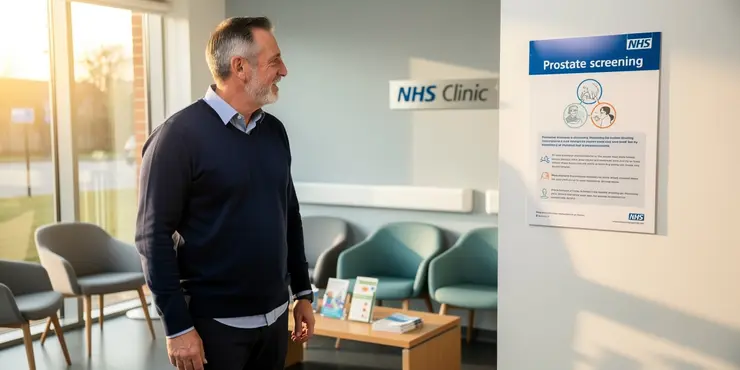
Who should consider prostate screening?
Relevance: 95%
-

Can I walk into a clinic for prostate screening?
Relevance: 95%
-

How do I apply for prostate screening?
Relevance: 94%
-

How do I schedule a prostate screening appointment?
Relevance: 92%
-

Are there any preparation steps for prostate screening?
Relevance: 92%
-

Where can I find a prostate screening clinic near me?
Relevance: 89%
-

What happens if my prostate screening is abnormal?
Relevance: 89%

-

Am I more at risk of prostate cancer?
Relevance: 73%
-
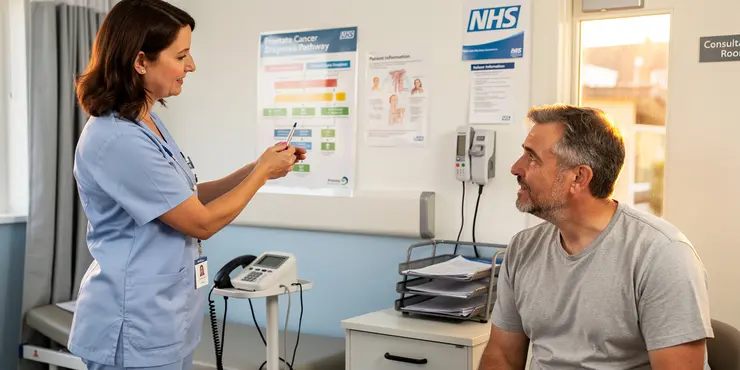
Prostate cancer diagnosis and tests
Relevance: 72%
-

Prostate cancer symptoms - detecting them early
Relevance: 71%
-

What lifestyle changes can help lower my risk of prostate cancer?
Relevance: 64%
-

Can I access prostate cancer information online through the NHS?
Relevance: 63%
-

Prostate Specific Antigen (PSA) test
Relevance: 60%
-

What is Prostate Cancer?
Relevance: 59%
-

What kinds of cancer screening are available?
Relevance: 59%
-
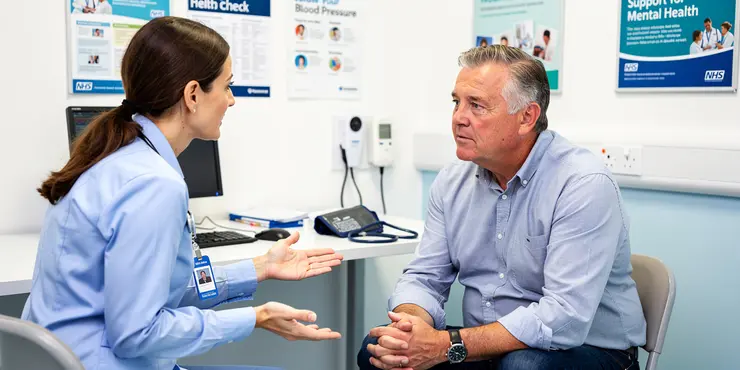
Living with prostate cancer
Relevance: 58%
-

What are PSA levels? - Prostate Cancer
Relevance: 58%
-

Where can I find online resources for prostate cancer treatments on the NHS?
Relevance: 58%
-

Is BPH the same as prostate cancer?
Relevance: 57%
-

Treating prostate cancer
Relevance: 57%
-
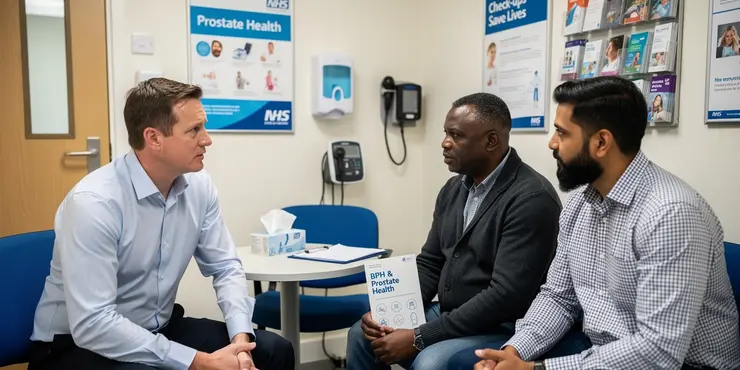
Does BPH increase the risk of prostate cancer?
Relevance: 57%
-
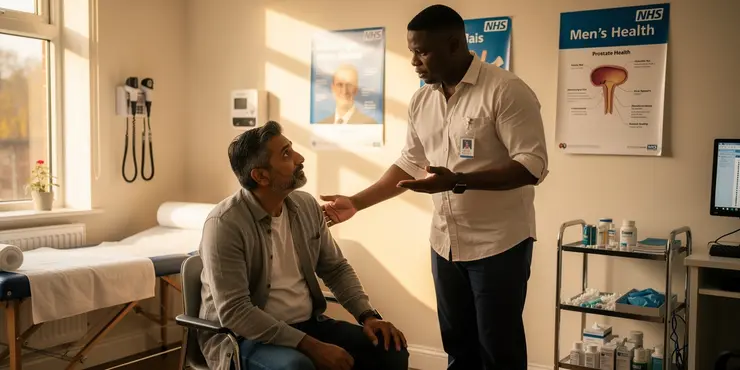
What is the prostate gland's role in the body?
Relevance: 57%
-

Prostate Surgery
Relevance: 56%
-

Why do men get prostate cancer?
Relevance: 56%
-
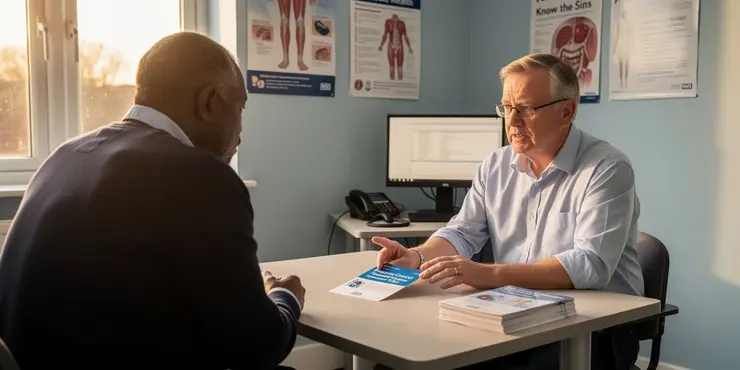
Are there clinical trials available for prostate cancer treatment?
Relevance: 55%
-

What is cancer screening?
Relevance: 54%
-

Are there any risk factors that increase the need for cancer screening?
Relevance: 54%
-

Are there specific vegetables that are more effective against prostate cancer?
Relevance: 53%
-

How is prostate cancer treated?
Relevance: 53%
-

What are prostate supplements and do they work?
Relevance: 52%
-

What factors determine the treatment plan for prostate cancer?
Relevance: 51%
-

When is chemotherapy used for prostate cancer?
Relevance: 51%
-
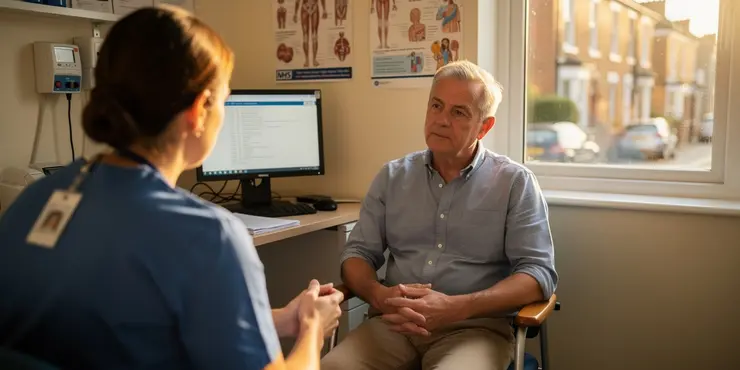
What is the role of immunotherapy in prostate cancer treatment?
Relevance: 51%
-

Ask for a prostate specific antigen (PSA) test along with your annual cholesterol check.
Relevance: 50%
-
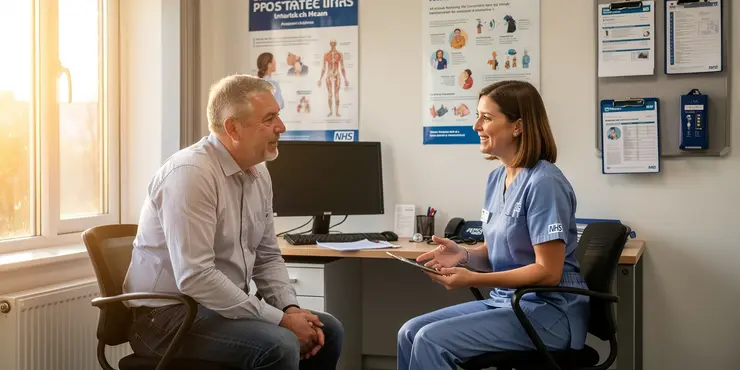
Can Abiraterone be used for early-stage prostate cancer?
Relevance: 50%
-

How does surgery treat prostate cancer?
Relevance: 50%
-
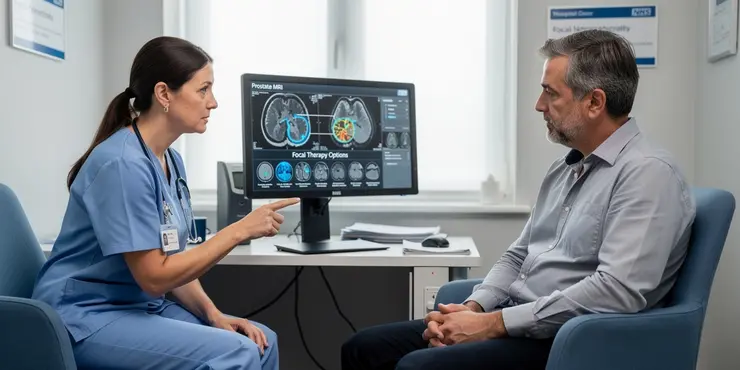
Is focal therapy an option for prostate cancer?
Relevance: 50%
Understanding Prostate Screening
Prostate screening involves testing for early signs of prostate cancer. It typically includes a Prostate-Specific Antigen (PSA) blood test or a Digital Rectal Examination (DRE). Both methods aim to detect prostate cancer before symptoms develop. Early detection can significantly impact treatment success and outcomes.
The decision to undergo screening can be complex. It depends on individual risk factors and personal preferences. Understanding who should consider prostate screening is crucial for making informed health decisions.
Men Over 50
Prostate screening is generally recommended for men over the age of 50. Age is a significant risk factor for prostate cancer. As men age, their likelihood of developing prostate cancer increases.
For many men, beginning screening at age 50 can help detect prostate cancer early. Early detection can offer more treatment options and improve prognosis.
Family History of Prostate Cancer
Men with a family history of prostate cancer may need to consider screening earlier. Having a father or brother with prostate cancer doubles the risk.
Those with multiple relatives affected by prostate cancer should discuss screening with their GP. Genetic factors can play a crucial role in the risk of developing prostate cancer.
Ethnic Background
Ethnic background can also influence prostate cancer risk. Black men in the UK are at a higher risk of developing prostate cancer.
It is suggested that black men consider screening from age 45. This earlier screening helps in managing and detecting potential cases at a treatable stage.
Symptoms and Health Concerns
Men experiencing symptoms such as difficulty urinating should talk to their doctor. Other symptoms include frequent urination, especially at night, and blood in the urine.
While these symptoms can indicate benign conditions, they warrant medical attention. Discussing these symptoms with a GP can guide the decision on whether screening is necessary.
Making an Informed Decision
Deciding on prostate screening involves weighing benefits and risks. Screening has the potential to save lives but also comes with drawbacks, like false positives and overtreatment.
It's essential for men in the UK to consult their GP for tailored advice. Personal risk factors and health history can influence the decision to screen or not.
Ultimately, the choice should be one that aligns with personal values and preferences. Conversations with healthcare professionals provide the best foundation for informed decision-making.
Frequently Asked Questions
Who is most at risk for prostate cancer and should consider screening?
Men over the age of 50 are generally at higher risk for prostate cancer and should consider screening. Additionally, men with a family history of prostate cancer, especially first-degree relatives, or those of African descent, who have a higher risk, should also consider early screening.
How does family history impact the decision to undergo prostate screening?
A family history of prostate cancer, particularly in a father or brother, increases the risk significantly. Men with such a history should consider starting screening earlier, typically around age 40-45.
Why should African American men consider earlier prostate screening?
African American men are at a higher risk for developing prostate cancer and are more likely to develop it at a younger age. Therefore, they should consider starting screening at age 45 or earlier.
What role does age play in determining the necessity for prostate screening?
Age is a significant factor in prostate cancer risk, with most cases occurring in men over 65. Men should start discussing screening with their healthcare provider around age 50, or earlier if they have higher risk factors.
Should men without symptoms consider prostate cancer screening?
Yes, men without symptoms but who are at higher risk due to age, family history, or race should consider screening, as early detection can lead to better outcomes.
What are the potential downsides of prostate screening that should be considered?
Potential downsides include false positives, overdiagnosis, and overtreatment, which can lead to unnecessary anxiety and potential side effects from treatments.
When should someone with a BRCA gene mutation consider prostate cancer screening?
Men with BRCA1 or BRCA2 gene mutations have an increased risk for prostate cancer and should discuss with their healthcare provider about starting regular screenings at an earlier age, such as 40.
Is prostate screening recommended for men under 40?
Prostate screening is generally not recommended for men under 40 unless they have very high-risk factors, such as having multiple family members with a history of early-onset prostate cancer.
What are the screening options available for detecting prostate cancer?
The two primary screening methods are the Prostate-Specific Antigen (PSA) blood test and the Digital Rectal Exam (DRE).
How often should one undergo prostate screening?
The frequency of screening depends on individual risk factors and results of initial screenings. Typically, men at average risk may have screenings every 1-2 years after the age of 50, whereas high-risk individuals may begin earlier and have more frequent evaluations.
Should men with no family history of cancer get screened for prostate cancer?
Yes, because prostate cancer can still occur in those with no family history, particularly as one ages. Routine screenings are part of preventive health for older men.
What should men consider when determining whether to start prostate screening?
Men should consider their age, family history, race, personal health history, and discussions with a healthcare provider about the benefits and risks of screening.
Are there lifestyle factors that affect the decision to screen for prostate cancer?
Certain lifestyle factors, such as a diet high in red meat and fat, obesity, and smoking, can impact prostate cancer risk and might influence the decision to undergo screening.
Does having a vasectomy affect the need for prostate cancer screening?
There is no conclusive evidence to suggest that a vasectomy increases prostate cancer risk, so it should not affect the need for screening.
What is the earliest age at which someone should consider prostate cancer screening?
Men with high risk, such as those with a strong family history or African American men, may consider starting screening as early as age 40.
Why is shared decision-making important in prostate cancer screening?
Shared decision-making ensures that men understand the potential benefits and risks of screening and that they align their screening choices with their values and preferences.
How does the Gleason score impact the decision to continue or adjust prostate screening?
The Gleason score, obtained from a biopsy, indicates the aggressiveness of prostate cancer and can guide further treatment and monitoring decisions, not just initial screening.
What are possible symptoms of prostate cancer that should prompt immediate screening?
Symptoms such as difficulty urinating, blood in urine or semen, erectile dysfunction, or unexplained weight loss may indicate the need for immediate screening.
How have prostate screening recommendations changed over time?
Recommendations have shifted towards more personalized screening, focused on high-risk groups, and involving shared decision-making due to concerns about overdiagnosis.
Can adopting a healthier lifestyle reduce the need for prostate cancer screening?
While a healthy lifestyle can lower overall cancer risk, it does not eliminate the need for screening, especially for those at increased risk based on age or family history.

Useful Links
This website offers general information and is not a substitute for professional advice.
Always seek guidance from qualified professionals.
If you have any medical concerns or need urgent help, contact a healthcare professional or emergency services immediately.
Some of this content was generated with AI assistance. We've done our best to keep it accurate, helpful, and human-friendly.
- Ergsy carefully checks the information in the videos we provide here.
- Videos shown by Youtube after a video has completed, have NOT been reviewed by ERGSY.
- To view, click the arrow in centre of video.
- Most of the videos you find here will have subtitles and/or closed captions available.
- You may need to turn these on, and choose your preferred language.
- Go to the video you'd like to watch.
- If closed captions (CC) are available, settings will be visible on the bottom right of the video player.
- To turn on Captions, click settings.
- To turn off Captions, click settings again.
More Items From Ergsy search
-
What is prostate screening?
Relevance: 100%
-
What are the risks of prostate screening?
Relevance: 96%
-
Are there alternatives to traditional prostate screening?
Relevance: 95%
-
Who should consider prostate screening?
Relevance: 95%
-
Can I walk into a clinic for prostate screening?
Relevance: 95%
-
How do I apply for prostate screening?
Relevance: 94%
-
How do I schedule a prostate screening appointment?
Relevance: 92%
-
Are there any preparation steps for prostate screening?
Relevance: 92%
-
Where can I find a prostate screening clinic near me?
Relevance: 89%
-
What happens if my prostate screening is abnormal?
Relevance: 89%
-
Am I more at risk of prostate cancer?
Relevance: 73%
-
Prostate cancer diagnosis and tests
Relevance: 72%
-
Prostate cancer symptoms - detecting them early
Relevance: 71%
-
What lifestyle changes can help lower my risk of prostate cancer?
Relevance: 64%
-
Can I access prostate cancer information online through the NHS?
Relevance: 63%
-
Prostate Specific Antigen (PSA) test
Relevance: 60%
-
What is Prostate Cancer?
Relevance: 59%
-
What kinds of cancer screening are available?
Relevance: 59%
-
Living with prostate cancer
Relevance: 58%
-
What are PSA levels? - Prostate Cancer
Relevance: 58%
-
Where can I find online resources for prostate cancer treatments on the NHS?
Relevance: 58%
-
Is BPH the same as prostate cancer?
Relevance: 57%
-
Treating prostate cancer
Relevance: 57%
-
Does BPH increase the risk of prostate cancer?
Relevance: 57%
-
What is the prostate gland's role in the body?
Relevance: 57%
-
Prostate Surgery
Relevance: 56%
-
Why do men get prostate cancer?
Relevance: 56%
-
Are there clinical trials available for prostate cancer treatment?
Relevance: 55%
-
What is cancer screening?
Relevance: 54%
-
Are there any risk factors that increase the need for cancer screening?
Relevance: 54%
-
Are there specific vegetables that are more effective against prostate cancer?
Relevance: 53%
-
How is prostate cancer treated?
Relevance: 53%
-
What are prostate supplements and do they work?
Relevance: 52%
-
What factors determine the treatment plan for prostate cancer?
Relevance: 51%
-
When is chemotherapy used for prostate cancer?
Relevance: 51%
-
What is the role of immunotherapy in prostate cancer treatment?
Relevance: 51%
-
Ask for a prostate specific antigen (PSA) test along with your annual cholesterol check.
Relevance: 50%
-
Can Abiraterone be used for early-stage prostate cancer?
Relevance: 50%
-
How does surgery treat prostate cancer?
Relevance: 50%
-
Is focal therapy an option for prostate cancer?
Relevance: 50%