

Speak To An Expert
Get clear, personalised advice for your situation.
Jot down a few questions to make the most of your conversation.
More Items From Ergsy search
-

What are common signs of heavy menstrual bleeding?
Relevance: 100%
-
What is heavy menstrual bleeding?
Relevance: 90%
-
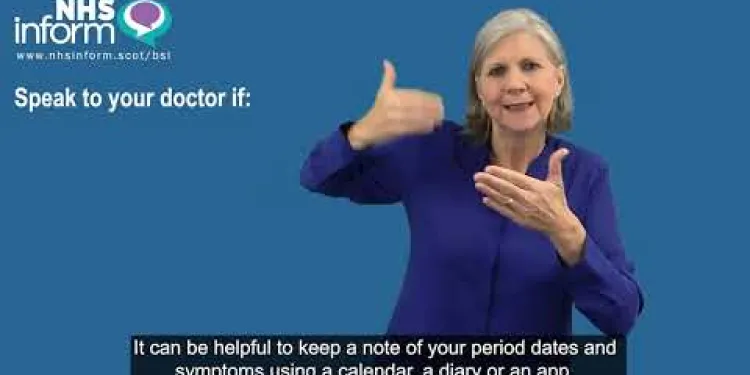
Heavy periods (heavy menstrual bleeding)
Relevance: 85%
-

Is heavy menstrual bleeding always a sign of a serious problem?
Relevance: 84%
-

Can heavy menstrual bleeding happen in teenagers?
Relevance: 83%
-

Can heavy menstrual bleeding cause anemia?
Relevance: 82%
-

How is heavy menstrual bleeding diagnosed?
Relevance: 81%
-

What causes heavy menstrual bleeding?
Relevance: 81%
-

Can heavy menstrual bleeding lead to emergencies?
Relevance: 80%
-

Does heavy menstrual bleeding affect fertility?
Relevance: 80%

-
Is heavy menstrual bleeding the same as painful periods?
Relevance: 80%
-
How is heavy menstrual bleeding different from a normal period?
Relevance: 79%
-

Can heavy menstrual bleeding be caused by fibroids?
Relevance: 78%
-

What treatments are used for heavy menstrual bleeding?
Relevance: 77%
-

Can stress cause heavy menstrual bleeding?
Relevance: 76%
-

When should I see a doctor for heavy menstrual bleeding?
Relevance: 75%
-

What self-care can help with heavy menstrual bleeding?
Relevance: 73%
-

Can heavy menstrual bleeding happen after menopause?
Relevance: 73%
-

Can birth control help with heavy menstrual bleeding?
Relevance: 72%
-

How much bleeding is considered heavy?
Relevance: 70%
-

Should I track my periods if I have heavy bleeding?
Relevance: 52%
-

Can I use Ibuprofen for menstrual pain?
Relevance: 41%
-
Bleeding from the bottom rectal bleeding
Relevance: 40%
-

What should I do if I start bleeding during early pregnancy? | NHS
Relevance: 40%
-
Bleeding from the bottom rectal bleeding
Relevance: 39%
-

Post Menopausal Bleeding Clinic | A Guide to What Happens at An Appointment
Relevance: 35%
-
Are there any risks associated with the womb lining test?
Relevance: 35%
-

What should I do if I experience severe pain or bleeding after the test?
Relevance: 35%
-

In what situations are medical tampons used?
Relevance: 33%
-

What happens after a womb lining test?
Relevance: 32%
-

What is the Womb Lining test?
Relevance: 32%
-

What you need to know about irregular periods
Relevance: 31%
-

What is Anaemia (iron deficiency)?
Relevance: 31%
-
Leukaemia: What are the signs and symptoms? | NHS
Relevance: 30%
-

Irregular periods - BSL
Relevance: 29%
-
Can the test be performed during my menstrual period?
Relevance: 29%
-

Having a hysteroscopy as an outpatient (English)
Relevance: 28%
-

Will the test affect my menstrual cycle?
Relevance: 28%
-

Ovarian cancer - signs and symptoms to look out for
Relevance: 27%
-

Is the womb lining test painful?
Relevance: 26%
What is heavy menstrual bleeding?
Heavy menstrual bleeding means periods that are unusually heavy or last longer than normal. It can affect everyday life, making work, sleep, exercise, and social plans harder to manage.
Some people use the term “heavy periods”, while a GP may use “menorrhagia” or heavy menstrual bleeding. The amount that feels heavy can vary from person to person.
Common signs to look for
One of the most common signs is needing to change a pad or tampon very often. If you regularly need to change protection every hour or two, especially on your heaviest days, this may suggest a heavy period.
Another sign is bleeding through to your clothes or bedding. Soaking through sanitary products or needing to use both a tampon and pad together can also be a clue that bleeding is heavier than usual.
Passing large blood clots can happen with heavy bleeding too. Some clotting during a period can be normal, but larger clots or frequent clots may be a sign to speak to a GP.
How heavy bleeding can affect daily life
Heavy periods may cause you to plan your day around access to toilets and spare sanitary products. You may feel anxious about leaks or avoid going out, travelling, or exercising during your period.
Some people find they need to get up in the night to change protection. If your sleep is regularly disturbed because of bleeding, that is another sign your periods may be too heavy.
Other symptoms linked to heavy periods
Heavy bleeding can sometimes lead to symptoms of anaemia, which happens when you do not have enough iron in your body. This may cause tiredness, weakness, dizziness, headaches, or feeling short of breath.
You might also notice paleness, a fast heartbeat, or feeling unusually cold. If these symptoms happen alongside heavy periods, it is worth getting medical advice.
When to speak to a GP
You should contact your GP if your periods are affecting your quality of life or if the bleeding seems much heavier than before. It is also important to get help if your periods last longer than seven days.
Seek advice sooner if you feel faint, are bleeding between periods, or have severe pain. Sudden changes in your periods should always be checked, especially if you are pregnant or think you might be.
Frequently Asked Questions
What are common signs of heavy menstrual bleeding?
Common signs include soaking through pads or tampons quickly, needing to change them very often, passing large clots, and having periods that last longer than usual.
How often do I need to change pads or tampons if bleeding is heavy?
If you need to change your pad or tampon every hour or two for several hours, that can be a sign of heavy menstrual bleeding.
Are large blood clots a sign of heavy periods?
Yes, passing blood clots larger than a quarter can be a sign of heavy menstrual bleeding.
Can heavy menstrual bleeding last longer than a normal period?
Yes, periods that last more than seven days may indicate heavy menstrual bleeding.
Is soaking through clothes a sign of heavy bleeding?
Yes, bleeding through a pad, tampon, or menstrual cup and soaking your clothes or bedding is a common sign.
Can heavy menstrual bleeding cause fatigue?
Yes, ongoing heavy bleeding can lead to iron deficiency and make you feel tired, weak, or low on energy.
Can heavy periods cause dizziness?
Yes, heavy blood loss may cause dizziness, lightheadedness, or faintness, especially if it leads to anemia.
Is waking up at night to change protection a sign?
Yes, needing to wake up at night to change pads or tampons because of bleeding can suggest heavy menstrual bleeding.
Can heavy periods interfere with daily activities?
Yes, if bleeding makes it hard to work, go to school, exercise, or do normal activities, it may be a sign of heavy menstrual bleeding.
Is bleeding between periods related to heavy menstrual bleeding?
Bleeding between periods is not the same thing, but it can happen with some conditions that also cause heavy menstrual bleeding and should be checked.
Can heavy menstrual bleeding cause shortness of breath?
Yes, if heavy bleeding causes anemia, you may feel short of breath during activity or even at rest.
What does anemia from heavy periods feel like?
Anemia can cause tiredness, weakness, pale skin, headaches, dizziness, and a fast heartbeat.
Is a very heavy first day of bleeding a warning sign?
Yes, if the first day is so heavy that you need frequent changes or leak through protection, it may be a sign of heavy menstrual bleeding.
Can heavy menstrual bleeding happen with severe cramps?
It can, although heavy bleeding and painful cramps are not always linked. Both together may point to an underlying cause that needs evaluation.
Does having to use both a pad and tampon suggest heavy bleeding?
Yes, needing to use double protection to control flow can be a sign that the bleeding is heavier than normal.
Can heavy bleeding be noticed by how full a menstrual cup gets?
Yes, if a cup fills very quickly or overflows before the usual time, that can suggest heavy menstrual bleeding.
Is clotting with a sudden gush of blood common in heavy periods?
Yes, some people notice a sudden gush or flooding of blood, often along with clots, during heavy menstrual bleeding.
Can heavy menstrual bleeding affect iron levels?
Yes, repeated heavy blood loss can lower iron levels and lead to iron deficiency or anemia.
When should heavy menstrual bleeding be checked by a doctor?
It should be checked if it is frequent, lasts longer than a week, causes large clots, leads to anemia symptoms, or disrupts daily life.
What is the main difference between a normal period and heavy menstrual bleeding?
A normal period usually does not require very frequent changes, does not soak through protection quickly, and does not cause major fatigue or anemia symptoms.

Useful Linksxxx
This website offers general information and is not a substitute for professional advice.
Always seek guidance from qualified professionals.
If you have any medical concerns or need urgent help, contact a healthcare professional or emergency services immediately.
Some of this content was generated with AI assistance. We've done our best to keep it accurate, helpful, and human-friendly.
- Ergsy carefully checks the information in the videos we provide here.
- Videos shown by Youtube after a video has completed, have NOT been reviewed by ERGSY.
- To view, click the arrow in centre of video.
- Most of the videos you find here will have subtitles and/or closed captions available.
- You may need to turn these on, and choose your preferred language.
- Go to the video you'd like to watch.
- If closed captions (CC) are available, settings will be visible on the bottom right of the video player.
- To turn on Captions, click settings.
- To turn off Captions, click settings again.
More Items From Ergsy search
-
What are common signs of heavy menstrual bleeding?
Relevance: 100%
-
What is heavy menstrual bleeding?
Relevance: 90%
-
Heavy periods (heavy menstrual bleeding)
Relevance: 85%
-
Is heavy menstrual bleeding always a sign of a serious problem?
Relevance: 84%
-
Can heavy menstrual bleeding happen in teenagers?
Relevance: 83%
-
Can heavy menstrual bleeding cause anemia?
Relevance: 82%
-
How is heavy menstrual bleeding diagnosed?
Relevance: 81%
-
What causes heavy menstrual bleeding?
Relevance: 81%
-
Can heavy menstrual bleeding lead to emergencies?
Relevance: 80%
-
Does heavy menstrual bleeding affect fertility?
Relevance: 80%
-
Is heavy menstrual bleeding the same as painful periods?
Relevance: 80%
-
How is heavy menstrual bleeding different from a normal period?
Relevance: 79%
-
Can heavy menstrual bleeding be caused by fibroids?
Relevance: 78%
-
What treatments are used for heavy menstrual bleeding?
Relevance: 77%
-
Can stress cause heavy menstrual bleeding?
Relevance: 76%
-
When should I see a doctor for heavy menstrual bleeding?
Relevance: 75%
-
What self-care can help with heavy menstrual bleeding?
Relevance: 73%
-
Can heavy menstrual bleeding happen after menopause?
Relevance: 73%
-
Can birth control help with heavy menstrual bleeding?
Relevance: 72%
-
How much bleeding is considered heavy?
Relevance: 70%
-
Should I track my periods if I have heavy bleeding?
Relevance: 52%
-
Can I use Ibuprofen for menstrual pain?
Relevance: 41%
-
Bleeding from the bottom rectal bleeding
Relevance: 40%
-
What should I do if I start bleeding during early pregnancy? | NHS
Relevance: 40%
-
Bleeding from the bottom rectal bleeding
Relevance: 39%
-
Post Menopausal Bleeding Clinic | A Guide to What Happens at An Appointment
Relevance: 35%
-
Are there any risks associated with the womb lining test?
Relevance: 35%
-
What should I do if I experience severe pain or bleeding after the test?
Relevance: 35%
-
In what situations are medical tampons used?
Relevance: 33%
-
What happens after a womb lining test?
Relevance: 32%
-
What is the Womb Lining test?
Relevance: 32%
-
What you need to know about irregular periods
Relevance: 31%
-
What is Anaemia (iron deficiency)?
Relevance: 31%
-
Leukaemia: What are the signs and symptoms? | NHS
Relevance: 30%
-
Irregular periods - BSL
Relevance: 29%
-
Can the test be performed during my menstrual period?
Relevance: 29%
-
Having a hysteroscopy as an outpatient (English)
Relevance: 28%
-
Will the test affect my menstrual cycle?
Relevance: 28%
-
Ovarian cancer - signs and symptoms to look out for
Relevance: 27%
-
Is the womb lining test painful?
Relevance: 26%