

Speak To An Expert
Get clear, personalised advice for your situation.
Jot down a few questions to make the most of your conversation.
More Items From Ergsy search
-

Heavy periods (heavy menstrual bleeding)
Relevance: 100%
-

What treatments are used for heavy menstrual bleeding?
Relevance: 99%
-
What is heavy menstrual bleeding?
Relevance: 98%
-

What causes heavy menstrual bleeding?
Relevance: 92%
-

How is heavy menstrual bleeding diagnosed?
Relevance: 91%
-

Can heavy menstrual bleeding be caused by fibroids?
Relevance: 91%
-

Can heavy menstrual bleeding cause anemia?
Relevance: 91%
-

Does heavy menstrual bleeding affect fertility?
Relevance: 90%
-

What are common signs of heavy menstrual bleeding?
Relevance: 89%
-

Can heavy menstrual bleeding happen in teenagers?
Relevance: 89%

-
Is heavy menstrual bleeding the same as painful periods?
Relevance: 89%
-

Can heavy menstrual bleeding lead to emergencies?
Relevance: 87%
-

Can stress cause heavy menstrual bleeding?
Relevance: 87%
-

Can birth control help with heavy menstrual bleeding?
Relevance: 86%
-

Is heavy menstrual bleeding always a sign of a serious problem?
Relevance: 86%
-

How is heavy menstrual bleeding different from a normal period?
Relevance: 86%
-

When should I see a doctor for heavy menstrual bleeding?
Relevance: 84%
-

What self-care can help with heavy menstrual bleeding?
Relevance: 84%
-

Can heavy menstrual bleeding happen after menopause?
Relevance: 78%
-

How much bleeding is considered heavy?
Relevance: 74%
-

Should I track my periods if I have heavy bleeding?
Relevance: 62%
-

Can I use Ibuprofen for menstrual pain?
Relevance: 46%
-
Bleeding from the bottom rectal bleeding
Relevance: 42%
-

Bleeding from the bottom rectal bleeding
Relevance: 41%
-

What should I do if I start bleeding during early pregnancy? | NHS
Relevance: 40%
-

What you need to know about irregular periods
Relevance: 37%
-

Post Menopausal Bleeding Clinic | A Guide to What Happens at An Appointment
Relevance: 37%
-

In what situations are medical tampons used?
Relevance: 37%
-

What is the Womb Lining test?
Relevance: 36%
-

What is Anaemia (iron deficiency)?
Relevance: 36%
-

What happens after a womb lining test?
Relevance: 35%
-

What should I do if I experience severe pain or bleeding after the test?
Relevance: 35%
-

Irregular periods - BSL
Relevance: 34%
-
Are there any risks associated with the womb lining test?
Relevance: 33%
-

Can the test be performed during my menstrual period?
Relevance: 32%
-

Will the test affect my menstrual cycle?
Relevance: 32%
-

Having a hysteroscopy as an outpatient (English)
Relevance: 30%
-

Why is a womb lining test performed?
Relevance: 27%
-

Is the womb lining test painful?
Relevance: 27%
-

Finding out about Fibroids - information for patients
Relevance: 27%
What is heavy menstrual bleeding?
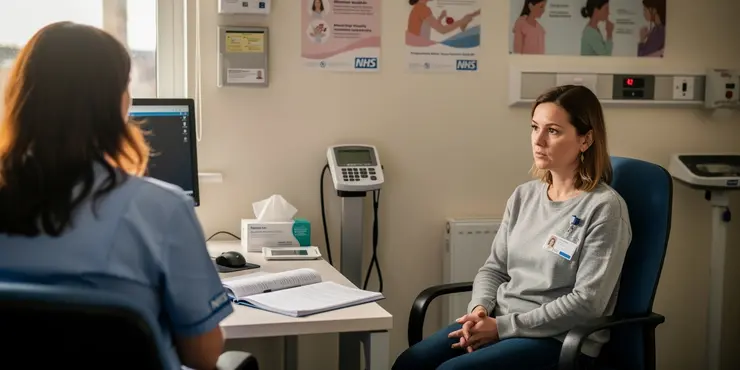
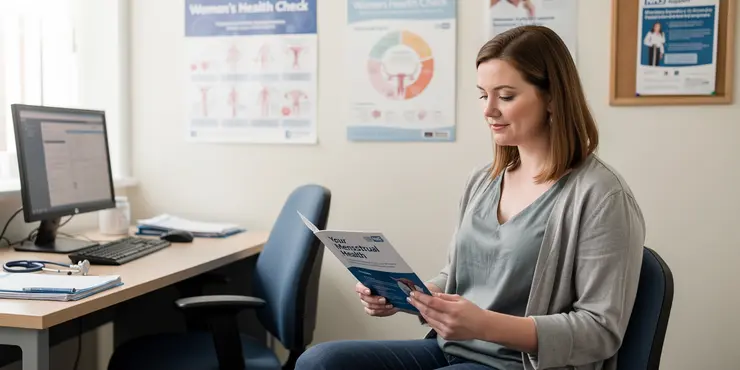
Heavy menstrual bleeding, sometimes called menorrhagia, means periods that are unusually heavy, last longer than normal, or both. It can affect daily life, causing tiredness, pain, embarrassment, or problems with work and social activities.
If you are soaking through pads or tampons very quickly, passing large blood clots, or needing to change protection overnight, it may be classed as heavy. It is a good idea to speak to a GP, especially if the bleeding is new or getting worse.
Medicines that can help
One common treatment is tranexamic acid, which helps the blood clot and can reduce bleeding during periods. It is usually taken only on the days you are bleeding.
Non-steroidal anti-inflammatory drugs, or NSAIDs, such as ibuprofen, may also help reduce blood loss and period pain. These are not suitable for everyone, so a pharmacist or GP can advise if they are safe for you.
Hormonal treatments are often used as well. The combined pill, the progestogen-only pill, or a progesterone-releasing IUS, such as the Mirena coil, can make periods lighter.
Longer-term treatment options
The hormonal IUS is a common first choice for many women in the UK because it can be very effective and lasts for several years. It is fitted into the womb by a trained clinician.
Some women may be offered other hormone treatments, such as cyclical progestogens or the contraceptive injection. The best option depends on your symptoms, medical history, and whether you want to become pregnant in the future.
Treating the cause
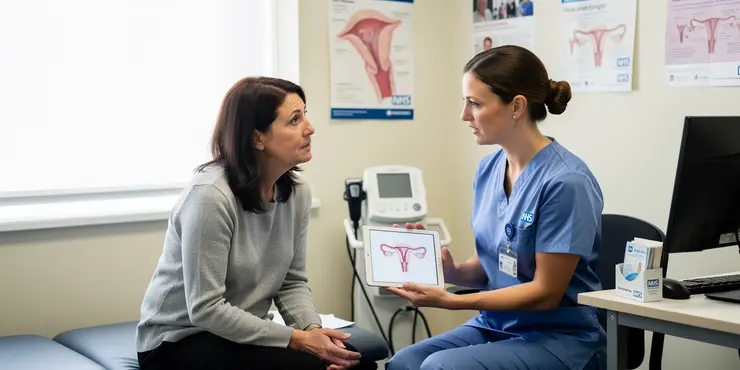
If heavy bleeding is caused by fibroids, polyps, adenomyosis, or another condition, treatment may need to target that problem directly. You may be referred for an ultrasound scan or to a gynaecology specialist.
In some cases, surgery may be recommended. This could include removing fibroids or polyps, or endometrial ablation, which reduces the lining of the womb and can lessen bleeding.
When to get urgent advice
Seek urgent medical help if you are bleeding very heavily, feel faint, have severe pain, or think you may be pregnant. Heavy bleeding can sometimes lead to anaemia, which may cause tiredness, shortness of breath, or dizziness.
A GP can help you find the most suitable treatment and check for underlying causes. Many people improve with the right combination of medicine, monitoring, and support.
Frequently Asked Questions
What treatments are used for heavy menstrual bleeding?
Treatment depends on the cause and severity, but commonly includes medications such as NSAIDs, tranexamic acid, hormonal birth control, progestin therapy, and sometimes procedures or surgery.
Can birth control help treat heavy menstrual bleeding?
Yes. Combined hormonal pills, the patch, ring, or hormonal IUDs can reduce menstrual blood loss and make periods more regular.
How does a hormonal IUD treat heavy menstrual bleeding?
A hormonal IUD releases progestin into the uterus, which thins the uterine lining and often greatly reduces bleeding over time.
Are nonsteroidal anti-inflammatory drugs used for heavy menstrual bleeding?
Yes. NSAIDs such as ibuprofen or naproxen can reduce menstrual flow and also help with cramping.
What is tranexamic acid used for in heavy menstrual bleeding?
Tranexamic acid helps blood clot more effectively and can reduce bleeding during a period.
Can iron supplements be part of treatment for heavy menstrual bleeding?
Yes. Iron supplements do not reduce bleeding, but they are often used to treat or prevent iron deficiency and anemia caused by heavy blood loss.
Are progestin-only treatments used for heavy menstrual bleeding?
Yes. Progestin tablets, injections, implants, or a progestin-releasing IUD can help control heavy bleeding, especially when estrogen is not suitable.
When is surgery considered for heavy menstrual bleeding?
Surgery is considered when medicines do not work, symptoms are severe, or there is an underlying structural problem such as fibroids or polyps.
What procedures can be used to treat heavy menstrual bleeding caused by fibroids or polyps?
Procedures may include hysteroscopic removal of polyps or fibroids, myomectomy, or other treatments aimed at removing the source of bleeding.
What is endometrial ablation?
Endometrial ablation is a procedure that destroys the lining of the uterus to reduce menstrual bleeding. It is usually for people who do not want future pregnancies.
When is hysterectomy used for heavy menstrual bleeding?
Hysterectomy, or removal of the uterus, may be recommended when other treatments fail or when bleeding is severe and the person does not want future fertility.
Can treating an underlying condition help heavy menstrual bleeding?
Yes. If bleeding is caused by issues such as thyroid disease, bleeding disorders, fibroids, or endometriosis, treating the root cause can improve symptoms.
Do hormonal treatments work for all causes of heavy menstrual bleeding?
Not always. Hormonal treatments help many cases, but the best option depends on the cause, age, fertility goals, and overall health.
Can lifestyle changes alone treat heavy menstrual bleeding?
Lifestyle changes may support overall health, but they usually do not fully treat heavy menstrual bleeding. Medical treatment is often needed.
How do doctors decide which treatment is best for heavy menstrual bleeding?
Doctors consider the cause, age, severity of bleeding, anemia, desire for future pregnancy, medical history, and personal preference.
Can heavy menstrual bleeding be treated without hormones?
Yes. Nonhormonal options include NSAIDs and tranexamic acid, and some procedures can also reduce bleeding without hormones.
Is emergency treatment ever needed for heavy menstrual bleeding?
Yes. Very heavy bleeding with dizziness, fainting, shortness of breath, or weakness may require urgent medical care and sometimes fluids, blood transfusion, or immediate treatment.
Can heavy menstrual bleeding return after treatment?
Yes, it can return depending on the treatment and the underlying cause. Some treatments provide temporary relief, while others offer longer-term control.
Are blood transfusions used to treat heavy menstrual bleeding?
Blood transfusions are not a routine treatment, but they may be needed if heavy bleeding causes severe anemia or significant blood loss.
Should heavy menstrual bleeding always be evaluated by a doctor before treatment?
Yes. It is important to have heavy menstrual bleeding evaluated so the cause can be identified and the safest, most effective treatment can be chosen.

Useful Linksxxx
This website offers general information and is not a substitute for professional advice.
Always seek guidance from qualified professionals.
If you have any medical concerns or need urgent help, contact a healthcare professional or emergency services immediately.
Some of this content was generated with AI assistance. We've done our best to keep it accurate, helpful, and human-friendly.
- Ergsy carefully checks the information in the videos we provide here.
- Videos shown by Youtube after a video has completed, have NOT been reviewed by ERGSY.
- To view, click the arrow in centre of video.
- Most of the videos you find here will have subtitles and/or closed captions available.
- You may need to turn these on, and choose your preferred language.
- Go to the video you'd like to watch.
- If closed captions (CC) are available, settings will be visible on the bottom right of the video player.
- To turn on Captions, click settings.
- To turn off Captions, click settings again.
More Items From Ergsy search
-
Heavy periods (heavy menstrual bleeding)
Relevance: 100%
-
What treatments are used for heavy menstrual bleeding?
Relevance: 99%
-
What is heavy menstrual bleeding?
Relevance: 98%
-
What causes heavy menstrual bleeding?
Relevance: 92%
-
How is heavy menstrual bleeding diagnosed?
Relevance: 91%
-
Can heavy menstrual bleeding be caused by fibroids?
Relevance: 91%
-
Can heavy menstrual bleeding cause anemia?
Relevance: 91%
-
Does heavy menstrual bleeding affect fertility?
Relevance: 90%
-
What are common signs of heavy menstrual bleeding?
Relevance: 89%
-
Can heavy menstrual bleeding happen in teenagers?
Relevance: 89%
-
Is heavy menstrual bleeding the same as painful periods?
Relevance: 89%
-
Can heavy menstrual bleeding lead to emergencies?
Relevance: 87%
-
Can stress cause heavy menstrual bleeding?
Relevance: 87%
-
Can birth control help with heavy menstrual bleeding?
Relevance: 86%
-
Is heavy menstrual bleeding always a sign of a serious problem?
Relevance: 86%
-
How is heavy menstrual bleeding different from a normal period?
Relevance: 86%
-
When should I see a doctor for heavy menstrual bleeding?
Relevance: 84%
-
What self-care can help with heavy menstrual bleeding?
Relevance: 84%
-
Can heavy menstrual bleeding happen after menopause?
Relevance: 78%
-
How much bleeding is considered heavy?
Relevance: 74%
-
Should I track my periods if I have heavy bleeding?
Relevance: 62%
-
Can I use Ibuprofen for menstrual pain?
Relevance: 46%
-
Bleeding from the bottom rectal bleeding
Relevance: 42%
-
Bleeding from the bottom rectal bleeding
Relevance: 41%
-
What should I do if I start bleeding during early pregnancy? | NHS
Relevance: 40%
-
What you need to know about irregular periods
Relevance: 37%
-
Post Menopausal Bleeding Clinic | A Guide to What Happens at An Appointment
Relevance: 37%
-
In what situations are medical tampons used?
Relevance: 37%
-
What is the Womb Lining test?
Relevance: 36%
-
What is Anaemia (iron deficiency)?
Relevance: 36%
-
What happens after a womb lining test?
Relevance: 35%
-
What should I do if I experience severe pain or bleeding after the test?
Relevance: 35%
-
Irregular periods - BSL
Relevance: 34%
-
Are there any risks associated with the womb lining test?
Relevance: 33%
-
Can the test be performed during my menstrual period?
Relevance: 32%
-
Will the test affect my menstrual cycle?
Relevance: 32%
-
Having a hysteroscopy as an outpatient (English)
Relevance: 30%
-
Why is a womb lining test performed?
Relevance: 27%
-
Is the womb lining test painful?
Relevance: 27%
-
Finding out about Fibroids - information for patients
Relevance: 27%